
7 Smart Kids Laundry Tips Busy Families Need to Know
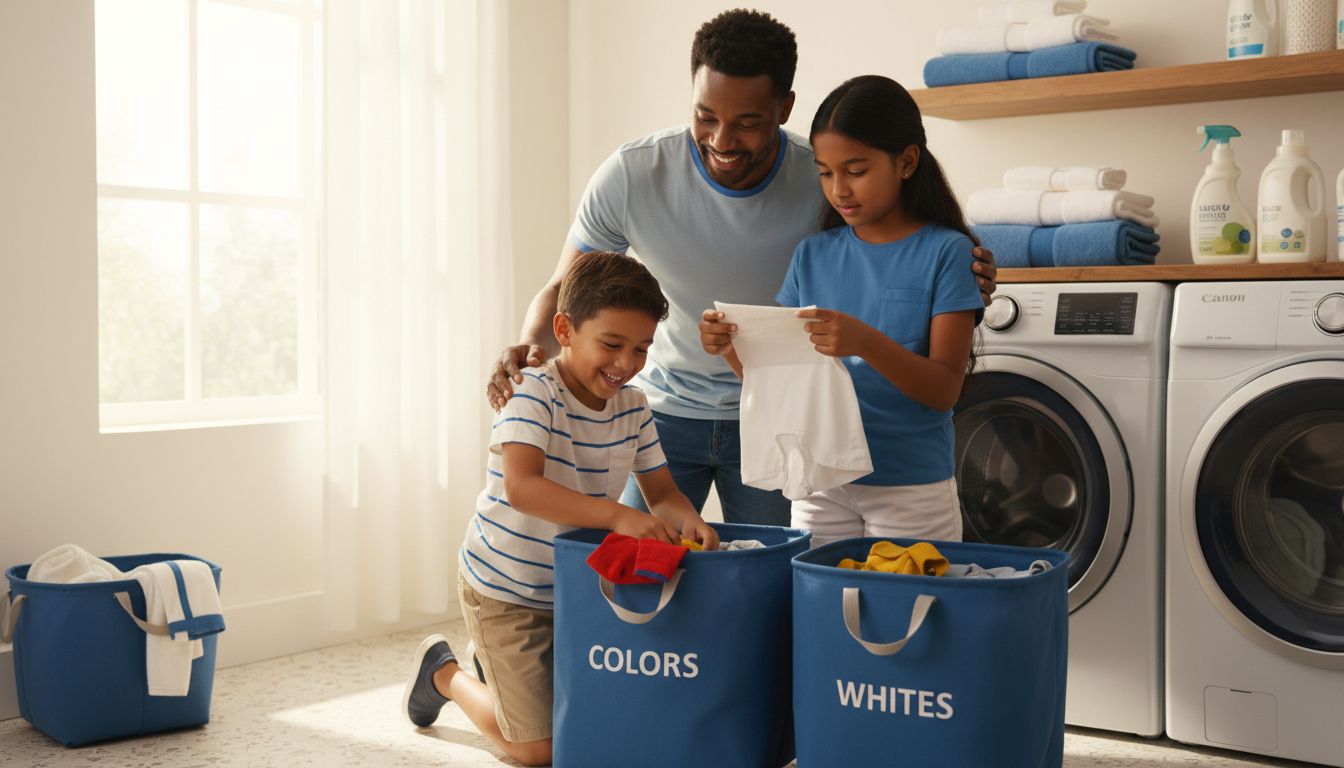
Columbia Pike Laundry offers pickup & delivery across Northern Virginia.
Over 60 percent of american families report that kids help with laundry at least once a week. Yet most parents still wonder how to make this routine task educational and enjoyable for children. Teaching laundry skills does more than keep closets tidy. It builds responsibility, boosts confidence, and creates moments for family connection. Whether you want to teach sorting skills or encourage teamwork, this guide shares practical ways to turn laundry into a rewarding experience for every american household.
Quick Summary
| Key Insight | Explanation |
|---|---|
| 1. Engage Kids in Laundry Sorting | Involve children in sorting clothes to teach them organization and responsibility while preventing clothing damage. |
| 2. Make Care Labels Fun to Read | Turn reading care labels into a game to help kids learn garment care and maintenance for better clothing longevity. |
| 3. Choose Detergents for Sensitive Skin | Teach children to select hypoallergenic detergents that protect sensitive skin, turning product selection into an educational activity. |
| 4. Transform Stain Removal into a Game | Encourage kids to tackle stain removal like detectives, helping them learn effective techniques through fun challenges. |
| 5. Create a Reward System for Laundry Tasks | Implement a points or sticker system to motivate and recognize children’s contributions to laundry, fostering teamwork and responsibility. |
1. Sort Clothes Together for Easy Washing
Laundry sorting is more than just a chore it is a valuable learning opportunity for kids. By involving children in the sorting process, you transform a mundane task into an engaging family activity that teaches organization and responsibility.
According to the Cleaning Institute, teaching children to sort laundry by color and soil level is crucial for maintaining clothing quality. This simple activity helps kids understand the basics of fabric care while developing practical life skills.
Why Sorting Matters:
- Prevents color bleeding between garments
- Protects delicate fabrics from damage
- Teaches children about clothing maintenance
- Creates a systematic approach to laundry
Start by creating a fun sorting game. Spread out the laundry and challenge your kids to group items by color white, dark, and bright or by fabric type. Make it a race or offer small rewards for accurate sorting. Young children can match socks or separate light and dark clothing, while older kids can learn more complex sorting techniques.
Consider creating a simple sorting station with color coded bins or labeled containers. This visual system helps children understand the process and makes sorting feel like an exciting puzzle. By making laundry sorting a collaborative and playful experience, you are not just getting help with chores you are building essential life skills and creating lasting family memories.
2. Learn to Read Care Labels With Kids
Decoding clothing care labels is like solving a secret language puzzle that every child can learn. By turning care label reading into an engaging activity, you transform a mundane task into an exciting educational opportunity.
According to the Cleaning Institute, checking garment labels for care instructions is essential for proper clothing maintenance. This process can become a fun learning experience for children, teaching them valuable life skills and responsibility.
Common Care Label Symbols:
- Water bucket symbol indicates washing instructions
- Iron symbol shows recommended ironing temperature
- Triangle represents bleaching guidelines
- Square with circle means machine drying instructions
Start by creating a care label scavenger hunt. Gather clothes from different family members and challenge your kids to identify and explain the symbols. Make it a game where they earn points for correctly interpreting each symbol. Younger children can match symbols to simple actions like hot water or cold wash, while older kids can learn more complex interpretations.
Create a colorful care label reference chart together that hangs near your laundry area. This visual guide not only helps children understand clothing care but also makes them feel like laundry experts. By turning label reading into a playful and interactive experience, you are teaching practical skills that will serve them throughout their lives.
3. Use the Right Detergent for Sensitive Skin
Choosing the right laundry detergent is more than just keeping clothes clean it is about protecting your family’s skin health. Children with sensitive skin require extra care and attention when selecting laundry products.
According to Sutter Health, using detergents suitable for sensitive skin can prevent potential irritation and allergic reactions. The Cleaning Institute recommends involving children in this selection process as an educational opportunity.
Key Considerations for Sensitive Skin Detergents:
- Free of harsh chemicals
- Hypoallergenic formulations
- Fragrance free options
- Dermatologist tested products
- Gentle on skin and fabrics
Turn detergent selection into a fun family activity. Ask your kids to help read labels and compare different products. Teach them to look for words like hypoallergenic or fragrance free. Explain how certain ingredients can cause skin reactions and why choosing carefully matters.
Consider testing different detergents for sensitive skin to find the most suitable option for your family. By making this process interactive and educational, you are teaching valuable lessons about personal care while protecting your loved ones’ skin.
4. Teach Simple Stain Removal Tricks
Stain removal is an art form that every child can master with the right guidance and a bit of playful learning. Transforming stain treatment from a dreaded chore into an exciting problem solving challenge can make laundry time both educational and fun.
According to Sutter Health, applying stain removers to specific types of stains like blood, food, grease, and sweat before laundering is crucial for effective cleaning. The Cleaning Institute recommends teaching children these techniques as part of their laundry education.
Basic Stain Removal Strategies:
- Act quickly when a stain occurs
- Identify the type of stain
- Use appropriate cleaning method
- Blot instead of rubbing
- Test cleaning solution on small area first
Turn stain removal into a detective game. Challenge your kids to become stain fighting experts by learning different removal techniques for various types of stains. Create a fun stain removal chart with color coded solutions for common stains like grass, chocolate, or paint. Teach them the importance of treating stains immediately and demonstrate how different fabrics require different approaches.
Encourage experimentation and praise their problem solving skills. By making stain removal an interactive and engaging activity, you are not just cleaning clothes you are building confidence, teaching valuable life skills, and creating memorable family moments.
5. Make Folding Fun and Age-Appropriate
Laundry folding does not have to be a dreaded chore it can be an exciting opportunity to teach children valuable skills while spending quality time together. Transforming folding from a mundane task into an engaging activity can make household responsibilities something kids actually look forward to.
According to PBS, involving children in laundry folding can actually help them develop math skills through spatial reasoning and pattern recognition. Marie Kondo demonstrates that folding can be both practical and enjoyable when approached creatively.
Folding Strategies by Age Group:
- Toddlers: Match socks and help stack small items
- Preschoolers: Fold washcloths and hand towels
- Elementary kids: Learn basic clothing folding techniques
- Teenagers: Master complete wardrobe organization
Turn folding into a game by creating challenges like fastest folder or most perfectly squared shirt. Use music to make the process more energetic or introduce friendly competitions between siblings. Younger children can start with simple tasks like pairing socks or folding washcloths, while older kids can learn more complex folding techniques.
Remember that patience is key. Celebrate their efforts and progress, not just perfect results. By making folding an inclusive and enjoyable family activity, you are teaching organizational skills, building confidence, and creating lasting memories.
6. Designate Laundry Days and Routines
Consistent laundry routines transform a chaotic chore into a predictable family rhythm that teaches children valuable life skills and time management. By establishing clear expectations and schedules, you can turn laundry from a dreaded task into an organized family activity.
According to the Cleaning Institute, establishing regular laundry routines and involving children helps teach responsibility and manage household tasks effectively. Learn more about our wash and fold workflow to streamline your process.
Creating an Effective Laundry Routine:
- Select consistent days for different laundry types
- Assign age appropriate tasks to children
- Create visual schedules or checklists
- Reward consistent participation
- Make the routine flexible but structured
Consider creating a family laundry calendar where each member has specific responsibilities. Younger children can help sort clothes or match socks, while older kids can learn to operate the washer and dryer. Rotate tasks weekly to keep things interesting and ensure everyone learns different aspects of laundry management.
Turn routine creation into a family meeting where everyone contributes ideas. By making laundry a collaborative effort, you are not just cleaning clothes you are building teamwork, teaching life skills, and creating a sense of shared responsibility.
7. Reward Kids for Laundry Success
Motivation is the secret ingredient that transforms household chores from boring tasks into exciting challenges. Recognizing and celebrating your children’s laundry efforts can turn a mundane responsibility into a rewarding experience that builds confidence and life skills.
According to the Cleaning Institute, acknowledging children’s participation in laundry tasks encourages continued involvement and develops a sense of accomplishment. Explore our laundry delivery advantages to complement your home laundry routine.
Effective Reward Strategies:
- Create a sticker or point tracking system
- Offer small privileges for consistent effort
- Use verbal praise and recognition
- Develop age appropriate reward tiers
- Make rewards meaningful and personalized
Consider creating a visual progress chart where kids can track their laundry achievements. Younger children might earn stickers for sorting clothes, while older kids can gain points for completing full laundry cycles. The rewards can range from extra screen time to special outings or choosing a family movie night selection.
Remember that the goal is not just clean clothes but building responsibility, confidence, and teamwork. By making laundry a positive experience, you are teaching valuable life skills that will serve your children well into adulthood.
Below is a comprehensive table summarizing the main strategies and benefits discussed for making laundry tasks educational and engaging for children.
| Strategy | Implementation | Benefits/Outcomes |
|---|---|---|
| Sort Clothes | Create games for sorting by color or fabric type; use color-coded bins | Teaches organization and responsibility; protects clothing quality |
| Read Care Labels | Turn label reading into a scavenger hunt; use reference charts | Teaches garment care; develops practical skills |
| Choose Detergent | Involve kids in selecting hypoallergenic or fragrance-free options | Protects sensitive skin; teaches ingredient awareness |
| Stain Removal | Gamify stain treatment; use color-coded charts for different stains | Enhances problem-solving; builds confidence |
| Folding Techniques | Use music and competitions; assign folding tasks by age | Develops spatial reasoning; fosters teamwork |
| Establish Routines | Create family laundry schedules; rotate tasks | Teaches time management; establishes teamwork |
| Reward Involvement | Use sticker charts and verbal praise | Encourages continued participation; builds confidence |
Make Laundry Time Easier for Your Busy Family
Managing laundry with kids can feel overwhelming when you try to balance teaching valuable skills and keeping your household running smoothly. This article highlights key challenges like sorting clothes, understanding care labels, and choosing the right detergent. It also reminds us that turning chores into fun learning moments builds confidence but can take precious time from busy family schedules.
At Columbia Pike Laundry, we understand these daily demands and offer solutions that help you reclaim your time without sacrificing quality. Whether you want expert Fabric Care Expertise | Laundry Tips or practical strategies for simplifying your process from Laundry Relief | Laundry Tips, we have you covered. Our local, family-owned service provides tailored wash & fold, dry cleaning, and special requests with easy scheduling, fast turnaround, and trusted in-house cleaning.
Enjoy peace of mind and the freedom to focus on teaching your kids life skills, while we handle the laundry with care and precision. Visit Columbia Pike Laundry today to explore how our pickup and delivery options can streamline your family’s laundry routine right now.
Frequently Asked Questions
How can I teach my kids to sort laundry effectively?
Teaching kids to sort laundry can be fun by creating a sorting game. Have them group clothes by colors or fabric types, turning it into a race or challenge to make it engaging.
What symbols should kids learn to read on clothing care labels?
Kids should learn common care label symbols, such as the water bucket for washing instructions and the triangle for bleaching guidelines. Create a scavenger hunt where they match symbols to their meanings to reinforce the learning.
How do I choose a laundry detergent safe for sensitive skin?
Select a laundry detergent labeled as hypoallergenic and free of harsh chemicals for sensitive skin. Involve your kids by comparing different detergent labels and discussing which ingredients could cause skin reactions.
What are some simple stain removal tricks I can teach my children?
Start by teaching your kids to act quickly on stains and identify the type of stain they are dealing with. Create a fun chart that shows different stains and their corresponding treatment methods to help them learn effectively.
How can I make laundry folding a fun activity for my kids?
Transform laundry folding into a game by introducing challenges like the fastest folder or creating music to fold along to. Tailor tasks to their age; for younger kids, have them pair socks, while older kids can learn full item folding techniques.
How should I establish a laundry routine that involves my kids?
Designate specific laundry days for different types of laundry and assign age-appropriate tasks to involve your children. Use visual schedules or checklists to keep everyone accountable and make the routine feel organized and manageable.
Recommended
Free pickup, expert care, delivered back to your door.
Popular Blog Articles



Meet the Author
Daniel Logan didn’t start CPL because he loved laundry. He started it because his family was drowning in time debt, and laundry was one of the biggest weights.
Mornings were chaos with two kids under 5. Evenings felt like catch-up. And weekends? Gone to sorting socks and folding piles.
He knew his story wasn’t unique. So he built a business that gave families like his just a little bit of breathing room one load at a time.
With no laundry experience but deep tech skills, Daniel rolled up his sleeves, doing every job himself while building systems that turned it into a modern laundry service that saves customers time, simplifies their lives, and delivers reliability they can count on.
That’s where CPL began. Not from a playbook, but from pain. From one dad trying to buy back time: for himself, and for every household like his.
Free pickup, expert care, delivered back to your door.