
Dry Cleaning Solvent: What It Is and Why It Matters
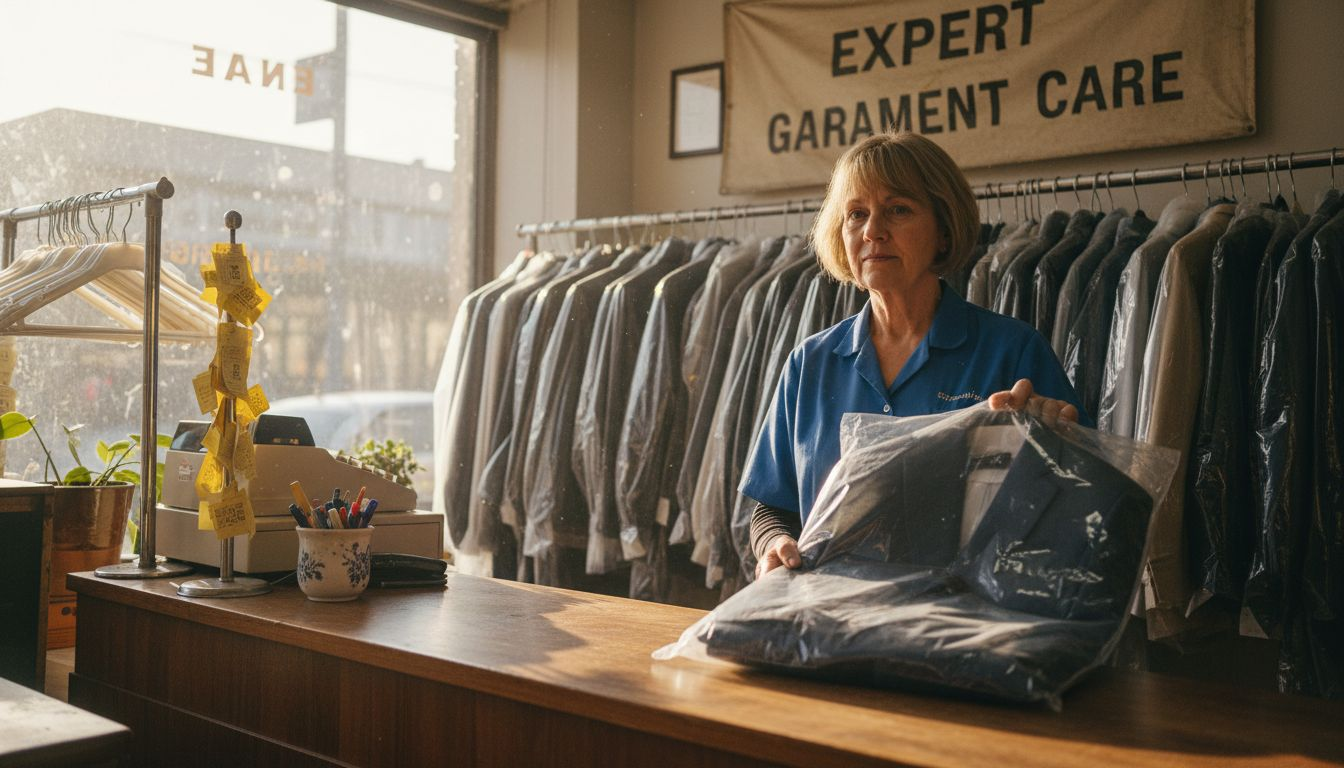
Columbia Pike Laundry offers pickup & delivery across Northern Virginia.
More than 65 percent of American families say finding safe, effective garment care is a constant challenge, especially for delicate or costly clothing. For those in Arlington, Virginia, juggling children’s outfits and professional attire, dry cleaning misconceptions can lead to worry or unnecessary hassle. Learn how understanding solvent types helps you protect your clothes and choose smarter solutions for your busy schedule.
Key Takeaways
| Point | Details |
|---|---|
| Understanding Solvents | Dry cleaning solvents are designed to clean without water, effectively removing stains while preserving delicate fabrics. |
| Environmental Considerations | Growing concerns over traditional solvents like Perchloroethylene have led to the emergence of safer, eco-friendly alternatives. |
| Cleaning Process | The dry cleaning process utilizes non-polar organic solvents, achieving stain removal without the risks associated with water immersion. |
| Market Trends | The industry is shifting towards innovative cleaning technologies that balance safety, effectiveness, and environmental responsibility. |
Dry Cleaning Solvent Defined and Misconceptions
Dry cleaning solvents are specialized chemical compounds designed to clean fabrics without water, utilizing unique properties that effectively remove soils, stains, and odors from delicate garments. Chemical compounds used in dry cleaning differ significantly from traditional water-based washing methods, offering a gentler approach to textile care.
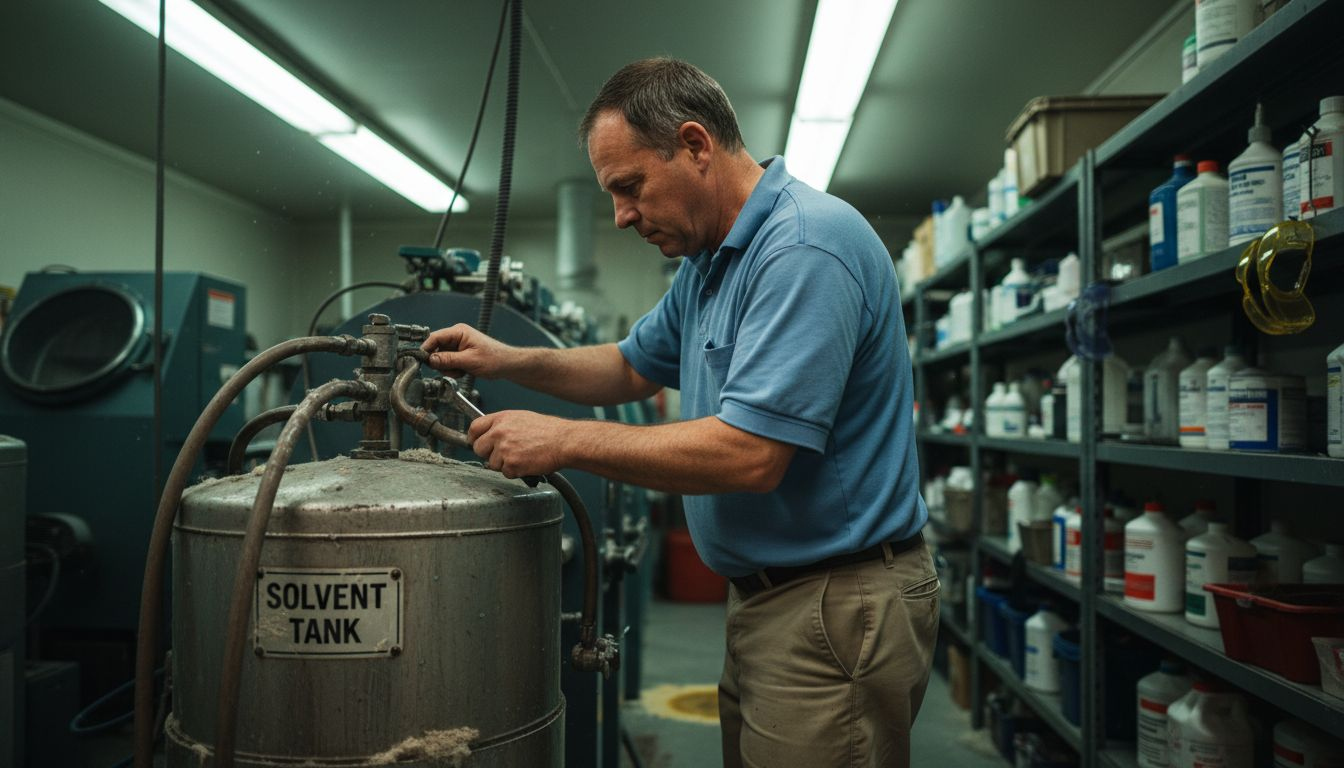
The core mechanism of dry cleaning involves dissolving grease, oils, and non-water-soluble substances through carefully selected organic solvents. Common solvents include Perchloroethylene (perc), hydrocarbon mixtures, and silicone-based solutions. These specialized chemicals penetrate fabric fibers, lifting dirt and stains without causing the potential damage associated with water immersion. Natural fibers like wool, silk, and synthetic materials such as rayon particularly benefit from this cleaning technique, as water can cause shrinkage, color bleeding, or texture alterations.
Many people harbor misconceptions about dry cleaning solvents, often believing they are harsh or damaging to clothing. In reality, professional dry cleaning solvents are meticulously engineered to be fabric-friendly while providing thorough cleaning. The process involves immersing garments in solvent, gentle agitation, precise extraction, controlled drying, and professional pressing to restore the garment’s original shape and appearance.
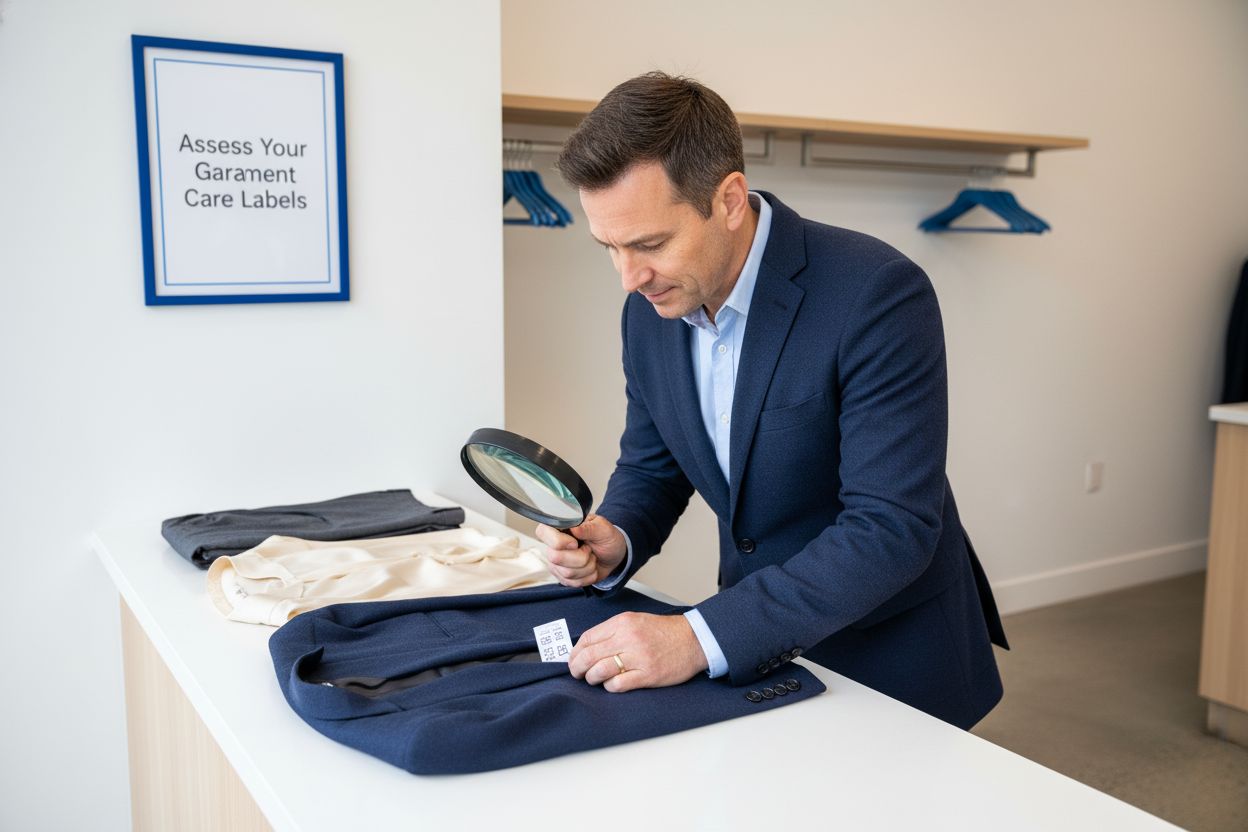
Pro tip: Always check garment care labels and consult professional dry cleaners to understand the most appropriate cleaning method for your specific textile needs.
Common Types of Dry Cleaning Solvents
The dry cleaning industry relies on several distinct solvent types, each with unique characteristics and environmental considerations. Dry cleaning solvent development has evolved significantly over decades, driven by health and ecological concerns. Perchloroethylene (PERC) remains the most widely used solvent, known for its exceptional stain removal capabilities and cost-effectiveness, despite growing environmental scrutiny.
Hydrogenated hydrocarbon solvents represent another prominent category, offering a less aggressive alternative to PERC. These petroleum-based solvents provide effective cleaning while being marginally more environmentally friendly. Silicone-based solvents have emerged as a newer, gentler option, particularly appealing to environmentally conscious consumers and businesses seeking sustainable cleaning methods. Liquid Carbon Dioxide (CO2) cleaning represents a cutting-edge approach, utilizing pressurized CO2 to clean fabrics without traditional chemical interactions.

Each solvent type carries distinct advantages and limitations. PERC, while highly effective, is classified as a probable carcinogen and faces increasing regulatory restrictions. Hydrocarbon solvents are more flammable but less toxic, while silicone-based solutions offer gentler fabric treatment. New Generation Solvents continue to be developed, targeting improved safety profiles and reduced environmental impact. The selection of a specific solvent depends on multiple factors including fabric type, stain complexity, environmental regulations, and cleaning facility capabilities.
Here’s a comparison of common dry cleaning solvents by effectiveness, safety, and suitability:
| Solvent Type | Stain Removal Effectiveness | Safety/Environmental Impact | Best For Fabrics |
|---|---|---|---|
| Perchloroethylene | Very high for oil stains | Probable carcinogen; regulated | Wool, cotton, most synthetics |
| Hydrocarbon Mixtures | Moderate; gentle on color | More flammable; less toxic | Delicate synthetics, blends |
| Silicone-based | Gentle; good on most stains | Low toxicity; biodegradable | Silk, rayon, premium fabrics |
| Liquid CO2 | Good; non-toxic process | Minimal; reduces VOCs | Sensitive and modern fabrics |
Pro tip: Always consult professional dry cleaners about the specific solvent used for your delicate or specialty garments to ensure optimal cleaning and fabric preservation.
How Solvents Clean Fabrics Without Water
Dry cleaning solvents operate through a sophisticated chemical mechanism that differs dramatically from traditional water-based laundering. Dry cleaning techniques utilize non-polar organic solvents that can dissolve grease, oils, and other non-water-soluble substances without causing fabric damage. Unlike water, these specialized solvents penetrate textile fibers more effectively, breaking down complex stains while preserving the garment’s original structure and appearance.
The cleaning process involves multiple precise stages that go beyond simple immersion. Garments are carefully submerged in the solvent, where targeted agitation helps loosen embedded dirt and stains. Soap-like chemicals within the solvent help break down contaminants, which are then dissolved and suspended in the liquid medium. A spinning extraction process removes the solvent along with dissolved dirt, followed by controlled drying that ensures fabric integrity remains uncompromised. This method proves particularly crucial for delicate fabrics like silk, wool, and certain synthetic materials that would otherwise shrink, distort, or degrade when exposed to water.
Each solvent type brings unique cleaning characteristics to the process. Perchloroethylene, for instance, excels at removing oil-based stains, while silicone-based solvents offer gentler treatment for sensitive fabrics. The non-water nature of these solvents means they can attack stains through molecular dissolution rather than mechanical washing, providing a more nuanced and precise cleaning approach. This chemical interaction allows professional dry cleaners to tackle challenging stains that traditional laundering methods would struggle to remove.
Pro tip: Always separate garments by fabric type and color before dry cleaning to ensure the most appropriate solvent and cleaning technique is used for each item.
Health, Safety, and Environmental Considerations
Dry cleaning solvents present significant health and environmental challenges that demand careful consideration. Solvent health risks extend beyond immediate workplace exposure, potentially impacting workers, consumers, and surrounding ecosystems. Perchloroethylene (perc), the most common dry cleaning solvent, has been identified as a probable carcinogen with potential long-term neurological, kidney, and immune system complications.
The environmental impact of dry cleaning solvents goes beyond individual health risks. Volatile organic compounds (VOCs) released during the cleaning process contribute to air pollution and potential groundwater contamination. Industrial and commercial dry cleaning facilities must implement stringent ventilation systems, protective equipment protocols, and waste management strategies to mitigate these risks. Regulatory agencies are increasingly pushing for transition to safer, more environmentally friendly solvent alternatives that minimize ecological and human health consequences.
Innovative dry cleaning technologies are emerging to address these complex challenges. Silicone-based and liquid carbon dioxide cleaning methods represent promising alternatives that significantly reduce toxic chemical exposure. These newer technologies offer comparable cleaning effectiveness while dramatically lowering environmental and health risks. Professional dry cleaning services are increasingly adopting these technologies, demonstrating a commitment to worker safety, consumer health, and environmental stewardship.
Pro tip: Request information about your dry cleaner’s solvent types and environmental practices to make informed, health-conscious cleaning choices.
Alternatives to Traditional Solvents and Cost Factors
The dry cleaning industry is experiencing a transformative shift towards safer solvent alternatives that balance environmental responsibility with cleaning effectiveness. Emerging technologies offer a range of bio-based and less toxic solutions, including aqueous solvents, terpenes, alcohols, glycol ethers, and advanced semi-aqueous blends. These alternatives represent a significant departure from traditional halogenated solvents, addressing growing concerns about chemical toxicity and environmental impact.
Economic considerations play a crucial role in solvent selection for professional dry cleaning operations. While newer technologies may require initial equipment investments, they often provide long-term cost savings through reduced regulatory compliance expenses, lower health risk mitigation costs, and improved workplace safety. Aqueous cleaning systems, enzymatic solutions, and bio-derived solvents demonstrate promising performance metrics that challenge traditional perceptions about alternative cleaning technologies. The transition involves carefully evaluating cleaning effectiveness, equipment compatibility, fabric preservation, and overall operational efficiency.
Technical complexity and performance variability remain significant factors in solvent selection. Different fabric types require specific cleaning approaches, meaning no single alternative solution works universally. Professional dry cleaners must assess each solvent’s interaction with various textiles, considering factors like stain removal capabilities, color preservation, and fabric structural integrity. The most successful operations adopt flexible approaches, potentially utilizing multiple solvent technologies to address diverse cleaning requirements while maintaining high-quality standards.
The following table summarizes key factors to consider when choosing a dry cleaning method:
| Factor | Why It Matters | Impact on Garments |
|---|---|---|
| Solvent Compatibility | Prevents damage/shrinkage | Maintains garment quality |
| Environmental Policies | Ensures regulatory compliance | Reduces chemical residues |
| Cleaning Effectiveness | Removes stubborn stains | Extends garment lifespan |
| Cost of Process | Affects cleaning operation prices | Influences consumer choice |
Pro tip: Ask your dry cleaner about their specific solvent technologies and request a demonstration of their alternative cleaning methods to understand the most appropriate treatment for your garments.
Experience Expert Care with Safe and Effective Dry Cleaning Solutions
Understanding the importance of the right dry cleaning solvent highlights the challenge of balancing fabric preservation with environmental and health concerns. At Columbia Pike Laundry, we recognize how crucial it is to choose solvents that clean effectively without damaging delicate materials or compromising safety. If you want your garments treated with advanced, carefully selected solvents and professional handling that prioritizes your fabric’s longevity and your health, you are in the right place.
Our family-owned service in Arlington, Virginia offers reliable dry cleaning performed entirely in-house so you can trust every step of the process. We specialize in delicate fabrics and use methods aligned with the latest fabric care expertise to ensure your clothing receives the highest quality treatment. To learn more about how we apply these solutions, explore our Dry Cleaning | Laundry Tips and Fabric Care Expertise | Laundry Tips. Take control of your garment care with a service built on trust technology and care at Columbia Pike Laundry.
Ready to protect your wardrobe with professional dry cleaning that truly understands solvents and fabric safety? Schedule a pickup or visit our storefront today and discover the convenience of expert care combined with transparent pricing and quick turnaround times.
Frequently Asked Questions
What is dry cleaning solvent and how does it work?
Dry cleaning solvents are specialized chemical compounds used to clean fabrics without water. They dissolve grease, oils, and non-water-soluble substances, effectively removing stains and odors without damaging delicate materials.
What are the common types of dry cleaning solvents and their characteristics?
Common types include Perchloroethylene (PERC), hydrocarbon mixtures, silicone-based solvents, and Liquid Carbon Dioxide (CO2). PERC is highly effective but has safety concerns, while hydrocarbon solvents are less toxic and flammable. Silicone-based solvents offer gentle cleaning, and CO2 cleaning is eco-friendly and non-toxic.
Are dry cleaning solvents safe for all fabrics?
Not all fabrics are suitable for every type of dry cleaning solvent. Delicate fabrics like silk and wool may require gentler solvents like silicone-based solutions to avoid damage. It’s essential to consult care labels and professional cleaners for the best solvent choice.
What are the health and environmental concerns associated with dry cleaning solvents?
Many dry cleaning solvents, particularly PERC, are classified as probable carcinogens and can pose risks to workers and consumers. They also contribute to air pollution and groundwater contamination, leading to a push for safer, more environmentally friendly alternatives.
Recommended
Free pickup, expert care, delivered back to your door.
Popular Blog Articles


Meet the Author
Daniel Logan didn’t start CPL because he loved laundry. He started it because his family was drowning in time debt, and laundry was one of the biggest weights.
Mornings were chaos with two kids under 5. Evenings felt like catch-up. And weekends? Gone to sorting socks and folding piles.
He knew his story wasn’t unique. So he built a business that gave families like his just a little bit of breathing room one load at a time.
With no laundry experience but deep tech skills, Daniel rolled up his sleeves, doing every job himself while building systems that turned it into a modern laundry service that saves customers time, simplifies their lives, and delivers reliability they can count on.
That’s where CPL began. Not from a playbook, but from pain. From one dad trying to buy back time: for himself, and for every household like his.
Free pickup, expert care, delivered back to your door.