
Best Dry Cleaning Virginia Beach: Your 2026 Guide
Columbia Pike Laundry offers pickup & delivery across Northern Virginia.
You notice it at the worst time. The blazer you planned to wear has a coffee mark on the lapel. Your child's school clothes are piled next to a dress shirt that can't go in a normal wash. The comforter needs attention too, and you don't have time to run three separate errands across Virginia Beach.
That's where the challenge often arises. Not on whether they need a cleaner, but on which cleaner can handle real life without turning one simple pickup into a string of follow-up questions, missed instructions, and avoidable mistakes.
Professional garment care should make your week easier, not more complicated. If you're looking for dry cleaning in Virginia Beach, the smart move isn't just finding a place that says “we do dry cleaning.” It's finding one that communicates clearly, handles mixed orders well, and fits your schedule without making you manage every detail yourself.
Finding Your Go-To Dry Cleaner in Virginia Beach
A lot of people treat dry cleaning like an occasional emergency service. That's too narrow. In a city where work clothes, uniforms, event wear, and household items all compete for attention, a reliable cleaner becomes part of your routine, not a last resort.
Virginia Beach is not a place where garment care sits on the sidelines. The U.S. Bureau of Labor Statistics reported 89,670 workers in the Drycleaning and Laundry Services industry in May 2023, which tells you this is a large, established service category, not a niche convenience (BLS industry data).
What people actually need from a cleaner
Most newcomers start by searching for a dry cleaner and comparing surface-level promises. Same-day. Eco-friendly. Pickup available. Those details matter, but they don't tell you whether the service will feel easy once you're using it every week.
What matters more is this:
- Can they handle everyday complexity like kids' laundry, workwear, and delicate pieces in the same order?
- Do they explain their process clearly so you know what to bag separately and what to label?
- Do they save time without creating more admin through texts, notes, and correction calls?
Practical rule: A good cleaner doesn't just clean garments well. They reduce decision fatigue.
Think beyond the one stained item
If you're busy, don't judge a cleaner by how they handle one shirt. Judge them by how they handle your life. The right service helps when you're juggling a suit, a comforter, gym clothes, and a blouse that needs special care. The wrong one gives you vague instructions and hopes you guess correctly.
That's the difference between checking off a chore and getting real relief. In Virginia Beach, where schedules fill up fast, that difference matters.
Understanding Your Garment Care Options
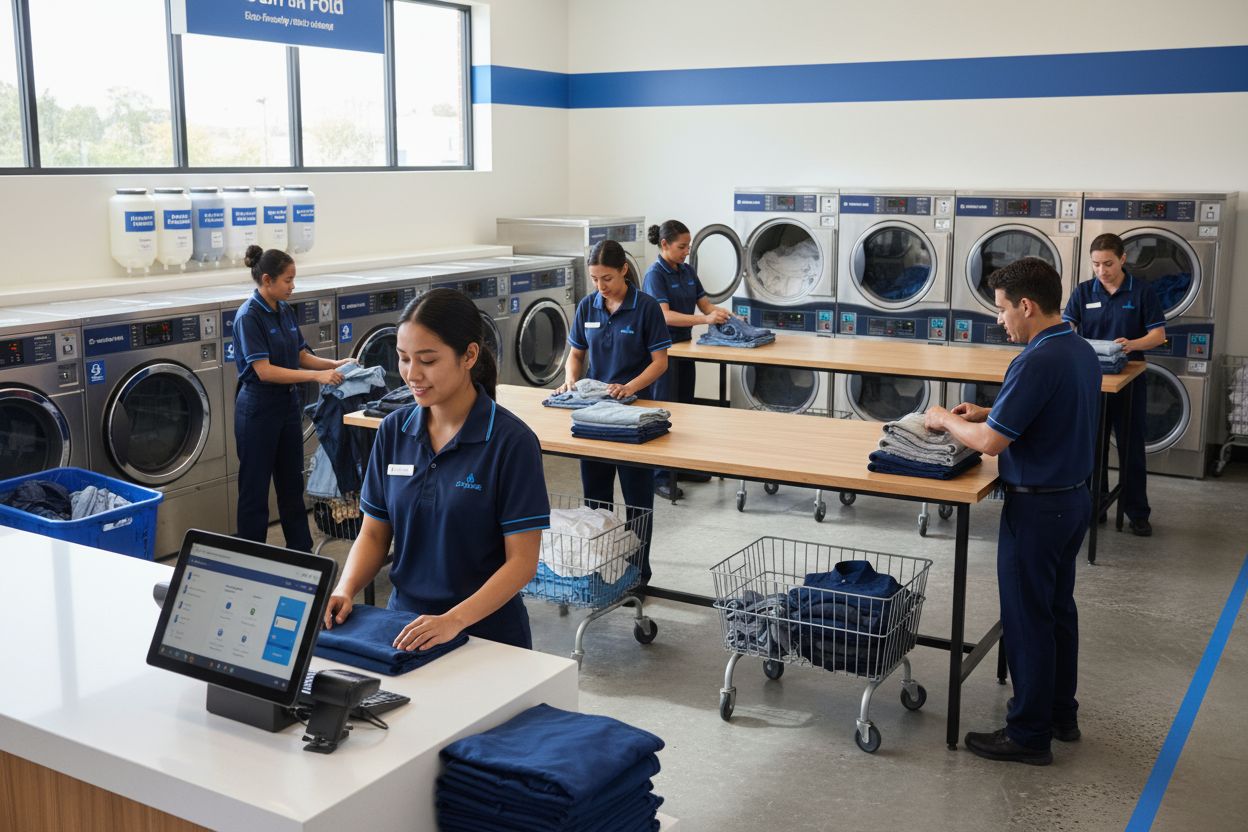
People often mix up wash and fold with dry cleaning. That's understandable. Both send clothes out and bring them back clean. But they are not interchangeable, and sending the wrong item through the wrong process is how fabrics lose shape, stains set deeper, and favorite pieces wear out early.
Dry cleaning is specialist care
Professional dry cleaning is a staged process. Garments are inspected, tagged, pretreated for specific stains, cleaned in a solvent-based machine, then pressed and checked again. That workflow is why it can remove soils like oil or ink that water-based washing often won't handle well (dry cleaning process overview from JS Cleaners).
Think of it this way. Wash and fold is your dependable reset for everyday clothing. Dry cleaning is targeted care for pieces that have structure, delicate fibers, or stain issues that need a more technical approach.
A quick sorting guide for home
| Garment / Fabric Type | Recommended Service | Why |
|---|---|---|
| T-shirts, socks, pajamas, everyday cotton items | Wash & Fold | These are built for water-based washing and regular wear |
| Gym clothes and most casual basics | Wash & Fold | Routine cleaning works well for everyday use |
| Suits, blazers, dress slacks | Dry Cleaning | Structured garments need shape protection and pressing |
| Dresses with lining or delicate trim | Dry Cleaning | Construction details can distort in standard washing |
| Silk blouses and delicate formalwear | Dry Cleaning | These fabrics often need gentler handling |
If you wear silk, it helps to read a fabric-specific perspective before guessing. More Sewing's advice on dry cleaning silk is useful because it explains why silk can react unpredictably to water, agitation, and heat.
What usually belongs in each pile
Use this simple home rule:
- Send to wash and fold if it's an everyday item you'd normally wash with water at home.
- Send to dry cleaning if it has tailoring, lining, pleats, embellishment, delicate fabric, or a care label that warns against standard washing.
- Pause and ask first if the item is formalwear, heavily stained, or made from specialty materials.
If a garment's shape matters as much as its cleanliness, don't gamble with a normal wash.
Many rushed mornings go wrong. People don't ruin clothes because they're careless. They ruin clothes because they treat every fabric like cotton.
The Rise of Pickup Delivery and Eco-Friendly Cleaning
Modern dry cleaning in Virginia Beach should work around your schedule, not ask you to carve out extra time for traffic, parking, and store hours. If a cleaner still expects you to babysit the process from start to finish, they're behind.
The industry has supported that shift for a long time. One EPA report noted that commercial dry-cleaning facilities process about 630,520 tons of clothes per year, which helps explain why efficient logistics became central to the business instead of an optional add-on (EPA dry-cleaning industry profile).
Why pickup and delivery matters
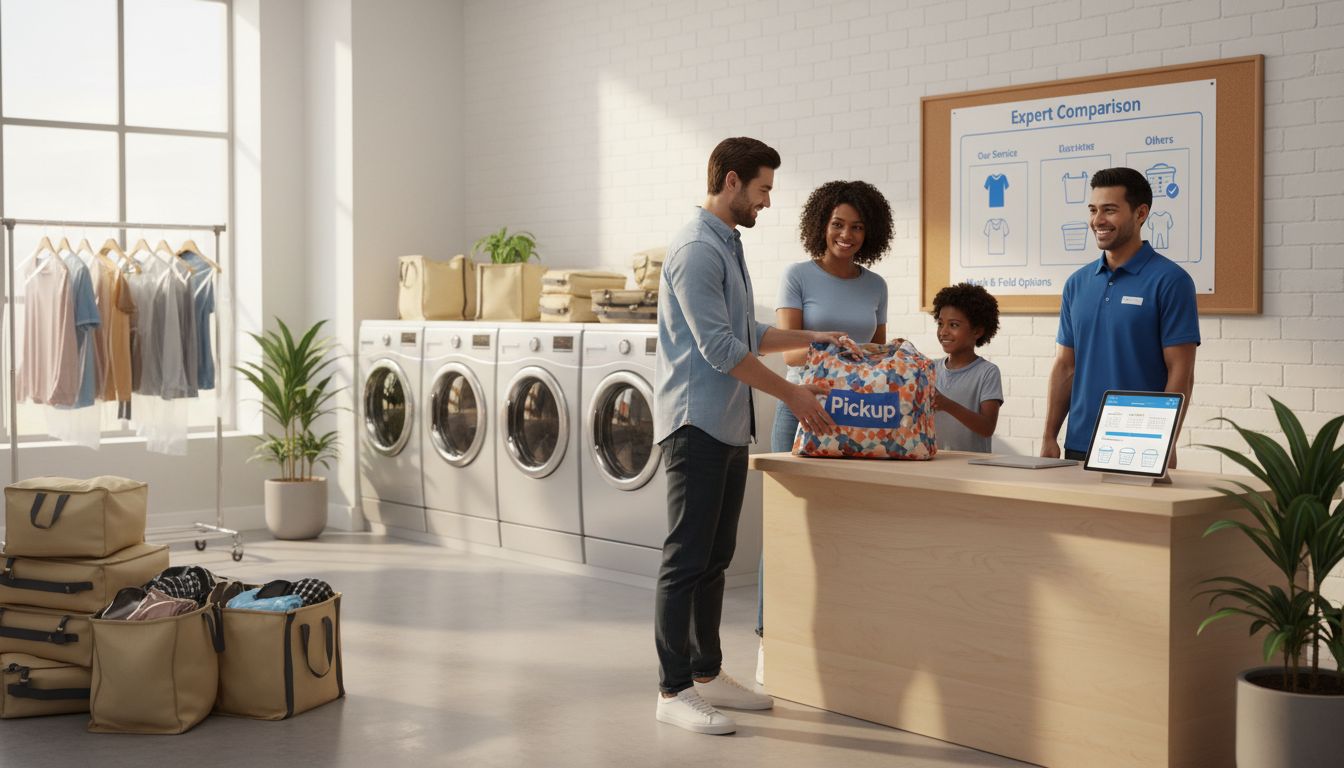
For busy households, pickup and delivery isn't a luxury. It's the only version of laundry service that saves time. You schedule a pickup, leave garments in the agreed location, and get them returned cleaned and organized. In many setups, you don't need to be home as long as access instructions are clear.
That convenience is especially useful when you're sending both routine laundry and pieces that need special handling. Services built around pickup and delivery tend to force cleaner systems. Orders need labels, notes, separation rules, and predictable handoffs. That's good for you because organized logistics usually reflect organized garment care.
Eco-friendly claims need plain-English explanations
A lot of cleaners mention green methods. Fewer explain what that means for your clothes. You should expect a simple answer. If a cleaner uses an eco-friendly solvent system, ask what it is and why they chose it.
What matters most in practice:
- Fabric feel: Gentler processes can help delicate items keep their hand and finish.
- Odor profile: Some customers prefer cleaning methods that don't leave a heavy chemical smell.
- Long-term trust: Clear explanations about cleaning methods signal that the business understands the work, not just the marketing.
One practical example is Columbia Pike Laundry, which offers dry cleaning and states that it uses the GreenEarth method for that service. That's the kind of operational detail worth looking for because it tells you how the cleaner approaches fabric care, not just that they offer the service.
The best convenience feature is simple communication. Fast pickup means nothing if your dress shirt and your dry-clean-only blouse get packed together with no instructions.
What to Expect for Cost and Speed
Many customers become annoyed, usually for a simple reason. They expected one bill and one timeline, but the order included different service types with different rules. A solid cleaner tells you that upfront.
Pricing usually follows two systems
Wash and fold is commonly priced by weight. Dry cleaning is usually priced per item. Bulky household pieces are often charged by the piece because they take more space and handling than a standard clothing order.
You can review one real example of how a provider structures those categories on the Columbia Pike Laundry pricing page.
Here's the practical takeaway:
- Everyday laundry usually fits the per-pound model.
- Structured garments like suits, blouses, and dresses usually fall under per-item dry cleaning.
- Bulky pieces like comforters are often their own category.
- Extras such as pressing wash-and-fold items may be added separately if requested.
Why dry cleaning takes longer
Dry cleaning isn't just “washing without water.” It includes inspection, stain treatment decisions, pressing, and final quality checks. That extra handling is why dry-cleaned garments often move on a different timeline than your regular laundry.
For Columbia Pike Laundry specifically, the stated turnaround is 3 days excluding Sunday for dry cleaning, 48 hours for laundry, and express service is available for laundry only within 24 hours. If you need a specific garment by a specific deadline, their own guidance is clear: a team member should confirm that directly rather than guessing from the standard timeline.
How to avoid surprise charges or delays
Before you place an order, ask these questions in plain language:
- How do you price mixed orders
- Do pressed wash-and-fold items cost extra
- What happens if I include bulky items
- Who confirms specialty garment timing
That last one matters. Wedding gowns, leather, suede, alterations, and unusually delicate items often need separate handling. If a cleaner gives you a rushed answer on those pieces, that's not confidence. That's a warning.
How to Choose the Right Virginia Beach Cleaner
Consumers often choose a cleaner the wrong way. They compare who's closest, who looks polished online, or who advertises convenience the loudest. None of that tells you whether the business is careful, organized, or easy to work with.
The better test is operational clarity. In plain English, can they explain what happens when your order isn't simple?
Research on customer needs points to a real pain point here. The ability to combine wash-and-fold and dry-cleaning items in one pickup, with clear instructions for separation, is a major differentiator for a strong service, yet many cleaners explain it poorly (Tydee Clean Services dry cleaning page).
Ask one question that reveals a lot
Ask this before placing your first order:
“If I have regular laundry and dry-clean-only items in the same pickup, exactly how do you want me to bag and label them?”
A serious cleaner should answer quickly and specifically. Not “we can handle it.” Not “just leave a note.” You want a clean process. Separate bags. Clear labels. Instructions for notes. An explanation of what happens if an item needs special care.
That answer tells you a lot about the business behind the counter.
Signs you're dealing with a professional operation
Some evaluation standards are universal. Calibre Cleaning's expert tips for choosing cleaners are useful because they focus on practical judgment, not flashy promises. For dry cleaning in Virginia Beach, I'd narrow your checklist to this:
Clear intake rules
They should tell you how to sort mixed orders before pickup day.Confident stain handling
They won't promise miracles, but they should explain that stains are inspected and treated intentionally.Transparent communication
You should know how pricing works, how notes are submitted, and when someone will contact you about special cases.Visible process discipline
Good cleaners have systems. They don't rely on memory and hope.
My opinion on what matters most
If a cleaner can't clearly explain mixed-order handling, keep looking. That's not a small detail. It affects convenience, accuracy, and trust. A cleaner who gets that part right is usually better at everything else too.
This matters for families with uniforms, professionals with office wear, and small businesses sending staff garments or linens. Real orders are mixed. Your cleaner should be built for that reality.
Your Virginia Beach Dry Cleaning Questions Answered
Can I put wash and fold and dry cleaning in the same order
Yes, but don't toss everything into one bag and hope for the best. Separate the items by service type and label them if you can. If the cleaner has an app or order notes, use it. Mixed orders are manageable when the handoff is clear.
What should I do with a fresh stain before sending it out
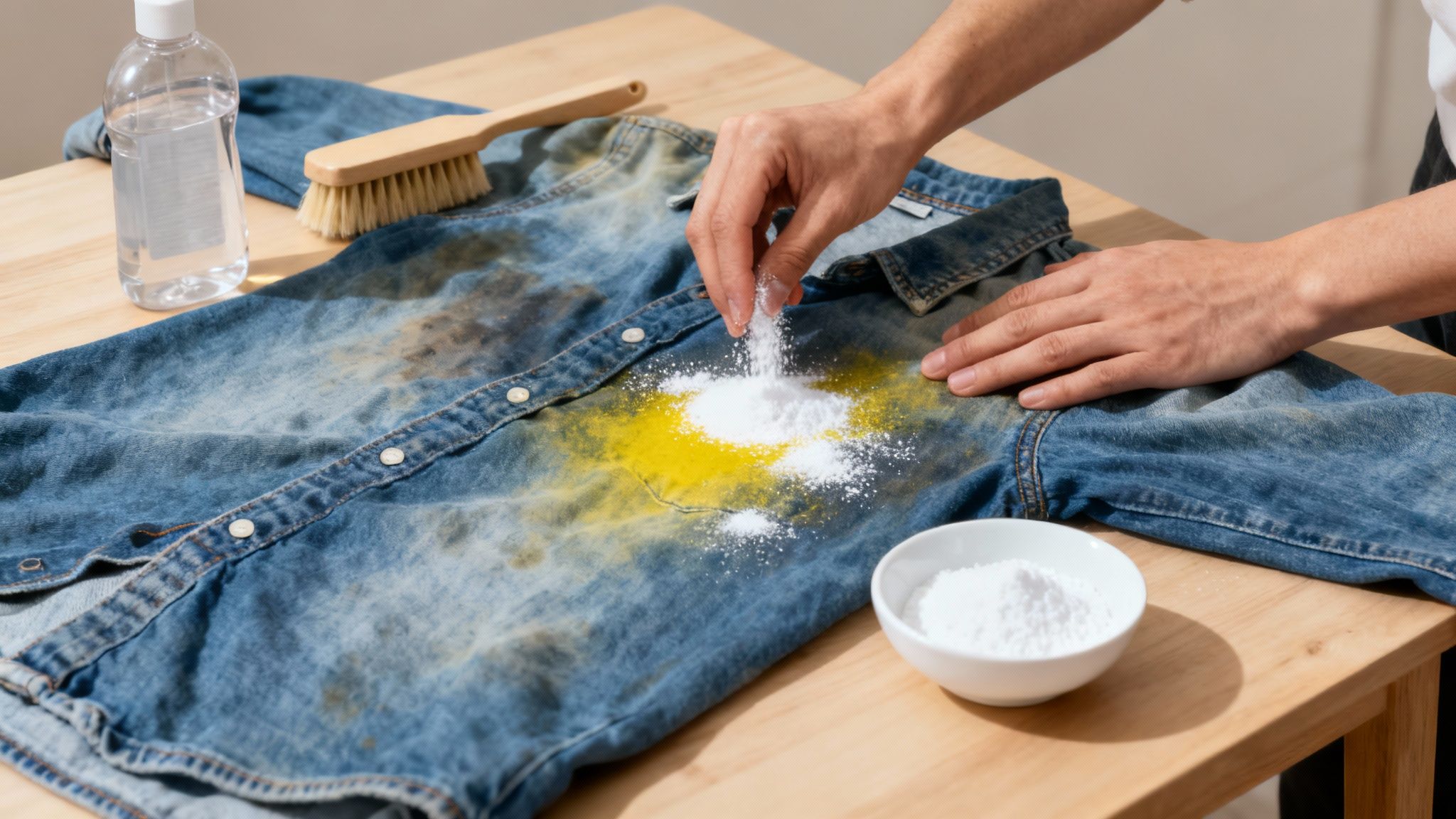
Blot it gently. Don't scrub. Don't apply random stain products unless you know the fabric can handle them. Aggressive home treatment often makes professional stain removal harder, especially on silk, wool, or lined garments.
Fresh stains need restraint more than creativity. Blot, isolate, and tell the cleaner what caused it if you know.
Do cleaners handle wedding dresses, formalwear, suede, or leather
Many do, but these items often require special handling and sometimes go to a specialty partner. Ask before sending them. You want a direct answer about process and timing, not a casual “sure.”
Do I need to be home for pickup and delivery
Often, no. Many services allow contactless handoff if you leave detailed instructions for a porch, lobby, front desk, or other approved location. The key is being specific.
How do I know if a garment should be dry cleaned
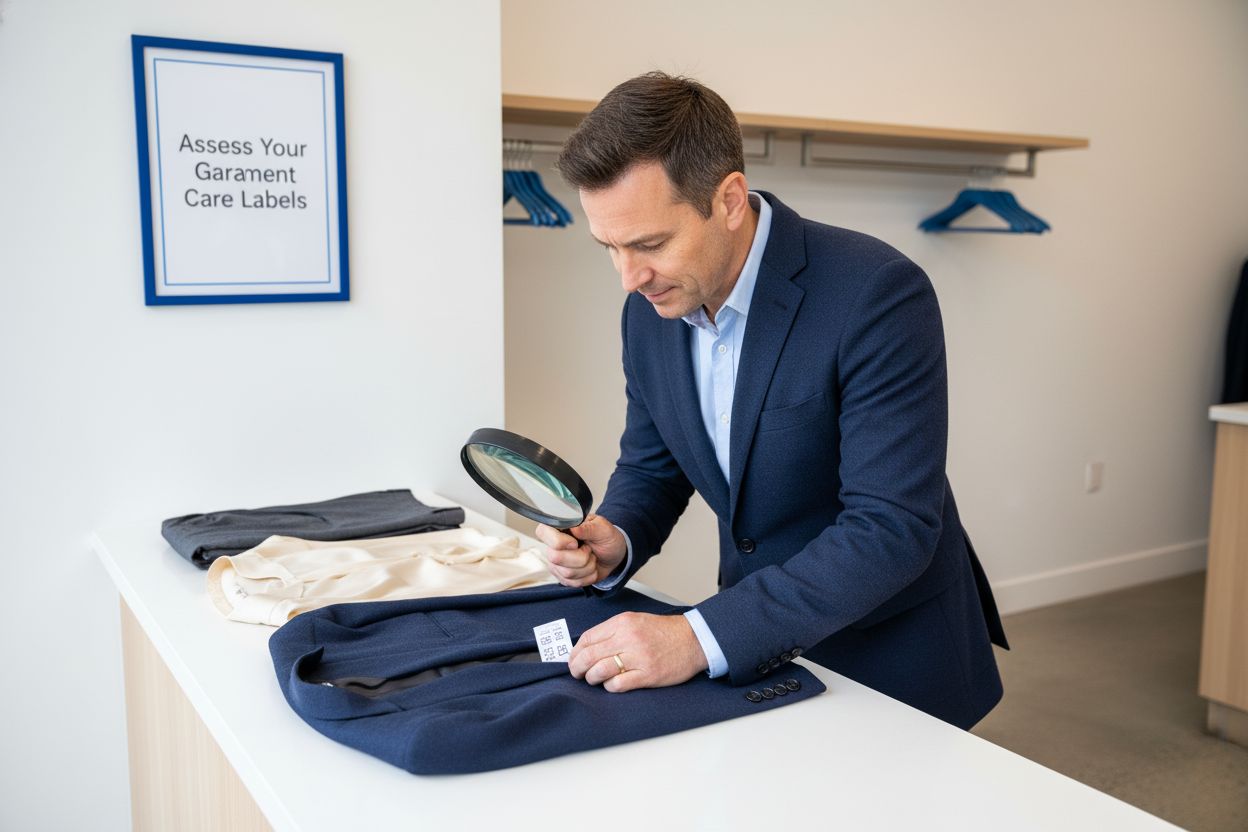
Start with the care label. Then use common sense about structure and fabric. If the garment has shape, lining, pleats, delicate trim, or a specialty fabric, dry cleaning is usually the safer choice.
If you want one less household system to manage, Columbia Pike Laundry offers wash and fold, dry cleaning, and pickup service with clear options for separating mixed orders. That's the kind of setup that helps busy families and professionals stop thinking about laundry logistics and get part of their week back.
Free pickup, expert care, delivered back to your door.
Popular Blog Articles

Meet the Author
Daniel Logan didn’t start CPL because he loved laundry. He started it because his family was drowning in time debt, and laundry was one of the biggest weights.
Mornings were chaos with two kids under 5. Evenings felt like catch-up. And weekends? Gone to sorting socks and folding piles.
He knew his story wasn’t unique. So he built a business that gave families like his just a little bit of breathing room one load at a time.
With no laundry experience but deep tech skills, Daniel rolled up his sleeves, doing every job himself while building systems that turned it into a modern laundry service that saves customers time, simplifies their lives, and delivers reliability they can count on.
That’s where CPL began. Not from a playbook, but from pain. From one dad trying to buy back time: for himself, and for every household like his.
Free pickup, expert care, delivered back to your door.