
Dry Cleaning vs. Laundering: Choosing the Right Care
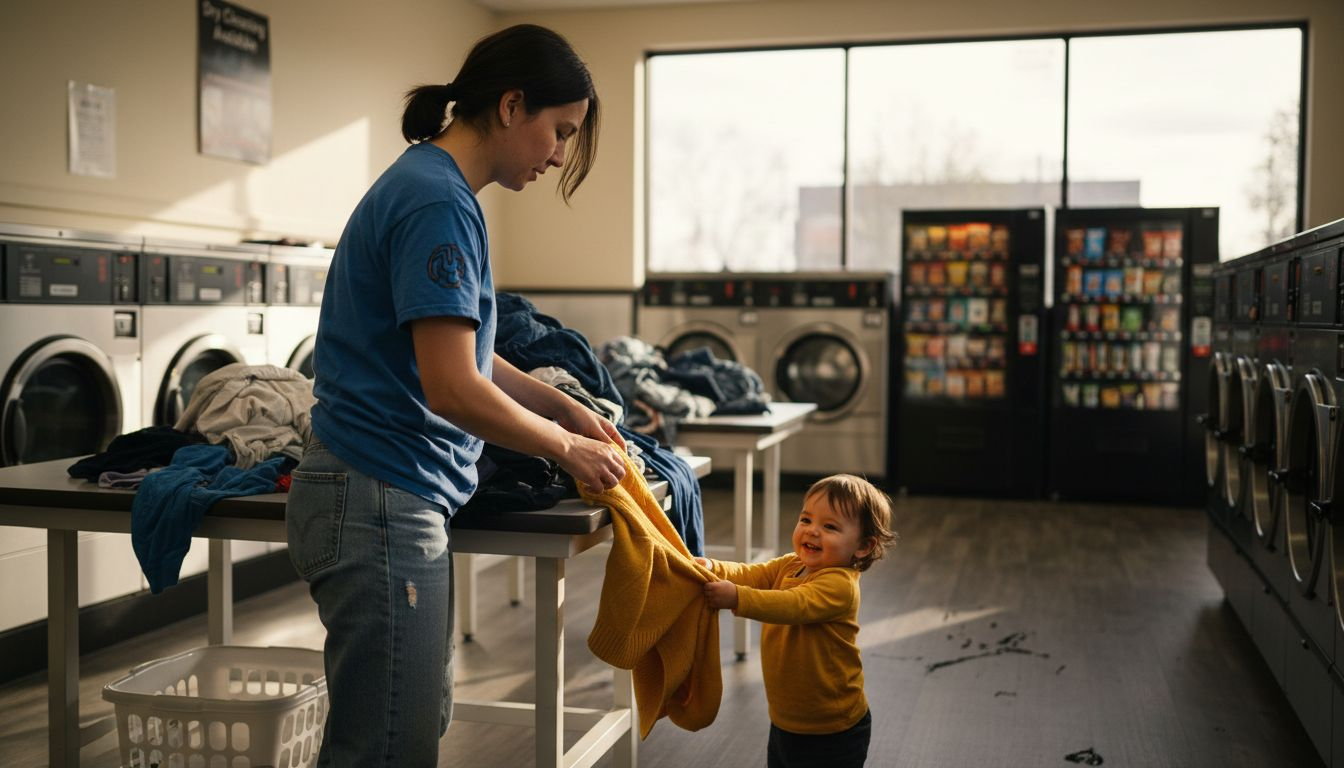
Columbia Pike Laundry offers pickup & delivery across Northern Virginia.
Juggling work, school, and family in Arlington means your laundry piles up fast, but not all garments can handle a spin in the washing machine. The difference between dry cleaning and laundering is more than just the choice of water or solvent—it determines whether your silk blouse stays crisp or fades fast. Understanding these methods helps you protect treasured fabrics and avoid costly mistakes while finding time-saving solutions that fit your busy life.
Key Takeaways
| Point | Details |
|---|---|
| Difference in Methods | Dry cleaning uses solvents instead of water, making it suitable for delicate fabrics that cannot withstand washing. |
| Item Suitability | Everyday items like cotton and denim can be laundered at home, while delicate garments and structured pieces should be dry cleaned. |
| Cost and Value | Home laundering is economical for everyday items, whereas dry cleaning preserves the quality of investment pieces, offering better long-term value. |
| Avoiding Common Mistakes | Always check care labels to choose the appropriate cleaning method, preventing damage to garments and unnecessary costs. |
What Sets Dry Cleaning Apart
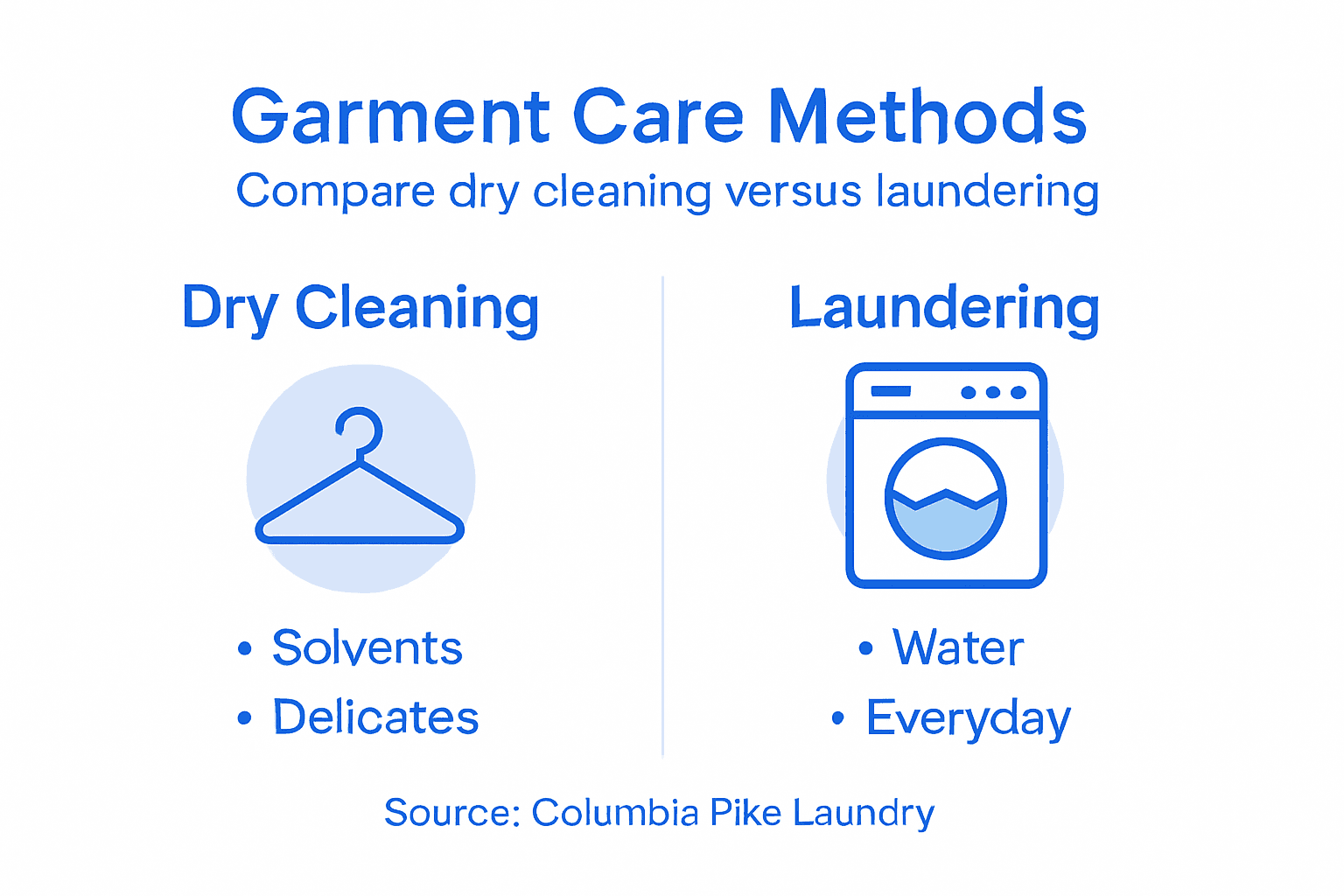
Dry cleaning operates on a fundamentally different principle than traditional laundering. While regular washing relies on water and detergent to clean fabrics, dry cleaning uses specialized solvents other than water to remove dirt and stains. The most common solvent is perchloroethylene, though facilities may use alternative solvents depending on fabric requirements and environmental regulations. This distinction matters because many delicate materials simply cannot tolerate water exposure. Silk, acetate, rayon, and certain synthetic blends react poorly when wet, causing colors to bleed, textures to distort, and fibers to weaken. Dry cleaning preserves these fabrics by using solvents that lift soil and oils without the damage water can cause.
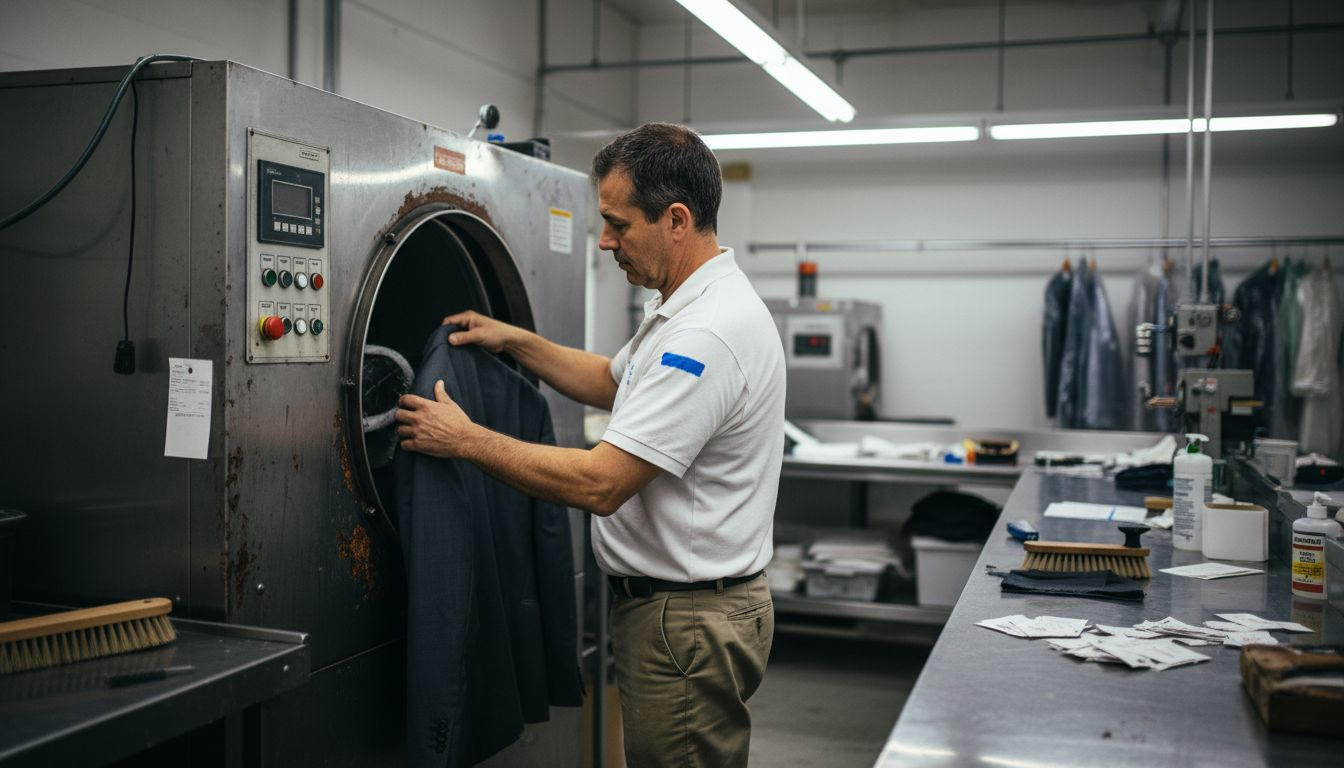
The chemistry behind this process differs significantly from water-based cleaning. In traditional laundering, surfactants reduce water surface tension so that water can wet surfaces and interact with soil particles. Dry cleaning eliminates this step entirely because organic solvents have different chemical properties that allow them to dissolve oils and suspend dirt without requiring water. This makes dry cleaning ideal for garments with intricate beading, delicate embroidery, wool coats, or structured pieces that would lose their shape in a washing machine. Your suit jacket, silk blouse, or wool blazer benefits from this solvent-based approach because it maintains the garment’s integrity while removing the stubborn stains that water alone cannot handle.
What truly distinguishes dry cleaning is its precision and control. When you drop off a garment at a facility like Columbia Pike Laundry, professional staff inspect each piece for stains, weakened seams, and special care requirements before cleaning begins. They tag stains so the machine operator knows which areas need extra attention. After the solvent cycle completes, garments go through a finishing process including pressing, steaming, and careful folding or hanging. This hands-on approach catches problems that automated machines would miss. You get back a garment that looks professionally pressed, not just cleaned. The process takes longer than laundering, which is why dry cleaning typically requires 48 hours or more, but the results justify the timeline for pieces you genuinely care about.
Pro tip: Not everything that needs dry cleaning should go to the dry cleaner every time. Check care labels carefully—many garments labeled “dry clean only” can actually be hand-washed at home using gentle detergent and cold water, saving you money while extending garment life.
Types of Items Best Suited to Each Method
Not every garment in your closet needs the same cleaning approach. Understanding which items belong in the washing machine and which require dry cleaning saves money and protects your wardrobe. Laundering works best for everyday fabrics that can handle water and agitation without damage. Cotton t-shirts, jeans, undergarments, socks, towels, and bed linens thrive with traditional washing. These items tolerate hot or warm water and can withstand the mechanical action of a washing machine. Sturdy fabrics like canvas, denim, and most blended cotton materials actually benefit from regular laundering because it removes soil effectively while being cost-efficient. If you’re doing laundry for a busy Arlington family, these basics make up the bulk of what goes into your hamper each week.
Dry cleaning is reserved for garments that need protective care. Delicate fabrics like silk, acetate, and rayon simply cannot tolerate water exposure without risking color bleeding, texture damage, or permanent shape loss. Think of your suit jackets, silk blouses, wool sweaters, and dress pants. Garments with intricate details also require dry cleaning—anything with beading, sequins, detailed embroidery, or structured tailoring belongs with a professional. Outerwear like wool coats and leather jackets demand dry cleaning expertise. Even some synthetic blends marked “dry clean only” on the care label should go through dry cleaning rather than the washing machine. These items represent your investment pieces, the garments you wear to important meetings or special occasions. Columbia Pike Laundry handles these with the care they deserve, tagging stains for extra attention and finishing with professional pressing that you cannot replicate at home.
For items that fall in the gray area, check the care label closely. Many garments labeled “dry clean only” can actually be hand-washed using gentle detergent and cold water if you have the time and patience. However, if the label includes symbols for “do not wring” or “lay flat to dry,” those are strong signals that dry cleaning is the safer choice. Some items have different cleaning requirements depending on their condition—a lightly soiled silk scarf might tolerate hand-washing, but one with heavy stains needs professional dry cleaning. The key is matching the cleaning method to what that specific garment can handle. When in doubt, specialized laundry handling depends on fabric type and soil level, meaning professionals assess each piece individually rather than running everything through the same process.
Pro tip: Create two laundry categories at home: one basket for items heading to Columbia Pike Laundry (delicates, dress clothes, specialty fabrics) and one for home washing (everyday basics, towels, undergarments). This system prevents accidentally throwing your wool sweater into a regular wash load and saves you from costly dry-cleaning mistakes.
Here’s a summary of when to choose each cleaning method for your garments:
| Item Type | Home Laundering Recommended | Dry Cleaning Preferred |
|---|---|---|
| Everyday basics (cotton, denim) | Machine wash is effective | Not required |
| Delicate fabrics (silk, rayon) | Risk of color loss or damage | Maintains fabric integrity |
| Structured garments (suits, blazers) | Loses shape in washer | Holds structure, professional finish |
| Heavily embellished items | Details may detach in wash | Gentle cleaning preserves details |
| Outerwear (wool, leather) | May shrink or get damaged | Proper cleaning for specialty fabrics |
How the Cleaning Processes Work
The two cleaning methods operate through completely different chemistry, which explains why certain fabrics thrive with one approach and fail with the other. Traditional laundering relies on water, detergent, and mechanical action working together. When you load clothes into a washing machine, the detergent contains surfactants that reduce water surface tension, allowing water to penetrate fabric fibers and interact with dirt. These surfactant molecules have one end attracted to oils and another end attracted to water, which lets them trap oily soils and suspend them in the water. As the washing machine agitates your clothes, this action physically loosens dirt from fibers while the detergent chemistry breaks down stains. Hot or warm water speeds up this process by making fibers more porous and helping the detergent work more effectively. During the rinse cycle, water carries away suspended soils and detergent residue, leaving your clothes clean. This entire process takes about 30 to 45 minutes from start to finish, making home laundering the most economical choice for everyday items.
Dry cleaning skips water entirely and uses organic solvents instead. When you drop off garments at Columbia Pike Laundry, trained professionals inspect each piece before it enters the dry cleaning machine. Your clothes are then soaked in specialized solvents like perchloroethylene, which dissolve oils and greases without damaging fabric fibers. The dry cleaning machine gently agitates clothes in this solvent bath, allowing the chemical to break down stains that water cannot touch. Unlike water-based washing, the solvent does not swell or distort delicate fibers because it lacks water’s ability to penetrate and weaken fabric structure. After the cleaning cycle completes, the solvent is extracted from clothes through evaporation in specialized equipment. This controlled extraction process preserves the garment’s shape, color, and texture far better than wringing or spinning would. The entire dry cleaning process typically takes 24 to 48 hours when you account for inspection, cleaning, solvent removal, pressing, and final quality checks.
Comparing the Two Approaches
The key difference comes down to how each method handles delicate materials. Water can cause silk to lose its luster, wool to shrink, and beaded garments to deteriorate because it penetrates fibers and causes them to swell. Dry cleaning avoids this problem by using solvents that dissolve soils without water’s penetrating action. However, water-based laundering excels at removing water-soluble stains like sweat, food, and dirt that dry solvents struggle with. For your everyday cotton clothing, the mechanical agitation and hot water of a washing machine cannot harm sturdy fibers. But for investment pieces, structured garments, and delicate fabrics, the gentle precision of dry cleaning proves superior. Understanding this chemistry helps you make smarter decisions about which method protects each garment while removing the stains that matter.
Pro tip: Before dry cleaning an expensive or sentimental garment, ask the professionals at Columbia Pike Laundry to spot-test an inconspicuous area first, especially if the item has unusual fabrics, dyes, or embellishments that might react unpredictably to solvents.
Cost, Turnaround, and Environmental Impact
Cost represents one of the most immediate differences between these two cleaning methods. Home laundering costs just pennies per load when you factor in water, electricity, and detergent. A load of everyday clothes might run you 25 to 50 cents total. Commercial dry cleaning, by contrast, typically costs between $3 and $10 per item depending on the garment type and your location in Arlington. A wool coat might run $12 to $18, while a silk blouse costs $6 to $12. Over time, these expenses add up significantly if you have multiple dress clothes, work suits, or delicate pieces. However, dry cleaning extends the lifespan of investment garments by protecting them from damage that home washing could cause. If you wear the same suit twice weekly and it lasts 5 years because of professional dry cleaning versus 2 years from home washing, you’re actually getting better value despite higher per-cleaning costs. Columbia Pike Laundry offers competitive pricing with convenient pickup and delivery, meaning you save time and travel costs alongside the garment protection.
Turnaround time differs dramatically between the two methods. A home laundry load goes from dirty to clean in under an hour. Commercial dry cleaning typically requires 48 hours for standard service, though express options exist for rush situations. This timeline accounts for the inspection process, cleaning cycle, solvent removal, pressing, and quality checks that professionals perform. For Arlington families juggling work and school schedules, the 48-hour turnaround might seem inconvenient, but scheduling pickup and delivery eliminates the need to drop off and collect clothes yourself. You simply schedule a driver to collect from your home or office, and your garments return clean and pressed within two days. For everyday items, home laundering’s speed advantage is obvious. But for items you don’t wear weekly, the slightly longer dry cleaning timeline is negligible.
Environmental impact presents a more complex tradeoff. Laundering consumes substantial water and energy resources with each wash cycle, and synthetic fabrics release microplastics during washing. Dry cleaning’s environmental concerns center on solvent emissions and toxicity. Dry cleaning operations using perchloroethylene face strict environmental regulations due to health and environmental risks, and facilities must invest in expensive control equipment. Forward-thinking dry cleaners like Columbia Pike Laundry increasingly adopt less-toxic solvent alternatives, though these come at higher operational costs. Neither method is perfectly green, but each has different environmental tradeoffs. If you’re environmentally conscious, consider washing everyday items at home with cold water and air-drying to reduce energy consumption, while reserving professional dry cleaning for items that genuinely need it rather than washing everything at commercial facilities.
Pro tip: Bundle your dry cleaning deliveries to Columbia Pike Laundry by scheduling pickups every two weeks rather than weekly, reducing transportation emissions while building a more efficient delivery route that benefits both you and the environment.
Compare the essential factors between home laundering and dry cleaning:
| Factor | Home Laundering | Dry Cleaning |
|---|---|---|
| Average Cost | $0.25–$0.50 per load | $3–$18 per item |
| Turnaround Time | 30–45 minutes | 24–48 hours |
| Environmental Impact | High water, energy usage | Solvent emissions, less water |
| Best For | Everyday, sturdy clothes | Delicates, wool, structured |
Mistakes to Avoid When Choosing Care
Many Arlington residents inadvertently damage their favorite garments by choosing the wrong cleaning method or making careless mistakes during the process. The most common error is ignoring care labels entirely. That tag sewn into your garment exists for a reason, and skipping it often leads to disappointment. If a label says “dry clean only,” throwing it into your home washing machine can shrink wool, distort silk, or cause permanent color bleeding. On the flip side, some people automatically dry clean items that could safely be hand-washed or machine-washed on delicate cycles, wasting money unnecessarily. Take 30 seconds to read the care label before deciding which cleaning method to use. It saves both your garments and your wallet.
When laundering at home, common mistakes include using insufficient detergent, washing at too low temperatures, and improper stain treatment. Running a cold water wash with just a splash of detergent might seem economical, but it leaves dirt and oils locked in your fabrics. Hot or warm water activates detergent more effectively and removes soils better. Stains also require prompt attention; the longer you wait to treat a stain, the harder it becomes to remove. Blotting a fresh stain immediately with cold water prevents it from setting into the fabric. Sorting your laundry by color and soil level also matters. Washing heavily soiled work clothes with delicate undergarments spreads dirt and lint everywhere. These small oversights compound over time, leaving your clothes looking dingy and worn long before their actual lifespan expires.
With dry cleaning, the primary mistake is not asking questions about what you are putting on your body. Critical concerns exist regarding solvents like perchloroethylene and chemical residues left on clothing. Many people simply drop off garments without considering what chemicals are being used or whether safer alternatives exist. Columbia Pike Laundry takes a different approach by using advanced solvents and offering fragrance-free options for customers with sensitivities. Ask your dry cleaner what solvents they use, whether they offer less-toxic alternatives, and if they can minimize chemical residues through proper finishing. Another mistake is over-relying on dry cleaning for items that don’t truly need it. That casual linen dress or cotton blouse probably launders just fine. Reserve dry cleaning for pieces that genuinely benefit from it: structured garments, delicate fabrics, and specialty items. This approach reduces your exposure to cleaning chemicals while saving money and environmental resources.
Pro tip: Before dry cleaning any expensive item for the first time, ask Columbia Pike Laundry to perform a discreet spot test on a hidden area to confirm the solvents won’t affect the fabric’s color, sheen, or texture, especially for vintage, hand-dyed, or delicate pieces.
Protect Your Wardrobe with Expert Care from Columbia Pike Laundry
Choosing between dry cleaning and laundering can be confusing, especially when you want to keep your delicate fabrics, structured suits, and special garments looking their best. This article highlights the challenges of using the right cleaning method to avoid damage like shrinking, color loss, or texture changes. At Columbia Pike Laundry, we understand that your investment pieces require precise handling with solvents and techniques tailored to each fabric. We offer dependable dry cleaning services that preserve integrity and extend garment life while also managing everyday laundry with care and efficiency.
Experience the difference of professional cleaning that combines trusted local service with advanced technology. Our team inspects each item, targets stains, and delivers garments cleaned, pressed, and ready to wear—all with convenient options including drop-off and scheduled pickup and delivery. Explore our specialized cleaning approach on our Dry Cleaning | Laundry Tips page and learn how to care for your fabrics on Fabric Care Expertise | Laundry Tips. Don’t let laundry decisions stress you out—find your Laundry Relief | Laundry Tips today. Visit Columbia Pike Laundry now to schedule your cleaning and save time while protecting your favorite garments.
Frequently Asked Questions
What is the main difference between dry cleaning and laundering?
Dry cleaning uses specialized solvents other than water to remove dirt and stains, making it ideal for delicate fabrics that would be damaged by water. Laundering, on the other hand, uses water and detergent along with mechanical agitation to clean everyday fabrics.
Which fabrics are best suited for dry cleaning?
Delicate fabrics like silk, acetate, rayon, and structured garments such as suits or wool coats are best suited for dry cleaning, as they require protective care that water exposure could compromise.
Can items labeled “dry clean only” be washed at home?
Some garments labeled “dry clean only” can actually be hand-washed using gentle detergent and cold water, provided there are no additional care symbols that indicate a specific cleaning requirement.
How do I determine the appropriate cleaning method for my garments?
Check the care label on your garments. Items made from everyday fabrics like cotton or denim can usually be laundered at home, while delicate fabrics, heavily embellished items, and structured pieces are better off being dry cleaned.
Recommended
Free pickup, expert care, delivered back to your door.
Popular Blog Articles





Meet the Author
Daniel Logan didn’t start CPL because he loved laundry. He started it because his family was drowning in time debt, and laundry was one of the biggest weights.
Mornings were chaos with two kids under 5. Evenings felt like catch-up. And weekends? Gone to sorting socks and folding piles.
He knew his story wasn’t unique. So he built a business that gave families like his just a little bit of breathing room one load at a time.
With no laundry experience but deep tech skills, Daniel rolled up his sleeves, doing every job himself while building systems that turned it into a modern laundry service that saves customers time, simplifies their lives, and delivers reliability they can count on.
That’s where CPL began. Not from a playbook, but from pain. From one dad trying to buy back time: for himself, and for every household like his.
Free pickup, expert care, delivered back to your door.