
7 Everyday Examples of Bulk Laundry Needs for Busy Parents
Columbia Pike Laundry offers pickup & delivery across Northern Virginia.
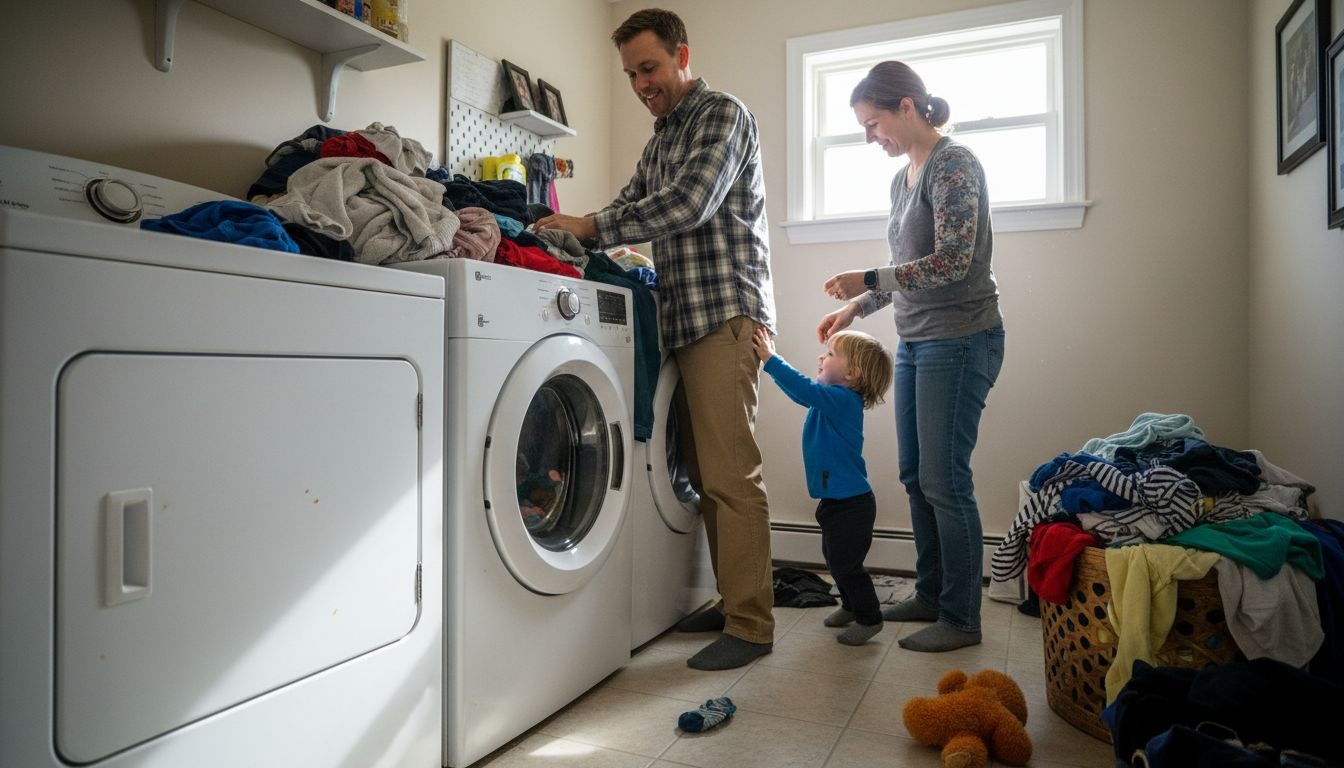
Every parent faces that pile of laundry that just never seems to shrink. For busy families in Arlington, juggling work, school, and play leaves little room for tackling endless loads of kids’ clothing, linens, and towels. With the average American household doing nearly 8 loads every week, finding a reliable laundry service can bring much needed relief and help protect your time for what matters most. This guide offers practical tips and solutions for keeping your family’s wardrobe and home essentials fresh, clean, and stress free.
Quick Summary
| Takeaway | Explanation |
|---|---|
| 1. Sort Kids’ Laundry by Color and Fabric | Separate clothing to avoid color bleeding and ensure suitable washing conditions for different fabric types. |
| 2. Pre-Treat Stains Immediately on All Fabrics | Address spills right away with a stain remover to prevent permanent damage and maintain the garment’s quality. |
| 3. Wash Bedding Weekly for Hygiene | Regularly washing sheets and pillowcases helps eliminate allergens and prevents health issues associated with dust and bacteria. |
| 4. Store Outerwear Properly After Washing | After cleaning, keep jackets in well-ventilated areas away from sunlight to preserve their shape and protective qualities. |
| 5. Maintain Towels by Proper Drying Techniques | Hang towels fully spread out to ensure air circulation and prevent moisture retention, reducing odor and bacteria growth. |
1. Kids’ Clothing: Handling Frequent Changes and Messes
Parents know that children’s clothing experiences more wear and tear than any other wardrobe category. From spilled juice to playground dirt, kids generate laundry at an astonishing rate that demands strategic washing approaches.
Understanding how to manage these frequent clothing changes requires more than just throwing items into the washer. Proper stain removal techniques can make a significant difference in preserving clothing quality and extending garment life. Young children typically soil clothing multiple times daily through meals, playtime, and general exploration.
When handling kids’ laundry, sorting becomes crucial. Separate clothing by color and fabric weight to prevent color bleeding and ensure appropriate washing temperatures. White items should be washed separately from colored clothing to maintain brightness. Heavy denim or thick sweatshirts need different care compared to lightweight t-shirts and delicate cotton tops.
Pre treating stains immediately prevents permanent fabric damage. Keep a designated stain removal solution near your laundry area and address spills as soon as they happen. Letting stains set can make them exponentially harder to remove and potentially ruin clothing permanently.
Most children’s clothing can withstand regular detergent, but watch for any skin sensitivities. Some kids have delicate skin that might react to standard cleaning products. Always check clothing labels for specific washing instructions and consider hypoallergenic detergents if your child experiences skin reactions.
Pro tip: Create a dedicated pre-wash station with stain removal tools and keep a small spray bottle of gentle stain remover within quick reach to tackle unexpected messes before they become permanent.
2. Bedding and Sheets: Managing Weekly Household Washes
Bedding and sheets are more than just fabric they are the foundation of a clean and healthy sleeping environment. For busy parents, managing weekly household washes requires strategic planning and understanding of proper textile care.
Frequent washing is critical for maintaining bedroom hygiene. Bedding cleaning practices help eliminate accumulated dead skin cells, dust mites, allergens, and bacteria that build up over time. Most sleep experts recommend washing sheets and pillowcases once per week to ensure optimal cleanliness and prevent potential health issues.
When washing bedding, temperature matters significantly. Different fabric types require specific washing conditions. Cotton sheets generally tolerate hot water which helps eliminate more bacteria, while delicate materials like silk or bamboo linens need gentler cold water cycles. Always check the fabric care label to prevent accidental damage.
Sorting bedding loads strategically prevents color transfer and maintains fabric integrity. White sheets can be washed together, while colored linens should be separated. Consider using color catching sheets to prevent unexpected color bleeding during wash cycles.
Beyond weekly washing, periodic deep cleaning becomes essential. Comforters, blankets, and duvet covers might require less frequent washing but should still be cleaned every few months. Consider professional cleaning services for large or delicate items that need special care.
Pro tip: Keep a backup set of sheets to rotate during washing and invest in quick drying fabrics to streamline your bedding maintenance routine.
3. Towels for the Family: Keeping Bathrooms Fresh
Towels are more than just fabric they are crucial tools for maintaining family hygiene and bathroom freshness. Managing towel care requires strategic washing and maintenance to prevent bacterial growth and unpleasant odors.
Most families underestimate how quickly towels accumulate bacteria. Towel washing frequency plays a critical role in maintaining household health. Experts recommend washing bath towels at least once a week and washcloths even more frequently to eliminate dead skin cells, moisture residue, and potential microbial buildup.
Proper towel maintenance involves more than just washing. Drying techniques are equally important. Always hang towels completely spread out on towel racks instead of bunched on hooks. This allows complete air circulation and prevents moisture retention which can lead to musty smells and bacterial growth.
Different family members may require different towel care strategies. Children who are more active or individuals with skin conditions might need more frequent towel changes. Color coding or personalized towel sets can help track individual usage and washing frequency.
Consider investing in quick drying towel materials like microfiber or specialized cotton blends. These fabrics dry faster and resist bacterial growth more effectively than traditional thick terry cloth towels.
Pro tip: Rotate your towel sets and always keep a backup set ready to ensure continuous fresh and clean bathroom linens without interruption.
4. School Uniforms and Sports Gear: Ensuring Cleanliness
School uniforms and sports gear represent a unique laundry challenge for parents navigating busy household routines. Managing these specialized clothing items requires strategic cleaning approaches that preserve fabric quality and performance.
Athletic clothing and uniforms encounter intense wear and accumulate significant dirt and sweat. Laundering athletic wear demands careful attention to fabric composition and soil levels. Different materials like polyester performance wear and cotton uniforms require specific washing techniques to maintain their integrity.
Pre treatment becomes critical when managing sports uniforms. Grass stains from soccer fields muddy football jerseys and clay marks from baseball fields need immediate attention. Create a dedicated pre treatment station with stain removal solutions near your laundry area to address sports related soil quickly before it sets permanently.
Separating uniforms by color and fabric weight prevents potential color bleeding and ensures appropriate washing temperatures. White athletic socks and light colored uniform shirts should be washed separately from darker performance wear. Consider using color catching sheets to prevent unexpected color transfer during wash cycles.
Invest time in understanding fabric care labels. Some performance fabrics require cold water washing while others tolerate higher temperatures. Athletic gear with moisture wicking properties often needs gentler washing cycles to preserve their technical capabilities.
Pro tip: Create a designated mesh laundry bag for delicate sports gear like jerseys with embellishments to protect them from potential damage during machine washing.
5. Seasonal Outerwear: Tackling Bulky Jackets and Coats
Seasonal outerwear presents unique challenges for busy parents managing household laundry. Winter jackets winter coats and specialized outdoor gear require careful attention to preserve their protective qualities and extend their functional lifespan.
Bulky jackets demand strategic washing approaches. Laundering heavy outerwear requires understanding fabric composition and specialized care instructions. Different materials like down insulation waterproof shells and synthetic blends each need specific cleaning techniques to maintain their performance and appearance.
When preparing jackets for washing first inspect the care label meticulously. Some waterproof jackets require special detergents or gentle cycles to preserve their protective coatings. Remove all items from pockets check for any attachments like removable hoods and zip up all zippers before washing.
Environmental considerations play a significant role in outerwear maintenance. Specialized jackets often contain chemical treatments for water resistance. Choose cleaning methods that minimize chemical release and protect both the garment and the environment. Consider using eco friendly detergents specifically designed for technical outerwear.
Storage matters as much as washing. After cleaning store jackets in well ventilated areas away from direct sunlight. Use padded hangers for heavy coats to maintain their shape and prevent shoulder distortion. Consider using breathable garment bags for long term storage during off seasons.
Pro tip: Create a dedicated drying area with padded hangers and good air circulation to ensure bulky jackets dry evenly without losing their shape or developing musty odors.
6. Household Linens: Washing Tablecloths and Curtains
Household linens like tablecloths and curtains are more than decorative elements they are fabric investments that require strategic cleaning to maintain their appearance and longevity. Understanding proper care techniques can help preserve these important home textiles.
Pre treating stains becomes critical when managing delicate household linens. Household linen maintenance requires careful attention to fabric type color and potential soil patterns. Food stains on tablecloths and dust accumulation on curtains demand different approaches to effective cleaning.
Fabric composition dictates washing strategy. Natural fibers like cotton and linen often tolerate machine washing while delicate materials such as silk or embroidered linens might require professional cleaning or hand washing. Always check the care label for specific instructions and recommended water temperatures.
Separating linens by color weight and fabric type prevents potential damage and color transfer. White tablecloths can be washed together while colored or patterned linens need separate attention. Consider using color catching sheets to prevent unexpected color bleeding during wash cycles.
Storage plays a crucial role in maintaining household linens. After washing ensure complete drying to prevent mildew. Store tablecloths and curtains in cool dry spaces using acid free tissue paper to prevent creasing and protect fabric quality.
Pro tip: Create a dedicated linen storage area with padded hangers breathable garment bags and moisture absorbing packets to keep your household linens fresh and protected between uses.
7. Comforters and Blankets: Deep Cleaning Large Items
Comforters and blankets represent some of the most challenging laundry items for busy families. These bulky soft items require specialized care to maintain their comfort warmth and overall quality.
Laundering large bedding items demands strategic approaches that go beyond typical clothing wash cycles. Different materials like down cotton wool and synthetic blends each require unique cleaning considerations to prevent damage and maintain insulation properties.
Before washing inspect your comforter or blanket carefully. Check for any tears loose threads or delicate embellishments that might require special handling. Some items may need professional cleaning particularly vintage or expensive blankets with intricate designs.
Washing machine selection matters significantly. Front loading machines with larger capacities work best for bulky items. Use gentle cycles with mild detergents specifically designed for delicate fabrics. Consider using tennis balls or dryer balls during drying to help maintain fluffiness and prevent clumping of filling materials.
Drying becomes as critical as washing for large bedding items. Avoid high heat settings which can damage fabric fibers and cause shrinkage. Use low to medium heat settings and remove items promptly to prevent overheating. For down comforters ensure complete drying to prevent potential mildew growth.
Pro tip: Invest in mesh laundry bags for delicate comforters and always dry thoroughly by spreading items flat or using low tumble dry settings to maintain their original shape and loft.
Below is a comprehensive table summarizing the main strategies and best practices for managing various household laundry needs as described in the article.
| Laundry Category | Key Considerations | Pro Tips |
|---|---|---|
| Kids’ Clothing | Use proper stain removal techniques and sort by color and fabric weight to avoid damage. | Keep a stain remover accessible for immediate action towards stains. |
| Bedding and Sheets | Wash weekly using appropriate temperatures based on fabric type. Separate by color. | Have a backup sheet set for easy rotation and streamline maintenance. |
| Towels | Wash towels frequently, ensuring complete drying to prevent bacterial growth. | Use high-quality quick-drying materials for better hygiene. |
| School Uniforms and Sports Gear | Pre-treat stains and follow care labels for optimal cleaning based on fabric needs. | Utilize mesh bags to protect delicate designs during washing. |
| Seasonal Outerwear | Assess and follow fabric care requirements, with attention to waterproof coatings. | Create a specific drying area with padded hangers for storage. |
| Household Linens | Adjust cleaning approaches to suit fabric type and condition, ensuring thorough drying post-wash. | Store linens properly using breathable bags for extended longevity. |
| Comforters and Blankets | Use suitable machines and detergents for proper care, and avoid high heat during drying. | Invest in care tools like dryer balls to maintain fluffiness evenly. |
Simplify Bulk Laundry Challenges for Busy Parents with Columbia Pike Laundry
Managing the endless cycle of washing kids clothes, bedding, towels, sports uniforms, and bulky outerwear can quickly overwhelm any parent. The article highlights common pain points like handling frequent messes, pre treating stains, sorting loads, and caring for delicate or specialized fabrics. You want reliable support for these everyday bulk laundry needs that fits your busy family schedule without sacrificing garment care quality.
At Columbia Pike Laundry, we understand those challenges and offer tailored solutions designed to relieve your laundry burden. With our professional wash and fold, dry cleaning, and repair services, you can trust that your family’s clothing and linens receive expert care using options like fragrance free detergents and custom folding instructions. Learn more about how we bring quality and convenience together at our Laundry Relief page.
Don’t let mountain loads of laundry steal your valuable time. Experience the ease of scheduling pickups or drop offs through our user friendly platform with quick turnaround and local accountability. Discover our Fabric Care Expertise to protect your special items. Ready for hassle free laundry that fits your family lifestyle Visit us now at Columbia Pike Laundry to reclaim your time and enjoy consistently fresh clean laundry today.
Frequently Asked Questions
How can I manage my kids’ clothing laundry more effectively?
To manage kids’ clothing laundry, sort items by color and fabric weight to prevent damage and fading. Set up a pre-wash station with stain removal tools to address spills immediately and keep clothing in good condition.
What is the recommended frequency for washing bedding and sheets?
It’s best to wash bedding and sheets once a week to maintain a clean sleeping environment. Establish a laundry schedule to ensure you don’t forget this essential task and stay on top of your household’s hygiene.
How often should I wash towels in my home?
Wash bath towels at least once a week and consider washing washcloths even more frequently. Track usage with a color-coded system to help ensure that everyone has clean towels available when needed.
What should I consider when washing school uniforms and sports gear?
When washing school uniforms and sports gear, pay attention to the fabric type as different materials require specific washing techniques. Pre-treat stains right away, and sort items by color and fabric weight to maintain their quality and prevent color bleeding.
How do I care for seasonal outerwear such as winter jackets?
Caring for seasonal outerwear requires checking the care labels for specific washing instructions and using the right detergents. Store jackets in a well-ventilated area away from direct sunlight after cleaning to maintain their shape and longevity.
What’s the best way to clean comforters and blankets at home?
To clean comforters and blankets, use a front-loading washing machine if available and select gentle cycles with mild detergents. After washing, ensure they dry completely on low heat settings to prevent mildew and maintain their fluffiness.
Recommended
Free pickup, expert care, delivered back to your door.
Popular Blog Articles



Meet the Author
Daniel Logan didn’t start CPL because he loved laundry. He started it because his family was drowning in time debt, and laundry was one of the biggest weights.
Mornings were chaos with two kids under 5. Evenings felt like catch-up. And weekends? Gone to sorting socks and folding piles.
He knew his story wasn’t unique. So he built a business that gave families like his just a little bit of breathing room one load at a time.
With no laundry experience but deep tech skills, Daniel rolled up his sleeves, doing every job himself while building systems that turned it into a modern laundry service that saves customers time, simplifies their lives, and delivers reliability they can count on.
That’s where CPL began. Not from a playbook, but from pain. From one dad trying to buy back time: for himself, and for every household like his.
Free pickup, expert care, delivered back to your door.