
How to Get Rid of Grass Stains on Kids' Clothes
Columbia Pike Laundry offers pickup & delivery across Northern Virginia.
TL;DR:
- Grass stains are difficult to remove because they bond strongly to fabric fibers, but enzyme-based treatments can eliminate up to 95% of them when applied promptly. Avoid heat, hot water, and chlorine bleach, as these set stains permanently, and instead use cold water, gentle tamping, and sequential application of oxygen bleach and enzyme detergents for best results. Patience with multiple gentle treatments, along with proper product use tailored to fabric type, ensures effective stain removal and garment preservation.
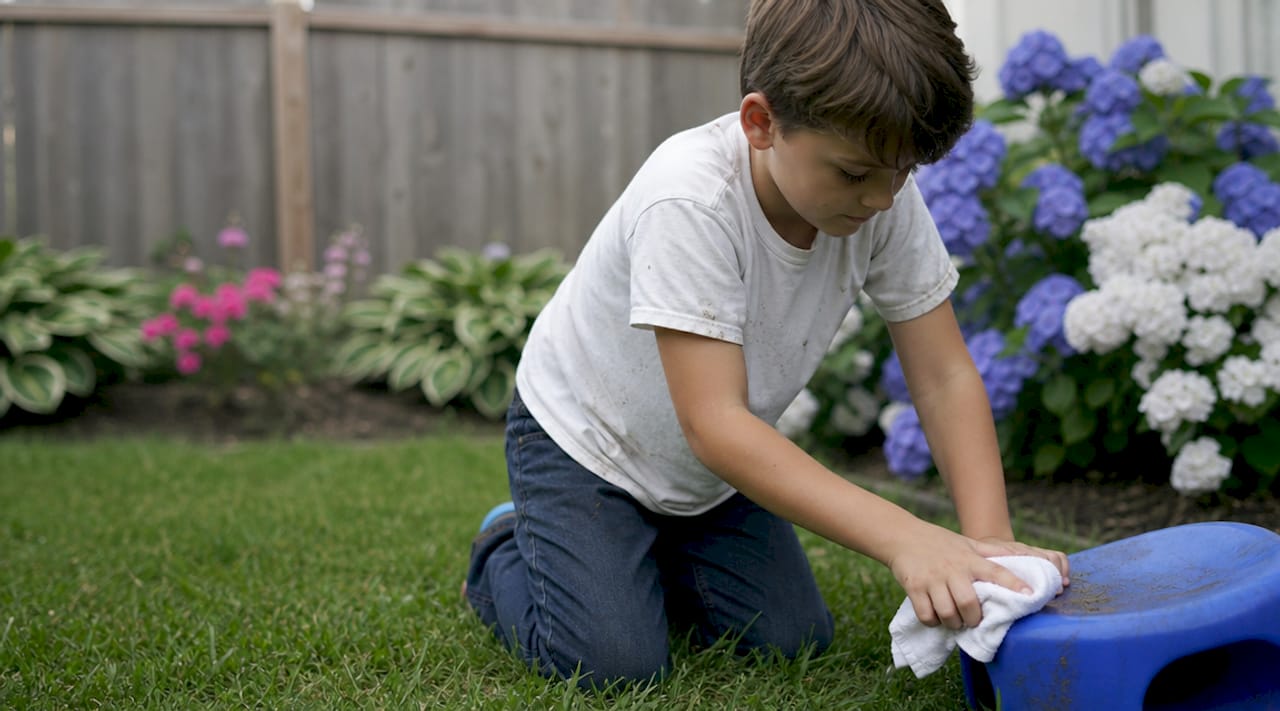
Grass stains are a combination of chlorophyll, protein, and other organic compounds that bond directly to fabric fibers, making them one of the tougher stains to remove from children’s play clothes. The good news: grass stains are 95% solvable when you avoid heat until the stain is fully gone. The key is enzyme-based treatment applied quickly, combined with cold water and patience. Skip the dryer, skip the hot water, and skip the chlorine bleach. This guide walks you through exactly how to get rid of grass stains using products you likely already have at home, with specific steps for fresh stains, dried stains, and different fabric types.
How to get rid of grass stains: tools and products you need
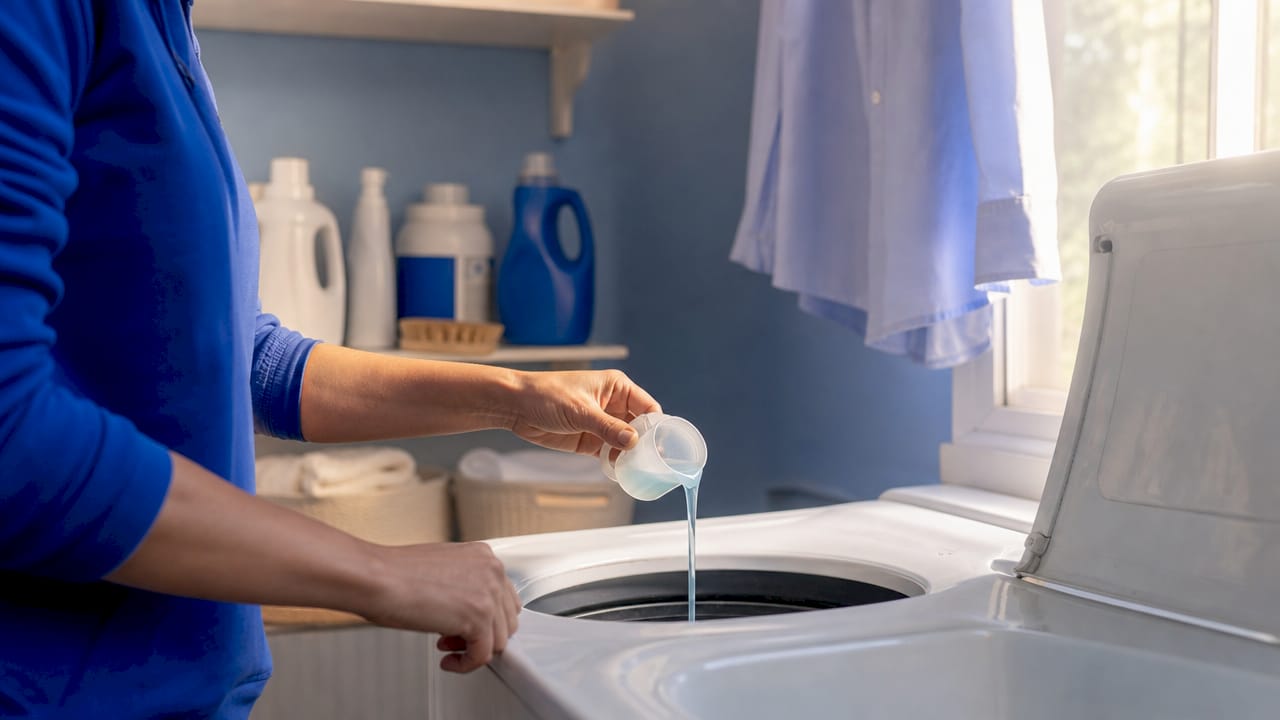
The right products make the difference between a stain that lifts and one that sets permanently. Enzyme detergents are the most effective first line of treatment because they contain protease, a protein-digesting enzyme that acts as molecular scissors to break down the grass proteins in 15 to 30 minutes. Brands like Seventh Generation Free & Clear and Dreft Stage 2 are widely available and safe for children’s clothing.
Here is what to keep in your stain-fighting kit:
- Enzyme detergent (Seventh Generation, Dreft, or any detergent listing protease as an ingredient)
- Liquid dish soap (Dawn works well as a degreaser and protein lifter)
- Hydrogen peroxide, 3% (standard drugstore concentration, safe for most colors)
- Oxygen bleach such as OxiClean or Nellie’s All-Natural Oxygen Brightener (color-safe and fabric-friendly)
- Soft-bristle toothbrush or soft scrub brush for gentle application
- Cold water for rinsing at every stage
Pro Tip: Always patch test on hidden fabric areas before applying hydrogen peroxide or oxygen bleach to the full stain. Some dyes react unexpectedly, especially on bright or dark children’s clothing.
The table below compares the most common products by use case, water temperature, and fabric safety:
| Product | Best Use Case | Water Temperature | Fabric Safety |
|---|---|---|---|
| Enzyme Detergent | Fresh and dried stains on most fabrics | Cold to warm | Safe for cotton, denim, synthetics; test on delicates |
| Oxygen Bleach (OxiClean) | Dried or set-in stains on durable fabrics | Warm | Safe for colors; avoid on wool and silk |
| Hydrogen Peroxide (3%) | Spot treatment on light-colored fabrics | Cold | Patch test required; avoid on dark fabrics |
| Liquid Dish Soap | Supplementary treatment or mild stains | Cold to warm | Safe for most fabrics |
Step-by-step method for removing fresh grass stains
Speed is your biggest advantage with a fresh stain. The longer chlorophyll and proteins sit in fabric fibers, the more they bond. Follow these steps as soon as the stained garment comes off your child.
-
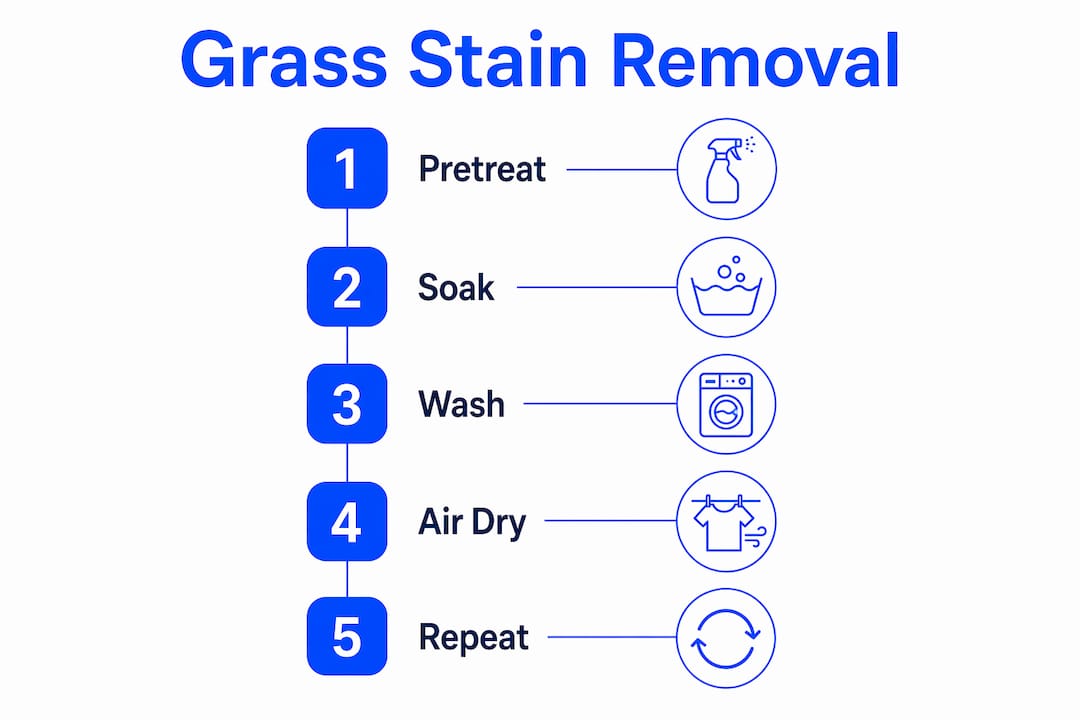
Rinse from the back. Hold the stained area under cold running water from the reverse side of the fabric. This reverse rinse method pushes chlorophyll particles out of the fibers rather than deeper into them. Never rinse from the front.
-
Apply enzyme detergent directly. Pour or rub a generous amount of enzyme detergent directly onto the stain. Work it in gently with your fingers or a soft-bristle toothbrush using a vertical tamping motion rather than scrubbing side to side. Tamping forces the stain up and out without fraying the fabric.
-
Let it dwell for 15 to 30 minutes. Enzyme detergents need time to break down the proteins. Set a timer and leave the garment undisturbed. Rushing this step reduces effectiveness significantly.
-
Rinse thoroughly with cold water. Flush the treated area completely with cold water until the detergent runs clear.
-
Wash on the appropriate cycle. Machine wash using warm water if the care label allows, or cool water for synthetics. Use your regular detergent.
-
Air dry and inspect. Lay the garment flat or hang it to dry. Check the stain before putting it anywhere near a dryer. Machine dryers permanently set any remaining stain into the fabric.
Pro Tip: If the stain is still visible after air drying, repeat the enzyme treatment before washing again. Two gentle rounds beat one aggressive attempt every time.
How to treat dried or stubborn grass stains on denim and cotton
A stain that has already dried requires a longer, more patient approach. Denim and cotton are durable enough to handle an oxygen bleach soak, which is the most effective method for removing grass stains from jeans and other heavy fabrics.
Follow this sequence for dried stains:
-
Prepare an oxygen bleach soak. Fill a basin or sink with warm water and add oxygen bleach according to the package instructions. OxiClean typically calls for one scoop per gallon of water.
-
Submerge the garment and soak for 4 to 6 hours. For older or heavily set stains, an overnight soak is acceptable. Warm water activates the oxygen bleach more effectively than cold.
-
Remove and rinse. Take the garment out and rinse it thoroughly with cold water to remove all bleach residue.
-
Apply enzyme detergent as a pretreatment. After rinsing, apply enzyme detergent directly to the stain and let it dwell for 15 to 30 minutes. Do not mix enzyme detergent into the oxygen bleach soak. Oxygen bleach neutralizes enzyme performance when combined, so they must be used in sequence.
-
Wash and air dry. Machine wash on warm, then air dry and inspect before considering the dryer.
Key points to keep in mind for this method:
- Denim and cotton tolerate warm water and oxygen bleach well
- Polyester and synthetic blends should use cool to warm water only
- Silk and wool should not be soaked in oxygen bleach at all
- Never use chlorine bleach on grass stains. Chlorine bleach oxidizes the stain and can permanently yellow the fabric
| Fabric Type | Soak Method | Recommended Product | Water Temperature |
|---|---|---|---|
| Denim | 4 to 6 hour oxygen bleach soak | OxiClean + enzyme detergent (sequential) | Warm |
| Cotton | 4 to 6 hour oxygen bleach soak | OxiClean or Nellie's Oxygen Brightener | Warm |
| Polyester/Synthetics | Short soak or direct pretreatment | Enzyme detergent only | Cool to warm |
| Silk/Wool | No soak; spot treat only | Wool-safe stain remover or professional cleaning | Cold |
Common mistakes that make grass stains permanent
Most grass stain failures come down to a handful of avoidable errors. Knowing what not to do is just as useful as knowing the right steps.
- Using the dryer too soon. Heat from a machine dryer bonds the stain permanently to the fabric. Always air dry and inspect first.
- Using hot water. Hot water cooks the proteins in the stain, setting them into the fibers. Cold water is the rule for rinsing at every stage.
- Reaching for chlorine bleach. It feels like the obvious solution, but chlorine bleach worsens grass stains by oxidizing the chlorophyll and leaving a permanent yellow mark.
- Scrubbing aggressively. Rubbing the stain side to side spreads it wider and damages fabric fibers. Use a tamping motion only.
- Skipping the patch test. Hydrogen peroxide and oxygen bleach can discolor certain dyes. Test on a hidden seam or inner hem before applying to the stain.
- Mixing enzyme detergent and oxygen bleach together. Used simultaneously, they cancel each other out. Always use them in sequence.
When a stain does not lift after two or three gentle treatment cycles, that is the signal to stop and seek professional cleaning. Continuing to apply harsh products at that point risks fabric damage more than stain removal.
Multiple gentle treatments consistently outperform a single aggressive attempt. Patience and repeated care preserve the garment and improve the final result.
How to remove grass stains from different fabric types
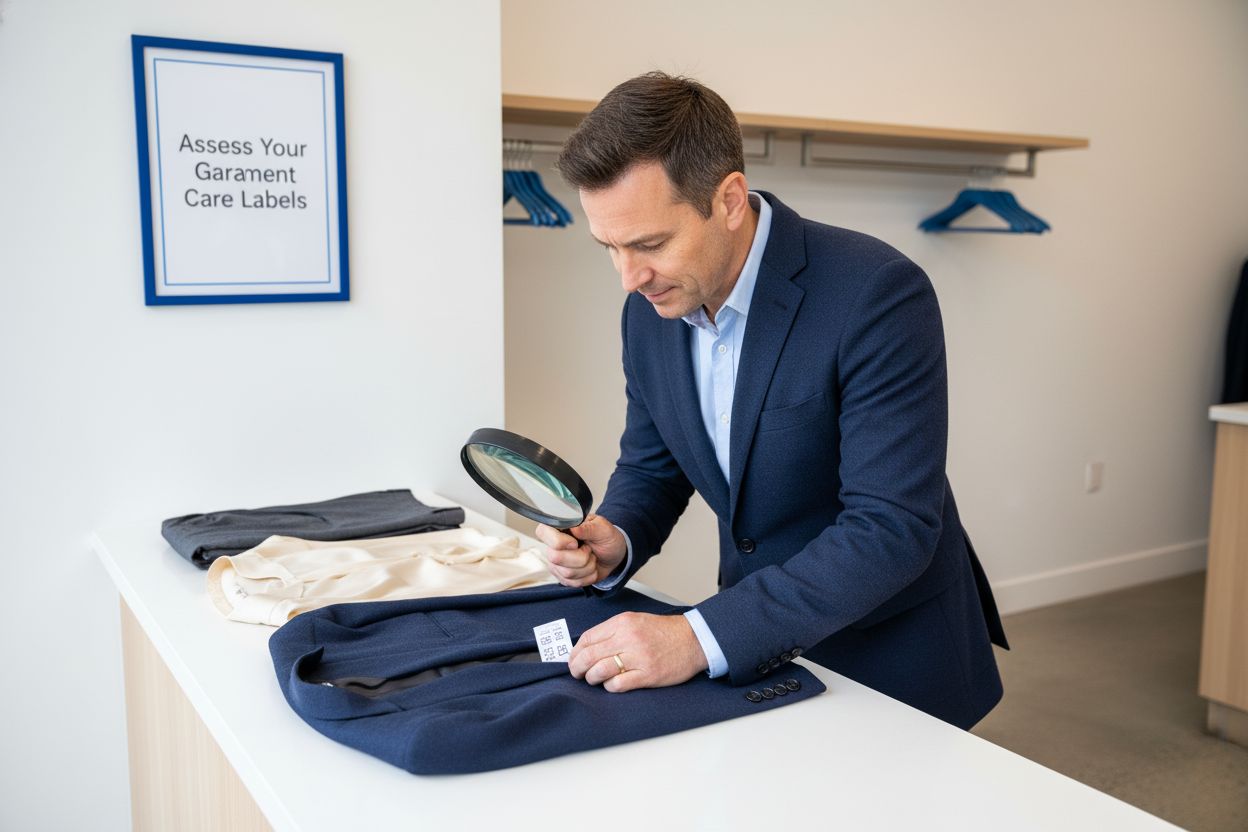
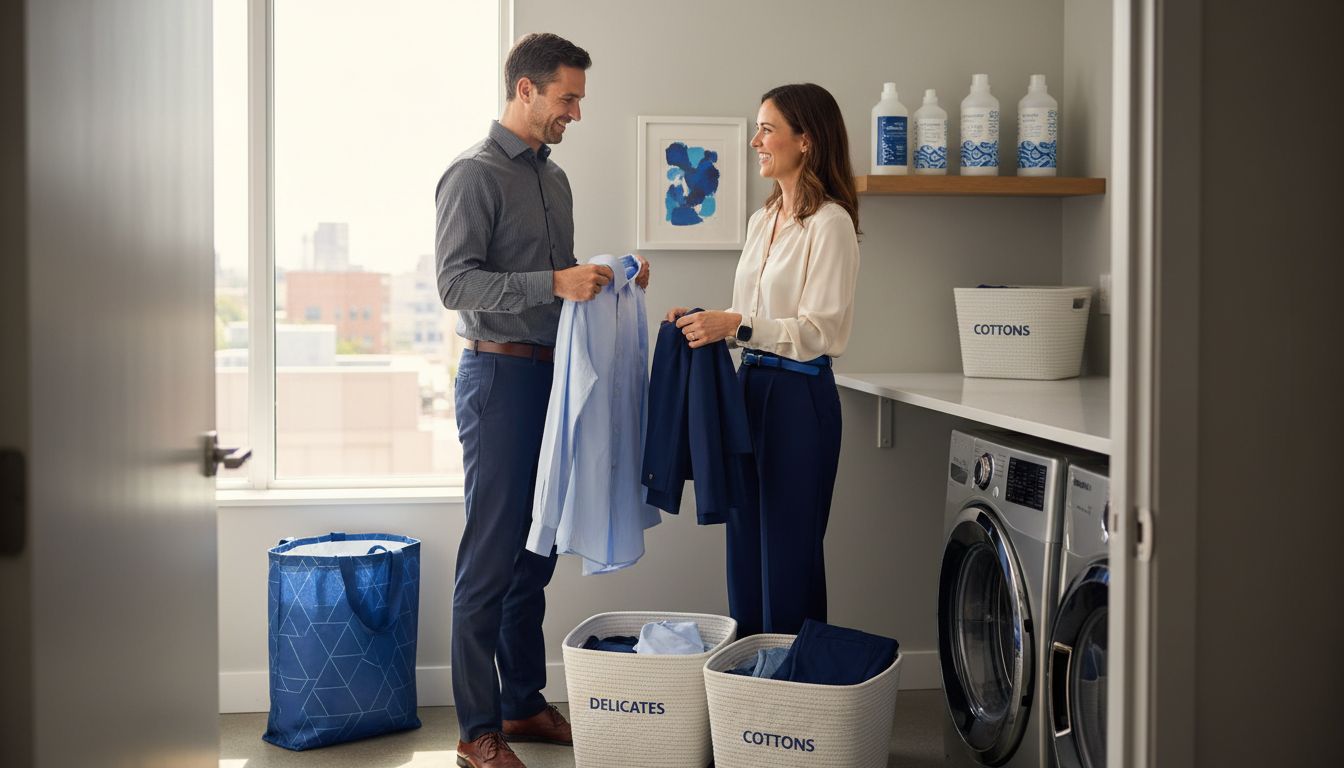
Children’s clothing comes in a wide range of materials, and the right treatment depends on what the garment is made of. Reading the care label before you start is not optional. It tells you the maximum wash temperature, whether bleach is safe, and whether the item needs a gentle cycle.
Cotton and denim are the most forgiving fabrics for stain removal. They handle enzyme detergent pretreatment, oxygen bleach soaks, and warm water washing without damage. For tough, set-in stains on jeans, the full stain removal guide covers fabric-specific steps in detail.
Polyester and synthetic blends are common in athletic wear and school uniforms. Use enzyme detergent as your primary treatment and keep water temperatures cool to warm. Avoid oxygen bleach on bright synthetic colors unless you have patch tested first. These fabrics dry quickly, which makes air drying and inspection easy.
Delicate fabrics such as rayon or lightweight blends need a gentler approach. Skip oxygen bleach entirely. Apply enzyme detergent, let it dwell for 15 minutes, and wash on a gentle cycle with cold water. Avoid wringing or twisting the fabric.
Silk and wool are the exception to every rule above. Neither fabric tolerates oxygen bleach, hot water, or aggressive treatment. Use a wool-safe stain remover like Eucalan or Soak Wash for spot treatment, or bring the garment to a professional cleaner. Attempting a full soak on silk or wool at home risks irreversible shrinkage and fiber damage.
Pro Tip: Keep a stain removal guide for parents bookmarked on your phone. When a stain happens mid-week and you cannot remember the steps, having a quick reference saves the garment.
Key takeaways
Grass stains are reliably removable when you use enzyme detergents, avoid heat at every stage, and treat the stain before it dries.
| Point | Details |
|---|---|
| Act immediately | Fresh stains respond fastest to enzyme detergent and cold water before the chlorophyll bonds to fibers. |
| Never use heat | Hot water and machine dryers permanently set grass stains; always air dry and inspect first. |
| Use products in sequence | Apply oxygen bleach soak first, rinse completely, then apply enzyme detergent as a separate step. |
| Match method to fabric | Cotton and denim tolerate oxygen bleach soaks; silk and wool require professional cleaning or wool-safe products. |
| Repeat gently | Two or three gentle treatment cycles outperform one harsh attempt and protect the fabric from damage. |
What I have learned from years of watching parents fight grass stains
I have seen hundreds of garments come through with grass stains, and the pattern is almost always the same. The stain that did not come out was put in the dryer before anyone checked. That single step turns a treatable stain into a permanent one, and it happens because parents are busy and the dryer is convenient.
The second most common mistake is reaching for chlorine bleach out of habit. It feels powerful, and it is, but not in the way you want. It reacts with the chlorophyll in grass and locks in a yellow discoloration that no amount of washing will reverse.
What actually works, consistently, is having enzyme detergent within reach and using it the moment the clothes come off. Seventh Generation and Dreft are both solid choices that are gentle enough for kids’ skin and effective enough for real outdoor stains. A soft toothbrush dedicated to stain treatment costs almost nothing and makes a real difference in working the product into the fabric without causing damage.
The hardest part to teach is patience. Letting the enzyme detergent sit for a full 30 minutes feels like doing nothing, but that dwell time is where the actual stain removal happens. Rushing it and throwing the garment straight into the wash cuts the process short. If you treat the stain right, air dry, and check before the dryer, you will save most of what comes through your door.
— Daniel
When home treatment is not enough: Columbiapikelaundry can help
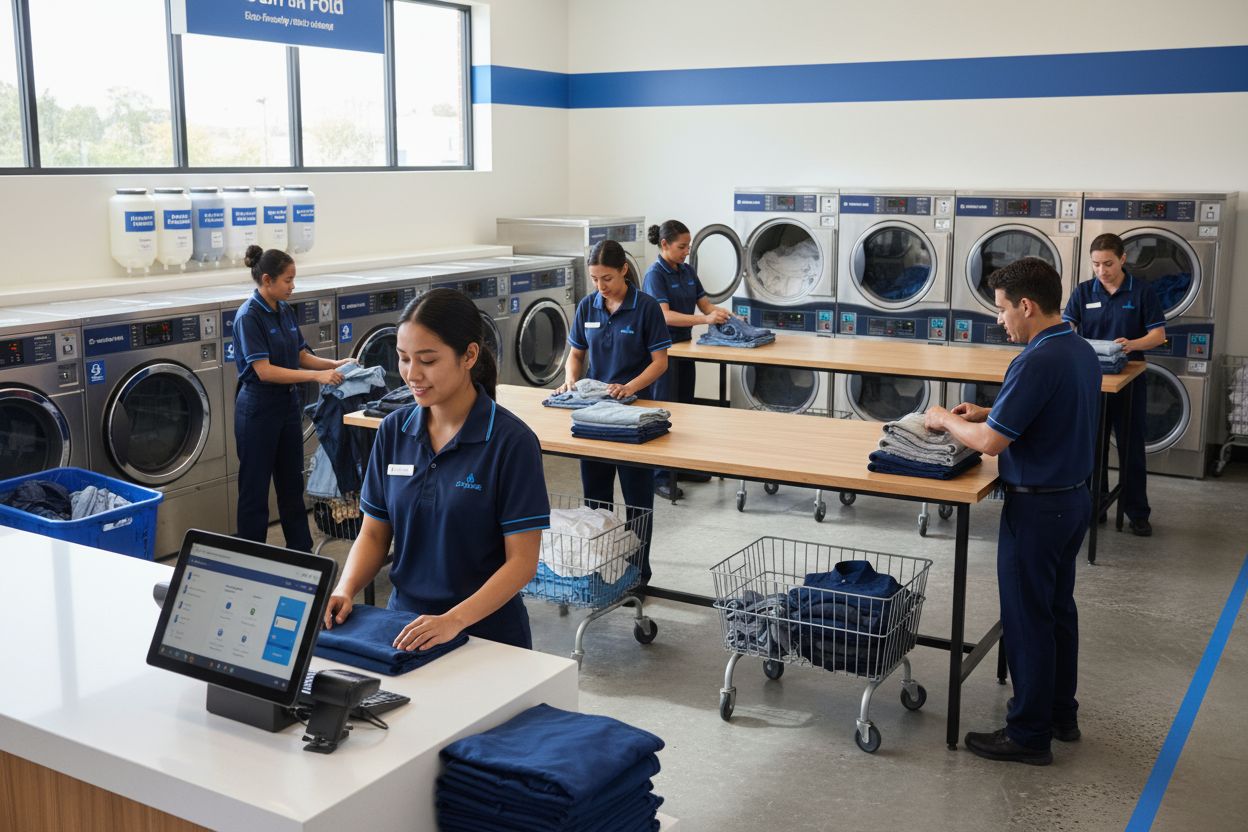
Some stains are too set, too old, or on fabrics too delicate to treat safely at home. That is exactly when professional cleaning earns its value. Columbiapikelaundry, based in Arlington, Virginia at 2602 Columbia Pike, specializes in stain treatment for everyday family clothing, including children’s play clothes with stubborn grass stains. Every garment is cleaned in-house, not sent to a third party, which means tighter quality control and real accountability. You can drop off directly or schedule a pickup through the app and have clean, pressed clothes returned within 48 hours. When the stain has beaten your best efforts at home, let the professionals handle it.
FAQ
What takes out grass stains most effectively?
Enzyme detergents containing protease are the most effective treatment for grass stains. They break down the proteins and chlorophyll in the stain within 15 to 30 minutes when applied directly and allowed to dwell before washing.
Can you remove grass stains after the clothes have already dried?
Yes. Soak the garment in an oxygen bleach solution like OxiClean for 4 to 6 hours, then follow with an enzyme detergent pretreatment before washing. Air dry and inspect before using the dryer.
How do you remove grass stains from jeans specifically?
Denim responds well to an overnight oxygen bleach soak followed by enzyme detergent pretreatment and a warm water wash. Never combine the two products in the same soak, as they cancel each other out.
Why does the dryer make grass stains permanent?
Heat from the dryer bonds the organic compounds in grass stains to fabric fibers through a process similar to cooking proteins. Once heat-set, the stain cannot be removed with standard washing methods.
Is hydrogen peroxide safe to use on children’s clothing?
Hydrogen peroxide at 3% concentration is safe for most light-colored fabrics when patch tested first. Apply it directly to the stain, let it sit for 15 minutes, then rinse and wash. Avoid using it on dark or bright colors without testing on a hidden area first.
Free pickup, expert care, delivered back to your door.
Popular Blog Articles


Meet the Author
Daniel Logan didn’t start CPL because he loved laundry. He started it because his family was drowning in time debt, and laundry was one of the biggest weights.
Mornings were chaos with two kids under 5. Evenings felt like catch-up. And weekends? Gone to sorting socks and folding piles.
He knew his story wasn’t unique. So he built a business that gave families like his just a little bit of breathing room one load at a time.
With no laundry experience but deep tech skills, Daniel rolled up his sleeves, doing every job himself while building systems that turned it into a modern laundry service that saves customers time, simplifies their lives, and delivers reliability they can count on.
That’s where CPL began. Not from a playbook, but from pain. From one dad trying to buy back time: for himself, and for every household like his.
Free pickup, expert care, delivered back to your door.