
How to Get Wrinkles Out of Linen Fast & Easy (2026)

Columbia Pike Laundry offers pickup & delivery across Northern Virginia.
You pull a linen shirt from the closet, or unfold a tablecloth you were sure you stored neatly, and there they are. Soft creases across the front. Sharp fold lines at the edges. A sleeve that looks like it spent the night in a suitcase.
That’s the linen bargain. You get breathability, texture, and that relaxed look people spend a lot of money trying to imitate. In return, linen asks for a little understanding. The good news is that learning how to get wrinkles out of linen isn’t complicated once you stop expecting it to behave like a synthetic shirt or a crisp cotton sheet.
The bigger truth is this. Linen doesn’t always need to look perfectly pressed. Sometimes its charm is the easy, lived-in finish. Other times, you want it smooth and crisp because the setting calls for it. Both approaches are right. The trick is knowing which method fits the moment, and when it’s smarter to save your time than wrestle with fabric.
Why Your Favorite Linen Is Always Wrinkled
You can fold linen carefully, hang it properly, and still find creases waiting for you later. That’s normal. It isn’t a sign that you bought poor fabric or stored it the wrong way.
Linen wrinkles because it’s real
Linen comes from flax, and its fibers lack elasticity. That’s the heart of the issue. They don’t bounce back the way many people expect, so bends and pressure marks settle in more easily. Historically, that’s been true for a very long time. Linen production goes back to prehistoric times, and the fabric has always been prized for strength and breathability, even while people dealt with its wrinkling nature.
By the 18th century, European linen mills produced fabrics that wrinkled 40 to 50% more than cotton because of flax’s rigid cellulose structure, with 70 to 80% cellulose content, according to this history of linen wrinkling and care. That same source notes that Henry W. Seely’s 1882 steam iron patent reduced ironing time by 60% for linen garments. People have been trying to tame linen for a long time.
Linen wrinkles are often a sign that you’re wearing actual linen, not a stiff imitation.
The wrinkle is part of the look
At this point, people either make peace with linen or give up on it. If you expect it to stay sharp all day like a pressed uniform shirt, you’ll be annoyed. If you treat it like a fabric that can swing between relaxed and refined, it becomes much easier to enjoy.
A linen button-down at brunch can have a few soft creases and still look intentional. Linen drapes can look beautiful with a little texture, especially if you lean into a more natural room. If you’re styling windows and want inspiration for that softer finish, Joey'z drapes styling tips offer a helpful look at how linen works in a room without needing to appear overly formal.
What matters most
There’s a difference between natural rumple and neglected wrinkling. Natural rumple gives linen character. Neglected wrinkling makes it look crumpled and forgotten.
Once you know that, caring for linen gets simpler. You don’t need to fight every crease. You just need to decide when “relaxed” is enough and when “pressed” is worth the effort.
Quick Fixes When You Are Short on Time
You notice the wrinkles when you are already dressed. The linen shirt looked fine on the hanger, and now the collar is creased, the front has a fold across the middle, and you need an answer in the next ten minutes.
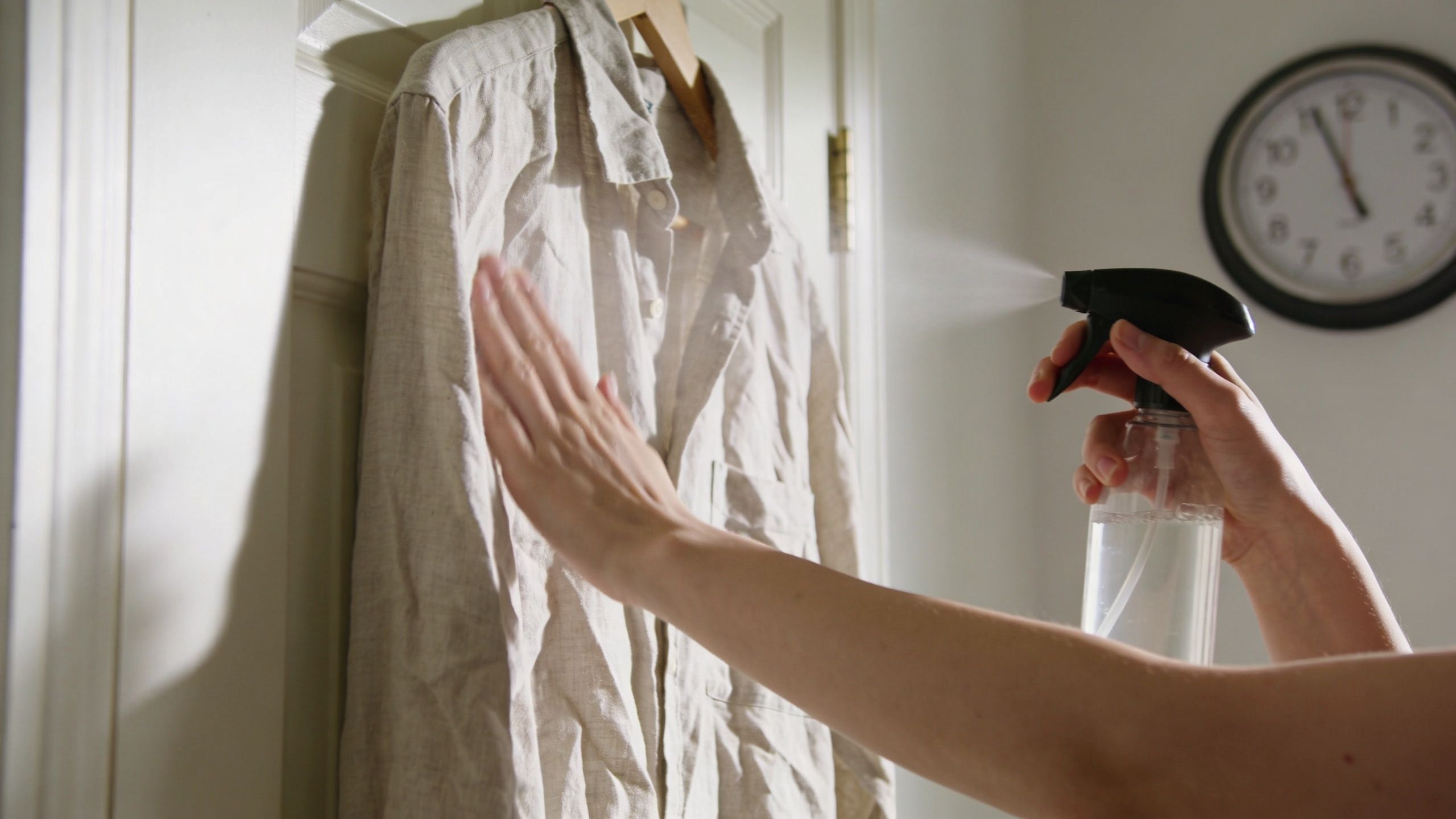
Short on time, the goal is not perfection. The goal is to make linen look cared for. That is often enough for a workday, dinner out, school pickup, or a video call. Save the sharp, pressed finish for the moments that call for it.
Use shower steam for light wrinkles
Shower steam is the fastest low-effort fix for linen that is lightly rumpled, not heavily creased. Hang the piece in the bathroom while you shower, keep it clear of direct water, and close the door so the steam can build.
This works best on shirts, dresses, and loose pants that picked up soft wrinkles from sitting or folding. After a few minutes, smooth the fabric with your hands and give the hem a gentle pull. That little bit of tension helps the fibers settle.
A fair warning. Shower steam softens wrinkles better than it erases them. If the fold is sharp from being packed away or crushed in a drawer, this method may make it less obvious, but it usually will not make it disappear.
Try a wrinkle-release spray
For many linen pieces, a wrinkle-release spray is the best quick fix because it asks very little of you. Lightly mist the fabric, smooth it with your palms, then let it hang and dry. The key is restraint. Damp is helpful. Wet usually creates a second problem.
I use this method when I want linen to keep its relaxed character but stop looking neglected. It is especially useful for casual shirts, day dresses, and curtains that need a quick refresh before company arrives.
Practical rule: Spray lightly, smooth once or twice, then stop touching it. Too much handling puts fresh creases right back into the fabric.
If you want a few more no-iron options, these expert laundry hacks for wrinkles are useful for busy mornings and last-minute touch-ups.
Reach for a handheld steamer
A handheld steamer gives the best result when time is tight and appearance matters a bit more. It is faster than setting up an ironing board and more reliable than bathroom steam.
Hang the garment first. Start with the spots people notice right away, the collar, placket, neckline, cuffs. Then work downward in slow passes. Use one hand to hold the hem or side seam with light tension, and let the steam move through the fabric instead of rushing over the surface.
A few habits make a difference:
- Start at the top and work down so you do not re-crease areas you already smoothed.
- Slow down over thick seams, waistbands, and cuffs.
- Steam both sides if the linen is heavier or tightly woven.
This method will not give you that flat, crisp finish you get from careful pressing. It will make linen look fresh, intentional, and ready to wear, which is often the better trade when the clock is ticking.
And if even that feels like one more thing on an already full day, that is exactly why laundry services exist. Sometimes the smartest fix is getting your time back.
Achieving a Crisp Finish with Ironing and Steaming
Some days call for more than “perfectly fine.” A wedding guest outfit. A dinner party tablecloth. Linen pants for the office. That’s when method matters.

Ironing for a sharp look
Ironing is the right choice when you want a cleaner, flatter surface. Linen responds best when there’s moisture in the fabric. If it’s already dry, mist it lightly before you begin.
Always iron linen while it’s still damp.
Use the linen setting if your iron has one. If not, use a hot setting with steam and work in small sections. Press instead of scrubbing back and forth. Too much dragging can stretch the fabric and create shine, especially on darker pieces.
A press cloth helps. A clean cotton towel or thin cloth between the iron and the linen protects the surface and gives you a little more control.
Steaming for polished softness
Steaming is excellent when you want linen to look refined without looking flattened. It keeps more of the fabric’s natural character.
Hold the garment on a hanger and move the steamer slowly downward. Let the steam do the work. If your steamer head is designed for gentle contact, a light pass along the fabric can help with stubborn areas, but don’t mash the fibers.
This approach is especially nice for:
- Dresses and shirts: It preserves drape better than hard pressing.
- Curtain panels: Easier than wrestling them onto a board.
- Garments with shape: Steam is kinder around gathers, soft pleats, and textured seams.
Linen wrinkle removal method comparison
| Method | Effort Level | Time Required | Effectiveness | Best For |
|---|---|---|---|---|
| Iron with steam | Higher | Moderate | High for deep creases and crisp finish | Shirts, pants, table linens, formal settings |
| Handheld steamer | Moderate | Fast to moderate | Strong for everyday wrinkles | Dresses, blouses, hanging garments |
| Shower steam | Low | Short | Best for mild wrinkles | Last-minute touch-ups |
| Wrinkle-release spray | Low | Short to moderate | Good for softening visible creases | Travel, quick refreshes |
Small details that make a big difference
Work collars, cuffs, button plackets, hems, and seam lines first. Those areas frame the whole piece. If they look neat, the entire garment reads as neater.
Press the parts people notice first. Linen doesn’t have to be flawless to look cared for.
If you’re wondering how to get wrinkles out of linen without taking all the life out of it, this is the balance: iron when you want structure, steam when you want elegance with a softer edge.
Using Your Dryer to De-Wrinkle Linen
The dryer can help. It can also make things worse if you leave linen in too long or let it bake until fully dry.
The damp towel method
Toss the linen item in the dryer with a damp towel and run a short, gentle cycle. The towel releases moisture and creates a light steaming effect inside the drum. That can loosen surface creases enough to make the item wearable or at least easier to finish with a quick hand smoothing.
Take the linen out promptly. Don’t let it sit in a warm heap. As soon as the cycle ends, shake it out, smooth the seams, and hang it up.
This method is best for garments that are lightly wrinkled but not sharply creased from storage.
The ice cube trick
The ice cube trick works on the same basic idea. A few ice cubes melt in the dryer and create steam as the drum warms. It’s a handy option when you don’t want to dampen a towel first.
The same caution applies. Keep the cycle short, remove the linen quickly, and hang it right away. If you let the fabric continue tumbling until it’s bone dry, you may trade one set of wrinkles for another.
What not to do
A few dryer habits cause most linen frustration:
- Don’t overdry it: Linen gets harder to smooth once it’s completely dry and crumpled.
- Don’t leave it sitting in the drum: Heat plus pressure creates fresh fold lines.
- Don’t pack the dryer tightly: Linen needs room to move if you want steam to help.
The dryer is a touch-up tool, not a miracle worker. Used gently, it can save time. Used carelessly, it sets wrinkles deeper.
How to Prevent Linen Wrinkles from the Start
A lot of wrinkle trouble starts before the garment is even dry. Linen has a relaxed nature, and that is part of why people love it. But if you want it to look tidy instead of rumpled, the main work occurs in handling, not rescue.
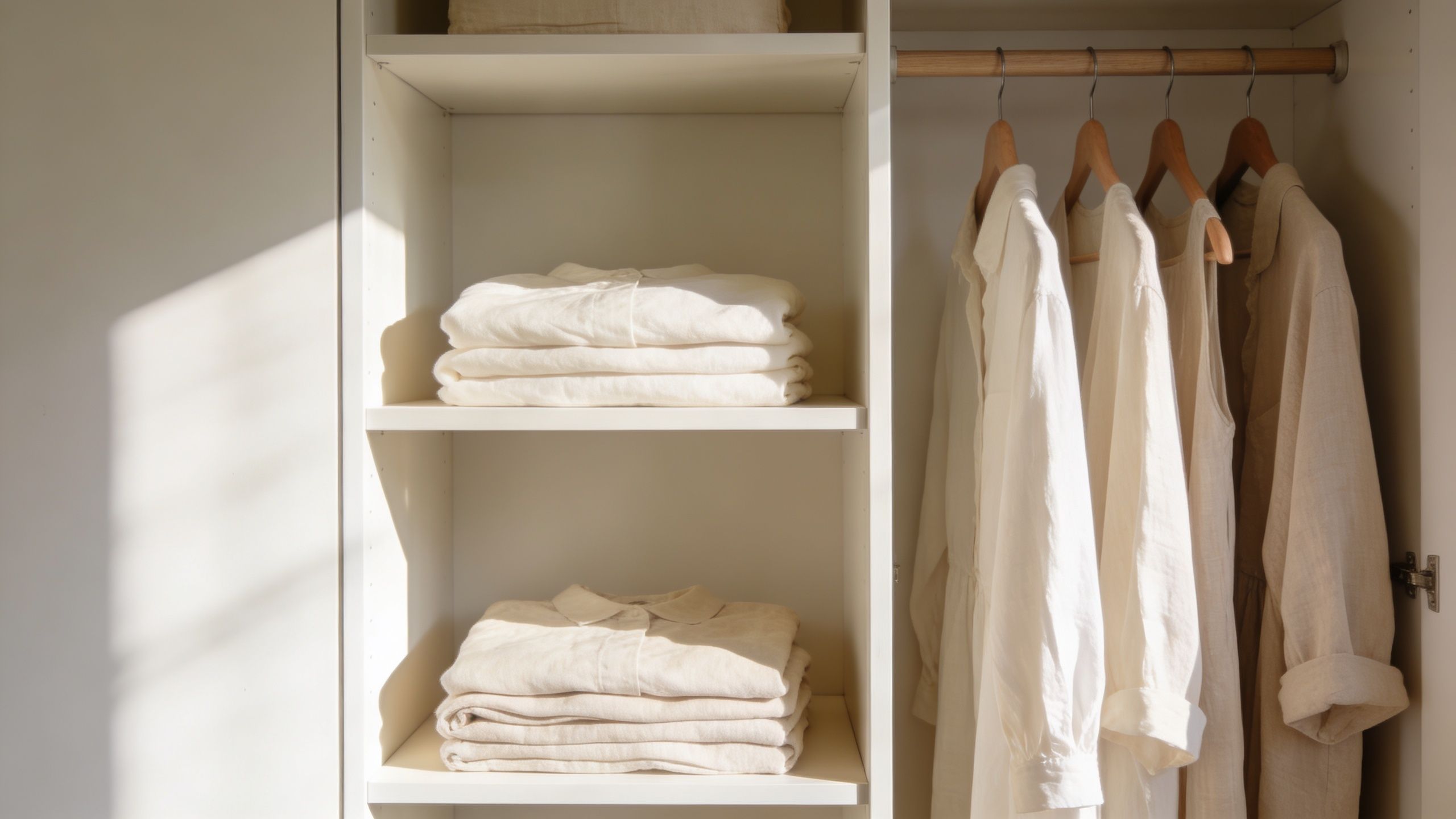
Build better habits before wrinkles set
Linen tends to dry into whatever shape it was left in. If it sits twisted in the washer or slumped over a laundry basket, those lines usually stay put. If you straighten it while it is still damp, you save yourself a lot of effort later.
The best preventive routine is simple. Wash with room for the fabric to move, pull pieces out promptly, give them a good shake, and smooth collars, plackets, waistbands, and seams with your hands before hanging. That minute of attention makes more difference than a long ironing session after the fact.
I also tell people to stop treating every wrinkle like a failure. Linen is supposed to look easy. The goal is to prevent sharp creases and crushed fold lines, while keeping the fabric’s natural texture.
What helps most in real life
A few habits consistently make linen easier to live with:
- Choose a gentler wash setup: Harsh spinning and overcrowded loads press deep wrinkles into the fibers.
- Shape the garment while damp: Smooth edges, flatten pockets, and straighten hems before they dry crooked.
- Give hanging pieces space: Packed racks and crowded hooks create fresh creases.
- Store with intention: Use broad hangers for shirts and dresses, and avoid tight drawer stacks for pieces you want ready to wear.
Storage is where many good laundry habits get undone. Wire hangers can misshape shoulders. Shelf stacks press fold marks into place. Overfilled drawers leave linen looking crushed before you even put it on.
If you are building a wardrobe around linen, it helps to choose pieces that suit your routine and your storage space. A practical guide to choosing your perfect linen skirt can help with that. Clothes that fit your day-to-day life usually get handled better, worn more often, and shoved into corners less often.
For more fabric-care basics, Columbia Pike Laundry's linen advice offers a practical overview worth bookmarking.
Crisp when you want it, relaxed when you do not
Some days, a softly wrinkled linen shirt looks exactly right. Other days, you want a cleaner finish for work, dinner, or guests coming over. Both are valid. Knowing how to prevent the worst wrinkles gives you that choice.
That is really the philosophy of linen. Accept the relaxed look when it suits the moment, and set yourself up for crispness when you need it. And if keeping up with all of this starts to feel like one more household job you do not need, that is what we are here for.
When to Let the Professionals Handle It
Some linen pieces cross the line from “annoying” to “not worth doing at home.” That’s especially true when the fabric is large, delicate, sentimental, or needed for a specific event.

Large items are a different problem
A linen shirt is one thing. Heavy drapes, oversized bedding, and long table linens are another. They’re bulky, awkward to maneuver, and easy to re-crease while you’re just trying to move them from one room to another.
For heavy linen drapes, even professional steaming sessions may remove only 50% of wrinkles, and transport home can reintroduce creases, as discussed in this Houzz thread on linen drapes. That’s a useful reminder that the challenge isn’t always the cleaning. Sometimes it’s the handling afterward.
The smart moments to outsource
Professional care makes sense when:
- The piece is oversized: Drapes, banquet tablecloths, duvet covers, and layered bedding are physically hard to press well at home.
- The linen is delicate or vintage: If you’re worried about scorching, shine, or stressing old seams, caution is the better choice.
- You need consistency: Hosting guests, staging a room, or dressing for an event is not the time for trial and error.
- You’re feeling tired: This counts. Time and peace matter.
Travel is another good example. People often learn careful packing with clothing that requires careful handling because the stakes feel higher. The same logic applies to linen, and folding techniques for tailored suits are a nice reminder that some fabrics and garments benefit from better handling long before you unpack them.
Crisp linen without the home battle
There’s no prize for spending your whole evening wrestling a wrinkled tablecloth on the dining table or trying to steam drapes back into shape after delivery. The practical answer is often the better one.
If you'd rather skip the setup, the waiting, and the second round after new creases appear, you can schedule dry cleaning for your linens and let someone else handle the pressing and the fussy parts.
Columbia Pike Laundry helps busy families and professionals get linen cleaned, pressed, and back where it belongs without turning laundry into a weekend project. We offer pickup and delivery, wash and fold, and eco-friendly dry cleaning with GreenEarth for items that need gentler treatment. Most dry-cleaned pieces are pressed by default, and if delivery introduces wrinkles, re-pressing is available at no extra charge. If you’re ready for crisp linen and a little more breathing room in your week, Columbia Pike Laundry is the easy way out.
Free pickup, expert care, delivered back to your door.
Popular Blog Articles




Meet the Author
Daniel Logan didn’t start CPL because he loved laundry. He started it because his family was drowning in time debt, and laundry was one of the biggest weights.
Mornings were chaos with two kids under 5. Evenings felt like catch-up. And weekends? Gone to sorting socks and folding piles.
He knew his story wasn’t unique. So he built a business that gave families like his just a little bit of breathing room one load at a time.
With no laundry experience but deep tech skills, Daniel rolled up his sleeves, doing every job himself while building systems that turned it into a modern laundry service that saves customers time, simplifies their lives, and delivers reliability they can count on.
That’s where CPL began. Not from a playbook, but from pain. From one dad trying to buy back time: for himself, and for every household like his.
Free pickup, expert care, delivered back to your door.