
How to Remove Stains from Clothes A Practical Guide
Columbia Pike Laundry offers pickup & delivery across Northern Virginia.
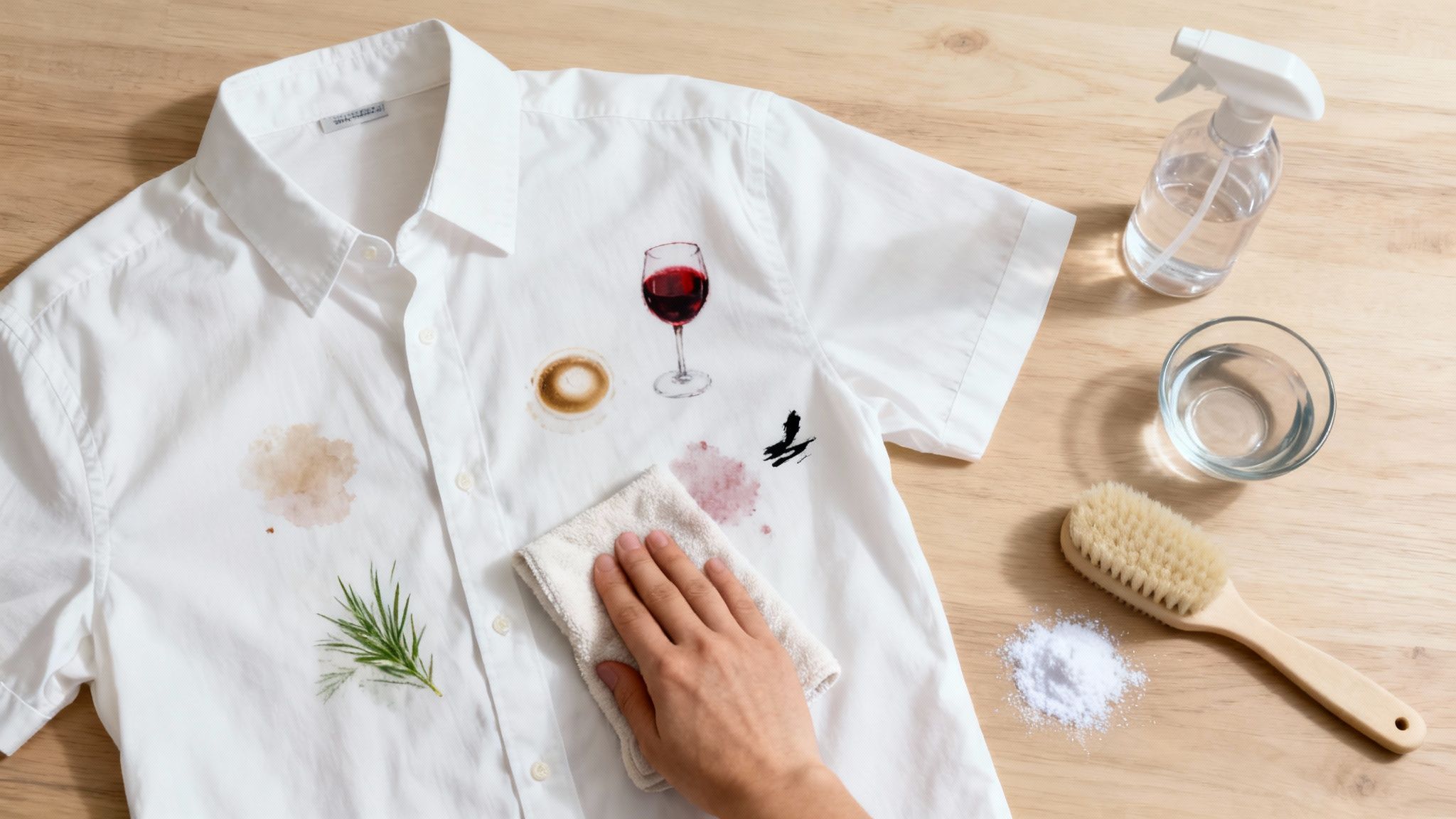
That gut-wrenching moment a drop of red wine lands on your brand-new white shirt? Don't panic. Honestly, acting fast with the right moves is half the battle. The most important thing is to immediately blot the stain with a clean cloth—never, ever rub it—and use cold water as your first line of defense to keep it from setting.
Your First Five Minutes: The Stain Emergency Plan
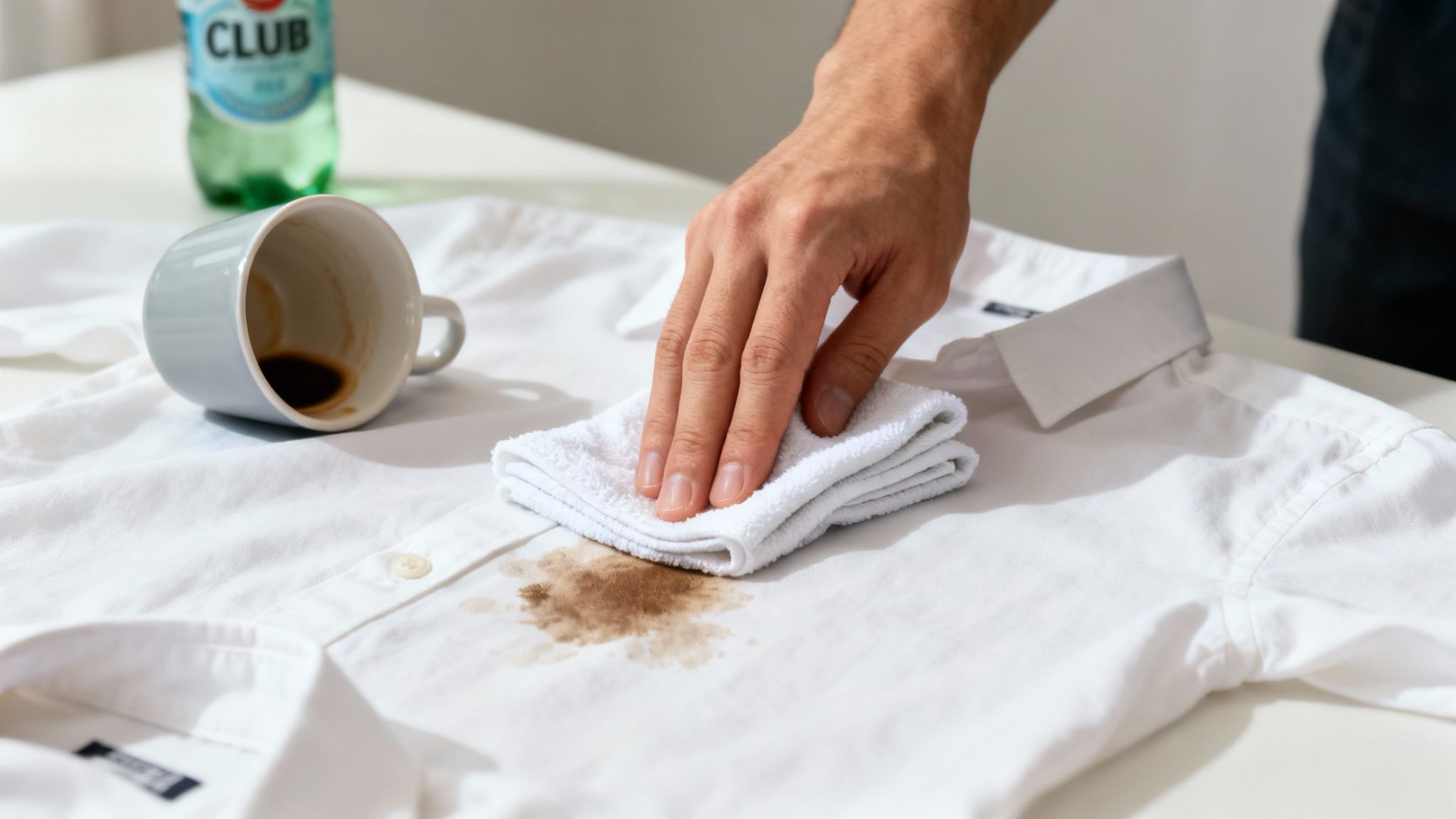
Think of those first few moments after a spill as laundry first aid. What you do right away can be the difference between a minor inconvenience and a permanent mark.
The natural impulse is to scrub like crazy, but that’s the single biggest mistake you can make. All that rubbing just grinds the stain deeper into the fabric's fibers, locking it in and making it a real nightmare to get out later.
Instead, remember the golden rule: blot, not rub. Just grab a clean, dry cloth or paper towel and gently press down on the stain. This action pulls the excess liquid up and out of the garment. Pro tip: work from the outside edge of the stain inward to keep it from spreading.
Immediate Actions to Take
After you've blotted up the excess, your next move depends on what you have nearby. Cold water is almost always a safe bet for common spills like coffee, juice, or even blood. It helps dilute the stain without "cooking" it into the fabric—something hot water can do, especially with protein-based stains.
Here are a few universal first-response steps I always recommend:
- Scrape Off Solids: If the stain is from something thick like ketchup or mustard, gently scrape off the gunk with a dull knife or the edge of a credit card first.
- Blot Like You Mean It: Use a clean, absorbent cloth to soak up as much of the liquid as you possibly can.
- Rinse from the Back: Hold the fabric under a running tap and let cold water flush the stain out from the reverse side. This pushes the stain away from the fabric, not deeper into it.
- Club Soda in a Pinch: Out at a restaurant? The carbonation in club soda can actually help lift some fresh stains, making it a great on-the-go trick.
This initial damage control is all about buying you time before you can get home and apply a more specific treatment. To learn more about which products work best on which messes, check out our guide on how stain removers work for every stain type.
Knowing When to Call for Backup
While these first-aid tips are surprisingly effective, they do have their limits. Some stains just need professional-grade solutions that you won't find under your kitchen sink. Knowing when to stop trying is just as important as knowing what to do.
Why does this matter? Because a professional service like ours at Columbia Pike Laundry uses eco-friendly GreenEarth solvents that can lift 95% of set-in stains on delicates. That’s a world of difference from home remedies that, according to industry tests, fail 70% of the time on tough protein-based stains like blood or grass.
We see it all the time. Customers bring in wine-splashed tablecloths, and our team pretreats them with professional enzymes, returning them spotless. For wash & fold, you'll have it back in 48 hours; for dry cleaning, it's typically 3 days. There's a whole science behind the effectiveness of professional laundry services, and sometimes, it's just the best tool for the job.
Tackling Life's Most Common Stains
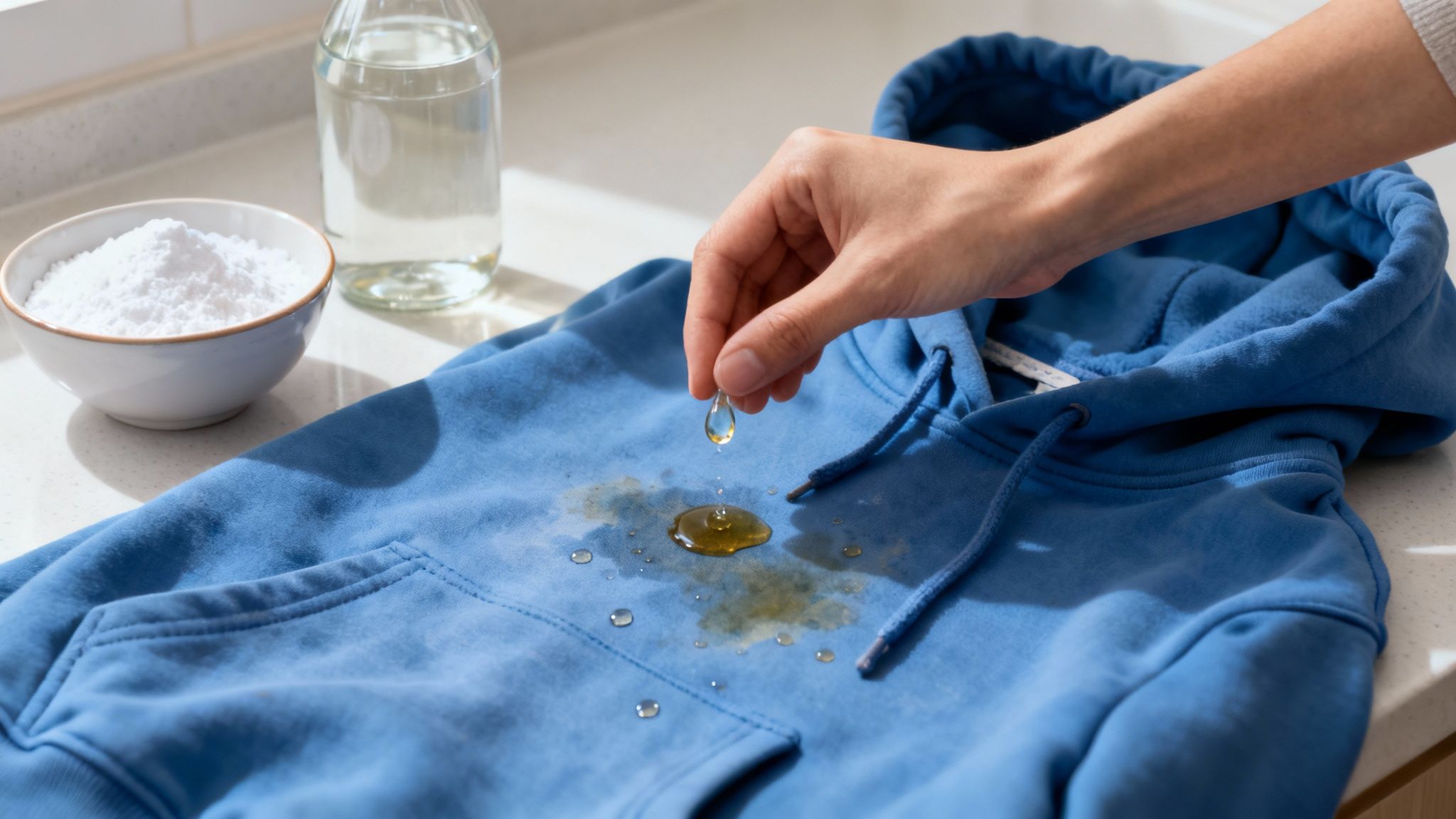
Now that you have a first-aid plan, let's dive into the specifics of those stains that seem to pop up out of nowhere. From a greasy pizza drip on your favorite hoodie to an unfortunate splash of morning coffee, knowing the right technique can rescue your clothes from the donation pile.
The secret is understanding that not all stains are created equal. Each type requires a slightly different battle plan, and using the wrong one can sometimes make things worse. We’ll break down the most common culprits and give you practical, at-home solutions that actually work.
At-Home Stain Treatment Cheat Sheet
Before you wash, a little pre-treatment can make all the difference. Here’s a quick-reference guide for tackling common household stains using items you probably already have in your kitchen or bathroom.
This cheat sheet is your first line of defense. Remember to always test any solution on a hidden spot first, especially on delicate fabrics, to ensure it doesn't cause discoloration.
Getting Rid of Oil and Grease Stains
Oil-based stains are some of the most stubborn messes we face. Think salad dressing, cooking oil, or that rogue French fry that fell on your lap. They repel water, which is why simply tossing a greasy shirt in the wash often leaves a dark, shadowy spot behind.
Your secret weapon here is surprisingly simple: a good dish soap. Dish detergents are specifically made to cut through grease on your plates, and they do the same thing for fabric fibers.
For a fresh oil stain, lay the garment flat and put a small drop of dish soap right on the spot. Gently work it in with your fingers or a soft-bristled toothbrush. Let it sit for 10-15 minutes to break down the oil, then rinse the area with cool water before washing as usual.
Conquering Coffee and Red Wine Spills
Tannin stains—from plant-based sources like coffee, tea, red wine, and fruit juice—are another frequent offender. Their vibrant color can look intimidating, but their chemistry makes them vulnerable to a mild acid.
This is where distilled white vinegar becomes your best friend. Its acetic acid content helps break down the tannins without harming most fabrics. Just make sure you're using distilled white vinegar; other types like apple cider vinegar can leave their own stains behind.
Whip up a simple pre-treatment for these spills:
- Mix one part distilled white vinegar with two parts cool water.
- Carefully blot the solution onto the stain with a clean cloth, working from the outside in to prevent spreading.
- Let it sit for about 15 minutes before rinsing thoroughly.
- Toss it in the wash, following the care label instructions.
Key Takeaway: Vinegar's power lies in its acidity, which dissolves the plant-based compounds in tannin stains. Just remember to never mix vinegar directly with chlorine bleach, as this creates a toxic gas. If you need to use both, do so in separate steps of your cleaning process.
The Golden Rule for Protein Stains
Protein-based stains include things like blood, grass, sweat, and mud. These are organic, and they come with one non-negotiable rule: always use cold water. Applying heat—from hot water or a hot dryer—will essentially "cook" the proteins, causing them to bond permanently with the fabric. It’s a mistake you only make once!
Take mud on a soccer jersey, for example. Your first instinct might be to scrub it right away, but it’s better to let the mud dry completely. Then, you can scrape or brush off as much as possible. After that, rinse the stain from the back of the fabric with cold water to push it out instead of deeper in.
For a really tough protein stain, try making a paste with baking soda and a little cold water. Apply it to the spot, let it sit for 30 minutes, and then launder in cold water with a good enzyme-based detergent.
The Reality of DIY Stain Removal
While these homemade solutions are fantastic first-aid measures, it's important to be realistic. Their success can depend on the stain's age, the fabric, and how it was first treated. This is especially true for stubborn, set-in oil stains.
Research shows that DIY stain removers fully succeed only 40-50% of the time on oil-based stains, whereas commercial laundry services boast 85-90% success rates. Think about it: home methods like dish soap work on fresh oil stains about 60% of the time, but that success rate plummets to just 20% for set-in ones. At Columbia Pike Laundry, our Free & Clear detergent base paired with targeted solvents pushes that success rate up to 92%, based on our own tracking of over 5,000 orders annually. You can explore more insights into the laundry care market's effectiveness to see just how much professional methods differ.
When a stain refuses to budge after a gentle attempt at home, pushing harder with more chemicals can risk ruining the fabric for good. Sometimes, the smartest move is to stop and hand it over to the pros.
How to Handle Tough Stains Like Ink and Dye
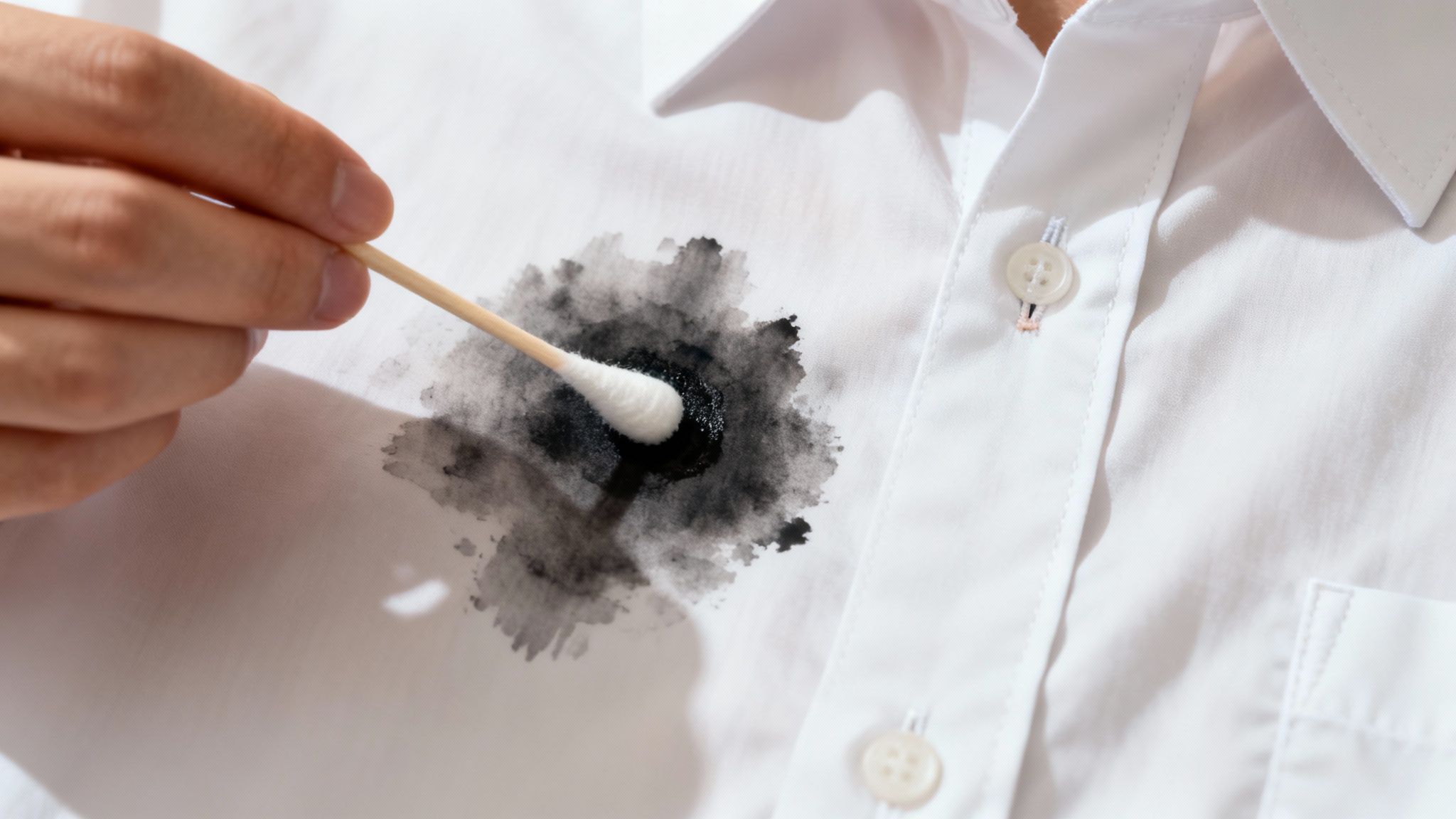
Some stains just hit different. A leaky pen in your pocket, a slip of a permanent marker, or an accidental hair dye drip feels like a final blow to your favorite shirt. These aren't your typical coffee spills; they're stubborn, chemical-based marks that demand a whole new game plan.
Unlike organic stains from food or grass that break down with water and enzymes, ink and dye are made from pigments and solvents designed to be permanent. That means water alone will barely make a dent. You really have to fight fire with fire, using a solvent that can dissolve the stain's core components.
Using Solvents for Ink Stains
For that classic ballpoint pen disaster, your best friend at home is usually rubbing alcohol. The alcohol acts as a solvent, breaking down the ink's oils and pigments so they can be flushed out of the fabric fibers.
Here’s a practical method I've seen work countless times on durable fabrics like cotton and polyester:
- Create a Barrier: First, place a clean white paper towel or an old cloth under the stain. This is a non-negotiable step to stop the ink from bleeding through to the other side.
- Apply the Solvent: Dampen a cotton ball or another clean, white cloth with rubbing alcohol.
- Blot, Don't Rub: Gently dab at the stain. You should see the ink start to lift from your garment onto the cotton ball. Never, ever rub, as this will only spread the stain and make things worse.
- Keep It Fresh: As the cotton ball soaks up the ink, grab a fresh one and keep blotting. Continue this until no more ink is transferring over.
- Rinse and Wash: Once you've lifted as much as you can, rinse the spot thoroughly with cool water before tossing the item in the wash as you normally would.
The All-Important Spot Test: Before going all-in with any solvent, always test it on a hidden part of the garment, like an inside seam. This quick check will tell you if the alcohol will cause any color bleeding or fabric damage, saving you from a much bigger laundry headache.
The Challenge of Permanent Marker and Dyes
When you're up against a permanent marker or synthetic dye, the rules change entirely. These stains are engineered for longevity, bonding aggressively with fabric fibers. While some home remedies might lighten them, the risk of permanently damaging your clothes skyrockets.
Honestly, this is where most DIY stain removal efforts should stop. Using harsh chemicals can leave you with faded spots, weakened fabric, or a strange, discolored ring around the original stain. This is where professional expertise becomes invaluable.
Professionals have access to a whole arsenal of specialized solvents formulated for specific types of inks and dyes—ones that won't harm the fabric. They also use techniques you just can't replicate at home. For example, some studies show 75% of consumers fail at removing ink stains at home, and that number jumps to 88% for permanent markers. In contrast, professional services see a failure rate of just 15%.
This success comes down to a multi-step process that can involve everything from detailed inspection and enzyme soaks to ultrasonic cleaning, which can remove up to 98% of ink residue without causing fabric damage. We see this every day at Columbia Pike Laundry, where our eco-friendly solvents gently lift tough spots from everyday shirts and delicate formalwear alike.
Knowing When to Step Away
Being smart about stain removal also means knowing your limits. When it comes to a valuable or beloved piece of clothing, gambling with harsh chemicals is a risk not worth taking.
If you’re staring down one of these nightmare stains, just stop and assess. If a gentle attempt with rubbing alcohol didn't work, or if the stain is from something notoriously tough like hair dye, your best move is to leave it alone and bring it to us. For more on this, check out our post on the 5 most difficult stains we treat. Handing it over isn’t giving up—it’s the smartest strategy to save your garment.
How to Handle Stains on Delicate Fabrics
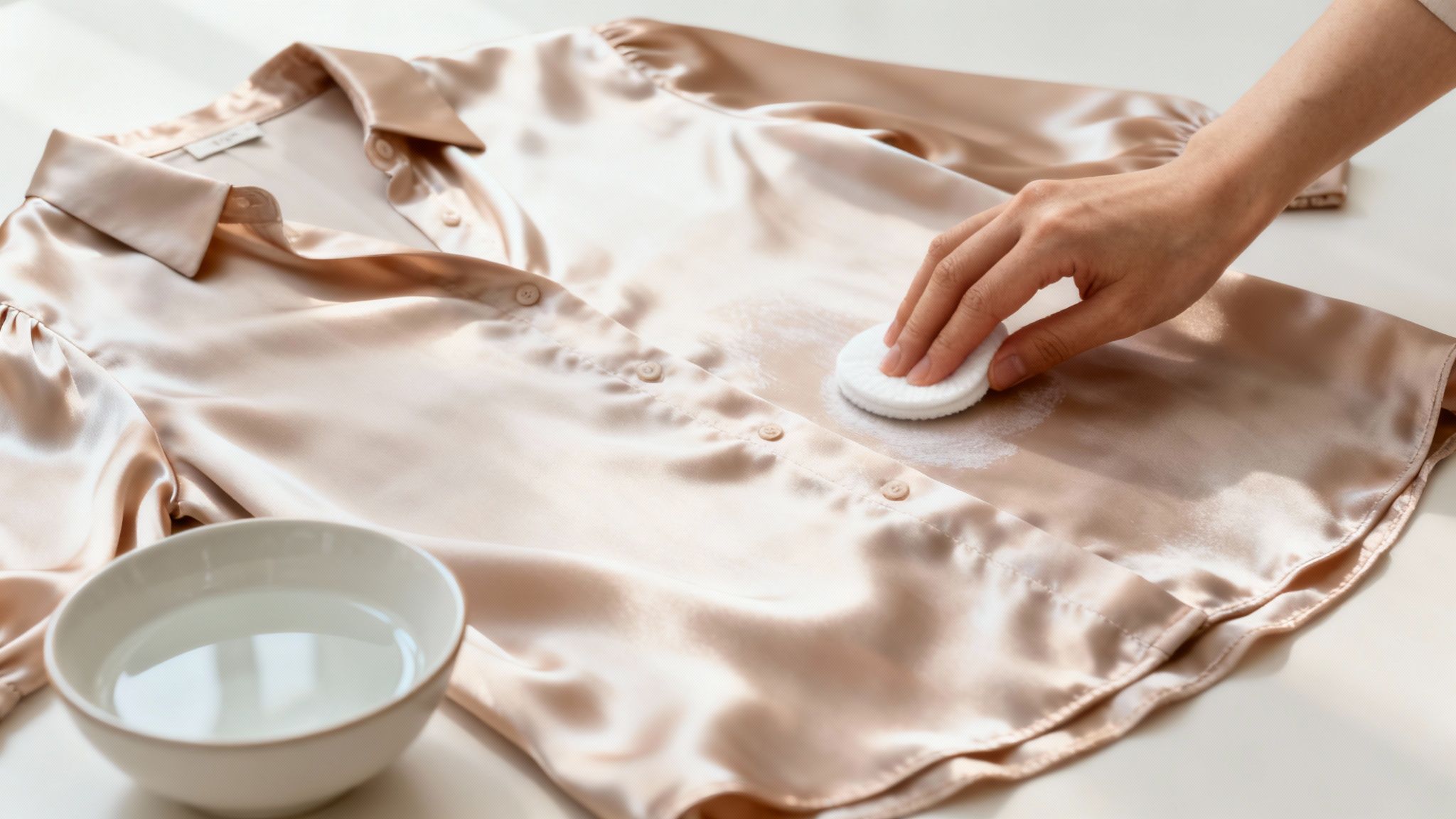
You wouldn't use a sledgehammer to fix a watch, and you shouldn't treat a stain on your favorite silk blouse the same way you’d attack mud on your jeans. That’s a recipe for disaster. Delicate fabrics like silk, wool, and rayon demand a completely different approach—one that’s all about gentleness and patience.
Forget aggressive rubbing or harsh chemicals. That path only leads to faded spots, stretched fibers, or worse, a hole.
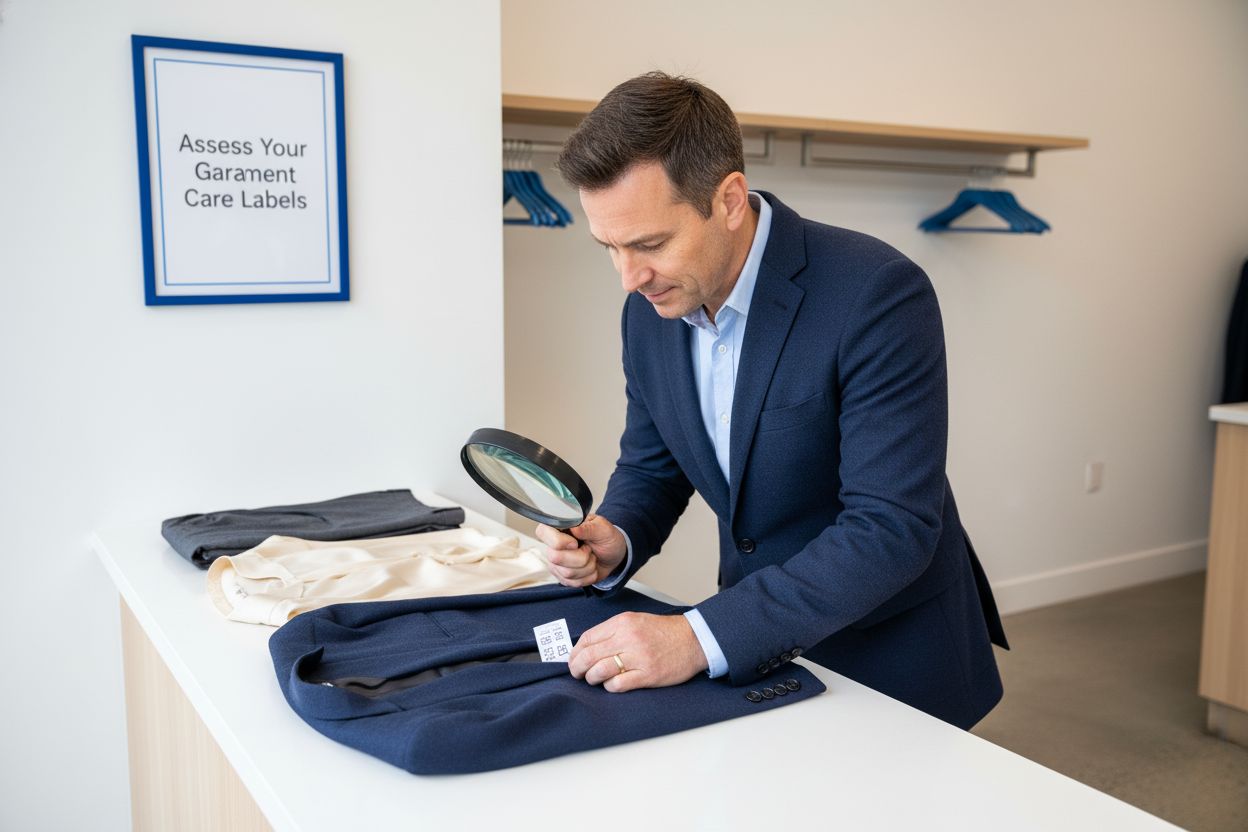
Before you do anything, stop and check the care label. Think of that little tag as your garment's instruction manual. If it says "Dry Clean Only," your decision is made. Trying to treat it yourself is a huge gamble, especially with expensive or treasured items.
Special Care for Silk
Silk is a gorgeous natural protein fiber, but it's surprisingly fragile when it comes to chemicals and friction. If you catch a small, fresh stain on a silk garment, you might be able to handle it with a careful spot treatment.
Here’s a safe method to try at home:
- Mix a tiny amount of a pH-neutral, delicate-specific detergent with cool water.
- Dip a clean, white cloth into the solution.
- Gently dab the stain—never rub. Work from the outside of the stain inward to keep it from spreading and forming a ring.
- Blot the area dry with another clean, dry cloth. Whatever you do, don't wring or twist the fabric.
Silk is notorious for developing water spots. To avoid them, it’s often best to dampen the entire garment evenly after a spot treatment, then gently roll it in a clean towel to absorb excess moisture before laying it flat to air-dry. For a deeper dive, check out our complete guide on how to safely address stains on silk.
Handling Stains on Wool
Wool's natural fibers are prone to two things: shrinking and felting. Both are triggered by heat and agitation. This makes temperature control absolutely critical when treating a wool stain. Always, always use cool or lukewarm water—never hot.
For a minor spill on a wool sweater, start by blotting the area with a clean cloth to absorb as much of the liquid as you can. You can then spot-treat with a diluted wool-safe detergent. Just like with silk, press gently and avoid any scrubbing motions that could mat the delicate fibers together.
The Unique Case of Rayon and Modern Delicates
Fabrics like rayon (also known as viscose) can be especially tricky. They're soft and comfortable, but here's the catch: rayon fibers can lose up to 50% of their strength when wet. This makes them incredibly easy to stretch or tear, so you have to handle them with extreme care.
When you're dealing with particularly delicate items, like those with fine embroidery, special cleaning methods are often required to prevent damage. You can find excellent advice on how to clean a cross stitch project that often applies to other heirloom-quality fabrics.
When to Call in the Professionals
Let's be honest—trying to remove a tough stain from a delicate fabric at home is stressful. One wrong move can ruin a garment for good. This is exactly when turning to a professional cleaner is the smartest, safest choice you can make.
For these sensitive items, we don't just toss them in a standard machine. At Columbia Pike Laundry, we use specialized methods like the eco-friendly GreenEarth cleaning process. This gentle, silicone-based solvent cleans fabrics thoroughly without harsh chemicals, preserving the texture, color, and shape of your most cherished pieces. It’s designed specifically for materials that can't handle a traditional wash, ensuring your delicates are returned to you in pristine, stain-free condition.
Knowing When to Throw in the Towel (and Let Us Handle It)
We've all been there. You've blotted, you've soaked, you've tried that one trick you saw online with baking soda and vinegar, but that stubborn stain is still there, mocking you. Sometimes, the most important part of stain removal is knowing when to stop.
There’s a tipping point where your valiant efforts can actually start to do more harm than good. Vigorously scrubbing or throwing different chemicals at a problem can damage fabric fibers, cause colors to fade, or even set the stain for good. This isn't about admitting defeat; it’s about making a smart, strategic retreat to protect your clothes and, frankly, save your sanity.
When the Stain Wins the First Round
Some stains just play dirty. While you can often handle a fresh coffee spill on a sturdy cotton tee at home, other situations are a clear signal to call for backup. Handing these culprits over to a professional from the get-go will save you a world of frustration.
It's probably time to call us if you're dealing with:
- Old, Set-In Stains: Has that mystery splotch been on your shirt for weeks? Even worse, has it already been through a hot dryer? Heat is a stain's best friend—it creates a chemical bond with the fabric that makes it incredibly difficult to remove with regular detergents. We use specialized, professional-grade solvents that are designed to break those bonds without cooking the fabric.
- The "Unknown" Stain: If you have no earthly idea what that spot is, you can’t possibly know how to treat it. Is it oil-based? A tannin stain? Protein? A wrong guess can make the problem ten times worse. With years of experience, we can play detective, identify the culprit, and use the precise treatment needed.
- Large or Widespread Stains: A tiny drip of wine is one thing. An entire glass of it is a whole different ballgame. Trying to spot-treat a massive area often leads to those telltale water rings or a patchy, uneven finish.
Look at it this way: at home, you have a handful of tools in your stain-fighting kit. Here at Columbia Pike Laundry, we have an entire arsenal. We’re equipped with dozens of specific, fabric-safe agents designed for targeted chemical reactions, giving us a huge advantage over the toughest grime.
Protecting Your Most Valued Garments
Beyond the stain itself, the fabric of the garment is a huge factor. You wouldn't treat a delicate silk blouse the same way you’d treat a pair of rugged denim jeans. For some items, a DIY attempt is just too risky.
Think twice before tackling stains on these types of clothing:
- Delicate Fabrics: We're talking about silk, wool, chiffon, suede, and leather. These materials are incredibly sensitive and can be permanently ruined by the wrong approach. The risk of shrinking, stretching, or destroying the texture with water or common household products is just too high.
- Expensive or Sentimental Items: Is it a designer suit you saved up for? Your wedding dress? That hand-knitted sweater your grandma made? The financial or emotional cost of a DIY mistake is just not worth it. Let us protect these irreplaceable pieces for you.
- Structured Garments: Things like blazers, structured coats, and suits have interfacings, padding, and linings that give them their shape. Washing them incorrectly can cause these internal elements to warp or bunch up, ruining the garment's fit and drape forever. Dry cleaning is essential to maintain their integrity.
DIY vs. Professional Stain Removal: When to Make the Call
Trying to decide whether to tackle a stain yourself or send it our way? It can be a tough call. This little cheat sheet breaks down a few common scenarios to help you choose the smartest path forward.
At the end of the day, using a professional service isn't just about getting a tough stain out. It’s about buying back your weekend, not just outsourcing laundry. With services like our pickup and delivery at Columbia Pike Laundry, a frustrating chore disappears from your to-do list. You get to skip the stress and enjoy results that at-home methods simply can't match, keeping your clothes looking fantastic for years to come.
Your Top Stain Removal Questions, Answered
After years of rescuing people's favorite clothes, we've heard just about every stain-related question imaginable. Here are some of the most common ones we get, with practical answers straight from our laundry experts.
Can I Just Bleach All My White Clothes?
This is a big one, and the short answer is a definite no. While chlorine bleach is a workhorse for sturdy cottons like towels and sheets, it can be a total disaster on other fabrics.
Using chlorine bleach on materials like wool, silk, or spandex will often turn them yellow and can even eat away at the fibers, causing irreversible damage. It's a powerful chemical that you have to handle with care.
Always check the care label first. If it says no bleach, trust it. For most of your white clothing, an oxygen-based bleach (usually a powder) is a much safer bet. It brightens and fights stains without being so harsh on the fabric.
Is There Any Hope for an Old, Set-In Stain?
Yes, there's usually hope! But it takes more patience and a different game plan. Once a stain has been through a hot dryer, it has essentially bonded with the fabric's fibers, making it tough to lift with a normal wash.
For a DIY approach, you can try soaking the garment for several hours—or even overnight—in a tub of cool water with a good enzyme-based cleaner. The enzymes are fantastic at breaking down the proteins in old organic stains.
Honestly, though, this is the perfect time to call in the pros. We have specialized solvents and advanced pre-treatment techniques designed specifically to tackle these stubborn, heat-set bonds. It’s a fight we’re much better equipped to win.
What's the Biggest Mistake You See People Make?
The single biggest mistake we see is rubbing a fresh stain aggressively. It’s such a common reflex, but it's the worst thing you can do. All that rubbing just grinds the stain deeper into the fabric's weave and can damage the fibers, leaving a permanent faded or frayed spot.
The runner-up mistake? Applying heat before the stain is completely gone. Tossing a still-stained shirt into the dryer is like hitting the "save" button on that stain, often making it impossible to remove later. Always blot gently and let the item air-dry to make sure the stain is gone before you even think about the dryer.
How Should I Prep Stained Clothes for Your Pickup Service?
We've made this part super simple. When you schedule a pickup through our app, you can leave a note about any specific stains. That gives our team a heads-up before your order even gets to our facility.
For the best possible results, here's a little trick:
- Pop your heavily stained items into a separate, smaller bag (a plastic grocery bag works perfectly).
- Just toss that smaller bag right into your main laundry bag.
This simple step immediately flags those garments for our cleaning experts. They'll pull them aside for special pre-treatment, ensuring they get the focused attention needed to come back looking brand new.
Proper fabric care, of course, isn't just for clothes. For great advice on keeping other large household items clean, check out these helpful mattress maintenance cleaning tips to extend their life.
When you've done everything you can or just don't have the time, let us handle it. At Columbia Pike Laundry, we don’t just wash your clothes; we give you back your time and peace of mind. Schedule your first pickup today and see what a difference professional care makes.
Free pickup, expert care, delivered back to your door.
Popular Blog Articles



Meet the Author
Daniel Logan didn’t start CPL because he loved laundry. He started it because his family was drowning in time debt, and laundry was one of the biggest weights.
Mornings were chaos with two kids under 5. Evenings felt like catch-up. And weekends? Gone to sorting socks and folding piles.
He knew his story wasn’t unique. So he built a business that gave families like his just a little bit of breathing room one load at a time.
With no laundry experience but deep tech skills, Daniel rolled up his sleeves, doing every job himself while building systems that turned it into a modern laundry service that saves customers time, simplifies their lives, and delivers reliability they can count on.
That’s where CPL began. Not from a playbook, but from pain. From one dad trying to buy back time: for himself, and for every household like his.
Free pickup, expert care, delivered back to your door.