
How to Wash a Jacket Without Ruining It
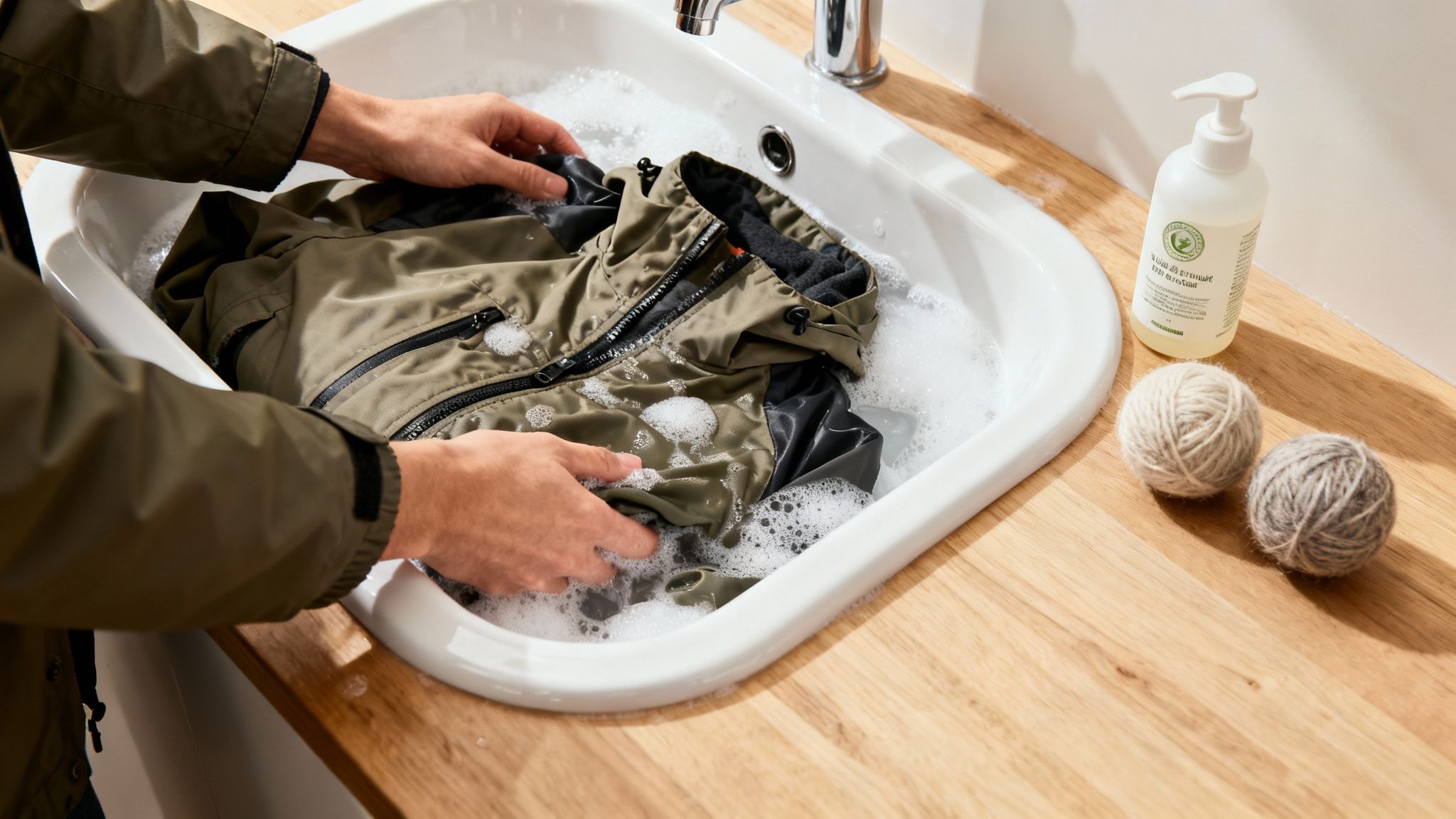
Columbia Pike Laundry offers pickup & delivery across Northern Virginia.
The secret to keeping your favorite jacket looking and performing its best isn't some complicated laundry trick. It boils down to three simple things: reading the care label first, using a gentle, fabric-specific detergent, and sticking to a low-heat or no-heat drying cycle.
Getting this trio right is how you avoid the most common jacket mishaps, like shrinking a wool coat or melting the seams on a waterproof shell. It’s a simple routine that protects your investment.
Decoding Jacket Care Before You Start
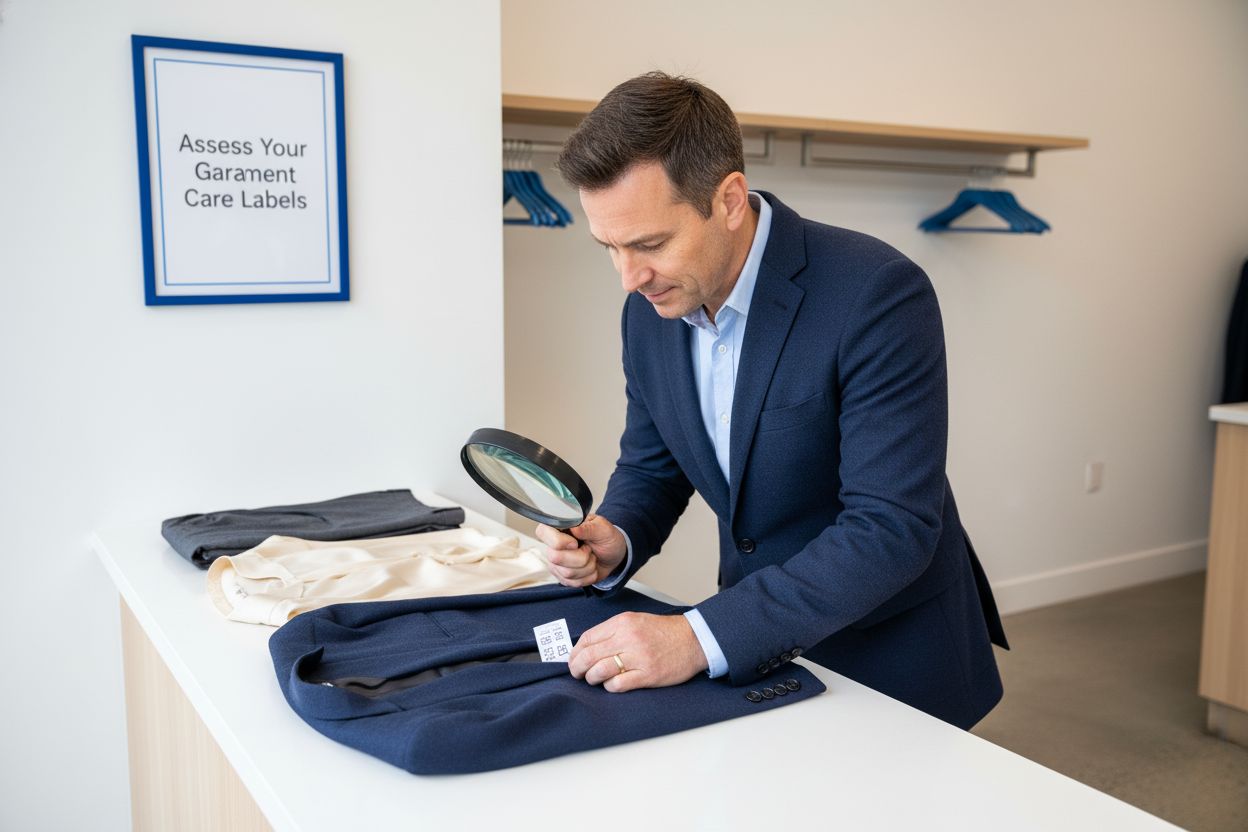
Before your jacket even gets near the water, your first move should always be to check the tag. Honestly, ignoring the care label is the single biggest mistake I see people make, and it’s often the reason an expensive piece of outerwear ends up ruined.
Think of that little tag as the manufacturer's cheat sheet. They know exactly what the fabric, seams, and zippers can handle. A quick glance will tell you if it's safe for a machine wash, needs a gentle hand wash, or should be left to the professionals.
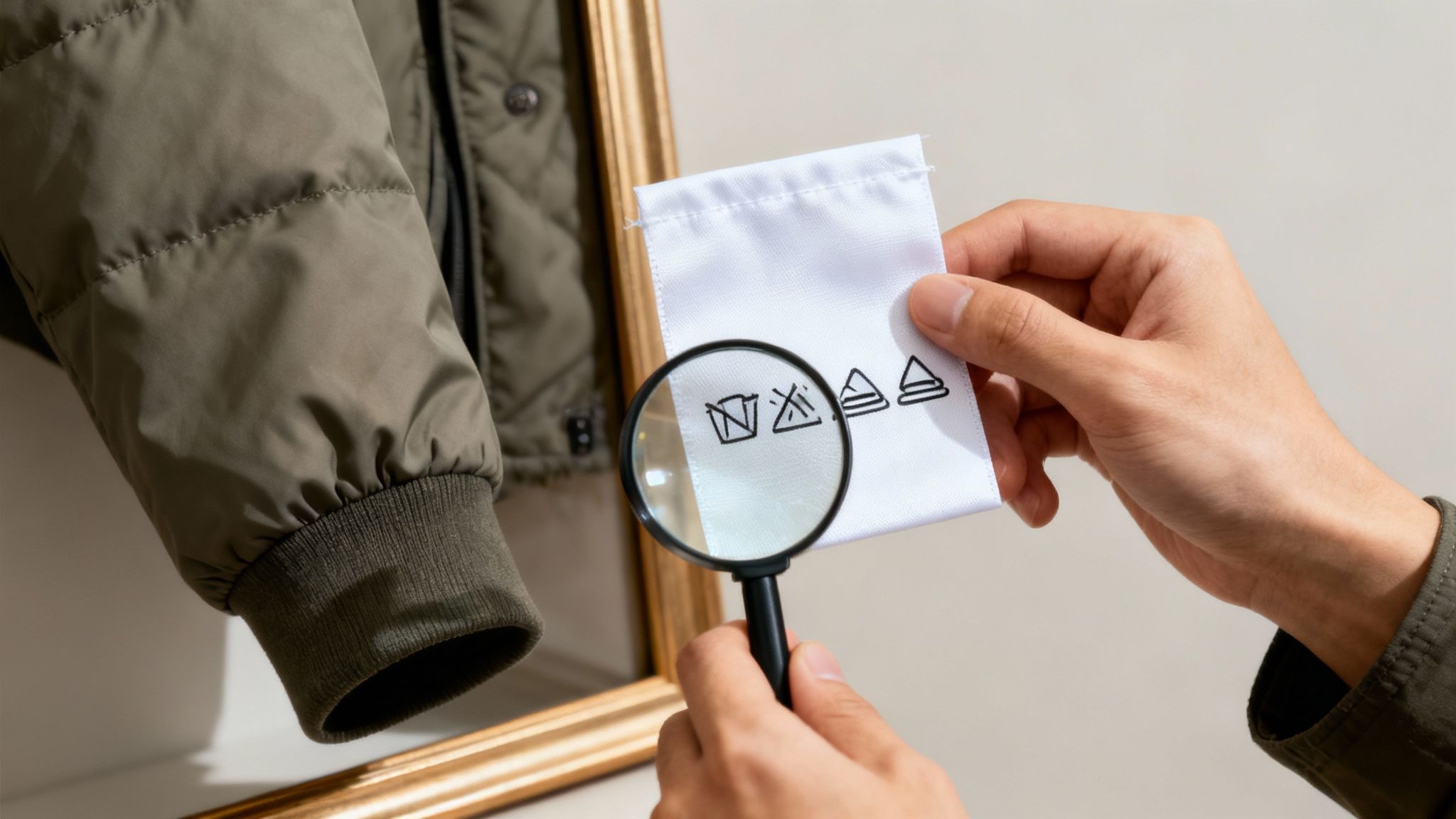
This one small step takes all the guesswork out of the process. It’s the difference between pulling out a fresh, clean jacket and staring at a shrunken, damaged disaster.
Understanding the Symbols on Your Jacket Tag
At first glance, the symbols on a care label can look like a foreign language. But once you know what they mean, they provide a crystal-clear roadmap for washing and drying. A washtub with a hand icon, for example, is a non-negotiable "hand-wash only" instruction. A circle inside a square tells you it's safe for the tumble dryer.
If you want to do a deeper dive, our guide on how to read clothing care labels will make you fluent in no time.
In the meantime, here’s a quick reference for the most common symbols you'll find on your jackets.
Quick Guide to Jacket Care Symbols
Knowing these basics will help you avoid the most common laundry mistakes and keep your outerwear in top condition.
Gathering the Right Supplies
Once you've got your instructions from the label, it's time to gather your tools. The detergent you use is just as critical as the wash cycle you choose. Many standard laundry detergents are simply too aggressive for technical fabrics—they can strip the natural oils from down insulation or degrade the waterproof membranes on your rain gear.
My Biggest Piece of Advice: Absolutely never use fabric softener on technical or down jackets. It's notorious for clogging the pores of breathable fabrics, which ruins their performance. For down, it makes the feathers clump together and kills their ability to insulate.
For a successful wash, make sure you have these on hand:
- A Specialized Detergent: Look for a cleaner made specifically for your jacket’s material. A dedicated down wash is perfect for puffers, while a tech wash is ideal for waterproof shells.
- A Gentle Stain Remover: For any tough spots, pre-treat them with a mild, enzyme-based stain remover before washing.
- Wool Dryer Balls or Clean Tennis Balls: You’ll need these when drying a down or synthetic puffer. They bounce around in the dryer, breaking up clumps and helping to restore that puffy loft.
A Fabric-Specific Guide to Washing Jackets
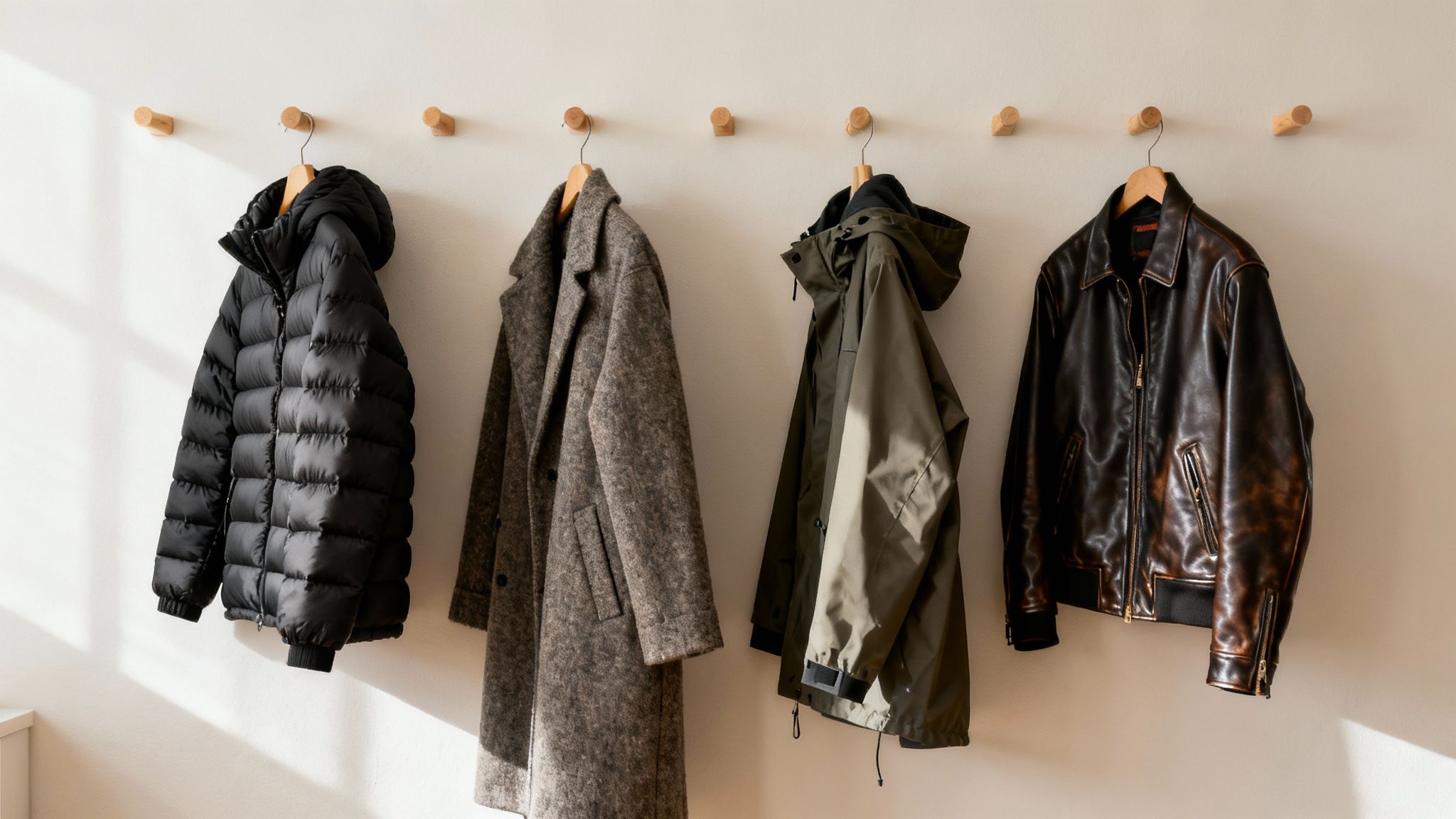
Throwing all your jackets into the same wash cycle is a recipe for disaster. What works for a synthetic puffer can easily shrink a wool peacoat or ruin the waterproofing on your favorite rain shell. The secret to keeping your outerwear in top shape for years is understanding that the material dictates the method.
Each fabric has its own set of rules, from the kind of detergent it needs to how it should be dried. Let's walk through the right way to care for the most common types of jackets you have hanging in your closet.
Down and Synthetic Puffer Jackets
When you're washing a puffer jacket, the number one goal is to protect its loft—that wonderful fluffiness that traps air and keeps you warm. The wrong soap or a blast of high heat can turn that lofty insulation into a lumpy, useless mess, leaving you with cold spots and a sad-looking coat.
If you can, always use a front-loading washing machine. The agitator in a top-loader can be pretty rough, sometimes compressing the insulation or even tearing the delicate baffles that hold it all in place.
Be sure to grab a detergent made specifically for down or technical outerwear. Your everyday laundry detergent is too harsh; it can strip the natural, protective oils from down feathers, making them brittle. On synthetics, it can leave behind a residue that hurts the fabric's performance.
Your Puffer Washing and Drying Playbook
- The Wash: Stick to the gentle cycle with cold water. Running an extra rinse cycle is a great move to make sure every last bit of soap is gone.
- The Dry: This is where the magic happens. Tumble dry on the absolute lowest heat setting—or even a no-heat, air-fluff cycle.
- Bring Back the Puff: Toss in three to five clean tennis balls or wool dryer balls. As they bounce around, they’ll gently break up any clumps in the insulation, helping to restore that puffy, new-jacket feel.
Patience is key here. It can take a few hours and a couple of cycles to get a puffer completely dry. Don't be tempted to crank up the heat to speed things up; you'll risk melting the delicate shell fabric or seams.
Wool Coats and Blazers
Wool is an incredible natural fiber—it’s warm, tough, and looks fantastic. But it has an Achilles' heel: it can shrink and felt if you look at it the wrong way. For most of your structured wool coats and tailored blazers, especially those with linings, your best and safest bet is always professional dry cleaning.
That said, some softer, less-structured wool jackets can be carefully hand-washed at home. The entire process is about avoiding two things: agitation and sudden temperature changes.
Fill a clean tub with cool water and add a small amount of a wool-safe detergent. Submerge your jacket and gently squeeze the soapy water through it. Let it soak for around 30 minutes. Then, drain the tub and refill it with clean, cool rinse water, repeating the gentle squeezing motion until the suds are gone.
The Golden Rule for Wool
Whatever you do, never wring out a wool jacket. Twisting the fabric will stretch and permanently damage the fibers. Instead, press out as much water as you can, then lay the jacket flat on a thick towel and roll them up together to absorb the excess moisture.
To dry, lay the jacket flat on a fresh towel or a mesh rack, away from direct heat or sunlight. Take a moment to gently reshape it while it's still damp. Hanging a wet wool coat is a bad idea—its own weight will stretch out the shoulders and warp its shape.
Waterproof and Technical Shells
That rain jacket or ski shell you love relies on a Durable Water Repellent (DWR) finish to make water bead up and roll right off. Standard laundry detergents are the enemy here; they can clog the pores of the fabric's breathable membrane and strip away that critical DWR coating. Once that happens, the fabric "wets out," feeling damp and clammy.
Always reach for a specialized "tech wash" designed for waterproof gear. These cleaners are formulated to get rid of dirt and body oils without wrecking the DWR finish.
Getting Your Technical Gear Clean
- Prep the Machine: Before you start, clean out your machine's detergent dispenser to get rid of any residue from past loads.
- Wash It Right: Use the gentle cycle with warm (not hot) water and the proper amount of tech wash.
- Dry to Reactivate: Tumble dry on a low to medium heat for 20-30 minutes. This gentle heat is essential because it actually helps reactivate the DWR coating on the fabric.
If you notice water is soaking into your jacket instead of beading up after a wash, it's time to reapply the DWR. You can easily do this with a spray-on or wash-in waterproofing product once the jacket is clean.
Leather and Suede Jackets
Leather and suede are in a class of their own. These materials should never be put in a washing machine or submerged in water. Doing so can cause the material to dry out, crack, get stiff, or develop permanent water stains.
For small spills or a bit of dirt, spot cleaning is the way to go. A simple damp cloth works for smooth leather, while a dedicated suede brush and eraser are best for suede. Anything more serious—like deep-set stains or an all-over cleaning—really needs a professional's touch. Knowing your materials is half the battle; you can learn more about different fabric types like fleece to get a better sense of how textiles behave.
The specialized care these jackets demand isn't just a niche concern. The global dry-cleaning and laundry services market was valued at USD 83.2 billion in 2025 and is on track to hit USD 149.1 billion by 2035. That steady growth shows just how much people rely on experts to handle items that are too delicate or valuable to risk washing at home.
When it comes to your most treasured jackets, trusting a professional service like Columbia Pike Laundry is the smartest way to protect your investment. We have the right tools and expertise to care for these materials, making sure your favorite jacket comes back looking perfect.
How to Tackle Stains Before You Wash
We’ve all been there. You toss a jacket in the wash, hoping for the best, only to pull it out and see that faint, frustrating shadow of a stain still lingering. Here's a piece of advice I've learned from years of laundry care: a successful wash starts before the machine ever turns on.
Tossing a stained jacket straight into the washer is a one-way ticket to setting that stain for good. The heat from the water, and especially from the dryer, will essentially cook the stain right into the fabric fibers. Pre-treating isn't just an extra step; it's the most important one.
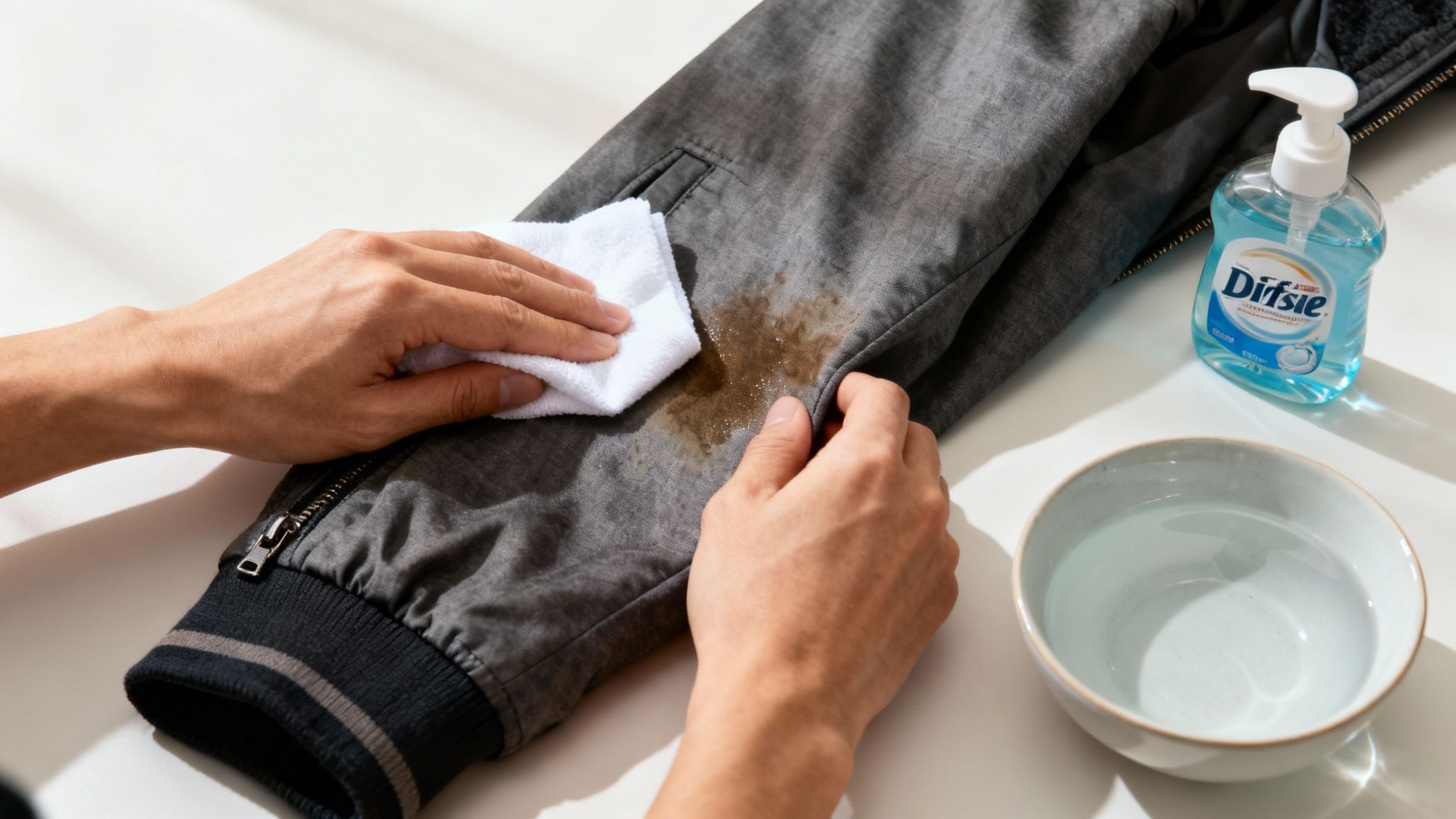
The trick is to move quickly. A fresh stain is a minor problem; an old stain is a major project. A fast response is your best defense against a permanent mark.
Identifying and Treating Common Stains
Not all stains play by the same rules. That oily splatter from your lunch needs a completely different strategy than the coffee you spilled on your sleeve. Using the wrong treatment can smear a stain or even make it worse.
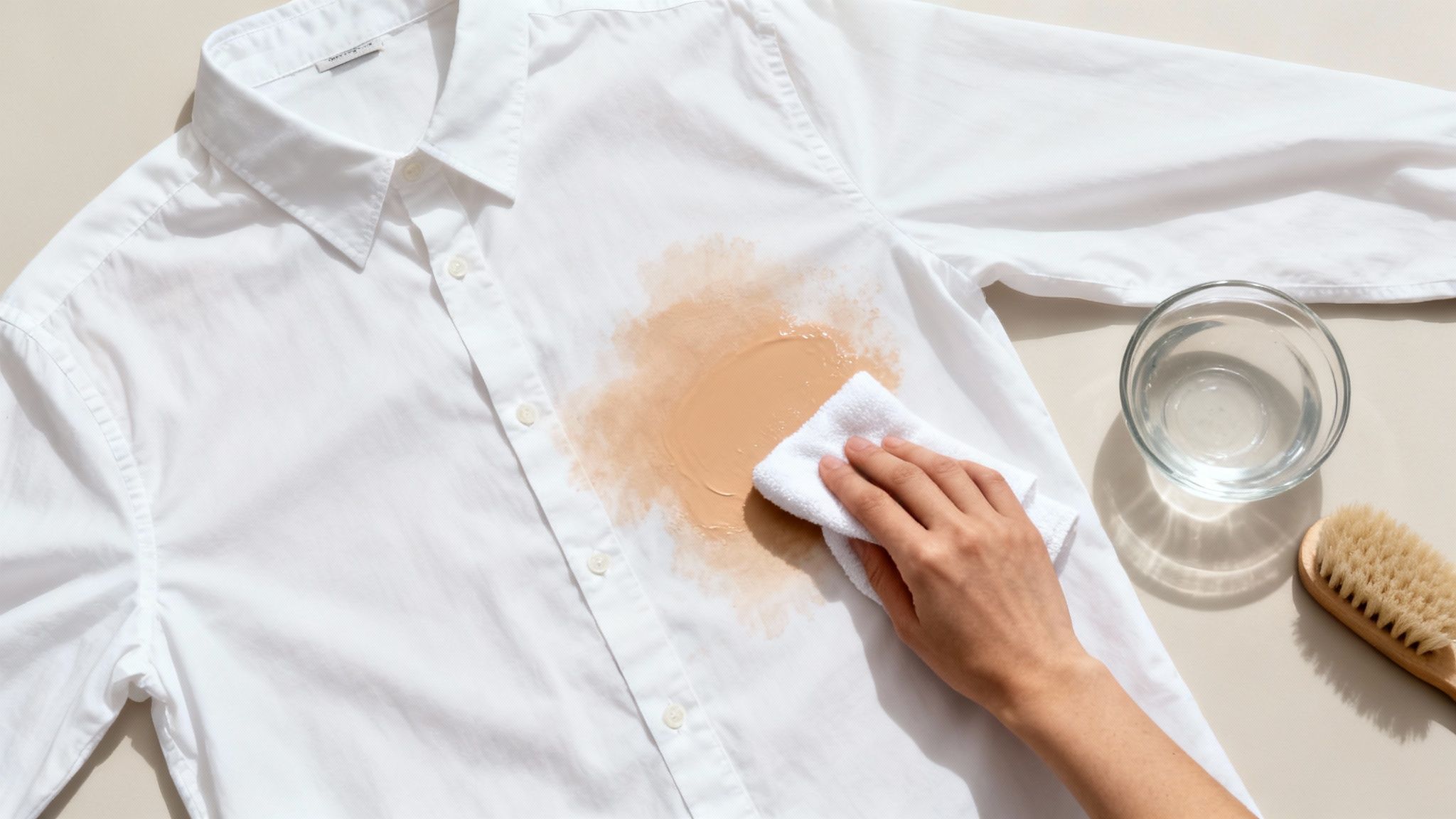
The good news is most everyday stains fall into a few familiar categories. Just remember the golden rule: blot, don’t rub. Rubbing grinds the stain deeper into the fabric, while blotting gently lifts it away.
- Oil and Grease Stains: These are the classic culprits, often showing up on collars from body oils or from an accidental food drop. Blot up any excess oil, then work a small amount of clear dish soap into the spot. Dish soap is designed to cut grease, and it works like a charm. Let it sit for about 10-15 minutes before washing.
- Coffee, Tea, or Juice Stains: For these common spills, your first move should be to blot the area with a cold, damp cloth. This will pull up a surprising amount of the liquid. A simple mix of equal parts white vinegar and water is great for breaking down the tannins in coffee and tea that cause the discoloration.
- Ink Stains: A pen leak can feel like a disaster, but it's often fixable. Put a small amount of rubbing alcohol or hand sanitizer on a cotton ball and gently dab—don't scrub—the ink. You should see it start to dissolve and transfer to the cotton ball. Just be sure to test it on a hidden spot first!
The core principles for stain removal are pretty universal. You can find more proven techniques for removing common clothing stains that apply just as well to jackets as they do to smaller items.
Jacket Stain Removal Cheat Sheet
Having the right solution on hand can be the difference between a saved jacket and a ruined one. Here’s a quick guide for some of the most common stains you'll encounter.
If you're curious about the science behind why these remedies work, our deep dive into how stain removers work for every stain type has all the details.
A Quick Word of Caution
Always, always test a new cleaning solution on a hidden area of the jacket first, like an inside seam. This simple check ensures you won't accidentally cause any fading or damage to the fabric before you tackle the main spot.
Knowing When to Throw in the Towel (And Call a Pro)
While these home remedies are fantastic for most minor spills, there comes a point where you can do more harm than good. If a stain isn’t budging after a gentle attempt, it’s time to stop.
This is especially true for expensive or delicate jackets made of leather, suede, or structured wool. Continuing to experiment with different cleaners risks permanently setting the stain or, even worse, damaging the material itself.
For those mystery marks, stubborn set-in stains, or anything on your most prized outerwear, turning to a professional is the smartest, safest bet. At Columbia Pike Laundry, we have the specialized solutions and experience to handle the tough stuff without putting your favorite jacket at risk.
The Right Way to Dry and Store Your Jackets
Getting your jacket clean is only half the battle. Honestly, the drying process is where I see most well-intentioned washing efforts go completely wrong, leading to mildew, stretched-out shoulders, or permanently ruined insulation. How you dry and store your jacket is just as critical as how you wash it.
A wrong move here can be just as damaging as using the wrong detergent. I’ve seen high heat literally melt the delicate shell fabric of a puffer jacket. I’ve also seen a beautiful wool coat get permanently stretched out of shape because it was hung up while soaking wet. Each material has its own rules, and following them is the key to making sure your jacket comes out looking and feeling brand new.

Let’s walk through the right way to handle these final, crucial steps.
Drying Puffer Jackets to Restore Loft
For down and synthetic puffers, the tumble dryer is your best friend—but only on the right settings. The entire goal here is to gently re-fluff the insulation, not cook it.
When you pull your puffer from the wash, it’s going to look sad, flat, and clumpy. Don't panic; this is completely normal. The magic really happens in the dryer.
- Use Low or No Heat: Always set your dryer to its lowest heat setting. Even better, use a no-heat, air-fluff cycle. High temperatures can easily damage the delicate shell fabric and melt the seams.
- Add Dryer Balls: Toss in three to five wool dryer balls or a few clean tennis balls. As they bounce around, they’ll break up all those wet clumps of insulation and help redistribute it evenly.
- Be Patient: This isn’t a quick process. It can sometimes take two to three hours to get a puffer fully dry. Whatever you do, don't try to rush it by turning up the heat. I recommend checking on it every 30-45 minutes, pulling apart any stubborn clumps by hand before tossing it back in.
You'll know the jacket is fully dry when it feels light, completely puffy, and you can't feel any little clumps of damp insulation inside.
The Best Way to Air-Dry Delicate Jackets
Some jackets should never, ever see the inside of a tumble dryer. For anything made of wool, leather, suede, and most high-tech waterproof shells, air-drying is the only safe way to go.
Crucial Tip for Air-Drying
Never hang a wet wool coat or any heavy jacket. The sheer weight of the water will pull on the fabric, causing the shoulders and seams to stretch and lose their shape for good. Instead, lay it flat on a clean, dry towel or a mesh drying rack, and keep it away from direct sunlight or heat sources.
For your waterproof rain jackets and technical shells, you can hang them on a sturdy, padded hanger. Once the shell is completely dry to the touch, you can give it a quick spin in the dryer on a low-heat setting for about 20 minutes. This gentle heat is just enough to reactivate the Durable Water Repellent (DWR) coating, which is what makes water bead up and roll right off the surface.
Storing Your Jackets for the Off-Season
Proper storage protects your jacket from dust, pests, and damage, ensuring it’s ready to go when the seasons change. Just shoving a clean jacket into a cramped closet or a plastic storage bin is a recipe for deep-set wrinkles and musty smells come fall.
Here are a few best practices I always follow to keep jackets in prime condition:
- Use Breathable Garment Bags: Avoid those plastic dry-cleaner bags at all costs. They trap moisture and can lead to mildew. A simple fabric bag will protect your jacket from dust while still allowing air to circulate.
- Choose the Right Hanger: Use wide, padded, or wooden hangers that actually support the full shoulder area of the jacket. Those thin wire hangers are notorious for creating permanent indentations and distorting the shape of the shoulders over time.
- Give Them Space: Don’t cram your jackets into an overstuffed closet. Good air circulation is essential for keeping them fresh and preventing wrinkles. This is especially important for puffer jackets, as compressing the insulation for months on end can permanently damage its loft.
When to Let a Professional Handle Your Jacket
Knowing your limits is a huge part of smart garment care. While you can definitely wash many jackets at home, some battles just aren't worth fighting. Sometimes, the best way to care for a jacket is to recognize when not to wash it yourself and instead, trust a professional.
This isn’t about admitting defeat. It's about making a smart call to protect your investment. Certain materials, complicated constructions, and stubborn stains are simply better left to experts who have the right equipment and years of know-how. Pushing your luck with a DIY approach on the wrong jacket can lead to damage you can't undo.
The Non-Negotiables for Professional Care
Some jackets are automatic candidates for professional cleaning—no ifs, ands, or buts. Trying to wash these at home is a high-risk gamble. The materials are often too delicate for water, or their construction is too complex for a home washing machine to handle without wrecking them.
Here are the jackets you should almost always hand over to an expert:
- Leather and Suede: These aren't like your typical woven fabrics. Water can make them stiff, cause cracking, or leave permanent discoloration. Professionals use specific solvents and conditioning processes to clean them safely without stripping away their natural character.
- Structured Blazers and Tailored Coats: Think about your favorite wool blazer or a finely tailored overcoat. Those sharp shoulders and crisp lapels come from internal structuring—things like interfacing, padding, and canvassing. Dunking these in water can cause those inner layers to shrink or warp, completely ruining the garment's shape.
- Anything with Fur or Faux Fur Trim: Real fur needs specialized cleaning to keep the hide from drying out and cracking. Faux fur, on the other hand, can get hopelessly matted and tangled in a washing machine, ending up looking more like a wet poodle than a luxurious accent.
- Jackets with Delicate Embellishments: If your jacket is decked out with beading, sequins, intricate embroidery, or other glued-on details, the agitation of a machine wash can easily tear them off. A pro can spot-clean or use gentler methods to work around these delicate features.
Practical Reasons to Outsource Your Jacket Cleaning
Beyond the type of fabric, there are plenty of everyday situations where letting a professional handle the job is just the smarter move. It often boils down to a simple question: what’s your time and peace of mind worth?
For many, it's a strategic decision. The global laundry care market was valued at USD 114.59 billion as of 2025, and that number keeps climbing. This isn't just a statistic; it shows a real shift where people are realizing their time is a precious resource. You can read more about the expanding professional laundry market to see how this trend reflects our changing priorities.
Key Takeaway: Choosing professional cleaning isn't just for difficult fabrics. It's about reclaiming your time and ensuring your most valuable garments get the expert attention they need, especially when you're busy or facing a laundry challenge you’re not sure how to tackle.
When the Stain is Beyond Your Skillset
So, you've tried blotting it, and you’ve used a gentle stain remover, but that mystery mark just won't budge. This is a critical moment. If you keep experimenting with different home remedies, you can actually do more harm than good, potentially setting the stain permanently or damaging the fabric's color and texture.
It’s time to call in a professional when you’re dealing with:
- Old, Set-In Stains: Marks that have been sitting on the fabric for a while, especially if they’ve been through a dryer, are notoriously difficult to remove.
- Large or Complex Stains: A massive coffee spill or a combination of oil and dirt requires a much more robust approach than simple spot treatment can offer.
- Stains on Dry-Clean-Only Fabrics: Putting water-based removers on materials like wool, silk, or rayon is a recipe for disaster. You’re likely to end up with water spots or shrinkage.
Understanding the fundamental difference between laundering and dry cleaning is key here. Our guide on the difference between dry cleaning and laundering breaks down exactly how each process works and why some garments demand a solvent-based approach.
Ultimately, turning to a service like Columbia Pike Laundry is the most reliable way to handle these tricky situations. With our pickup and delivery, you don't just get expert cleaning—you get a hassle-free solution that saves you time and protects your favorite jackets from laundry mishaps. It’s the simple, effective way to ensure your outerwear stays in perfect condition for years to come.
Your Jacket-Washing Questions, Answered
Even the most detailed guide can leave you with a few lingering questions. When you're dealing with a favorite (and often expensive) jacket, you want to be sure you're getting it right. Let's tackle some of the most common questions I hear from people so you can feel completely confident on laundry day.
Should I Zip My Jacket Before Tossing It in the Wash?
Yes, you absolutely should. Taking a quick second to zip up the main zipper, close any pocket zippers, and fasten all the buttons or Velcro tabs is a game-changer. Think about it: an open metal or plastic zipper can act like a tiny buzzsaw inside the machine, snagging and tearing not just the jacket itself, but anything else you're washing with it.
This is especially true for jackets with delicate mesh or synthetic linings. Zipping it up also helps the jacket keep its shape and dramatically cuts down on that annoying clanking sound. It’s a tiny bit of prep that prevents a whole lot of damage.
A Quick Tip from Experience
Always, always, always double-check the pockets before you zip them. I once learned this the hard way after a forgotten tube of lip balm melted all over a new ski shell. That greasy mess was a far bigger headache to clean than the original dirt.
Can I Just Use My Regular Laundry Detergent?
For most of your high-performance jackets, especially anything waterproof or down-filled, using regular detergent is a really bad idea. The stuff you use on your jeans and t-shirts is packed with harsh cleaning agents, optical brighteners, and softeners that can wreck technical fabrics.
On a waterproof jacket, for instance, those additives will clog the microscopic pores that allow it to breathe and strip off the Durable Water Repellent (DWR) coating that makes water bead up and roll off. For a down jacket, they strip the natural oils from the feathers, making them brittle and unable to loft up, which is what keeps you warm.
Do yourself a favor and invest in a specialized cleaner.
- For Down: Grab a pH-neutral down wash. It cleans effectively without harming the delicate feathers.
- For Waterproof Gear: Look for a "tech wash" specifically made for technical outerwear. It rinses clean without leaving any residue.
Making this one simple swap is probably the single most important thing you can do to protect your gear and keep it working like new.
How Do I Fix My Lumpy Down Jacket After Washing It?
First off, don't panic! This is the most common problem people run into with puffer jackets, and it's almost always fixable. The lumps are just clumps of wet down that stuck together and didn't fully fluff back up during the drying cycle.
The solution is simple: toss the jacket back into the dryer on a no-heat or very low-heat air-fluff setting. The trick is to add three or more clean tennis balls or, even better, wool dryer balls. They'll bounce around in there, gently breaking up the down clumps and helping to redistribute them evenly.
You might need to run it through a couple of cycles, so be patient. Before you know it, you'll see your jacket puff back up to its original glory.
How Can I Get Rid of Musty Smells Without a Full Wash?
Sometimes a jacket isn't really dirty, but it's holding onto a stubborn musty or campfire smell. If it doesn’t need a deep clean, you’ve got a few great options.
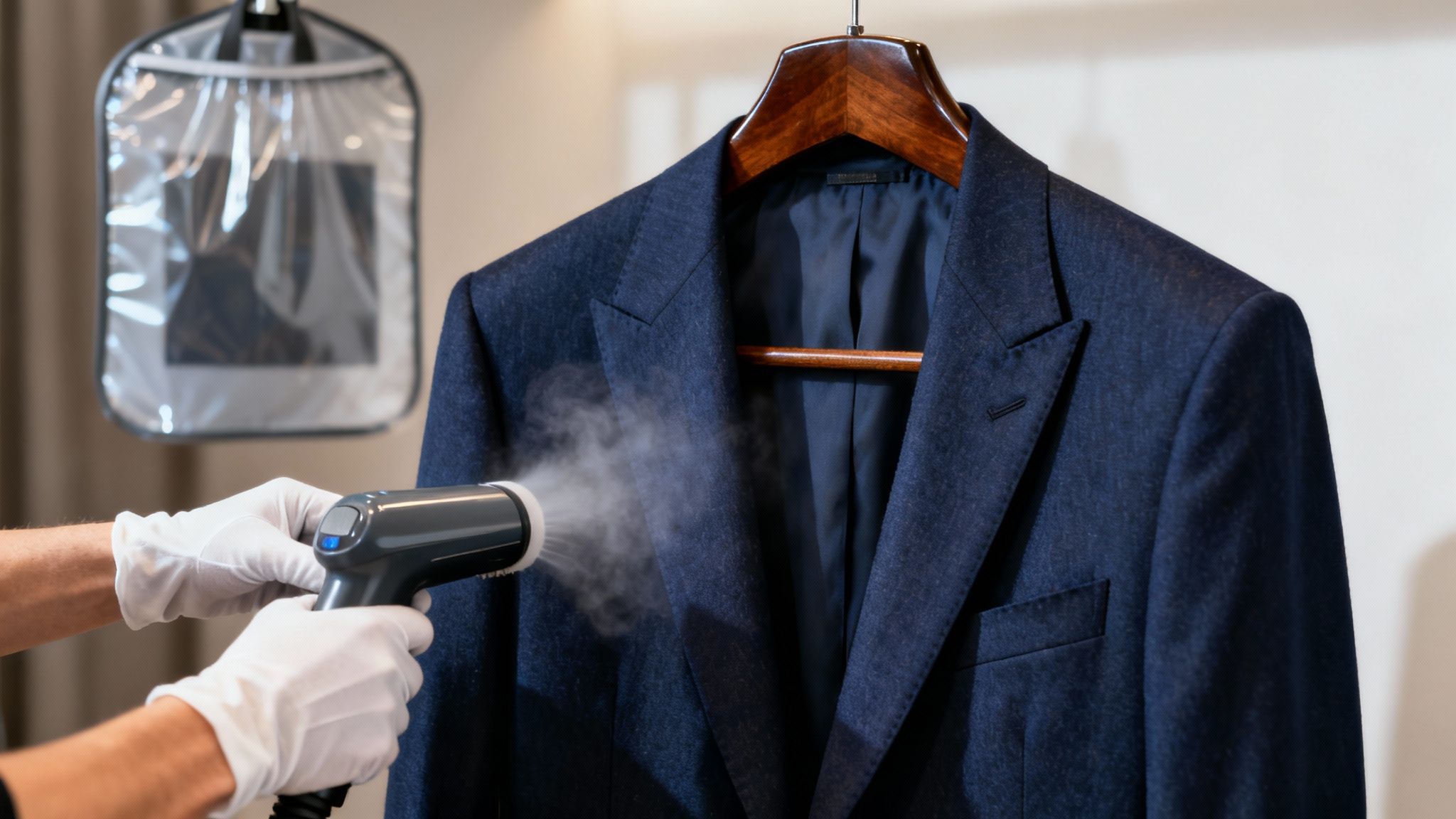
Start by just airing it out. Hang the jacket outside on a dry, breezy day—just be sure to keep it out of direct sunlight, which can cause the color to fade over time. A fabric refreshing spray can also work wonders, or you can lightly steam it. The heat from the steam is great for neutralizing the bacteria that cause those odors.
For a really simple at-home fix, try putting the jacket in a large, sealable bag with an open box of baking soda for 24 to 48 hours. Baking soda is a fantastic natural odor absorber.
When a stain just won’t budge or you’re simply out of time, sometimes it's best to call in the professionals. Columbia Pike Laundry provides expert care for all your jackets, from technical shells to delicate wool coats. Why not schedule a pickup and delivery today and let us bring your favorite outerwear back to life?
Free pickup, expert care, delivered back to your door.
Popular Blog Articles



Meet the Author
Daniel Logan didn’t start CPL because he loved laundry. He started it because his family was drowning in time debt, and laundry was one of the biggest weights.
Mornings were chaos with two kids under 5. Evenings felt like catch-up. And weekends? Gone to sorting socks and folding piles.
He knew his story wasn’t unique. So he built a business that gave families like his just a little bit of breathing room one load at a time.
With no laundry experience but deep tech skills, Daniel rolled up his sleeves, doing every job himself while building systems that turned it into a modern laundry service that saves customers time, simplifies their lives, and delivers reliability they can count on.
That’s where CPL began. Not from a playbook, but from pain. From one dad trying to buy back time: for himself, and for every household like his.
Free pickup, expert care, delivered back to your door.