
Laundromat for Sale in Philadelphia: Expert Guide
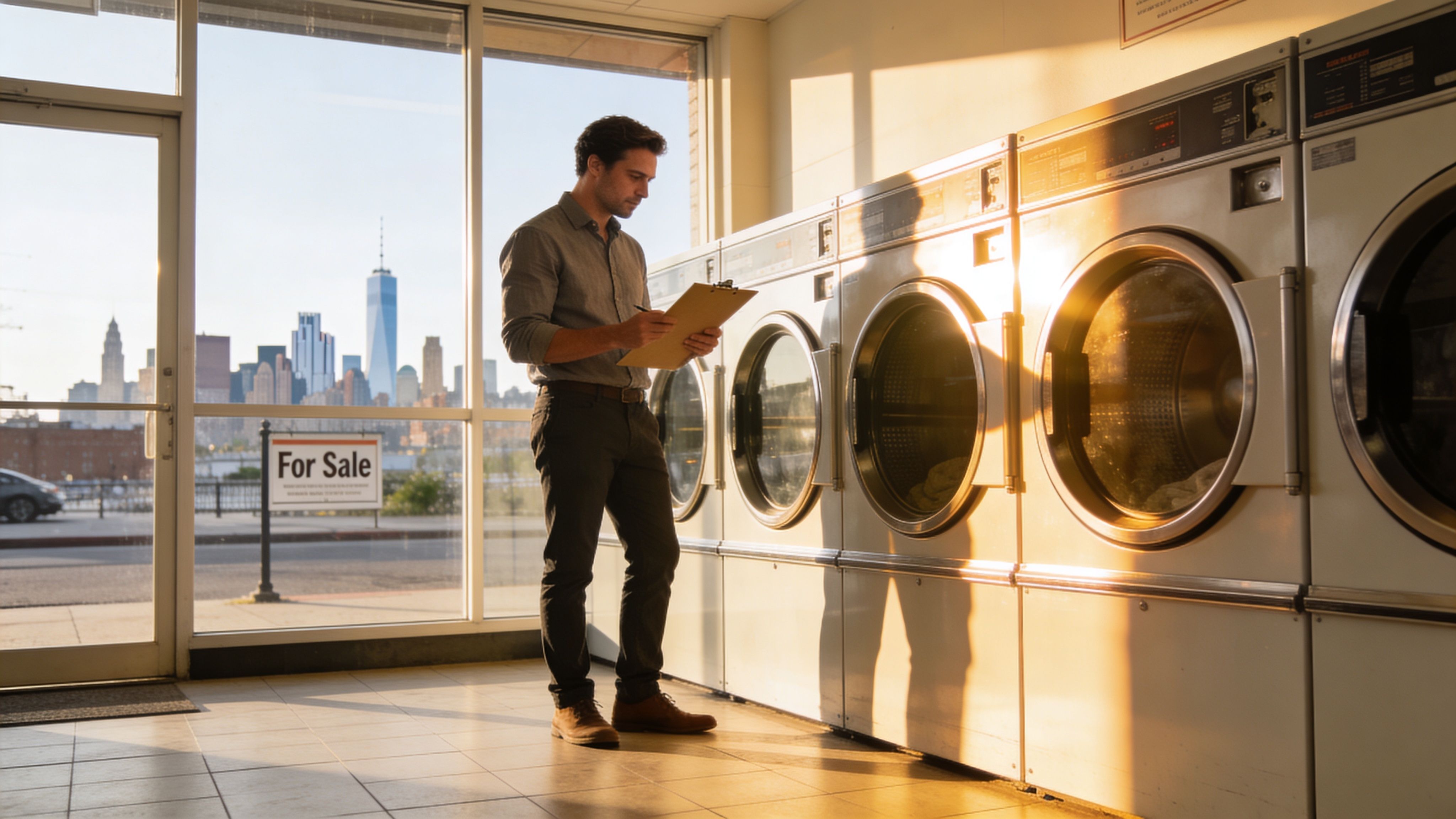
Columbia Pike Laundry offers pickup & delivery across Northern Virginia.
You’re probably staring at a few Philadelphia listings right now, thinking this might be the cleanest path into business ownership. A neighborhood laundromat. Real customers. Weekly demand. Machines doing the work while you collect the cash.
That fantasy sells a lot of bad deals.
A laundromat for sale in philadelphia can be a strong buy, but only if you treat it like an operating utility business, not a passive-income toy. I’ve seen buyers get seduced by shiny card systems, fresh paint, and a broker sheet that looks tidy enough to frame. Then they inherit tired equipment, bloated water bills, weak lease terms, and a landlord who barely tolerates the use.
Philadelphia gives you real upside. It also punishes lazy underwriting.
The Real Deal on Buying a Philadelphia Laundromat
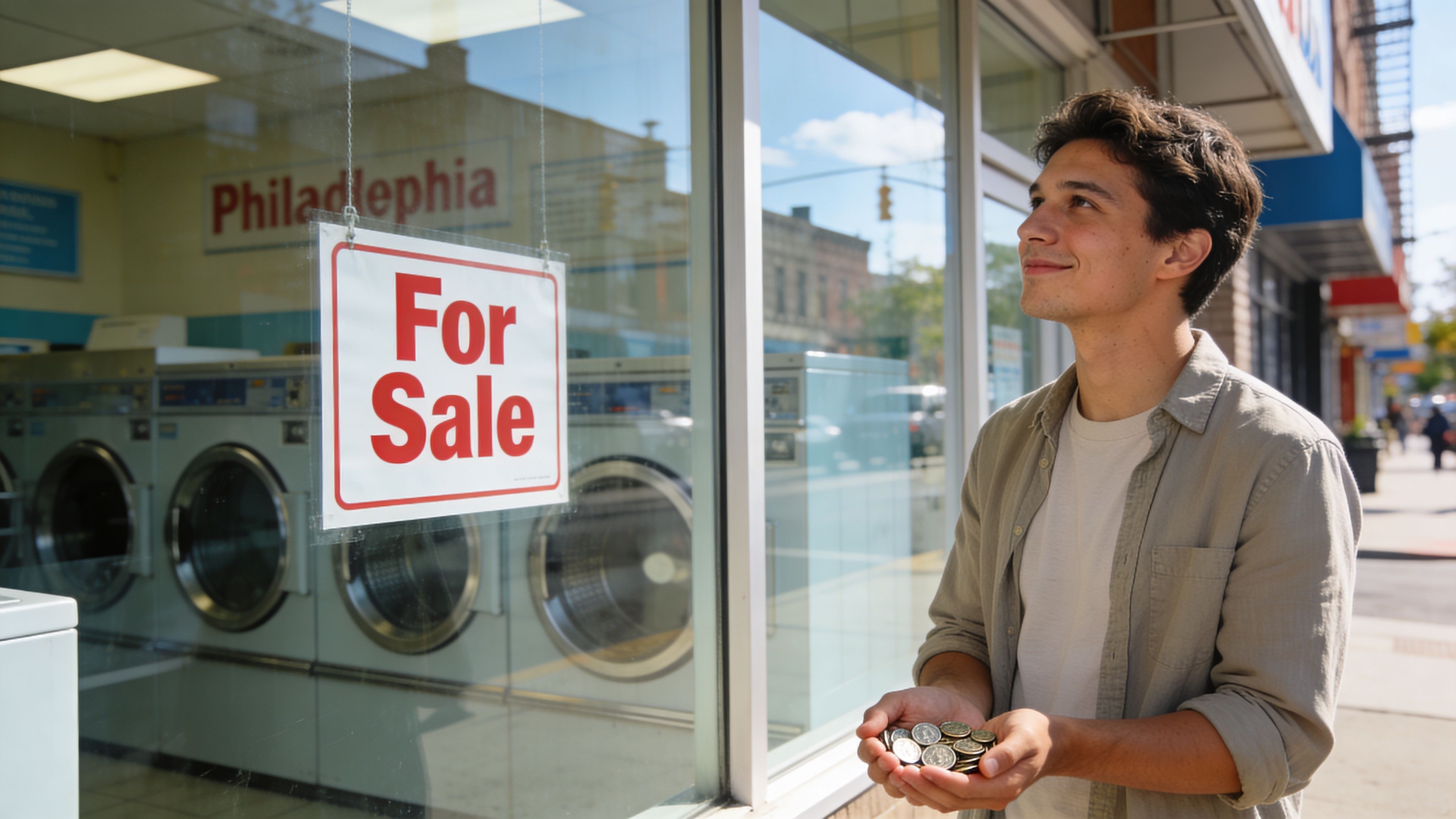
The reason buyers keep circling this industry is simple. The U.S. laundromat industry generates an estimated $5 billion in annual revenue, and the Northeast, including Philadelphia, has a high concentration of stores because dense neighborhoods and renter-heavy blocks keep demand steady, according to this laundromat industry overview.
That’s the good news.
The bad news is that too many first-time buyers mistake steady demand for easy ownership. Those are not the same thing. If you don’t already understand what a laundromat is as a real operating business with equipment risk, utility exposure, staffing headaches, and constant maintenance, Philadelphia will teach you the expensive version.
Practical rule: Buy the business you can verify, not the story you were sold.
Philadelphia is attractive because the customer base is built in. Renters need machines. Families still need oversized loads. Some small businesses need a reliable local option. That part is real. So is the competition. Good corners get noticed fast, and mediocre stores in strong neighborhoods still trade because buyers assume location alone will save them.
It won’t.
A strong Philly laundromat usually has three things working together. A practical location, a lease that won’t choke the business, and numbers that survive scrutiny. If one of those is weak, you’re not buying security. You’re buying a project.
Finding and Vetting Laundromat Opportunities in Philly
Most buyers start in the obvious places. That’s fine. You should see what’s listed publicly because it teaches you how sellers and brokers are positioning stores. It also teaches you what’s getting dressed up.
Philadelphia listings span a wide range. The market includes opportunities from $349,000 to over $3 million, and some stores advertise net cash flow over $300,000, footprints up to 5,400 square feet, more than 100 machines, and even dedicated parking, as shown in this Philadelphia laundromat listing. That range matters because it tells you one thing fast. “Laundromat” is not one asset class. It’s several.
Where the better deals usually come from
Public listings are useful, but they aren’t the whole market. In Philly, the better deals often surface through conversations before they hit a marketplace.
Use a mix of channels:
- Specialized brokers: Some brokers understand turns-per-day, vend pricing, and lease structure. Others are just moving listings. Ask direct questions and see if they can answer without reading from a flyer.
- Distributor relationships: Equipment reps and service techs know which owners are tired, behind on repairs, or considering an exit.
- Landlord chatter: In dense city corridors, landlords often know when an operator is coasting or when a tenant is months away from giving up.
- Owner outreach: A short, direct letter to existing store owners still works. Not glamorous. Effective.
- Local observation: Spend time in the neighborhoods. If you want a turn-key laundry service, remember that “turn-key” in a listing often means “operating today,” not “problem-free tomorrow.”
If the best thing about the listing is the wording, keep moving.
How to read a listing without getting played
A laundromat listing is sales copy. Treat it that way.
If a listing says “recently refurbished,” ask what that means. Fresh flooring and paint do not equal real capital improvement. I care more about boilers, water heating, drains, machine age, card system support, and whether the store has a maintenance history someone can produce on paper.
If it says “high visibility,” verify the visibility from both directions of travel. In Philadelphia, one side of the street can feel busy while the other side feels invisible because of parking pressure, traffic flow, or how quickly drivers pass the storefront.
If it says “card-operated,” don’t automatically pay a premium. A card system can be a plus. It can also hide weak operating discipline if the seller used modern payment hardware to distract you from old machines and sloppy books.
Philly neighborhoods are not interchangeable
Buyers from outside the city make this mistake all the time. They lump Philadelphia into one market. It isn’t.
A dense South Philly rowhome area can support steady weekly self-service demand because the housing stock and living patterns fit the business. A student-heavy pocket near University City can look great on paper, but customer behavior, seasonality, and turnover feel different. A Fishtown location may attract a different mix of customers and expectations around cleanliness, payment options, and store appearance.
Here’s the practical screen I’d use:
| Neighborhood pattern | What to look for | What can go wrong |
|---|---|---|
| Dense rowhome blocks | Repeat local demand, walkability, strong machine mix for everyday loads | Tight parking, cramped ingress, heavy nearby competition |
| Student-heavy zones | Consistent need for laundry, demand for convenience and modern payment | Seasonal swings, price sensitivity, customers who won’t tolerate downtime |
| Higher-traffic mixed-use corridors | Visibility, potential add-on services, stronger branding upside | Rent pressure, difficult loading, tougher landlord terms |
The point isn’t to memorize neighborhood stereotypes. The point is to match the store to the local customer.
What to check on the ground
Before you get emotionally attached to any laundromat for sale in philadelphia, go stand in front of it. Then go back at a different time. And again.
Look for these signals:
- Parking reality: If customers have to fight for a spot or drag baskets half a block, that hurts volume.
- Store adjacency: A grocery store, discount retail, or other practical errand stops can help. A location surrounded by struggling vacancies usually doesn’t.
- Competitor quality: One clean, well-lit competitor nearby is more dangerous than two neglected ones.
- Street feel: People need to feel comfortable doing laundry there. If the block feels rough at the hours people wash clothes, you’ve got a problem.
- Inside flow: Watch whether people can move easily from washers to dryers to folding. Bad layout slows everyone down and makes the store feel cheaper than it is.
My blunt filter for Philly opportunities
I like stores that solve a real neighborhood need and don’t require me to become a magician. I’m not interested in buying a place that needs perfect execution just to justify the asking price.
Walk away if the deal depends on all of these happening at once: better management, higher pricing, lower repairs, stronger staff, upgraded equipment, and smooth landlord approval. That’s not a stable acquisition. That’s six bets stacked on top of each other.
Buy a store with one obvious fix. Maybe two. Not seven.
Mastering the Financial Underwriting Process
Most buyers lose money before closing. They lose it when they accept the seller’s framing. They start from the asking price, then try to justify it. That’s backwards.
Start from verifiable cash flow. Everything else comes after that.
Accurate valuation in this business is usually based on Net Operating Income, and the standard industry range is 3 to 5 times NOI. In Philadelphia, the benchmark is often 3.2 to 3.8 times for attended stores with significant revenue, and preparing a store with clean books and repaired machines can raise value by 15 to 25 percent, according to this laundromat valuation guide.

That means two things. First, you need to know what the true NOI is. Second, you need to stop acting like every Philly store deserves the high end of the range.
For a grounding point on operating service economics and how customers compare price and value in laundry, it helps to understand how laundry businesses present pricing structures to the market. Customers don’t care about your broker package. They care whether the service feels worth what they pay.
Start with the paper trail
I want to see the core financial documents before I spend serious time on a deal. Not a summary. Not a spreadsheet somebody typed up last week. Real records.
Pull these first:
- Profit and loss statements: Compare year to year and month to month. You’re looking for consistency, not perfection.
- Tax returns: Tax returns force a little more honesty than marketing flyers do.
- Utility bills: In laundromats, utilities tell the truth fast.
- Rent and CAM details: Occupancy cost can turn a decent operation into a weak one.
- Repair history: If repair expense looks suspiciously light, somebody may be deferring pain to you.
Build your own pro forma
Don’t buy off the seller’s projection. Build your own.
Your version should include only income you can defend and expenses you think you’ll pay after takeover. If the current owner underpays themselves, ignores maintenance, or runs family labor through the store in a messy way, normalize it. If a machine bank is near the end of useful life, treat that as a real drag on future cash flow even if the current books don’t.
A simple underwriting frame works well:
| Line item | What to use | What buyers get wrong |
|---|---|---|
| Revenue | Verified machine, service, and ancillary income | Trusting inflated top-line claims |
| Utilities | Actual bills, not seller estimates | Assuming current costs are “temporary” |
| Repairs and maintenance | Realistic recurring spend | Understating what older stores need |
| Labor | What your model requires after closing | Pretending you’ll run it all alone forever |
| Rent | Current lease obligation plus likely changes | Ignoring reset risk in lease language |
Use utilities as a lie detector
Water, sewer, gas, and electric expose weak stories. If a seller claims a booming store but the utility profile doesn’t line up, stop and ask why.
Maybe the books are inflated. Maybe machines have been down. Maybe the store has been underpriced and overused inefficiently. Maybe the owner is shifting expenses around. You don’t need to know the answer immediately. You do need to know there’s a question.
Strong revenue claims with weak utility support usually mean you’re not looking at the whole picture.
Valuation discipline matters more in Philly
Philadelphia is competitive enough that buyers talk themselves into bad multiples. They say the neighborhood is improving. They say the card system is modern. They say they’ll clean it up and tighten operations.
Fine. That still doesn’t mean you pay a premium for unproven upside.
If the store is attended, stable, documented, and cleanly run, paying within the Philadelphia benchmark can make sense. If the store needs equipment work, lease cleanup, expense normalization, or major operational tightening, your multiple needs to come down. The seller doesn’t get paid today for work you still have to do tomorrow.
Questions that expose weak underwriting
Use direct questions. The seller’s reaction matters almost as much as the answer.
Ask things like:
- What exactly is included in reported revenue
- Which machines are out of service or unreliable
- What major repairs happened recently
- What has not been fixed because the owner plans to sell
- How is labor handled today
- What revenue depends on the current owner personally
You’ll learn a lot from hesitation.
My personal rule on asking price
The asking price is an opening argument, not a conclusion. If I can’t recreate the value from the records, I don’t care what the seller wants. I care what the business supports.
And if the books are clean enough that the asking price looks justified, good. That’s exactly what you want. Paying a fair price for a real store beats stealing a bad one every time.
Your Comprehensive Due Diligence Checklist
Due diligence is where you stop being a shopper and start being an investigator. If you skip this phase or rush it because you’re afraid someone else will grab the deal, you’re volunteering to inherit surprises.
A proper due diligence period should run 30 to 60 days, and it should include a team, a review of 3 to 5 years of financials, and on-site income verification. Done right, it can reduce the risk of overpaying by 20 to 30 percent, according to this step-by-step laundromat acquisition guide.
That time matters because laundromats hide problems in plain sight. Machines still spin. Customers still come in. Money still drops. None of that proves the deal is healthy.
Build the right team before you chase details
You need people who know how to protect you, not friends who say they’re “good with numbers.”
At minimum, bring in:
- A business attorney: Someone who can review the purchase agreement, lease assignment terms, and transfer risks.
- An accountant: Not just a tax preparer. Someone who can test the financials and normalize earnings.
- A practical operator or technician: If you don’t have machine knowledge, borrow it from someone who does.
That team is cheap compared with buying blind.
Essential Due Diligence Checklist for Laundromat Buyers
| Category | Key Items to Verify | Red Flags |
|---|---|---|
| Financial records | Tax returns, P&L statements, bank support, utility bills | Revenue claims that don’t line up with bills or deposits |
| Equipment | Machine age, service logs, downtime patterns, payment system condition | Frequent outages, poor maintenance records, visibly neglected units |
| Lease | Assignment rights, term length, options, rent escalations, utility responsibility | Landlord resistance, short remaining term, vague transfer language |
| Operations | Hours, staffing, cleaning routines, vendor relationships, supply systems | Store only works because owner is there constantly |
| Legal and permits | Business licenses, local permits, code issues, unresolved notices | Missing paperwork, open violations, seller hand-waving |
| Revenue verification | Coin collections, card reports, drop-off logs, observation of store traffic | Seller won’t allow verification or controls the process too tightly |
Inspect the equipment like you’re the one paying the repair bill
Because you are.
Don’t just count washers and dryers. Condition matters more than count if the asking price assumes those units are reliable. Open panels with a qualified tech. Check maintenance logs. Look at visible wear, leaks, out-of-order tags, dryer performance, card readers, soap systems, and the general cleanliness of the machine area.
I also care about the room around the machines. Are drains backing up? Is there evidence of chronic water issues? Are folding tables battered because the store has been neglected for years? A dirty, poorly maintained store usually means the owner cut corners elsewhere too.
A laundromat can stay open for a long time while quietly falling apart.
The lease can kill an otherwise decent deal
I’ve watched buyers spend weeks on machine counts and income verification, then get blindsided by lease problems. In this business, the lease is part of the asset. Sometimes it’s the most important part.
Focus on these points:
- Assignment approval: Can the landlord block the transfer easily?
- Remaining term: You need enough runway to operate and recover your investment.
- Renewal options: Put value on written options, not verbal promises.
- Rent structure: Rising rent can erase future gains fast.
- Use clause: Make sure commercial laundry use is clearly allowed.
- Utility responsibility: Confirm exactly who pays for what.
If the landlord is difficult before closing, don’t expect them to become easier after closing.
Verify revenue in person
If the store is coin-based in any meaningful way, show up for collections. If it uses a card system, verify reports and reconcile them against actual operating patterns.
You’re not accusing the seller of fraud. You’re doing your job.
Spend time in the store. Watch customer flow. See how many machines are active. Notice whether attendants are engaged or checked out. Look at whether the best revenue claims happen during the hours you’re observing. Real businesses leave operating clues everywhere.
Don’t ignore Philly-specific administrative friction
Philadelphia isn’t the place to assume paperwork will sort itself out. Confirm business licensing, permit status, and any local approvals that affect operation or transfer. If a seller says, “That’s never been a problem,” translate that to, “I haven’t felt the pain yet.”
This part is boring. It’s also where stubborn delays and unexpected cleanup work show up.
My closing standard
I buy when I can answer yes to three questions.
- Do the numbers survive verification
- Can the equipment carry the business without immediate crisis
- Can I operate under the lease without stepping on a land mine
If one of those is shaky, I’m either repricing the deal or walking.
Financing the Purchase and Navigating Legal Hurdles
Bad financing can turn a good laundromat into a stressful one. Bad legal work can do worse. These two pieces belong together because the structure of the deal affects the cash flow you’ll live with after closing.
Philadelphia buyers also need to price in local risk that listings often gloss over. Some local market commentary points to utility costs reaching 30 to 40 percent of revenue, and it also flags an emerging Green Laundry Ordinance risk that could require low-water machine retrofits with costs that may reach $200K per site, according to this Philadelphia laundromat market note. Whether every site gets hit the same way isn’t the point. The point is that utility and compliance risk can wreck your financing assumptions if you pretend they don’t exist.
Pick financing that matches the deal, not your ego
Some buyers get obsessed with one path. Usually SBA. Sometimes seller financing. That’s a mistake. Match the capital to the store.
A few common paths:
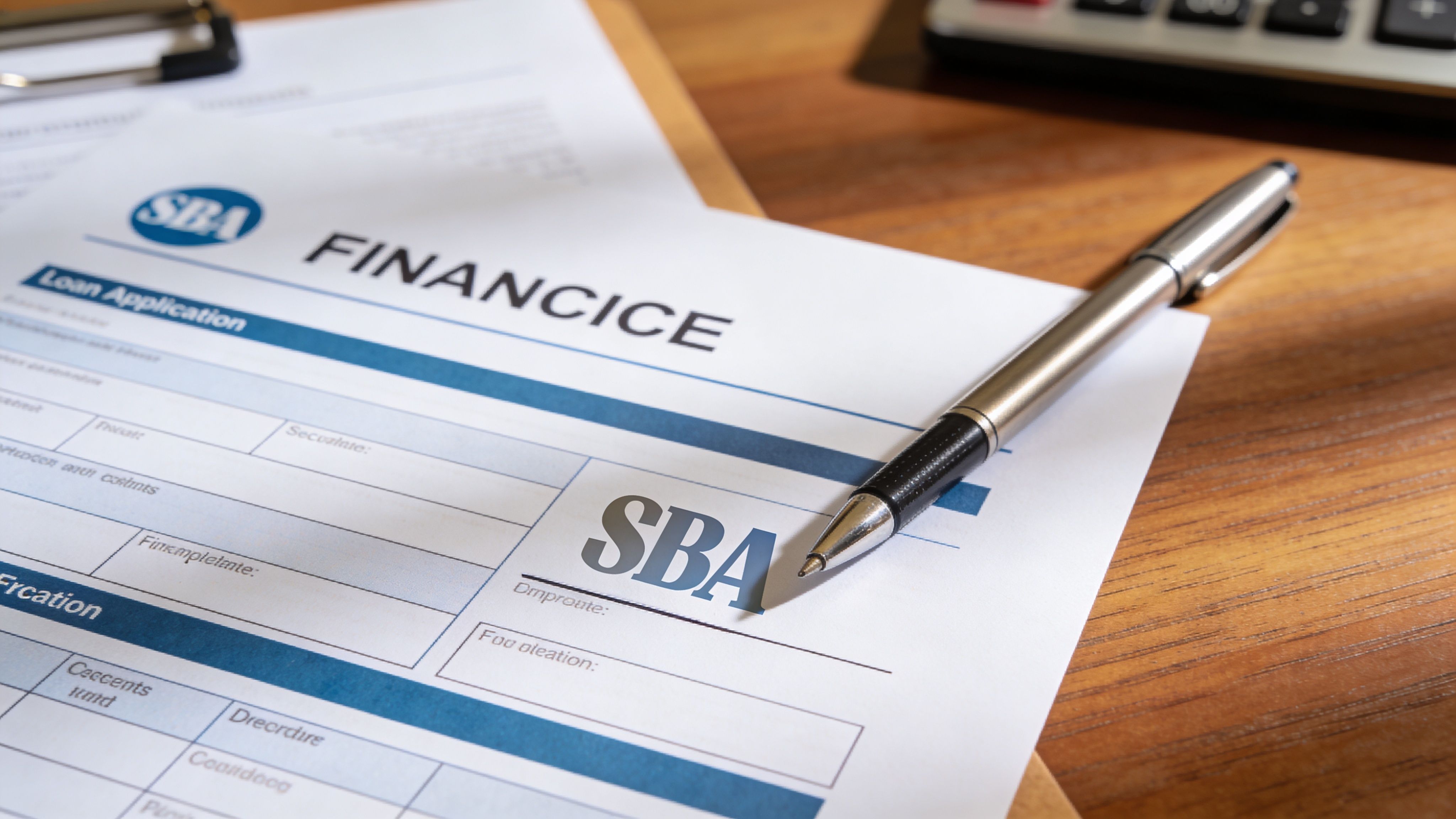
- SBA financing: Useful when the business is documented well enough to satisfy lender scrutiny. Expect more paperwork and less room for vague claims.
- Seller financing: Often the smartest move when the seller believes in the business and wants the deal done. It can also keep the seller honest because they remain tied to performance.
- Conventional lending: Sometimes cleaner, sometimes tougher, depending on the strength of the borrower and store.
- Blended structure: Part bank, part seller note can solve a lot of negotiation problems.
If you’re comparing payment burden and cash flow flexibility across household and business borrowing, it can help to think in the same practical terms people use when evaluating financing options. Monthly obligation matters. Approval speed matters. So does how much room the debt leaves you after the first ugly repair bill.
Legal structure is not just paperwork
Form the entity before closing and make sure your documents line up with how the business will operate. Most buyers look at LLCs or S-Corp treatment, but the key issue is operational clarity, liability separation, tax planning, and whether your lender and attorney are aligned.
I strongly prefer an asset purchase over buying the seller’s entity unless there’s a compelling reason not to. You want the operating assets, not mystery baggage. Equipment, lease rights, customer goodwill, inventory, systems, and whatever else is clearly named in the agreement. Not hidden liabilities.
The Philadelphia friction points buyers overlook
I'll be blunt. Too many buyers spend all their energy on price and financing approval, then treat local compliance like a post-closing errand.
That’s backwards.
Stay on top of:
- License transfers or reapplications: Don’t assume continuous operation means smooth transfer.
- Utility account setup: Delays here can become operational problems fast.
- Permit history: Make sure you understand what the site has needed and what might still be unresolved.
- Equipment compliance exposure: If local rules tighten around water use, old equipment becomes a bigger strategic problem.
- Escrow and closing conditions: Tie critical approvals to closing if possible.
Financing gets you to the table. Legal discipline keeps you from buying a mess.
What I’d negotiate hard
If I’m the buyer, I push hard on three things.
First, contingencies tied to verification. If the books, lease, or equipment fail inspection, I want room to adjust or exit.
Second, seller cooperation after closing. Even a short transition period helps. Revenue verification is one thing. Actual handoff is another.
Third, price adjustments for known risk. If utility burden is ugly or compliance upgrades are looming, that is not “future upside.” That is current cost. Price it now.
Your First 100 Days and Planning for Growth
Once the ink dries, stop acting like a buyer. Start acting like an operator. The first stretch matters because customers are watching, staff is testing you, and the store will reveal the problems the seller got used to ignoring.
Don’t start with grand reinvention. Start with control.
The first moves that actually matter
Clean the place aggressively. Fix anything obvious that customers touch, see, or complain about. Get every machine tagged, tracked, and checked. Meet any inherited employees directly and set expectations early. Call the vendors yourself. Don’t rely on secondhand handoffs.
Then spend time in the store. Not in theory. In person. Morning, evening, weekday, weekend. You need to learn how the business breathes before you start changing prices, hours, or service mix.
Where growth usually comes from first
The fastest wins usually aren’t flashy. They come from better uptime, better cleanliness, clearer signage, tighter attendant habits, and fewer customer frustrations.
Look at these practical upgrades:
- Payment convenience: If the payment process feels clunky, customers notice immediately.
- Store presentation: Lighting, seating, folding space, and working carts change the feel of the business fast.
- Operational consistency: A store that’s reliably clean beats a store with occasional bursts of attention.
- Service add-ons: Wash-and-fold can be attractive if the neighborhood supports it and you can run it well.
Growth comes from trust. In laundromats, trust looks boring. Machines work. The floor is clean. The dryers get hot. The attendant is helpful. The place feels safe.
Don’t chase every idea at once
New owners love stacking projects. New signage, price changes, social media, remodel plans, extra services, staff restructuring. Slow down.
The best first 100 days are steady, not theatrical.
Make one improvement customers can feel. Make one improvement the books can feel. Then evaluate. Philadelphia has enough demand to reward competent operators. It also has enough competition to expose sloppy ones.
If you buy the right store, run it tightly, and keep making sensible upgrades, the business can become a durable neighborhood asset. If you buy on emotion and operate by guesswork, the city will take your tuition.
If laundry is the part of life or business you’d rather stop thinking about, Columbia Pike Laundry gives you a simpler way to handle it. Their family-owned team offers wash and fold, dry cleaning, and pickup and delivery with the kind of steady, careful service busy families, professionals, and small businesses need. You didn’t outsource laundry. You bought back your time.
Free pickup, expert care, delivered back to your door.
Popular Blog Articles


Meet the Author
Daniel Logan didn’t start CPL because he loved laundry. He started it because his family was drowning in time debt, and laundry was one of the biggest weights.
Mornings were chaos with two kids under 5. Evenings felt like catch-up. And weekends? Gone to sorting socks and folding piles.
He knew his story wasn’t unique. So he built a business that gave families like his just a little bit of breathing room one load at a time.
With no laundry experience but deep tech skills, Daniel rolled up his sleeves, doing every job himself while building systems that turned it into a modern laundry service that saves customers time, simplifies their lives, and delivers reliability they can count on.
That’s where CPL began. Not from a playbook, but from pain. From one dad trying to buy back time: for himself, and for every household like his.
Free pickup, expert care, delivered back to your door.