
Laundry Folding Step by Step: Master Perfect Results
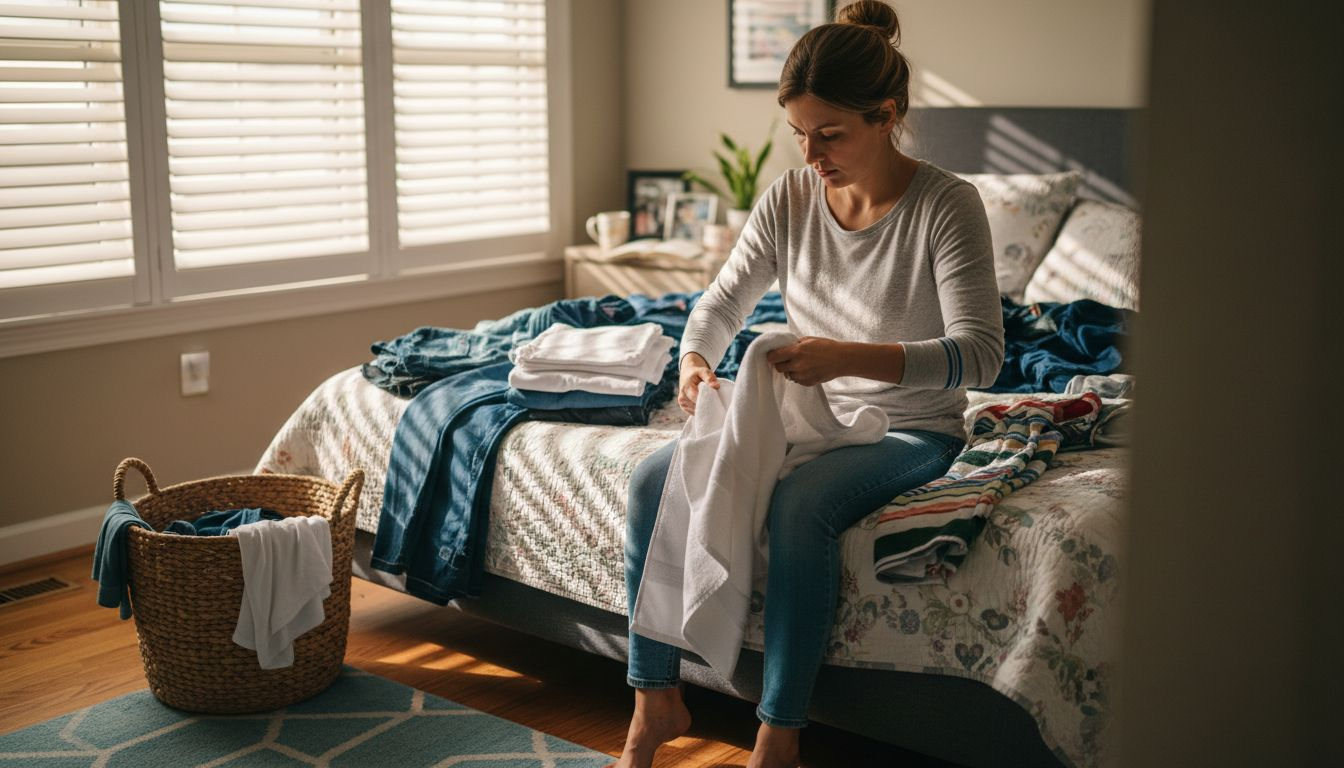
Columbia Pike Laundry offers pickup & delivery across Northern Virginia.
Over 60 percent of American households report frustration with laundry organization, making it one of the most common home challenges. When clean clothes pile up without a system, even a simple chore turns into a stressful task. By learning practical steps for sorting, folding, and storing your laundry the right way, you can keep garments in top condition and create order that makes daily life smoother.
Quick Summary
| Key Point | Explanation |
|---|---|
| 1. Sort Laundry Effectively | Categorize clean laundry by color, fabric type, and soil level to prevent damage and maintain quality. |
| 2. Create a Clean Folding Area | Use a tidy, sanitized flat surface for folding, ensuring good lighting to inspect clothing for issues. |
| 3. Use Consistent Folding Techniques | Fold items into neat categories using specific methods to minimize wrinkles and maximize storage efficiency. |
| 4. Smooth Garments Before Folding | Align seams and edges to achieve more polished and professional-looking folds while handling clothes gently. |
| 5. Store Clothes Promptly | Place folded laundry in designated storage areas immediately to preserve their neat appearance and prevent wrinkles. |
Step 1: Gather and Sort Clean Laundry
Now that your laundry has completed its washing cycle, the critical next phase involves gathering and strategically sorting your clean clothing. Proper sorting helps maintain fabric quality and prevents potential damage during future cleaning processes. Sorting techniques recommended by experts focus on categorizing items by color, fabric type, and soil level.
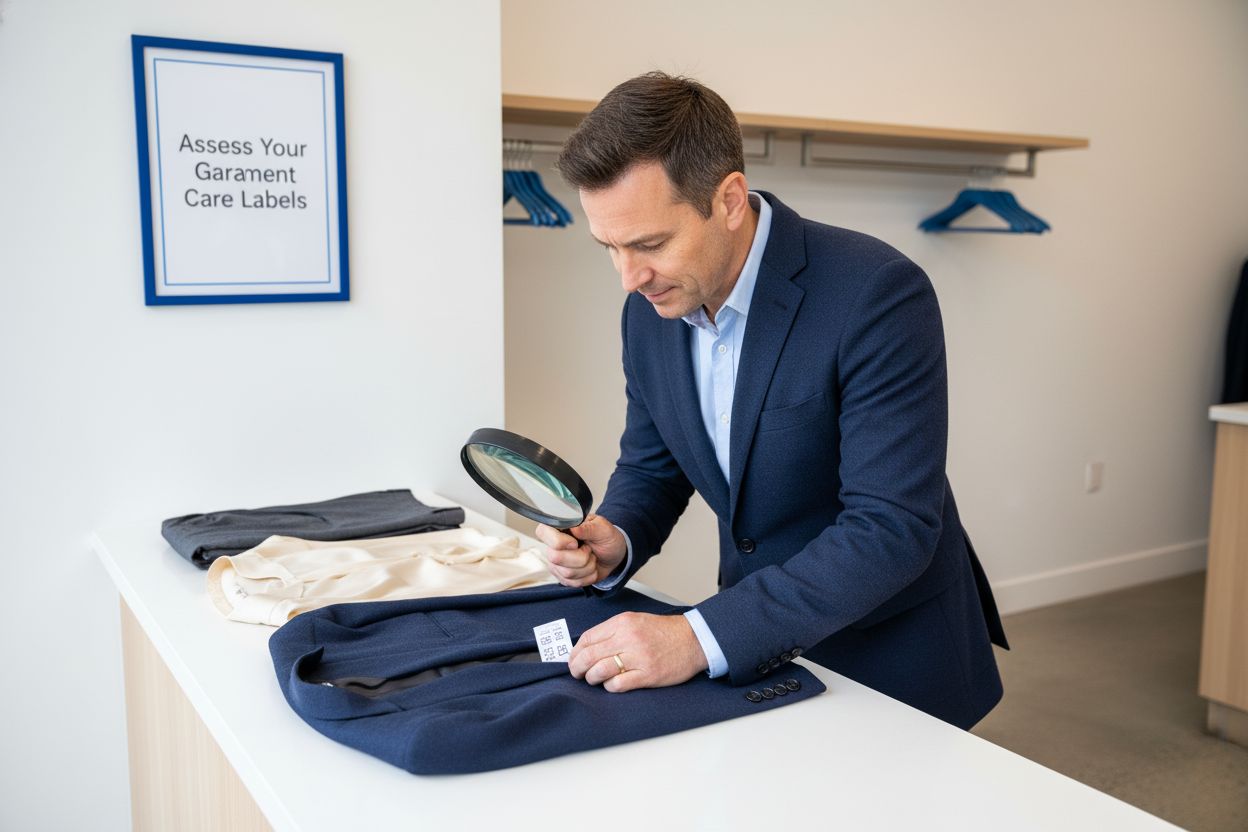
Begin by collecting all clean items from your washer and spreading them out on a flat surface like a clean table or bed. Separate clothing into distinct piles based on color groups: whites, light colors, dark colors, and brights. Within these groups, make additional subcategories for delicate fabrics such as silk, wool, or items requiring gentle handling. Pay special attention to any garments with specific care instructions or unique fabric compositions that might need individual treatment.
As you sort, perform a quick visual inspection of each item. Check for any remaining stains, loose threads, or potential damages that might have occurred during the washing process. This step allows you to address minor issues before moving to the folding stage and ensures each piece receives appropriate care.
Pro tip: Use clean laundry baskets or designated sorting areas to streamline your workflow and prevent items from becoming wrinkled or mixed up during the sorting process.
Here’s a summary of common fabric types and their ideal handling methods:
| Fabric Type | Sorting Recommendation | Folding Technique | Special Storage Tip |
|---|---|---|---|
| Cotton | Group with similar colors | Rectangle folds with smooth edges | Store in drawer stacks |
| Linen | Sort separately from heavy items | Fold loosely to avoid creases | Keep in cool, dry drawer |
| Silk | Separate as delicate | Gentle folding, avoid sharp creases | Hang or use padded boxes |
| Wool | Sort with delicates | Gentle folding into thirds | Lay flat, avoid hanging |
| Synthetics | Group by color | Fold firmly but avoid stretching | Store away from heat |
Step 2: Set Up a Clean Folding Area
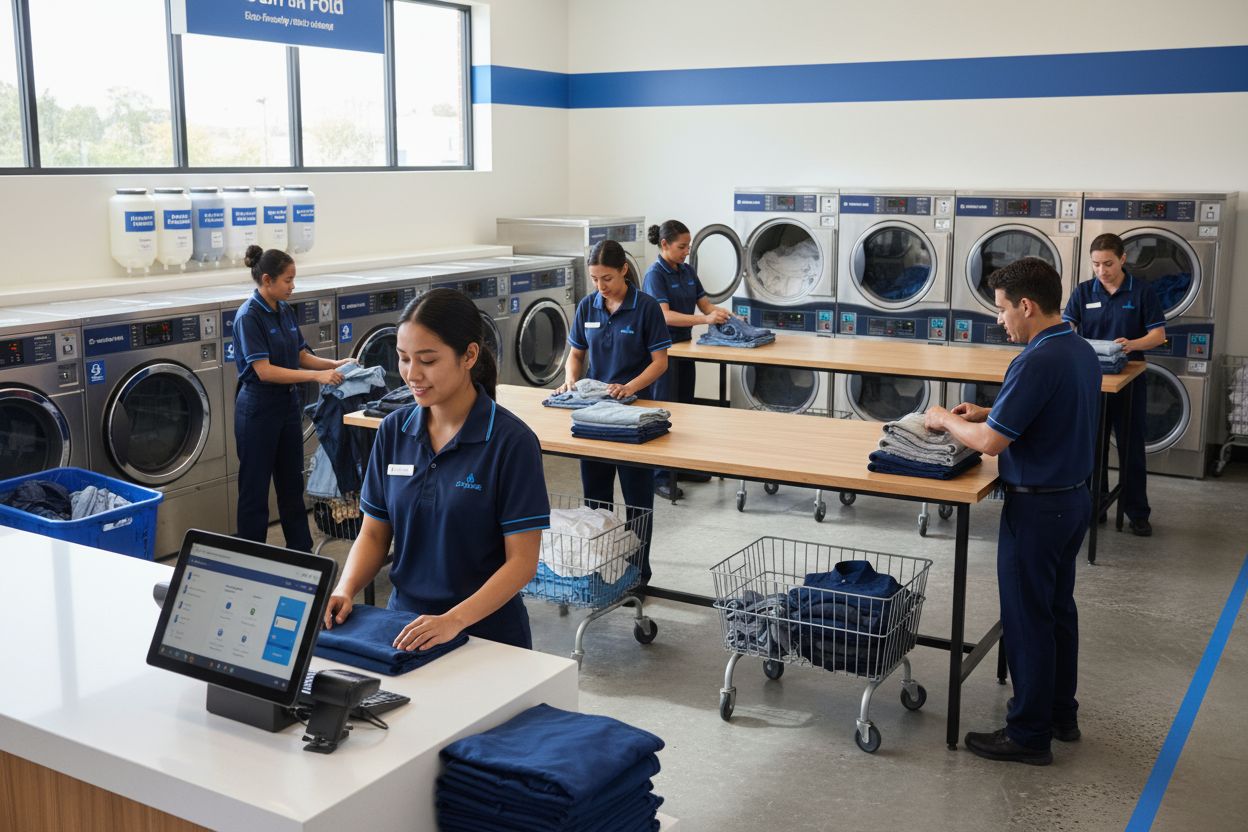
Creating an organized and clean folding space is essential for efficiently processing your freshly laundered clothing. Maintaining a hygienic and clutter free area helps ensure your clean clothes remain pristine and ready for storage or wearing.
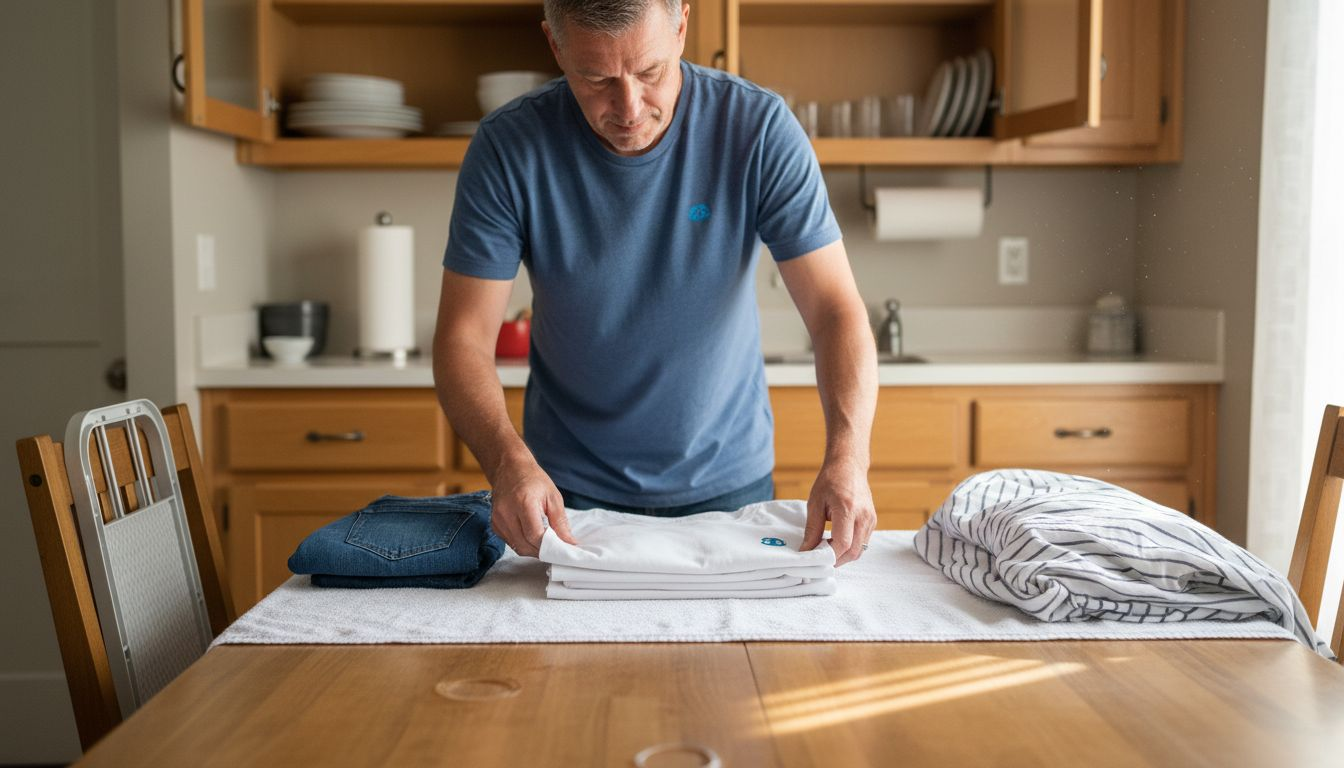
Choose a flat surface with ample space such as a clean dining table, kitchen counter, or dedicated laundry room surface. Ensure the area is completely clear of any previous items, dust, or potential contaminants. Wipe down the surface with a clean cloth or disinfectant to create a sanitary workspace. Position good lighting so you can clearly see details of each garment and identify any potential issues like small stains or loose threads.
Arrange your sorting and folding tools within easy reach. This might include a sturdy folding board, clean hangers, storage baskets, and any specialty folding tools you prefer. Keep a small trash bin nearby for any lint or tags you might remove during the process. Keeping your folding area tidy prevents cross contamination and ensures your freshly cleaned clothes remain in perfect condition.
Pro tip: Cover your folding surface with a clean white towel to provide an extra layer of cleanliness and create a soft surface that prevents potential snagging of delicate fabrics.
Step 3: Fold Clothes by Category Efficiently
Folding your laundry strategically transforms a potentially tedious task into an organized system that saves time and prevents unnecessary wrinkles. Experts recommend organizing similar items together to streamline your clothing management and make future dressing routines smoother.
Start by separating your sorted clothing into distinct categories such as shirts, pants, underwear, socks, and towels. For each category, develop a consistent folding technique that minimizes wrinkles and maximizes storage efficiency. Shirts can be folded into neat rectangles with sleeves tucked inside, while pants might benefit from being folded in half vertically and then horizontally. Delicate items like silk blouses or lightweight fabrics require gentler handling and might need specialized folding approaches that prevent creasing.
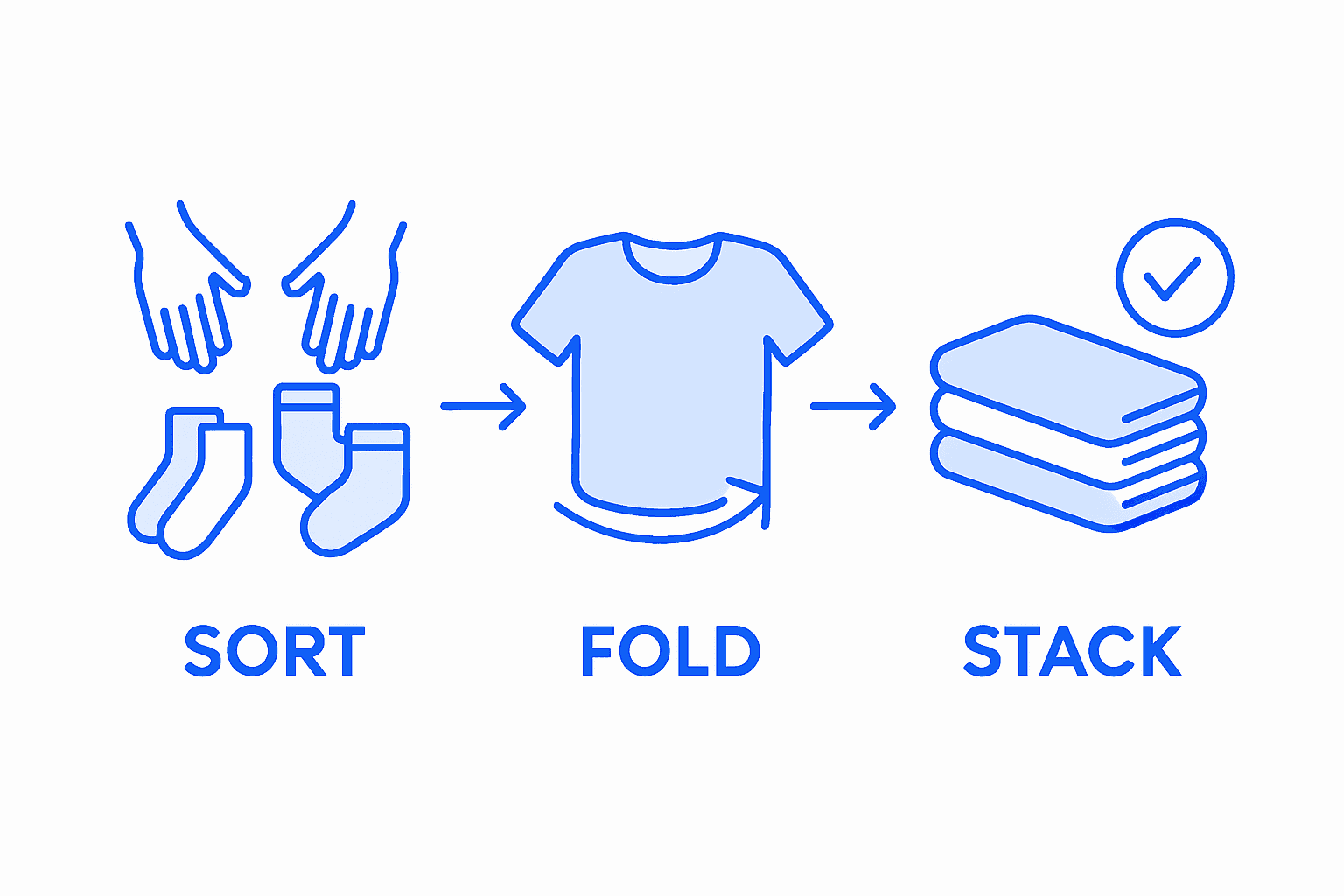
As you fold each category, create neat stacks that are roughly the same size. This not only looks visually appealing but also makes storage and retrieval much easier. The Art of Storing Clothes Properly becomes significantly simpler when your folded items are uniform and well organized. Consider using folding boards or templates for more consistent results, especially if you struggle with creating uniform folds.
Pro tip: Invest in drawer dividers or storage boxes to keep your categorized clothing separate and prevent stacks from becoming messy when you retrieve items.
Step 4: Smooth and Align Items for Neatness
Achieving crisp and professional looking folds requires careful attention to detail and a systematic approach to smoothing out your clothing. Experts recommend meticulously aligning seams and edges to create uniform stacks that prevent wrinkles and maintain a polished appearance.
Begin by laying each garment flat on your clean folding surface, spreading it out completely to eliminate any existing wrinkles or bunching. Use your hands to gently smooth out the fabric, paying special attention to areas like collar points, sleeve edges, and pant creases. For shirts, align the side seams precisely so they match up perfectly before creating your initial fold. With pants, ensure the legs are completely straight and the center seam runs perfectly down the middle before folding.
As you work through different clothing types, develop a consistent smoothing technique. Lightweight fabrics like t-shirts might require a light touch and gentle pulling to remove subtle creases, while stiffer materials like dress shirts need more deliberate smoothing to create sharp lines. Run your hands firmly but carefully along the fabric, using the heel of your palm to press out any stubborn wrinkles. The goal is to create a flat, even surface that will result in a crisp and professional fold.
Pro tip: Keep a spray bottle with light water mist nearby to lightly dampen fabrics that are particularly wrinkled, which can help you smooth them more effectively before folding.
Step 5: Double-Check Folds for Consistency
The final stage of laundry folding transforms your careful work into a perfectly organized clothing system. Experts recommend thoroughly verifying the uniformity of your folds to create a streamlined wardrobe that makes clothing selection effortless.
Approach your folded items with a critical eye, comparing each stack to ensure they maintain the same precise dimensions. Look for subtle variations in fold width, height, and overall symmetry. For shirts, check that collar edges align perfectly and side seams match exactly. With pants, confirm that leg lengths are identical and waistbands sit at consistent levels. Take a moment to gently adjust any items that appear slightly misaligned, using your fingertips to smooth out minor imperfections.
Consider creating a visual reference point by placing a folding board or template beneath your stacks. This technique helps maintain absolute precision across different clothing categories. By developing a systematic approach to final inspections, you transform ordinary folding into an art form that maximizes storage efficiency and keeps your wardrobe looking impeccably organized.
Pro tip: Rotate your clothing stacks periodically to prevent permanent creasing and ensure even wear across all garments.
Step 6: Put Away Folded Laundry Promptly
Storing freshly folded clothes immediately helps maintain their crisp appearance and prevents unnecessary wrinkles. The final stage of laundry management transforms your careful folding work into an organized wardrobe that simplifies your daily routine.
Begin by identifying the specific storage locations for each clothing category. Arrange your neatly folded stacks into dresser drawers, categorizing them by type such as underwear, shirts, pants, and accessories. Ensure each drawer is clean and lined if possible, and place items in a way that allows you to see the top of each stack when the drawer is opened. For hanging items like dress shirts, blazers, or delicate fabrics, immediately transfer them to appropriate hangers and place them in your closet to maintain their shape and prevent unnecessary creasing.
Efficient clothing storage strategies can make a significant difference in maintaining your wardrobe. Consider using drawer dividers or organizational boxes to keep different clothing types separate and easily accessible. Pay attention to fabric specific storage requirements some materials like silk or wool might need special hanging conditions or folding techniques to preserve their quality.
Pro tip: Create a dedicated five minute window immediately after folding to put away your clothes, turning it into a consistent habit that prevents clothing pile up and maintains your organizational system.
Compare two popular laundering storage strategies:
| Storage Method | Best For | Advantages | Potential Drawbacks |
|---|---|---|---|
| Drawer Stacking | Everyday apparel | Easy access, organized | Stacks can become messy |
| Closet Hanging | Dress shirts, delicates | Maintains garment shape | Needs more closet space |
Simplify Your Laundry Routine with Expert Folding and Care
Mastering the art of laundry folding requires patience and precision to avoid wrinkles and maintain fabric quality. This article highlights key challenges like sorting by fabric types, smoothing out creases, and ensuring consistent folds to keep your wardrobe neat and organized. If managing this process feels time-consuming or overwhelming, you are not alone.
At Columbia Pike Laundry, we understand the desire to have your clothes perfectly folded and ready to wear without the hassle. Our family-owned service offers professional wash and fold solutions that respect your special instructions and fabric care needs. You can trust us to handle your delicate and everyday garments with expertise drawn from our Fabric Care Expertise and guarantee freshly pressed, perfectly folded laundry delivered right to your doorstep.
Take control of your time and wardrobe today by experiencing hassle-free laundry through our convenient online scheduling and reliable turnaround. Visit Columbia Pike Laundry to explore our services, gain more Laundry Relief tips, and book your next pickup or drop-off. Your perfectly folded clothes are just a click away.
Frequently Asked Questions
How can I effectively sort clean laundry before folding?
To effectively sort clean laundry, categorize items by color groups: whites, light colors, dark colors, and brights. Additionally, make subcategories for delicate fabrics and check for any remaining stains or damages before proceeding to fold.
What is the best technique for folding clothes to prevent wrinkles?
The best technique for folding clothes to prevent wrinkles is to lay each garment flat, smooth out creases, and create uniform stacks. For example, fold shirts into neat rectangles with sleeves tucked in and stack them with similar items for easier storage.
How can I create a clean and efficient folding area?
To create a clean and efficient folding area, choose a flat surface that is clear of clutter and sanitize it thoroughly. Consider laying a clean towel on the surface for extra cleanliness, which will also help protect delicate fabrics while you fold.
What should I do to ensure my folded laundry stays organized?
To ensure your folded laundry stays organized, double-check each stack for uniformity in size and shape after folding. Use drawer dividers or storage boxes to keep different clothing types separate, making future retrieval easy.
How quickly should I put away my folded laundry?
You should put away your folded laundry promptly to maintain its crisp appearance and prevent wrinkles. Aim to do this within five minutes of folding to create a habit that avoids clothing pile-up and ensures your wardrobe remains organized.
What are some important storage tips for different types of fabrics?
Different types of fabrics require specific storage tips: fold wool flat to avoid stretching, hang delicate silk items to maintain their shape, and stack cotton according to color for easy access. Pay attention to each fabric’s needs to ensure they remain in excellent condition.
Recommended
Free pickup, expert care, delivered back to your door.
Popular Blog Articles


Meet the Author
Daniel Logan didn’t start CPL because he loved laundry. He started it because his family was drowning in time debt, and laundry was one of the biggest weights.
Mornings were chaos with two kids under 5. Evenings felt like catch-up. And weekends? Gone to sorting socks and folding piles.
He knew his story wasn’t unique. So he built a business that gave families like his just a little bit of breathing room one load at a time.
With no laundry experience but deep tech skills, Daniel rolled up his sleeves, doing every job himself while building systems that turned it into a modern laundry service that saves customers time, simplifies their lives, and delivers reliability they can count on.
That’s where CPL began. Not from a playbook, but from pain. From one dad trying to buy back time: for himself, and for every household like his.
Free pickup, expert care, delivered back to your door.