
7 Laundry Tips for Professionals in Arlington, VA
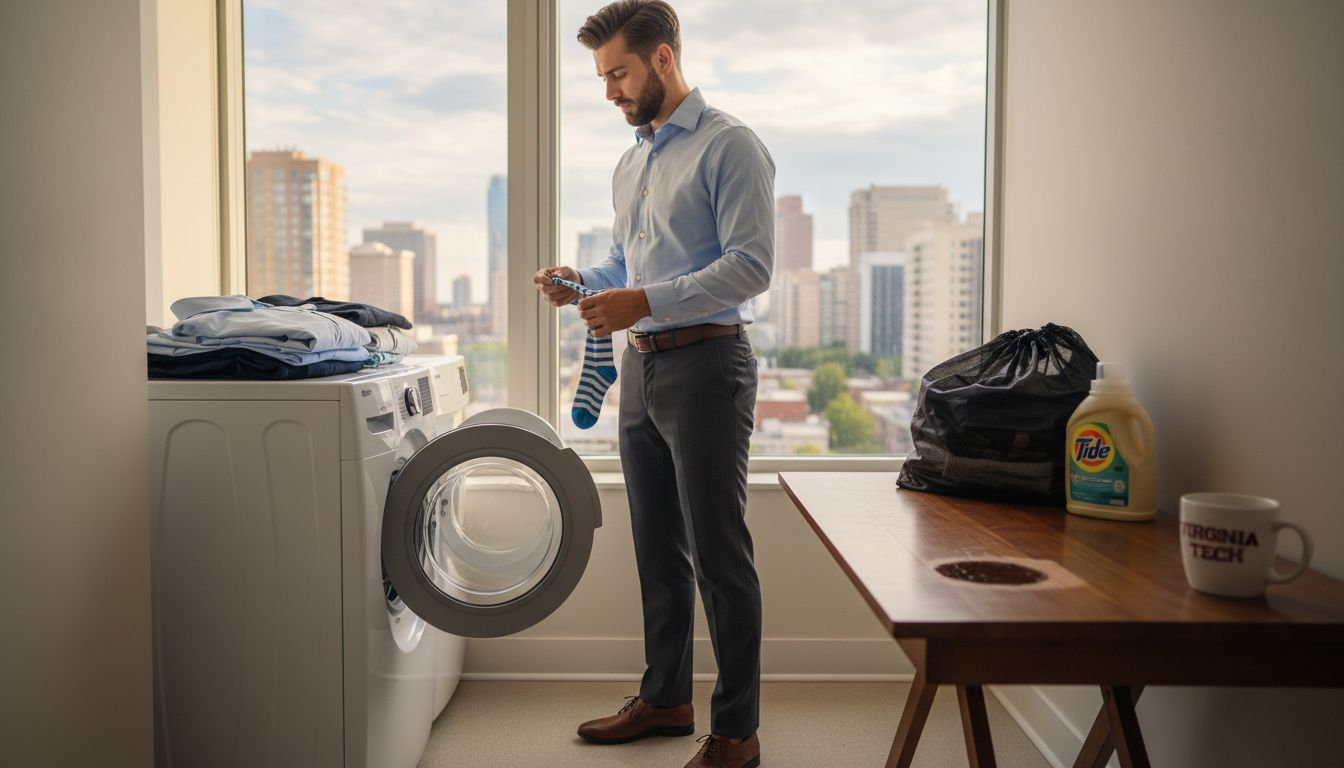
Columbia Pike Laundry offers pickup & delivery across Northern Virginia.
Over 65 percent of American professionals report that laundry is their most time-consuming household task, often cutting into valuable Arlington work hours. With demanding schedules and the pressure to keep every shirt crisp and linen fresh, finding smart laundry solutions becomes a top priority. This guide delivers practical steps and expert tips that bring true efficiency to the American routine, helping you balance a polished appearance with more free time every week.
Quick Summary
| Takeaway | Explanation |
|---|---|
| 1. Sort Laundry by Categories | Organize clothes into groups like whites, colors, and delicates to prevent damage and ensure proper care. |
| 2. Choose the Right Detergent | Use specialized detergents for various fabrics to enhance cleaning efficiency and preserve garment integrity. |
| 3. Act Quickly on Stains | Immediate stain treatment with the right method can prevent permanent damage and maintain a professional appearance. |
| 4. Employ Professional Folding Techniques | Proper folding maintains garment structure, minimizes wrinkles, and enhances overall presentation for your work attire. |
| 5. Optimize Laundry Pickup and Delivery | Schedule efficient laundry services and prepare items in advance to save time and streamline the process. |
1. Sort Smart: Separating Clothes for Best Results
Professional laundry care starts with strategic sorting a skill that can dramatically extend the life of your wardrobe. Understanding how to separate your clothing prevents damage, maintains color integrity, and ensures each garment receives optimal cleaning.
According to cleaning experts, the fundamental principle of sorting involves analyzing your clothing by color complexity, fabric weight, and soil level. The American Cleaning Institute recommends creating distinct sorting categories to protect your professional attire from potential damage.
Start by dividing your laundry into clear groups: whites, light colors, dark colors, and bright or vibrant items. Separate delicate fabrics like silk or wool from sturdy cotton or denim pieces. Heavy work pants and dress shirts should be washed separately from lightweight dress shirts or blouses.
Pay special attention to heavily soiled work clothing. Pants with dirt or grime from construction sites or outdoor work should be washed separately from more delicate office wear. This prevents cross-contamination and ensures each garment receives appropriate cleaning intensity.
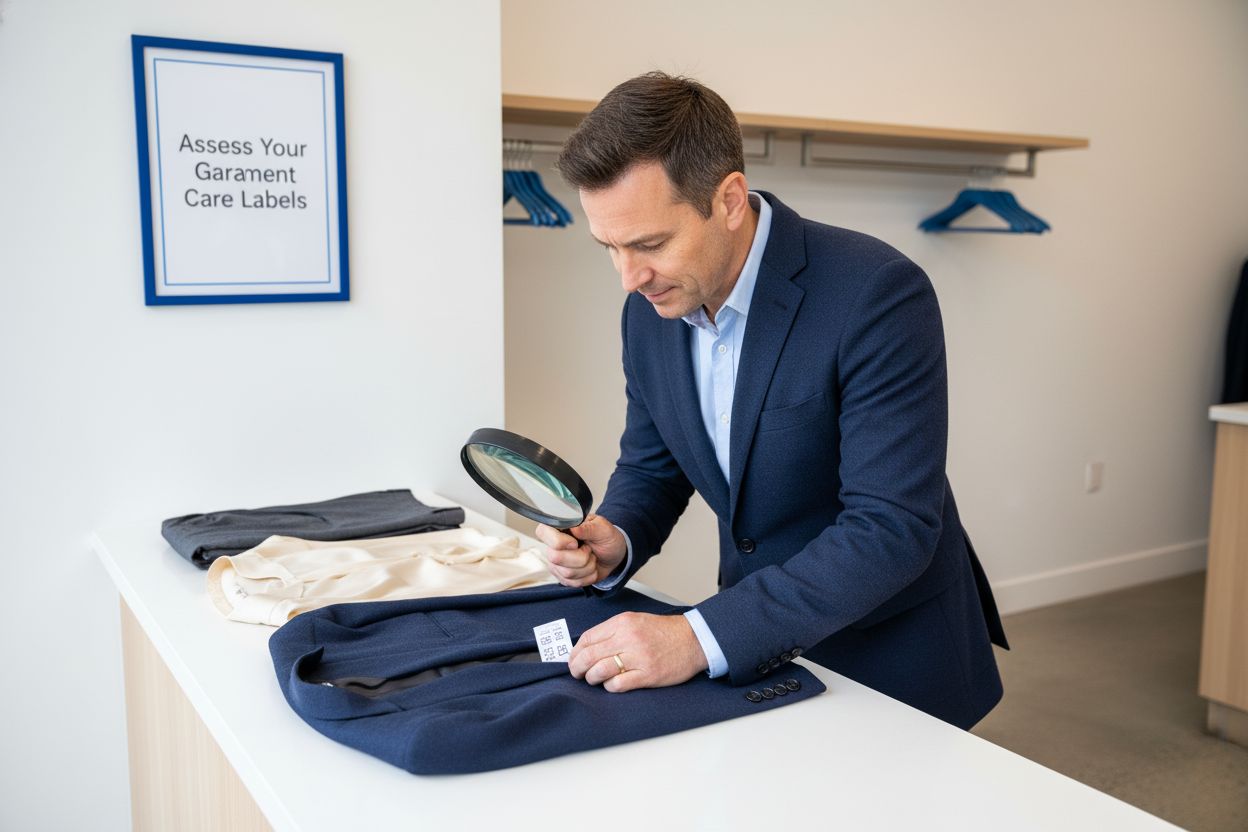
Check care labels meticulously. Some professional garments require special handling or specific water temperatures. Wool suits, silk blouses, and tailored blazers often need gentler washing cycles or even professional dry cleaning.
Pro tip: Invest in mesh laundry bags for delicate items like dress shirts with french cuffs or silk blouses to provide an extra layer of protection during washing.
2. Choose the Right Detergent for Work Attire
Your professional image starts with impeccably clean clothing that maintains its crisp appearance and quality. Selecting the right detergent is more than a simple shopping decision it is a strategic choice that directly impacts your work wardrobe’s longevity and presentation.
Professional attire demands specialized cleaning solutions that address unique fabric challenges. Annual detergent performance tests reveal significant variations in how different products handle work clothing stains, fabric preservation, and overall garment care.
Stain Performance Matters. For professionals who encounter daily workplace challenges like coffee spills, ink marks, or lunch remnants, selecting a detergent with superior stain removal capabilities is crucial. Look for formulas specifically designed to target protein and oil based stains common in office environments.
Fabric Protection is Key. High quality work attire represents a significant investment. Detergents with gentle formulations help preserve fabric integrity, preventing premature wear and maintaining the sharp look of dress shirts, blazers, and tailored pants.
Consider Skin Sensitivity. Many professionals have sensitive skin that reacts to harsh chemical detergents. Hypoallergenic and fragrance free options can prevent skin irritation while still delivering excellent cleaning performance.
Concentration Matters. Professional grade detergents often provide more concentrated cleaning power. This means you can use less product per load while achieving superior results a smart approach for both your clothing and your budget.
Pro tip: Always read garment care labels and perform a spot test with new detergents to ensure compatibility with your specific work attire fabrics.
3. Quick Stain Removal Techniques for Busy Schedules
Professionals understand that a single stain can compromise an entire outfit making stain removal an essential skill for maintaining a polished appearance. Time is of the essence when addressing unexpected spills and marks on work attire.
Rapid stain treatment techniques are critical for preserving clothing and preventing permanent damage. The key is acting quickly with the right approach for each specific type of stain.
Immediate Action Steps
First and foremost understand that time is your greatest ally in stain removal. The moment a stain occurs start treatment immediately. Keep a small emergency stain removal kit in your workspace or briefcase with items like white vinegar, hydrogen peroxide, and a portable stain removal pen.
Understand Stain Types
Different stains require different approaches. Protein based stains like coffee or food require cold water treatment while oil based stains need grease cutting solutions. Understanding the stain composition helps select the most effective removal method.
Fabric Specific Strategies
Not all fabrics respond the same way to stain treatments. Delicate materials like silk or wool need gentler approaches compared to sturdy cotton or polyester blends. Always check garment care labels before applying any treatment.
Emergency Workplace Stain Kit Essentials • Portable stain removal pen • White vinegar • Hydrogen peroxide • Clean white cloth • Bottled water
Pro tip: Keep a spare white dress shirt at your workplace or in your car for true emergency wardrobe replacements.
4. Use Professional Folding for a Polished Look
Your clothing speaks volumes before you say a word professional folding transforms clean laundry from merely functional to meticulously curated. Proper folding techniques can elevate your wardrobe presentation and extend the lifespan of your work attire.
Professional folding methodologies are more than just stacking clothes they represent a strategic approach to garment care and presentation. The way you fold directly impacts how crisp and prepared your clothing appears.
Dress Shirt Folding Technique
For dress shirts start by buttoning all buttons and laying the shirt face down. Fold the sides inward creating a neat rectangle. Fold the bottom third up followed by the top third down. This method minimizes wrinkles and creates a compact square perfect for suitcases or closet storage.
Work Trousers and Slacks
Trouser folding requires precision. Hang pressed slacks on hangers when possible. If folding is necessary fold along the natural crease line. Avoid creating additional creases that could compromise the professional appearance of your pants.
Efficient Workspace Setup
Create a dedicated folding area with a clean flat surface. Work quickly after removing clothes from the dryer to prevent wrinkle formation. Smooth each garment with your hands as you fold to ensure crisp edges and a polished look.
Quick Folding Priorities • Minimize wrinkles • Maintain garment structure • Create consistent size and shape • Fold immediately after drying
Pro tip: Invest in slim velvet hangers to maintain the shape of dress shirts and prevent shoulder dimpling.
5. Customize Preferences for Sensitive Skin or Fabrics
Professionals with sensitive skin or specialty fabrics need a targeted laundry approach that protects both their health and wardrobe. One size does not fit all when it comes to cleaning delicate garments and managing skin sensitivities.
Dermatologist recommended laundry routines emphasize the critical importance of understanding your unique textile and skin requirements. The right strategy can prevent irritation and fabric damage while maintaining a crisp professional appearance.
Hypoallergenic Detergent Selection
Choose detergents specifically formulated for sensitive skin. Look for products labeled fragrance free, dye free, and with minimal chemical additives. These formulations minimize potential skin reactions and are gentler on specialized fabrics like merino wool or technical performance wear.
Temperature and Rinse Cycle Considerations
Cold water washing reduces the likelihood of chemical interactions that might trigger skin sensitivity. Utilize an extra rinse cycle to ensure complete detergent removal particularly for undergarments and workout clothing that directly contact skin.
Fabric Specific Approaches
Delicate fabrics require individualized care. Silk blouses need different treatment compared to cotton dress shirts. Always check garment labels and consider using mesh washing bags for extra protection during cleaning.
Sensitive Skin Laundry Priorities • Avoid harsh chemicals • Use fragrance free products • Select gentle wash cycles • Rinse thoroughly • Air dry when possible
Pro tip: Keep a separate laundry load for sensitive items to prevent cross contamination with standard clothing.
6. Optimize Pickup and Delivery for Time Savings
Time is the most valuable currency for Arlington professionals. Strategic laundry pickup and delivery services can transform your weekly routine from a time consuming chore to a seamless background task.
Logistical optimization strategies reveal that effective scheduling and communication are key to maximizing laundry service efficiency. The right approach can save professionals hours each week.
Digital Scheduling Tools
Leverage mobile apps and online platforms that allow precise scheduling. Select pickup times that align perfectly with your work schedule. Look for services offering real time tracking and immediate confirmation to minimize uncertainty.
Preparation Efficiency
Minimize pickup time by pre sorting and organizing your laundry. Use designated laundry bags or hampers that make it easy for pickup personnel to quickly collect and process your items. Group similar items together and remove any non laundry objects.
Communication Protocols
Establish clear communication channels with your laundry service. Provide specific instructions about fabric care, stain treatment preferences, and any special requirements. Clear communication reduces errors and processing time.
Pickup Optimization Strategies • Schedule consistent weekly pickups • Use digital booking platforms • Prepare laundry in advance • Provide clear care instructions • Select services with flexible timing
Pro tip: Create a designated staging area near your front door for laundry pickups to streamline the process and reduce morning preparation stress.
7. Maintain Linens and Bulky Items with Expert Care
Professionals understand that linens and bulky items represent significant investments requiring specialized cleaning approaches. Proper maintenance extends the lifespan of these essential textiles and ensures a polished professional appearance.
Comprehensive linen management guidelines emphasize the importance of systematic handling and cleaning protocols. Different fabrics and items demand unique care strategies to preserve their quality and functionality.
Sorting and Separation
Begin by sorting bulky items like comforters, blankets, and specialized workwear separately from standard clothing. Heavy fabrics require different washing temperatures and detergent concentrations to prevent damage and maintain textile integrity.
Temperature and Cycle Selection
Select washing cycles that match the specific fabric composition. Delicate linens need gentler treatment compared to robust work uniforms or industrial towels. Pay close attention to care labels and adjust water temperature accordingly.
Drying and Storage Techniques
Properly dry bulky items by using appropriate dryer settings or air drying. Avoid overcrowding dryers which can lead to uneven drying and potential fabric damage. Store clean linens in cool dry spaces to prevent moisture buildup and potential mildew.
Linen Care Priorities • Separate by fabric weight • Match wash cycles to textile type • Use appropriate water temperatures • Avoid overloading machines • Inspect items for wear and tear
Pro tip: Invest in mesh laundry bags for delicate linens to provide an extra layer of protection during washing and drying.
Below is a comprehensive table summarizing the main strategies and recommendations for effective professional laundry care as discussed in the article.
| Key Aspect | Details |
|---|---|
| Sorting Clothes by Type | Separate laundry by color (whites, lights, darks, vibrant), fabric (delicates vs. durable), and soil level to prevent damage and maintain the quality of garments. Review care labels for fabric-specific instructions. |
| Choosing Appropriate Detergents | Prefer detergents tailored for professional attire with features like stain removal, fabric protection, hypoallergenic properties, and concentration for efficient cleaning. Test products before use. |
| Stain Removal Techniques | Address stains immediately. Keep an emergency stain removal kit and identify the stain type for appropriate treatment. Treat stains depending on substance properties and garment fabric. |
| Folding and Storage Practices | Use professional folding methods for a polished appearance and to prevent wrinkles. For instance, fold dress shirts into compact rectangles and follow trouser crease lines. Ensure immediate folding post-laundry for optimal results. |
| Care for Sensitivity Issues | For sensitive skin or specialty fabrics, use fragrance-free, gentle detergents, cold water, and additional rinse cycles. Separate these items during laundry to prevent contamination and preserve garment integrity. |
| Efficient Pickup And Delivery | Utilize app-based laundry services to save time. Prepare laundry loads for efficient pickup, provide specific care instructions, and ensure optimal practices for convenient scheduling and processing. |
| Linen and Bulky Item Care | Separate linens and bulky items by fabric type and weight. Use appropriate washing cycles and temperatures, avoid overcrowding in dryers, and store items properly. Inspect for wear and address specific cleaning needs with care. |
Take Control of Your Arlington Professional Wardrobe with Columbia Pike Laundry
Managing the detailed needs of your work attire in Arlington can be overwhelming. Whether you struggle with sorting delicate fabrics, removing tough stains quickly, or finding time for proper cleaning and folding, Columbia Pike Laundry understands these challenges. Our family-owned service is designed to help you maintain a polished, professional look without the hassle. We specialize in handling everything from dress shirts and tailored blazers to bulky items and sensitive skin laundry preferences, providing in-house expertise you can trust.
Discover tailored solutions with our easy pickup and delivery options that fit your schedule and preserve your garments with precision. Explore our Laundry Relief tips for everyday care, or trust our expert Dry Cleaning services for delicate fabrics. Start transforming your laundry routine today by visiting Columbia Pike Laundry and scheduling your first pickup or drop-off. Reclaim your time and confidence with laundry care built around your professional lifestyle.
Frequently Asked Questions
How should I sort my laundry for professional attire?
Sorting laundry involves grouping items by color, fabric weight, and soil level. Start by separating whites, light colors, dark colors, and delicates to prevent damage and ensure optimal cleaning. This simple step can extend the life of your professional wardrobe by ensuring each piece receives appropriate care.
What type of detergent is best for work clothing?
Choose a detergent designed for professional attire that effectively removes stains while preserving fabric quality. Look for products targeted at tough stains and formulated for sensitive skin, if needed. Using the right detergent can enhance the longevity and appearance of your garments, keeping them looking crisp and fresh.
What quick actions can I take to remove stains from work clothes?
Immediately treat any stains with an appropriate solution based on the stain type to prevent permanent damage. For example, use cold water for protein stains like food or coffee and apply a grease-cutting solution for oil stains. By acting quickly, you can often prevent stains from setting and maintain a polished appearance.
How can I fold my work clothes for a neat presentation?
Use professional folding techniques to achieve a crisp look for your clothing. For dress shirts, button all buttons and lay the shirt face down, folding sides in to create a neat rectangle. Taking the time to fold garments immediately after drying can minimize wrinkles and enhance your overall presentation.
What should I consider when washing sensitive fabrics or items?
Select hypoallergenic detergents specifically formulated for sensitive skin, avoiding harsh chemicals or fragrances. Wash delicate items in cold water and rinse thoroughly to remove detergent completely. This careful approach prevents irritation and helps maintain the integrity of your sensitive fabrics.
Free pickup, expert care, delivered back to your door.
Popular Blog Articles




Meet the Author
Daniel Logan didn’t start CPL because he loved laundry. He started it because his family was drowning in time debt, and laundry was one of the biggest weights.
Mornings were chaos with two kids under 5. Evenings felt like catch-up. And weekends? Gone to sorting socks and folding piles.
He knew his story wasn’t unique. So he built a business that gave families like his just a little bit of breathing room one load at a time.
With no laundry experience but deep tech skills, Daniel rolled up his sleeves, doing every job himself while building systems that turned it into a modern laundry service that saves customers time, simplifies their lives, and delivers reliability they can count on.
That’s where CPL began. Not from a playbook, but from pain. From one dad trying to buy back time: for himself, and for every household like his.
Free pickup, expert care, delivered back to your door.