
Role of Logistics in Laundry Delivery: Saving Time for Arlington Families
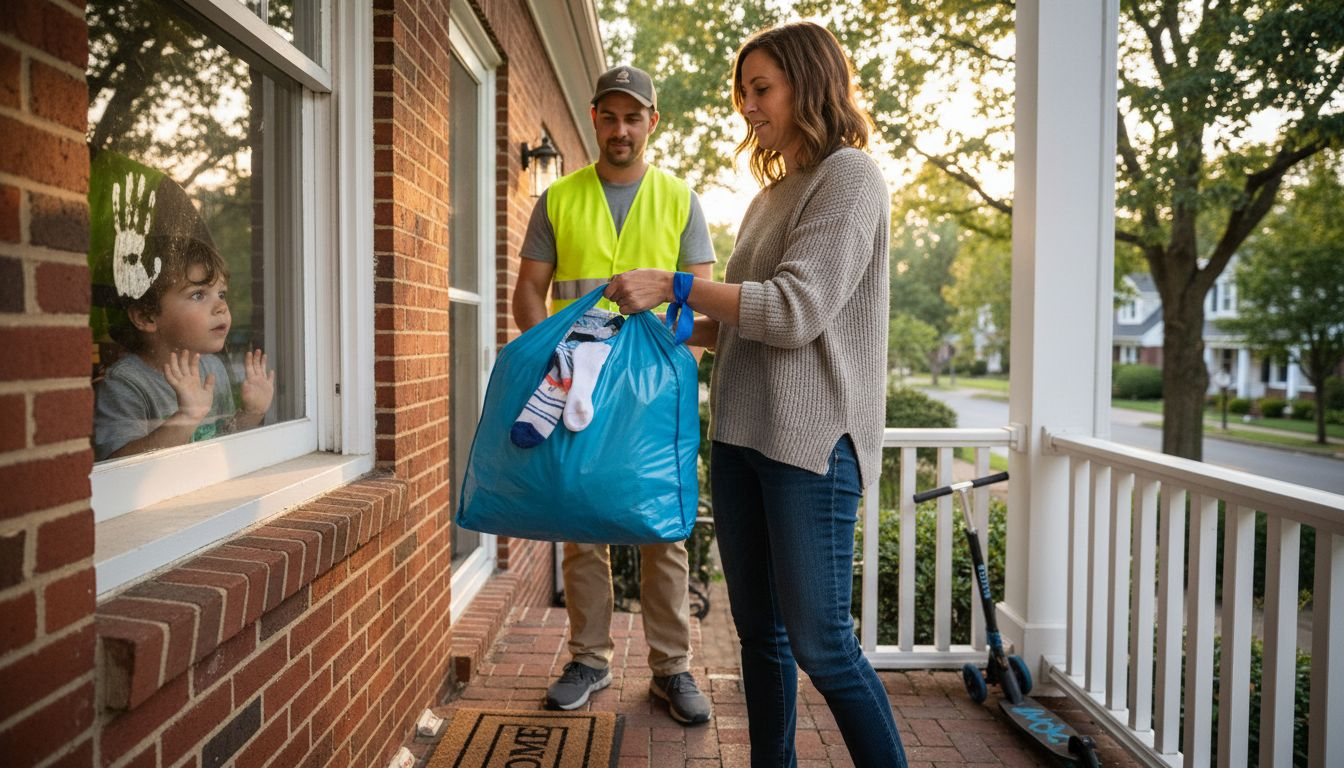
Columbia Pike Laundry offers pickup & delivery across Northern Virginia.
Every American parent knows how quickly the laundry piles up just living the Arlington routine. More than 60 percent of families say household chores take away precious hours each week that could be spent with their kids. That is why understanding how laundry delivery logistics work matters for anyone who wants more free time and less stress over managing clean clothes. Discover how these systems are built to keep your family’s wardrobe spotless and your schedule on track.
Key Takeaways
| Point | Details |
|---|---|
| Importance of Logistics | Efficient laundry delivery logistics streamline clothing care for families by automating processes and improving coordination. |
| In-House vs. Third-Party Logistics | Laundry services must evaluate whether to manage logistics internally or partner with third-party providers based on control, cost, and technology access. |
| Technology Utilization | Advanced scheduling, routing algorithms, and order tracking technology enhance efficiency, customer convenience, and service reliability. |
| Quality Control Standards | Rigorous hygiene and quality assurance protocols are vital to delivering exceptional laundry services and maintaining customer trust. |
Defining Laundry Delivery Logistics and Its Importance
Laundry delivery logistics represent a sophisticated operational framework designed to transform how Arlington families manage their clothing care needs. At its core, logistics involves the strategic planning and execution of transporting, storing, and delivering laundry services with maximum efficiency. Comprehensive logistics planning ensures that every step from pickup to delivery is seamlessly coordinated.
The complexity of laundry delivery logistics extends far beyond simple transportation. It encompasses intricate processes including scheduling, route optimization, inventory management, and precise customer communication. Efficient freight distribution principles are carefully applied to ensure that each garment moves through the system quickly and safely. For Arlington families juggling work, childcare, and personal commitments, this means transforming laundry from a time-consuming chore into a streamlined service.
Modern laundry delivery logistics leverage technology to enhance customer experience. Routing algorithms determine the most efficient pickup and delivery paths, while digital platforms allow real-time tracking and personalized service preferences. This technological integration means families can schedule pickups, specify cleaning instructions, and receive updates with unprecedented convenience. The goal is not just clean clothes, but reclaiming valuable personal time that would otherwise be spent on laundry tasks.
Pro tip: Schedule your laundry pickups during consistent weekly time slots to maximize efficiency and reduce logistical complexity for both you and your service provider.
In-House vs. Third-Party Laundry Logistics
Laundry service providers face a critical strategic decision when determining their operational approach: managing logistics internally or partnering with external specialists. Third-party logistics (3PL) represents an increasingly popular option for businesses seeking specialized expertise and scalable solutions. Third-party logistics strategies allow companies to leverage external capabilities while maintaining core service quality.
In-house logistics offers Arlington laundry services distinct advantages, particularly around direct quality control and service customization. By maintaining complete operational oversight, businesses can ensure precise handling of customer garments, implement specialized cleaning protocols, and rapidly respond to unique customer requirements. However, third-party logistics providers bring sophisticated technological infrastructure, advanced routing algorithms, and economies of scale that can significantly optimize service delivery.

The decision between in-house and third-party logistics ultimately depends on multiple strategic considerations. Logistics make-or-buy decisions require careful evaluation of cost structures, technological capabilities, operational flexibility, and long-term business goals. For smaller laundry services, third-party logistics might provide access to advanced technologies and expertise that would be cost-prohibitive to develop internally. Larger operations might find greater value in maintaining complete logistical control.
Pro tip: Conduct a comprehensive cost-benefit analysis comparing in-house logistics expenses against potential third-party provider fees before making your final operational strategy decision.
Below is a comparison of key factors to consider when choosing between in-house logistics and third-party providers:
| Factor | In-House Logistics | Third-Party Logistics |
|---|---|---|
| Control Over Quality | Direct, hands-on supervision | Relies on provider standards |
| Technology Access | Requires internal investment | Uses advanced existing platforms |
| Scalability | Limited by own resources | Flexible, easily scalable |
| Cost Structure | Fixed employee and equipment | Variable fees based on usage |
| Customization | Highly tailored to customers | Standardized but some options |
Scheduling, Routing, and Order Tracking Technology
Modern laundry delivery services leverage sophisticated technological solutions to transform logistics management. Digital scheduling systems have revolutionized how laundry providers optimize their operational workflows, enabling precise coordination of pickup, cleaning, and delivery processes. Supply chain scheduling technologies allow businesses to batch jobs efficiently, minimizing total operational costs and maximizing service reliability.
Routing technologies play a critical role in streamlining laundry delivery operations. Advanced algorithmic systems calculate the most efficient paths for pickup and delivery, considering factors like geographic proximity, traffic patterns, and customer time preferences. These intelligent routing solutions help laundry services reduce fuel consumption, minimize vehicle idle time, and provide more accurate estimated delivery windows for customers.

Real-time order tracking represents another transformative technological innovation in laundry logistics. Digital logistics tracking systems enable customers to monitor their laundry’s journey from pickup to final delivery through mobile applications and online platforms. This transparency builds customer trust by providing instant visibility into order status, estimated arrival times, and detailed service progress, effectively eliminating uncertainty and enhancing overall service experience.
Pro tip: Invest in a robust mobile application that provides comprehensive order tracking and real-time notifications to keep customers informed and engaged throughout the laundry delivery process.
Here’s a summary of the main technological tools used in modern laundry logistics and their impact:
| Tool | Purpose | Business Impact |
|---|---|---|
| Digital Scheduling | Coordinate pickups, deliveries | Boosts workflow efficiency |
| Routing Algorithms | Optimize delivery routes | Reduces fuel and labor costs |
| Order Tracking Apps | Real-time order monitoring | Increases customer satisfaction |
| Communication Platforms | Enable instant updates | Enhances trust and transparency |
Ensuring Reliability and Quality Control
Quality control represents the cornerstone of exceptional laundry delivery services, requiring meticulous attention to every stage of the cleaning and delivery process. Hygiene standards are paramount, particularly in ensuring customer garments are treated with precision and care. Best practices for laundry operations demand rigorous protocols that prevent contamination and maintain the highest levels of cleanliness and safety.
Laundry services must implement comprehensive quality assurance mechanisms that go beyond basic cleaning. This includes systematic inspection processes, temperature-controlled washing techniques, and specialized handling for different fabric types. Advanced quality control systems utilize digital tracking to monitor each garment’s journey, ensuring consistent treatment, proper stain removal, and preservation of fabric integrity. Specialized equipment and trained staff play crucial roles in maintaining these high standards.
Regulatory compliance and adherence to industry guidelines are critical components of reliable laundry delivery services. Healthcare laundry quality guidelines provide comprehensive frameworks that extend beyond traditional cleaning practices. These standards encompass everything from initial garment sorting and pre-treatment to final packaging and delivery, creating a holistic approach to quality management that protects customer investments and builds long-term trust.
Pro tip: Develop a transparent quality control checklist that customers can review, demonstrating your commitment to maintaining the highest standards of cleanliness and care.
Common Pitfalls in Laundry Logistics Operations
Logistics operations in laundry delivery services are fraught with complex challenges that can dramatically impact service quality and customer satisfaction. Risk management in logistics reveals critical vulnerabilities that can undermine operational efficiency. Operational visibility stands as a primary concern, with many laundry services struggling to maintain comprehensive tracking and transparency throughout the delivery process.
One of the most significant pitfalls involves inadequate contingency planning and resource allocation. External factors like unexpected equipment failures, transportation disruptions, or sudden staff shortages can completely derail service delivery. Logistics distribution challenges demonstrate that businesses lacking flexible response mechanisms often experience prolonged service interruptions, leading to customer dissatisfaction and potential revenue loss.
Technological integration presents another critical challenge for laundry logistics operations. Many services fail to implement robust digital systems that can effectively coordinate pickup, cleaning, tracking, and delivery processes. This technological gap results in miscommunication, inefficient routing, and limited ability to provide real-time updates to customers. Successful laundry delivery services must invest in comprehensive technological infrastructure that enables seamless communication and precise operational coordination.
Pro tip: Develop a comprehensive risk management strategy that includes multiple backup systems and cross-trained staff to mitigate potential operational disruptions.
Simplify Your Laundry Routine with Smart Delivery Solutions
Managing laundry logistics can feel overwhelming when balancing the demands of family life in Arlington. This article highlights the challenges of scheduling pickups, optimizing routes, and maintaining quality control—all while saving precious time that could be spent with your loved ones. At Columbia Pike Laundry, we understand that controlling every detail of your laundry experience matters. Our in-house cleaning process combined with advanced scheduling and order tracking technology means your garments receive expert care from pickup to delivery.
Experience true Laundry Relief through our convenient pickup and delivery options that allow you to reclaim your day. Our online platform makes it easy to schedule services and set personalized preferences so your laundry fits seamlessly into your busy schedule. Don’t let laundry logistics add stress to your life. Visit Columbia Pike Laundry today and discover how our family-owned business brings trusted quality and time-saving technology directly to your doorstep.
Frequently Asked Questions
What is laundry delivery logistics?
Laundry delivery logistics refers to the strategic planning and execution involved in transporting, storing, and delivering laundry services efficiently. It includes scheduling, route optimization, inventory management, and customer communication to streamline laundry services for families.
How can technology improve laundry delivery services?
Technology enhances laundry delivery services through digital scheduling systems, routing algorithms, and real-time order tracking. These tools enable more efficient operations, reduce costs, and enhance customer satisfaction by providing transparency and convenience.
What are the advantages of using third-party logistics for laundry services?
Third-party logistics (3PL) allows laundry service providers to leverage specialized expertise, advanced technology, and scalability without the need for significant internal investment. This can lead to better service delivery and cost efficiency, especially for smaller operations.
What quality control measures should be implemented in laundry delivery services?
Quality control in laundry delivery involves rigorous hygiene standards, systematic inspection processes, and compliance with industry guidelines. Implementing quality assurance mechanisms ensures that garments are treated with care, maintaining cleanliness and fabric integrity throughout the process.
Recommended
Free pickup, expert care, delivered back to your door.
Popular Blog Articles



Meet the Author
Daniel Logan didn’t start CPL because he loved laundry. He started it because his family was drowning in time debt, and laundry was one of the biggest weights.
Mornings were chaos with two kids under 5. Evenings felt like catch-up. And weekends? Gone to sorting socks and folding piles.
He knew his story wasn’t unique. So he built a business that gave families like his just a little bit of breathing room one load at a time.
With no laundry experience but deep tech skills, Daniel rolled up his sleeves, doing every job himself while building systems that turned it into a modern laundry service that saves customers time, simplifies their lives, and delivers reliability they can count on.
That’s where CPL began. Not from a playbook, but from pain. From one dad trying to buy back time: for himself, and for every household like his.
Free pickup, expert care, delivered back to your door.