
Columbia Pike: Your Pickup and Delivery Laundry Service

Columbia Pike Laundry offers pickup & delivery across Northern Virginia.
Sunday afternoon has a way of disappearing. You start with good intentions. One load before lunch, another after errands, then towels, then the clothes that can’t sit in the dryer too long, then the pile on the chair that somehow became a second hamper. By evening, the weekend feels smaller than it should.
That’s why a pickup and delivery laundry service feels different from most household help. It doesn’t just remove a task. It changes the rhythm of your week. Instead of planning life around wash cycles, folding sessions, and “I need to switch that load,” you hand the whole thing off and get actual breathing room back.
The End of Laundry Day as You Know It
There’s a familiar kind of dread that shows up when laundry starts stacking up. It isn’t dramatic. It’s just steady. A basket in the hallway. Towels waiting for another cycle. Work clothes that need to be ready by Monday morning. Kids’ clothes mixed in with gym gear and bedding.
For a lot of people, the problem isn’t that laundry is hard. It’s that laundry never arrives alone. It lands on top of school pickup, work deadlines, grocery runs, dinner, and the thousand little things that keep a home moving. That’s when a simple laundry service stops feeling like a luxury and starts feeling like a smart decision.
Why this shift is happening
People aren’t just looking for cleaner clothes. They’re looking for fewer chores competing for attention. That helps explain why the global online laundry service market was valued at US$28.5 billion in 2023 and is projected to surge to US$273 billion by 2032, reflecting a major shift toward convenience and time-saving routines for busy households, according to Columbia Pike Laundry’s market overview.
Laundry day used to be a block of time. More people now want it to become a background service.
What relief actually looks like
Relief looks ordinary at first. It’s not hauling bags to the car. It’s not timing your return home around the dryer. It’s not standing over a bed folding fitted sheets when you’d rather be doing almost anything else.
It can mean:
- A calmer Sunday: You keep your weekend for rest, errands, or seeing people you like.
- Less mental clutter: One repeating task disappears from the weekly list.
- A smoother Monday: Clean clothes arrive ready to put away, not waiting in a basket.
That’s the quiet secret here. Outsourcing laundry isn’t about avoiding responsibility. It’s about deciding your time has better uses.
What Exactly Is a Pickup and Delivery Laundry Service
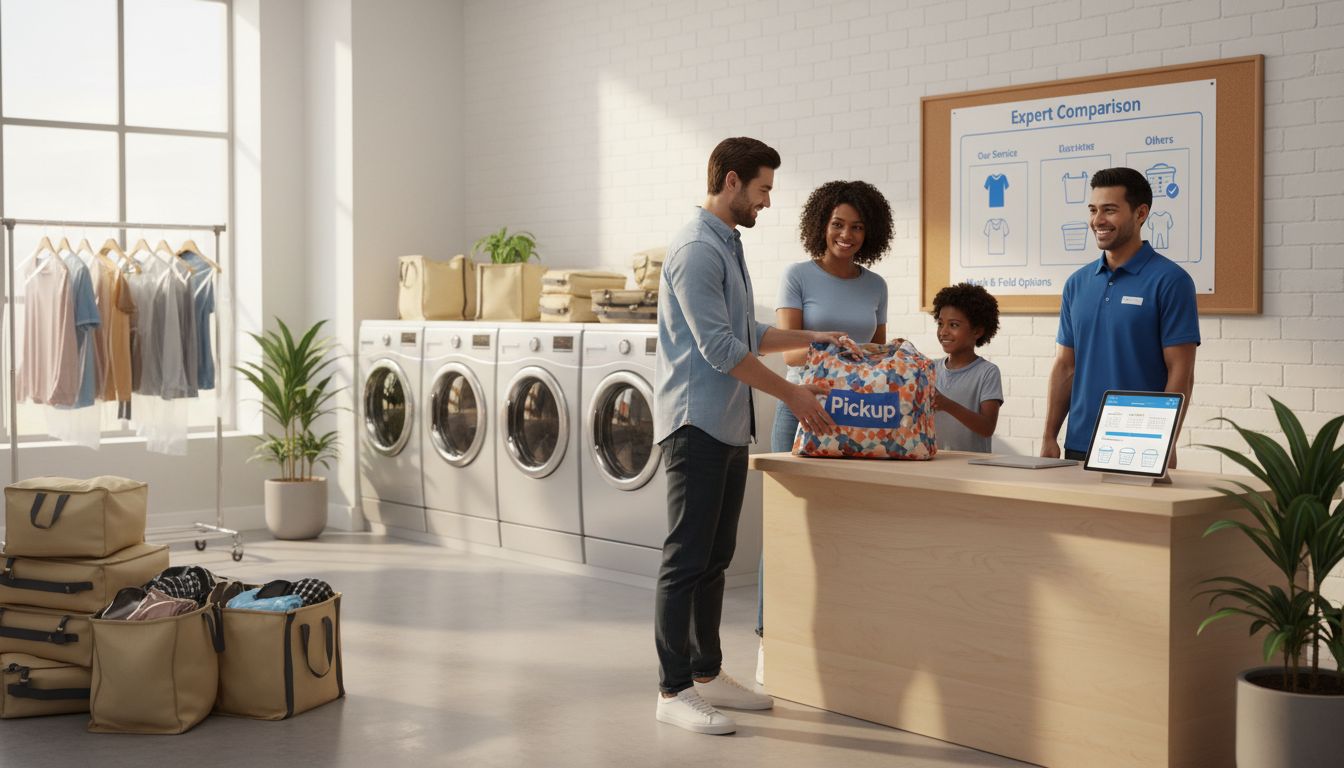
A pickup and delivery laundry service is a full garment-care system. You schedule a pickup, leave your items in a designated spot, and the service collects them, cleans them, folds or hangs them, and returns them to your door.
That’s different from a laundromat trip or a quick drop-off. You’re not driving, waiting for machines, transferring loads, or circling back later. The whole point is to remove the chore itself, not just part of it.
What happens behind the scenes
A well-run service usually includes:
- Scheduling: You choose a pickup window that fits your routine.
- Contactless handoff: Your clothes can be left on a porch, in a lobby, or with a concierge.
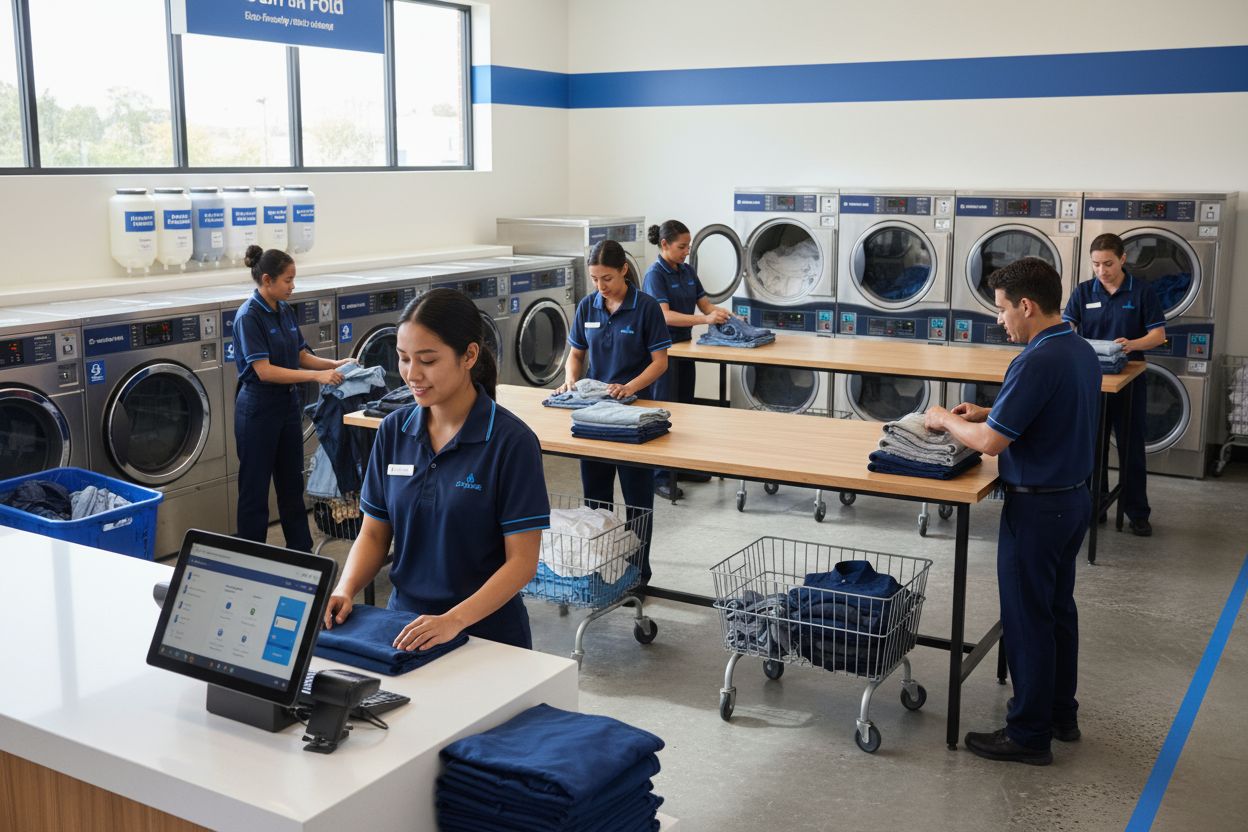
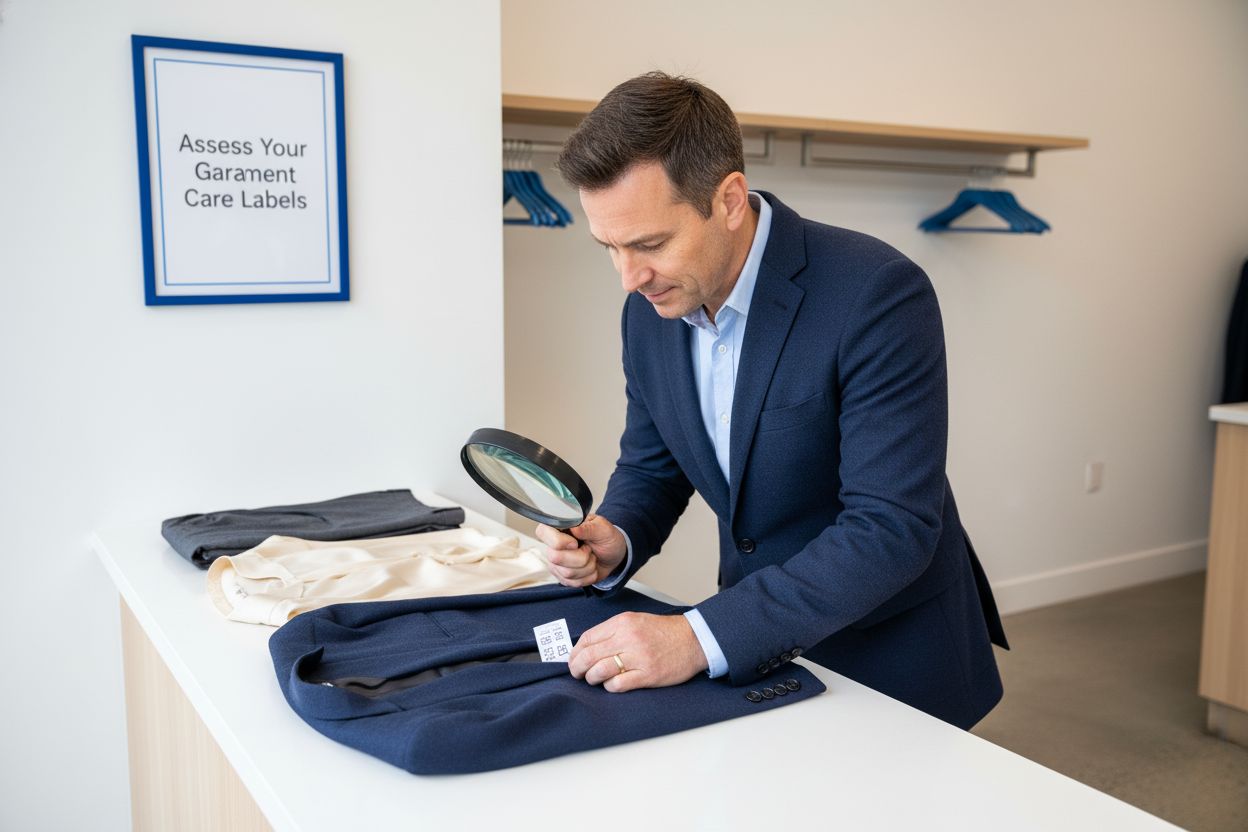
- Professional processing: Everyday items go through wash and fold. delicate or specialty garments can be separated for dry cleaning.
- Return delivery: Clean items come back ready for closets, drawers, or hangers.
This model has become more common for a reason. Pickup and delivery has become the fastest-growing segment in the laundry industry, with some operators multiplying revenue 19 times in three years by refining convenience and trust, as described by Try Cents in its overview of pickup and delivery laundry.
Why people sometimes hesitate
Most first-time customers don’t get stuck on the idea. They get stuck on the details.
They wonder if they need special bags. They wonder whether they have to be home. They wonder if everyday laundry and dry cleaning can go in the same order. They wonder whether this is reliable enough to fit into real life.
Those are good questions. The companies that do this well build clear systems around pickups, routing, notifications, and handoffs. If you're curious how delivery businesses think about those moving parts more broadly, this overview of solutions for delivery service challenges gives useful context for why route planning, communication, and service consistency matter so much.
The service should feel boring in the best way. You schedule it, leave the bag, and your clean clothes come back when expected.
That’s the standard people are looking for. Not a fancy experience. A dependable one.
How Our Laundry Service Works A Step-by-Step Guide
Many individuals expect this process to be more complicated than it is. It isn’t. Once you’ve used a pickup and delivery laundry service one time, the whole thing starts to feel as normal as grocery delivery.

Step 1 Schedule your order
You book online and choose the pickup window that works for your week. If you have notes, this is the time to add them. Maybe your building needs an entry code. Maybe you want the driver to pick up from the front desk. Maybe you need to separate everyday laundry from dry cleaning.
You can also set recurring service if you’d rather stop thinking about it altogether.
Step 2 Bag your items
For a first order, you usually don’t need anything fancy. A laundry bag, tote, or even a simple bag works. If you’re sending both wash and fold items and dry cleaning, place them in separate bags and label them if possible.
Before you set the bag out, do a quick pocket check. Pens, receipts, lip balm, and earbuds have a way of hiding until the worst possible moment.
Practical rule: Keep special-care items separate and leave a note if something needs extra attention.
Step 3 Leave the bag in your designated spot
You usually don’t need to be home. That’s one of the best parts. Many customers leave laundry on a porch, in a lobby, or with building staff.
If a service offers contactless pickup and delivery by default, that removes a lot of friction. You don’t need to pause work calls or adjust your whole day for a handoff.
Step 4 Your garments are sorted and cleaned
At this stage, the work shifts from your home to the facility. Everyday laundry is sorted, washed, dried, and folded. Dry-clean-only items are handled separately. Whites, colors, and delicates should be treated according to care needs, not tossed together.
Some services let you customize preferences such as detergent choice, fragrance-free washing, drying settings, and folding style. That matters more than people think, especially if someone in the household has sensitive skin or strong preferences about garment care.
Step 5 Turnaround depends on the service tier
A good system balances speed and workflow. Standard 48-hour service supports efficient processing, while a premium express option can guarantee sub-24-hour delivery by prioritizing the order, as explained in this guide to how laundry pickup and delivery service actually works.
That kind of tiered setup helps in real life. Sometimes you’re fine waiting for the standard return. Sometimes you need tomorrow’s clothes tomorrow.
Step 6 Clean items come back ready to use
When the order returns, the work is mostly done. Folded clothes can go straight into drawers. Dry-cleaned items usually come back on hangers. That final detail matters because it prevents the “clean but still in a bag” problem that happens after a rushed laundry day at home.
Choosing the Right Service for Your Garments
| Characteristic | Wash & Fold | Dry Cleaning |
|---|---|---|
| Best for | Everyday clothing, towels, sheets, gym wear | Suits, dresses, delicate fabrics, specialty garments |
| Cleaning method | Water and detergent | Gentle solvent-based cleaning |
| Return format | Neatly folded, sometimes hung on request | Usually returned on hangers |
| Care level | Routine household laundry | Fabric-specific professional care |
| Typical use | Weekly clothing and linens | Items that need extra protection or pressing |
One local option that offers this model is Columbia Pike Laundry, which provides wash and fold, dry cleaning, contactless pickup and delivery, and customizable laundry preferences for households and businesses.
Who This Service Is For Reclaiming Time for What Matters
The strongest reason to use a pickup and delivery laundry service isn’t the cleaning process. It’s what happens to your week after you stop doing it yourself.
The average household spends 1.5 to 2 hours per week on laundry. Outsourcing that chore can free up between 75 and 100 hours per year, according to Poplin’s discussion of laundry service time savings. That’s where the decision changes. You’re no longer comparing “do I want help with laundry?” You’re comparing what else you could do with that time.

For busy professionals
A long workweek drains more than energy. It eats the margins of your day. Laundry tends to land in those margins, usually late at night or on a weekend when you were supposed to recover.
For professionals, the benefit is often simple. Fewer chores means more uninterrupted time to prepare for the week, rest properly, or keep evenings from turning into maintenance sessions.
For families with children
Parents don’t deal with “laundry.” They deal with layers of laundry. School clothes, pajamas, towels, sports gear, bedding, and the mystery shirt someone needs tomorrow morning.
When that cycle lifts, the house often feels lighter. If you’re weighing whether it makes sense for a family routine, this article about schedule a laundry pickup for households speaks directly to the pressure busy parents feel.
Getting time back matters. Getting family energy back matters too.
For small business owners
Some businesses need clean linens, towels, uniforms, or recurring garment care, but they don’t need one more operational problem. If you’re running the front of the business, serving customers, and handling staff issues, laundry can become a nagging side task that keeps stealing attention.
In that situation, outsourcing isn’t indulgent. It’s operational cleanup. One less moving part for the owner to manage personally.
For older adults or anyone who wants less strain
Laundry involves carrying, bending, sorting, lifting wet items, and standing to fold. That can be tiring or uncomfortable. A pickup and delivery laundry service removes the physical part while keeping the result the same. Clean, ready-to-wear clothes without the exertion.
The real question to ask
Instead of asking, “Should I pay someone to do laundry?” try this question: “What would I do with 75 to 100 more hours in a year?”
A few answers come up often:
- More rest: a quieter weekend and fewer late-night chores
- More family time: outings, meals, or just being present
- More focus: less household backlog competing with work
- More self-care: exercise, reading, appointments, or recovery time
That’s why this choice often sticks. People don’t miss the chore once it’s gone.
Service Details Pricing Turnaround and Areas Served
At some point, the emotional benefit has to meet real-life logistics. You want to know what gets priced how, how quickly items come back, and whether your address is even covered.
How pricing is usually structured
Pickup and delivery laundry services often split pricing into categories rather than forcing everything into one system.
- Wash and fold: Charged by the pound for everyday laundry.
- Dry cleaning: Charged per item because garments need different handling.
- Bulky items: Comforters, bath mats, and similar pieces are often priced by the piece.
For Columbia Pike Laundry’s current rates for hassle-free laundry pickup, the pickup and delivery minimum is $50. That minimum helps support route efficiency and order handling for door-to-door service.
Turnaround expectations
For general planning, the standard turnaround is:
- Laundry: 48 hours
- Dry cleaning: 3 days, excluding Sunday
- Express laundry: less than 24 hours
If you need a specific garment back by a certain deadline for dry cleaning or a special case, it’s best to have a team member confirm it directly.
Service areas
Pickup and delivery service covers:
- Arlington
- Alexandria
- McLean
- Falls Church
- Springfield
- Fairfax
- Oakton
- Great Falls
- Washington, DC
- Surrounding areas
That coverage matters because route density helps make pickup windows reliable. For the customer, it means the service is built to function as part of a normal local routine, not as an occasional special arrangement.
Your Questions Answered and Your First Pickup
A few questions tend to show up right before someone tries a pickup and delivery laundry service for the first time.
Is my laundry washed with other people’s clothes
No. Your laundry is washed and dried separately. That protects privacy, supports hygiene, and helps ensure your order comes back as your order.
What if there’s an issue with my order
Reach out right away. A responsible service should address the problem clearly, whether that means re-cleaning an item or crediting the account. This is also where reputation matters. If you want a broader view of how customers judge service businesses before trying them, this piece on the impact of online reviews on reputation is useful context.
Do businesses use this too
Yes. Pickup and delivery isn’t only for households. Small businesses and service-based operations often use it for recurring laundry or linen needs, with custom invoicing or service arrangements depending on the account.
A first order doesn’t need to be a big leap. It can just be one week when you decide not to spend your evening folding clothes.
If you’ve been waiting for the perfect moment, this is probably it. Not because laundry suddenly became urgent, but because your time already is.
If you’re ready to buy back part of your week, Columbia Pike Laundry makes the first step simple. Schedule a pickup, leave your bag in a designated spot, and let clean, folded clothes come back to your door so your next free evening can actually feel free.
Free pickup, expert care, delivered back to your door.
Popular Blog Articles


Meet the Author
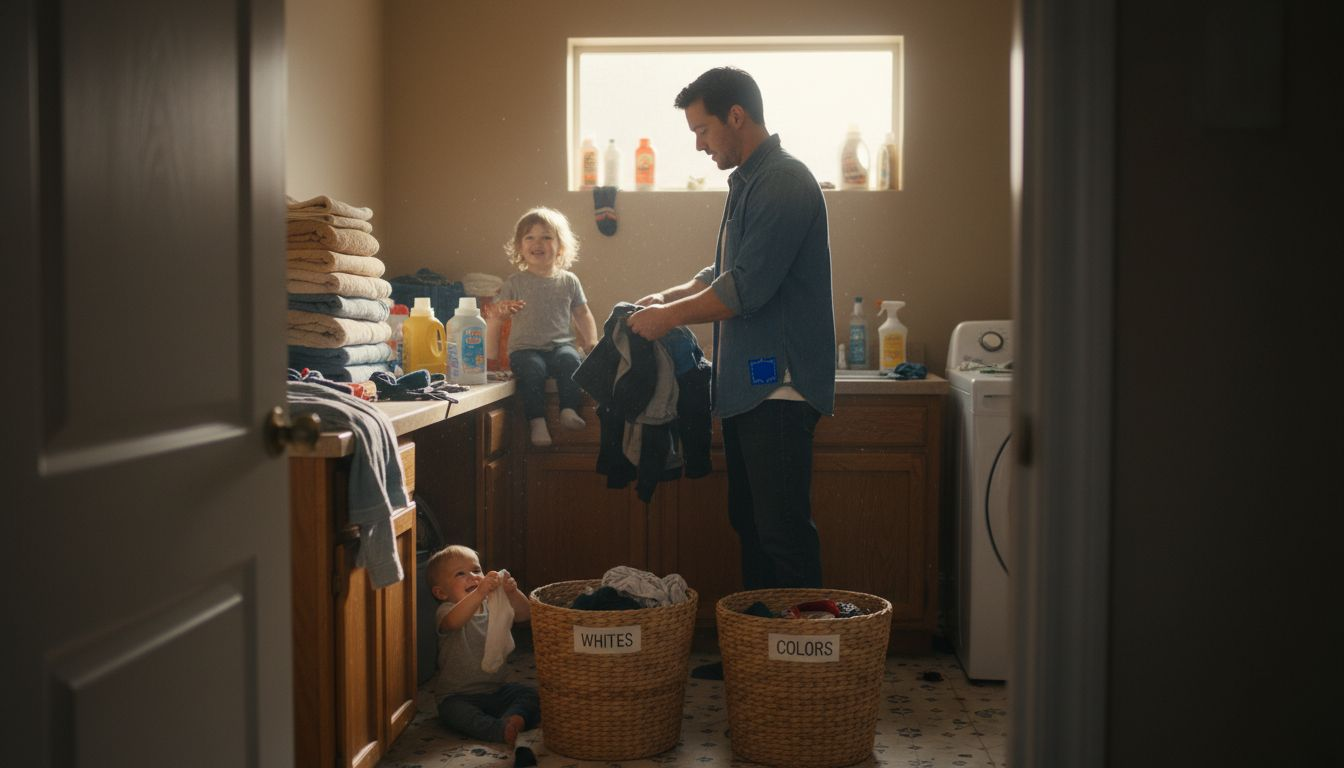
Daniel Logan didn’t start CPL because he loved laundry. He started it because his family was drowning in time debt, and laundry was one of the biggest weights.
Mornings were chaos with two kids under 5. Evenings felt like catch-up. And weekends? Gone to sorting socks and folding piles.
He knew his story wasn’t unique. So he built a business that gave families like his just a little bit of breathing room one load at a time.
With no laundry experience but deep tech skills, Daniel rolled up his sleeves, doing every job himself while building systems that turned it into a modern laundry service that saves customers time, simplifies their lives, and delivers reliability they can count on.
That’s where CPL began. Not from a playbook, but from pain. From one dad trying to buy back time: for himself, and for every household like his.
Free pickup, expert care, delivered back to your door.