
Reusable Cloth Dryer Sheets: A Busy Parent's Guide

Columbia Pike Laundry offers pickup & delivery across Northern Virginia.
You know the moment. You open the dryer, reach in for one shirt, and pull out a whole knot of laundry that seems determined to stay together. A skirt is glued to a sweater. Pajama pants crackle. One sock launches itself at your arm like it has a personal grudge.
That kind of laundry friction is small, but it adds up. It turns a basic household task into one more annoying thing to fix before the day can move on.
Reusable cloth dryer sheets help because they remove a layer of repeat decision-making from laundry. You toss them in, keep them in your routine, and stop buying boxes of single-use sheets that work once and then leave residue behind. For busy households, that is the primary appeal. Less clutter. Fewer last-minute store runs. A calmer system that works in the background.
What Are Reusable Cloth Dryer Sheets Anyway
Reusable cloth dryer sheets are washable fabric sheets designed to go into the dryer again and again. Instead of treating static as a one-load problem, they become part of a steady routine, like keeping matching baskets in the laundry room or sorting delicates before the week gets away from you.

Some are made from wool. Some use silicone. Some are woven synthetic fabrics made specifically to reduce static without added fragrance or waxy coatings. They all aim at the same result. Clothes come out easier to fold, easier to wear, and less likely to cling to each other or your skin.
Why they feel easier than disposables
Disposable dryer sheets often seem convenient until the box is empty, the scent is too strong, or towels start feeling coated. Reusable cloth dryer sheets fit better into a low-drama laundry setup because you're not constantly replacing them.
That matters in family homes. Systems beat intentions every time. If you already label school uniforms, camp gear, and daycare extras, it makes sense to shop reusable name labels at InchBug and build the same kind of repeatable simplicity into laundry itself.
Laundry gets easier when the tools don't need your attention every week.
There's also a fabric-care angle. Reusable options are often chosen by people who want unscented drying and less residue on clothes, sheets, and athletic wear. If that broader approach matters to you, this eco-friendly laundry guide 2026 is a helpful next read.
What they actually solve
They won't make laundry disappear. Nothing does. But they can remove a few recurring frustrations:
- Static cling on everyday synthetics like school uniforms, leggings, fleece, and polyester blends
- Overstuffed laundry cabinets full of half-used products
- One more item on the shopping list when household supplies run low
- Residue concerns for people who prefer fragrance-free laundry
That's why reusable cloth dryer sheets appeal to busy parents in particular. They're not only an eco-minded swap. They're a small way to make the whole routine feel less chaotic.
Finding the Right Reusable Sheets for Your Laundry
A busy laundry room does not need another product that sounds good in theory and turns into one more chore by week two. The right reusable sheet should make decisions easier, cut down on repeat purchases, and fit into the kind of routine you can keep even on a rushed school night.
The best choice depends on what slows your laundry down. Some households want stronger static control on synthetic fabrics. Others care more about fragrance-free drying, low residue, or having one less supply to restock.
Reusable dryer sheet comparison
| Sheet Type | Best For | Static Control | Lifespan | Maintenance |
|---|---|---|---|---|
| Wool reusable sheets or wool-based options | Synthetic-heavy loads, unscented routines, heat-pump dryers | High-quality wool reusable sheets can reduce static on synthetic fabrics by 60 to 75% for over 100 uses, according to industry testing summarized here | Long-lasting | Occasional refreshing or basic care |
| Silicone reusable sheets | Households that want long use with minimal fuss | Strong, steady static reduction in regular dryer use | Very long-lasting | Light maintenance, usually simple wiping |
| Commercial woven fabric sheets such as AllerTech | Sensitive skin, fragrance-free homes, bedding and baby-adjacent laundry | Good everyday performance without added chemicals or fragrances | Long-lasting, as noted earlier | Wash after the first few uses, then periodically |
| DIY cloth sheets with vinegar | Hands-on households that like making their own products | Can work well when prepared correctly | Reusable, but needs regular re-soaking | Highest maintenance of the group |
Three practical ways to choose
Start with your biggest pain point.
If static is what drives you crazy, wool and silicone usually give the most reliable results. They make the most sense for loads full of leggings, uniforms, fleece pullovers, polyester pajamas, and other cling-prone fabrics. They are a practical choice for families who want to toss something in the dryer and move on.
If skin sensitivity or fragrance-free laundry matters more, a commercial woven sheet is often the easier fit. These products are designed for repeat use without added scent, which can help keep the routine simple for bedding, baby clothes, and everyday basics. You get the convenience of a ready-made product without building a DIY system you have to maintain.
DIY cloth sheets appeal to people who already make cleaners, refill jars, and do not mind a little prep work. They can work well, but they ask for more attention. You need to mix, soak, wring, store, and refresh them regularly. For some homes that feels satisfying. For others, it is exactly the kind of tiny extra task that turns laundry into background stress.
Buying rule: Choose the option you will still use when you are tired and behind on laundry.
That rule saves more frustration than any product comparison chart. In real homes, the best laundry tool is usually the one that removes a decision, not the one with the most ambitious setup.
For households trying to simplify products across the whole wash-and-dry routine, this guide to using non-toxic softeners for professional cleaning is a useful companion read. It helps you choose fabric-care products with the same goal in mind: less clutter, fewer irritants, and a calmer system that keeps laundry from taking over the day.
Who each type suits best
- Wool or silicone suits households that want reliable performance and very little upkeep.
- Commercial woven sheets suit fragrance-free homes and families who want a ready-made option that stays predictable.
- DIY versions suit people who enjoy home projects and do not mind regular maintenance.
A good reusable sheet should take one recurring problem off your plate. That is where the value lies. Laundry feels lighter when the tools around it ask less from you.
Using and Maintaining Your Reusable Dryer Sheets
It usually happens on a weeknight. The dryer stops, you open the door, and you want the load finished in one move, folded, put away, done. Reusable dryer sheets help most when they fit that kind of real routine and do not ask for extra thought.
Use them the same way you would use a disposable sheet. Add one to a damp load at the start of the cycle, then take it out with the laundry at the end. The habit is simple, which is part of the appeal. A good laundry system should remove friction, not add another tiny job.
How they help with static
Reusable sheets reduce friction in the drum and help limit static buildup, especially if you are drying mixed everyday clothing instead of a full load of synthetics. As noted earlier, some materials perform better than others, but the practical takeaway stays the same. They work best when the load is not over-dried and clothes come out soon after the cycle ends.
That matters more than people expect. I see better results from good laundry habits than from chasing stronger products. If shirts, pajamas, and school clothes come out on time, static usually stays manageable and the whole load feels easier to deal with.
A routine that keeps them useful
A few habits make reusable sheets more reliable:
- Start the load with the sheet already in the drum. Dropping it in late cuts down the contact time.
- Dry similar fabrics together when you can. Heavy towels mixed with lightweight synthetics are a common recipe for cling.
- Avoid pushing every load to bone-dry. Overdrying is one of the biggest causes of static.
- Take clothes out promptly. Letting dry laundry tumble or sit in the drum invites wrinkles and static back in.
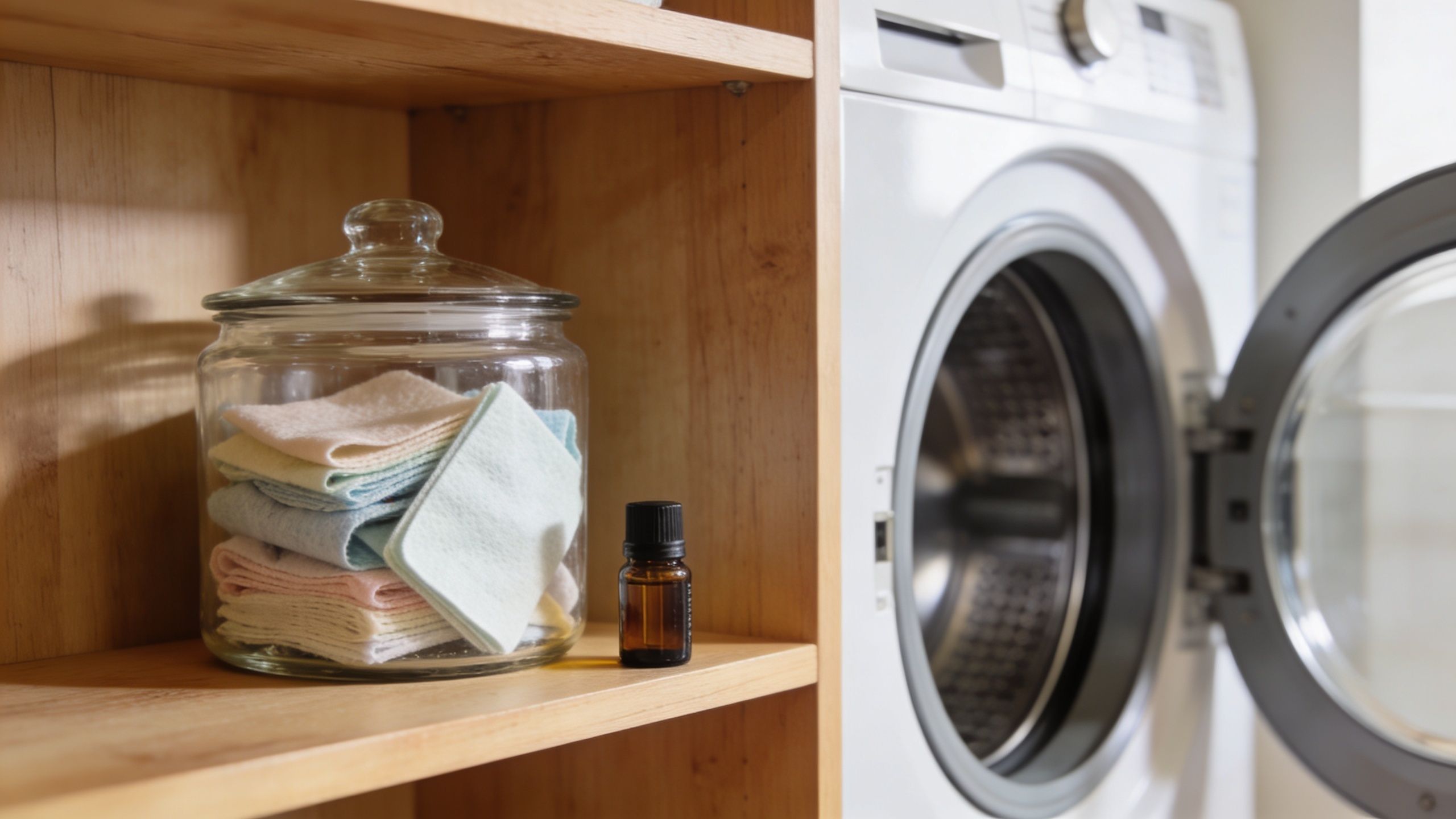
- Keep the sheet near the dryer. A jar, basket, or small hook works well because visible tools get used.
None of this is complicated. That is the point.
Maintenance without turning it into a project
Different reusable sheets need different levels of care. Silicone styles usually need a quick wipe now and then. Woven cloth sheets need an occasional wash so they do not collect residue from detergent, softener, or dryer lint.
For products with specific care instructions, follow the manufacturer's schedule rather than guessing. In practice, a quick check is enough. If the sheet looks grimy, feels stiff, or seems less effective than it did a month ago, clean it.
One practical rule has held up in my own laundry routine and in plenty of busy households. If a tool needs constant babysitting, it stops being helpful.
For wool-based pieces, keep them dry between loads and away from residue-heavy products. For woven cloth sheets, wash them before buildup gets obvious. A clean sheet works better, smells fresher, and saves you from troubleshooting a problem that is really just maintenance.
That is the bigger win here. Laundry feels calmer when the tools are easy to use, easy to find, and easy to keep going. Small systems like this give busy families a little breathing room, which is often what they needed in the first place.
Making Your Own Reusable Dryer Sheets at Home
DIY reusable cloth dryer sheets can work well if you like practical home projects and don't mind a little prep. They're also a good option if you prefer controlling every ingredient in your laundry routine.

The usual method is straightforward. Cut cloth squares, soak them in a vinegar-based mixture, wring them out well, and store them in a sealed jar until you need them.
A practical DIY recipe
A common starting recipe uses 100% cotton or bamboo cloth, cut into small squares, then soaked in a mixture of 1 cup white vinegar and 20 to 40 drops of essential oil, with optional hair conditioner added for lubricity, according to this DIY method summary.
A simple version looks like this:
- Choose the cloth first. Cotton is the easiest place to start. It's absorbent and easy to wash.
- Mix the solution. White vinegar does the softening work. Essential oil is optional if you want scent.
- Soak the cloths thoroughly. Let them sit so the liquid spreads evenly.
- Wring very well before use. This is the step people rush, and it's the reason many DIY sheets disappoint.
- Store in an airtight jar. That keeps the cloths ready without drying out too fast.
What goes wrong most often
DIY sheets have real trade-offs. The biggest one is oversaturation. If the cloth is too wet, it can leave residue and make the load feel off instead of fresh.
The same DIY source notes that vinegar has a pH of 2.4, and repeated use on synthetic fabrics can cause a 10% loss in tensile strength after about 50 cycles. That doesn't mean every household should panic. It means this method is better for people who pay attention to fabric type and use it with some restraint.
If your wardrobe includes a lot of activewear, stretchy kids' clothes, or synthetic uniforms, test DIY sheets on lower-stakes loads first.
When DIY makes sense and when it doesn't
DIY works best when you like the ritual of making household staples. It can feel satisfying to prep a jar once and pull from it through the week.
It works less well when your schedule is already crowded. Re-soaking, wringing, and refreshing scent adds another task to a routine that may already be packed.
A few habits make DIY more reliable:
- Use unscented if sensitivity is an issue. Essential oils aren't required for the sheet to function.
- Keep them damp, not dripping. That's the line between helpful and messy.
- Use them on appropriate fabrics. Natural fibers tend to be a safer testing ground than synthetic-heavy loads.
- Wash the cloths regularly. Reusable still needs clean.
Homemade reusable cloth dryer sheets can absolutely earn a spot in a laundry room. They're just best for people who want a project, not people trying to eliminate one.
Troubleshooting Static and Scenting Problems
Reusable cloth dryer sheets are simple, but simple doesn't mean foolproof. If they're not giving you the result you expected, the issue is usually in the load, the dryer setup, or the condition of the sheet.
Still getting static
Start with the basics. Loads that are dried too long often build static no matter what product you use. Synthetic items also create more cling than cotton-heavy loads, so one reusable sheet may feel great on bedding and less impressive on a pile of leggings.
Try this checklist:
- Reduce over-drying. Stop the cycle when clothes are dry, not baked.
- Loosen packed loads. Airflow matters. Crowded laundry doesn't tumble evenly.
- Group similar fabrics together. Polyester fleece, uniforms, and workout wear often need a little more attention than towels or sheets.
- Wash the reusable sheet if it looks tired. A dirty tool won't perform like a clean one.
If static is a constant battle in your home, these tips for static-free laundry can help you troubleshoot the whole routine, not just the dryer sheet.
The scent faded fast
That's normal with reusable products, especially if you've switched away from heavily fragranced disposables. What many people read as “no scent” is “clean without perfume.”
If you're using a DIY version, scent can drop off quickly when cloths sit exposed or the oils oxidize. A sealed container helps. So does accepting a lighter result. Laundry doesn't need to smell like a candle aisle to be clean.
Clean fabric usually smells like almost nothing. That's often a good sign.
When to change course
If you've adjusted the load, cleaned the sheet, and still don't like the result, switch types. A woven fabric sheet may suit your household better than a DIY cloth. Wool may suit you better than silicone. The goal isn't loyalty to one method. The goal is fewer irritating moments in the middle of a busy week.
That's the right standard for any laundry tool. If it adds hassle, it's not helping enough.
Your Reusable Dryer Sheet Questions Answered
Are reusable sheets safe for baby clothes
A lot of parents ask this after one rough week of laundry. The baby is finally asleep, the last load is dry, and the only thing you want is a routine you do not have to second-guess.
Reusable sheets can be fine for baby clothes if you keep the routine simple. Choose fragrance-free options, skip heavily oiled DIY cloths, and wash the reusable sheets regularly. Pure Eco Sheet notes that periodic washing matters for hygiene and for reducing the chance of transfer between loads, especially around cloth diapers and other heavily soiled items: https://www.purecosheet.com
For baby items, plain usually works best. Fewer extras means fewer surprises.
Do they work in HE or heat-pump dryers
Sometimes. It depends on the material and the brand.
Some reusable dryer products are made for a wide range of dryer settings, while others perform better only under standard heat and tumble conditions. Check the care instructions before you buy. That small step saves the kind of trial-and-error that turns a simple laundry tool into one more household annoyance.
Are they worth it if life already feels full
They are worth it when they remove friction from your week. Reusable cloth dryer sheets can cut down on repeat shopping, reduce packaging clutter, and give you one less thing to remember at the store. That is a real win for busy households.
They also ask a little from you. You have to keep track of them, wash them, and replace them when they stop helping. For some families, that trade-off feels easy. For others, it is still one more moving part.
The right answer is the one that makes laundry feel calmer, not more complicated.
Sometimes that means using reusable sheets at home. Sometimes it means admitting the bigger relief comes from taking laundry off your plate entirely.
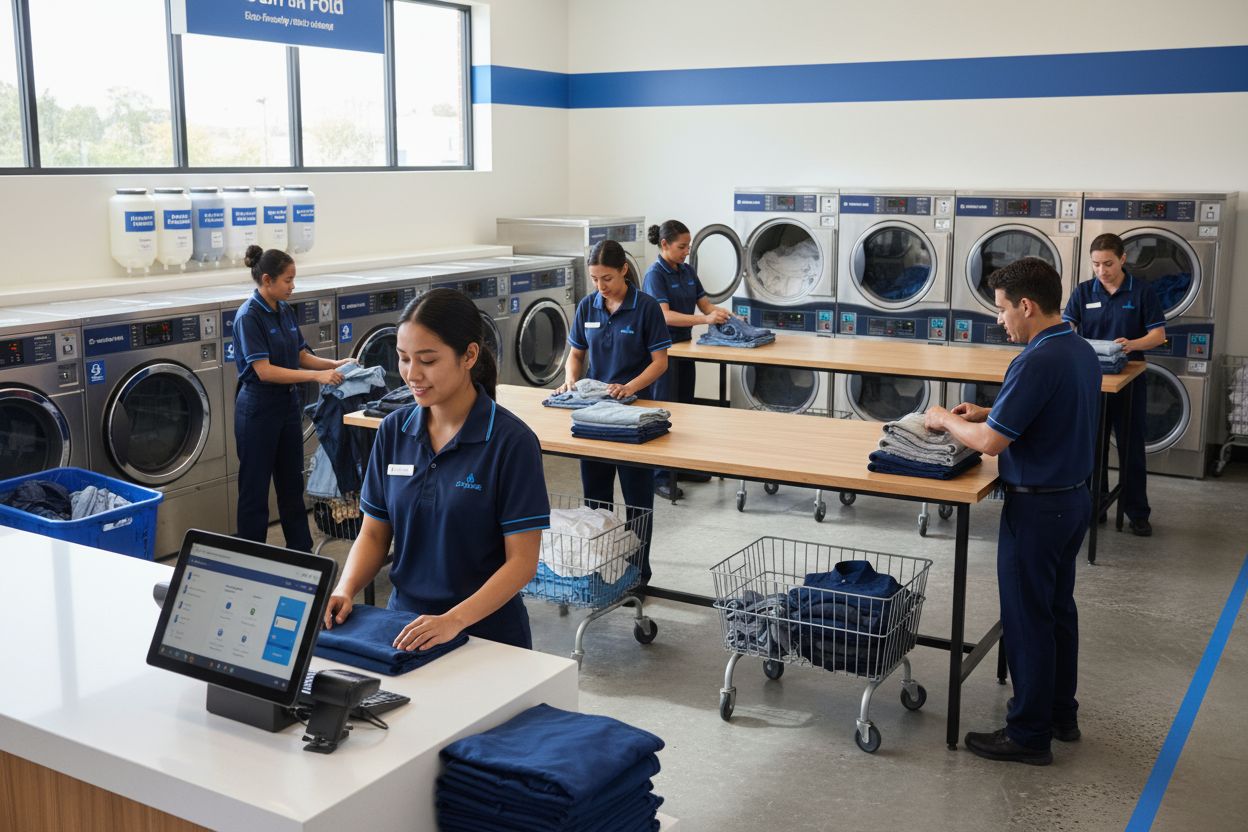
If laundry keeps eating up your evenings, Columbia Pike Laundry can take it off your list with pickup and delivery, careful fabric separation, fragrance-free options, and professional cleaning that helps busy families get back time, calm, and a little more breathing room.
Free pickup, expert care, delivered back to your door.
Popular Blog Articles



Meet the Author
Daniel Logan didn’t start CPL because he loved laundry. He started it because his family was drowning in time debt, and laundry was one of the biggest weights.
Mornings were chaos with two kids under 5. Evenings felt like catch-up. And weekends? Gone to sorting socks and folding piles.
He knew his story wasn’t unique. So he built a business that gave families like his just a little bit of breathing room one load at a time.
With no laundry experience but deep tech skills, Daniel rolled up his sleeves, doing every job himself while building systems that turned it into a modern laundry service that saves customers time, simplifies their lives, and delivers reliability they can count on.
That’s where CPL began. Not from a playbook, but from pain. From one dad trying to buy back time: for himself, and for every household like his.
Free pickup, expert care, delivered back to your door.