
Role of Textiles in Laundry – Impact on Quality Care
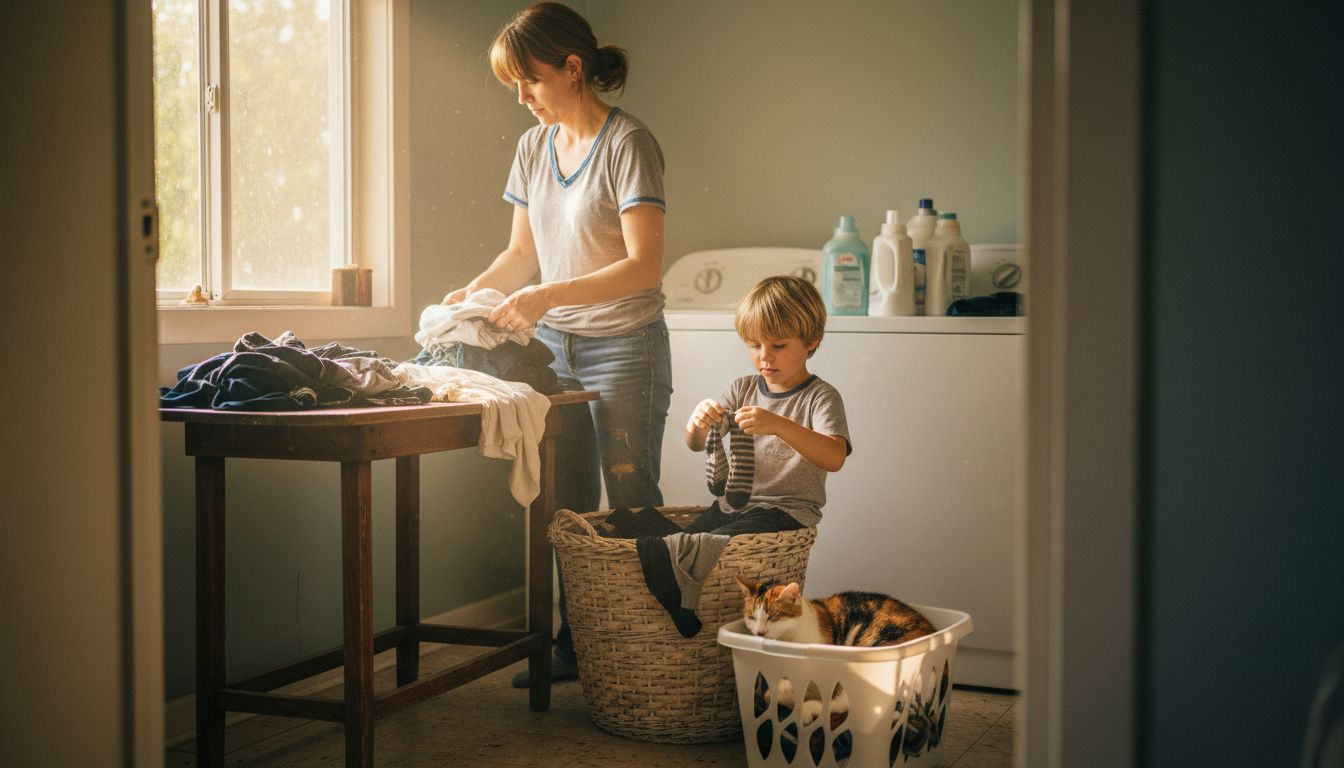
Columbia Pike Laundry offers pickup & delivery across Northern Virginia.
Every parent contends with the growing pile of laundry that seems to multiply overnight. Managing a household while balancing work in Arlington can make efficient and reliable laundry care feel out of reach. The way you treat different fabrics not only affects cleanliness but also influences environmental impact, as textile choices directly affect microplastic release and fabric longevity. Discover smarter strategies to handle laundry for both durability and sustainability, saving time while maintaining the quality of delicate garments.
Key Takeaways
| Point | Details |
|---|---|
| Understanding Fabric Properties | Different textiles require specific care protocols based on their composition, affecting cleaning effectiveness and garment longevity. |
| Environmental Considerations | Textile selection impacts microplastic release and resource consumption, emphasizing the need for sustainable laundering practices. |
| Proper Sorting and Care | Always check garment labels and sort by fabric type to optimize cleaning performance and minimize damage. |
| Hygiene and Contamination | Implement robust cleaning strategies, especially for high-risk textiles, to effectively mitigate bacterial contamination and ensure safety. |
Textiles in Laundry: Function and Importance
Textiles are integral to the laundry process, serving far more than just aesthetic purposes. Each fabric type carries unique characteristics that significantly impact cleaning, durability, and overall garment maintenance. Microfiber shedding patterns demonstrate how different textile compositions influence laundering outcomes.
The functional roles of textiles in laundry extend across multiple dimensions:
- Absorption: Different fabrics capture and release moisture at varying rates
- Fiber Resilience: Some materials withstand repeated washing better than others
- Thermal Sensitivity: Textile composition determines appropriate washing temperatures
- Environmental Impact: Fabric choices directly affect microplastic release
Understanding textile properties enables more effective cleaning strategies. Natural fibers like cotton and wool require gentler handling compared to synthetic materials such as polyester and nylon. Each fabric demands specific care protocols to maintain its structural integrity and appearance.
Textile selection is not just about comfort—it’s about sustainable, intelligent laundering practices.
Professional cleaning services recognize that textile management involves complex environmental considerations. The way we wash, dry, and maintain our fabrics directly impacts resource consumption and waste generation.
Pro tip: Always check garment labels and sort laundry by fabric type to optimize cleaning performance and minimize textile degradation.
Types of Textiles and Unique Care Needs
Textile fibers represent a complex world of materials, each demanding specialized care strategies. Comprehensive textile classification reveals distinct characteristics that profoundly impact laundering techniques and maintenance protocols.
Natural and synthetic textiles can be categorized into several primary groups:
-
Natural Fibers:
- Cotton: Breathable, absorbent, high durability
- Wool: Temperature regulating, requires gentle handling
- Silk: Delicate, sensitive to heat and harsh chemicals
-
Synthetic Fibers:
- Polyester: Quick-drying, wrinkle-resistant
- Nylon: Strong, elastic, resistant to abrasion
- Acrylic: Soft, lightweight, easy to maintain
Each textile type presents unique challenges in laundering. Sustainable textile processing emphasizes understanding fiber-specific properties to optimize cleaning and preservation techniques. Synthetic materials often tolerate higher temperatures and more aggressive washing methods compared to delicate natural fibers.
Textile care is a nuanced science that balances cleaning effectiveness with fabric preservation.
Professional laundry services recognize that effective textile maintenance requires deep knowledge of material-specific characteristics. Factors like fiber composition, weave density, and surface treatments dramatically influence appropriate cleaning approaches.
Pro tip: Invest in mesh laundry bags for delicate fabrics and always separate textiles by color, weight, and recommended washing temperature to prevent damage and maintain garment quality.
Here’s a quick reference comparing common textile fibers and their optimal laundry care requirements:
| Fiber Type | Ideal Wash Temp | Preferred Detergent | Typical Drying Method |
|---|---|---|---|
| Cotton | Warm or cold | Mild liquid or powder | Tumble dry low or line |
| Wool | Cold | Wool-specific/gentle soap | Flat dry, no tumble |
| Silk | Cool | Delicate or silk detergent | Hang or lay flat |
| Polyester | Warm | Standard detergent | Tumble dry medium |
| Nylon | Cold or warm | Standard or gentle | Air dry or tumble low |
| Acrylic | Warm | Mild liquid | Tumble dry low |
How Textile Composition Affects Laundering
Chemical and physical properties fundamentally determine how different textiles respond to washing processes. Textile chemical transformations reveal complex interactions between fiber structures and laundering techniques that directly impact fabric quality and sustainability.
Key factors influencing textile laundering include:
-
Fiber Origin:
- Natural fibers: More sensitive, require gentle handling
- Synthetic fibers: More durable, withstand aggressive washing
-
Molecular Structure:
- Cellulose-based materials: Absorb water differently
- Protein-based fabrics: More delicate, prone to shrinkage
- Synthetic polymers: Resistant to chemical interactions
Cellulose-based textile properties demonstrate how microscopic structural variations dramatically influence washing performance. Synthetic fibers like polyester maintain structural integrity under higher temperatures, while natural fibers like wool and silk demand more nuanced care strategies.
Textile composition is not just about material—it’s about understanding molecular behavior during cleaning.
Professional laundry services must analyze fiber-specific characteristics to develop optimal cleaning protocols. Temperature, agitation, and chemical interactions vary dramatically across different textile compositions, requiring sophisticated, targeted approaches.
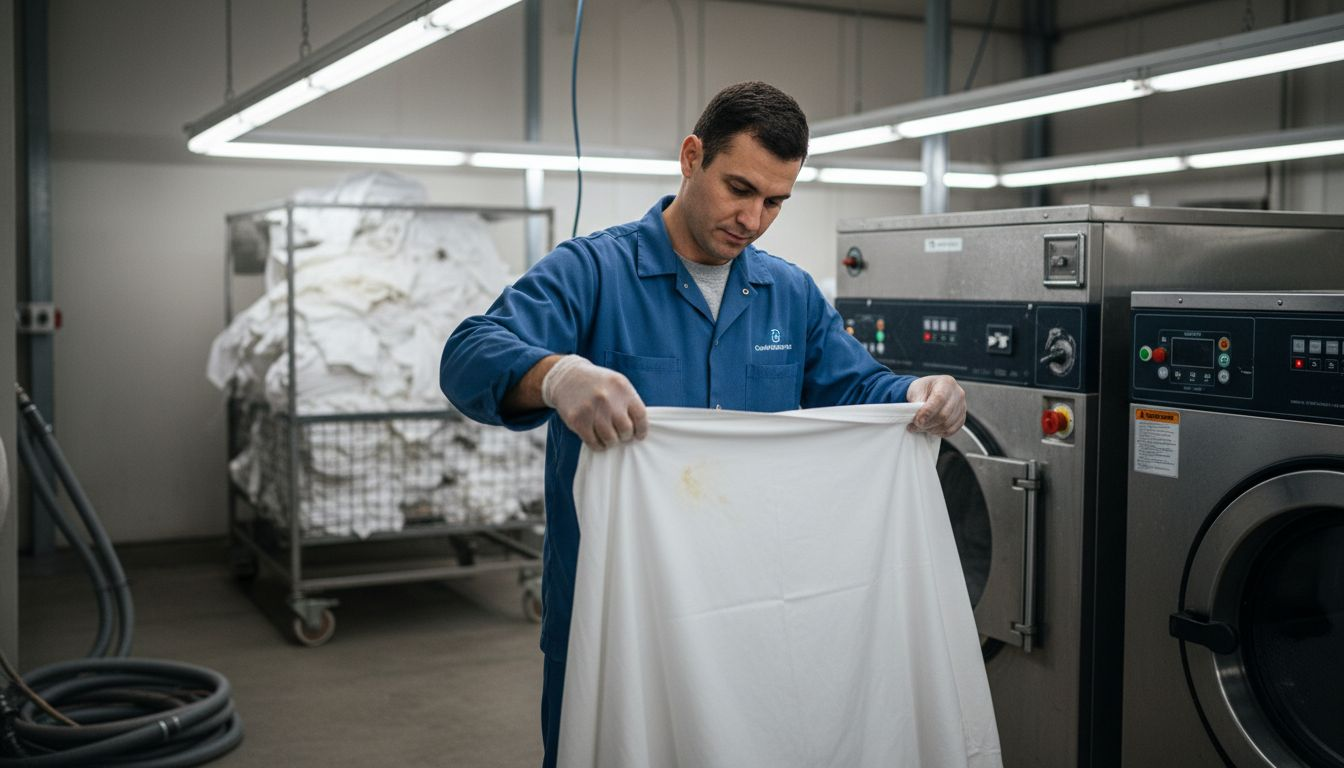
Pro tip: Always consult fabric care labels and perform a spot test with new cleaning agents to understand how your specific textile will react during laundering.
Hygiene, Safety, and Potential Contamination Risks
Bacterial contamination represents a significant challenge in textile care and laundering. Healthcare textile hygiene protocols00544-2/abstract) demonstrate the critical importance of understanding and mitigating potential infection risks during laundry processes.
Key contamination risks include:
-
Microbial Transmission:
- Bacteria can survive standard washing temperatures
- Cross-contamination between different fabric types
- Potential pathogen transfer through inadequate cleaning
-
High-Risk Textile Categories:
- Medical uniforms
- Workout clothing
- Towels and bedding
- Childcare and infant textiles
Laundry-related health risks highlight the importance of implementing robust cleaning strategies. Certain fabrics, particularly those exposed to bodily fluids or high-sweat environments, require more aggressive sanitization techniques to eliminate potentially harmful microorganisms.
Effective textile hygiene is not just about appearance—it’s about protecting human health.
Professional laundry services must employ comprehensive strategies that go beyond surface cleaning. Temperature, detergent selection, and washing duration all play crucial roles in ensuring textiles are not just clean, but truly sanitized.
Pro tip: Regularly sanitize your washing machine by running an empty hot water cycle with bleach or a specialized washing machine cleaner to prevent bacterial buildup and cross-contamination.
Common Mistakes and Quality Maintenance Tips
Textile maintenance requires careful attention to detail and understanding of potential pitfalls. Microplastic pollution prevention highlights the importance of adopting thoughtful laundering practices that protect both fabric quality and environmental health.
Common mistakes in textile care include:
-
Washing Errors:
- Over-washing fabrics
- Using incorrect water temperatures
- Ignoring fabric-specific care instructions
- Overloading washing machines
-
Maintenance Missteps:
- Using harsh chemical detergents
- Improper sorting of textiles
- Neglecting to pre-treat stains
- Drying clothes at inappropriate temperatures
Textile conservation guidelines reveal that many fabric damages result from preventable handling mistakes. Professional laundry services understand that each textile requires a nuanced approach, considering factors like fiber composition, color sensitivity, and wear patterns.
Quality maintenance is about precision, not just cleaning—every wash counts.
Understanding the unique characteristics of different fabrics allows for more targeted and effective cleaning strategies. Synthetic and natural fibers respond differently to washing conditions, requiring customized approaches to maintain their integrity and appearance.
Pro tip: Invest in mesh laundry bags for delicate items and always check garment labels before washing to prevent unnecessary fabric damage.

Compare how laundry practices affect fabric longevity and environmental impact:
| Practice | Effect on Textiles | Environmental Impact |
|---|---|---|
| Overloading machines | Increased wear/tear | Inefficient water usage |
| Using hot water | May shrink/damage fibers | Higher energy consumption |
| Proper sorting | Preserves color and shape | Reduces re-washing needs |
| Overusing detergent | Leaves residue, causes fade | Contributes to water pollution |
| Mesh laundry bags | Protects delicates | Reduces microplastic release |
| Regular machine cleaning | Prevents contamination | Increases appliance lifespan |
Elevate Your Textile Care with Expert Laundry Solutions
The article highlights key challenges in maintaining the quality and hygiene of various textile types. From understanding fiber resilience to managing delicate fabrics like wool and silk, laundering demands precise care to prevent damage and extend garment life. It also emphasizes the importance of proper sorting, temperature control, and sanitation to avoid contamination and microplastic pollution. These are common pain points for anyone seeking both effective cleaning and sustainable textile care.
At Columbia Pike Laundry, we fully understand the critical role textiles play in your wardrobe and daily environment. Our family-owned service in Arlington, Virginia, specializes in Fabric Care Expertise | Laundry Tips, providing tailored wash and fold or dry cleaning options that respect the unique needs of each fabric. By handling all cleaning processes in-house, we ensure attentive, quality care that preserves your textiles’ integrity. Explore simple ways to reduce wear and extend the life of your clothes with our Laundry Relief | Laundry Tips solutions. Experience the convenience of drop-off or schedule a pickup on our easy-to-use platform at Columbia Pike Laundry.
Protect your investment and health today by choosing professionals who know textiles inside and out. Visit our website now to schedule your next cleaning and give your fabrics the expert care they deserve.
Frequently Asked Questions
What are the different types of textiles and their care needs in laundry?
Textiles can be categorized into natural fibers like cotton, wool, and silk, and synthetic fibers like polyester, nylon, and acrylic. Each type has specific care requirements; for example, cotton is durable and can be washed in warm or cold water, while silk is delicate and should be washed in cool water with gentle detergents.
How does textile composition affect the laundering process?
The molecular structure of textiles dictates how they react to washing conditions. Natural fibers tend to be more sensitive and may require gentler handling, whereas synthetic fibers are often more durable and can withstand higher temperatures and aggressive washing techniques.
What common mistakes should I avoid when laundering different types of textiles?
Common mistakes include over-washing fabrics, using incorrect water temperatures, ignoring care instructions, and overloading washing machines. These practices can lead to fabric damage and reduced lifespan.
How can I ensure my laundry is hygienically clean?
To ensure hygienic cleaning, use the appropriate washing temperatures and select detergents designed for specific fabric types. It’s also important to regularly sanitize your washing machine to prevent bacterial buildup and cross-contamination between different textiles.
Recommended
Free pickup, expert care, delivered back to your door.
Popular Blog Articles




Meet the Author
Daniel Logan didn’t start CPL because he loved laundry. He started it because his family was drowning in time debt, and laundry was one of the biggest weights.
Mornings were chaos with two kids under 5. Evenings felt like catch-up. And weekends? Gone to sorting socks and folding piles.
He knew his story wasn’t unique. So he built a business that gave families like his just a little bit of breathing room one load at a time.
With no laundry experience but deep tech skills, Daniel rolled up his sleeves, doing every job himself while building systems that turned it into a modern laundry service that saves customers time, simplifies their lives, and delivers reliability they can count on.
That’s where CPL began. Not from a playbook, but from pain. From one dad trying to buy back time: for himself, and for every household like his.
Free pickup, expert care, delivered back to your door.