
Washing My Clothes: The Ultimate 2026 Laundry Guide
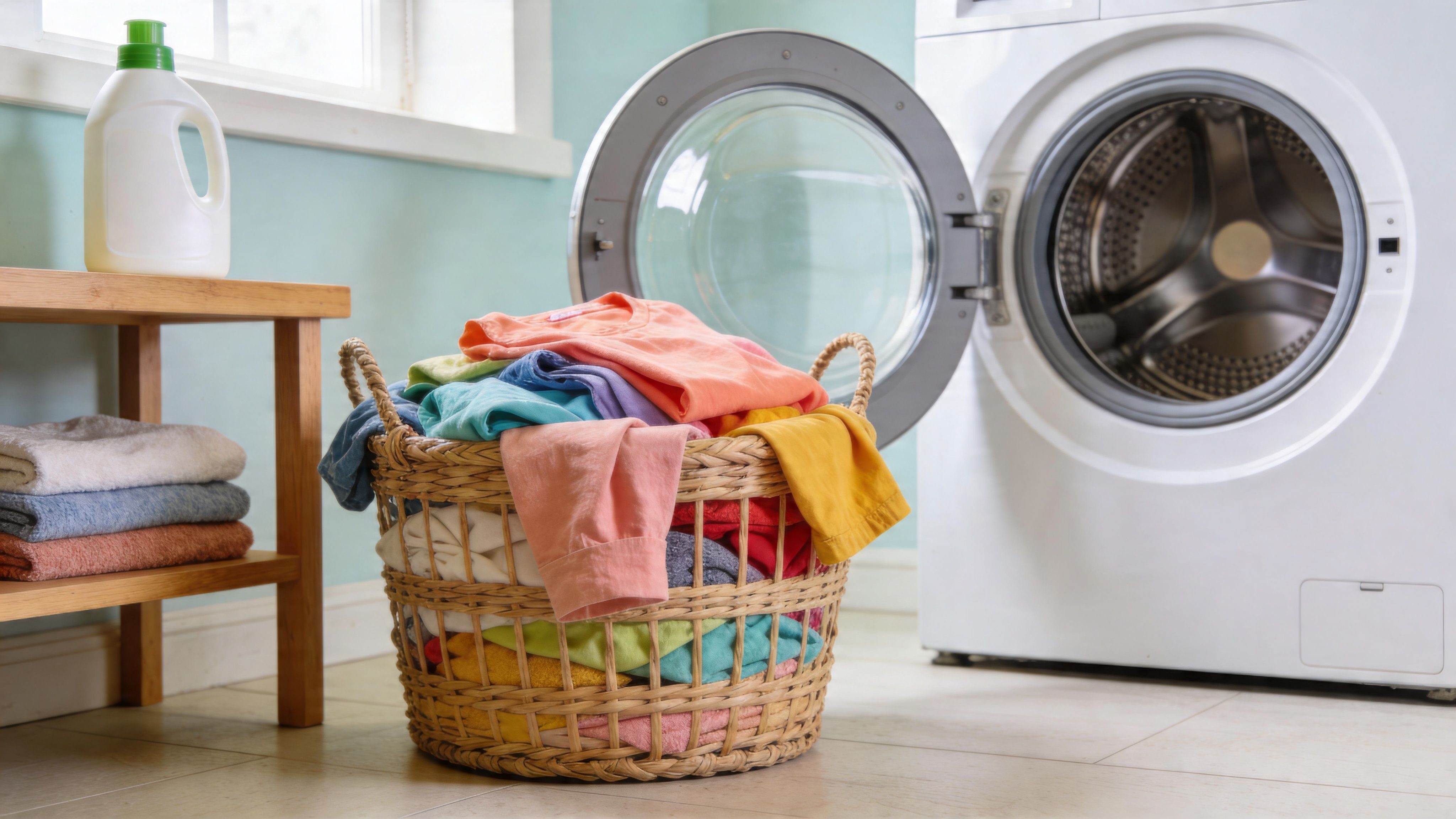
Columbia Pike Laundry offers pickup & delivery across Northern Virginia.
You’re probably reading this with a half-full hamper in the corner, a dryer that still needs unloading, and one child, spouse, or version of yourself asking where the clean socks went. That’s normal. Laundry has a way of staying unfinished even when you’re working on it.
“Washing my clothes” sounds simple. In real life, it’s sorting, checking labels, treating stains, choosing the right cycle, drying things without shrinking them, and then dealing with the folded pile that sits on a chair for two days. It’s not hard because you’re doing it wrong. It’s hard because it keeps coming back.
This guide gives you two honest options. First, do laundry better with less stress and fewer mistakes. Second, know when to stop trying to optimize every load and hand it off. Both are sensible. Both count.
The Never-Ending Story of the Laundry Pile
The basket is never really empty. You wash towels, and suddenly there are school uniforms. You finish darks, and someone remembers they need a clean workout shirt by morning. You fold one load and find another one still damp in the washer.

That feeling is personal, but the scale is massive. American households wash over 660 million loads of laundry every week, with the average household tackling around 50 pounds weekly. It also falls unevenly at home, with women often spending 17 minutes daily on laundry compared to men’s 5 minutes daily, according to laundry use figures summarized here.
Why laundry feels bigger than it looks
Laundry isn’t one task. It’s a chain of small decisions.
- Sorting: What can go together, what can’t, and what needs special care.
- Timing: Whether you can wait for a full load or need one clean item tonight.
- Finishing: Drying, folding, hanging, and putting things away before wrinkles set in.
- Repeating: Starting over because clothes, sheets, uniforms, and towels don’t stop.
Laundry isn’t failing you because the pile comes back. The pile comes back because you live in your clothes.
That’s why shame has no place here. If your hamper looks like a minor landslide, you’re not behind. You’re living a regular life in a busy home.
Two sane ways to deal with it
You can get good at the system. That means better sorting, better cycle choices, and fewer ruined shirts.
Or you can decide that doing every load yourself is no longer the most sensible use of your time.
Both are respectable choices. Peace counts too.
The Pre-Wash Ritual Decoding Your Clothes
Most laundry mistakes happen before the machine even starts. The shirt that shrank, the sweater that felted, the pale blouse that turned dingy. Usually, the machine didn’t betray you. The prep did.
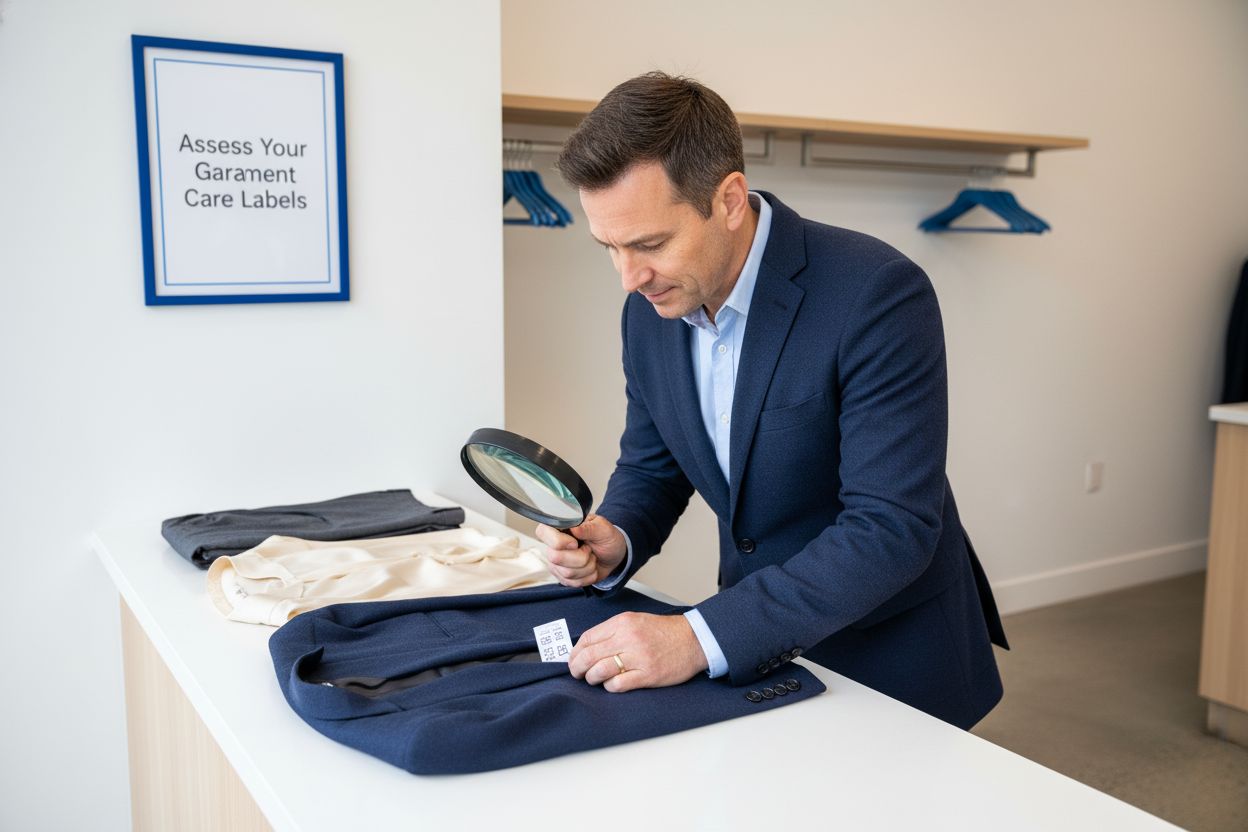
Start with the care label
People ignore labels because the symbols look fussy. They’re not fussy. They’re instructions from the people who made the garment.
If a label says cold wash, line dry, or dry clean only, believe it. That small tag is usually more useful than your habits.
Here’s a plain-English guide.
| Symbol | Meaning |
|---|---|
| Tub with water | Machine wash |
| Tub with hand | Hand wash only |
| Tub with a number | Maximum wash temperature |
| Triangle | Bleach allowed |
| Triangle with lines crossed | Do not bleach |
| Square with circle | Tumble dry |
| Square with circle crossed out | Do not tumble dry |
| Square with vertical line | Hang dry |
| Iron symbol | Iron allowed |
| Iron crossed out | Do not iron |
| Circle | Dry clean |
| Circle crossed out | Do not dry clean |
Sort by more than color
Separating whites and darks is a familiar practice. Good start. It’s not enough.
Sort with three things in mind:
Color
Keep whites apart. Separate darks from lighter colors, especially in early washes for new garments.Fabric weight
Heavy towels beat up thin shirts. Jeans rub against blouses. Hoodies and T-shirts don’t wear the same way in the same load.Soil level
A lightly worn sweater doesn’t belong with muddy kids’ clothes or sweaty gym gear.
A mixed family basket often needs at least these piles:
- Everyday lights: tees, socks, underwear, pajamas
- Everyday darks: dark shirts, leggings, casual wear
- Heavy items: towels, sweatshirts, jeans
- Delicates: bras, thin knits, soft blouses
- Dirty enough to matter: sportswear, play clothes, anything with odor or visible grime
Practical rule: If one item could damage another item by rubbing, stretching, bleeding, or shedding lint, they don’t belong together.
Check pockets and fasten the troublemakers
This part is boring. It also saves clothes.
Before washing my clothes, I always tell people to do four quick checks:
- Empty pockets: Tissues become confetti. Pens become disasters.
- Zip zippers: Open zippers snag fabric.
- Button buttons: Especially on shirts that lose shape in the wash.
- Turn some items inside out: Denim, printed T-shirts, and dark clothes hold up better that way.
Treat stains before they bake in
A stain that sits gets comfortable. Deal with it early.
You don’t need a chemistry degree. You need speed and common sense.
Coffee
Blot first. Don’t rub. Run cool water through the back of the stain, then apply a small amount of liquid detergent and let it sit briefly before washing.
Grass
This one likes to hang on. Work liquid detergent gently into the spot with your fingers. If the fabric is sturdy, repeat before washing.
Oil
Oil spreads fast and laughs at plain water. Apply a little liquid detergent directly to the stain and work it in gently. Wash after that.
Red wine
Blot. Then rinse with cool water from the back of the fabric. Add liquid detergent and wash as soon as you can.
A few stain habits matter more than fancy products:
- Blot, don’t scrub: Scrubbing can drive the stain deeper.
- Use cool water first: Hot water can set some stains.
- Wait to dry: Don’t machine dry a stained item until you’re sure the mark is gone.
Don’t chase perfection
Not every stain comes out. Not every white shirt stays brilliant forever. The point is to stop turning small messes into permanent damage.
Laundry gets easier when you treat it like triage. Read the label. Sort on purpose. Catch the stain early. Then move on.
Mastering Your Machines and Materials
It's common to use the same settings for nearly everything, then wonder why clothes fade, stretch, or come out still not quite right. Your washer and dryer aren’t mysterious. They respond to three choices: cycle, temperature, and load size.
The cycle that deserves more respect
For regular laundry, stop assuming the longest cycle is the cleanest one. It often isn’t the smartest choice.
For most normally soiled loads, lab tests show that a 30-minute express wash cycle cleans just as effectively as a longer normal cycle, while using up to 75% less energy and reducing fabric wear by 40-60%, according to Consumer Reports’ laundry guidance.
That changes the usual advice. If your clothes aren’t heavily caked with dirt, express wash should be your default starting point, not your emergency setting.
How to load the washer properly
A good wash needs movement. Clothes need room to tumble and rub against water and detergent, not just pack together into a wet lump.
Use this simple standard:
- Don’t stuff the drum: Leave room for agitation.
- Mix similar item sizes: A few small pieces with giant towels can wash unevenly.
- Keep bulky items separate: Bedding and towels often need their own load.
- Spread things out: Don’t jam everything into one side.
If you’re dealing with installation issues, draining problems, or a machine that never worked quite right from day one, a practical guide on how to install your washing machine can help you rule out setup mistakes before you blame your detergent.
Cold water is usually the grown-up choice
Cold water is easier on fabric, less likely to shrink clothing, and works well for most everyday loads when you use a decent detergent. It’s also simpler. One reliable default is better than constant guessing.
Use warmer settings only when the care label supports it and the load needs it. Don’t wash everything hot out of habit.
If you can’t explain why a load needs hot water, it probably doesn’t.
Pick detergent like you mean it
Detergent isn’t a place for drama. You want clean clothes, not a heavy fragrance that clings to every fiber.
Liquid detergent is a safe everyday choice, especially for cold water loads. A Free & Clear formula is an excellent default if anyone in the home has sensitive skin, hates strong scents, or just wants laundry to smell like fabric instead of perfume.
Use enough detergent to clean the clothes, not enough to create buildup. Too much product leaves residue, traps odor, and makes towels feel strange.
A sane detergent approach
- Use liquid for everyday cold washing: It dissolves well and is easy to measure.
- Choose unscented if your skin is fussy: Less irritation, less buildup.
- Skip the extra splash “for freshness”: More soap doesn’t mean more clean.
- Match the load, not your mood: Heavily dirty items may need more attention. Regular wear usually doesn’t.
If cycle names on your machine still feel vague, this breakdown of washing machine cycles helps translate what the buttons mean in daily use.
Dryer habits that protect clothes
The dryer finishes the job, but it can also do the damage.
Use lower heat when the fabric is sensitive, and take things out promptly. Overdrying is rough on elastic, knits, and everyday basics. If something matters to you, don’t bake it.
A machine is only “easy” when you use it with intention. Shorter cycles, colder water, measured detergent, and sensible loading will get you cleaner clothes and fewer regrets.
Handling Special Fabrics with Confidence
Some clothes don’t make you think twice. Towels go in. Socks go in. Old T-shirts go in. Then there are the pieces that make you hesitate over the washer lid.
That hesitation is useful. It means the item deserves more thought.

Delicates need friction control
Silk blouses, lingerie, bras, thin sleepwear, and lace don’t usually need harsh cleaning. They need protection from twisting, stretching, and rough contact.
A mesh bag helps with small delicates, especially bras and underwear with hooks or thin straps. Use a gentle cycle and mild detergent if the label allows machine washing. If the fabric is very soft, sheer, or sentimental, hand washing is the better call.
Good hand washing is simple:
- Fill a basin with cool water.
- Add a small amount of mild detergent.
- Move the item gently through the water.
- Rinse thoroughly.
- Press water out with a towel. Don’t wring.
Wool needs less action, not more soap
Wool shrinks when heat, moisture, and agitation team up. So don’t give them that chance.
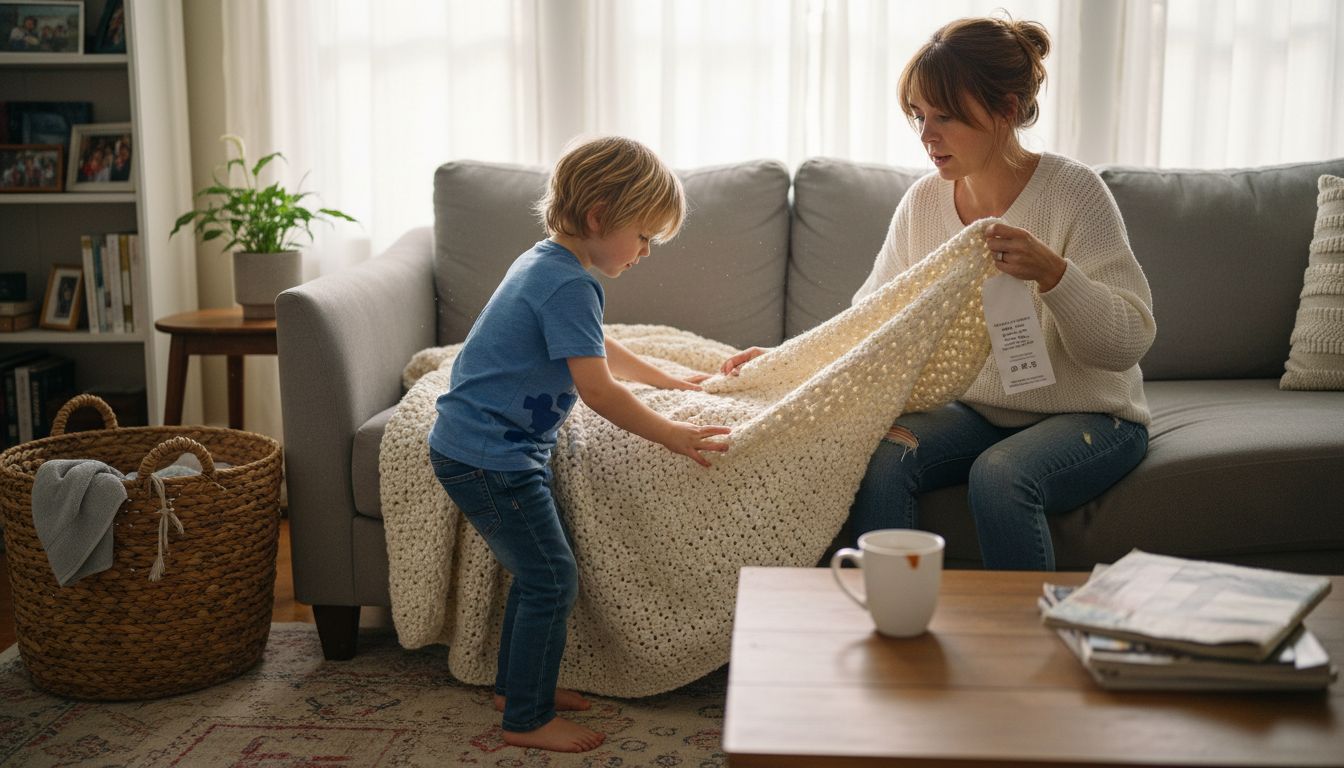
Wash wool only when it needs it. Use cool water, gentle handling, and reshape the garment while it’s damp. Then dry it flat on a towel. Hanging a wet wool sweater is how you end up with a stretched neckline and sadness.
This is one of those categories where restraint matters. If it smells fine and looks fine, it often doesn’t need another wash yet.
Activewear needs real cleaning
Performance fabrics confuse people because they dry quickly and look fresh even when they aren’t. Sweat, skin oils, and odor cling to them.
Wash workout gear regularly. Don’t let it sit balled up in a gym bag or on the floor. Use cool water and avoid rough heat in the dryer if the label warns against it. Technical fibers don’t love abuse.
A shirt that “doesn’t look dirty” can still need washing, especially if it spent an hour catching sweat.
Know when home care stops making sense
Some pieces don’t belong in your machine no matter how careful you are. Structured blazers, lined formalwear, garments labeled Dry Clean Only, and items made with leather or suede need different treatment.
That’s when dry cleaning is the sensible lane. It’s also the lane for clothing you can’t afford to ruin. If the piece is expensive, finely crafted, or built with structure, don’t treat it like a gym shirt.
A few easy no-machine categories:
- Structured jackets and blazers
- Silk or wool pieces with “Dry Clean Only” labels
- Leather and suede
- Formal dresses and specialty garments
Special fabrics aren’t hard once you stop forcing them into your regular routine. Gentle handling for delicates, low-agitation care for wool, prompt washing for activewear, and professional care for specialty pieces. That’s enough.
The Art of the Finish Drying Folding and Eco-Friendly Laundry
Washing gets the attention. Finishing is what makes the load useful.
If you leave clean clothes in a heap, overdry them into stiffness, or shove them into drawers while still warm and wrinkled, you undo some of your own work. The last stage is where clothes keep their shape and your home keeps a little order.
Dry with more care and less heat
The dryer is convenient, but convenience can get rough. High heat is hard on elastic waistbands, knits, soft tees, and anything with stretch.
For many items, the better move is a partial dry or air-dry finish. Pull clothes while they’re just dry, not scorched dry. Hang shirts right away. Lay sweaters flat. Give your fabrics a little mercy.
If you air-dry, place items neatly instead of draping them any old way. Shape the shoulders on shirts. Smooth seams with your hands. Small effort, better result.
Fold now or pay later
Folding isn’t about magazine-worthy drawers. It’s about preventing wrinkles, making the next day easier, and stopping clean laundry from becoming another pile.
A plain routine works best:
- Fold by category: Shirts together, pants together, towels together.
- Handle one load fully: Don’t mix three dry loads on the couch.
- Put away the easy things first: Towels, underwear, socks. Quick wins matter.
- Hang what wrinkles fast: Button-downs, dresses, work tops.
People often hate folding because they wait until there’s too much of it. Smaller finishes beat grand laundry marathons.
Low-wash is useful, but don’t get weird about it
Not everything needs washing after one wear. That part is true. But some people take that idea and turn it into neglect dressed up as sustainability.
Washing at lower temperatures (20-30°C) can reduce microplastic shedding by 60-70%, but it’s still important to wash items like workout gear and children’s clothes regularly to manage bacteria, according to this discussion of low-wash and low-temperature laundry habits.
That’s the balance I recommend:
Wash less often for these
- Jeans: If they’re not stained or stretched out, wear them again.
- Sweaters over layers: They often need airing out more than washing.
- Light outer layers: Spot clean and rewear when appropriate.
Wash regularly for these
- Workout clothes: Sweat and odor don’t improve with time.
- Kids’ clothes: They collect more than visible mess.
- Underwear and socks: No debate needed.
Sustainable laundry should make your life cleaner and simpler, not leave you wondering whether the shirt is “probably fine.”
Eco-friendly laundry doesn’t require perfection. It means lower temperatures when appropriate, fewer unnecessary washes, and better finishing so clothes last longer. That’s practical sustainability. Not guilt. Not theater.
When to Outsource The Ultimate Time-Saving Solution
Once you see what good laundry involves, the next thought is obvious. This is a lot. It’s not impossible. It’s just steady, repetitive work that keeps asking for your attention.
That’s why outsourcing laundry makes sense for more people than they admit.

The real cost is time
The average American household spends between 4 to 7 hours per week on laundry. For a busy family or professional, that’s up to 364 hours a year, or more than nine full 40-hour work weeks, according to this breakdown of household laundry time.
That’s the number that matters most to me. Not because laundry is beneath anyone. It isn’t. But because your time has a job too.
Your time is for work that pays you, rest that restores you, kids who want you, meals that don’t happen on the run, and weekends that don’t vanish into sorting piles on the floor.
Who should seriously consider handing it off
This isn’t just for wealthy people, neat freaks, or anyone trying to look fancy. It’s for people whose week is already full.
Laundry outsourcing makes practical sense if you are:
- A busy professional: Your workdays run long, and evenings disappear fast.
- A parent: The volume never stays stable. One accident, one game, one fever, and the system blows up.
- A small business owner: Linens, uniforms, towels, and your own home laundry compete for the same hours.
- An older adult or caregiver: Carrying bags, using stairs, and managing machines can become more tiring than people admit.
- Anyone in a crowded season: New baby, move, recovery, job change, family stress. Laundry doesn’t care, but you should.
What outsourcing should actually do
A good service should remove decisions, not create new ones. It should be easy to schedule, easy to trust, and clear about how your clothes are handled.
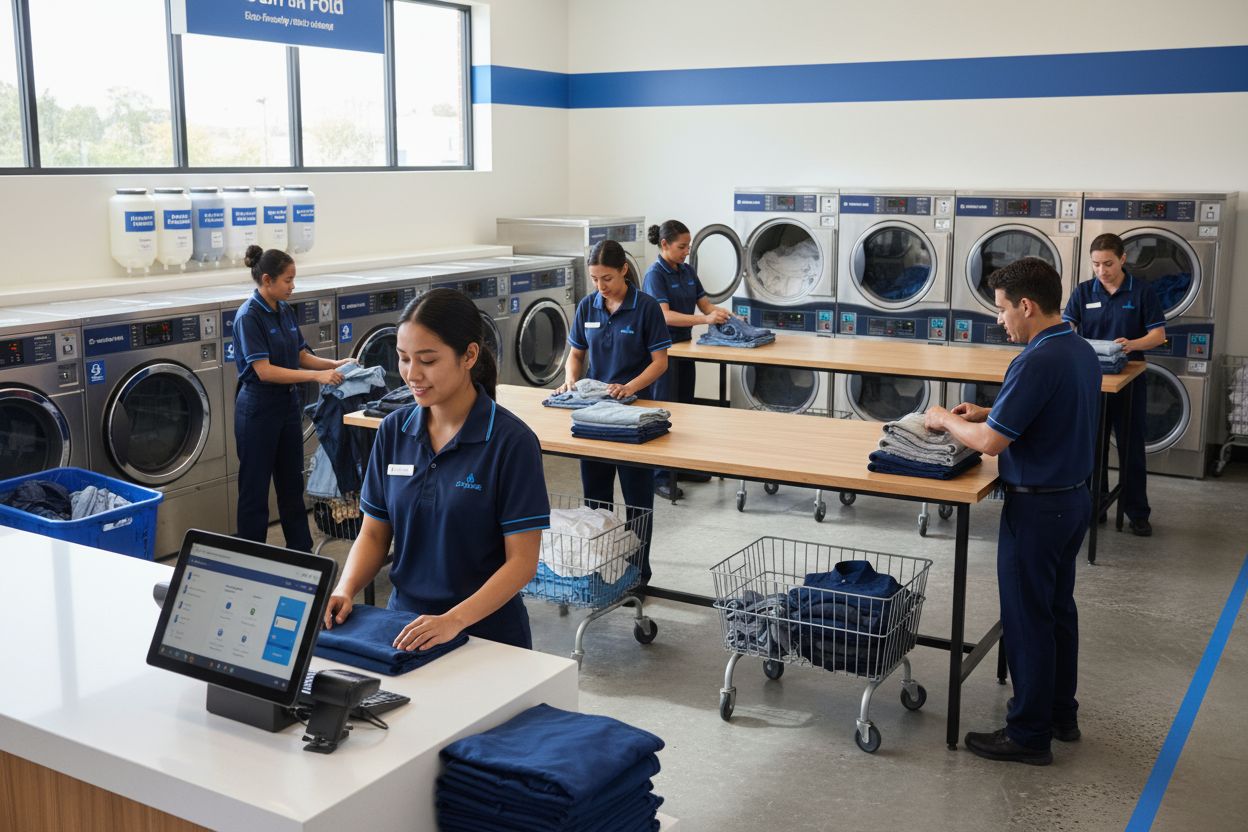
One practical option is pickup and delivery. Columbia Pike Laundry offers contactless scheduling, returns wash-and-fold laundry with a 48-hour turnaround or 24-hour express for laundry, uses Free & Clear detergent by default, and washes each customer’s laundry separately. Their pickup and delivery service has a $50 minimum, and the minimum is about 15 pounds of laundry, based on the company’s stated service details.
That’s the kind of setup people need when they’re done trying to squeeze one more chore into an already packed week.
A simple off-ramp beats a perfect system
A lot of people wait too long to outsource because they think they should be able to keep up. That word, “should,” causes a lot of dumb suffering at home.
You don’t get a medal for folding three family loads at midnight. You just get less sleep.
Here’s the practical test. If laundry keeps taking your last decent hour of the day, it’s a good candidate to leave your house.
You didn’t outsource laundry. You bought back your weekend.
How to decide without overthinking it
Ask yourself these questions:
- Do I keep falling behind even with a reasonable routine?
- Do I resent the time laundry takes from something more important?
- Am I avoiding special items because I don’t want to deal with them?
- Would relief be worth more to me than doing every load myself?
If the answer is yes to even a couple of those, the decision is already close.
There’s no virtue in doing every household task personally forever. Sometimes the wise move is to know the process, respect the process, and then choose not to spend your life doing all of it.
Troubleshooting Common Laundry Problems and FAQs
Even careful people end up with laundry mishaps. The fix is usually calmer and simpler than the panic suggests.
Common problems and what to do
Clothes shrank
Stop using heat on that item. Next time, wash cool and dry flat or on low if the label allows it. If the piece is badly misshapen, gentle reshaping while damp may help a little, but prevention matters more than rescue.
Colors bled
Don’t dry the load. Rewash the affected items promptly while the dye transfer is still fresh. Keep new or strongly dyed items separate in future loads.
Clothes feel stiff
You may be using too much detergent, drying too hot, or packing loads too tightly. Cut back on soap, loosen the load, and pull items from the dryer sooner.
Washer smells musty
Leave the door open between washes so the drum can dry. If the machine still smells off, it may need maintenance. When the issue goes beyond basic cleaning, it’s smart to look into professional washer repair services instead of forcing a struggling machine through another week.
Quick answers people actually ask
Is my laundry washed with other people’s clothes?
No. At Columbia Pike Laundry, each customer’s laundry is washed and dried separately.
What’s the difference between Wash & Fold and Dry Cleaning?
Wash & Fold uses water and detergent for everyday clothes. Dry cleaning uses a gentle solvent process for delicate, structured, or specialty garments.
Can I combine both in one order?
Yes. Keep laundry and dry cleaning separate in clearly marked bags.
Can I request fragrance-free detergent?
Yes. Free & Clear is the default option, and special instructions can be added to an order.
Can I get a specific garment turned around faster?
For a specific garment or a special dry cleaning timeline, a team member needs to confirm the turnaround directly.
If washing my clothes has turned into one more weekly job you’re tired of managing, Columbia Pike Laundry gives you a clean off-ramp. You can keep doing the loads that make sense at home and hand off the rest, or step away from the whole pile and get your time back. That’s not laziness. That’s good judgment.
Free pickup, expert care, delivered back to your door.
Popular Blog Articles



Meet the Author
Daniel Logan didn’t start CPL because he loved laundry. He started it because his family was drowning in time debt, and laundry was one of the biggest weights.
Mornings were chaos with two kids under 5. Evenings felt like catch-up. And weekends? Gone to sorting socks and folding piles.
He knew his story wasn’t unique. So he built a business that gave families like his just a little bit of breathing room one load at a time.
With no laundry experience but deep tech skills, Daniel rolled up his sleeves, doing every job himself while building systems that turned it into a modern laundry service that saves customers time, simplifies their lives, and delivers reliability they can count on.
That’s where CPL began. Not from a playbook, but from pain. From one dad trying to buy back time: for himself, and for every household like his.
Free pickup, expert care, delivered back to your door.