
Wedding Dress Cleaning Cost: 2026 Price Guide
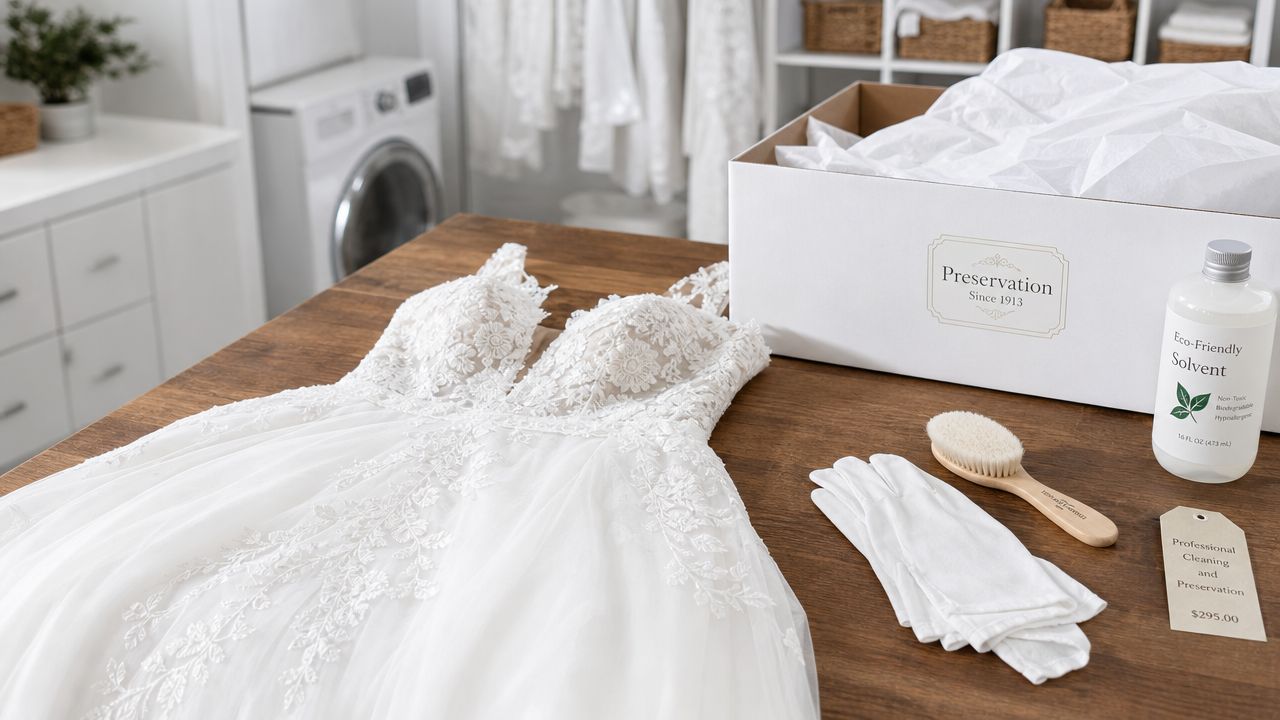
Columbia Pike Laundry offers pickup & delivery across Northern Virginia.
Most brides will pay $200 to $300 for wedding dress cleaning only, and $250 to $700 or more for cleaning with preservation, with luxury gowns sometimes going past $1,000 when the fabric, embellishments, and storage materials demand extra care. That's the honest range, and it helps to think of it as the final investment in protecting one of the most meaningful things you brought home from your wedding day.
A lot of people hit this moment the same way. The wedding is over, your shoes are kicked off somewhere, the bouquet is gone, and the dress is still hanging in a closet in its garment bag. It looks fine at first glance, so it's easy to tell yourself you'll deal with it later.
That's where people get tripped up.
Wedding dress cleaning cost feels confusing because most quotes sound simple until the details show up. One price covers cleaning. Another includes preservation. Then you find out the veil, stain treatment, shipping, insurance, or rush handling may change the total. If you understand what drives the bill, the price stops feeling random.
Your Wedding Is Over, But What About the Dress?
A wedding dress has a strange afterlife. On the wedding day, it's the center of everything. A week later, it becomes one more thing on a tired newlywed's list.
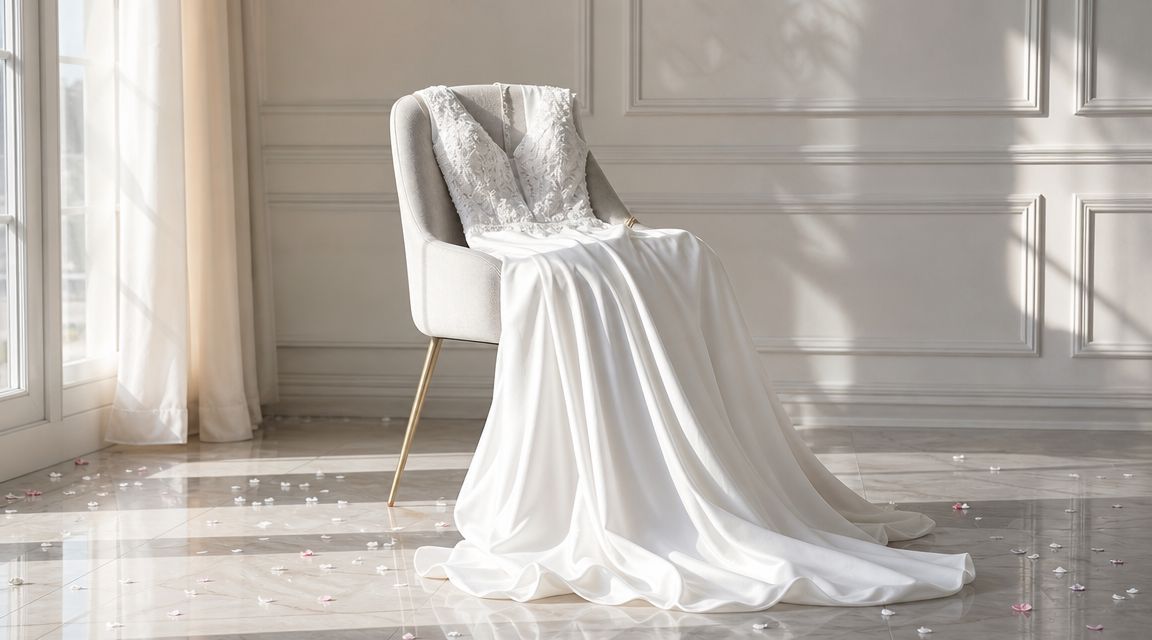
I've seen this plenty of times in laundry and garment care. Someone opens the bag and says, “It only got a little dirty on the hem.” Then we look closer and find makeup at the neckline, body oil at the bodice, a faint drink spot near the skirt, and dust all through the train. That's normal. Wedding dresses collect a lot more than people realize.
If your day involved outdoor photos, dancing, hugs, weather, a long train, or a packed reception, your gown probably needs attention even if it still looks bright. And if you arranged details like Max's Luxury Rides wedding guest shuttles to make the day smoother for everyone else, it makes sense to give the dress the same kind of thoughtful follow-through afterward.
Your wedding dress aftercare isn't busywork. It's the last act of taking care of the day itself.
The good news is this job isn't mysterious once you know what you're buying. You're paying for inspection, careful stain treatment, low-risk handling, and in some cases, long-term storage materials meant to slow yellowing and fabric damage. That's why a wedding gown doesn't belong in the same mental category as a work shirt or cocktail dress.
Decoding the Price Tag of Wedding Dress Cleaning
A wedding gown invoice makes more sense once you sort the service into two levels. One is cleaning the dress so it is wearable, sellable, or ready for alterations. The other is cleaning plus long-term storage prep.
Cleaning only
If you want the gown professionally cleaned and returned ready to hang, many providers place standard wedding gown cleaning in the $200 to $300 per gown range, according to the Association of Wedding Gown Specialists' guide to wedding gown cleaning and care.
That price is not for a quick pass through a machine. It covers inspection, stain spotting, fabric testing, trim protection, and slow handling of a garment that can include fragile lace, structured bodices, multiple linings, and hand-applied details. You are paying for labor and caution.
Cleaning and preservation
If you want the gown cleaned and packed for long-term storage, the market commonly clusters around $250 to $700, with premium services reaching $1,000+ for luxury gowns, as noted in this cleaning and preservation pricing guide.
That higher price covers more than a box. Preservation usually includes stain treatment aimed at stopping old residue from darkening over time, acid-free or pH-balanced packing materials, tissue support to reduce hard creases, and careful folding that protects shape and trim. The same source notes a typical preservation turnaround of 4 to 6 weeks, which reflects how much handwork and risk control go into the job.
Some gowns clean up fast. Others fight you the whole way.
A cleaner may need to address sugar, sweat, makeup, grass, mud, wine, and body oil, all on fabrics that cannot take rough chemistry or aggressive heat. That is why two white dresses can end up with very different invoices.
Wedding Dress Cleaning vs. Preservation at a Glance
| Service Feature | Cleaning Only | Cleaning & Preservation |
|---|---|---|
| Typical price range | $200 to $300 | $250 to $700, with premium services at $1,000+ |
| Main purpose | Remove soil and visible wear | Clean the gown and prepare it for long-term storage |
| What you're paying for | Inspection, stain treatment, gentle handling | Deeper cleaning, archival-style packing materials, crease reduction, storage prep |
| Turnaround feel | Standard specialty garment care | Slower, more meticulous process |
| Best fit | You plan to sell, donate, alter, or wear it again sooner | You want to keep it as an heirloom or memory piece |
My recommendation
If you know you are keeping the dress, pay for preservation.
If you plan to resell, donate, or redesign it soon, cleaning only is usually enough. Either way, hire a professional. Waiting gives old stains time to set, oxidize, and become harder or impossible to remove cleanly.
Key Factors That Influence Your Final Bill
The final bill makes sense once you look at the gown like a cleaner does. We price the hours, the supplies, and the chance that one wrong step could damage a dress that cannot be replaced.
Fabric changes the whole job
Fabric decides the cleaning method before anyone touches a stain.
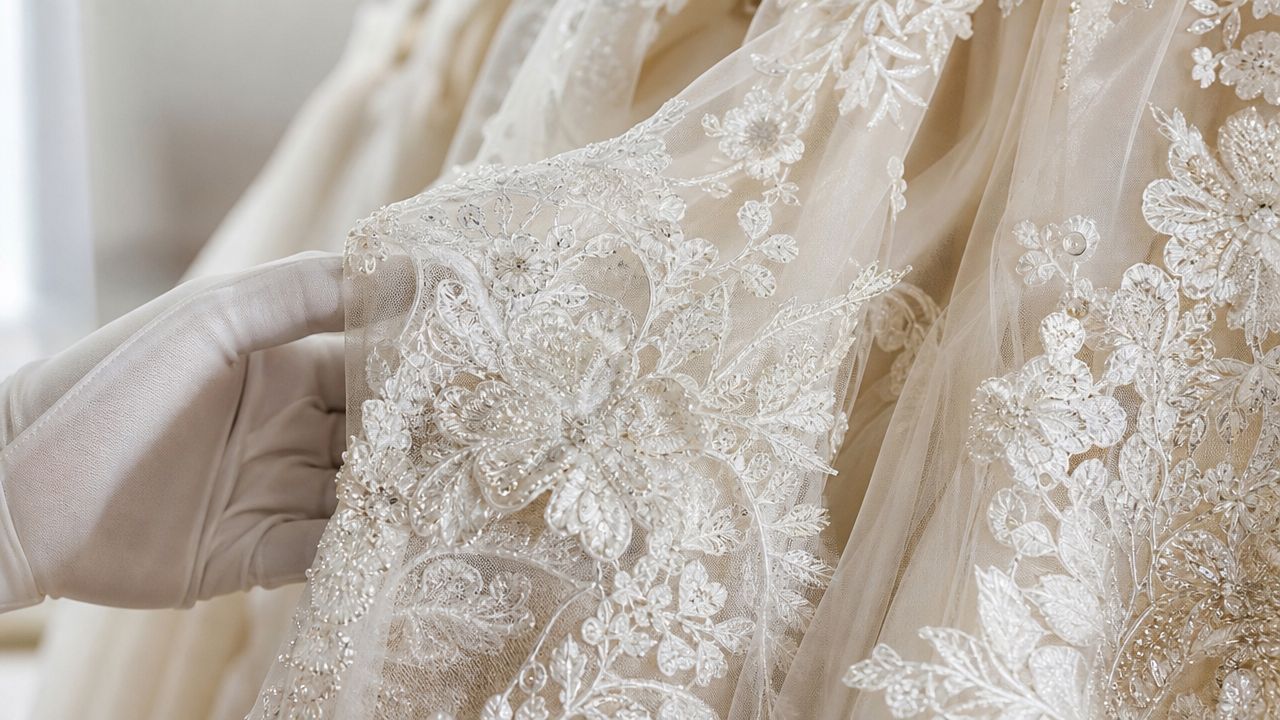
Silk needs a lighter hand than polyester. Lace can snag. Tulle can distort. Satin shows water marks and pressure lines. Organza can lose its shape if handled carelessly. A cleaner also has to test trims, linings, mesh panels, boning, glue-set appliqués, and covered buttons because the dress is rarely made from one material alone.
That is why a simple-looking gown can still cost more than expected.
Construction adds labor fast
A plain sheath dress is usually straightforward. A ball gown with a train, built-in structure, beadwork, and several underskirts is not.
More dress means more inspection. More handwork. More time on the pressing table. The National Bridal Market Chicago notes that modern bridal gowns often include layered fabrics, specialty trims, and detailed construction that demand specialized handling throughout care and storage, which is exactly why quotes vary so much from one dress to the next (National Bridal Market Chicago bridal gown care guidance).
Here is where complexity raises the price:
- More layers: Soil and stains can travel past the outer skirt into linings and netting.
- More embellishment: Beads, sequins, lace motifs, and embroidery slow every step and increase breakage risk.
- More volume: Full skirts take more workspace, more pressing time, and more support during packaging.
- More structure: Corsetry, boning, cups, bustle points, and horsehair hems limit which cleaning methods are safe.
Cheap quotes usually ignore one of those realities.
Stains drive the labor
Two dresses made from the same fabric can have very different invoices because stains are where labor starts.
A dusty hem is routine. Sugary drinks, body oil, deodorant, self-tanner, grass, makeup, and old yellowing are harder. Some marks lift quickly. Others need repeated spotting, rest periods, and another inspection under better light. The cleaner is not charging for the stain itself. The cleaner is charging for the time, judgment, and risk involved in removing it without scuffing fibers or setting the spot deeper.
Timing matters too. If the gown is going into storage, stain removal has to be more thorough because hidden residue can darken over time. If you want practical home-storage advice after professional care, read about preserving garments long term.
Preservation materials show up on the invoice too
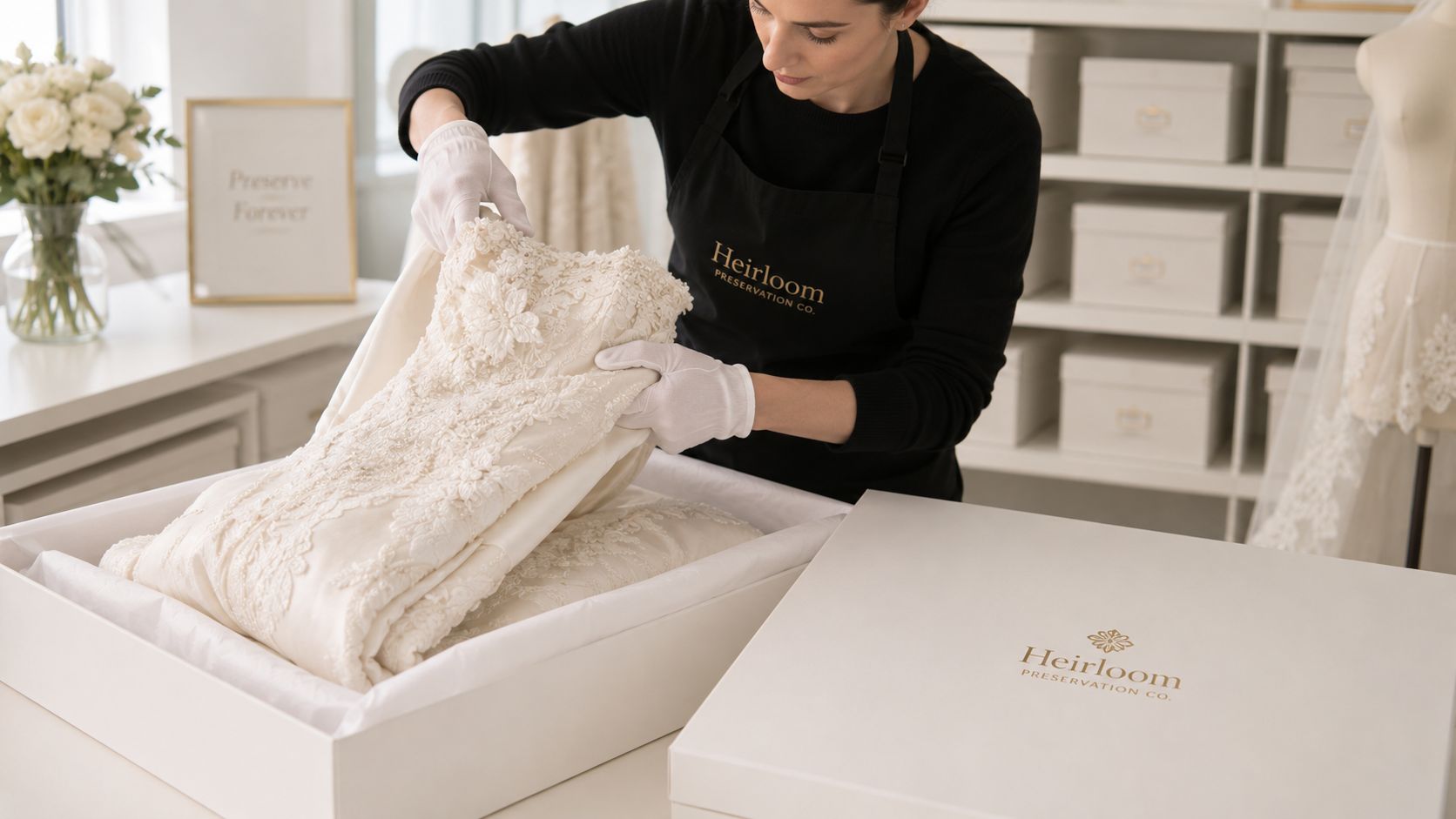
Once you add preservation, you are paying for more than cleaning. You are paying for storage-grade materials and the skill to package the gown without crushing shape, trim, or delicate seams.
Acid-free tissue, a pH-balanced box, careful folding, padding at stress points, and final inspection all add cost. So does the time it takes to do that packing correctly. If you want a cleaner explanation of what to ask for, Columbia Pike Laundry's preservation tips are a solid starting point.
My advice is simple. Judge the price by the work behind it, not by the number alone. With wedding dress cleaning, the lowest quote is often the one that leaves out the care your gown needs.
The Preservation Process What Are You Paying For?
Preservation sounds fancy, but it's a practical service. You're paying a professional to clean the gown thoroughly and then package it in a way that helps protect it during storage.
It starts with cleaning, not the box
A preservation box doesn't save a dirty dress. If residue stays in the fabric, storage can make the problem worse.
That's why the cleaning step is the foundation. The gown has to be inspected, treated, and stabilized before anyone starts folding tissue around it. If that part is rushed, the nicest box in the world won't fix it later.
The materials are part of the value
Good preservation uses acid-free or pH-balanced boxes and tissue support to reduce creasing, which is one reason cleaning-plus-preservation costs more than cleaning alone in the market guidance already discussed earlier.
That sounds technical, but the idea is simple. Cheap storage materials can work against the fabric over time. Better materials are meant to create a safer resting place for a dress you may not open again for years.
If you're interested in the home-storage side of preserving garments long term, it helps to understand that garment care doesn't stop once the gown leaves the cleaner. Where and how you store the preserved box matters too.
Gentle chemistry matters too
The cleaning method matters because wedding gowns often combine delicate fibers and decorative elements. Harsh treatment can create damage while trying to prevent damage.
At Columbia Pike Laundry, dry cleaning uses the GreenEarth method, which is an eco-friendly solvent approach that's gentler on delicate garments. If you want a practical look at what long-term gown care involves, Columbia Pike Laundry's preservation tips are a useful reference.
Preservation is not a display upgrade. It's a storage strategy for textiles that carry sentimental value.
What I'd look for in a preservation package
Not every provider uses the same language, so ignore the pretty wording and ask what they do.
- Cleaning depth: Ask whether stain treatment happens before packing, not as an afterthought.
- Box materials: Look for acid-free or pH-balanced packaging.
- Internal support: Tissue support helps reduce hard creases and stress points.
- Handling standards: The slower process is often a good sign with a high-risk garment.
If a provider talks only about the box and not the cleaning process, I'd keep shopping.
How to Choose a Provider Questions to Ask
At this stage, people either protect their dress or overpay for confusion.
A lot of quotes look reasonable until the extras show up. Independent pricing coverage notes that many wedding dress cleaning quotes start around $249, but the final price can rise with add-ons for the veil, stain removal, and shipping, as explained in this breakdown of wedding dress preservation costs. That's why the starting price matters less than the complete invoice.
Ask for an itemized quote
Don't settle for “It starts at...” Ask what's included.
You want to know whether the quote covers cleaning only, preservation materials, minor stain treatment, accessory handling, shipping, insurance, and rush service if needed. If they can't explain the bill in plain English, that's a warning sign.
Ask how they handle specialty garments
Wedding gowns are specialty garments. Treat them that way when you interview a cleaner.
Use questions like these:
- What cleaning method do you use? You want a real answer, not vague reassurance.
- Is the work done on-site or sent out? Either can be fine, but you should know who is touching the gown.
- What does preservation include? Ask about the box, tissue, and handling.
- Can you inspect the dress before final pricing? That's often the fairest way to quote.
- What add-ons commonly change the final total? This question saves people a lot of aggravation.
Look for calm, specific answers
A good provider won't dodge details. They'll explain their process, set expectations, and talk plainly about risk.
If you're comparing local dry cleaners, pay attention to how they discuss delicate fabrics, pickup and delivery, communication, and specialty-item handling. The dress itself matters, but so does the reliability of the business managing it.
If a provider makes the quote sound simple but the process sound vague, trust the quote less.
My opinion
Choose the cleaner who gives you the clearest process, not the sweetest headline price. Clear beats cheap when the garment is irreplaceable.
Cost-Saving Tips and Critical DIY Warnings
If you want to save money, the smartest move is simple. Bring the dress in sooner rather than later. Fresh soil is easier to deal with than old, set-in residue. You don't need panic. You do need momentum.
A few practical ways to keep the bill under control:
- Decide your goal first: If you're keeping the gown, ask about preservation from the start instead of pricing cleaning and boxing separately.
- Ask about accessories upfront: Veils and similar items can affect the total.
- Request the full price in writing: That helps prevent surprises later.
Now the warning. Don't try to clean a wedding gown in your bathtub because somebody online made it sound easy.
Home detergents, rubbing, soaking, steam, and spot treatment pens can all create problems. Delicate fibers can lose shape. Embellishments can loosen. Stains can spread or set deeper. If you've ever dealt with removing tough laundry stains, you already know that “cleaning” and “making it worse permanently” can be very close neighbors.
Professional wedding dress cleaning cost is real. So is the cost of ruining a dress you can't replace. Between those two, the smarter expense is obvious.
If your gown needs careful cleaning or long-term preservation, Columbia Pike Laundry is one local option for specialty garment care, with pickup and delivery available for busy households that don't need one more errand on the calendar.
Free pickup, expert care, delivered back to your door.
Popular Blog Articles



Meet the Author
Daniel Logan didn’t start CPL because he loved laundry. He started it because his family was drowning in time debt, and laundry was one of the biggest weights.
Mornings were chaos with two kids under 5. Evenings felt like catch-up. And weekends? Gone to sorting socks and folding piles.
He knew his story wasn’t unique. So he built a business that gave families like his just a little bit of breathing room one load at a time.
With no laundry experience but deep tech skills, Daniel rolled up his sleeves, doing every job himself while building systems that turned it into a modern laundry service that saves customers time, simplifies their lives, and delivers reliability they can count on.
That’s where CPL began. Not from a playbook, but from pain. From one dad trying to buy back time: for himself, and for every household like his.
Free pickup, expert care, delivered back to your door.