
What can be dry cleaned: Essential guide for Arlington 2026

Columbia Pike Laundry offers pickup & delivery across Northern Virginia.
Many Arlington residents believe every garment marked ‘dry clean only’ must be professionally cleaned, but that’s not always true. Understanding which fabrics genuinely need dry cleaning saves you time, protects your wardrobe, and helps you make smarter decisions about garment care. This guide clarifies what items benefit from professional dry cleaning, what you can safely handle at home, and how to choose the right cleaning method for your busy lifestyle.
Key takeaways
| Point | Details |
|---|---|
| Dry cleaning uses solvents instead of water | Chemical solvents prevent shrinkage, color bleeding, and fabric damage that water causes. |
| Delicate fabrics require professional care | Silk, wool, velvet, leather, and rayon maintain quality when dry cleaned by experts. |
| Not all ‘dry clean only’ labels are strict rules | Some polyester, cotton, and linen items can be hand washed safely after testing. |
| Certain materials should never be dry cleaned | Plastics, PVC, and heavily embellished garments can melt or distort in dry cleaning machines. |
| Eco-friendly alternatives are replacing toxic solvents | Liquid CO2 and wet cleaning methods reduce environmental and health risks compared to traditional chemicals. |
Understanding dry cleaning: what it is and how it works
Dry cleaning differs fundamentally from traditional washing because it uses chemical solvents instead of water to clean fabrics. The process protects delicate materials from shrinkage, color loss, and texture changes that water typically causes. Instead of soap and water, professional cleaners use liquid solvents that penetrate fabric fibers and lift away dirt and oils without the harsh mechanical action of a washing machine.
The magic of dry cleaning lies in how these solvents dissolve grease and oil stains that water cannot touch. When you spill salad dressing on silk or get perspiration stains on wool, water-based detergents struggle to break down those oil-based compounds. Dry cleaning solvents surround these molecules and carry them away, leaving fabrics clean without the wear and tear of traditional laundering.
The typical dry cleaning process follows these steps:
- Inspection and tagging of garments to identify stains and problem areas
- Pre-treatment of stubborn spots with specialized solutions
- Machine cleaning using solvent circulation through fabrics
- Post-spotting to address any remaining marks
- Pressing and finishing to restore garment shape
This method maintains fabric texture and garment structure better than home washing, especially for tailored pieces like blazers and dress pants. The gentle tumbling action and controlled temperature preserve the crisp lines and professional appearance that business attire demands. For busy Arlington professionals who need their work wardrobe to look sharp, this time-saving laundry service approach delivers consistent results.
The industry is shifting away from older solvents toward safer alternatives. Perchloroethylene, once the dominant chemical, is being replaced by environmentally friendlier options that protect both workers and customers. This evolution makes modern dry cleaning a more sustainable choice for conscious consumers who want quality care without compromising health or environmental values.
Fabrics and materials suitable for dry cleaning
Certain fabrics simply perform better when cleaned professionally rather than tossed in your home washer. Silk, velvet, wool, leather, linen, rayon, acetate, and taffeta require professional dry cleaning to maintain their quality and appearance over time. These materials either contain natural fibers that shrink when wet, have delicate weaves that snag easily, or feature dyes that bleed in water.
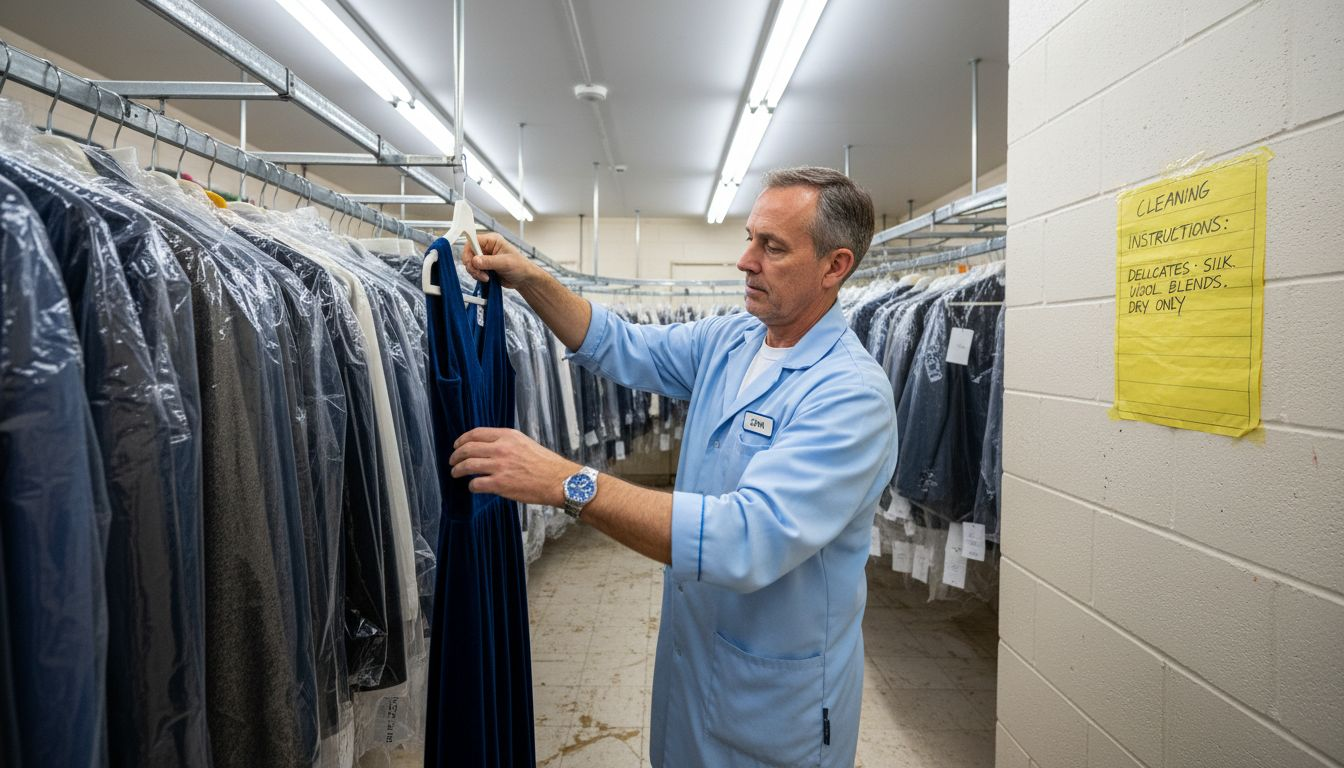
Silk deserves special attention because water can leave permanent spots and cause the fabric to lose its signature sheen. Wool sweaters and blazers shrink dramatically in warm water, transforming a perfectly fitted garment into something unwearable. Velvet’s unique pile structure gets crushed and matted in traditional washing, destroying the soft texture that makes it luxurious.
Leather and suede require specialized cleaning but not all pieces qualify for treatment. Damaged, brittle, or heavily worn leather may deteriorate further during cleaning. Suede particularly needs expert handling because water stains it permanently and conventional solvents can alter its texture. Professional cleaners assess each piece individually before proceeding.
Structured garments like blazers maintain shape and appearance better through dry cleaning than washing. The interfacing, shoulder pads, and canvas construction in tailored jackets can warp and bubble if exposed to water and heat. Dry cleaning preserves these internal structures while refreshing the outer fabric.
| Fabric Type | Why Dry Clean | Benefits |
|---|---|---|
| Silk | Prevents water spots and dye bleeding | Maintains sheen and drape |
| Wool | Avoids shrinkage and felting | Preserves fit and softness |
| Velvet | Protects delicate pile texture | Keeps luxurious feel |
| Leather/Suede | Requires specialized solvents | Prevents permanent staining |
| Rayon | Highly prone to shrinkage | Maintains original size |
| Acetate | Weak when wet | Prevents fiber damage |
| Taffeta | Complex weave structure | Preserves crisp texture |

Pro Tip: Keep a small notebook or phone list of which garments in your closet need dry cleaning versus home care. This simple system saves decision time during your weekly laundry routine and prevents costly mistakes.
For Arlington residents managing professional wardrobes, understanding these fabric requirements helps you invest wisely in clothing and budget appropriately for advantages of in house dry cleaning services. Quality garments deserve quality care, and knowing which pieces need professional attention protects your investment.
Items that should not be dry cleaned
Some materials react poorly to dry cleaning solvents and processes, risking permanent damage to your belongings. Plastics, PVC, and heavy embellishments can melt or distort during the cleaning cycle because solvents soften synthetic materials that weren’t designed for chemical exposure. That trendy jacket with plastic sequins or vinyl trim might emerge from dry cleaning warped, melted, or discolored.
Garments with extensive beading, sequins, or glued decorations present problems because the mechanical tumbling action can break adhesives and loosen attachments. The heat used in pressing can also melt glue or warp plastic embellishments beyond repair. If you love that heavily decorated cocktail dress, hand cleaning or spot treatment might be your only safe option.
Water-based stains require water-based solutions. Sending a shirt with coffee, juice, or wine stains to dry cleaning wastes money because solvents cannot dissolve water-soluble compounds. These stains need pre-treatment with water and detergent before any other cleaning method. Professional cleaners can handle this, but you need to point out these specific stains during drop-off.
Certain pleated fabrics lose their crisp folds after dry cleaning due to heat and agitation. Permanent pleats set with heat-bonding might survive, but knife pleats or accordion styles often flatten. Ask your cleaner about their pleating preservation methods before risking a favorite skirt.
Additional items to keep away from dry cleaning:
- Foam-backed or rubber-lined fabrics that deteriorate in solvents
- Garments with delicate buttons made from natural materials like shell or wood
- Items with water-based paint or screen printing that solvents can dissolve
- Fur trim that requires specialized furrier care
- Heavily padded items like quilted jackets where filling might clump
When you’re unsure about a garment’s suitability, check the care label first and ask your cleaner for advice. A quick phone call to a time-saving laundry service provider can prevent a costly mistake. Most professional cleaners would rather decline a problematic item than damage it and lose your trust.
Common misconceptions about dry clean only labels
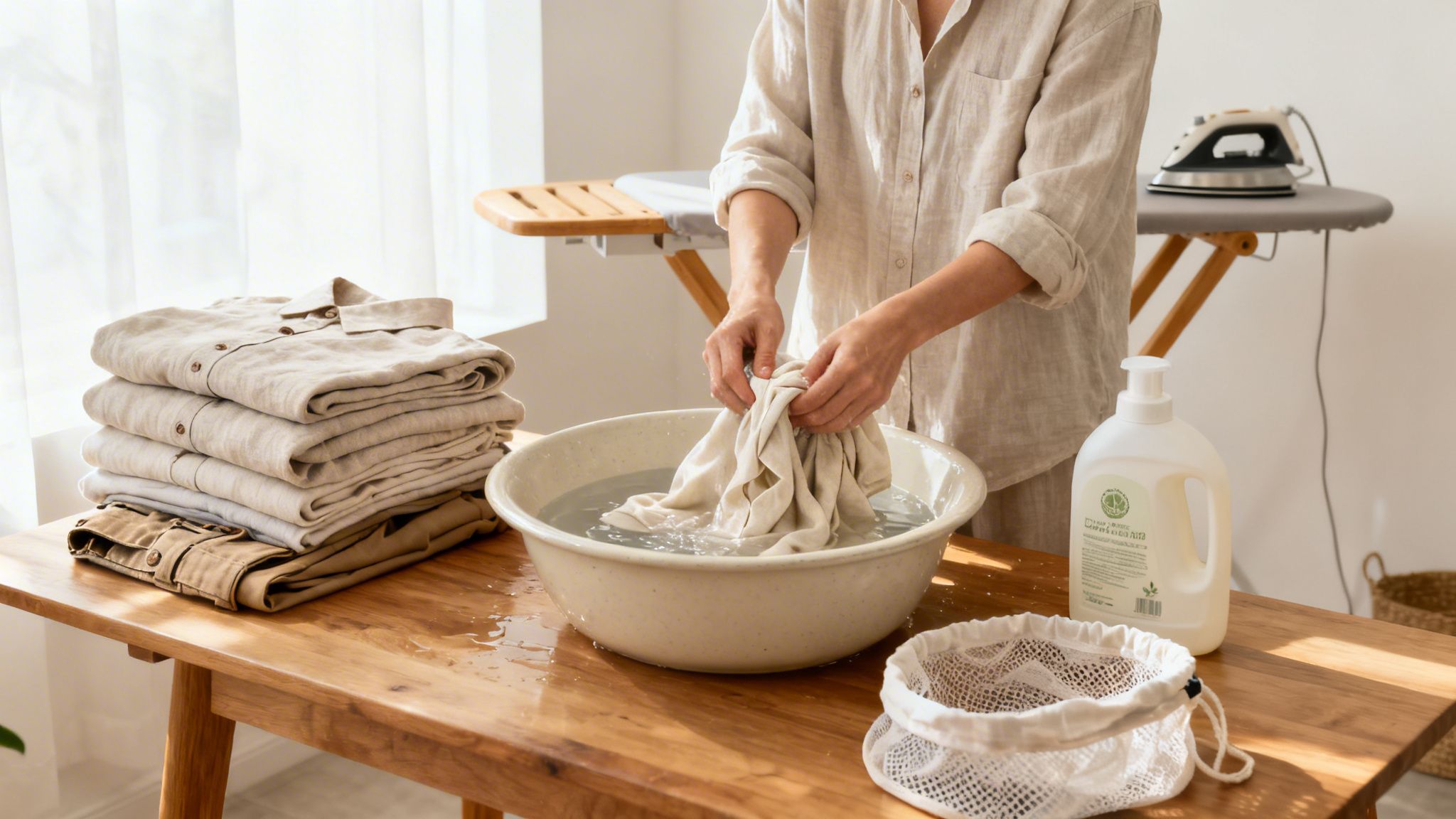
The phrase ‘dry clean only’ on a care label often represents the manufacturer’s safest recommendation, not an absolute requirement. ‘Dry clean only’ labels are often recommendations, and fabrics like polyester, cotton, and linen can sometimes be safely hand washed with careful attention. Manufacturers choose this label to avoid liability if consumers damage garments through improper home washing.
Many synthetic fabrics marked ‘dry clean only’ actually tolerate gentle hand washing quite well. Polyester blends, certain rayons, and even some silks survive careful home treatment if you follow specific precautions. The key lies in understanding why the manufacturer recommended dry cleaning in the first place: is it the fabric itself, the construction method, the dyes used, or attached embellishments?
Before attempting home washing on any ‘dry clean only’ garment, follow these steps:
- Perform colorfastness tests on hidden seams by dampening a cotton swab with mild detergent and rubbing an interior seam
- Wait five minutes and check if any dye transfers to the swab
- Examine construction details like linings, interfacing, and shoulder pads that might not tolerate water
- Check for embellishments that could loosen or tarnish when wet
- Test wash in cold water with minimal agitation if all checks pass
Some ‘dry clean only’ garments succeed with home care while others fail spectacularly. A simple polyester dress might emerge perfectly fine from gentle hand washing, while a similar-looking piece could shrink two sizes because of hidden rayon content. Your success depends on fabric knowledge, careful inspection, and willingness to accept risk.
Pro Tip: If a garment costs more than $100 or holds sentimental value, skip the home washing experiment and invest in professional cleaning. The peace of mind outweighs the $10 you might save.
For everyday items like cotton blouses or polyester pants mistakenly labeled ‘dry clean only’, gentle hand washing with cold water and mild detergent often works perfectly. Air dry these pieces flat or hanging to avoid heat damage. However, for your professional wardrobe staples and special occasion wear, home laundry tips complement but don’t replace expert care.
Environmental and health considerations in dry cleaning
Traditional dry cleaning relies on solvents that carry environmental and health risks worth understanding. Perchloroethylene (PERC) solvent is being phased out due to toxicity concerns, with safer alternatives like liquid CO2 and professional wet cleaning emerging as industry standards. PERC, classified as a probable carcinogen, contaminates groundwater and air when improperly handled, and regulations now restrict its use in new dry cleaning facilities.
The phase-out began in 2024, with many states banning PERC installations and requiring existing users to transition by specific deadlines. California, for example, mandates complete PERC elimination from dry cleaning operations. This regulatory pressure drives innovation toward greener technologies that clean effectively without toxic residues.
Traditional dry cleaning solvents may leave residues on clothing that pose health concerns, particularly for people with chemical sensitivities. These residues off-gas slowly after cleaning, which is why freshly dry-cleaned garments often smell strongly of chemicals. Prolonged exposure to PERC vapors can cause dizziness, headaches, and respiratory irritation in sensitive individuals.
Modern alternatives address these concerns:
| Solvent Type | Safety Profile | Environmental Impact | Cleaning Effectiveness |
|---|---|---|---|
| PERC | Toxic, being phased out | High groundwater contamination | Excellent on oils/greases |
| Hydrocarbon | Moderate safety | Lower than PERC | Good general cleaning |
| Liquid CO2 | Non-toxic, food-grade | Minimal impact | Excellent, gentle on fabrics |
| Professional Wet Cleaning | Water-based, non-toxic | Lowest environmental impact | Good with skilled operators |
| Silicone-based (GreenEarth) | Low toxicity | Biodegradable | Good general cleaning |
Liquid CO2 cleaning uses pressurized carbon dioxide in liquid form to dissolve dirt and oils. The CO2 returns to gas form after cleaning, leaving no residue and requiring no additional drying. This method works exceptionally well for delicate fabrics and produces no hazardous waste.
Professional wet cleaning uses computer-controlled washers and dryers with specialized detergents to clean garments previously thought to require dry cleaning. Skilled operators adjust water temperature, mechanical action, and moisture levels for each fabric type. This technology proves that many ‘dry clean only’ items can be safely cleaned with water when expertise and proper equipment combine.
When choosing a dry cleaner, ask about their solvent type and environmental practices. Cleaners using in-house dry cleaning benefits can better control quality and chemical exposure because they handle the entire process themselves rather than outsourcing to industrial facilities.
Practical tips for using dry cleaning services effectively
Maximizing your dry cleaning investment requires strategic choices about providers, timing, and communication. Choose cleaners with in-house facilities rather than drop-off locations that send garments elsewhere. In-house operations provide better quality control, faster turnaround, and direct accountability when issues arise. You can speak directly with the people handling your clothes rather than relaying messages through intermediaries.
Pickup and delivery services eliminate the time-consuming drop-off and retrieval trips that busy Arlington professionals struggle to fit into packed schedules. Schedule regular pickups on your preferred day, and freshly cleaned garments arrive at your door without requiring any of your time. This convenience particularly benefits households juggling dual careers, children’s activities, and limited free time.
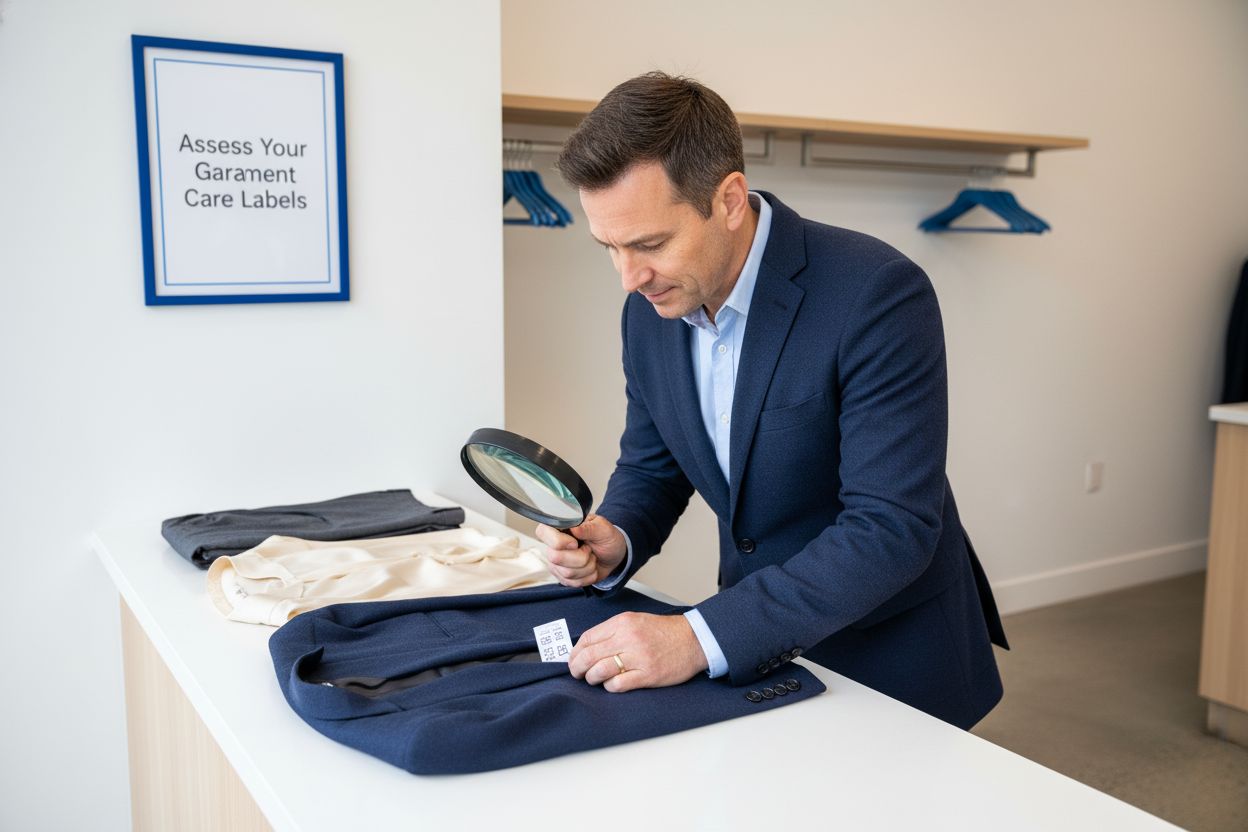
Always read care labels before sending items to any cleaner and point out specific stains or concerns during drop-off. Professional cleaners can work miracles, but they need information about stain sources and fabric sensitivities to choose appropriate treatments. That red wine spill requires different handling than motor oil, and mentioning it ensures proper pre-treatment.
Bulk items like comforters, curtains, and tablecloths benefit enormously from professional equipment that handles large, heavy pieces. Home washers struggle with king-size comforters that don’t fully submerge or spin properly. Professional machines provide thorough cleaning and proper extraction that prevents mildew and musty odors. Consider bulk laundry service benefits for seasonal items that overwhelm home equipment.
Key strategies for effective dry cleaning:
- Establish regular cleaning intervals for frequently worn items to prevent deep-set stains
- Empty all pockets before drop-off to avoid pen marks or tissue damage
- Group similar items together for efficient processing
- Ask about special services like moth-proofing for wool storage
- Request cardboard or reusable hangers instead of disposable plastic
Pro Tip: Clean your entire winter wardrobe before storing it for summer, even pieces that look clean. Body oils and invisible stains attract moths and cause yellowing during storage. Fresh, clean garments survive storage better and emerge ready to wear.
Understanding standard turnaround times helps you plan ahead for important events. Most cleaners offer 48-hour standard service with express options available for rush situations. However, complex items like wedding gowns or heavily beaded garments require longer processing. Communicate your timeline clearly when dropping off time-sensitive pieces.
For comprehensive garment care that fits your lifestyle, explore time-saving laundry tips that combine professional services with smart home practices. The goal is maintaining your wardrobe efficiently without sacrificing precious free time to laundry tasks.
Efficient dry cleaning services with Columbia Pike Laundry
Busy Arlington residents need dry cleaning solutions that deliver quality without consuming valuable time. Columbia Pike Laundry offers expert in-house dry cleaning with particular attention to delicate fabrics, ensuring your silk blouses, wool blazers, and special occasion wear receive proper care. Our facility handles everything on-site rather than outsourcing to industrial cleaners, giving us direct control over quality and timing.
Our pickup and delivery service eliminates the errand that never quite fits into your schedule. Through our easy 3-step service, you schedule a pickup online, we collect your items, clean them professionally, and return everything pressed and ready to wear. This seamless process works perfectly for professionals who need reliable garment care without the logistics hassle.
Beyond individual services, we provide commercial laundry service McLean VA and commercial laundry service Reston VA for businesses requiring consistent, high-volume cleaning. Whether you manage a medical office needing lab coats or a restaurant requiring linens, our commercial solutions maintain your professional image reliably.
Frequently asked questions
What fabrics are absolutely dry clean only?
Silk, wool, velvet, acetate, and taffeta typically require professional dry cleaning to avoid damage like shrinkage, color bleeding, or texture loss. Leather and suede need specialized cleaning methods, but damaged or brittle pieces may not qualify for treatment. When in doubt, follow the care label and consult your cleaner about specific garments.
Can I wash ‘dry clean only’ clothes at home safely?
Some polyester, cotton, and linen garments marked ‘dry clean only’ can be hand washed after spot testing for colorfastness on hidden seams. Use cold water, mild detergent, and minimal agitation for best results. However, avoid washing heavily embellished items, structured pieces with interfacing, or delicate fabrics like silk without professional guidance.
What items should I never send to a dry cleaner?
Avoid dry cleaning plastics, PVC, heavily beaded or sequined garments, and items with glued embellishments that might melt or detach. Garments with water-soluble stains like coffee or juice need water-based treatment first. Consult your cleaner if you’re uncertain about unusual materials or complex construction.
Are modern dry cleaning solvents safe for people and the environment?
PERC, a common toxic solvent, is being phased out starting in 2024 in favor of greener methods like liquid CO2 and professional wet cleaning. These alternatives significantly reduce chemical residues on clothing and minimize environmental impact. Ask your cleaner which solvent they use if you have chemical sensitivities or environmental concerns.
Recommended
Free pickup, expert care, delivered back to your door.
Popular Blog Articles


Meet the Author
Daniel Logan didn’t start CPL because he loved laundry. He started it because his family was drowning in time debt, and laundry was one of the biggest weights.
Mornings were chaos with two kids under 5. Evenings felt like catch-up. And weekends? Gone to sorting socks and folding piles.
He knew his story wasn’t unique. So he built a business that gave families like his just a little bit of breathing room one load at a time.
With no laundry experience but deep tech skills, Daniel rolled up his sleeves, doing every job himself while building systems that turned it into a modern laundry service that saves customers time, simplifies their lives, and delivers reliability they can count on.
That’s where CPL began. Not from a playbook, but from pain. From one dad trying to buy back time: for himself, and for every household like his.
Free pickup, expert care, delivered back to your door.