
What to Expect at Laundry Drop Off: A Practical Guide
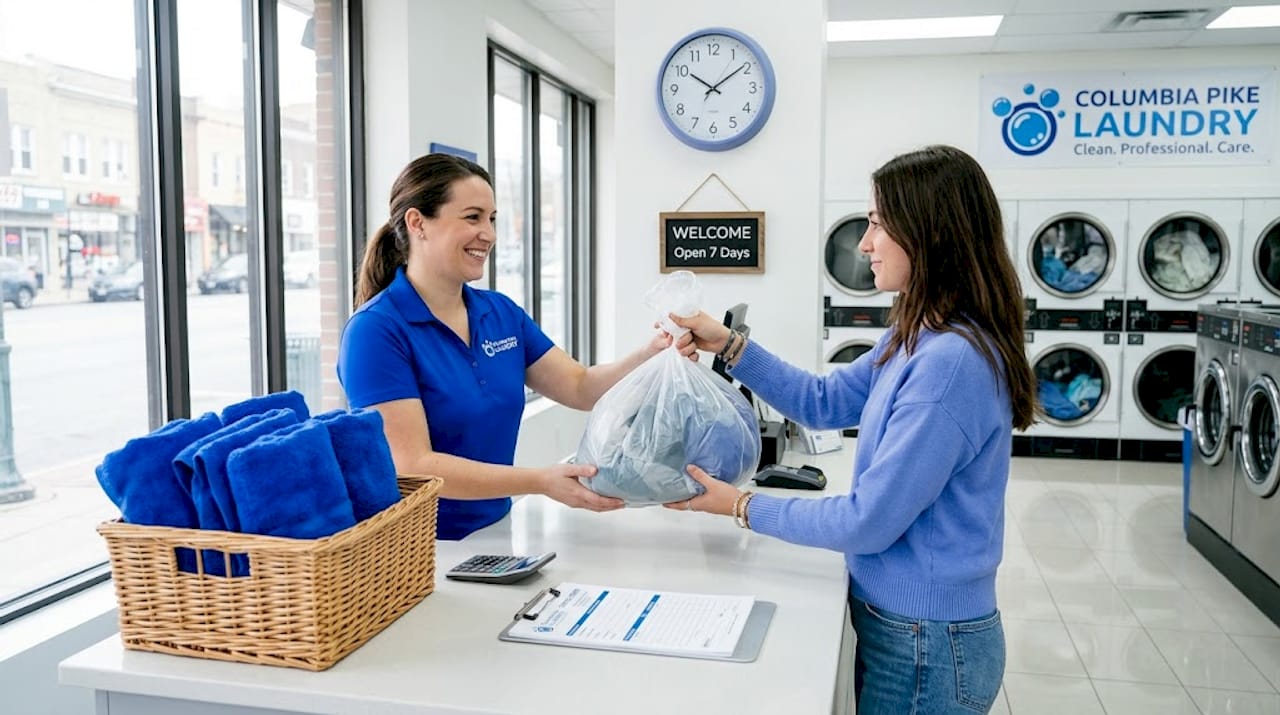
Columbia Pike Laundry offers pickup & delivery across Northern Virginia.
TL;DR:
- Laundry drop-off involves sorting, washing, drying, and folding clothes within 24 to 48 hours, requiring proper preparation. Clear labeling, stain identification, and understanding pricing improve results and avoid common mistakes. Consistent, well-prepared routines help households maximize value and streamline laundry management.
Most people assume laundry drop off is just handing over a bag and walking away. The reality is a bit more involved, and knowing what to expect at laundry drop off before your first visit can mean the difference between clothes returned perfectly folded and a frustrating experience with shrunken sweaters. This guide walks you through every step of how laundry drop off works, from what happens to your clothes after you leave them, to how pricing is structured, to the small preparation habits that make a real difference in results.
Key takeaways
| Point | Details |
|---|---|
| Know the full process | Your clothes are sorted, washed, dried, and folded after drop-off, typically returned within 24 to 48 hours. |
| Prep your laundry first | Empty pockets, check care labels, and flag stains before you arrive to avoid damage and improve results. |
| Understand the pricing | Most services charge by the pound or per bag, with a typical range of $15 to $30 per load. |
| Communicate special needs | Tell staff about stains, fabric sensitivities, or folding preferences at drop-off, not after pickup. |
| Label everything clearly | Labeled bags with your name and instructions prevent mix-ups and ensure your preferences are honored. |
What to expect at laundry drop off: the full process
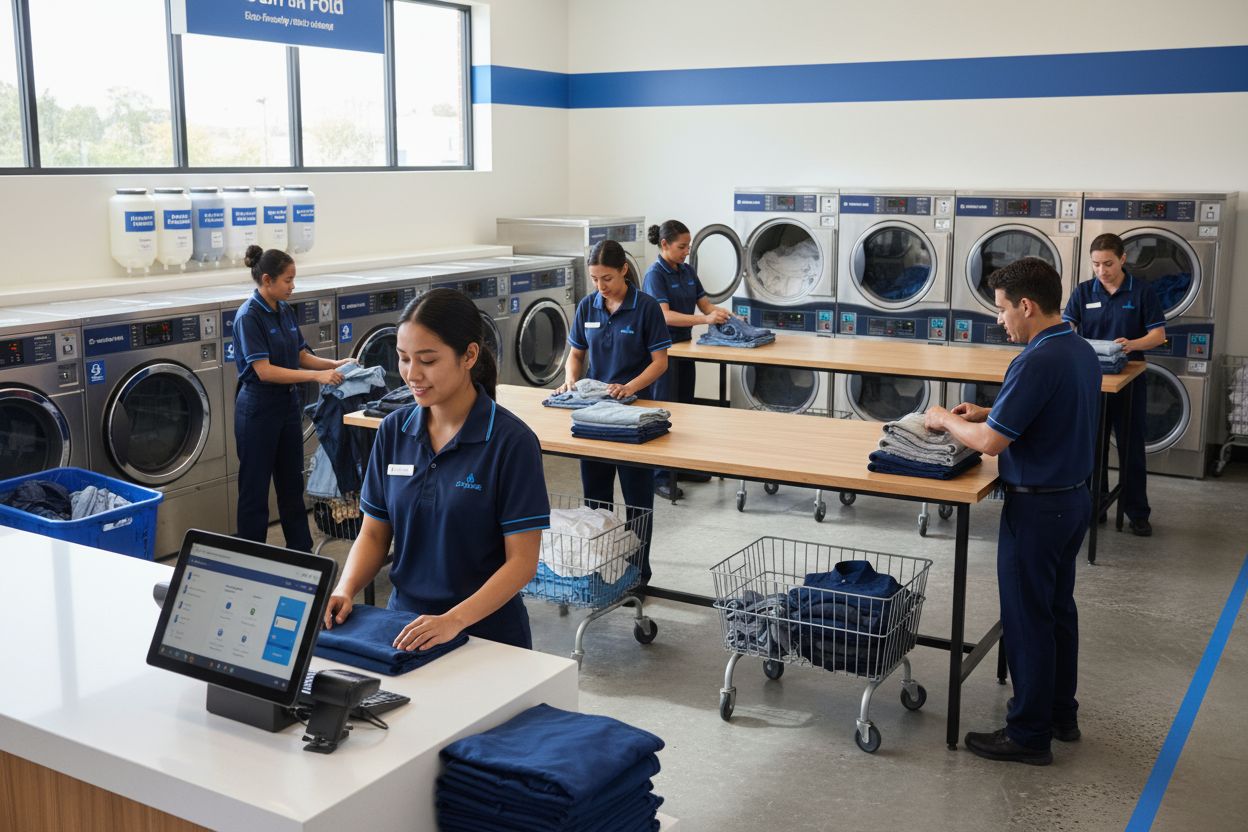
The moment you hand over your bag, a well-run laundry drop off service kicks into a defined workflow. Drop off laundromats sort items per your instructions and wash them accordingly, returning everything folded and ready to use. That sorting step matters more than most people realize. Your darks, whites, and delicates are separated before a single item goes into a machine.
After sorting, staff handle washing based on fabric type and your stated preferences. If you have requested fragrance-free detergent or a specific water temperature, that information gets applied at this stage. Items flagged for dry cleaning go through a different path entirely. Dry cleaning solvent lifts soils gently without damaging delicate fibers, which is why it is the right call for wool, silk, and structured garments rather than a standard wash cycle.
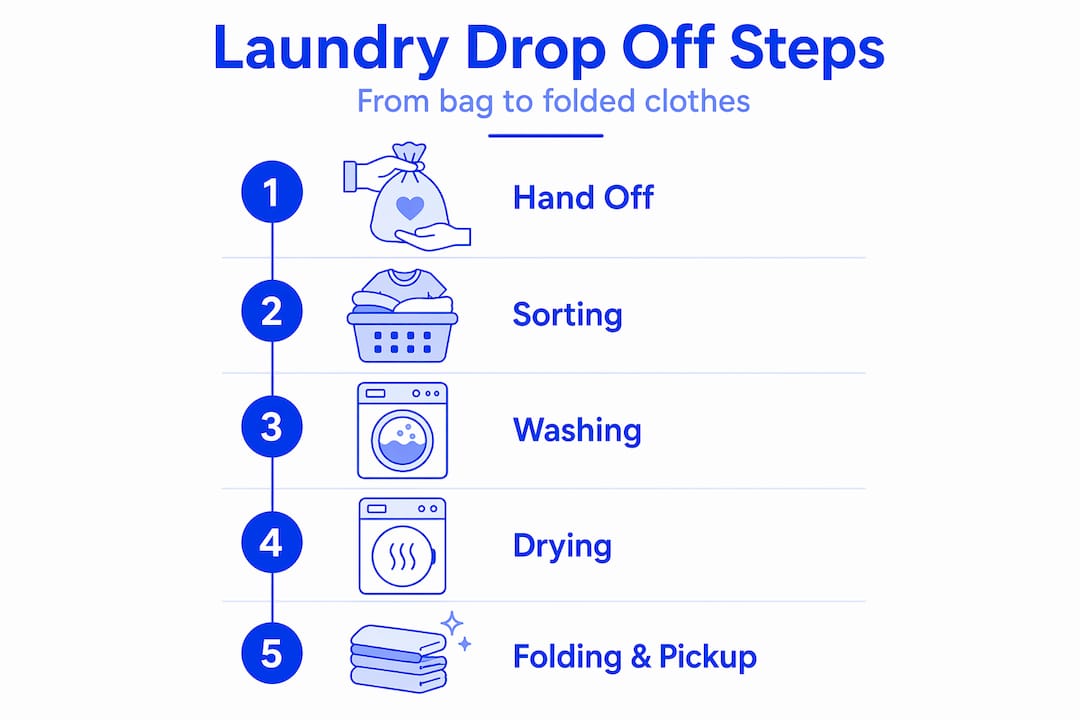
Once cleaned and dried, your items are folded or hung depending on the garment type. Dress shirts typically come back on hangers. Everyday clothes are folded and stacked. Bulky items like comforters are bagged separately. Standard wash and fold services typically return laundry clean and folded within one to two days, though express options exist when you need items back faster.
Here is what the typical drop off laundry process looks like from start to finish:
- Drop off: You bring your bag to the counter and share any special instructions with staff.
- Intake: Staff weigh or count your items and give you a ticket or digital confirmation.
- Sorting: Items are separated by color, fabric, and care requirements.
- Cleaning: Washing, drying, or dry cleaning happens based on garment needs.
- Finishing: Clothes are folded, pressed, or hung and packaged for pickup.
- Pickup: You collect your order, usually within 24 to 48 hours.
Pro Tip: When you drop off, ask whether the service sends a text or app notification when your order is ready. This eliminates unnecessary trips and wasted time.
How to prepare your laundry before drop off
Most problems that happen with laundry drop off services trace back to one thing: poor preparation before arrival. A little effort before you leave the house protects your clothes and gives staff the information they need to do their best work.
Follow these steps before every drop off visit:
- Empty every pocket. Tissues, coins, and especially pens can ruin an entire load. Emptying pockets and checking care labels before drop-off prevents damage and helps staff treat items properly.
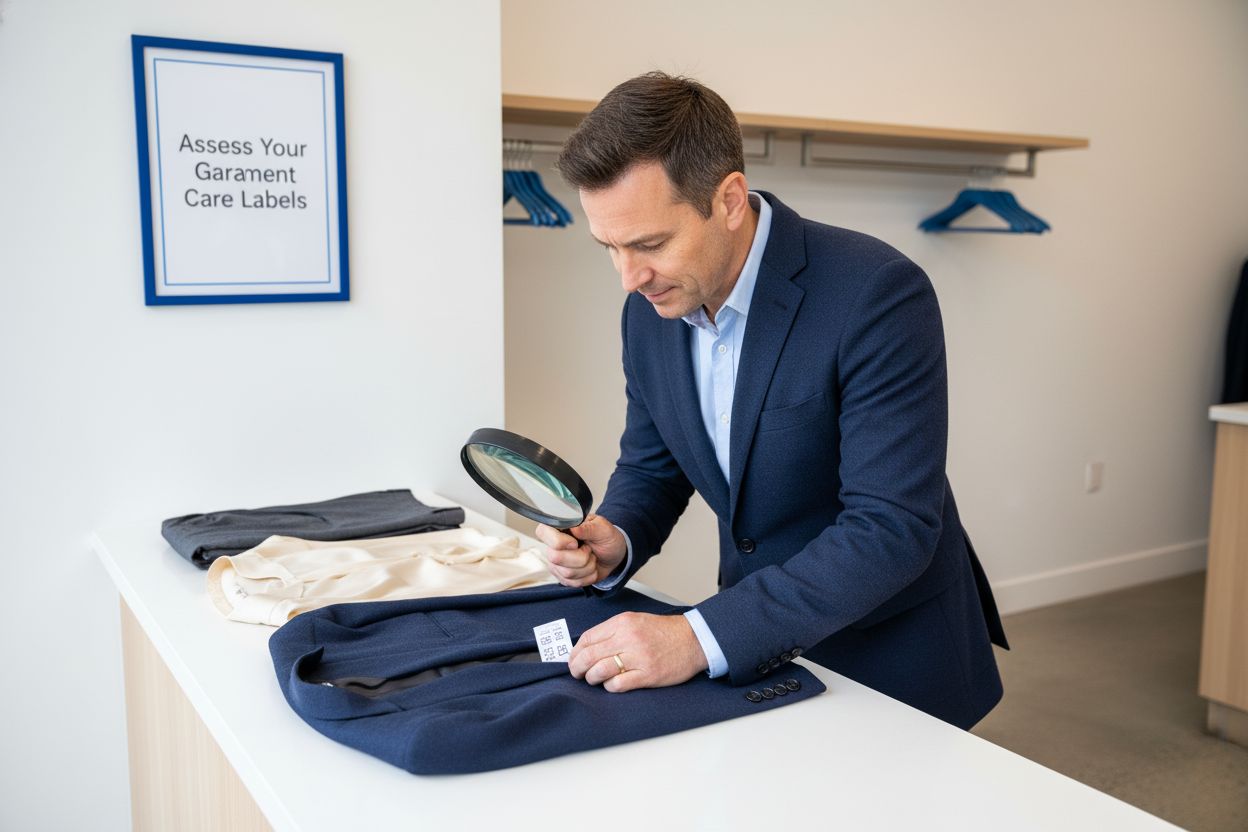
- Check garment care labels. Pull out anything labeled “dry clean only” or “hand wash only” and put it in a separate bag. Do not assume staff will catch every label in a large mixed load.
- Separate delicate items. Bras, lingerie, cashmere sweaters, and anything with embellishments should go into their own bag with a note. Delicate fabrics like wool and silk should never be home-washed unless explicitly indicated, and the same logic applies to bulk commercial washing.
- Identify and flag stains. Point out stains at the counter and, if possible, describe what caused them. Oil-based stains, tannin stains from coffee or wine, and protein-based stains from blood or sweat each respond to different pretreatments. Professional laundry services apply targeted stain pretreatments specific to the stain’s chemical nature, so your description genuinely improves the outcome.
- Bundle linens together. Tie or place sheet sets within pillowcases to keep sets together and prevent missing pieces. A king fitted sheet separated from its set is a common frustration that takes ten seconds to prevent.
- Label your bags. Write your name, phone number, and any relevant instructions on the bag itself. For guidance on what a well-prepared garment bag looks like before drop off, a quick review of standard care prep steps is worth your time.
Pro Tip: If you have multiple loads with different instructions, use different colored bags or masking tape labels. “Hot wash, unscented” on one bag and “cold, hang to dry” on another eliminates any guesswork.
Understanding the cost of laundry drop off
Pricing is one of the most common points of confusion for first-time users of laundry drop off services. There is no single universal model, but most services use one of a few standard structures.
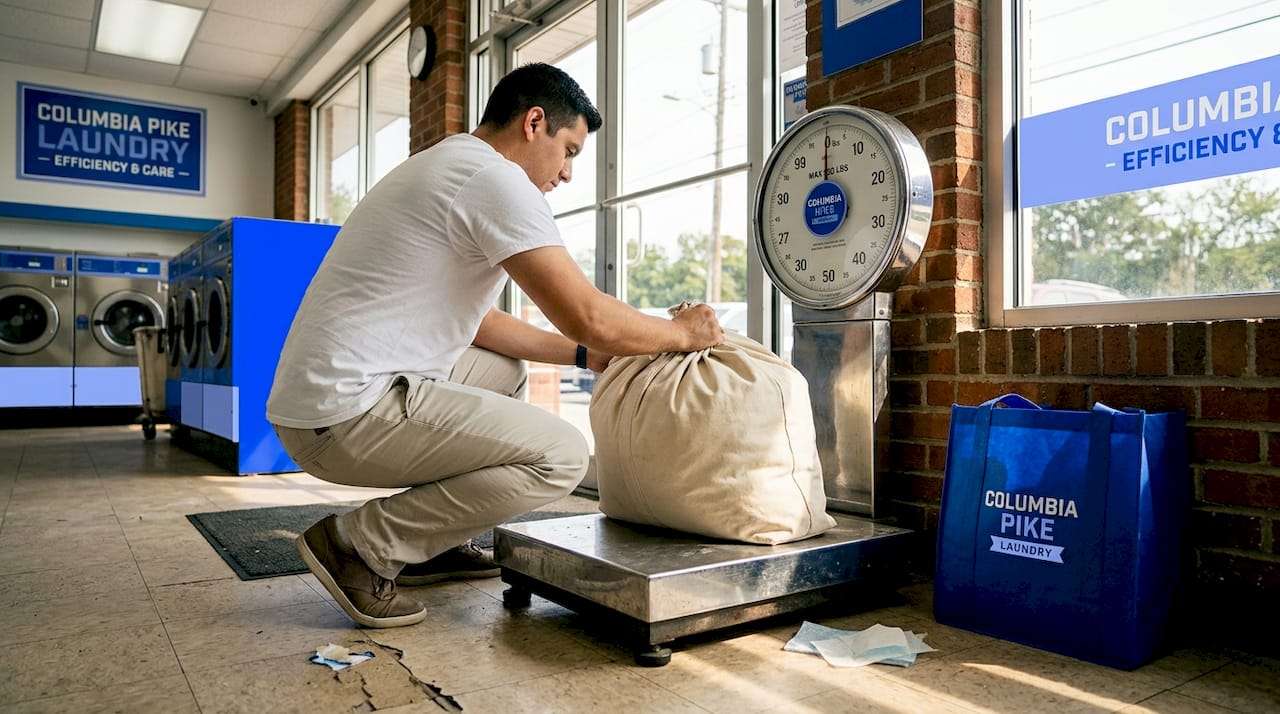
The most common is per-pound pricing. A typical laundry load costs $15 to $30 depending on weight and service level. At most services, a full bag of 10 to 20 pounds falls somewhere in that range for standard wash and fold. Dry cleaning is priced per garment rather than by weight, and costs vary based on the item. A dress shirt might be $5 to $8. A winter coat could be $20 or more.
Here is a comparison of the common service and pricing models you are likely to encounter:
| Service Type | Pricing Model | Typical Cost | Best For |
|---|---|---|---|
| Wash and fold | Per pound or per bag | $15 to $30 per bag | Everyday clothing and linens |
| Dry cleaning | Per garment | $5 to $25+ per item | Delicates, suits, formal wear |
| Drop off in-store | Standard base rate | Lower than pickup/delivery | Local customers who prefer personal drop off |
| Pickup and delivery | Base rate plus service fee | Slightly higher overall | Busy households that value door-to-door convenience |
| Add-on services | Per item or flat fee | $2 to $10+ per add-on | Premium detergent, stain treatment, express turnaround |
Some services have minimum weight requirements, typically around five pounds. Below that threshold, you pay the minimum regardless of actual weight. Factor that in when deciding whether to combine loads or wait until you have a fuller bag. If you are comparing drop off versus pickup and delivery, the latter usually carries a small additional fee but saves you the trip entirely. You can read more about the value of pickup service for households where time is the tightest resource.
Drop off etiquette and avoiding common pitfalls
A smooth drop off experience is partly about what you bring and partly about how you interact with the service. A few habits make the process easier for both you and the staff handling your clothes.
- Arrive during off-peak hours. Mornings mid-week tend to be less crowded than Saturday afternoons. Shorter lines mean more time to communicate your instructions clearly.
- Be specific about stains at the counter. Vague descriptions like “there might be a stain somewhere” are not helpful. Point to the spot and say what caused it. Alerting cleaners to stain types at drop-off enables effective pretreatment. That conversation takes 30 seconds and can save a garment.
- Confirm turnaround time before you leave. Do not assume 24 hours is the standard everywhere. Ask, especially if you need items for an event.
- Keep your claim ticket or order confirmation. Digital or paper, hold onto it. If anything goes missing, it is your first line of evidence.
- Address problems promptly. If something comes back wrong, report it when you pick up rather than days later. Most reputable services will address issues on the spot or re-clean the item. Clear labeling and organized bag preparation significantly reduces mix-up frequency, but problems do occasionally happen. Your behavior at that moment determines how quickly they get resolved.
- Write down your folding preferences. If you want shirts stacked rather than rolled, or towels folded in thirds, put it in writing on the bag. Verbal instructions get forgotten in a busy intake process.
What to do when results are not perfect
Even well-run laundry drop off services occasionally return items that are not quite right. Knowing how to handle those moments removes the stress from what is otherwise a very convenient service.
Stain remnants are the most common issue. Some stains, particularly old oil stains that have been heat-set through previous washing, cannot be fully removed in a single treatment. A good service will tell you this upfront when you flag the stain. If they do not mention it and the stain returns untreated, ask specifically what pretreatment was applied.
Shrinkage is the second most reported problem and almost always traces back to garments that needed cold or delicate cycles but were not separated before drop off. This is why the laundry drop off checklist from the preparation section is not optional. Communicating stain and fabric needs clearly enhances professional treatment success and extends garment life.
For genuinely fragile or irreplaceable items, consider whether professional drop off is the right channel at all. Vintage pieces, heirloom fabrics, and anything with sentimental value beyond its material cost deserve either professional dry cleaning with direct instruction or careful home care. Busy families using weekly laundry pickup find the service works best when they route everyday items through drop off and reserve specialized items for personal attention.
My take on making laundry drop off actually work for you
I have watched people walk into laundry drop off services and treat it like dropping a package into a mailbox. They hand over an unsorted bag with no instructions, no stain notes, and no idea when they need it back. Then they are surprised when results are average.
The services themselves are not the variable. The preparation is. In my experience, the customers who get consistently great results are the ones who spend five minutes before they leave the house. They check care labels, they bag delicates separately, and they say two sentences to the person at the counter about what is in the load. That is the entire difference.
What I find underappreciated is how much a weekly drop off routine can simplify a household. Families who view laundry as a weekly utility rather than a weekend chore report real gains in time and mental bandwidth. You stop carrying the low-grade stress of an overflowing hamper. You reclaim a Saturday morning. That is not a small thing.
Use the service like a professional tool. Give it the right inputs and it returns the right outputs. Treat it like a mystery and the results will reflect that.
— Daniel
Try a drop off service at Columbiapikelaundry
If you are ready to hand off your laundry to people who actually handle it in-house, Columbiapikelaundry at 2602 Columbia Pike in Arlington, Virginia, is worth a visit. No middlemen, no mystery. You can schedule a drop off or pickup through the app, set preferences like fragrance-free detergent or specific folding instructions, and track your order status in real time. Standard turnaround is 48 hours, with express options when you need it faster. Walk in during business hours or learn more about drop off laundry before your first visit to know exactly what to bring.
FAQ
What happens to my clothes after I drop them off?
After drop-off, staff sort your items by color and fabric type, then wash, dry, and fold them according to your instructions. Orders are typically completed and ready for pickup within 24 to 48 hours.
What should I bring to laundry drop off?
Bring your items in a labeled bag that includes your name, contact number, and any special care instructions. Separate delicates, flag stains verbally at the counter, and empty all pockets before arriving.
How much does laundry drop off cost?
Pricing typically ranges from $15 to $30 per bag for standard wash and fold services, based on weight. Dry cleaning is charged per garment, and add-on services like stain treatment or express turnaround carry additional fees.
Do I need an appointment for laundry drop off?
Most laundry drop off locations accept walk-ins during business hours without an appointment. If you prefer scheduled pickup from your home or office, that typically requires booking through an app or website in advance.
What if something comes back damaged or missing?
Report the issue at pickup and show your claim ticket or order confirmation. Reputable services will re-clean the item or work with you toward a resolution. Clear labeling and separating delicates before drop-off are the most effective ways to prevent problems in the first place.
Free pickup, expert care, delivered back to your door.
Popular Blog Articles

Meet the Author
Daniel Logan didn’t start CPL because he loved laundry. He started it because his family was drowning in time debt, and laundry was one of the biggest weights.
Mornings were chaos with two kids under 5. Evenings felt like catch-up. And weekends? Gone to sorting socks and folding piles.
He knew his story wasn’t unique. So he built a business that gave families like his just a little bit of breathing room one load at a time.
With no laundry experience but deep tech skills, Daniel rolled up his sleeves, doing every job himself while building systems that turned it into a modern laundry service that saves customers time, simplifies their lives, and delivers reliability they can count on.
That’s where CPL began. Not from a playbook, but from pain. From one dad trying to buy back time: for himself, and for every household like his.
Free pickup, expert care, delivered back to your door.