
Why Dry Clean Certain Fabrics: Protecting Quality and Longevity
Columbia Pike Laundry offers pickup & delivery across Northern Virginia.
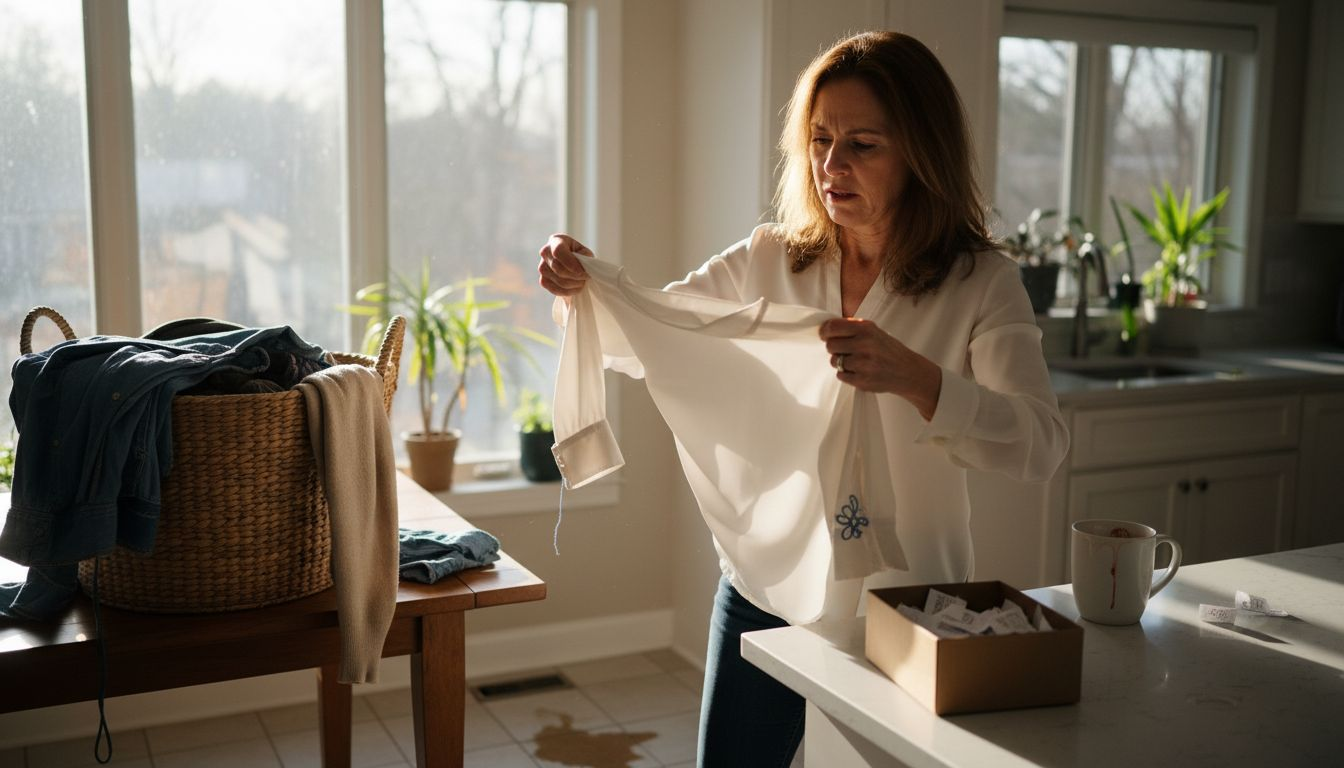
Most American professionals in Arlington, Virginia, spend over 8 hours a week just managing household chores, leaving little time to care for delicate garments. For those juggling packed schedules, standard laundry methods can put treasured work attire or evening clothing at serious risk. Discover fabric care options that cater to the needs of busy lifestyles, offering reliable protection with time-saving convenience for even the most sensitive materials.
Key Takeaways
| Point | Details |
|---|---|
| Understanding Dry Cleaning | Dry cleaning uses chemical solvents instead of water to preserve delicate fabrics and prevent damage. |
| Fabric Suitability | Certain fabrics like silk, wool, and synthetic blends require professional dry cleaning to maintain their quality and structure. |
| Benefits Over Home Washing | Dry cleaning minimizes the risk of shrinkage, color bleeding, and distortion that can occur with traditional laundering methods. |
| Professional Care Importance | Always consult professional cleaners for delicate or high-value garments to ensure proper maintenance and longevity. |
Dry Cleaning Defined: Waterless Fabric Care
Dry cleaning represents a specialized fabric care technique that fundamentally differs from traditional water-based washing methods. Unlike conventional laundering, this process utilizes chemical solvents to remove dirt, stains, and odors without exposing delicate textiles to water. Waterless cleaning techniques have revolutionized fabric maintenance by preserving garment integrity and preventing potential water damage.
The core principle of dry cleaning involves immersing clothing in non-water based solvents, typically perchloroethylene (PCE), which effectively dissolves grease, oil, and stubborn stains without compromising fabric structure. This method proves particularly crucial for garments made from sensitive materials like silk, wool, and certain synthetic blends that might shrink, fade, or lose their original shape when subjected to traditional washing techniques. Historically, French dye-works operator Jean Baptiste Jolly pioneered these advanced cleaning approaches in the 19th century, establishing a groundbreaking approach to textile preservation.
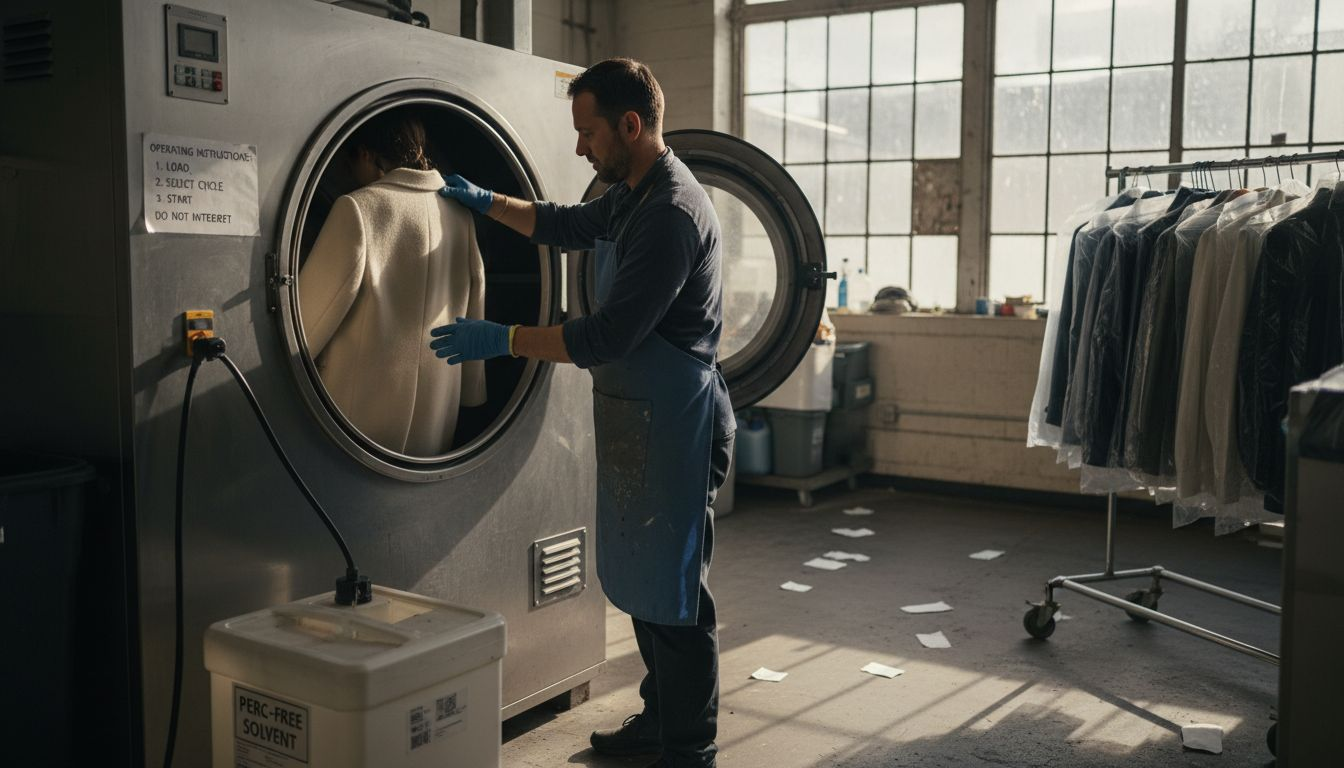
Modern dry cleaning processes employ sophisticated machinery designed to gently circulate specialized solvents through fabric fibers, extracting contaminants while maintaining the garment’s original color, texture, and structural integrity. Professionals carefully sort clothing by fabric type, color, and cleaning requirements, ensuring each piece receives precisely targeted treatment. By avoiding water and utilizing carefully selected chemical solutions, dry cleaning provides a superior alternative for preserving high-quality, delicate, and structured clothing items.
Pro tip: Always check the care label on your garments and consult professional cleaners for items with complex fabric compositions or intricate design elements.
Fabrics That Require Professional Dry Cleaning
Certain fabrics demand specialized care that goes beyond traditional home laundering, making professional dry cleaning an essential service for preserving their quality and appearance. Delicate textile maintenance requires understanding which materials are most vulnerable to water-based washing techniques. Natural and synthetic fibers like silk, wool, rayon, and acetate are particularly sensitive and benefit significantly from professional cleaning methods that protect their structural integrity.
Silk garments epitomize the need for expert cleaning, as water and traditional detergents can cause irreversible damage such as color bleeding, texture distortion, and permanent fabric weakening. Wool items similarly require careful handling, as they are prone to shrinking, felting, and losing their original shape when exposed to water and aggressive washing techniques. Synthetic blends and high-performance fabrics like polyester and nylon with complex weaves or delicate embellishments also demand the precision of professional dry cleaning to maintain their sophisticated design elements.

Professional dry cleaners utilize advanced techniques tailored to each fabric’s unique composition. They carefully assess garment labels, fiber content, and potential vulnerabilities before selecting the most appropriate cleaning solvent and method. This nuanced approach ensures that intricate evening gowns, tailored suits, delicate vintage pieces, and performance sportswear receive specialized treatment that preserves their color, shape, and overall quality far more effectively than home laundering could achieve.
Here’s a quick overview of how various fabrics react to cleaning methods:
| Fabric Type | Water Washing Risks | Dry Cleaning Benefits |
|---|---|---|
| Silk | Color bleeding, weakening | Preserves sheen and structure |
| Wool | Shrinkage, felting | Maintains shape and texture |
| Rayon | Warping, loss of softness | Retains drape and feel |
| Acetate | Deformation, fading | Protects color and finish |
| Synthetics | Distortion, pilling | Keeps intricate designs safe |
Pro tip: Always inspect your garment’s care label and consult professional cleaners when in doubt about the appropriate cleaning method for complex or delicate fabrics.
How Dry Cleaning Preserves Garment Quality
Professional dry cleaning represents a sophisticated approach to fabric maintenance that goes far beyond simple stain removal. Garment preservation techniques protect clothing from the destructive effects of traditional water-based washing methods, ensuring that high-quality garments maintain their original appearance, texture, and structural integrity. By employing specialized solvents and gentle cleaning processes, dry cleaning effectively removes dirt, oils, and stains while minimizing potential damage to delicate fabric fibers.
The mechanical process of dry cleaning is specifically designed to minimize fabric stress. Unlike home washing machines that use aggressive agitation, professional dry cleaning machines utilize controlled, gentle movements that prevent stretching, distortion, and wear. Specialized solvents penetrate fabric fibers more effectively than water, breaking down complex stains without causing color fading or fiber degradation. This precision is particularly crucial for structured garments like suits, evening wear, and items with intricate embellishments that require meticulous care to maintain their original silhouette and design elements.
Modern dry cleaning techniques have evolved to address both performance and environmental concerns. Advanced cleaning methods now incorporate eco-friendly solvents that not only protect garments but also reduce chemical impact. The process involves carefully sorting garments, selecting appropriate cleaning agents, and using controlled temperatures and movement to ensure optimal results. This nuanced approach allows professional cleaners to address specific fabric vulnerabilities, from preventing wool shrinkage to maintaining the delicate sheen of silk and preserving the crisp lines of tailored clothing.
Pro tip: Rotate your dry-cleaned garments and avoid over-cleaning to extend their lifespan and maintain their original quality.
Risks of Washing Delicate Fabrics at Home
Washing delicate fabrics at home can transform a cherished garment into an irreparable disaster within minutes. Delicate fabric damage risks are numerous and often underestimated by well-intentioned home launderers. Natural fibers like silk, wool, cashmere, and certain synthetic blends are particularly vulnerable to destructive washing practices that can cause permanent alterations in texture, shape, and overall appearance.
The primary risks of home laundering delicate fabrics include catastrophic shrinkage, unexpected color bleeding, fiber distortion, and structural breakdown. Aggressive washing machine cycles generate mechanical stress that can stretch or tear fragile fabrics, while incorrect water temperatures can cause irreversible damage. Harsh detergents further compound these risks by stripping natural fibers of their protective oils, leading to premature wear and a dull, lifeless appearance. Wool sweaters can felt and shrink dramatically, silk can lose its lustrous sheen, and intricate embellishments may become loose or completely detach during home washing attempts.
Understanding fabric-specific vulnerabilities is crucial for preventing laundry mishaps. Different materials react uniquely to water, temperature, and mechanical agitation, making a one-size-fits-all approach dangerous. Delicate items with complex weaves, hand-stitched details, or specialized fabric treatments require professional evaluation and cleaning. Home washers often overlook critical care instructions, misinterpreting fabric labels or using generic washing techniques that can cause cumulative damage over time. The cost of replacing a ruined designer dress or vintage garment far outweighs the expense of professional dry cleaning services.
Pro tip: Always check garment care labels and when in doubt, consult a professional dry cleaner to assess the safest cleaning method for your delicate clothing.
Comparing Dry Cleaning With Standard Laundry
Dry cleaning and standard laundry represent two fundamentally different approaches to fabric care, each with unique methodologies and outcomes. Cleaning method differences fundamentally impact garment preservation, making it crucial to understand when to choose each technique. Standard laundry relies on water, detergents, and mechanical agitation, which works well for everyday cotton, linen, and synthetic items that can withstand robust washing processes.
The core distinction lies in the cleaning agents and mechanical processes used. Standard laundry machines use water and detergent, subjecting garments to significant physical stress through spinning and tumbling actions that can cause shrinkage, color fading, and fabric distortion. Dry cleaning, by contrast, employs specialized chemical solvents that gently extract dirt and stains without water, minimizing mechanical wear. This method proves particularly effective for structured garments like suits, evening wear, and delicate fabrics that would disintegrate or lose their shape in traditional washing cycles.
Resource consumption and environmental impact also differentiate these cleaning methods. Standard laundry typically consumes substantial water and energy, with high-temperature wash cycles contributing to fabric degradation. Dry cleaning techniques have evolved to incorporate more eco-friendly solvents and processes that minimize chemical waste while providing superior garment care. Professional dry cleaners carefully sort and treat each item based on its unique fabric composition, ensuring targeted cleaning that preserves the garment’s original quality, color, and structural integrity far more effectively than home laundering techniques.
Compare the essential differences between dry cleaning and standard laundry:
| Aspect | Dry Cleaning | Standard Laundry |
|---|---|---|
| Cleaning Agent | Chemical solvents (no water) | Water and detergent |
| Fabric Suitability | Delicate, structured materials | Everyday, durable fabrics |
| Mechanism | Gentle solvent circulation | Mechanical agitation and spinning |
| Common Outcomes | Shape retention, color protection | Potential fading, shrinking, wear |
Pro tip: Always check garment labels and invest in professional cleaning for high-value or delicate clothing to maximize their longevity and appearance.
Protect Your Delicate Fabrics with Expert Care at Columbia Pike Laundry
Dry cleaning certain fabrics is essential to protect their quality and extend their lifespan. This article highlights the risks of home washing delicate materials like silk, wool, and rayon that can suffer irreversible damage such as shrinking, fading, and distortion. If you want to preserve your clothing’s original texture, color, and structure, professional dry cleaning is the best solution. Columbia Pike Laundry understands these challenges and offers specialized care tailored to each fabric’s unique needs.
Discover how our family-owned business combines local trust with advanced technology to deliver top-notch Dry Cleaning | Laundry Tips and Fabric Care Expertise | Laundry Tips. Whether you prefer bringing your garments to our Arlington storefront or scheduling a convenient pickup and delivery, we ensure every item is cleaned gently and returned ready to wear. Don’t risk costly damage to your precious wardrobe. Visit Columbia Pike Laundry today to schedule your professional dry cleaning service and protect your investment with care you can trust.
Frequently Asked Questions
What fabrics should always be dry cleaned instead of washed at home?
Certain fabrics like silk, wool, rayon, acetate, and delicate synthetic blends should be dry cleaned. These materials are prone to damage from water and traditional detergents, which can cause shrinkage, color bleeding, or loss of texture.
How does dry cleaning preserve the quality of my garments?
Dry cleaning uses specialized solvents that gently extract dirt and stains without causing the fabric stress from mechanical agitation or water exposure. This preserves the garment’s color, texture, and structural integrity, particularly for delicate and structured items.
What are the risks of washing delicate fabrics at home?
Washing delicate fabrics at home can lead to catastrophic shrinkage, color bleeding, and structural breakdown. Aggressive washing machine cycles and incorrect temperatures can cause irreversible damage to fragile materials, making professional dry cleaning a safer option.
How does dry cleaning differ from standard laundry methods?
Dry cleaning uses chemical solvents to clean garments without water, minimizing mechanical wear and preserving delicate fabrics. In contrast, standard laundry relies on water and detergent, which can lead to shrinking, fading, and distortion of sensitive materials.
Recommended
Free pickup, expert care, delivered back to your door.
Popular Blog Articles




Meet the Author
Daniel Logan didn’t start CPL because he loved laundry. He started it because his family was drowning in time debt, and laundry was one of the biggest weights.
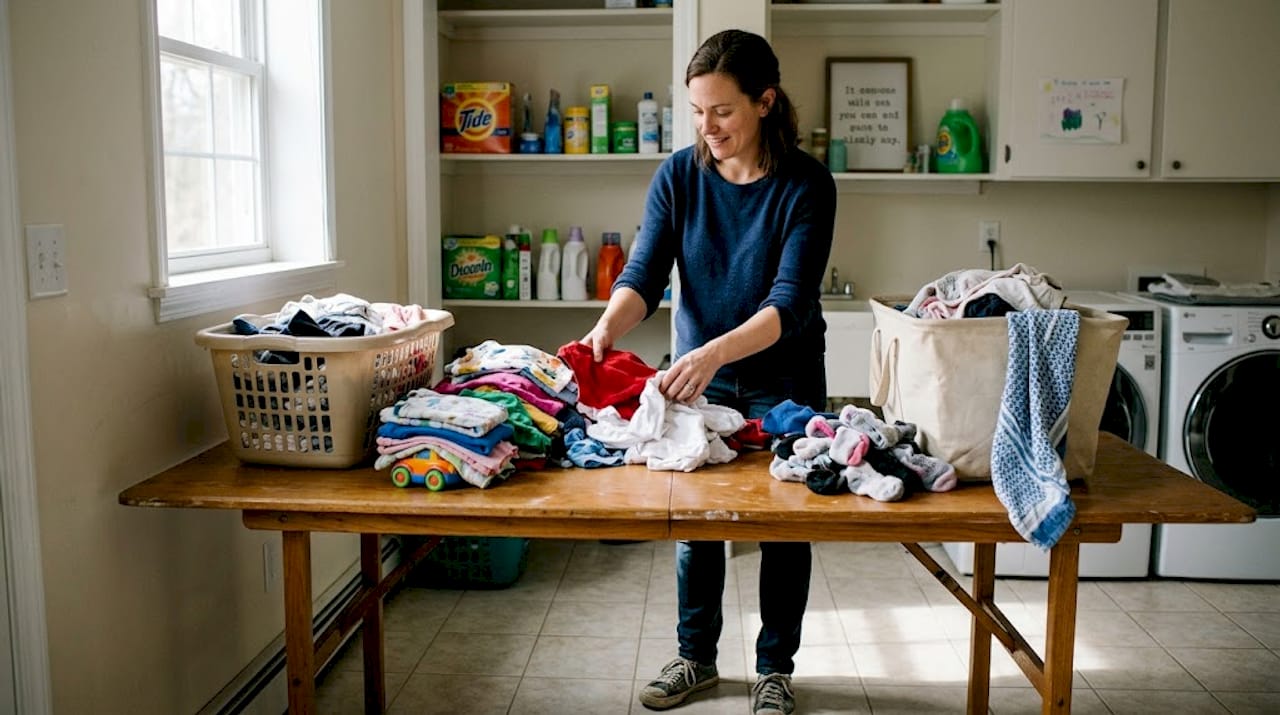
Mornings were chaos with two kids under 5. Evenings felt like catch-up. And weekends? Gone to sorting socks and folding piles.
He knew his story wasn’t unique. So he built a business that gave families like his just a little bit of breathing room one load at a time.
With no laundry experience but deep tech skills, Daniel rolled up his sleeves, doing every job himself while building systems that turned it into a modern laundry service that saves customers time, simplifies their lives, and delivers reliability they can count on.
That’s where CPL began. Not from a playbook, but from pain. From one dad trying to buy back time: for himself, and for every household like his.
Free pickup, expert care, delivered back to your door.