
Commercial Laundry Workflow: Ensuring Quality and Efficiency
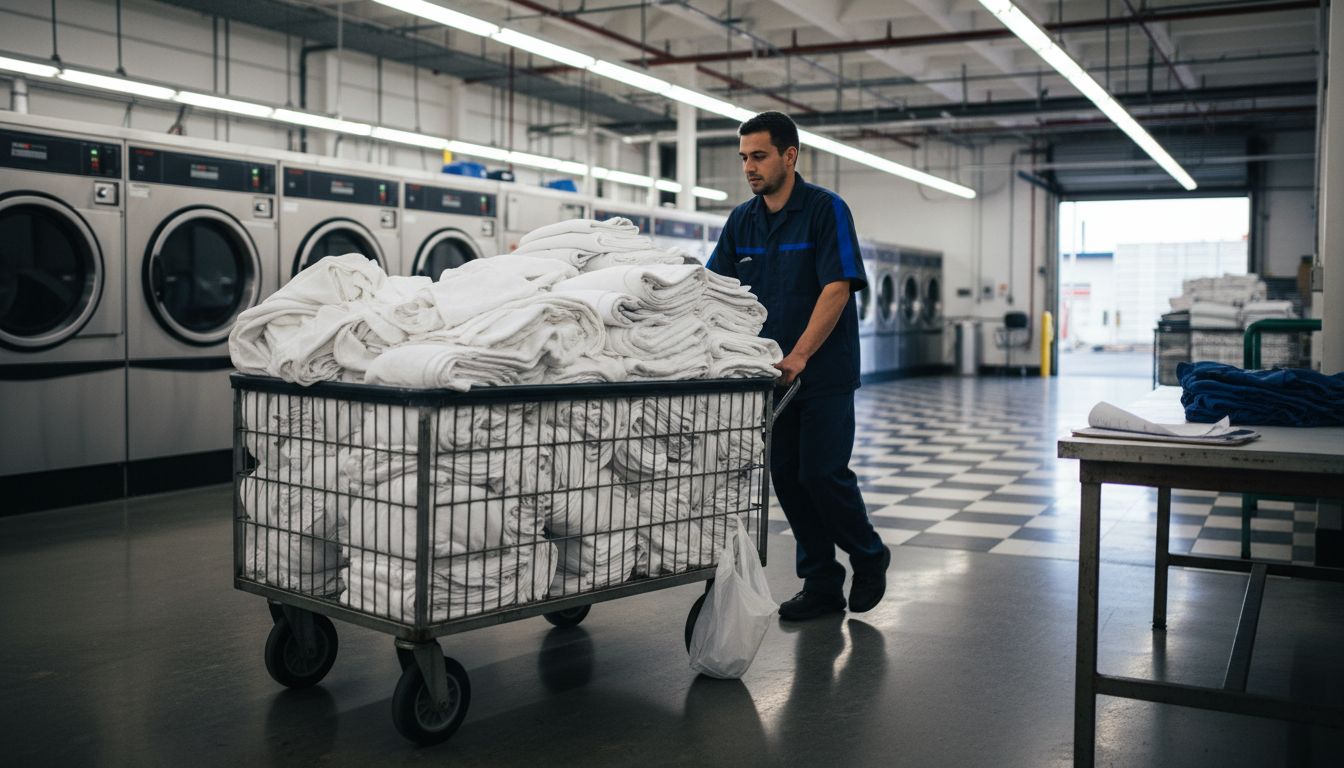
Over 90 percent of American businesses in healthcare, hospitality, and industry rely on commercial laundry services to keep operations running smoothly. Handling massive volumes of textiles is more than just routine—it affects safety, quality, and customer satisfaction every day. Understanding how the commercial laundry workflow operates, from sorting to delivery, helps business owners make smarter choices that protect staff, guests, and reputation.
Key Takeaways
| Point | Details |
|---|---|
| Commercial Laundry Workflow | Involves multiple stages, including collection, sorting, washing, and finishing, to ensure quality textile processing across various industries. |
| Types of Services | Includes uniform rental, linen management, and specialized sanitization to meet specific industrial needs, emphasizing tailored approaches for different textiles. |
| In-House vs. Outsourced Cleaning | Organizations must carefully evaluate the benefits and challenges of in-house laundry operations versus outsourcing to optimize efficiency and cost. |
| Technology Integration | Advances in technology enhance customer experience by providing real-time tracking, personalized services, and operational transparency in laundry processes. |
Defining Commercial Laundry Workflow and Scope
Commercial laundry workflow represents a systematic approach to processing large volumes of textiles efficiently and consistently. At its core, this workflow encompasses multiple interconnected stages designed to transform soiled items into clean, sanitized, and ready-to-use textiles across various industries. Commercial laundry best practices highlight the critical importance of understanding each step in this comprehensive process.
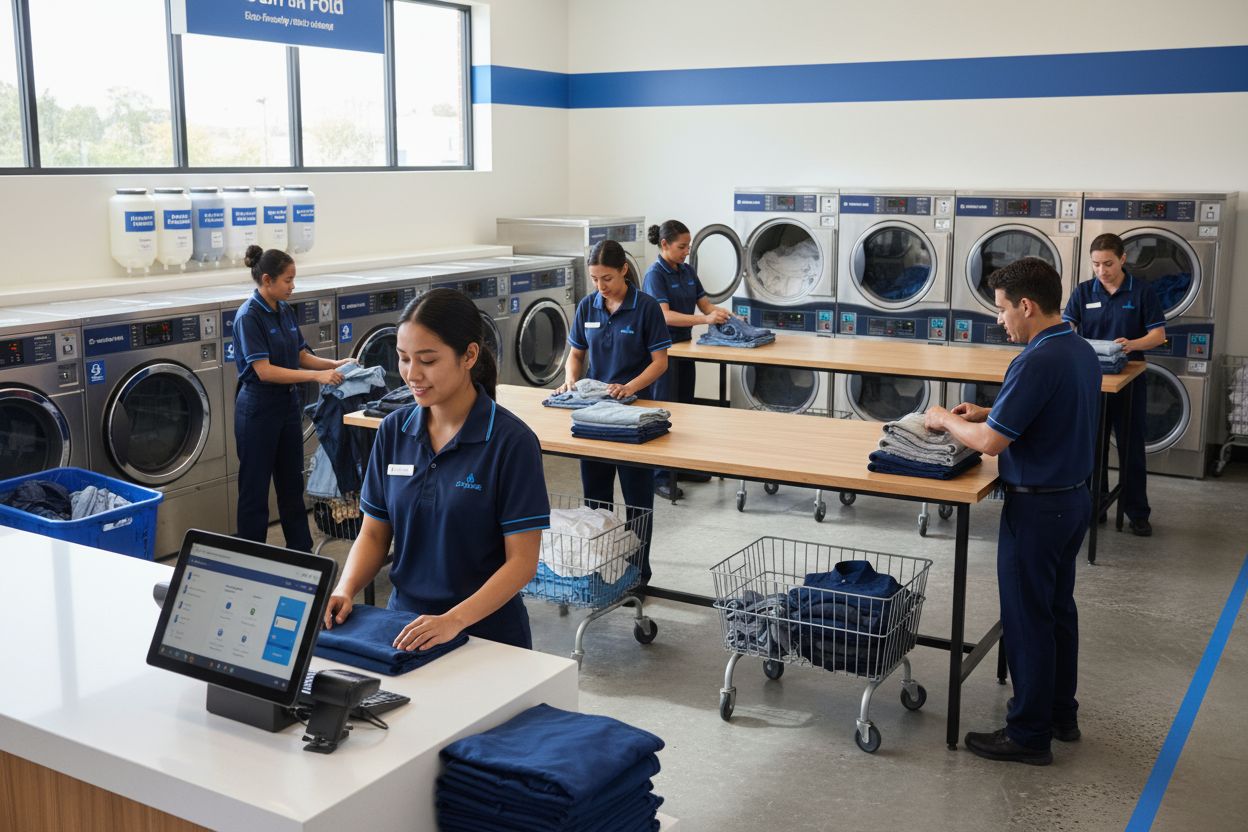
The typical commercial laundry workflow involves several key stages that ensure quality and operational efficiency. These stages generally include collection, sorting, pre-treatment, washing, drying, pressing or finishing, quality inspection, and final packaging. Sorting represents a crucial initial phase where items are categorized by fabric type, color, soil level, and required cleaning method. This meticulous separation prevents cross-contamination and ensures each textile receives appropriate treatment.
Industry standards, such as those outlined by the Textile Rental Services Association, underscore the complexity of commercial laundry operations. Different sectors like healthcare, hospitality, and industrial services have unique workflow requirements. A medical facility’s laundry needs dramatically differ from a restaurant’s uniform cleaning process, necessitating specialized approaches that account for fabric durability, contamination risks, and specific sanitization protocols.
The scope of commercial laundry workflow extends beyond simple cleaning. It involves intricate logistics, technology integration, and precise operational management. Advanced facilities leverage specialized equipment, automated sorting systems, and data tracking to optimize efficiency. This comprehensive approach transforms laundry from a basic maintenance task into a strategic operational process that directly impacts business performance and customer satisfaction.
Types of Commercial Laundry Services Offered
Commercial laundry services encompass a diverse range of specialized cleaning solutions tailored to meet the unique needs of various industries. What is business laundry service explores the broad spectrum of professional textile cleaning approaches that go far beyond traditional laundering methods. These services are strategically designed to address specific requirements across sectors such as healthcare, hospitality, manufacturing, and professional services.
The primary categories of commercial laundry services include uniform rental and cleaning, linen management, industrial textile processing, and specialized sanitization services. Uniform services are particularly critical for businesses requiring consistent, professional appearance and hygiene standards. This includes creating, maintaining, and regularly cleaning work attire for industries ranging from restaurant staff and healthcare professionals to construction workers and corporate employees. Each uniform processing approach considers fabric durability, stain resistance, and industry-specific hygiene protocols.
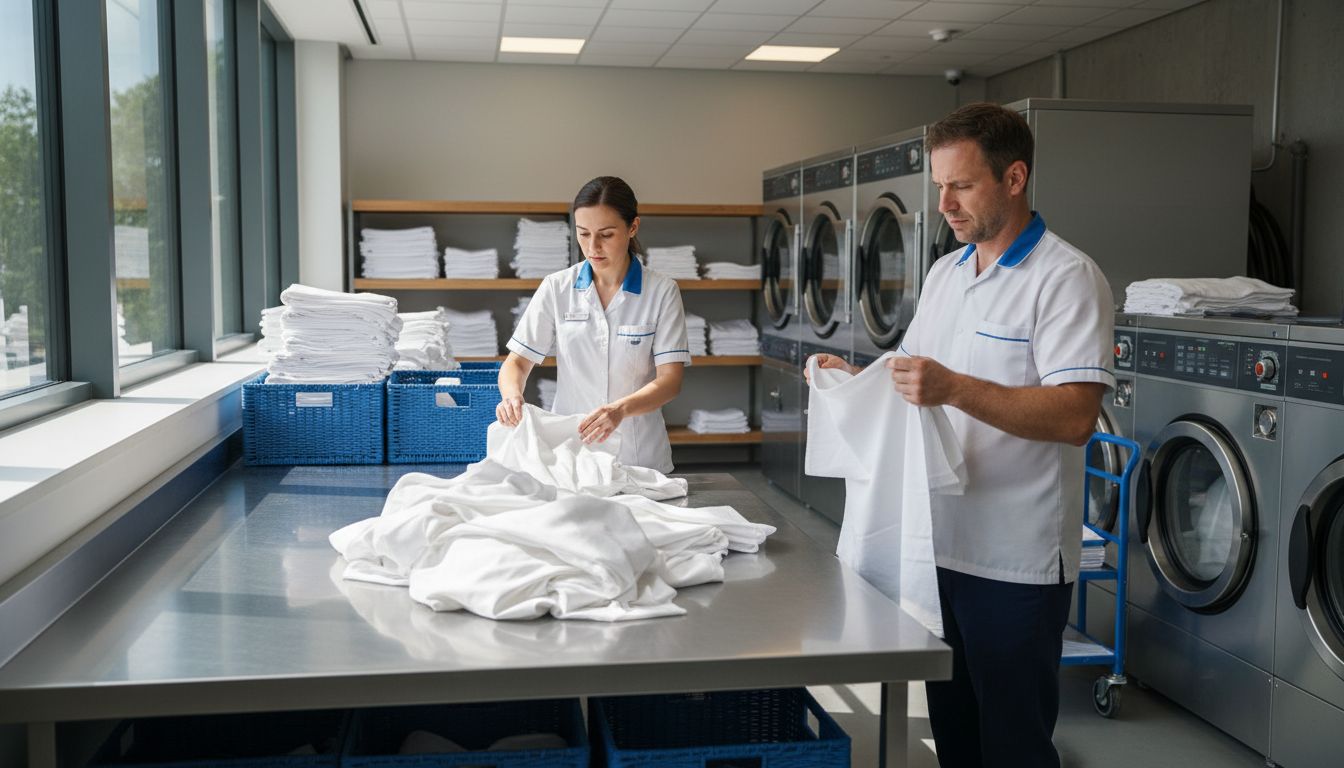
Linen management represents another significant commercial laundry service segment, especially for hospitality, healthcare, and institutional environments. Hotels, hospitals, restaurants, and care facilities rely on comprehensive linen services that handle everything from bed sheets and towels to tablecloths and surgical drapes. 7 types of laundry services highlight the nuanced approaches required for different textile types, emphasizing the importance of specialized cleaning techniques that maintain fabric integrity while ensuring complete sanitization.
Beyond traditional cleaning, modern commercial laundry services have evolved to include advanced technological solutions. These include on-demand pickup and delivery, real-time tracking systems, sustainability-focused cleaning processes, and customized cleaning protocols for sensitive or specialized textiles. Advanced facilities now integrate data analytics, automated sorting systems, and eco-friendly cleaning technologies to provide comprehensive textile management solutions that extend far beyond simple washing and drying.
Step-By-Step Process From Pickup to Delivery
Laundry delivery logistics reveal the intricate process commercial laundry services employ to transform soiled textiles into pristine, ready-to-use items. The comprehensive workflow begins the moment items are collected and continues through multiple precision-controlled stages that ensure maximum cleanliness, fabric preservation, and customer satisfaction. Each step is meticulously designed to address the specific requirements of different textile types and industry standards.
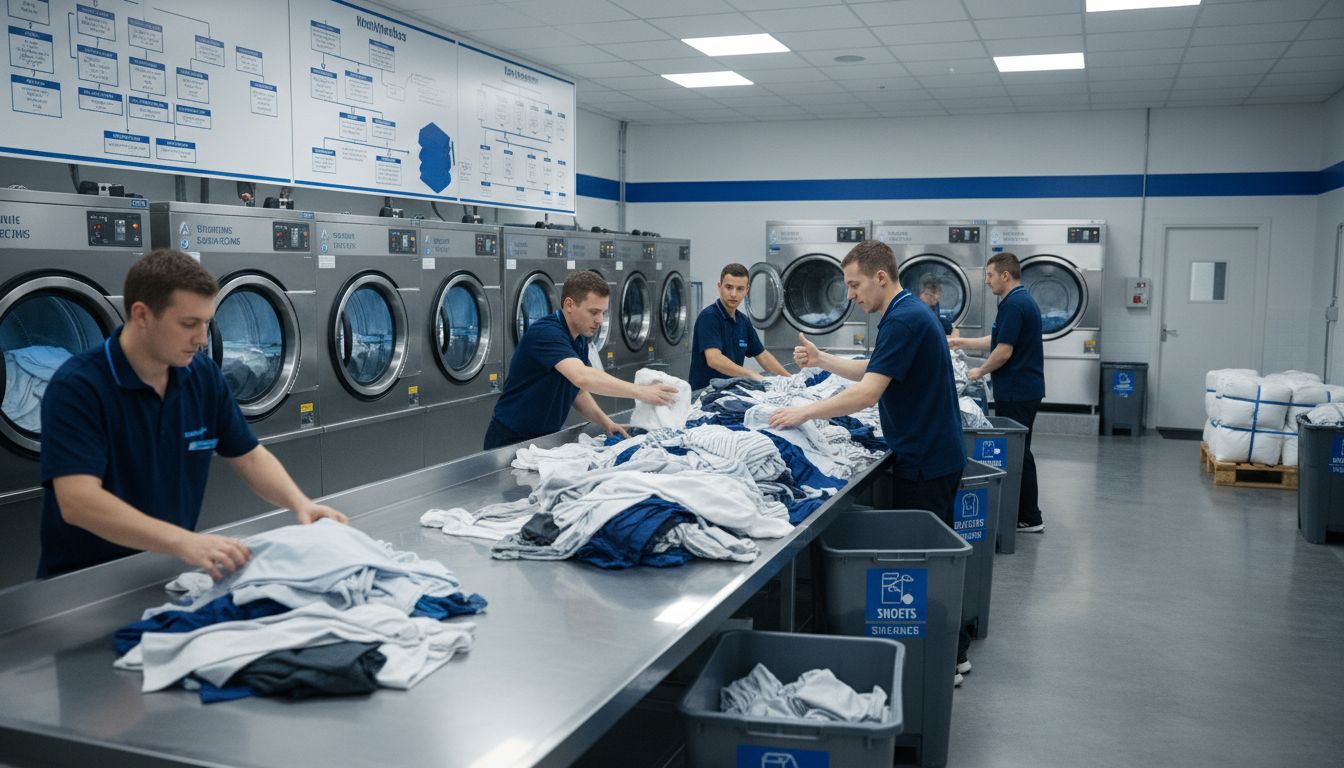
The initial phase involves comprehensive sorting, where items are categorized based on fabric type, color, soil level, and required cleaning methodology. According to detailed industrial laundry management protocols, this sorting process is critical for preventing cross-contamination and ensuring appropriate treatment. Specialized facilities use advanced sorting technologies that quickly and accurately separate items, enabling targeted cleaning approaches that maintain fabric integrity and extend textile lifespan.
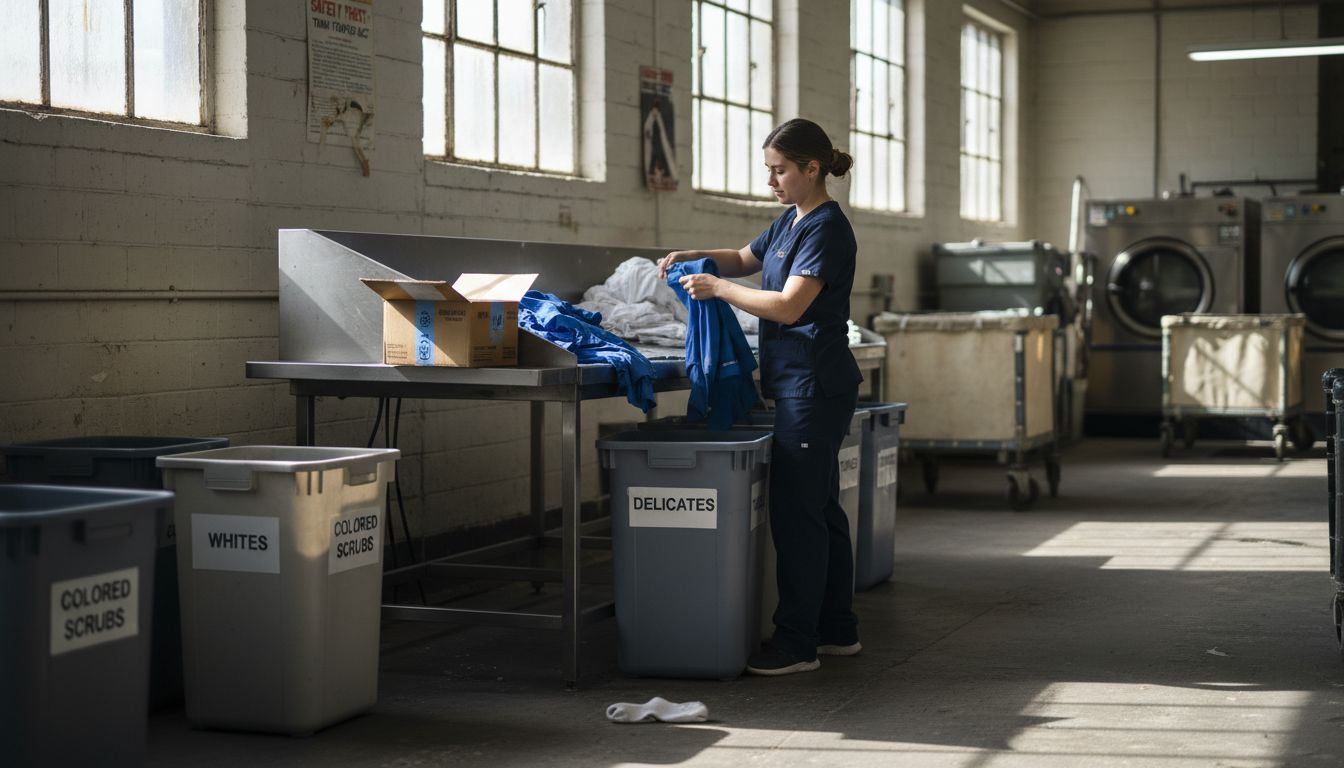
Subsequent stages include pre-treatment, washing, and drying, each executed with precision and tailored techniques. Pre-treatment involves identifying and addressing specific stains or soil types, applying specialized solutions that break down difficult marks without damaging fabric fibers. The washing process utilizes carefully calibrated water temperatures, detergent concentrations, and mechanical actions specific to each textile category. Industrial-grade washing machines enable controlled environments that remove contaminants while preserving garment quality.
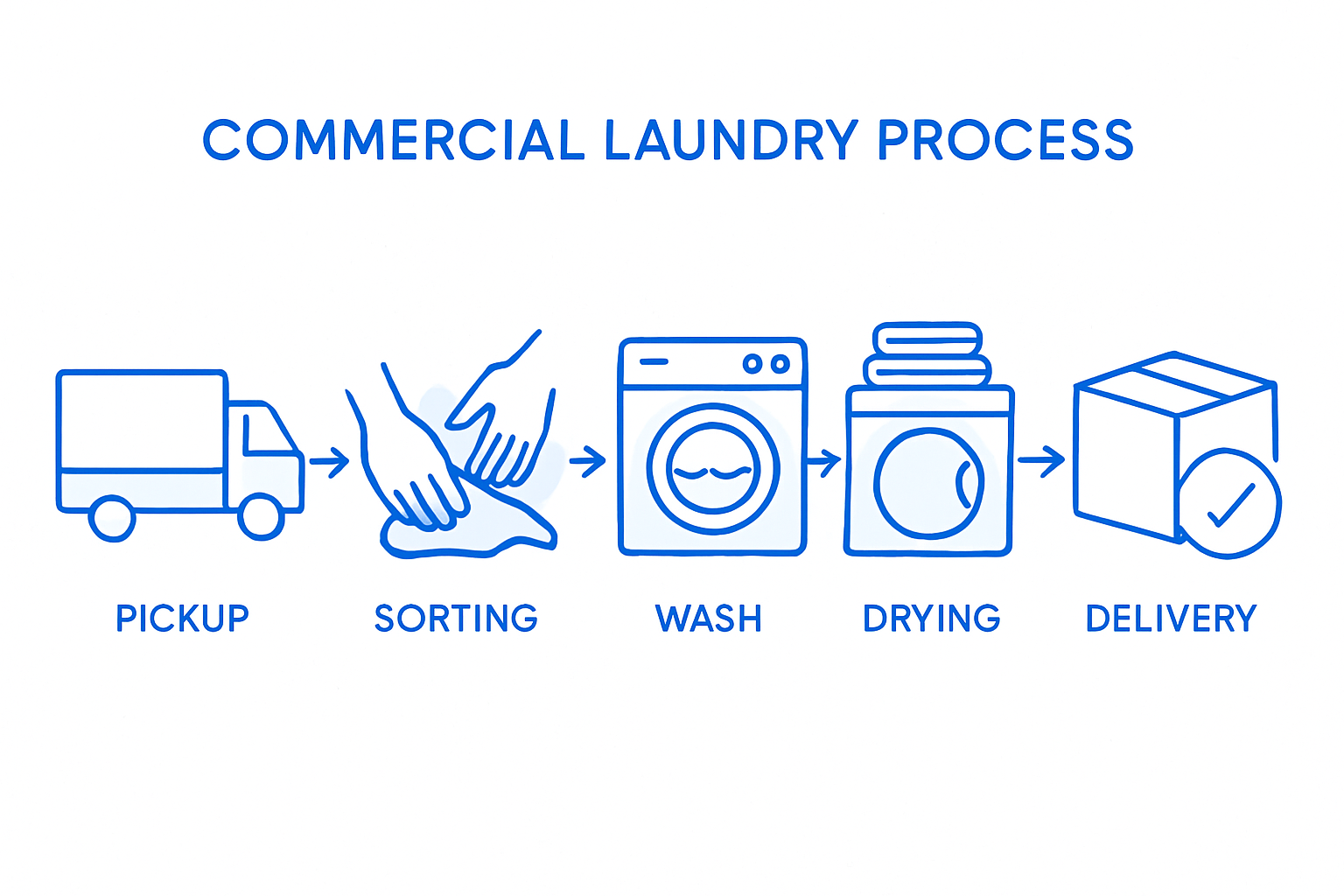
The final stages of the commercial laundry workflow focus on finishing, quality control, and delivery. After washing and drying, items undergo meticulous inspection to ensure they meet stringent cleanliness and appearance standards. Pressing, folding, and packaging are performed with professional techniques that maintain garment shape and presentation. Modern commercial laundry services integrate advanced tracking systems that provide customers real-time updates, ensuring transparency and reliability throughout the entire process from initial pickup to final delivery.
In-House Control Versus Outsourced Cleaning
Businesses face a critical decision when managing textile cleaning operations: whether to maintain in-house laundry facilities or outsource cleaning services. This strategic choice involves evaluating multiple factors including operational costs, quality control, technological capabilities, and organizational flexibility. Each approach offers distinct advantages and challenges that can significantly impact a company’s efficiency and financial performance.
In-house cleaning provides organizations maximum control over the entire laundering process. Companies can directly manage quality standards, implement custom cleaning protocols, and maintain immediate oversight of textile handling. This approach works particularly well for industries with highly specialized cleaning requirements, such as healthcare facilities, industrial manufacturers, and hospitality businesses with unique fabric care needs. Specialized equipment investments, dedicated staff training, and ongoing maintenance represent substantial upfront and recurring expenses associated with internal laundry operations.
Outsourced cleaning services offer an alternative model that eliminates infrastructure and equipment investments while providing professional-grade textile management. Professional commercial laundry providers bring advanced technological capabilities, scalable processing infrastructures, and expertise in handling diverse textile types. Businesses can benefit from predictable pricing models, reduced operational complexity, and access to state-of-the-art cleaning technologies without maintaining extensive in-house facilities. This approach allows organizations to redirect human resources and capital toward core business activities, potentially improving overall operational efficiency.
Ultimately, the decision between in-house and outsourced cleaning depends on a comprehensive analysis of organizational requirements, budget constraints, and strategic objectives. Factors such as textile volume, cleaning complexity, budget flexibility, and industry-specific regulations play crucial roles in determining the most appropriate approach. Successful organizations often conduct detailed cost-benefit analyses, considering not just immediate expenses but long-term operational implications to make informed textile management decisions.
Key Quality and Safety Standards Maintained
Commercial laundry operations must adhere to rigorous quality and safety standards that protect both textile integrity and human health. Comprehensive hygiene procedures represent the foundation of professional textile processing, ensuring that every item undergoes meticulous cleaning and sanitization processes that eliminate potential microbial risks while maintaining fabric quality.
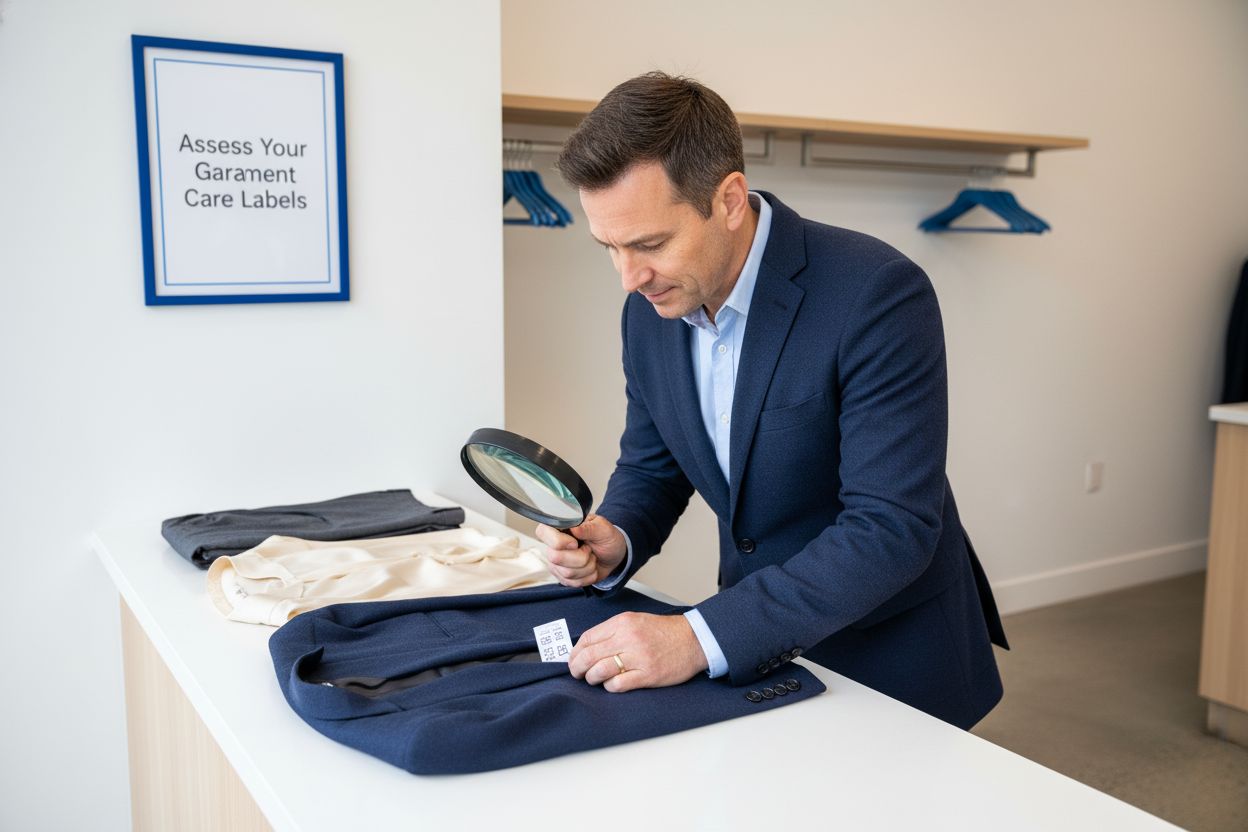
The primary quality control mechanisms involve multiple strategic checkpoints throughout the laundering workflow. These include initial soil assessment, precise temperature and chemical treatment protocols, systematic stain removal techniques, and comprehensive microbial reduction strategies. Specialized commercial laundry facilities implement advanced technologies that monitor washing temperatures, chemical concentrations, and mechanical actions to guarantee consistent cleanliness. Textile-specific protocols ensure that different fabric types receive tailored treatment, preventing damage while achieving maximum sanitization.
Safety standards extend beyond simple cleaning processes to encompass broader environmental and occupational health considerations. Laundry facilities must comply with regulatory guidelines governing chemical usage, waste management, and worker protection. This includes selecting eco-friendly detergents, implementing proper chemical storage and handling procedures, maintaining appropriate personal protective equipment for staff, and developing comprehensive safety training programs. Advanced facilities utilize automated systems that minimize direct human contact with potentially hazardous materials while maintaining precise control over cleaning parameters.
Quality assurance involves continuous monitoring and documentation of each cleaning cycle. Modern commercial laundry services integrate sophisticated tracking systems that record temperature logs, chemical usage, wash cycle details, and quality inspection results. These comprehensive documentation practices not only ensure consistent performance but also provide transparency for clients in sensitive industries like healthcare, hospitality, and food service, where stringent cleanliness standards are absolutely critical.
Technology’s Role in Customer Experience
Technology has revolutionized commercial laundry services, transforming traditional cleaning processes into seamless, customer-centric experiences. Laundry delivery services now leverage sophisticated digital platforms that provide unprecedented transparency, convenience, and personalization. Customers can now track their items in real-time, customize cleaning preferences, and manage their entire laundry workflow with unprecedented ease.
Digital interfaces enable granular control and communication that were impossible in previous generations of laundry services. Modern platforms integrate advanced tracking systems that allow customers to schedule pickups, specify special handling instructions, and receive detailed status updates about their textiles. Automated notifications provide insights into each stage of the cleaning process, from initial pickup to final delivery. These technological innovations eliminate traditional uncertainties associated with commercial laundry services, creating a more predictable and stress-free experience for clients.
Advanced data analytics play a crucial role in enhancing customer interactions. By collecting and analyzing processing data, commercial laundry services can offer personalized recommendations, predict maintenance needs, and develop more targeted service offerings. Machine learning algorithms can now understand individual customer preferences, suggesting optimal cleaning cycles, detecting potential fabric issues before they become significant problems, and providing customized care instructions that extend the lifespan of textiles.
Technology also enables more flexible and responsive service models. Mobile applications and web platforms allow instant booking, real-time communication, and seamless payment processing. Customers can modify orders, set recurring services, and access comprehensive cleaning histories with minimal effort. These digital capabilities transform commercial laundry from a mundane utility service into a responsive, adaptive solution that anticipates and meets individual client needs with unprecedented precision and convenience.
Streamline Your Commercial Laundry Workflow with Trusted Local Solutions
Managing a commercial laundry workflow demands precision, consistent quality, and seamless coordination from pickup through delivery. The challenges of sorting, sanitizing, and maintaining fabric integrity while meeting industry standards can feel overwhelming. The article highlights how advanced processes and tight quality control are critical to avoid cross-contamination and ensure operational efficiency. At Columbia Pike Laundry, we understand these pain points and turn them into stress-free solutions by doing all cleaning in-house to provide complete quality control and accountability.
Whether you need professional uniform cleaning, linen management, or customized sanitization services, our technology-powered system makes the process simple and transparent. Through our online platform, you can schedule pickups, track your order status, and specify your preferences easily. We offer reliable turnaround times with wash and fold services, expert dry cleaning, and personalized garment care. Discover how our dedicated team supports your business needs with unmatched attention to detail and customer communication by visiting our Commercial Solutions | Laundry Tips page.
Experience laundry relief by partnering with a trusted local provider who combines family values and advanced technology for superior results. Don’t let laundry logistics hold your business back. Visit Columbia Pike Laundry today to schedule your pickup and see how we redefine commercial laundry quality and efficiency. Learn more about our full range of services on our Laundry Relief | Laundry Tips page and take the next step toward hassle-free textile care.
Frequently Asked Questions
What are the main stages in a commercial laundry workflow?
The main stages in a commercial laundry workflow include collection, sorting, pre-treatment, washing, drying, pressing or finishing, quality inspection, and final packaging. Each step ensures textiles are cleaned, sanitized, and ready for use.
How does sorting impact the efficiency of commercial laundry?
Sorting is crucial for efficiency as it categorizes items by fabric type, color, soil level, and required cleaning method. This meticulous separation prevents cross-contamination and ensures appropriate treatment for each textile, leading to better overall results.
What factors should businesses consider when deciding between in-house and outsourced laundry services?
Businesses should evaluate operational costs, quality control, logistical capabilities, and flexibility. In-house facilities provide direct control but require significant investment, while outsourced services offer professional expertise and technological advantages without heavy infrastructure costs.
How do commercial laundry services ensure quality and safety standards?
Quality and safety standards are ensured through multiple checkpoints during the laundering process, including soil assessment, precise chemical treatment, microbial reduction strategies, and compliance with regulatory guidelines for chemical usage and waste management.
Recommended
- | Laundry Tips
- Commercial Laundry Best Practices for Superior Results | Laundry Tips
- | Laundry Tips
- | Laundry Tips
- Master Restaurant Handwashing Protocols for Compliance - Probe IT
- Eco Friendly Cleaning Tips For Busy European Mums – The Zoofamily
Popular Blog Articles

Meet the Author
Daniel Logan didn’t start CPL because he loved laundry. He started it because his family was drowning in time debt, and laundry was one of the biggest weights.
Mornings were chaos with two kids under 5. Evenings felt like catch-up. And weekends? Gone to sorting socks and folding piles.
He knew his story wasn’t unique. So he built a business that gave families like his just a little bit of breathing room one load at a time.
With no laundry experience but deep tech skills, Daniel rolled up his sleeves, doing every job himself while building systems that turned it into a modern laundry service that saves customers time, simplifies their lives, and delivers reliability they can count on.
That’s where CPL began. Not from a playbook, but from pain. From one dad trying to buy back time: for himself, and for every household like his.