
Drop-Off Laundry Service: Save Time and Stress Less
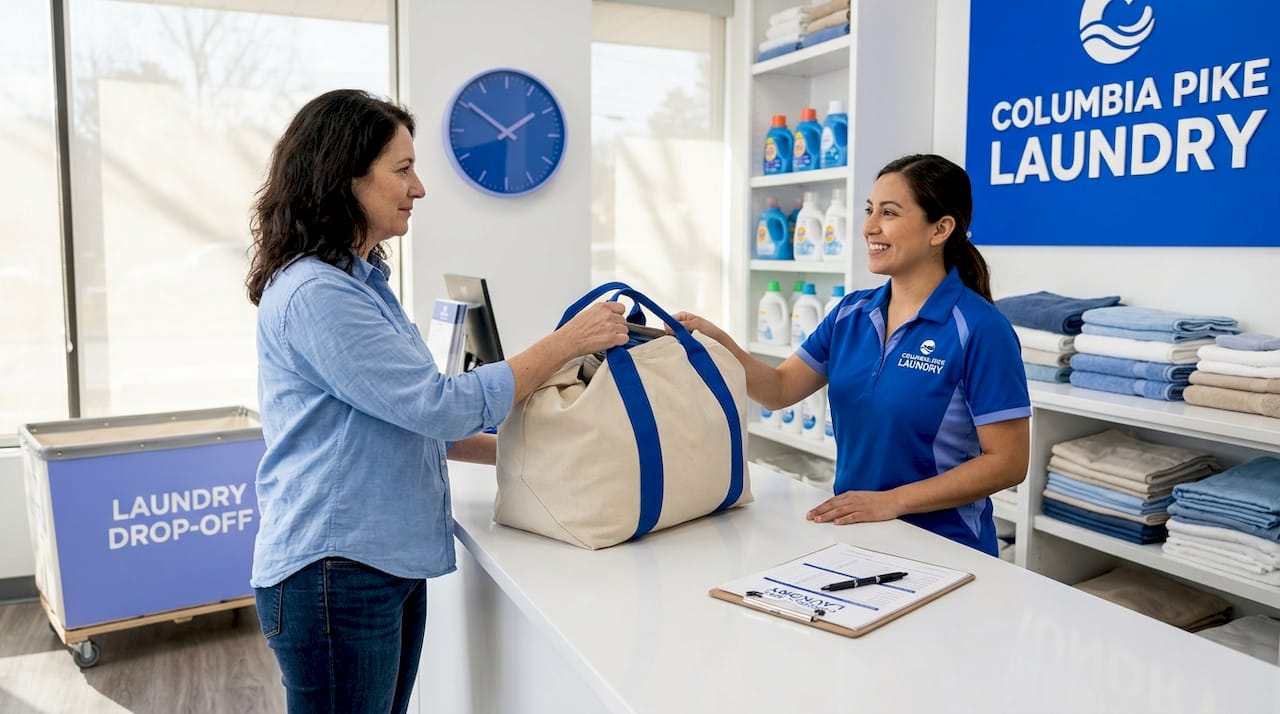
Columbia Pike Laundry offers pickup & delivery across Northern Virginia.
TL;DR:
- A drop-off laundry service allows you to bring your laundry to a professional facility, where staff sort, wash, fold, and package your items for pickup. Proper preparation, clear communication, and labeling are essential to ensure excellent results and avoid common mistakes such as misplacement or damage. This service offers a convenient, time-saving alternative for busy households, with typical turnaround times of 24 to 48 hours.
A drop-off laundry service is a professional cleaning arrangement where you bring your clothes, linens, or bulky items to a facility, and trained staff wash, dry, fold, and package everything for you to collect. For busy families in Arlington, Virginia, or working professionals with no spare hours, this is one of the most practical ways to reclaim your week. The wash and fold service model has grown sharply in popularity because it removes the single most time-consuming domestic chore without requiring a subscription or long-term commitment. You drop off, they handle it, you pick up.
What is a drop-off laundry service and how does it work?
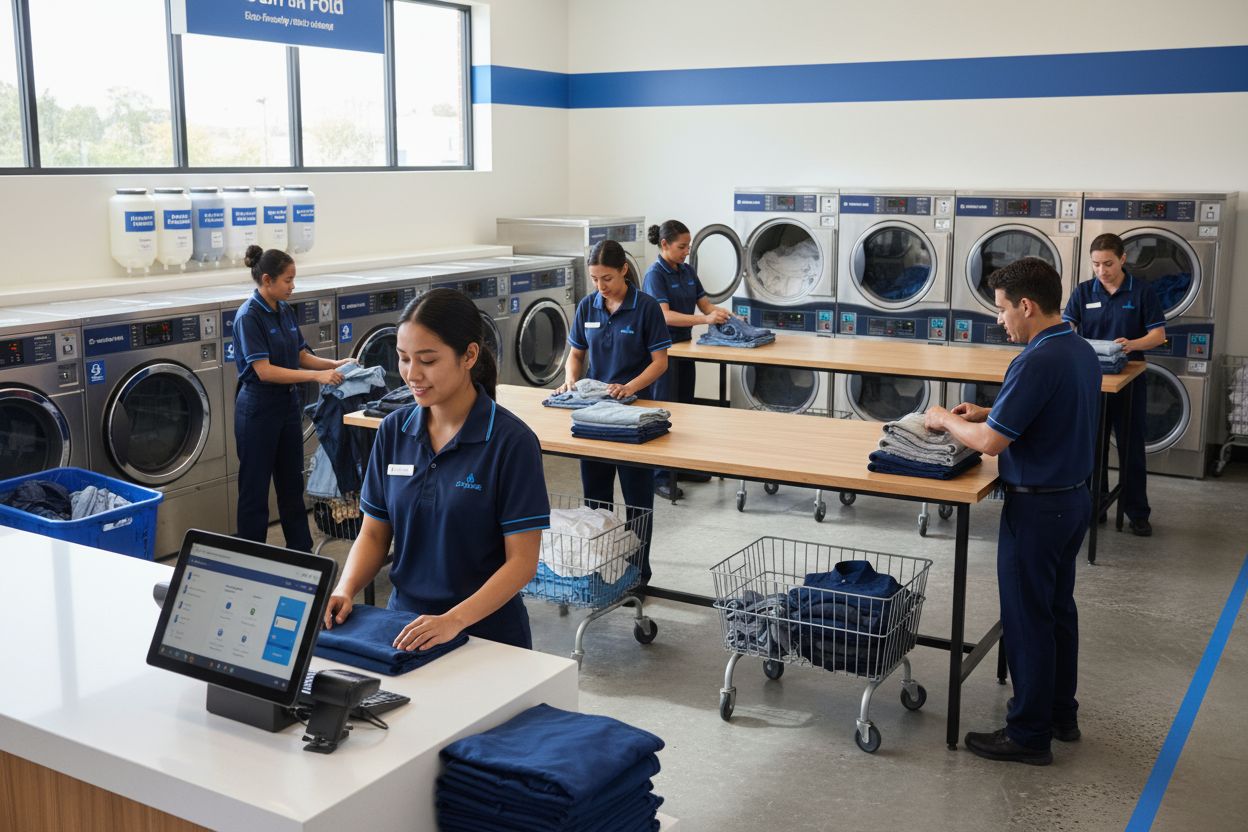
A drop-off laundry service sits between doing laundry yourself and scheduling a full laundry delivery service. You physically bring your items to the facility, which means no waiting for a driver and no scheduling windows. The service then sorts, washes, dries, and folds your laundry according to your preferences, and you collect it when it’s ready.
Understanding how drop-off laundry works helps you set the right expectations from the start. Here is what the process typically looks like:
- Drop off your laundry. You bring a bag or multiple bags to the facility. Most services accept everyday garments, bed linens, towels, and bulky items like comforters.
- Staff sort and process your order. Reputable providers process each customer’s laundry separately, following your care notes. This is how professional services prevent shrinking, staining, or lost items.
- Washing and folding. Your clothes are washed with appropriate detergents, dried, folded neatly, and packaged for pickup.
- You collect your order. Most facilities notify you by text or app when your laundry is ready.
The key difference between a drop-off model and a full laundry delivery service is logistics. With local laundry pickup, a driver comes to your home. With drop-off, you control the timing by bringing items in yourself, which often means faster turnaround. Standard turnaround at most facilities runs 24 to 48 hours, with express options available for same-day or next-morning needs. Pricing is typically charged per pound, and services like Long Island Laundry charge around $1.45 per pound with a minimum order, covering sorting, washing, folding, and packaging. That per-pound model makes affordable laundry services easy to budget for, since you pay for exactly what you bring in.
How to prepare your laundry for drop-off
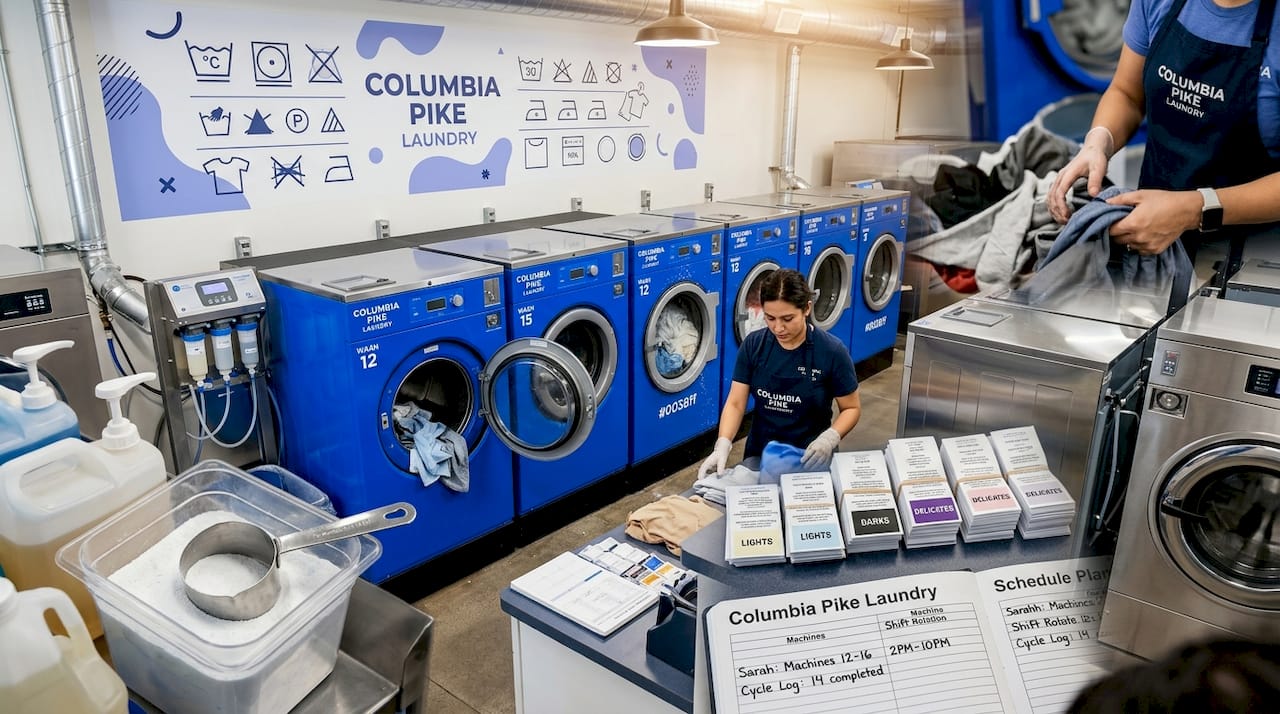
Preparation is the single biggest factor in getting great results from a wash and fold service. Providers can only act on what you give them. Showing up with an unsorted, unlabeled bag and no instructions puts the entire burden of guessing on the staff.
Follow these steps before you leave the house:
- Sort by fabric type and color. Separate darks, lights, and whites. Pull out delicates like silk, lace, or wool and place them in a mesh bag. Fastening buttons and zippers before packing protects delicates’ shape and prevents tangling during washing.
- Use labeled bags. Write your name, phone number, and any key instructions on a tag attached to each bag. According to 80 Twenty, labeling bags by category such as “regular wash,” “delicates,” and “bedding” reduces mix-ups and improves processing accuracy.
- Empty every pocket. Tissues, receipts, coins, and lip balm all cause damage in the wash. Remove valuables, jewelry, and any items that are not clothing.
- Note stains and special preferences. Providers like White Swan Cleaners and Overlake Laundromat confirm that including stain notes and detergent preferences at booking enables targeted treatment and better results.
- Separate towels from other laundry. Towels shed lint. Bundling them separately prevents lint transfer onto darker garments or delicate fabrics.
Pro Tip: Take a quick photo of your packed bag before you leave. 80 Twenty highlights this as an easy way to document your items and resolve any questions about missing pieces when you pick up.
The table below summarizes what to include and what to leave out of your drop-off bag.
| Category | Include | Leave Out |
|---|---|---|
| Everyday garments | T-shirts, jeans, socks, underwear, casual tops | Items with dry-clean-only labels (unless the service offers dry cleaning) |
| Linens and bedding | Sheets, pillowcases, duvet covers | Comforters with broken zippers or torn seams |
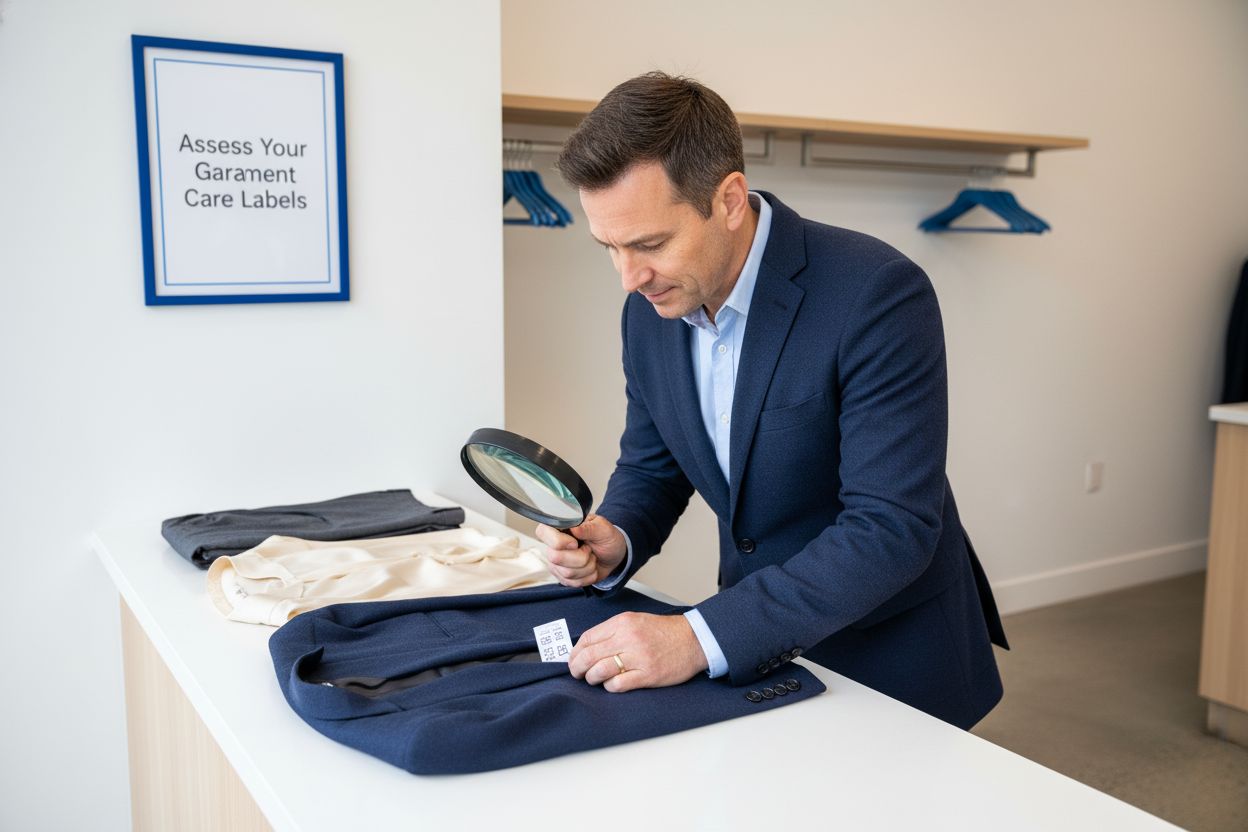
| Delicates | Silk, lace, or wool items placed in a mesh bag | Items with no care label or unknown fabric content |
| Accessories and extras | Written care notes, stain location details | Jewelry, cash, keys, or personal valuables |
Step-by-step guide to the drop-off process
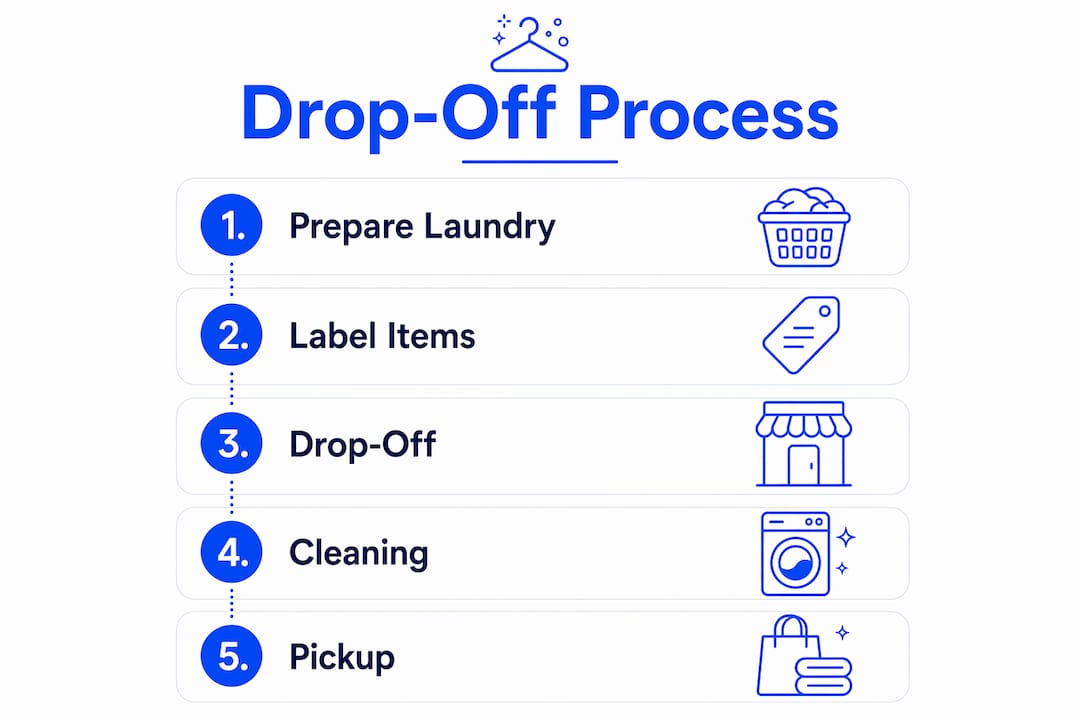
Knowing exactly what happens when you walk through the door removes any hesitation, especially for first-time users. The drop-off experience at a professional facility follows a clear sequence.
- Arrive and check in. Hand your bags to the counter staff. Most facilities log your order immediately, assign it a ticket or order number, and confirm the contents with you on the spot.
- Communicate your instructions. This is the most critical moment. Tell the staff about any stains, fragrance-free detergent needs, or folding preferences. If you booked online, confirm that your notes transferred correctly.
- Confirm pricing and turnaround time. Ask for a written or digital receipt that shows the estimated weight, price per pound, and pickup time. Transparent pricing is a sign of a trustworthy service.
- Let the professionals handle it. Your laundry is processed separately from other customers’ orders. This individual handling is what prevents cross-contamination and keeps your clothes safe.
- Pick up and verify. When you collect your order, count the bags, check that folded items match what you dropped off, and confirm that any special items like delicates were handled correctly before you leave.
Pro Tip: Use your laundry preferences guide to build a standing list of your care instructions. Share it at every drop-off so you never have to repeat yourself.
The wash and fold service model saves time and effort by professionally laundering clothes, folding them neatly, and packaging them for easy pickup. For busy households, this means laundry goes from a two-hour chore to a five-minute errand.
Common mistakes to avoid when using a drop-off laundry service
Most problems with drop-off laundry trace back to a handful of avoidable errors. Knowing them in advance protects your clothes and your relationship with your provider.
- Mixing special care items without flagging them. A cashmere sweater tossed into a regular wash bag without a note will likely be washed on a standard cycle. Always separate and label anything that needs gentle handling.
- Skipping contact information on your bags. If a bag gets separated from its ticket, an unlabeled bag creates delays. Your name and phone number on every bag solves this instantly.
- Sending non-laundry items by mistake. Wallets, earbuds, and charging cables have all ended up in laundry bags. Empty pockets completely and do a final check before sealing your bag.
- Assuming all clothes get the same wash settings. Professional services do sort by fabric type, but they rely on your notes to catch edge cases. Never assume a provider will identify a sensitive fabric without guidance from you.
- Forgetting to photograph your bag. A quick photo before drop-off gives you a reference point if any item is missing at pickup.
First-time users often worry about shrinkage and lost items. Clear communication and proper separation practices greatly reduce these issues, according to White Swan Cleaners.
The fix for nearly every mistake on this list is the same: write it down and label it. A sticky note inside your bag costs nothing and prevents 90% of the friction that first-time users experience.
Key takeaways
A drop-off laundry service delivers the best results when you prepare correctly, communicate clearly, and treat your first visit as a learning session to refine your routine.
| Point | Details |
|---|---|
| Sort before you go | Separate darks, lights, delicates, and linens to improve processing accuracy and protect fabrics. |
| Label every bag | Include your name, phone number, and care instructions on each bag to prevent mix-ups. |
| Note stains and preferences | Tell staff about stains and detergent needs at drop-off so targeted treatment can be applied. |
| Photo your bag first | A quick photo before drop-off creates a visual record to resolve any missing item questions. |
| Build a consistent routine | A fixed drop-off schedule and standing care instructions reduce errors and save time over the long run. |
Why your first drop-off is the most important one
I have watched hundreds of first-time customers walk into a laundry facility with a single overstuffed bag, no notes, and a vague hope that everything will come back perfect. Sometimes it does. More often, something gets missed, and the customer blames the service when the real gap was communication.
My honest advice: treat your first drop-off as a data-gathering session. Write down every preference you have, from fragrance-free detergent to how you fold your fitted sheets. Hand that list to the staff. Ask them to confirm it. Then evaluate the results when you pick up. You are not just getting laundry done. You are building a profile that makes every future order faster and more accurate.
The other thing most articles skip: a consistent drop-off routine is worth more than any single tip. Choosing the same facility, dropping off on the same day each week, and using the same labeled bags turns a chore into a system. Systems do not require willpower. They just run.
Beyond convenience, professional laundering genuinely extends fabric life. Hot water and aggressive home dryer cycles degrade fibers faster than controlled commercial washing. If you have clothes you care about, a wash and fold service is not just a time saver. It is a form of fabric care.
— Daniel
Try Columbiapikelaundry for your next drop-off
Columbiapikelaundry is a family-owned facility at 2602 Columbia Pike in Arlington, Virginia, offering wash and fold drop-off alongside dry cleaning, repairs, and full pickup and delivery. Every order is processed in-house, which means tighter quality control and direct accountability. Standard turnaround runs 48 hours, with express options available. You can set fragrance-free detergent preferences, request specific folding styles, and track your order through the app. Pricing is transparent and per pound, with no hidden fees. If you are ready to stop spending your weekends doing laundry, Columbiapikelaundry is the local option worth trying.
FAQ
What does a drop-off laundry service include?
A drop-off laundry service typically includes sorting, washing, drying, folding, and packaging your clothes and linens for pickup. Many providers also accept special care requests like fragrance-free detergents or gentle cycles for delicates.
How long does drop-off laundry take?
Most drop-off laundry services return orders within 24 to 48 hours. Express or same-day options are available at many facilities for an additional fee.
How is drop-off laundry priced?
Drop-off laundry is most commonly priced per pound, often with a minimum charge. Transparent providers list their rates upfront so you can estimate costs before you drop off.
What should I bring to a laundry drop-off?
Bring sorted bags labeled with your name, contact information, and care instructions. Include a written note for any stains or special detergent preferences, and remove all valuables from pockets before arriving.
Is a drop-off service better than doing laundry at home?
For busy households, a drop-off service saves significant time and often produces better results for delicate or specialty fabrics. Professional equipment and controlled wash cycles reduce the risk of shrinkage and color fading compared to standard home machines.
Free pickup, expert care, delivered back to your door.
Popular Blog Articles


Meet the Author
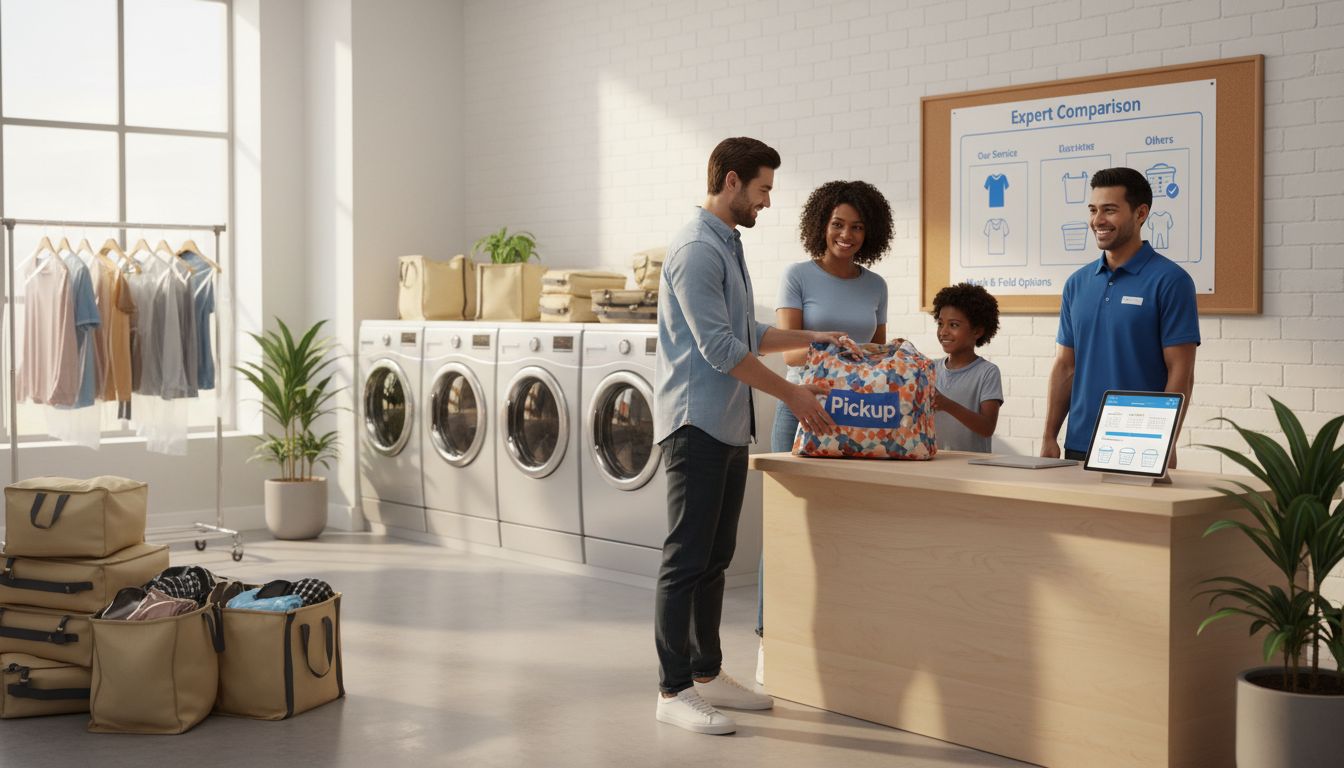
Daniel Logan didn’t start CPL because he loved laundry. He started it because his family was drowning in time debt, and laundry was one of the biggest weights.
Mornings were chaos with two kids under 5. Evenings felt like catch-up. And weekends? Gone to sorting socks and folding piles.
He knew his story wasn’t unique. So he built a business that gave families like his just a little bit of breathing room one load at a time.
With no laundry experience but deep tech skills, Daniel rolled up his sleeves, doing every job himself while building systems that turned it into a modern laundry service that saves customers time, simplifies their lives, and delivers reliability they can count on.
That’s where CPL began. Not from a playbook, but from pain. From one dad trying to buy back time: for himself, and for every household like his.
Free pickup, expert care, delivered back to your door.