
Fabric Protection – Why It Matters for Busy Households
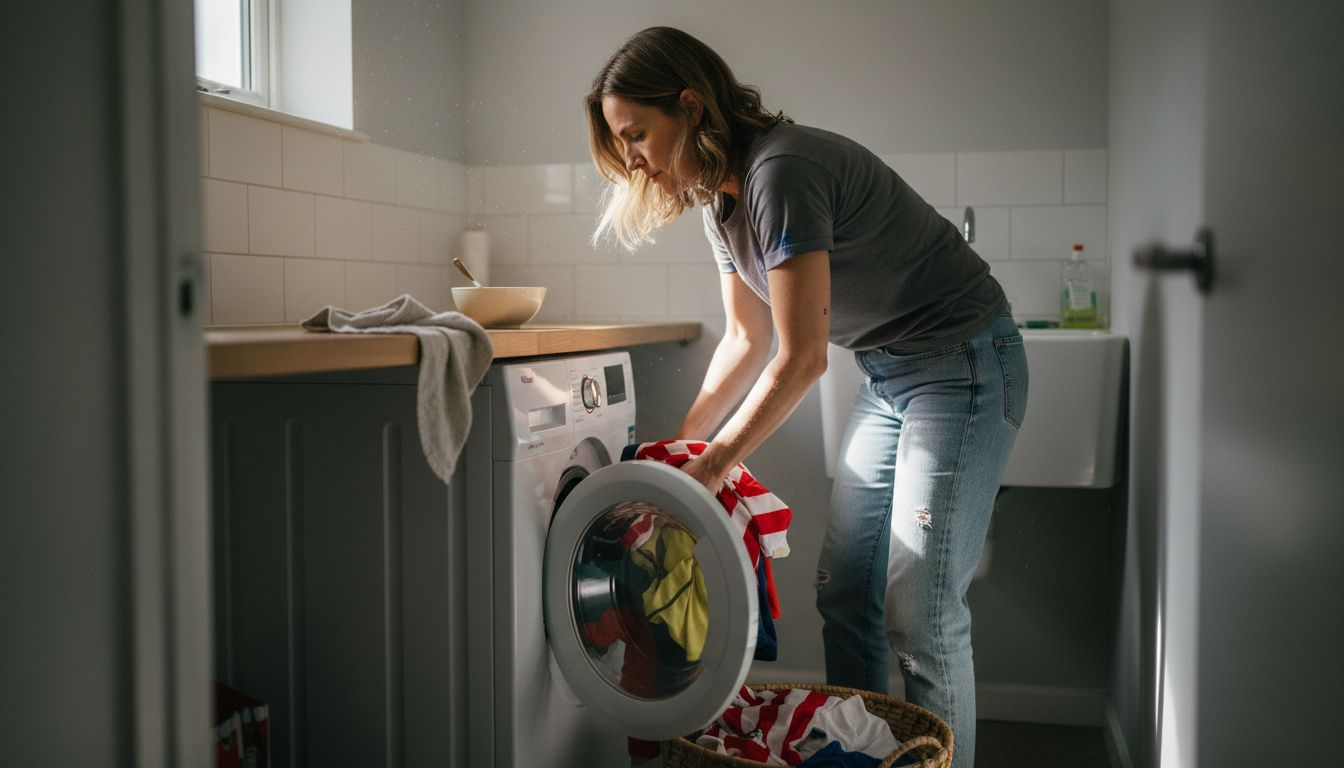
Columbia Pike Laundry offers pickup & delivery across Northern Virginia.
Every family in Arlington knows the challenge of keeping favorite clothes in good shape despite constant use and frequent laundry. Fabric protection matters because busy routines demand durability, especially for delicate items that get washed often. Reliable in-house cleaning services offer layered care, from UV blocking to stain resistance, keeping garments looking fresh longer and saving time for what matters most. Discover how professional fabric protection transforms daily wardrobe management and reduces stress.
Key Takeaways
| Point | Details |
|---|---|
| Fabric protection extends garment life | Proper fabric protection helps prevent damage, stains, and fading, ensuring clothes last longer. |
| Professional cleaning enhances durability | Utilizing professional services for fabric protection maintains garment integrity and effectively applies necessary treatments. |
| Regular maintenance is essential | Periodic reapplication of protective coatings every 6 to 12 months keeps garments in optimal condition. |
| Understanding treatment options aids in selection | Knowing the types of fabric protection available allows for informed decisions based on garment use and care needs. |
What Fabric Protection Means for Clothing
Fabric protection is the practice of safeguarding your clothing from damage, stains, fading, and deterioration. It goes beyond basic washing and extends the life of garments you wear every day.
For busy families in Arlington, this matters because quality pieces get worn frequently and need to last. Without protection, even well-made garments wear out faster.
Understanding the Basics
Fabric protection involves several key layers of care:
- UV defense: Sun-protective clothing with high UPF ratings blocks harmful rays that fade colors and weaken fibers over time
- Moisture management: Keeping water and sweat from setting into fabrics prevents permanent damage
- Pest prevention: Protecting against clothes moths and carpet beetles that feed on natural fibers like wool and silk
- Chemical resistance: Guarding against stains from everyday substances like food, oils, and beverages
Each type of protection addresses a different threat to your wardrobe.
Why This Matters for Your Household
You’re balancing work, family commitments, and everything in between. Your clothes need to keep pace with your life without falling apart.
Protected fabrics simply hold up better. A treated shirt resists wrinkles longer, maintains its color through repeated washing, and stays soft instead of becoming brittle. That means less time ironing and fewer trips to replace worn-out basics.
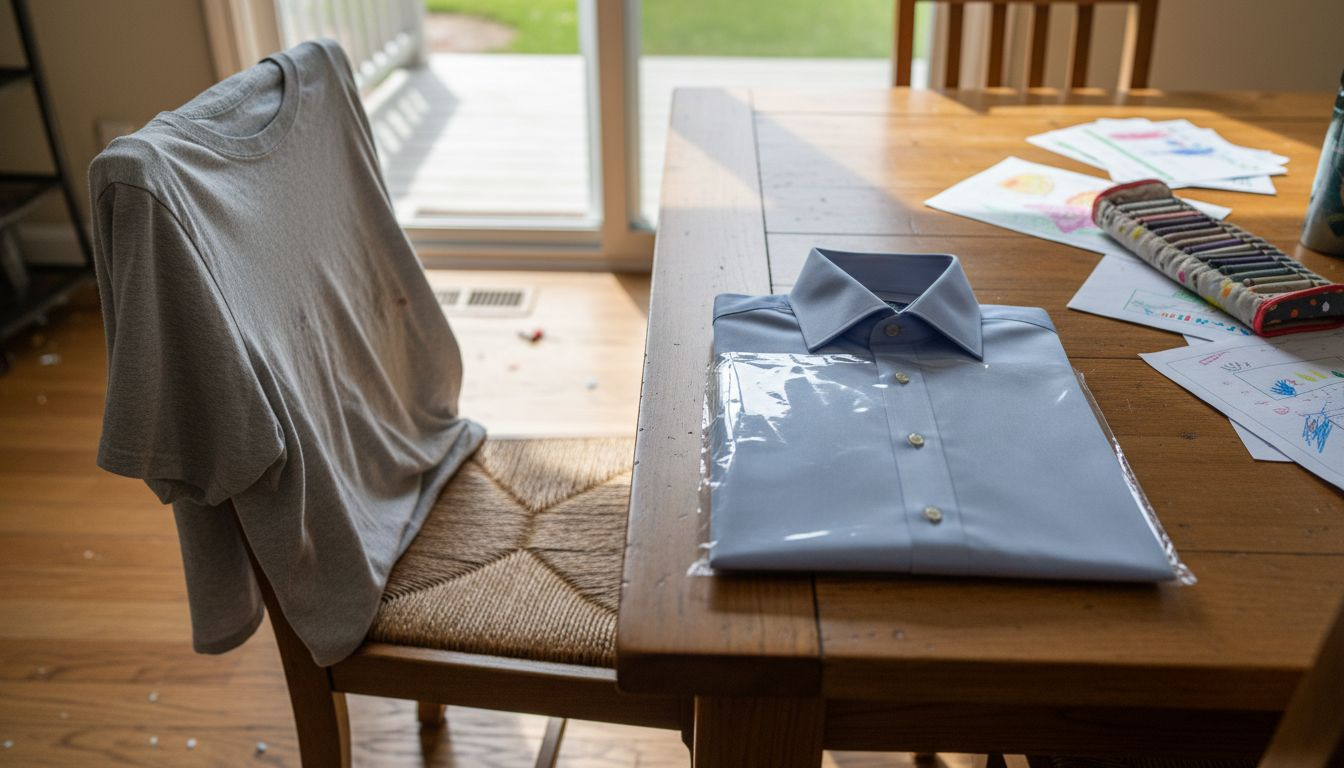
For households with children, fabric protection prevents small spills from becoming permanent stains. With adults juggling career clothing and weekend wear, durability means your professional wardrobe stays polished and your casual pieces stay comfortable.
What Professional Protection Includes
When Columbia Pike Laundry handles your garments, fabric protection starts with proper care techniques explained in fabric care guides. Our in-house cleaning process includes:
- Sorting by fabric type and care requirements
- Using appropriate water temperatures and detergent strengths
- Handling delicate pieces with specialized cleaning methods
- Drying at controlled temperatures to prevent shrinking and fading
- Pressing and folding to maintain garment structure
This preventive approach stops damage before it happens.
The difference between quick cleaning and protective care is whether your favorite jacket fits the same way next year.
The Real Impact Over Time
Protected fabrics develop differently than unprotected ones. A dress shirt treated with proper care stays crisp through a work week. Work pants maintain their shape instead of sagging at the knees. Delicate items like silk blouses keep their luster instead of becoming dull and fragile.
Over a year, this adds up to fewer replacements, lower wardrobe costs, and less stress about whether your clothes will survive another washing.
Compare protected vs. unprotected garments over time:
| Feature | Protected Garment | Unprotected Garment |
|---|---|---|
| Appearance after 1 year | Retains shape and color | Fades and loses structure |
| Stain resistance | Spills clean off easily | Stains become permanent |
| Odor control | Stays fresh between washes | Picks up odors quickly |
| Replacement frequency | Every 2-3 years | Often yearly or less |
Pro tip: Schedule regular professional cleanings for items you wear frequently and your special occasion pieces, since professional care catches issues early and prevents small problems from becoming permanent damage.
Types of Fabric Protection Treatments Used Today
Modern fabric protection uses several different approaches, each designed to tackle specific threats. Understanding what’s available helps you choose the right treatment for your wardrobe.

These treatments range from factory-applied coatings to professional applications that happen after cleaning. The best approach depends on your clothing type and how you use it.
Here’s a summary of common modern fabric protection treatments and their benefits:
| Treatment Type | Main Benefit | Typical Use Cases |
|---|---|---|
| Waterproofing | Keeps fabrics dry | Outerwear, rain gear |
| Water-resistant coating | Delays liquid soaking | Everyday clothes, shoes |
| UV protection | Prevents color fading | Summer wear, sports apparel |
| Stain resistance | Repels spills and oils | Dress shirts, uniforms |
| Antimicrobial treatment | Reduces odor buildup | Activewear, kids’ clothing |
Waterproofing and Water-Resistant Coatings
Waterproof fabric treatments use wax, rubber, polyurethane, and fluoropolymers to repel liquid water while allowing moisture vapor to escape. This keeps you dry without making clothes feel stiff or trap sweat.
Water-resistant coatings differ from fully waterproof treatments. Resistant coatings let some water through but slow its penetration, while waterproof options block water completely. Most everyday clothing uses water-resistant treatments rather than full waterproofing.
These coatings can be applied during manufacturing or added afterward as protective sprays. Professional cleaning services can reapply treatments to restore protection after multiple washes.
UV and Sun Protection Treatments
Sun-protective fabric treatments work by using densely woven materials combined with special dyes or coatings that absorb and reflect ultraviolet rays. This stops UV damage that fades colors and weakens fibers over time.
Polyester and nylon fabrics naturally offer better UV protection than cotton. When treated with protective finishes, these materials can achieve UPF 50+ ratings, blocking 98% of harmful rays.
Moisture-wicking finishes often accompany UV protection, making treated clothes comfortable for outdoor activities while keeping them safe from sun damage.
Stain Resistance and Protective Finishes
Stain-resistant treatments create an invisible barrier that repels oils and water-based liquids. Simple preventive habits combined with protective coatings give your clothes the best defense against permanent marks.
These treatments don’t make stains impossible, but they give you time to clean spills before they set. Most stain-resistant coatings weaken with washing, which is why professional reapplication helps maintain protection.
Odor Control and Antimicrobial Treatments
Antimicrobial finishes reduce bacteria that cause odor, extending the time between washes. These treatments use silver-based compounds or other safe agents that inhibit bacterial growth without harming the fabric.
For busy families, this means workout clothes, activewear, and everyday pieces stay fresher longer. Combined with regular professional cleaning, these treatments keep your wardrobe both protected and hygienic.
The most effective fabric protection combines multiple treatments—waterproofing for durability, UV blocking for color retention, and stain resistance for everyday practicality.
Pro tip: Ask about treatment options when dropping off items at Columbia Pike Laundry, especially for expensive pieces or clothes you wear frequently, since reapplying protective coatings after cleaning restores protection lost through washing.
How Professional Services Apply Fabric Protection
Professional fabric protection goes far beyond what you can do at home. Services like Columbia Pike Laundry apply specialized treatments using controlled processes and quality standards that maximize durability.
The difference comes down to expertise, equipment, and access to professional-grade products. Here’s what happens when your garments receive proper protective treatment.
Assessment and Fabric Evaluation
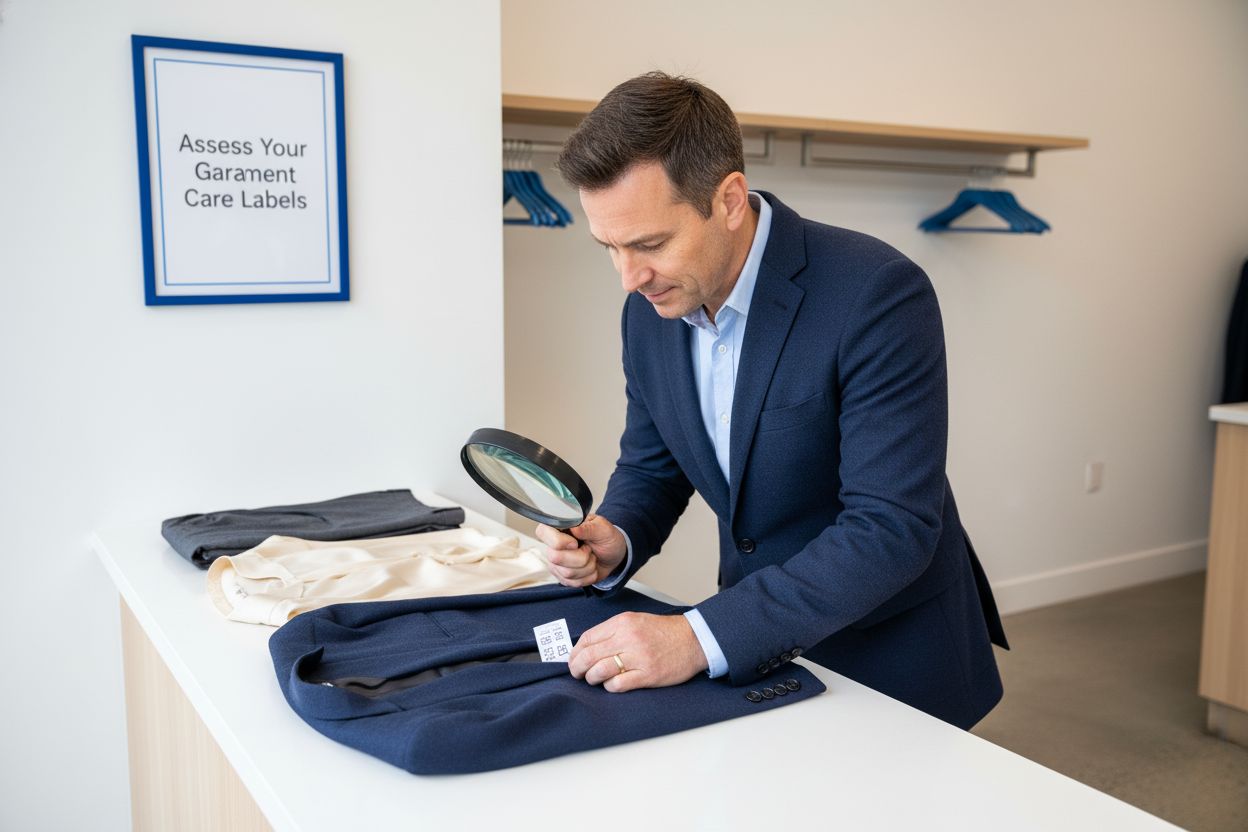
Professional services start by examining each garment carefully. They identify fabric type, existing condition, and any damage that needs attention before protection is applied.
This step matters because different fabrics require different protection strategies. A delicate silk blouse needs gentler treatment than a heavy cotton jacket. Assessment ensures the right approach for each piece.
Standardized Testing and Quality Control
Professional fabric protection uses standardized testing methods aligned with industry standards to ensure treatments perform reliably. This means your clothes receive protection that has been tested for real-world durability.
These standards measure resistance to color fading, pilling, tearing, and seam breakdown. When a service follows these standards, you know the protection will actually work through repeated washing and wearing.
Application of Protective Coatings
Professional services apply protective coatings using precise manufacturing techniques. This isn’t a quick spray job—it’s a controlled process that ensures even coverage and proper adhesion.
Coatings are applied at specific temperatures and concentrations to maintain fabric strength. Too much coating makes clothes stiff; too little offers inadequate protection. Professionals get the balance right.
Common protective treatments include:
- Water and stain repellents that create invisible barriers
- UV-blocking finishes that prevent color fading
- Antimicrobial treatments that reduce odor buildup
- Flame-resistant coatings for safety-critical garments
Preservation of Fabric Integrity
A key difference with professional application is maintaining fabric feel and breathability. Advanced fabric protection innovations ensure treatments enhance durability without compromising comfort or functionality.
This means your favorite shirt stays soft to the touch while gaining protection against spills and fading. The coating works invisibly, protecting without changing how the garment feels or performs.
Reapplication and Maintenance
Protective coatings gradually wear away with washing and wearing. Professional services can reapply treatments to restore protection, extending garment life significantly.
Regular maintenance through professional cleaning combined with periodic reapplication keeps your wardrobe protected year-round. This is why busy families benefit from ongoing relationships with trusted laundry services.
Professional fabric protection isn’t a one-time treatment—it’s an ongoing practice that preserves your investment in quality clothing.
Pro tip: Mention specific clothing items when dropping off at Columbia Pike Laundry, so the team can apply targeted protection to pieces you wear most frequently or want to preserve longer.
Costs, Lifespan, and Common Mistakes to Avoid
Fabric protection involves upfront costs, but the investment pays off through extended garment life. Understanding the economics helps you make smart decisions about which pieces deserve protection.
The key is balancing cost against the value of garments you want to preserve. Expensive items and frequently worn basics benefit most from professional protection.
Understanding Protection Costs
Fabric protection costs vary based on garment type, fabric material, and treatment complexity. A simple water-resistant coating costs less than multi-layer protection combining stain resistance and UV blocking.
Most professional services charge per garment or by the pound. Water-resistant treatments typically run $5 to $15 per item, while comprehensive multi-treatment packages may cost more. Ask Columbia Pike Laundry about specific pricing for your needs.
Costs also depend on whether protection is applied during initial cleaning or as a separate service. Bundling protection with regular cleaning often costs less than standalone applications.
How Lifespan Improves With Protection
Textile durability directly affects cost-effectiveness and replacement frequency. Protected fabrics last significantly longer than unprotected ones, reducing how often you replace items.
A protected work shirt might last two to three years instead of one. That translates to fewer purchases and lower annual clothing costs. The protection pays for itself through extended use.
Quality of treatment application matters tremendously. Professional application ensures proper coverage and adhesion, maximizing lifespan. DIY treatments or low-quality applications shorten expected durability.
Common Mistakes That Shorten Garment Life
Incompatible cleaning methods destroy protective treatments quickly. Using harsh detergents, hot water, or aggressive washing removes coatings prematurely.
Other common mistakes include:
- Ignoring care label instructions specific to treated fabrics
- Drying protected items in direct sunlight or high heat
- Skipping periodic reapplication of worn coatings
- Storing protected garments in humid environments
- Using fabric softeners that interfere with protection
Each mistake accelerates wear and defeats the purpose of protection.
Maintenance and Reapplication Strategy
Protective coatings gradually weaken after 5 to 10 wash cycles depending on the treatment type. Proper care and cleaning extend protection effectiveness, making reapplication less frequent.
Plan for periodic reapplication every 6 to 12 months for frequently worn items. This modest maintenance cost extends overall garment life significantly.
Protected fabric that’s cared for properly costs less over time than quality unprotected fabric replaced repeatedly.
Pro tip: Track which garments you have protected and when, so you can schedule reapplication before protection wears away completely, keeping your wardrobe consistently protected.
Protect Your Wardrobe with Expert Fabric Care from Columbia Pike Laundry
Busy households need durable clothing that stays fresh and looks great despite constant wear and the challenge of stains, fading, and fabric deterioration. The article highlights how professional fabric protection prevents damage and extends garment life by using specialized treatments like stain resistance and UV blocking. Avoid wasting time and money replacing worn-out clothes by trusting experts who understand the fabric care essentials and tailor solutions to your wardrobe needs.
At Columbia Pike Laundry, we combine family-owned commitment with in-house cleaning precision to deliver the highest quality fabric protection. Our services include careful sorting, appropriate cleaning methods, and the application of protective finishes that keep your clothes soft, vibrant, and lasting longer. Explore how our Fabric Care Expertise | Laundry Tips can help you maintain your favorite garments. Ready to experience hassle-free, professional fabric protection that fits your lifestyle? Schedule your next pick-up or drop-off today through our easy online platform at Columbia Pike Laundry. For delicate and special pieces, learn more about our thorough Dry Cleaning | Laundry Tips to preserve your wardrobe investment now.
Frequently Asked Questions
What is fabric protection, and why is it important for my clothing?
Fabric protection is the practice of safeguarding your clothing from stains, fading, and deterioration. It is important because it extends the life of your garments, reduces the frequency of replacements, and helps maintain their appearance, saving you time and money in the long run.
How does fabric protection help with stain resistance?
Fabric protection treatments create an invisible barrier on fabrics that repel spills and oils, giving you extra time to clean any stains before they set. This can prevent small spills from becoming permanent damage, which is especially valuable in busy households.
What types of fabric protection treatments are available?
Common fabric protection treatments include waterproofing, water-resistant coatings, UV protection, stain resistance, and antimicrobial treatments. Each type targets specific issues, such as keeping clothes dry, preventing color fading, or reducing odor buildup.
How often should I reapply fabric protection to my clothing?
Protective coatings gradually wear away with washing and normal wear. It’s recommended to plan for periodic reapplication every 6 to 12 months, especially for items you wear frequently, to ensure maximum protection and longevity of your garments.
Recommended
Free pickup, expert care, delivered back to your door.
Popular Blog Articles




Meet the Author
Daniel Logan didn’t start CPL because he loved laundry. He started it because his family was drowning in time debt, and laundry was one of the biggest weights.
Mornings were chaos with two kids under 5. Evenings felt like catch-up. And weekends? Gone to sorting socks and folding piles.
He knew his story wasn’t unique. So he built a business that gave families like his just a little bit of breathing room one load at a time.
With no laundry experience but deep tech skills, Daniel rolled up his sleeves, doing every job himself while building systems that turned it into a modern laundry service that saves customers time, simplifies their lives, and delivers reliability they can count on.
That’s where CPL began. Not from a playbook, but from pain. From one dad trying to buy back time: for himself, and for every household like his.
Free pickup, expert care, delivered back to your door.