
Fabric Care Explained: Protecting Every Garment
Columbia Pike Laundry offers pickup & delivery across Northern Virginia.
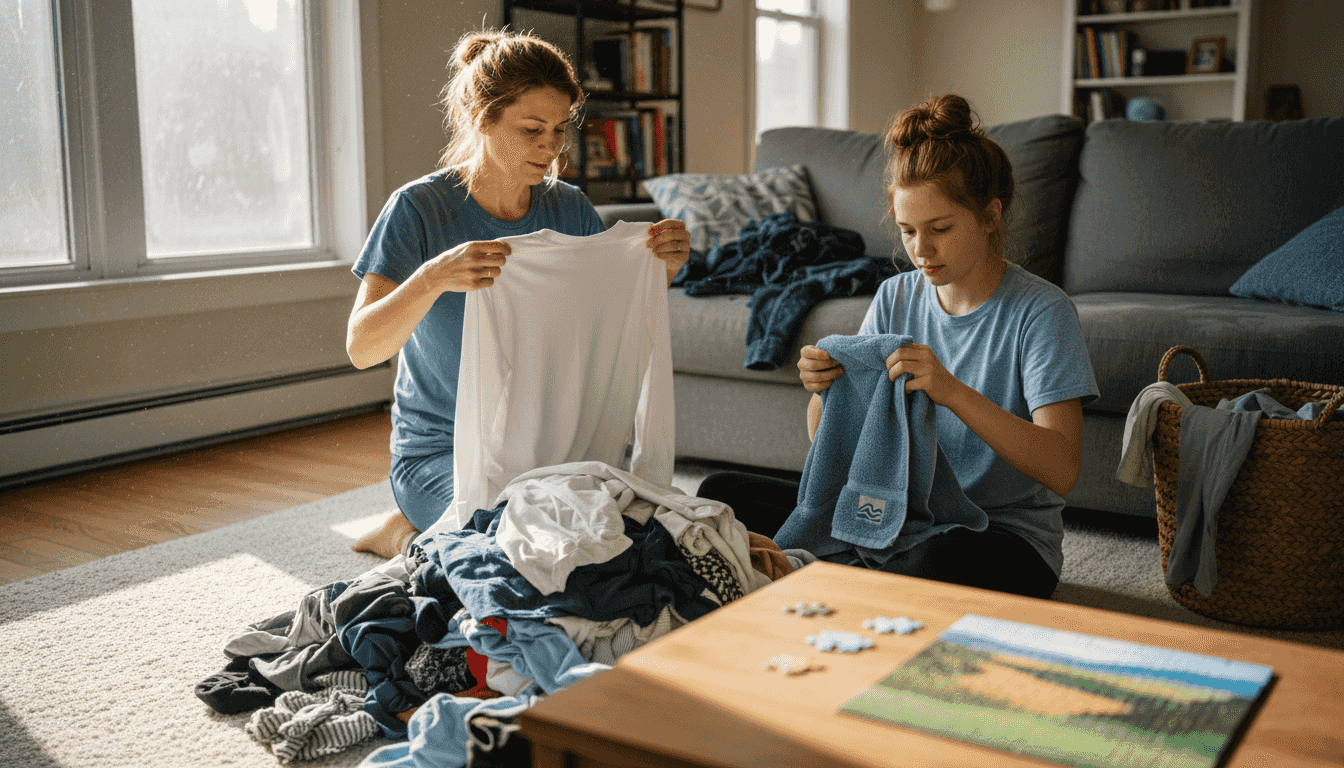
Every Arlington mom knows the laundry pile never takes a break, and caring for your family’s clothes means more than just tossing everything in the washer. Proper fabric care shields garments from premature wear, keeps your household healthy, and saves money by stretching the life of every piece. Discover how effective laundry practices like soil removal and smart cycle selection can preserve garment quality, reduce water and energy use, and simplify your daily routine.
Key Takeaways
| Point | Details |
|---|---|
| Importance of Fabric Care | Proper fabric care extends garment lifespan, improves hygiene, and minimizes household costs. |
| Pillars of Fabric Care | Correct water temperatures, proper detergent usage, and appropriate drying methods are essential for maintaining fabric integrity. |
| Environmental Impact | Good laundry habits reduce water and energy consumption, contributing to eco-friendly practices. |
| Professional Care Necessity | Delicate and specialized fabrics often require professional cleaning to prevent irreversible damage. |
What Fabric Care Means and Why It Matters
Fabric care is about protecting your clothes so they last longer, look better, and stay clean. It’s not just about washing—it’s a complete approach to handling garments from purchase to wardrobe retirement.
When you care for fabrics properly, you’re actually doing three things at once. You’re removing dirt and stains, maintaining fabric integrity, and extending garment lifespan. That’s why proper laundry practices matter so much to both your wallet and your closet.
Why Fabric Care Matters to Your Family
Your family spends significant time in clothes that touch skin directly. Underwear, activewear, and bedding need special attention because they accumulate sweat, body oils, and bacteria. Using effective soil removal and pathogen inactivation methods during washing protects your household’s health.
Clothes are investments. A quality shirt costs money, and replacing your entire wardrobe yearly gets expensive fast. Proper care stretches that investment into years of wear instead of months.
Beyond personal benefits, how you care for garments affects the environment. Washing clothes in cold water, using appropriate cycles, and avoiding unnecessary replacements all reduce water consumption and energy use. Even small decisions add up across a household’s annual laundry.
This table summarizes how good laundry habits positively impact both your family and the environment:
| Benefit Area | Impact on Family | Environmental Impact |
|---|---|---|
| Health | Reduces allergy and bacteria risk | Lowers pathogen spread |
| Clothing Longevity | Fewer items replaced each year | Reduces landfill textile waste |
| Household Expenses | Less money spent on new clothes | Saves water and energy |
| Convenience | Less wardrobe disruption | Lowers household emissions |
The Three Pillars of Fabric Care
- Correct water temperature and cycle selection prevent shrinking, fading, and fabric damage while conserving resources
- Proper detergent amounts clean effectively without leaving residue that breaks down fibers over time
- Appropriate drying methods protect delicate fabrics from heat damage and help garments maintain their shape
What Fabric Care Actually Prevents
Without proper care, several problems develop quickly. Colors fade from using water that’s too hot or too much sun exposure. Fibers weaken from aggressive washing cycles, causing pilling and tears. Stains set permanently when you use incorrect removal methods. Elastic loses stretch from improper drying. Buttons crack. Seams split.
Many Arlington families juggle work, kids, and endless laundry—which makes care shortcuts tempting. But a few smart habits prevent expensive replacements and frequent shopping trips.
Fabric care means treating each garment according to its specific needs, not washing everything the same way and hoping for the best.
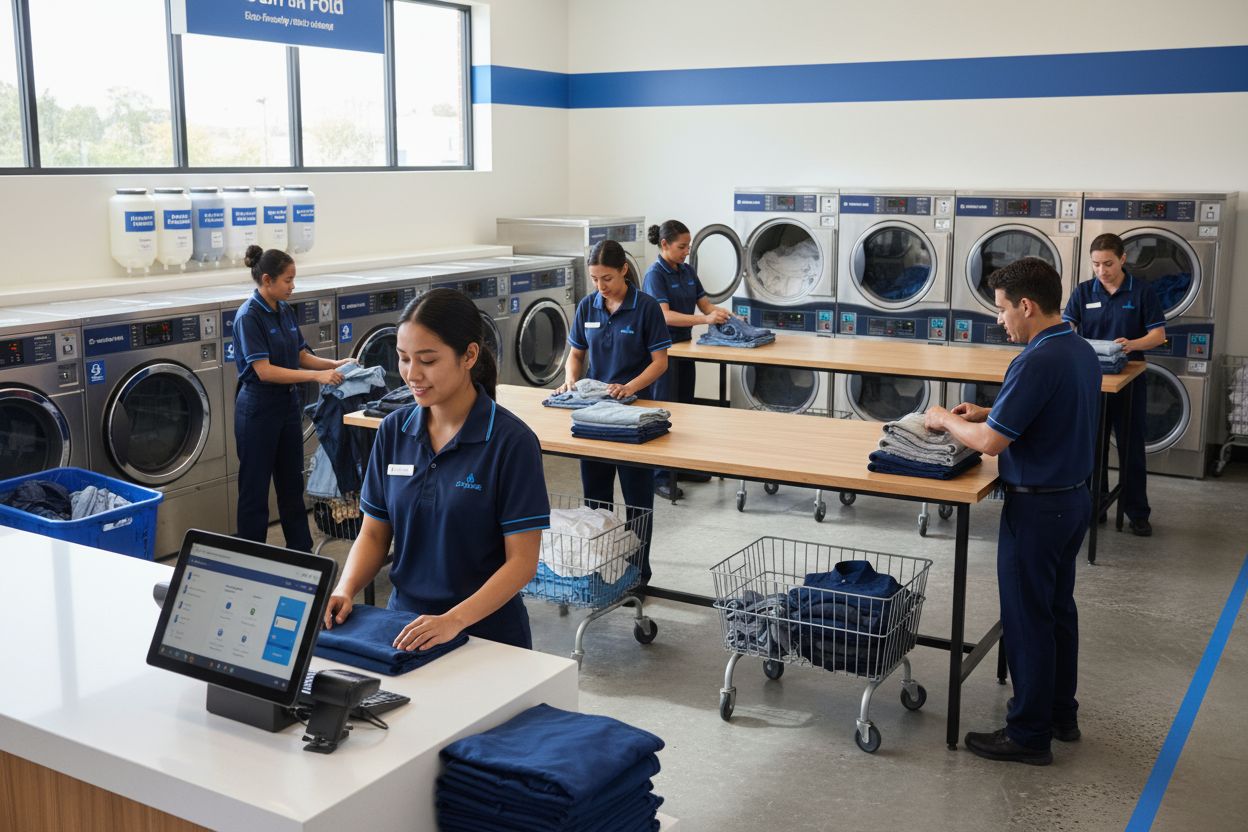
The good news? You don’t need specialized knowledge or expensive products. You need the right approach based on fabric type, soil level, and garment condition. Columbia Pike Laundry handles the technical details through professional washing and folding, but understanding the basics helps you protect clothes between pickups.
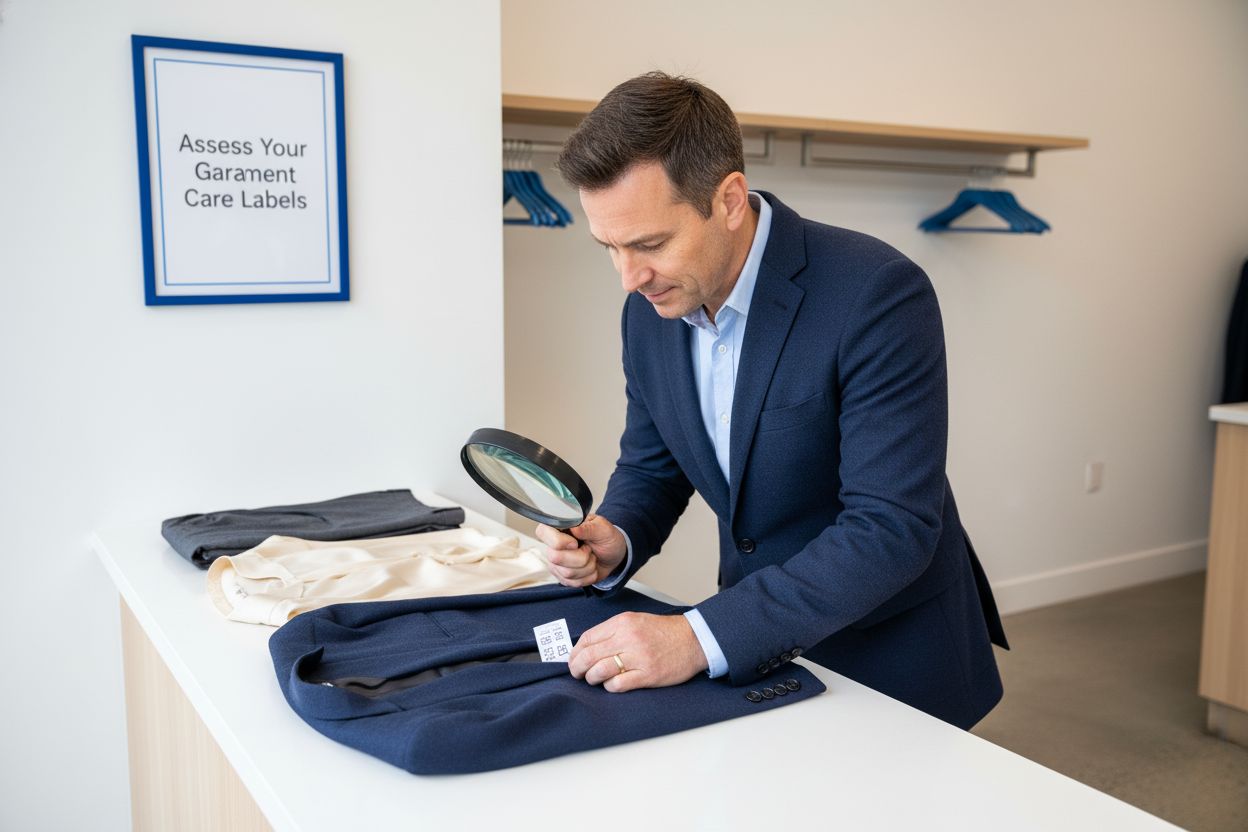
Pro tip: Check care labels before your first wash—they tell you exactly what each garment needs, preventing mistakes that damage fibers and cost you replacement money down the road.
Types of Fabrics and Care Requirements
Not all fabrics are created equal. Cotton behaves nothing like silk, and synthetic blends demand completely different care than wool. Understanding your garment’s fiber content is the first step toward preventing damage and extending its life.
The fiber type determines everything—water temperature, wash cycle, drying method, and even whether dry cleaning is necessary. Different fabric types have distinct care needs to ensure garments stay safe and durable through multiple washes.

Natural Fibers
Cotton is forgiving and durable. It withstands hot water, aggressive washing, and high heat drying. Cotton can fade, but it rarely shrinks dramatically if you follow basic care guidelines. Most of your household items—socks, towels, everyday shirts—are probably cotton.
Wool requires a gentler approach. Hot water causes wool to felt and shrink permanently. Use cool water, gentle cycles, and lay flat to dry. Wool resists wrinkles naturally, which saves time on ironing.
Linen is sturdy but wrinkles easily. It actually becomes softer with washing. Like cotton, linen tolerates warm water and regular cycles, but air drying prevents unnecessary heat damage.
Synthetic and Blended Fabrics
Polyester and nylon are low-maintenance powerhouses. They dry quickly, resist wrinkles, and tolerate warm water. These fabrics rarely shrink, making them ideal for busy families. However, they can pill if washed with heavy items and shouldn’t use high heat when drying.
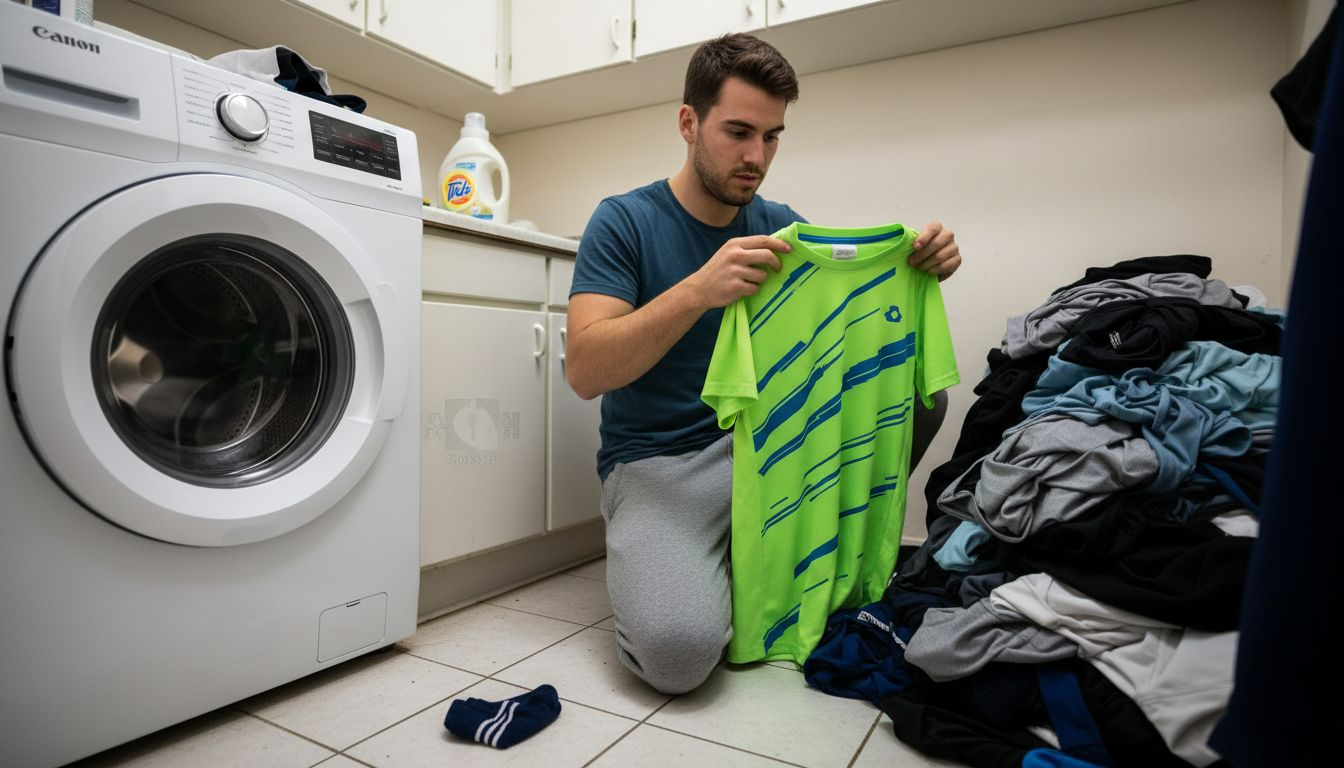
Spandex (found in athletic wear and fitted garments) needs special attention. Never use fabric softener, which breaks down elastic fibers. Wash in cool water and air dry to maintain stretch and prevent deterioration.
Blended fabrics combine properties of their components. A cotton-polyester blend might tolerate warmer water than pure polyester but not the heat that pure cotton handles. Always check the care label since blends vary widely.
Delicate and Specialty Fabrics
Silk, satin, and jacquard fabrics need professional care to prevent damage. Specialty fabrics require careful laundry practices to preserve their appearance and structural integrity. Hand washing risks stretching, and machine cycles risk snagging or weakening fibers.
Check care labels first—they tell you exactly what your fabric can handle and which methods to avoid.
Quick Fabric Reference
- Cotton: Hot water acceptable, machine dry on high, durable and forgiving
- Wool: Cool water required, lay flat to dry, shrinks with heat
- Polyester/Nylon: Warm water, low heat drying, quick-drying and wrinkle-resistant
- Spandex: Cool water, air dry only, avoid fabric softener
- Silk/Satin: Cool water, hand wash preferred, professional dry cleaning recommended
When you bring garments to Columbia Pike Laundry, we identify fabric types and apply appropriate methods automatically. But knowing your fabrics helps you care for items between cleanings and make smart purchasing decisions.
Here’s a comparison of recommended laundry settings for popular fabric types:
| Fabric Type | Wash Temperature | Dryer Setting | Special Care Tip |
|---|---|---|---|
| Cotton | Hot or warm water | High heat drying | Wash colors separately |
| Wool | Cool water | Flat air dry | Never wring out wool |
| Polyester/Nylon | Warm water | Low heat drying | Avoid over-drying |
| Spandex | Cool water | Air dry only | Skip all fabric softener |
| Silk/Satin | Cool water | Air dry flat | Prefer professional cleaning |
Pro tip: Keep a photo of your care labels on your phone so you can reference fabric types when shopping for new clothes—it helps you choose garments that match your lifestyle and laundry routine.
Effective Laundry Methods for Every Material
Washing clothes correctly means matching your method to the fabric. One approach does not work for everything—your delicate silk blouse needs something completely different than your kid’s grass-stained soccer uniform.
The key is understanding how soil removal and detergent selection work together. The right combination removes dirt, stains, and bacteria while keeping fibers intact.
Water Temperature Strategy
Cold water saves energy and works for most loads. Use it for darks, delicates, and moderately soiled items. Cold water prevents dye bleeding and shrinkage, making it your go-to default.
Warm water handles everyday soil on moderately dirty loads. It cleans better than cold for towels, underwear, and lightly soiled items without the energy cost of hot water.
Hot water tackles heavily soiled items and oily stains. Bedding, white socks, and work clothes benefit from hot water, but use it sparingly to save on utilities.
Wash Cycle Selection
Your washing machine offers multiple cycles for a reason. Normal cycles use maximum agitation for sturdy fabrics like cotton and denim. Delicate cycles use gentler action for silks and knits.
Separating clothes before washing prevents color bleeding and ensures each group gets the appropriate cycle. Group darks together, whites together, and colors together.
Heavily soiled items might need pre-treatment or an extended soak. Lightly soiled garments wash fine in standard cycles.
Detergent and Water Balance
More detergent does not mean cleaner clothes. Too much soap leaves residue that builds up on fibers, making clothes stiff and dull over time. Follow the bottle’s recommendations based on load size.
Using proper water temperatures with appropriate detergent amounts preserves garment integrity while ensuring effective cleaning. The combination matters more than either one alone.
Consider fabric softener carefully. It coats fibers and reduces absorbency in towels and athletic wear. Skip it for most loads or use it sparingly.
Drying Methods That Protect Fabrics
- Machine drying on high heat: Cotton and sturdy synthetics only
- Machine drying on low heat: Blends, polyester, and delicates
- Air drying flat: Wool, silk, knits, and anything prone to shrinking
- Air drying on hangers: Dresses, shirts, and items you want to avoid wrinkles
High heat damages elastic, causes shrinkage, and breaks down delicate fibers. Air drying takes longer but protects your investment.
The gentlest method that works for your fabric is always the best choice, even if it takes extra time.
Stain Treatment Timing
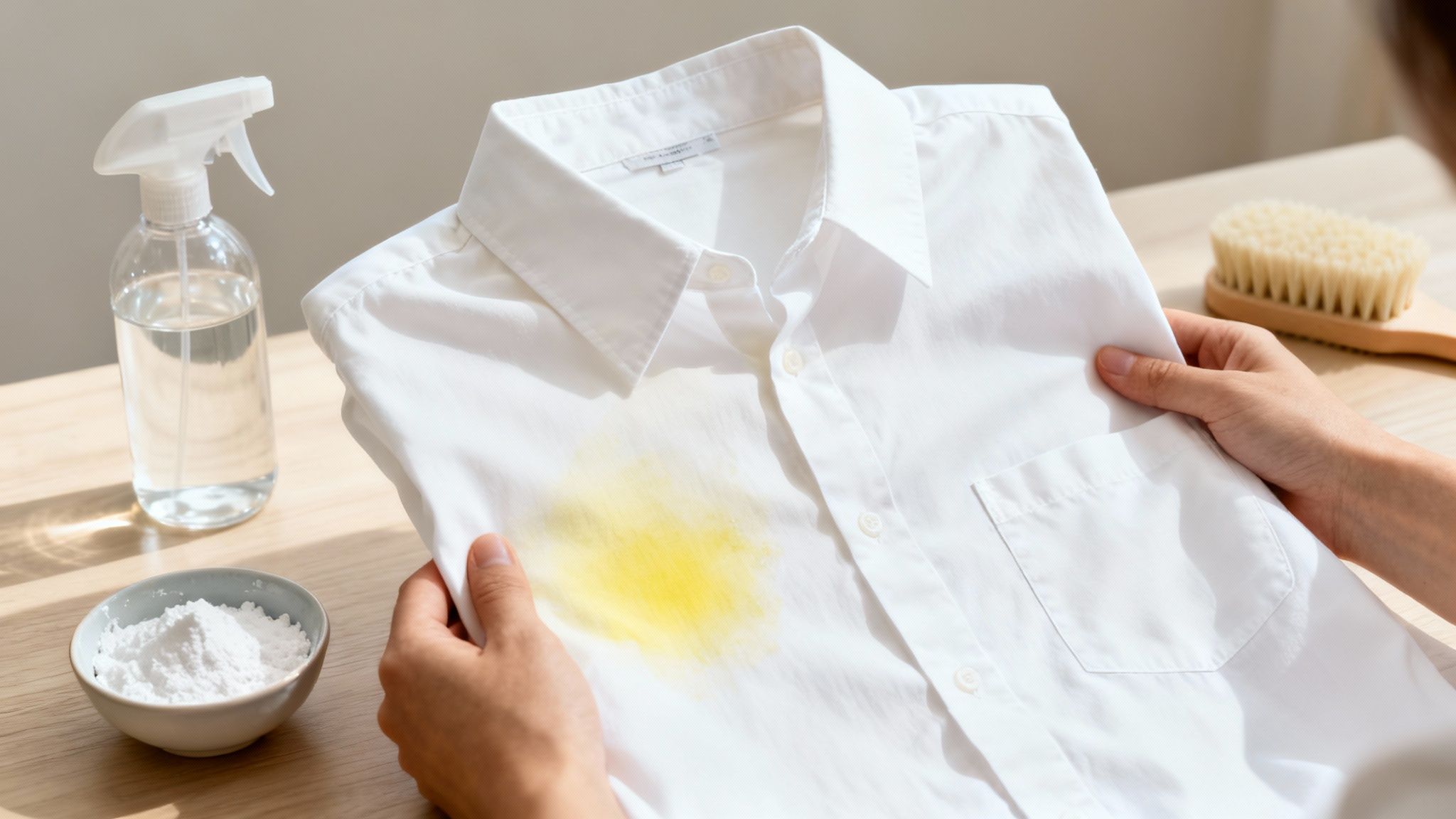
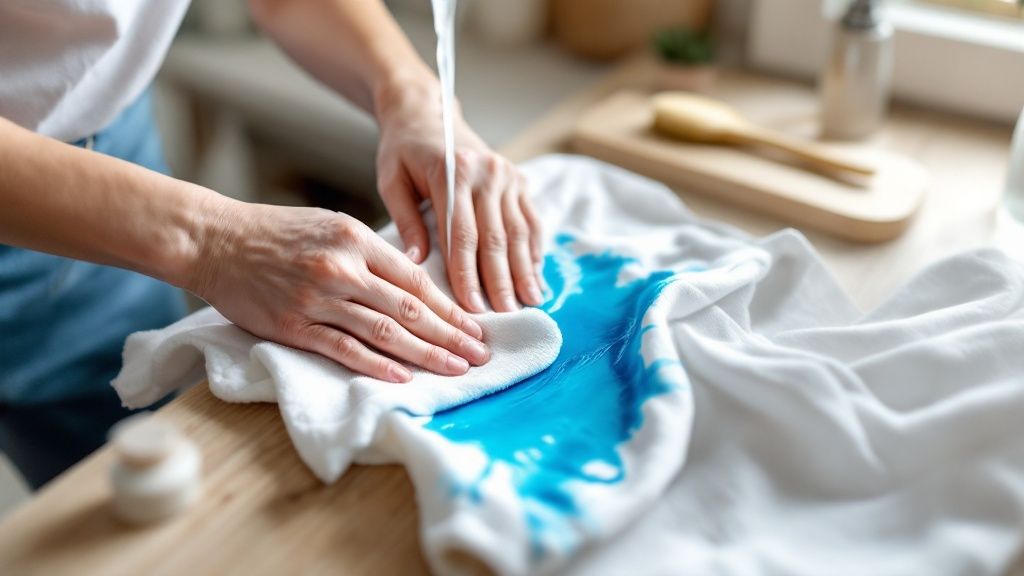
Treat stains immediately when possible. Fresh stains respond to simple rinses or cold water soaks. Set-in stains require stronger methods.
Never put stained items in the dryer until the stain is gone. Heat sets many stains permanently, making them nearly impossible to remove.
Pro tip: When you schedule pickup with Columbia Pike Laundry, note stubborn stains so our team applies the right pre-treatment method before washing—catching stains early makes a huge difference in removal success rates.
Common Fabric Care Mistakes to Avoid
Most garment damage happens because of simple mistakes repeated over time. One careless wash can’t destroy a shirt, but months of wrong practices will. The good news? You can prevent almost all damage by avoiding a few common pitfalls.
Ignoring care label instructions is the biggest mistake families make. Those labels exist because manufacturers tested garments extensively. They know what each fabric can handle.
Temperature and Cycle Mistakes
Using hot water on everything is a common shortcut that costs you. Hot water fades colors, shrinks fibers, and weakens elastic. Save hot water for heavily soiled whites and bedding only.
Pairing delicate fabrics with normal wash cycles causes damage. Your washing machine’s agitation destroys silk, satin, and fine knits. Use gentle cycles for anything with care labels warning against machine washing.
Overloading the washer prevents water and detergent from reaching all items. Clothes get tangled and twisted, creating wrinkles that set permanently. Fill the drum about three-quarters full instead.
Detergent and Chemical Mistakes
- Too much detergent: Leaves residue, makes clothes stiff, and actually traps dirt
- Fabric softener on athletic wear: Reduces moisture-wicking and makes clothes feel sticky
- Bleach on colored items: Causes permanent fading or yellow spots
- Direct application of stain remover: Concentrates chemicals and damages fibers
Always dilute stain removers in water before applying them. Direct contact burns holes in delicate fabrics.
Drying Disasters
High heat is convenient but destructive. It shrinks garments, damages elastic, and can melt synthetic fibers. Most items benefit from air drying or low-heat drying.
Never over-dry clothes. Pulling them out while slightly damp prevents wrinkles and reduces heat damage. Leave them in the dryer too long and shrinkage becomes permanent.
Washing stained items and then drying them before treating the stain seals the problem forever. Heat sets most stains, making removal almost impossible afterward.
Storage and Handling Mistakes
Washing isn’t your only opportunity to damage clothes. Storing wet items or damp garments creates mildew and permanent odors. Always ensure clothes are completely dry before storing.
Hanging heavy items from thin straps stretches shoulders and creates bumps that never flatten. Use padded hangers or fold heavier sweaters instead.
The care label is your friend, not an inconvenience—following it saves money and keeps clothes looking new.
What Busy Moms Should Know
You might feel rushed, but rushing through laundry costs more than taking five extra minutes. One shrunken sweater or faded favorite outfit will frustrate you more than careful washing ever will.
Columbia Pike Laundry handles these details so you don’t have to worry. Our team reads labels and applies appropriate methods automatically, protecting your investment while you focus on everything else.
Pro tip: Take 30 seconds to read care labels when sorting laundry and group items by care requirements—this one habit prevents 90% of common fabric damage and saves you hundreds on replacements annually.
When Professional Fabric Care Is Essential
Some garments demand professional expertise. Home washing machines and standard detergents simply cannot handle certain fabrics safely. Knowing when to call in professionals saves your favorite pieces from permanent damage.
Delicate fibers like wool and silk require specialized cleaning agents and techniques that protect fabric integrity. Professional cleaners understand how each fiber behaves and what will destroy it.
Fabrics That Need Professional Care
Silk and satin are delicate and absorbent. Water causes fiber swelling and permanent weakening. Even “hand wash” silk often performs better through professional dry cleaning that uses solvents instead of water.
Wool can felt and shrink irreversibly in hot water. Professional cleaning maintains wool’s shape and softness while removing soil and odors without heat damage.
Linen blends in formal garments often contain specialty finishes that water and agitation destroy. Professional methods preserve these finishes.
Beaded and embellished garments have components that won’t survive standard washing. Beads can crack, embroidery can unravel, and attached decorations can detach in a washing machine.
Garment Types Requiring Professional Attention
- Formal wear: Dresses, suits, tuxedos with complex construction and specialty fabrics
- Outerwear: Winter coats with linings, down insulation, and weather-resistant coatings
- Structured items: Blazers, jackets, and dress pants that need pressing and shape retention
- Vintage or antique pieces: Irreplaceable garments where mistakes are permanent
- Stained or soiled items: Tough stains need professional-grade treatments home solutions can’t match
When Home Care Just Isn’t Safe
If a care label says “dry clean only,” that’s not a suggestion. It means the garment will be damaged by water, standard detergent, or mechanical action. Ignoring this warning voids your ability to return damaged items to retailers.
Garments with permanent finishes, water-resistant coatings, or special treatments need professional handling. These coatings break down under home laundering conditions.
High-value pieces deserve professional care. A wedding dress, leather jacket, or designer handbag represents significant investment. The cost of professional cleaning is trivial compared to replacement.
Professional dry cleaning isn’t a luxury for special occasions—it’s insurance protecting your wardrobe investment from irreversible damage.
Why Arlington Families Choose Columbia Pike Laundry
Arlington residents juggle demanding schedules. Dropping off delicate garments with professionals means one less thing to worry about. Our team handles professional dry cleaning with expertise that protects even your most treasured pieces.
We work in-house, which means tighter quality control than drop-off services that outsource to regional cleaners. You get the same professional handling your garments deserve without middleman risks.
Our pickup and delivery service means you never have to find time to run errands. Schedule a pickup, and your delicates arrive back pressed and ready to wear within 48 hours.
Pro tip: Don’t wait until a stain sets or damage occurs—schedule professional dry cleaning for formal wear and delicate items before they need it, preventing emergency situations and extending garment life significantly.
Protect Your Wardrobe With Expert Fabric Care Solutions
The article clearly highlights the challenges of maintaining garment quality and longevity through proper fabric care. You understand the frustration of colors fading, fibers shrinking, and stains setting permanently all because of common laundry mistakes or lack of time for careful handling. Protecting every garment according to its specific needs requires detailed knowledge of fabric types and washing techniques that busy households often struggle to apply consistently.
Columbia Pike Laundry offers professional solutions designed to relieve this burden while preserving your clothes’ integrity. With our in-house expertise in Fabric Care Expertise | Laundry Tips and commitment to doing all cleaning locally, you benefit from precise care for everything from delicate silks to sturdy cottons. Our Dry Cleaning | Laundry Tips service covers your most fragile and valuable pieces ensuring they receive the gentle attention they need without risking damage. We simplify fabric care for Arlington families with easy scheduling, pickup and delivery options, and loyal customer service at Columbia Pike Laundry.
Don’t wait for garment damage or costly replacements to act. Experience professional care that guards your investment and saves time now. Visit our site to schedule your pickup or drop-off and start protecting your wardrobe the right way today.
Frequently Asked Questions
How can I determine the proper fabric care for my garments?
Understanding the fiber content of your garments is crucial. Check care labels for specific washing instructions, temperature settings, and drying methods suitable for the fabric type.
What are the benefits of using cold water for laundry?
Using cold water saves energy, helps prevent color bleeding, and reduces shrinkage. It’s recommended for delicates, darks, and lightly soiled items.
Why is it important to sort laundry by fabric type before washing?
Sorting laundry ensures that each fabric receives the appropriate wash cycle and water temperature, which prevents damage and preserves the integrity of garments.
What are common mistakes to avoid when caring for my clothes?
Common mistakes include ignoring care label instructions, using excessive detergent, overloading the washer, and using high heat for drying. Such actions can lead to fading, shrinking, or permanent damage.
Recommended
Free pickup, expert care, delivered back to your door.
Popular Blog Articles


Meet the Author
Daniel Logan didn’t start CPL because he loved laundry. He started it because his family was drowning in time debt, and laundry was one of the biggest weights.
Mornings were chaos with two kids under 5. Evenings felt like catch-up. And weekends? Gone to sorting socks and folding piles.
He knew his story wasn’t unique. So he built a business that gave families like his just a little bit of breathing room one load at a time.
With no laundry experience but deep tech skills, Daniel rolled up his sleeves, doing every job himself while building systems that turned it into a modern laundry service that saves customers time, simplifies their lives, and delivers reliability they can count on.
That’s where CPL began. Not from a playbook, but from pain. From one dad trying to buy back time: for himself, and for every household like his.
Free pickup, expert care, delivered back to your door.