
How to Separate Clothes for Cleaning Efficiently
Columbia Pike Laundry offers pickup & delivery across Northern Virginia.
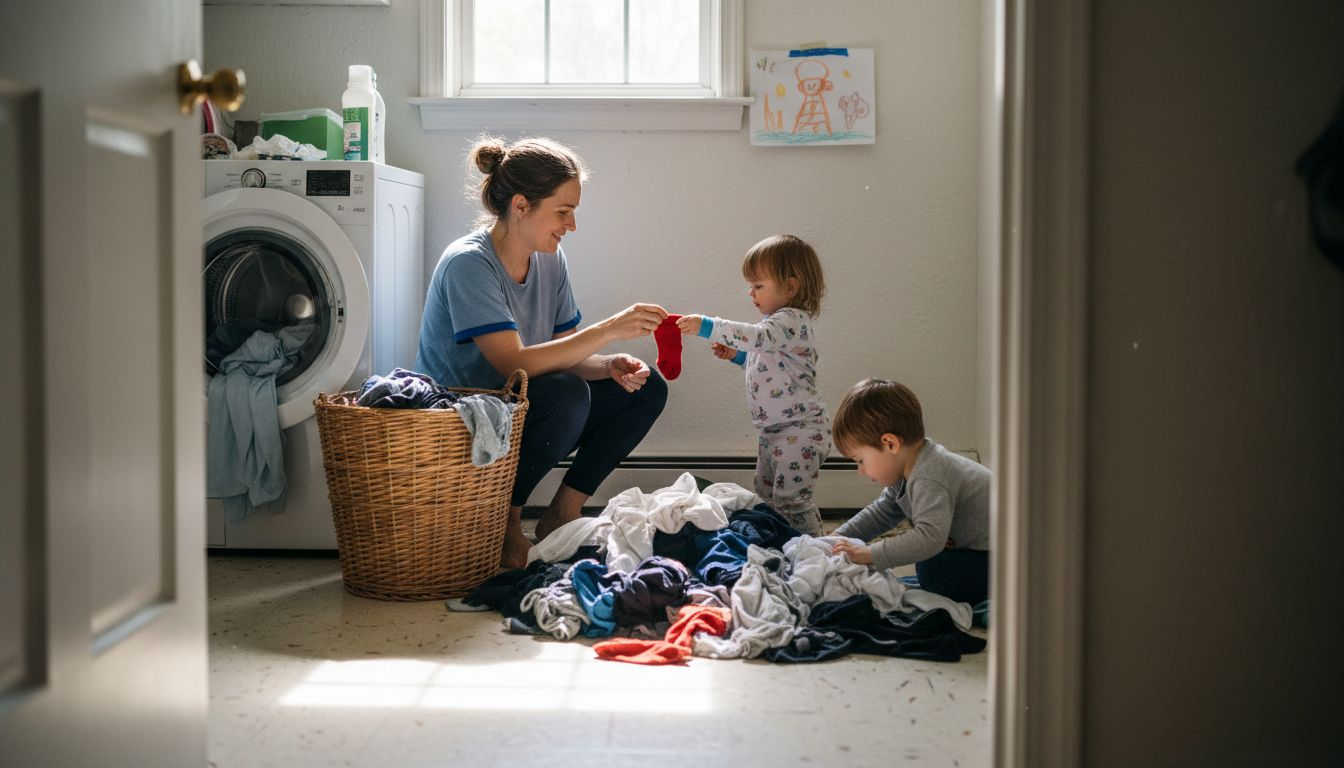
Every mom knows the frustration of discovering socks under the bed just as the washer is running. For Arlington families, managing laundry feels like a constant balancing act between work, kids’ activities, and keeping clothing in top shape. By mastering efficient sorting and gathering techniques, you can save valuable time, protect your favorite outfits, and enjoy a smoother laundry routine tailored for busy homes.
Quick Summary
| Key Point | Explanation |
|---|---|
| 1. Gather all laundry items first | Collecting everything in one place simplifies sorting and ensures no items are missed, saving time and effort. |
| 2. Identify fabric types for care | Recognizing the different fabrics helps prevent shrinkage and damage, allowing for appropriate washing methods. |
| 3. Sort clothes by color and soil level | Proper sorting prevents dye transfer and contamination, ensuring each load is cleaned effectively without fabric damage. |
| 4. Pre-treat stains before washing | Addressing stains at this stage increases the likelihood of successful removal and protects your garments from permanent damage. |
| 5. Verify sorted piles for consistency | Double-checking piles ensures all items are suitable for washing together, preventing color bleeding and fabric issues during the wash cycle. |
Step 1: Gather all laundry items for sorting
Before you can sort effectively, you need to collect everything that needs washing in one central location. This simple act transforms laundry from a chaotic, scattered chore into a manageable process.
Start by walking through your home and collecting all dirty laundry from each family member. Grab clothes from bedroom floors, bathroom hampers, and that pile by the washer that everyone ignores. Don’t forget linens from bedrooms and bathrooms, kitchen towels, and any other fabrics needing attention.
Here’s where organization saves you time:
- Check pockets for forgotten items, cash, or tissues that could damage your washer
- Look for delicate pieces mixed in with everyday wear
- Separate any heavily soiled items immediately
- Gather everything in one spot before you begin sorting
Once collected, effective laundry sorting requires understanding how laundry handling best practices recommend organizing items by color, fabric type, and soil level to prevent color transfer and ensure proper cleaning cycles tailored to your load. This upfront gathering step makes that entire sorting process infinitely faster.
Having everything in one place before you sort saves time and prevents missed items hiding in different rooms.
For busy moms in Arlington juggling work, kids’ activities, and household responsibilities, consolidating laundry into one collection point means you’re not making multiple trips through the house. You’ll also catch stains while they’re fresh, which matters for treatment before washing.
As you gather, create a mental note of any items needing special attention. Grass stains on soccer uniforms, mystery marks on favorite shirts, or delicate pieces requiring gentle care. This awareness helps you sort more thoughtfully in the next step.
Pro tip: Place a large basket or bin in each bedroom and bathroom designated solely for dirty laundry, so gathering becomes simply collecting from predictable locations rather than hunting throughout your home.
Step 2: Identify fabric types and special care needs
Now that you’ve gathered everything, the next critical step is recognizing what fabrics you’re working with. Different materials demand different treatment, and getting this right prevents shrinkage, color fading, and damaged clothes.
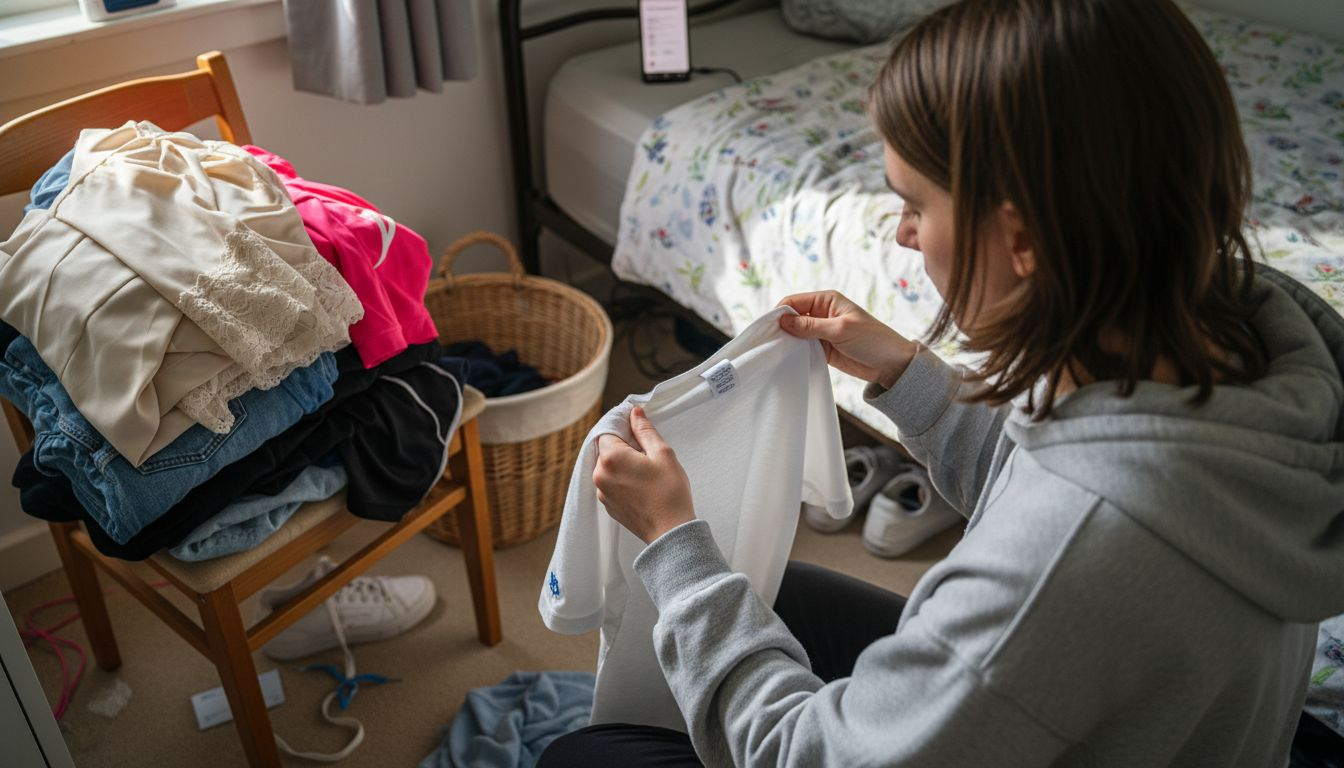
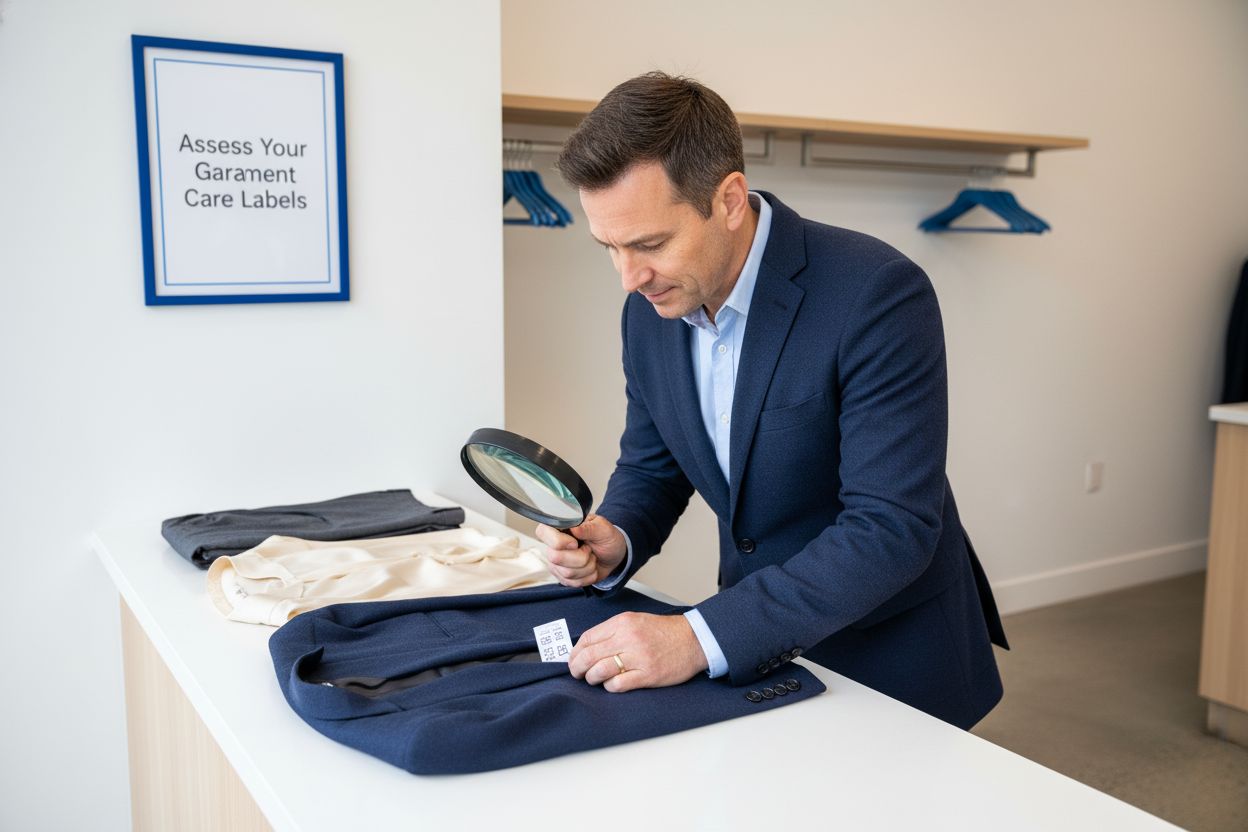
Start by examining each garment or pile of similar items. Cotton, polyester, wool, silk, linen, and blends all behave differently in the wash. Look at the clothing tags, which provide manufacturer guidance on care requirements.
Understanding fabric types and care needs helps you determine which items can wash together safely. Here’s what to look for:
- Delicate fabrics like silk, lace, and lightweight knits need gentle cycles
- Wool and cashmere shrink in hot water and require special handling
- Synthetic blends tolerate standard washing but may need lower heat
- Loosely knitted items separate from regular loads to prevent snagging
- Heavy fabrics like denim and towels withstand vigorous washing
Many busy families in Arlington have a mix of everyday wear alongside delicate pieces. That athletic wear, dress shirts, and kids’ clothing all require different temperatures and cycles. Grouping by fabric type now means you’ll run appropriate cycles later, saving time and protecting your investment.
Pay special attention to items with special instructions. Check for anything labeled “dry clean only,” “hand wash,” or “lay flat to dry.” These pieces typically need professional care or careful home treatment. Reading clothing care labels ensures you’re following manufacturer recommendations correctly.
As you identify fabrics, create separate piles. This doesn’t mean sorting by color yet—that comes next. You’re simply grouping delicates together, everyday cotton items together, and heavy fabrics together.
Here’s a quick reference guide to common fabric types and their washing requirements:
| Fabric Type | Recommended Wash Cycle | Typical Water Temperature | Drying Advice |
|---|---|---|---|
| Cotton | Regular or heavy cycle | Warm or cold | Tumble dry low |
| Silk | Delicate cycle | Cold | Air dry flat |
| Wool | Gentle cycle | Cold | Lay flat to dry |
| Polyester | Normal cycle | Warm or cold | Tumble dry low |
| Linen | Gentle or normal cycle | Cold or lukewarm | Air dry recommended |
| Synthetics | Standard cycle | Cold | Tumble dry low |
| Blends | Depends on dominant fiber | Warm or cold | Check care tag |
This table helps you quickly identify proper care methods for each fabric type.
Identifying fabric types now prevents damage later and ensures each load receives the correct wash cycle for optimal results.
Pro tip: Take a quick photo of garment tags for items you’re unsure about, then reference the image while sorting—this saves time and prevents confusion about care requirements.
Step 3: Sort clothes by color and soil level
This is where your sorting pays off. Separating by color prevents bleeding and dye transfer, while sorting by soil level keeps lightly worn items from picking up dirt from heavily soiled ones.
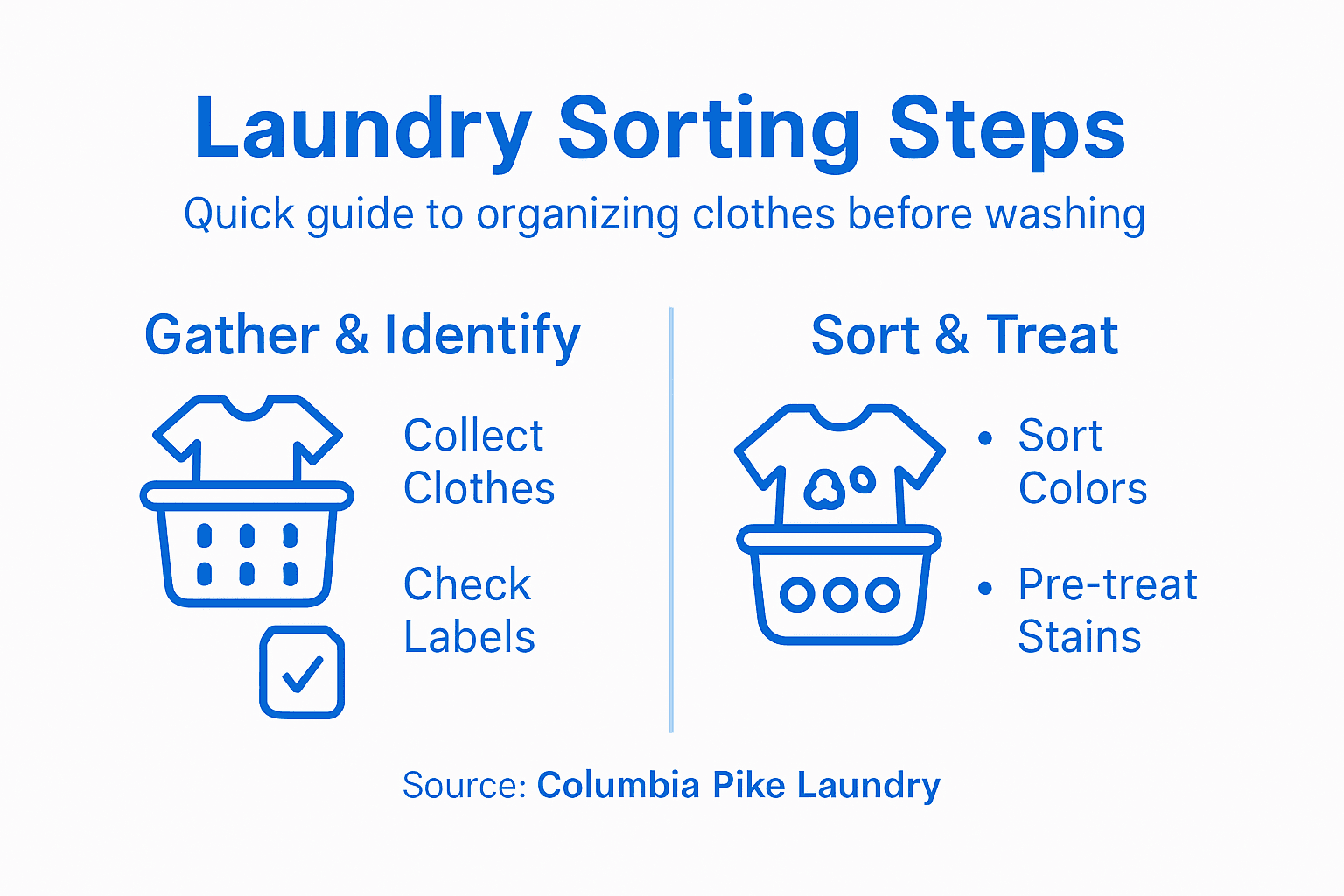
Start with color groups. You’ll create distinct piles for whites, pastels, brights, and darks. Whites go together always—they can handle bleach and hot water without risk. Pastels like light blues, pinks, and yellows group together since they won’t bleed significantly onto each other.
Sorting clothes by color prevents dye transfer and helps maintain vibrancy in your wardrobe. Here’s your color separation strategy:
- Whites wash separately at any temperature
- Pastels and light colors can wash together in warm water
- Brights like reds, oranges, and electric blues need their own load
- Darks and blacks should never mix with lights
- New or untested colored items wash alone the first time
Once you’ve organized by color, examine soil level within each pile. Sorting by soil level prevents contamination where clean items absorb dirt from muddy soccer uniforms or grass-stained play clothes.
Within your darks pile, for example, separate the lightly worn dress pants from the heavily soiled work jeans and grass-stained athletic wear. Same goes for your whites—everyday t-shirts separate from gym clothes or heavily stained kitchen towels.
For Arlington families with kids playing sports and getting genuinely dirty, this step matters tremendously. Your child’s school uniform gets light wear, but their soccer gear needs heavy-duty washing. Keeping these apart means the uniform stays crisp while the gear gets vigorous treatment.
Separating by both color and soil level ensures every item gets the right wash intensity without compromising cleanliness or fabric condition.
Now you have organized piles ready for washing. Your whites are grouped, colors are separated, and within each, heavily soiled items sit apart from lightly soiled ones.
Compare laundry sorting approaches based on time and effectiveness:
| Sorting Method | Time Investment | Risk of Mistakes | Overall Efficiency |
|---|---|---|---|
| By color only | Low | High (color mixing) | Moderate |
| By fabric only | Moderate | Medium (wrong temp) | Moderate |
| By color, fabric, and soil | High | Low (best match) | High |
| No sorting | None | Very high (damage likely) | Low |
This summary shows why comprehensive sorting delivers the best results.
Pro tip: Create a quick mental rule: if you wouldn’t want the item to touch a wet white shirt, it gets its own pile—this simple test catches color-bleeding risks instantly.
Step 4: Check for stains and pre-treat as needed
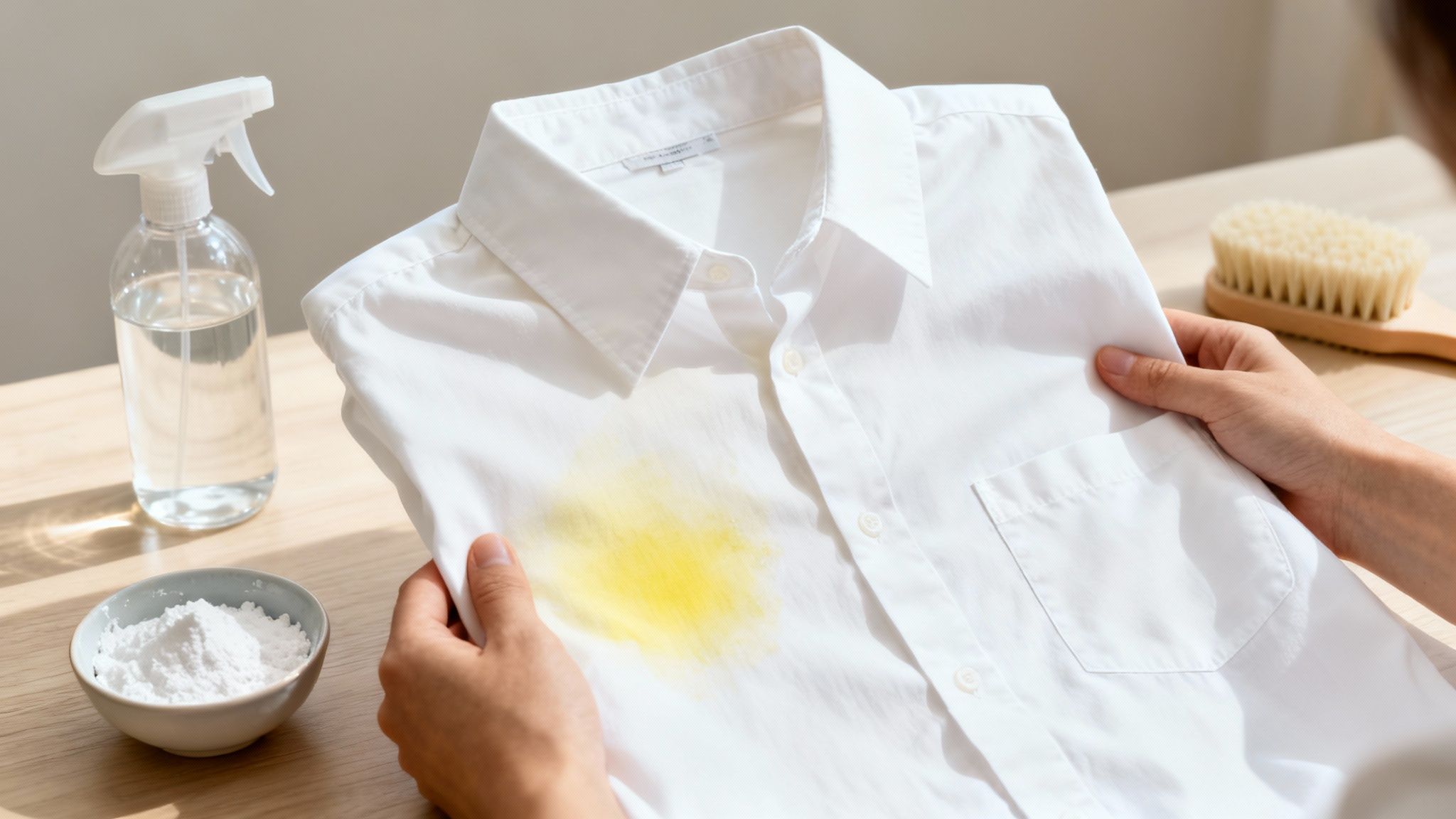
Before clothes hit the washer, scan each pile for visible stains. This moment matters because stains set permanently under heat, and treating them now prevents wasted laundry loads and ruined garments.
Examine your sorted piles closely. Look for grass stains on kids’ pants, coffee spills on work shirts, sweat marks on gym clothes, and mystery spots you find. Pre-treating stains before washing improves removal rates significantly and prevents permanent damage to fabric.
Here’s what to look for and handle immediately:
- Grass and dirt on sports wear and outdoor clothing
- Sweat stains on underarms and necklines
- Food and beverage stains like chocolate, ketchup, or wine
- Grease or oil spots from cooking or mechanics
- Mud and clay from outdoor play or gardening
- Ink or pen marks accidentally washed in pockets
For each stain you find, treat it with an appropriate stain remover. How to remove stains from clothes depends on the type and fabric, so match your treatment to what you’re dealing with. Test any stain remover on a hidden seam first to avoid bleaching or damaging the fabric.
Arlington families dealing with real-world mess understand this well. Your teenager’s grass-stained soccer socks need different treatment than your husband’s greasy work shirt. Don’t assume one pre-treat works for everything.
Using appropriate stain removers based on stain type ensures better cleaning results and prevents residues or discoloration. Let pre-treatment sit for the recommended time, typically 5 to 15 minutes, before washing.
Addressing stains now, before washing, determines whether your favorite clothes survive or become permanent casualties of laundry day.
Don’t skip this step thinking the wash will handle everything. Hot water can set stains permanently, making them nearly impossible to remove later. Your pre-treatment effort now saves frustration and money later.
Pro tip: Keep a stain removal pen or spray in your laundry room and mark treated items by turning them inside out—this prevents you from accidentally washing over partially treated stains.
Step 5: Verify sorted piles before cleaning
You’re almost ready to wash. Before you start any cycles, take one final moment to double-check your sorted piles. This quick verification prevents color bleeding, fabric damage, and cleaning mistakes that cost time and money.
Walk through each pile and ask yourself three questions. Does everything match in color? Do all items share similar fabric types? Are heavily soiled items separated from lightly worn ones? If you answer yes to all three, you’re ready.
Verifying sorted piles ensures compatibility of fabrics, colors, and soil levels to prevent damage or coloring issues during washing. Here’s your quick verification checklist:
- Colors are uniform within each pile and won’t bleed onto each other
- Fabric types match so delicates aren’t mixed with heavy items
- Soil levels are consistent throughout the pile
- Pre-treated stains are marked so you remember what you’ve already handled
- No forgotten items hide at the bottom of piles
- Special care pieces are clearly separated from regular wash loads
Look for sneaky items that don’t belong. Sometimes a colored sock hides in the whites pile, or a delicate blouse slips into your darks. Catch these now and move them to the correct load.
Check your pre-treated stains one more time. Make sure you haven’t forgotten any spots that need attention before washing. Items turned inside out should stay that way until after treatment.
For busy Arlington moms juggling multiple loads, this verification step saves enormous frustration. One red sock in your whites load ruins a batch of laundry. One delicate item in a heavy wash shrinks or tears. Two minutes of verification prevents hours of damage control.
Verifying piles before washing is your final safety net against color disasters and fabric damage that would cost far more than the time you invest now.
Once you’ve verified everything, you’re ready to load your washer. Your sorted, pre-treated piles are organized and checked. Washing success starts here.
Pro tip: Take a quick photo of your verified piles before washing—if something goes wrong, you’ll have proof of how you sorted, which helps troubleshoot the issue and prevents repeat mistakes.
Simplify Your Laundry Routine with Expert Care at Columbia Pike Laundry
Separating clothes for washing can be a time-consuming and confusing task. The challenges of sorting by fabric type, color, and soil level along with pre-treating stains often leave busy Arlington families feeling overwhelmed and frustrated. You want your clothes cleaned properly without damage or color bleeding but managing every detail on laundry day eats into your valuable time.
Let Columbia Pike Laundry take the burden off your shoulders. Our Fabric Care Expertise | Laundry Tips ensures every item receives the perfect wash cycle according to its fabric and care needs. Whether you have delicate silks, heavily soiled sportswear, or everyday cottons, we handle them with precision. With easy scheduling through our online platform, you can choose drop-off or convenient pickup & delivery. Skip the sorting and stain pre-treatment stress and enjoy professionally cleaned, folded, and pressed garments returned swiftly.
Ready to reclaim your time and have confidence in your laundry? Discover how our trusted, family-owned service offers real Laundry Relief | Laundry Tips with transparent pricing and reliable turnaround. Visit Columbia Pike Laundry today to schedule your service and make laundry day effortless.
Frequently Asked Questions
How do I gather clothes for efficient sorting?
Gather all dirty laundry in one central location before sorting. Collect items from bedrooms, bathrooms, and anywhere else to ensure nothing is missed, saving you time during the sorting process.
What should I consider when identifying fabric types?
When sorting clothes, check the labels on each garment to understand fabric types. Pay attention to materials like cotton, silk, and blends, as each requires different washing methods to prevent damage or shrinkage.
How do I sort clothes by color effectively?
Sort your laundry into distinct piles based on color: whites, pastels, brights, and darks. This prevents dyes from bleeding onto lighter fabrics and helps maintain the vibrancy of your clothes.
How can I address stains before washing?
Inspect clothes for stains and treat them immediately before washing. Use appropriate stain removers for each type of stain to ensure effective removal, which helps prevent permanent damage from heat during washing.
Why is it important to verify sorted piles before washing?
Verifying sorted piles ensures that colors, fabric types, and soil levels match. Take a few moments to check your piles for compatibility, which can prevent costly mistakes like color bleeding or fabric damage during washing.
Recommended
Free pickup, expert care, delivered back to your door.
Popular Blog Articles

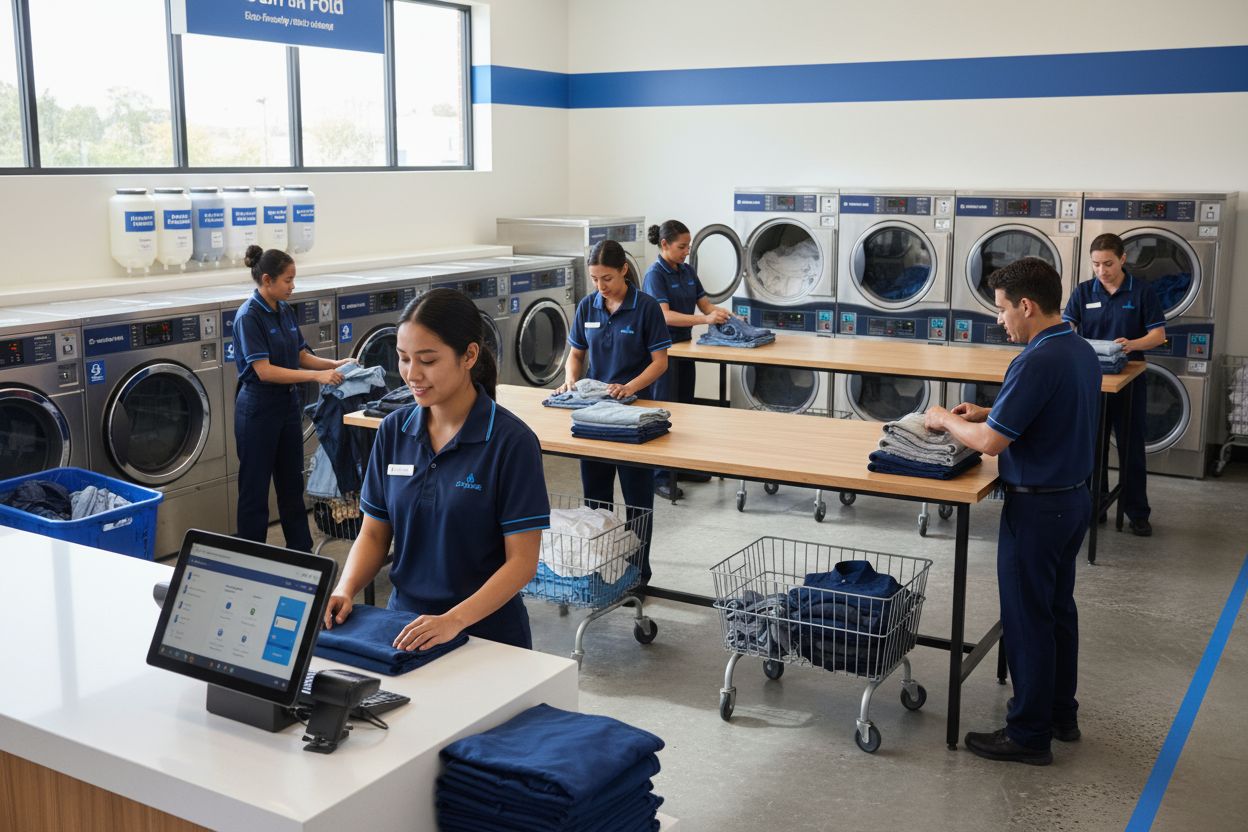


Meet the Author
Daniel Logan didn’t start CPL because he loved laundry. He started it because his family was drowning in time debt, and laundry was one of the biggest weights.
Mornings were chaos with two kids under 5. Evenings felt like catch-up. And weekends? Gone to sorting socks and folding piles.
He knew his story wasn’t unique. So he built a business that gave families like his just a little bit of breathing room one load at a time.
With no laundry experience but deep tech skills, Daniel rolled up his sleeves, doing every job himself while building systems that turned it into a modern laundry service that saves customers time, simplifies their lives, and delivers reliability they can count on.
That’s where CPL began. Not from a playbook, but from pain. From one dad trying to buy back time: for himself, and for every household like his.
Free pickup, expert care, delivered back to your door.