
Hang Laundry to Dry: Quick Indoor and Outdoor Tips
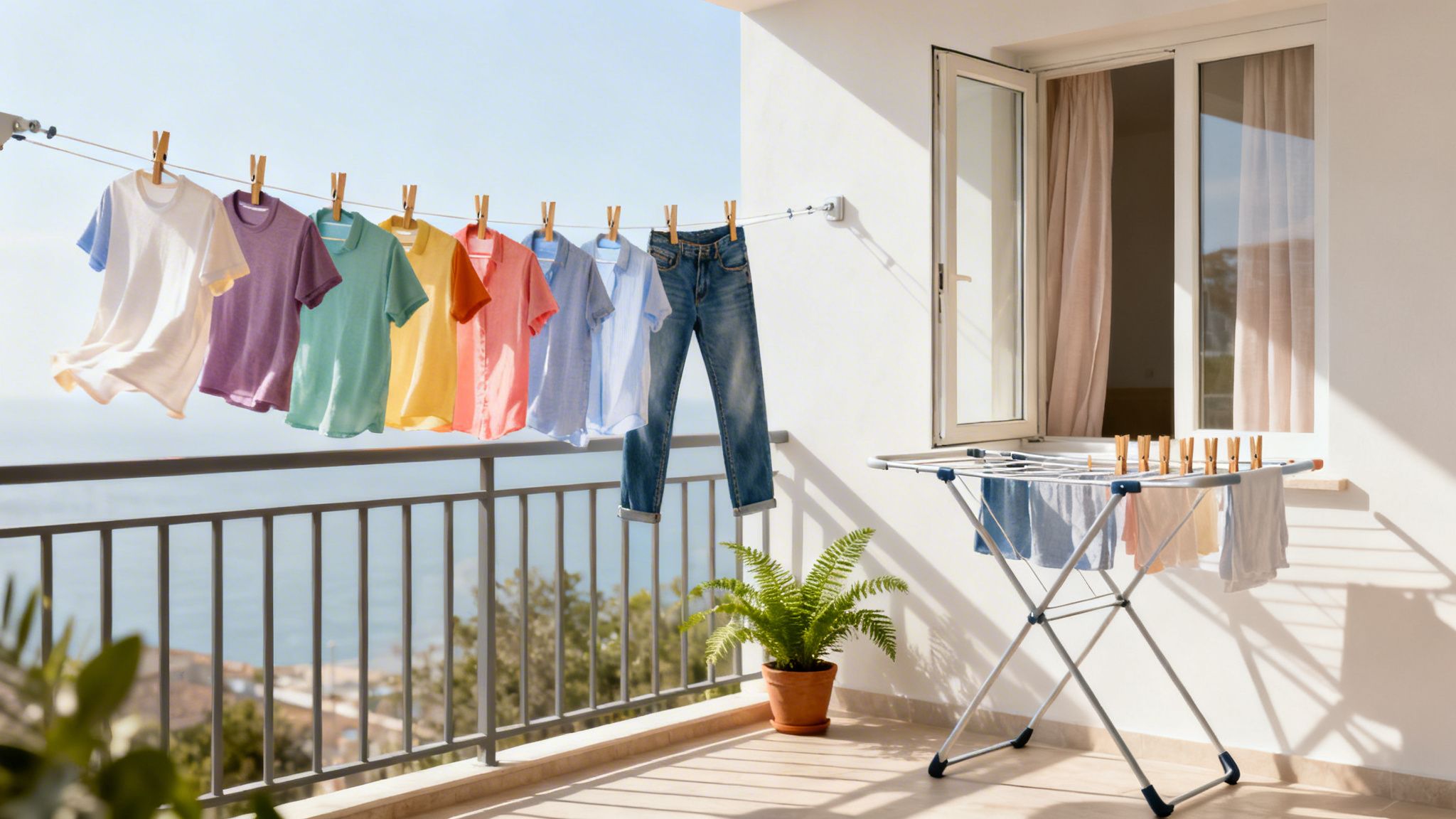
Columbia Pike Laundry offers pickup & delivery across Northern Virginia.
Learning to hang laundry to dry is one of those simple, old-school skills that pays off in big ways. It's a straightforward path to saving money, making your favorite clothes last longer, and seriously cutting down on your home's energy consumption. This isn't just about ditching the dryer; it's a small change in your routine that delivers real, noticeable benefits.
The Real Benefits of Air-Drying Your Clothes
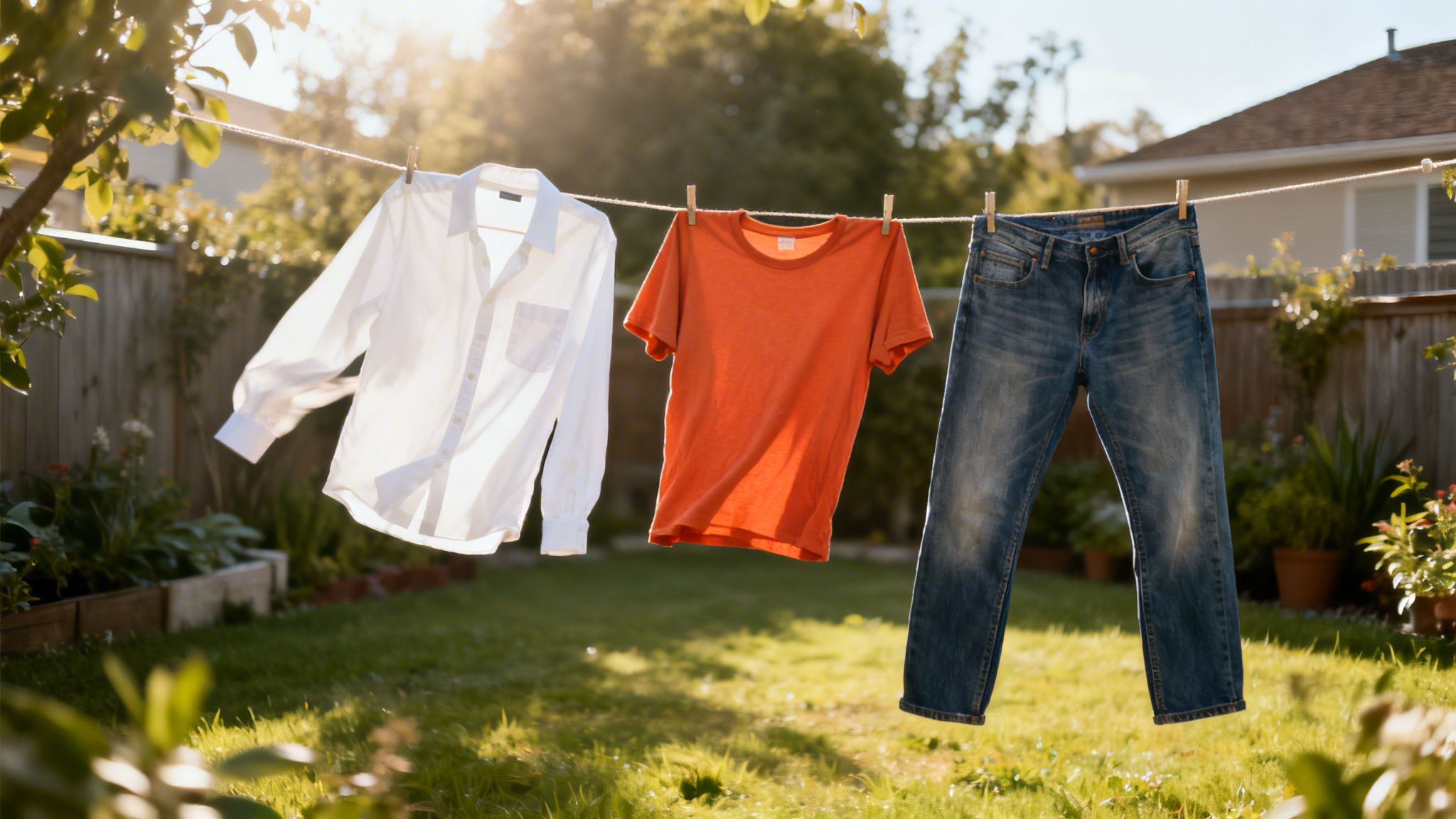
When you're staring at a mountain of wet laundry, it’s easy to just toss it all in the dryer and be done with it. But what if a slight detour in that routine could make a huge difference? Opting to hang your laundry is more than just an energy-saving move; it offers a whole host of perks that many people don't even consider.
Think about your favorite t-shirt or that expensive pair of yoga pants. The intense heat of a tumble dryer is incredibly harsh on fabrics, causing colors to fade, elastic to break down, and fibers to weaken over time. Air-drying is a much gentler process, helping your clothes keep their shape and color for years longer. That means fewer trips to the store to replace worn-out items.
More Than Just Saving Money
The financial savings are a great place to start. Electric dryers are absolute energy hogs, often ranking as one of the most power-hungry appliances in a home. Every load you hang out instead of machine-drying shaves a little bit off your electricity bill. If you're curious about just how much power your appliances are pulling, this guide on Home Appliances Electricity Consumption Explained is a real eye-opener.
But the benefits go way beyond your wallet.
- Natural Fabric Softener: Forget dryer sheets. A gentle breeze moving through your clothes is nature's fabric softener, leaving them feeling soft without any chemical residue.
- Sun-Powered Stain Removal: Have a stubborn stain on a white tablecloth? The sun is a fantastic natural bleach. Its UV rays can help lighten and fade organic stains like coffee or grass.
- Fewer Wrinkles: When you hang clothes properly, gravity does most of the work for you. It gently pulls out wrinkles as items dry, which means a lot less time spent chained to the ironing board.
- That Fresh Air Scent: There's a reason "line-dried fresh" is a scent they try to bottle. Nothing beats the crisp, clean smell of laundry that's been dried outdoors in the fresh air.
A Quick Look: Tumble Dryer vs. Air-Drying
Sometimes seeing the differences side-by-side makes the choice clear. Here’s a quick rundown of how machine drying and air-drying stack up against each other.
Tumble Dryer vs Air-Drying At a Glance
While a tumble dryer certainly wins on speed, air-drying is the undisputed champion for cost-effectiveness, fabric care, and environmental impact.
A Growing Trend in a Fast-Paced World
It’s tempting to think that everyone just defaults to the machine, but the numbers tell a different story. In 2023, the global market for tumble dryers was a massive USD 15.1 billion, with North America making up a whopping 42% of that.
However, the market for humble cloth drying racks is actually growing at a faster rate—a steady 5.6% each year. This signals a real shift in thinking, as more people are rediscovering the practical, smart, and green benefits of air-drying.
Air-drying isn’t just an eco-friendly choice; it’s a strategic decision for better clothing care, lower household bills, and a more mindful approach to a routine chore.
Even if you're dealing with unpredictable weather or a tiny apartment balcony, mastering the art of hanging laundry is totally doable. This guide will walk you through everything you need to know to get started.
Choosing the Right Tools for the Job
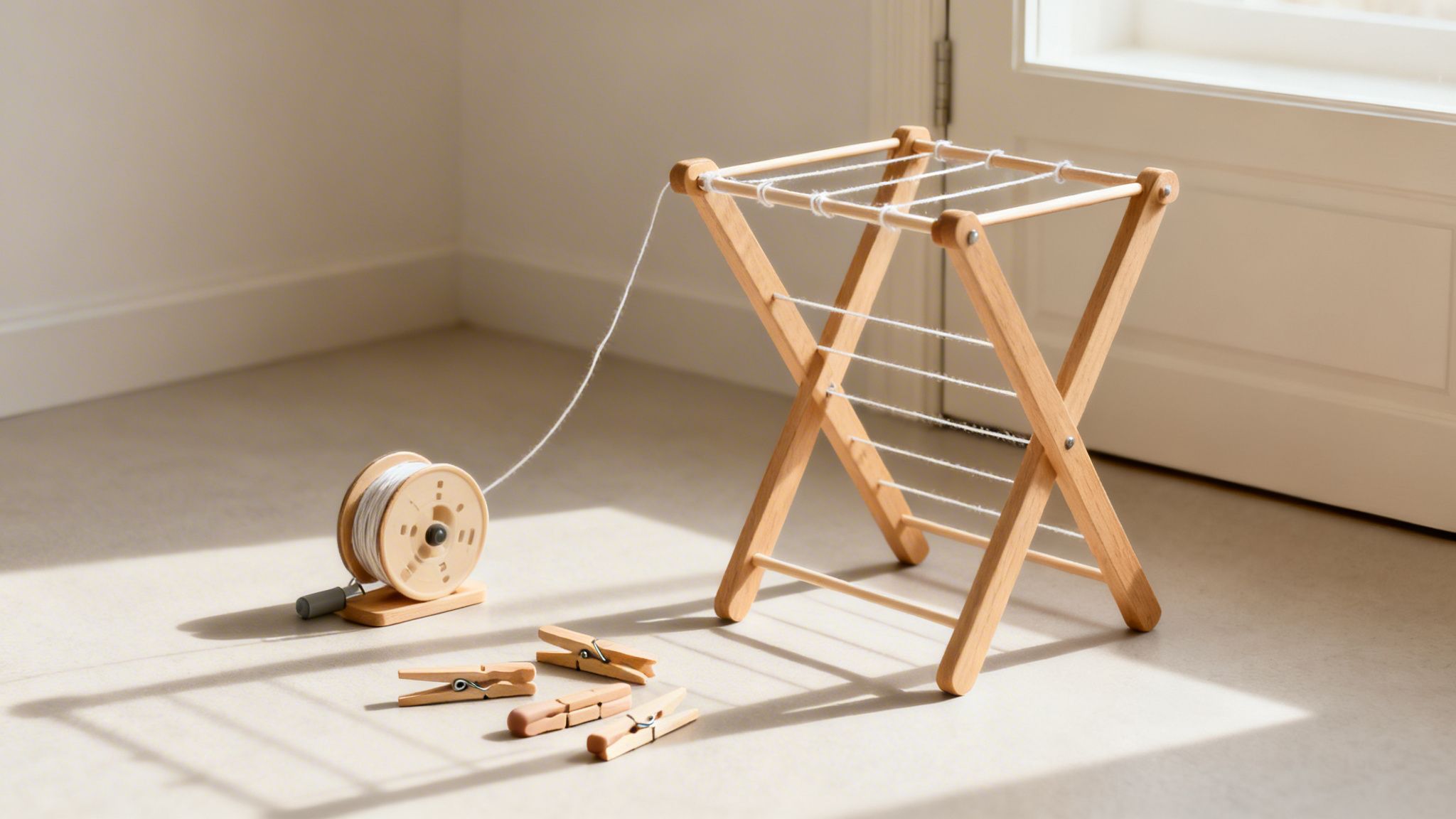
To get the best results from air-drying, you need more than just a sunny day. The right gear can turn this chore into a simple, almost therapeutic routine. Your setup doesn't have to be fancy or expensive, but it absolutely needs to fit your space—whether that’s a big backyard or a tiny apartment balcony.
If you have outdoor space, you're looking at either a classic clothesline or one of its modern cousins. A rotary clothesline is a real space-saver, letting you hang a huge family-sized load in a surprisingly small area. On the other hand, a retractable line is perfect if you value an uncluttered yard; it pulls out when you need it and vanishes when you don't.
Selecting Your Indoor Drying Station
When the weather turns or you're short on outdoor space, a good drying rack becomes your best friend. And believe me, they come in all shapes and sizes.
- Gullwing Racks: These are the workhorses of the indoor drying world. Their fold-out "wings" give you tons of room for hanging shirts, pants, and towels. When you're done, they fold up flat and slide right into a closet.
- Vertical Racks: Got a small apartment? A tall, tiered rack is a brilliant solution. It uses vertical space to its advantage, letting you dry an entire load in a little corner of a room.
- Over-the-Door Racks: For true space-saving genius, you can't beat these. They just hook over the top of a door, creating an instant spot for delicates or a few items you need dried in a hurry.
Your drying setup should feel like a natural part of your home, not a cumbersome obstacle. Choose tools that fit seamlessly into your space and lifestyle, making the process of air-drying feel effortless and rewarding.
The Details That Matter Most
Don't overlook the small stuff—the right accessories make all the difference. Take clothespins, for example. Those classic wooden pins have a great, sturdy feel, but they can leave rust spots if you accidentally leave them out in the rain. Plastic clothespins solve that problem and are usually more durable over the long haul.
For your delicate items like silk blouses or that expensive athletic gear, soft-grip clothespins are a must. They hold everything in place without leaving those annoying pinch marks or snagging the fabric.
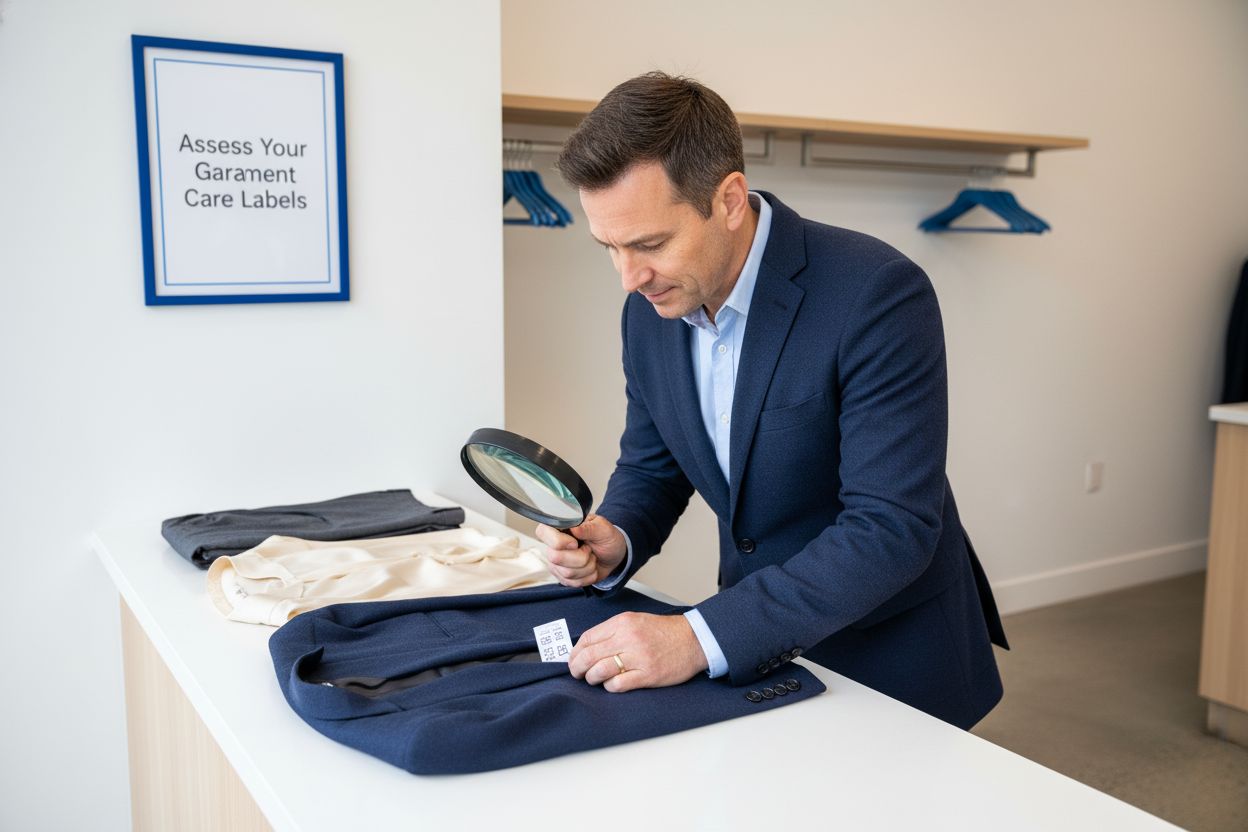
Making these small, smart choices is all about protecting your clothes. That’s also why it’s so important to learn more about how to read clothing care labels—so you know exactly what each garment needs. Investing in quality tools from the start ensures your clothes come off the line looking fresh and well-cared-for every single time.
Pro Techniques for Outdoor Drying
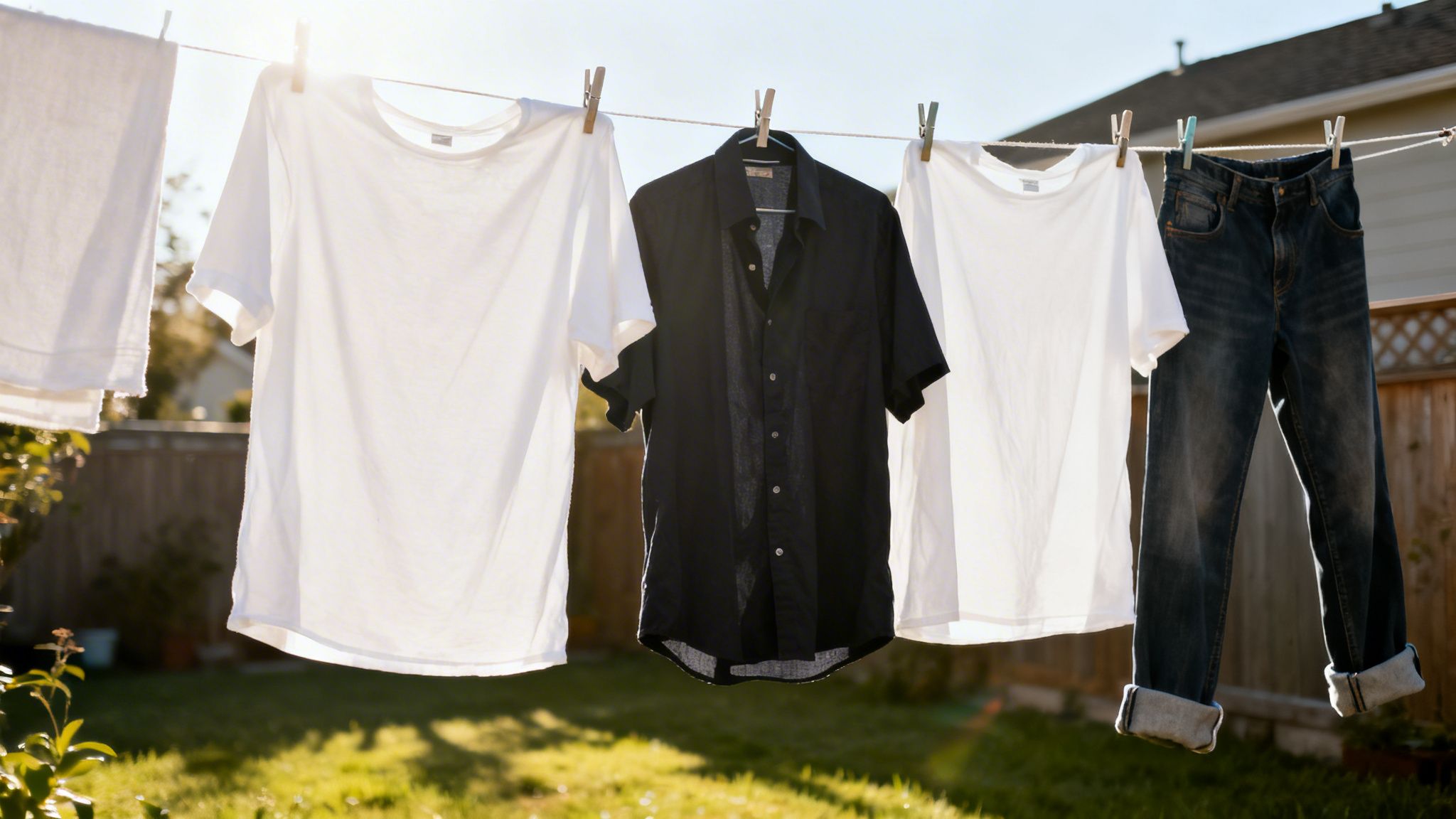
Hanging laundry outside is part science, part art—a simple chore that, when done right, leaves your clothes smelling incredible and feeling softer than they ever would from a machine. Mastering a few key techniques will get you those fantastic results, and it all starts before you even step outside.
The most effective trick I've learned is to give each item a firm, crisp snap as you pull it from the washer. This quick shake helps relax the fabric fibers and gets rid of deep-set creases, which seriously cuts down on stiffness and the need for ironing. It’s a small habit that makes a huge difference.
Strategic Placement for Better Results
Where and how you hang your clothes is just as important as the weather. The sun is a powerful, natural bleaching agent, so you can use it to your advantage. Hang your white sheets, towels, and t-shirts in direct sunlight to keep them brilliantly white and help fade any stubborn stains.
But that same sun can be a real problem for colored fabrics. To keep your favorite black jeans or vibrant dresses from fading, always turn them inside out before hanging them on the line. This simple step protects the color on the outside while letting the garment dry perfectly. For more on this, check out our essential tips for protecting your outdoor wear from sun damage.
Pro-Tip: Airflow is your best friend. Always leave at least a hand's width of space between each item on the line. Proper spacing is non-negotiable for quick drying and preventing those musty, damp smells from developing.
Hanging Specific Items the Right Way
Different clothes need to be hung in different ways to avoid stretching, weird shoulder bumps, or clothespin marks. Here’s my go-to guide for common items:
- T-Shirts and Polos: Hang these upside down, pinning them by the bottom hem. This completely avoids creating those annoying, stretched-out bumps on the shoulders.
- Pants and Jeans: Pin these by the cuffs. Gravity is on your side here—it will pull the fabric straight, reducing wrinkles and helping them dry more evenly.
- Dresses and Button-Up Shirts: I always put these on rust-proof plastic hangers and then hook the hangers directly on the line. It preserves their shape and makes it a breeze to move them straight into the closet.
Don't forget that gusty days can be a challenge. Learning how to stop wind on your patio can be a real game-changer, preventing your clean clothes from getting tangled or blown clean off the line.
Even with the timeless appeal of line-drying, modern life has its own demands. It’s interesting to see that as 55% of the world's population moves to cities, line-drying is actually making a comeback. The clothes dryer market is projected to grow from USD 15.7 billion in 2025 to USD 25.5 billion by 2035, yet the limited space in many European apartments has given cloth drying racks a massive 32% market share. It just goes to show how we adapt our laundry habits to our living situations.
Smart Solutions for Indoor Air-Drying
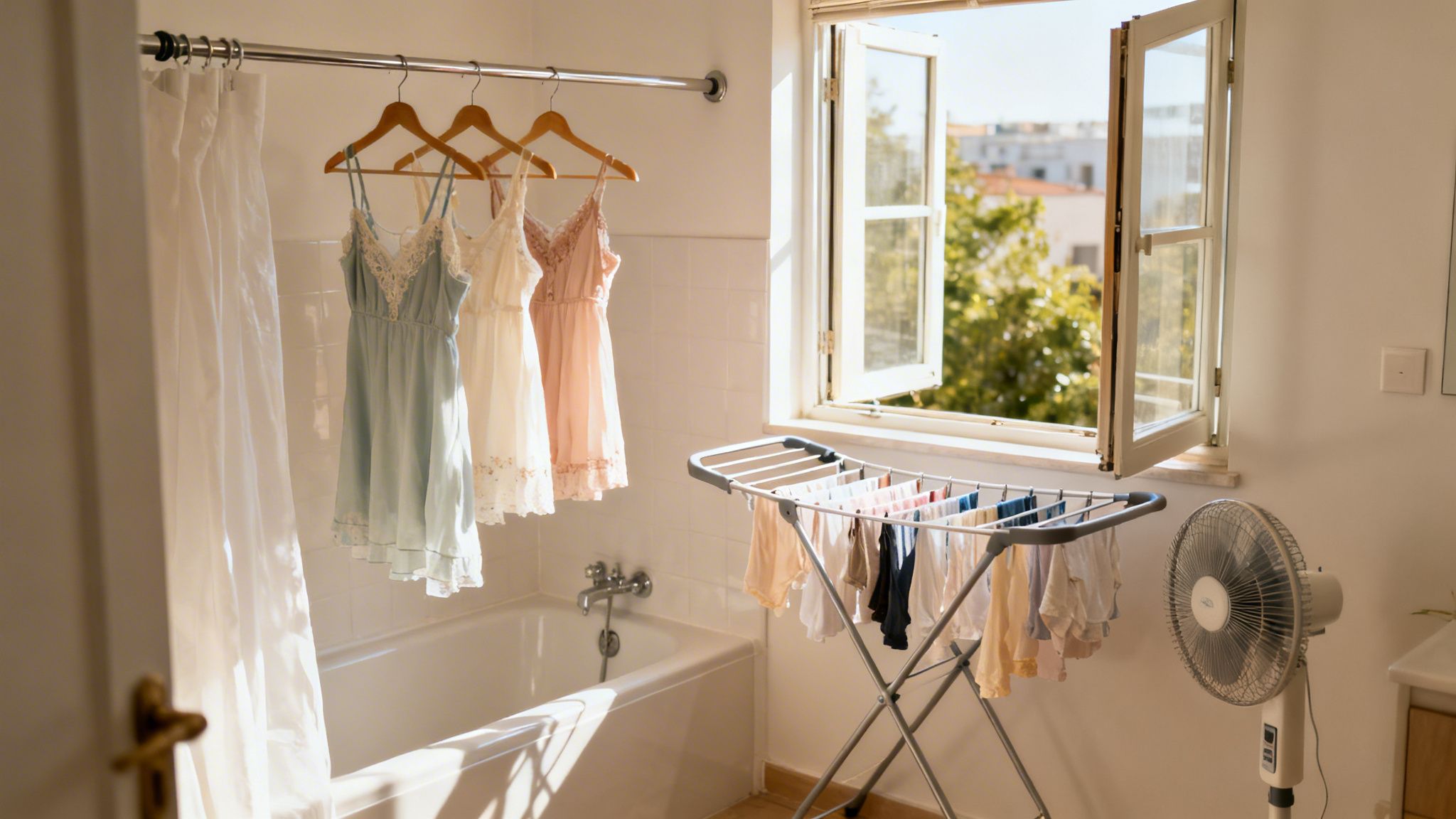
When the weather just won't cooperate or you simply don't have outdoor space, you can still air-dry your laundry inside without your home feeling like a damp cave. The real trick isn't just about finding a spot; it’s about creating an environment where moisture can actually escape. Without good airflow, clothes take ages to dry and can even start to smell musty.
Your best bet is to designate a temporary, high-efficiency drying zone. A bathroom is often perfect for this since it’s already built to handle humidity. Just pop your drying rack in the tub or shower, flip on the exhaust fan, and close the door. That fan will actively pull damp air out of the room, cutting your drying time significantly.
Maximizing Airflow in Any Room
If the bathroom is occupied, don't worry. Any spot near an open window or directly under a ceiling fan will work wonders. The whole point is to keep air moving across the fabric. Even a small oscillating fan pointed at your drying rack can shave hours off the drying time. It’s this constant circulation that stops the air from becoming heavy and saturated, letting your clothes breathe and release moisture.
Another fantastic tool for the job is a dehumidifier. Setting one up in the same room as your laundry will have it pulling moisture right out of the air and your damp clothes. It's a lifesaver on particularly humid days and the best defense against that dreaded mildewy smell.
Don't overcrowd your drying rack. Leaving adequate space—at least a few inches—between each garment is the single most important factor for even, efficient indoor drying. Good airflow is everything.
Living in a small apartment? You just have to get a bit creative. A simple tension rod installed inside a shower stall gives you an instant, out-of-the-way spot to hang delicates on hangers. They can drip dry without making a mess on your floor, and you're using vertical space that often goes to waste. For more tips like this, check out our full guide on how to air-dry clothes indoors.
Fabric-Specific Drying Guide
Different fabrics need different handling, especially when you're drying them inside. A heavy sweater can easily stretch out of shape if hung, while synthetics have their own quirks.
Paying attention to the material is key to making sure your clothes last. This quick guide breaks down the best methods for common fabrics.
By tailoring your drying technique to the fabric, you not only speed up the process but also protect your favorite clothes from damage. A little extra care goes a long way.
When You Just Need a Break
Mastering the art of line-drying is a great skill, but let's be honest—sometimes life just gets in the way. We all have those weeks. The work schedule is packed, the kids have activities every night, and you can't seem to find a spare moment for yourself.
On those days, the thought of sorting, hanging, and waiting for laundry to dry just feels impossible. That’s when you need a different kind of solution. It's not about giving up; it’s about strategically reclaiming your time and sanity.
A Laundry Service Built for Your Life
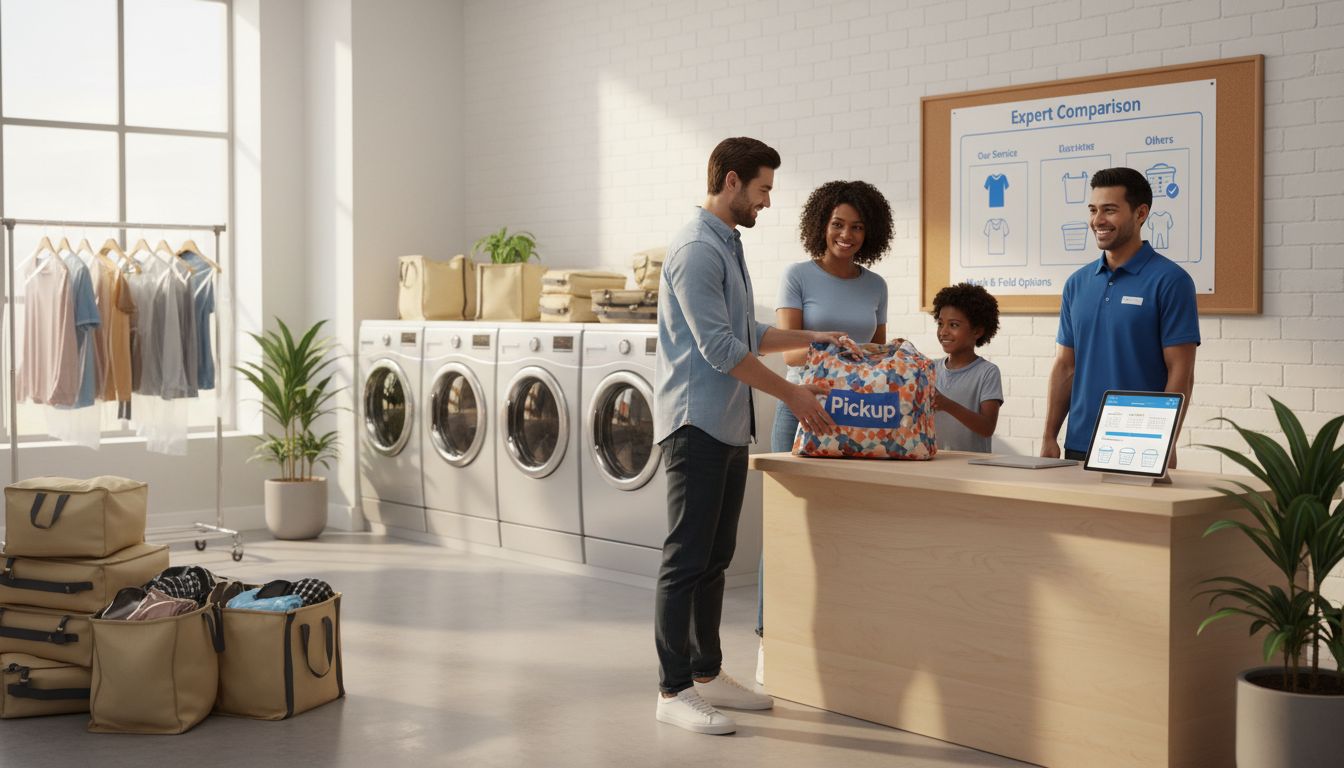
This is where a professional laundry service like Columbia Pike Laundry can be a real game-changer. We designed our pickup and delivery service to be the easiest part of your week. You schedule a pickup online, leave your laundry on your doorstep, and we bring it back clean, fresh, and perfectly folded. It’s that simple.
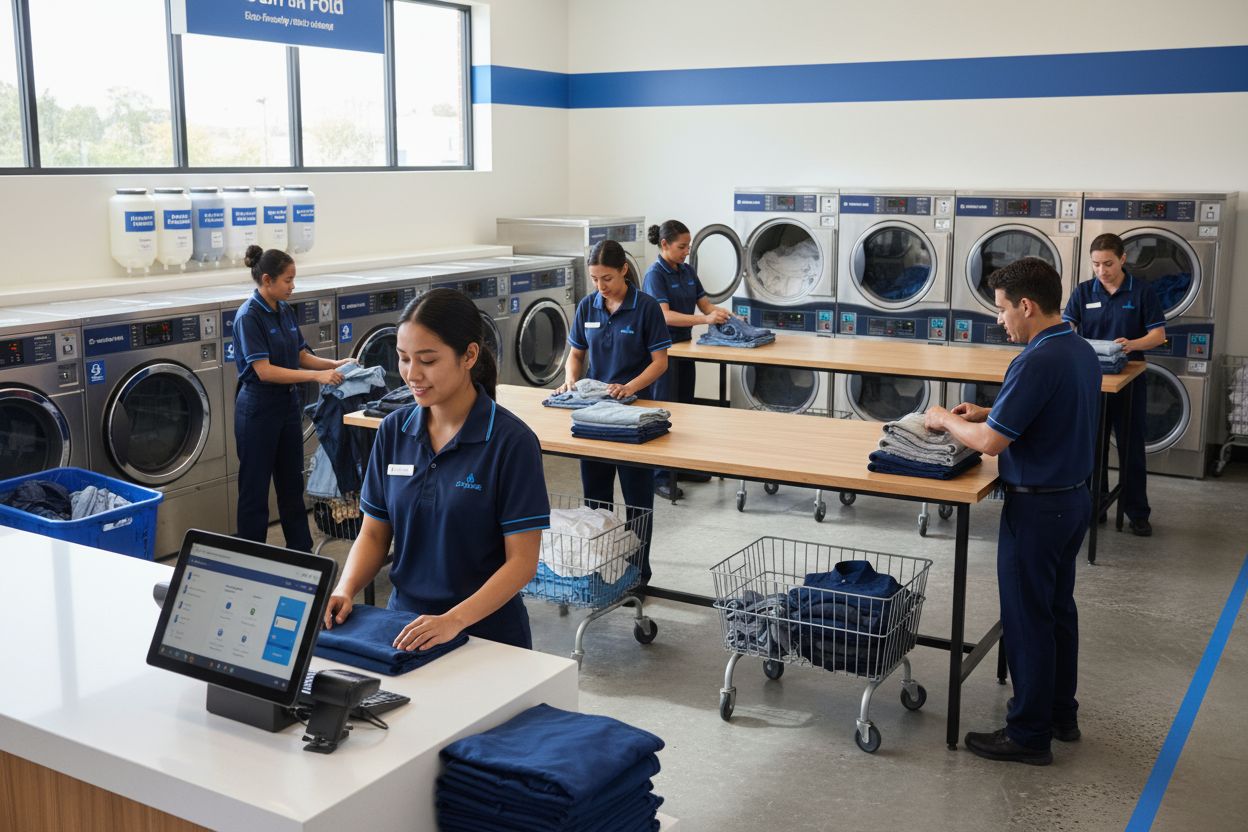
We're obsessed with the details, so you don't have to be. We treat your clothes and linens exactly how we'd treat our own.
- Gentle on Skin: Our standard is a gentle, unscented detergent that’s perfect for sensitive skin.
- Careful Sorting: We meticulously sort every load to keep your colors vibrant and your fabrics protected.
- Your Laundry is Yours Alone: We never mix your clothes with anyone else's. Ever.
We see ourselves as more than just a laundry service. We’re in the business of giving busy families their time back, helping restore a little calm to a hectic week.
The hours really add up. Time-use surveys show that the average American family can spend 8-10 hours a week just on laundry. And while air-drying is fantastic, it depends on good weather—something we only get about 60% of the time here in humid Virginia.
Choosing a service can give a household back over 700 hours a year. Think about that. It's not just about getting clean clothes; it's about reclaiming a massive chunk of your life. For a deeper look at trends in our industry, you can check out the dry cleaning and laundry market report. Ultimately, it’s about making a choice that gives you one less thing to worry about.
Your Top Air-Drying Questions, Answered
Even when you've got the basics down, a few questions always pop up as you get into the rhythm of air-drying. Stiff towels and allergy concerns are common roadblocks, but they're easy to navigate once you know the tricks of the trade. Let's tackle some of the most frequent hurdles you might run into.
"Why Are My Towels and Jeans So Stiff?"
This is, without a doubt, the most common complaint I hear about line-drying. The good news? It’s completely fixable. That cardboard-like stiffness comes from fabric fibers locking into place as they dry, often made worse by mineral buildup from your water.
The easiest fix is to add a half-cup of plain white vinegar to your washer's rinse cycle. It works as a fantastic natural fabric softener, cutting through residue without any of the chemicals found in commercial softeners.
Another trick is to get a little physical. Give each item a good, hard snap out of the washing machine before you hang it, and then another one when you take it down. That quick shake does wonders to loosen up the fibers.
Pro Tip for Towels: If you miss that fluffy, fresh-from-the-dryer feel, toss your air-dried towels into the dryer for 5-10 minutes on a no-heat "air fluff" cycle. You get all the softness without using much energy.
"How Long Does It Actually Take for Clothes to Dry?"
Honestly, it really depends. Think of drying time as a mix of humidity, airflow, fabric type, and sunshine. On a perfect, breezy, low-humidity day, your clothes will dry surprisingly fast.
- A load of cotton T-shirts can be ready in as little as 2-4 hours.
- Heavier stuff like jeans or bath towels will naturally take longer, often needing 6-8 hours or more.
When you bring the operation indoors, the timeline stretches out. Without the help of sun and wind, you should realistically plan for most clothes to take anywhere from 12 to 24 hours to be completely dry. You can give them a serious boost by setting up a fan to create some airflow or placing a dehumidifier in the same room.
"Can I Still Hang Laundry Outside During Pollen Season?"
If you have seasonal allergies, this is a big one. Pollen is light, airborne, and loves to stick to damp fabric. On days with a high pollen count, you’re essentially turning your clean laundry into an allergen magnet. It’s much safer to dry everything indoors during peak season.
If you absolutely have to dry outside, aim for the late afternoon or right after it rains, as pollen levels in the air tend to be lower then. But for things that touch your face, like pillowcases and bed sheets, the only way to be certain they’re allergen-free is to use a professional service like Columbia Pike Laundry that uses a controlled, indoor environment.
"What's the Right Way to Dry Sweaters and Delicates?"
Certain garments should never be hung up while wet. A heavy, water-logged knit sweater, for example, will stretch out and become misshapen on a clothesline or hanger.
For these items, flat is where it's at. Invest in a mesh drying rack or simply lay the sweater on top of a clean, dry towel on the floor or a table. For something delicate like silk, start by gently rolling the item in a towel to press out the extra water—never wring it out! After that, it’s best to place it on a padded hanger and let it dry indoors or in a shady spot to avoid sun damage.
Free pickup, expert care, delivered back to your door.
Popular Blog Articles


Meet the Author
Daniel Logan didn’t start CPL because he loved laundry. He started it because his family was drowning in time debt, and laundry was one of the biggest weights.
Mornings were chaos with two kids under 5. Evenings felt like catch-up. And weekends? Gone to sorting socks and folding piles.
He knew his story wasn’t unique. So he built a business that gave families like his just a little bit of breathing room one load at a time.
With no laundry experience but deep tech skills, Daniel rolled up his sleeves, doing every job himself while building systems that turned it into a modern laundry service that saves customers time, simplifies their lives, and delivers reliability they can count on.
That’s where CPL began. Not from a playbook, but from pain. From one dad trying to buy back time: for himself, and for every household like his.
Free pickup, expert care, delivered back to your door.