
How to Do Laundry Efficiently: Tips That Save Time
Columbia Pike Laundry offers pickup & delivery across Northern Virginia.
TL;DR:
- Proper laundry involves sorting by color and fabric type to prevent damage and color transfer. Using the correct detergent amount, selecting appropriate cycles, and avoiding over-drying are essential for maintaining fabric quality. Establishing a consistent schedule and avoiding common mistakes simplify the process and reduce stress.
Doing laundry is the process of sorting, washing, and drying your clothes and linens correctly so they come out clean, fresh, and undamaged every time. Most people treat it as a mindless chore, but small decisions — which detergent to use, what temperature to select, how full to load the drum — directly determine whether your clothes last two years or ten. This guide walks you through every step of the laundry process, from sorting to drying, with practical tips that cut time, protect fabrics, and take the stress out of a task you do every week.
How to do laundry: start with sorting
Sorting is the single step most people skip, and it causes more clothing damage than any other mistake. The basic rule is to separate your clothes into four color groups: whites, lights (pastels and pale colors), darks (navy, black, charcoal), and brights (red, orange, vivid green). Each group reacts differently to water temperature and detergent, and mixing them risks color transfer that ruins garments permanently.
Color alone is not enough, though. Laundry expert Mary Gagliardi points out that fabric compatibility matters just as much as color when sorting. Bleach-safe white cotton towels, for example, must be washed separately from white items that contain spandex, because bleach destroys elastic fibers. Heavy fabrics like denim and canvas also need their own load because their weight and abrasion can damage delicates sharing the same drum.
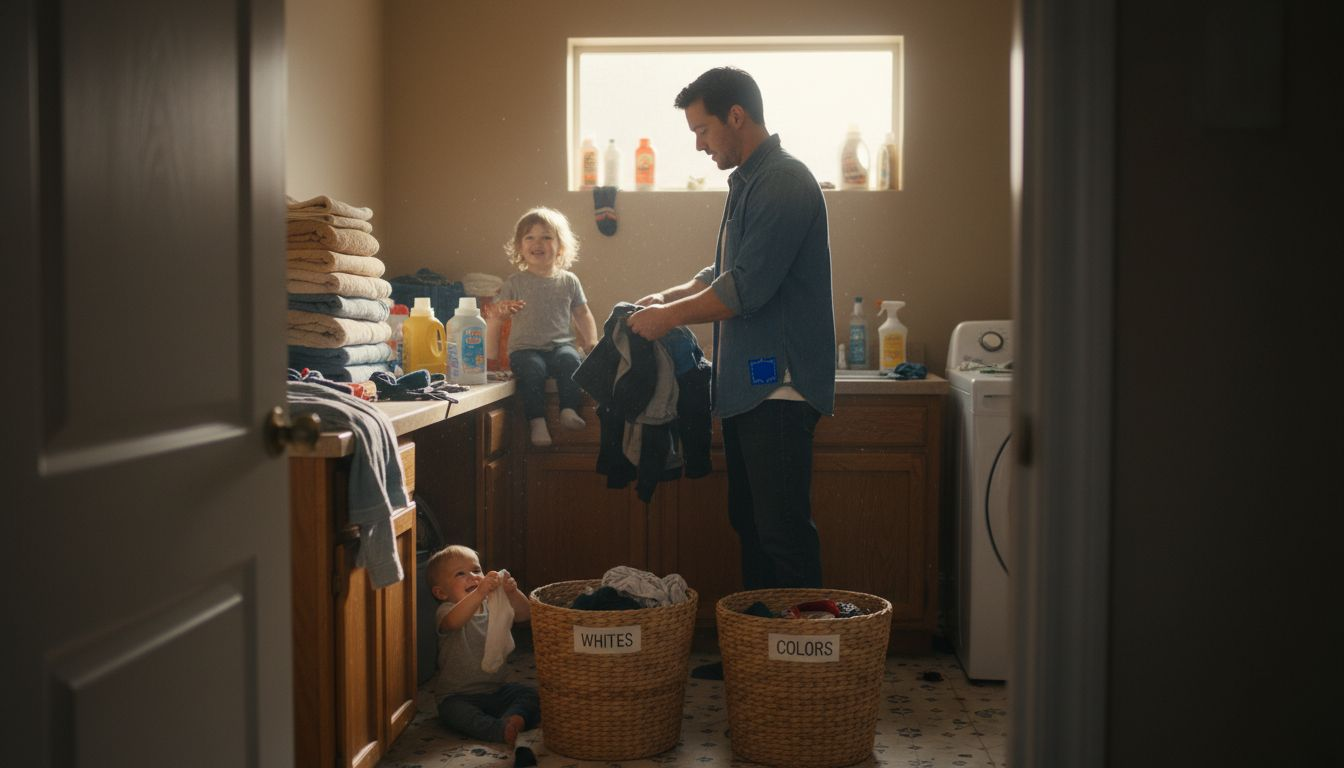
A practical system that works for busy households is three hampers: one for darks, one for lights and whites, and one for delicates. When a hamper fills up, you have a ready-to-wash load with no sorting required. This approach, detailed in sorting by color guides, turns a five-minute sorting task into something you do passively throughout the week.
- Whites: Cotton shirts, underwear, socks, and white linens. Wash in hot or warm water.
- Lights: Pale-colored everyday clothes. Wash in cold or warm water.
- Darks: Jeans, black tops, dark sweaters. Wash in cold water to prevent fading.
- Brights: Vivid colors that bleed easily. Wash in cold water, separately until color is stable.
- Delicates: Silk, lace, wool, and anything labeled “hand wash.” Use a mesh bag and the delicate cycle.
- Heavy fabrics: Towels, jeans, and bedding. These need their own load for proper agitation.
Pro Tip: Turn dark and bright garments inside out before washing. This reduces friction on the outer surface and keeps colors vivid significantly longer.
What detergent amount and wash settings actually work?
Detergent measurement is where most people go wrong, and the consequences are worse than most realize. Overusing detergent causes residue buildup that traps bacteria in fabric fibers, irritates skin, and damages the washing machine’s drum and pump over time. The correct amount for a standard HE (high-efficiency) washer load is just 1.5 to 2 tablespoons of liquid detergent. That is the lower fill line on the cap, not the top.

Pods like Tide PODS simplify measurement entirely. One pod handles a standard load. Place it directly in the drum before adding clothes, never in the dispenser drawer, because the pod needs direct water contact to dissolve properly. For detergent selection, Tide, Persil, and Arm & Hammer each perform well across fabric types. Tide is particularly effective on protein-based stains like sweat and food, while Persil excels on general soil and odor.
Wash cycle and temperature selection matters just as much as detergent. Follow this sequence when choosing settings:
- Check the care label first. The symbols on the tag override every general rule. A tub with a hand means hand wash only. A crossed-out tub means dry clean only.
- Select cold water for most everyday loads. Cold water washing is now the standard for energy-efficient cleaning and works well with modern detergents while protecting fabric color and shape.
- Use warm water (85 to 105°F) for synthetic fabrics like polyester and nylon, which release oils and odors more effectively at moderate temperatures.
- Reserve hot water (120°F and above) for whites, towels, and heavily soiled items that need sanitizing. Hot water risks shrinkage on anything other than cotton.
- Choose the normal cycle for most loads. Use the delicate cycle for fine fabrics, heavy duty for towels and denim, and quick wash only for lightly worn clothes that need a refresh, not a deep clean.
| Wash Cycle | Best For | Water Temperature | Notes |
|---|---|---|---|
| Normal | Everyday cotton and mixed loads | Cold or warm | Most versatile cycle for regular laundry |
| Delicate | Silk, lace, wool, lingerie | Cold | Use a mesh laundry bag for extra protection |
| Heavy Duty | Towels, jeans, bedding, work clothes | Warm or hot | Longer agitation time for deep cleaning |
| Quick Wash | Lightly worn items needing a refresh | Cold | Not effective for heavily soiled clothes |
Pro Tip: Never fill the detergent drawer to the top line unless the manufacturer specifically recommends it for your water hardness level. Most households use two to three times more detergent than needed.
How should you dry your clothes to prevent damage?
Drying is where fabric damage most often happens, and it is almost entirely preventable. The dryer’s heat setting is the key variable. Low heat works for delicates, synthetics, and anything prone to shrinkage. Medium heat suits most cotton and mixed-fabric loads. High heat is appropriate only for towels, cotton sheets, and heavy denim. The air fluff setting (no heat) is ideal for refreshing items that are not actually dirty but have picked up odors.
Over-drying is a more common problem than under-drying. When clothes tumble past the point of dryness, heat continues to break down fibers, causing shrinkage, pilling, and a rough texture. Remove clothes while they are still very slightly damp and let them finish drying on a hanger or flat surface. This also dramatically reduces wrinkles, cutting your ironing time in half.
Air drying is the best option for delicates, wool, structured garments like blazers, and anything with embellishments. Lay wool flat to dry rather than hanging it, because hanging stretches the fabric under its own weight. A drying rack from a brand like Honey-Can-Do or SONGMICS handles most household air-drying needs without taking up floor space.
- Low heat: Synthetics, delicates, activewear, anything with elastic or spandex
- Medium heat: Everyday cotton, mixed-fabric loads, most shirts and pants
- High heat: Towels, cotton sheets, heavy denim (check labels first)
- Air fluff: Pillows, stuffed items, garments that just need freshening
- Air dry flat: Wool sweaters, structured knits, embellished tops
Pro Tip: Add a clean, dry towel to a load of wet laundry in the dryer. It absorbs excess moisture and cuts drying time by 15 to 20 minutes without any extra energy cost.
What common laundry mistakes should you avoid?
The most damaging mistakes in a typical laundry routine are predictable and fixable. Overloading the washer is the most frequent. The drum should be no more than three-quarters full so clothes have room to move freely. If you cannot fit your hand between the top of the clothes and the drum opening, the load is too full. An overloaded machine cannot agitate or rinse properly, leaving detergent residue and soil behind.
Ignoring care labels is the second most common error. Labels exist because fabric blends behave differently under heat and agitation. Washing a wool-blend sweater on the normal cycle in warm water will shrink it irreversibly in one wash. The label takes two seconds to read and prevents permanent damage.
Leaving wet clothes sitting in the washer after the cycle ends causes mildew odor that is difficult to remove. Lingering odors in laundry almost always reflect a cleaning quality issue, not a need for more fragrance. The fix is moving clothes to the dryer or drying rack within 30 minutes of the cycle ending.
If color bleeding occurs, do not put the affected item in the dryer. Rewash it immediately while damp with a color run remover like Carbona Color Grabber or Rit Color Remover. Drying sets the stain permanently, and no amount of rewashing will reverse it.
Color bleeding itself is preventable by washing new bright or dark garments separately for the first two or three washes. After that, the dye stabilizes and the item can join its regular color group.
How to manage laundry efficiently and reduce weekly stress
A consistent laundry schedule is the most effective way to prevent the pile-up that makes laundry feel overwhelming. Pick two fixed days per week and treat them as non-negotiable. Most households of two to four people generate enough laundry for two to three loads per week. Spreading that across two days keeps each session short and manageable.
These steps make the weekly routine faster and less stressful:
- Sort as you undress. Three hampers by color group mean no sorting session before washing. Clothes go directly from your body to the right bin.
- Run full loads, not partial ones. A three-quarters full drum uses the same water and energy as a half-full one. Waiting for a full load saves both.
- Use cold water by default. Cold water cleans effectively with modern detergents and costs significantly less per load in energy. Reserve warm and hot for specific needs.
- Run the washer during off-peak hours. In most utility zones, running appliances before 9 a.m. or after 9 p.m. reduces electricity costs.
- Distribute the task. In households with multiple people, assign specific loads or days to each person. Even children can fold and put away their own clothes.
Pro Tip: Keep a small stain treatment pen like the Tide To Go Pen near your laundry area. Treating stains within the first hour of contact removes them far more reliably than pretreating hours later.
For families managing larger volumes, the laundry tips for busy families guide covers additional time-saving strategies specific to high-load households.
Key takeaways
Doing laundry correctly requires sorting by both color and fabric type, measuring detergent precisely, selecting the right cycle and temperature, and drying at the appropriate heat level to protect your clothes long-term.
| Point | Details |
|---|---|
| Sort by color and fabric | Separate whites, lights, darks, brights, and delicates to prevent color bleeding and fabric damage. |
| Measure detergent precisely | Use 1.5 to 2 tablespoons for a standard HE load; excess detergent traps bacteria and damages the machine. |
| Match temperature to fabric | Cold water suits most everyday loads; hot water is reserved for whites and heavily soiled items only. |
| Avoid over-drying | Remove clothes while slightly damp to prevent shrinkage, pilling, and excess wrinkles. |
| Build a weekly schedule | Two fixed laundry days per week with pre-sorted hampers eliminates pile-up and reduces decision fatigue. |
What I’ve learned after years of watching laundry go wrong
Most laundry anxiety comes from not knowing the rules, not from the task itself. Once you know that cold water works for 80% of your loads, that two tablespoons of detergent is genuinely enough, and that a three-quarters full drum cleans better than a packed one, the whole process becomes predictable. Predictable is stress-free.
The two changes I see make the biggest difference for people who struggle with laundry are sorting upfront and measuring detergent. Everything else is secondary. People who switch to pre-sorted hampers report that their actual washing time drops by half because there is no decision-making at the machine. People who start measuring detergent notice their clothes smell cleaner within two washes, because residue stops accumulating in the fabric.
My honest advice: do not try to optimize everything at once. Start with cold water for all your everyday loads and get three hampers in place. Those two changes alone will improve your results immediately. Add detergent measurement in week two. By week three, you have a routine that runs on autopilot.
Laundry is not complicated. It just requires doing the right small things consistently. The people who find it stressful are usually the ones who skip sorting, guess at detergent, and run the hottest cycle available because it feels more thorough. It is not. Precision beats intensity every time.
— Daniel
Let Columbiapikelaundry handle it when you need a break
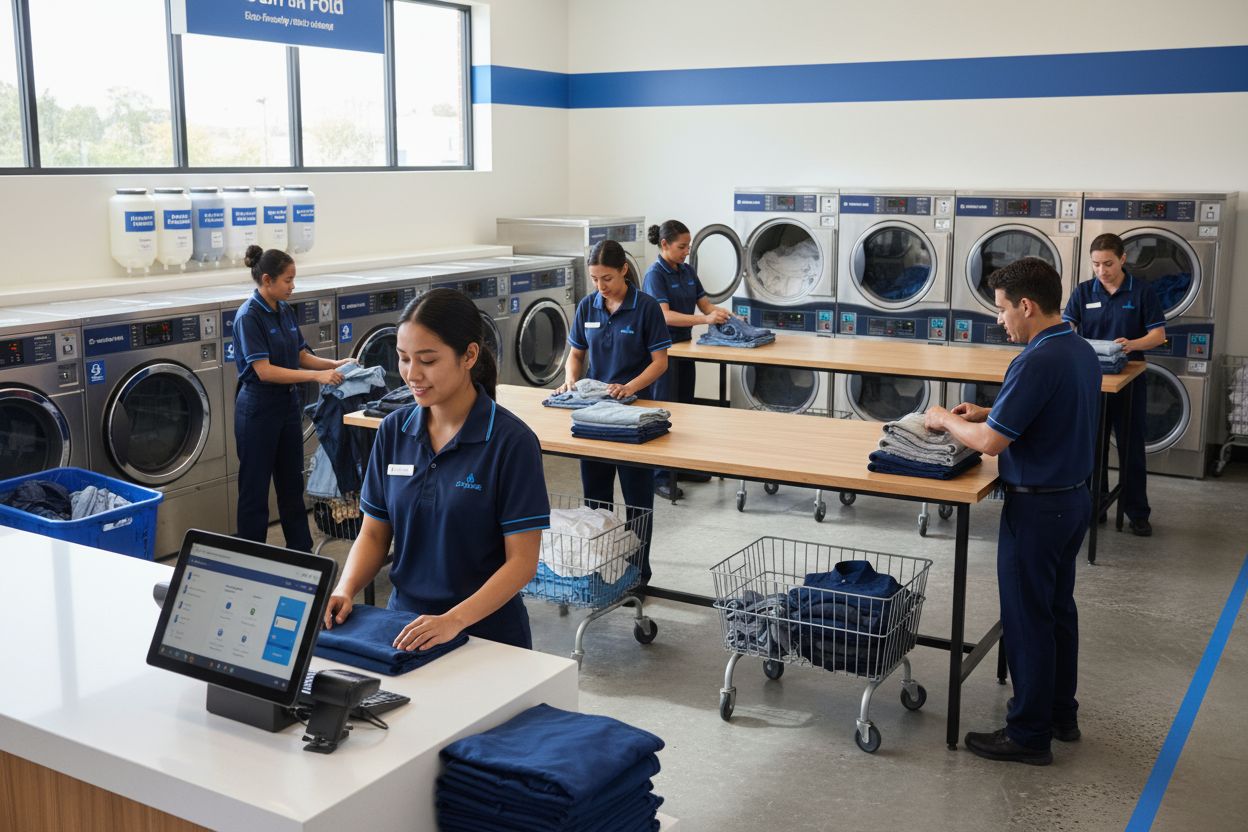
Even with the best routine in place, some weeks are too full for laundry. Columbiapikelaundry, located at 2602 Columbia Pike in Arlington, Virginia, offers wash and fold pickup and delivery so you can skip the entire process without sacrificing quality. Every item is cleaned in-house by the same team, using the correct detergent amounts, cycle settings, and drying techniques covered in this guide. You can set preferences for fragrance-free detergents or specific folding instructions through their app. Standard turnaround is 48 hours, with express options available. For bulky items like comforters and bedding, professional laundry services are often the most practical solution.
FAQ
How much detergent should I use per load?
Use 1.5 to 2 tablespoons of liquid detergent for a standard HE washer load. Using more than the recommended amount causes residue buildup in fabrics and damages the machine over time.
What water temperature is best for most laundry?
Cold water is the best default for most everyday clothes. It cleans effectively with modern detergents, protects fabric color and shape, and costs less energy per load than warm or hot settings.
How full should I load my washing machine?
Fill the drum no more than three-quarters full. If you cannot fit your hand between the top of the clothes and the drum opening, the load is too heavy for proper agitation and rinsing.
What should I do if colors bleed onto other clothes?
Do not put the affected item in the dryer. Rewash it immediately while still damp using a color run remover like Carbona Color Grabber. Drying sets the stain permanently and makes it nearly impossible to remove.
How do I stop laundry from smelling musty?
Move clothes from the washer to the dryer or drying rack within 30 minutes of the cycle ending. Musty odors come from moisture sitting in fabric, not from a lack of scent boosters or fabric softener.
Free pickup, expert care, delivered back to your door.
Popular Blog Articles




Meet the Author
Daniel Logan didn’t start CPL because he loved laundry. He started it because his family was drowning in time debt, and laundry was one of the biggest weights.
Mornings were chaos with two kids under 5. Evenings felt like catch-up. And weekends? Gone to sorting socks and folding piles.
He knew his story wasn’t unique. So he built a business that gave families like his just a little bit of breathing room one load at a time.
With no laundry experience but deep tech skills, Daniel rolled up his sleeves, doing every job himself while building systems that turned it into a modern laundry service that saves customers time, simplifies their lives, and delivers reliability they can count on.
That’s where CPL began. Not from a playbook, but from pain. From one dad trying to buy back time: for himself, and for every household like his.
Free pickup, expert care, delivered back to your door.