
How to Remove Grease Stains From Polyester A Proven Guide
Columbia Pike Laundry offers pickup & delivery across Northern Virginia.
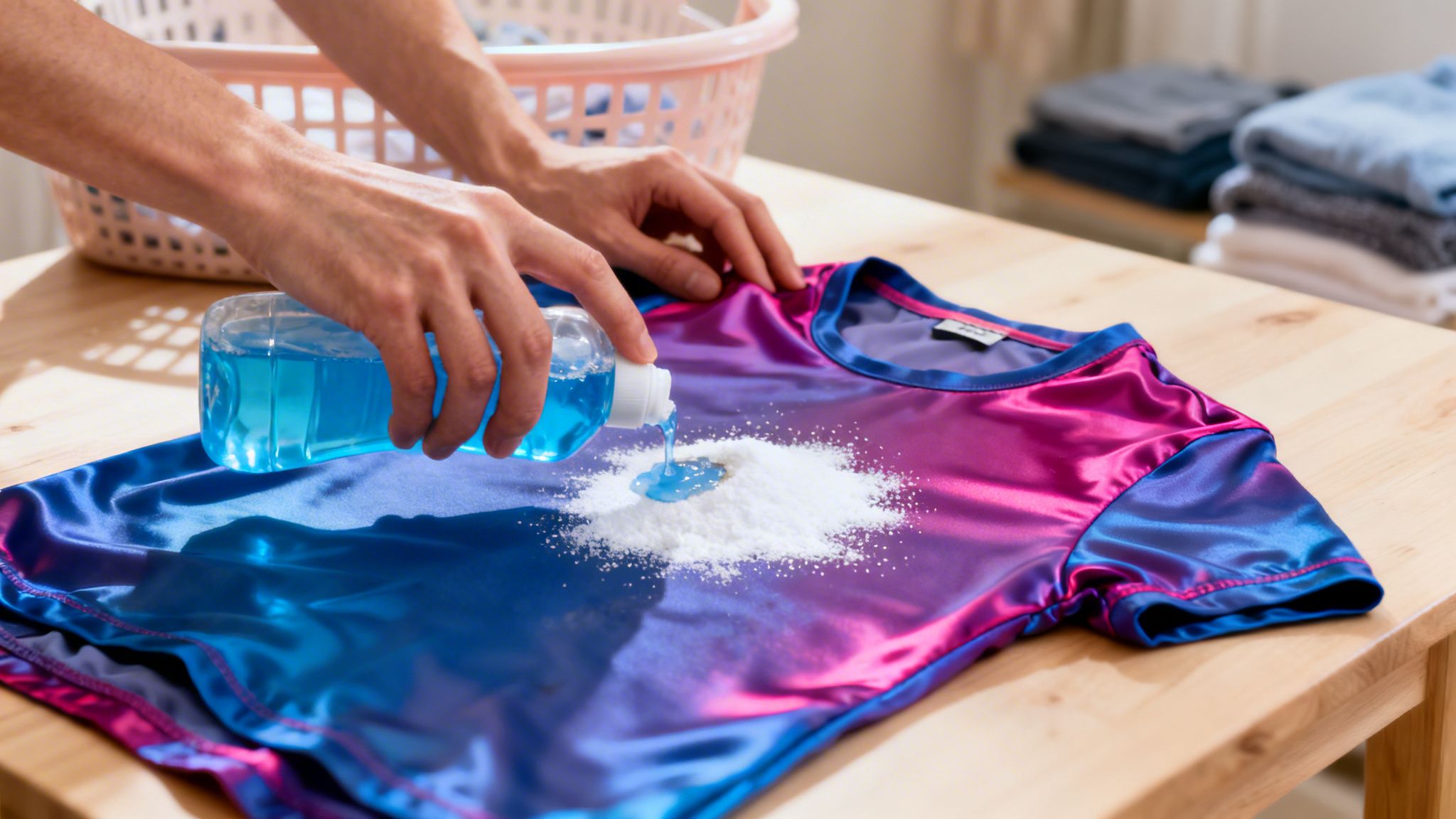
So, you've got a grease or oil stain on your favorite polyester shirt. The first thing to remember is don't panic, but do act quickly. Your best defense is to immediately blot away any excess oil with a paper towel. From there, you'll want to use an absorbent like baking soda or cornstarch to pull the grease out of the fabric, followed by a targeted pre-treatment before it ever sees the washing machine.
Why Grease Stains Cling to Polyester
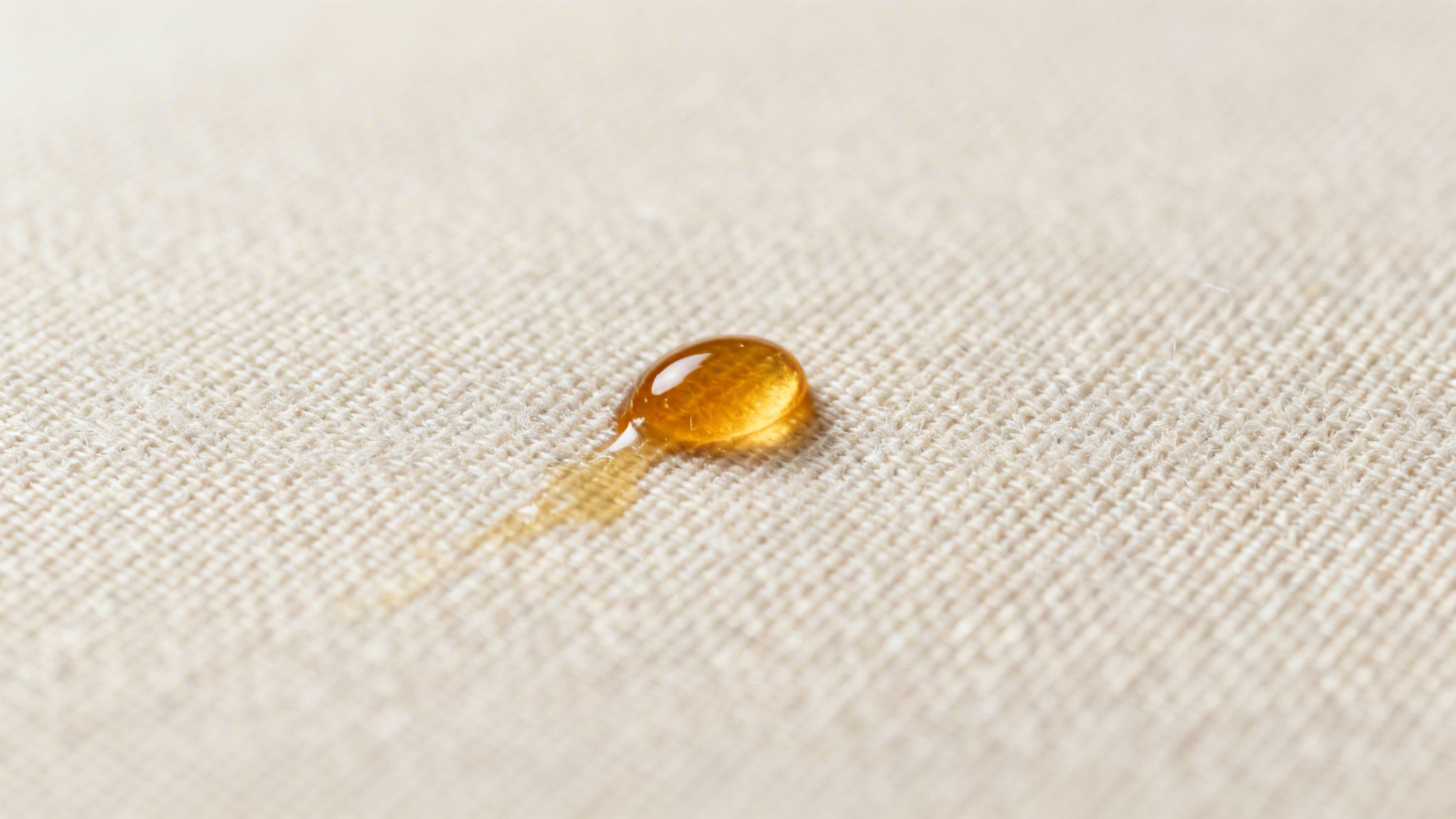
It’s one of those frustrating laundry moments. A tiny splash of cooking oil or a drip of salad dressing lands on your polyester top, and it seems to set instantly. You're not just imagining it; there's a scientific reason why grease and polyester are such good friends.
The synthetic fibers in polyester are oleophilic, a fancy term meaning they attract and hold onto oil. While polyester is great at repelling water (which is why it's a go-to for activewear), this same quality makes it a perfect magnet for greasy, oily substances. The oil can’t be flushed away by water, so it latches onto the fibers and refuses to let go.
The Science Behind the Stain
This is an incredibly common problem, especially when you consider that polyester makes up about 52% of all fibers used in clothing and textiles worldwide. It’s no wonder that as laundry professionals, we see grease stains all the time—they account for roughly 35-40% of the stain treatments we perform.
While about 68% of people will try to tackle these spots at home, the unique properties of polyester mean fewer than half are successful on the first wash. If you want to dive deeper into the science, you can read more about how different stain removers work on specific stain types.
Knowing that polyester loves oil is the key to outsmarting the stain. You can't just toss it in the wash and hope for the best. You need a game plan that breaks down that oil before the main wash cycle.
Key Takeaway: The secret to removing grease from polyester is to fight oil with an oil-fighter. Water alone won't cut it, so you need a surfactant (like the kind in dish soap) to break down the grease before you wash the garment.
With the right pre-treatment, you can turn a potential wardrobe disaster into a simple fix. To help you act fast, here’s a quick look at some common household items that work wonders on fresh grease stains.
At-A-Glance Guide To Common Grease Stain Fighters
This table breaks down the pros and cons of some simple, effective pre-treatments you probably already have in your kitchen or bathroom.
| Method | Best For | How It Works | Pro Tip |
|---|---|---|---|
| Baking Soda | Fresh, wet spills | Absorbs excess oil from the surface before it soaks in. | Apply a thick layer and let it sit for at least 30-60 minutes. |
| Dish Soap | All grease stains | Contains surfactants that break down and lift oil molecules. | Use a blue, grease-fighting formula for best results. |
| Cornstarch | Light-colored fabrics | Acts as a fine powder absorbent, similar to baking soda. | Excellent for delicate polyesters as it's very gentle. |
| Baby Powder | Delicate or dark fabrics | Absorbs oil while its fine texture is easy to brush off. | Has a pleasant scent and is less abrasive than other powders. |
Each of these methods can be a lifesaver, giving you a powerful first line of defense the moment a spill happens. Just remember the golden rule: treat the stain before washing and drying.
What to Do the Moment a Grease Spill Happens
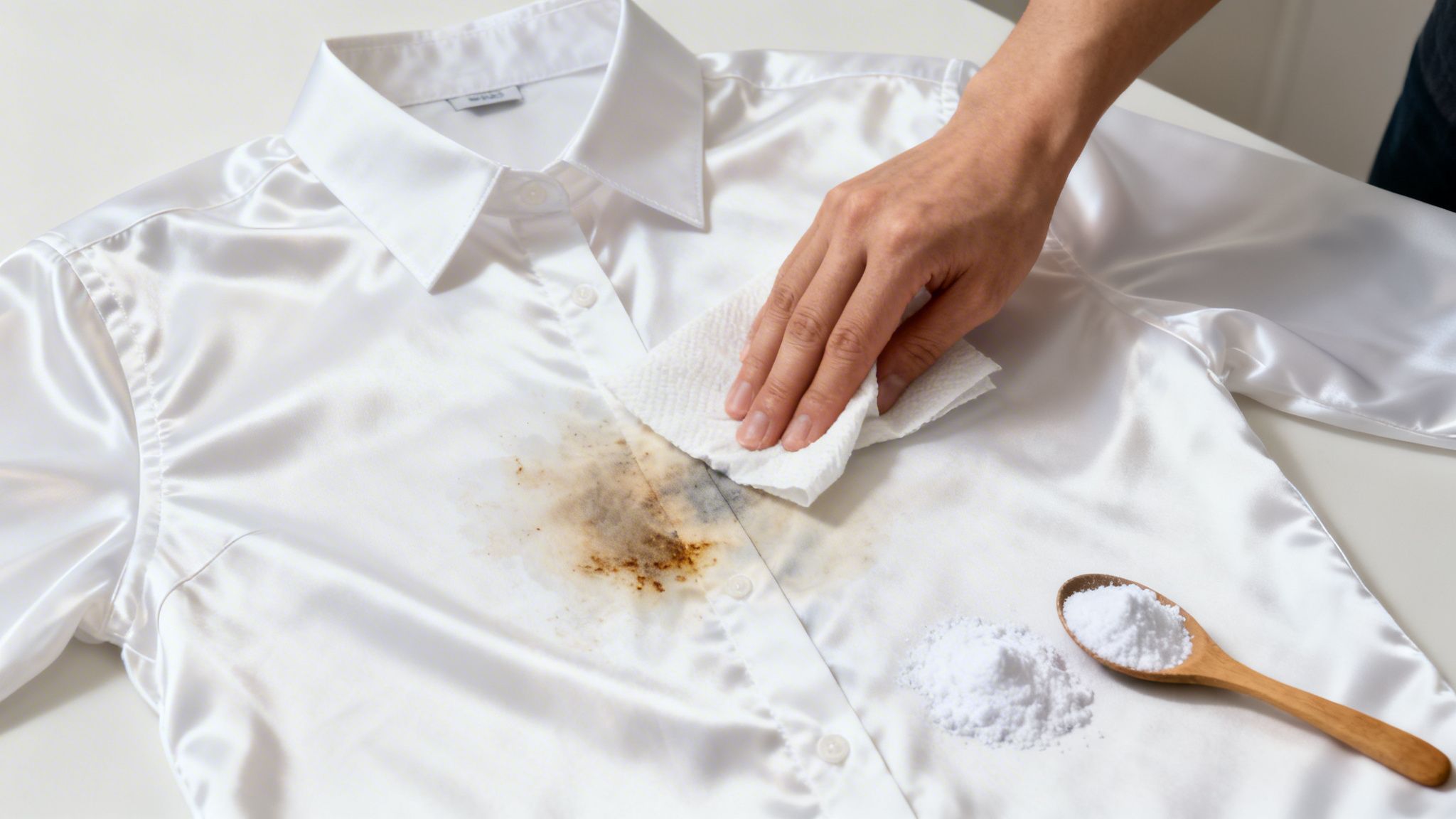
It’s that dreaded moment—a drip of salad dressing or a splash of cooking oil lands right on your favorite polyester pants. When it comes to grease on polyester, time is everything. The slick, non-absorbent nature of polyester fibers means oil is drawn to them, so acting fast is your best defense against a permanent mark.
The first and most important rule is simple: blot, don’t rub. Seriously. Grab a clean cloth or a plain white paper towel and gently press down on the stain. Your goal is to lift the excess oil off the surface. Rubbing just grinds the grease deeper into the weave and makes the spot bigger. You’ll only be making more work for yourself later.
Keep blotting with a fresh section of the cloth until you can’t lift any more oil. This simple step alone can make a huge difference in whether the stain comes out completely.
Break Out an Absorbent Powder
Once you've blotted up the initial spill, it’s time to pull out the remaining oil that’s already started to sink into the fabric. You don't need a fancy product for this; some of the best tools are probably already in your kitchen pantry.
These common household powders work wonders for drawing out grease:
- Baking soda: A classic for a reason. It's a fantastic, inexpensive absorbent that's safe for most fabrics.
- Cornstarch: This is my go-to for finer or more delicate polyester weaves, like those found in blouses or scarves. It's incredibly fine and gentle.
- Baby powder: Works just like cornstarch and leaves a fresh scent behind.
Whichever you choose, don't be shy about it. Generously pile the powder onto the stain, making sure the entire greasy area is completely covered. You need a thick layer for the powder to effectively wick the oil out of the fibers. If you often find yourself dealing with messes in the kitchen, learning how to properly clean up grease spills is a great skill to have.
Now, you need to give it time to work its magic. Let the powder sit on the stain for at least 30 to 60 minutes. You’ll likely see the powder start to look clumpy or discolored as it soaks up the oil—that’s a good sign!
Pro Tip: Before you apply the powder, slip a piece of cardboard or a folded-up towel inside the garment, right behind the stain. This creates a barrier and stops the oil from seeping through to the other side.
After the time is up, use the edge of a spoon or an old credit card to gently scrape the powder off into the trash. Brush away any lingering dust, and take a look. The stain should already look much, much better. This quick first response is the key to successfully getting that garment clean in the wash.
The Pre-Treatment Playbook for Tough Stains
Alright, you've blotted up the worst of that fresh spill. You're already halfway there. Now it's time for the most important part of the entire process: pre-treating. This is where we tackle the grease that’s clinging to the polyester fibers before the garment goes into the washing machine.
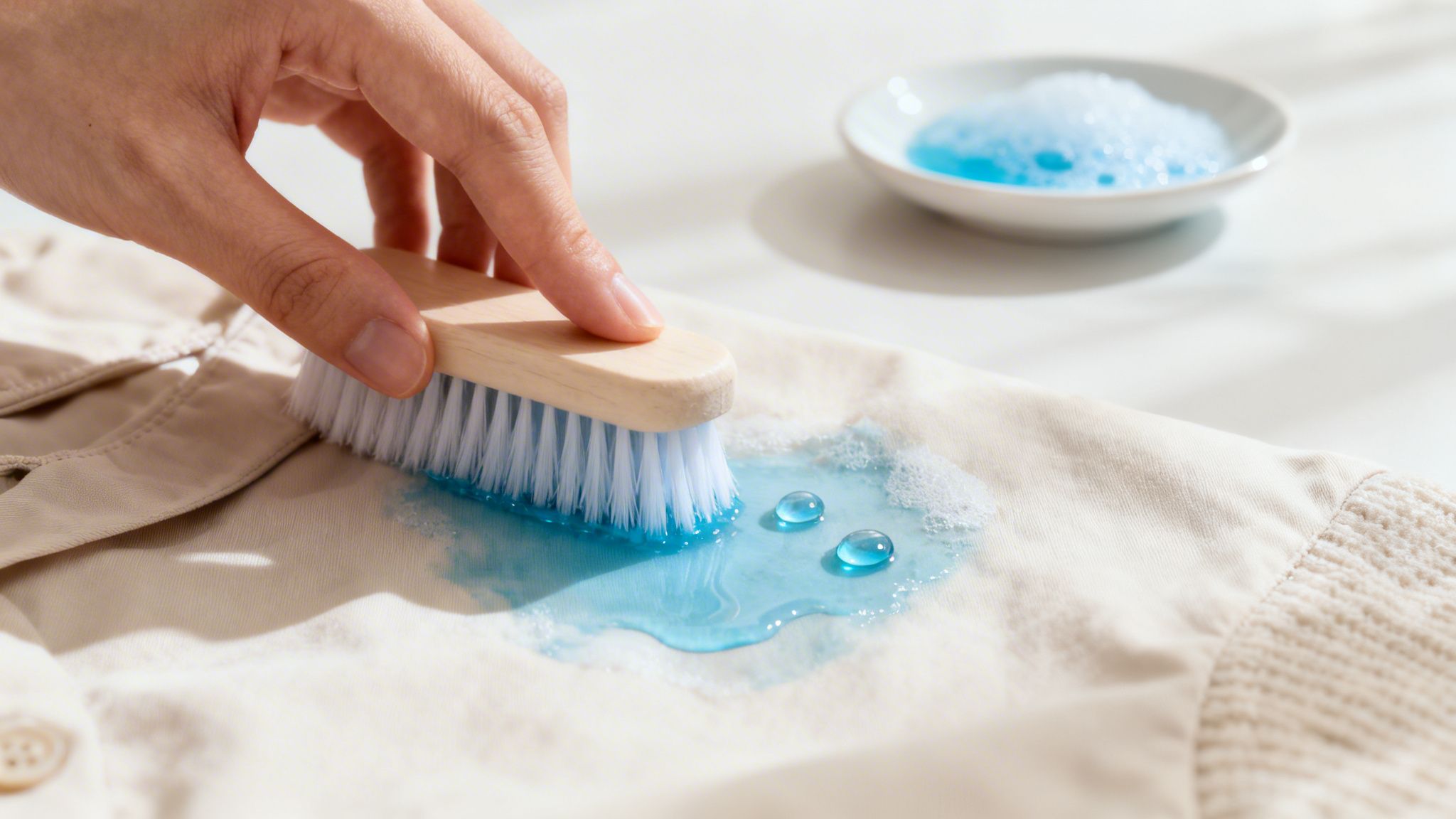
Believe it or not, one of the best tools for this job is probably sitting right by your kitchen sink. A good grease-fighting blue dish soap is my go-to for oil stains on polyester. The surfactants in these soaps are engineered to grab onto grease and lift it away—which is exactly what you need to fight polyester's natural tendency to attract oil (a property known as oleophilic).
The method is simple. Just squeeze a small drop of the dish soap directly onto the stain. Then, use your fingers or a very soft-bristled brush (an old toothbrush is perfect for this) to gently work it into the fabric. I find a light, circular motion works best to help the soap penetrate the fibers and start dissolving that oil.
Choosing Your Pre-Treatment Agent
While dish soap is a fantastic and reliable first choice, some grease stains are just plain stubborn. If you’re dealing with an older, set-in stain, you might need to bring in a little more muscle.
- Dish Soap: Perfect for fresh grease stains. It's inexpensive, readily available, and works wonders on the less-porous surface of polyester fibers.
- Enzymatic Stain Remover: Your best bet for older, dried-on stains. These cleaners use special enzymes to chemically break down the complex fat and protein molecules in grease, making them simple to wash away. They're especially good for combination stains, like a burger drip that has both grease and ketchup.
If you opt for an enzymatic cleaner, be generous with it. Apply it to the stain and let it sit for at least an hour. For a really nasty spot, I’ve even let them sit overnight. Just be sure to read the product’s label, as some have specific time limits.
A Word of Caution: I can't stress this enough—always test a new cleaning product on a hidden spot first. The inside of a hem or a seam is a great place. This quick test ensures the product won't bleach, fade, or otherwise ruin your favorite shirt.
The Gentle Scrubbing Technique
Whether you’re using dish soap or a dedicated stain remover, how you apply it makes all the difference. Resist the urge to scrub furiously! Aggressive scrubbing can fray the polyester fibers and, even worse, spread the stain into a bigger, lighter-colored mess.
Think of it more like a gentle massage. You want to work the cleaner into the stain, not just rub the surface. Let the product do the heavy lifting.
After the treatment has had time to sit, rinse the area well with warm water (as long as the care tag allows it). This step is crucial for flushing out all the grease and soap you just loosened up. Now, your garment is ready for the wash. Taking these few extra minutes to pre-treat properly is the secret to getting that stain out on the first try.
Laundering Your Polyester Garment the Right Way
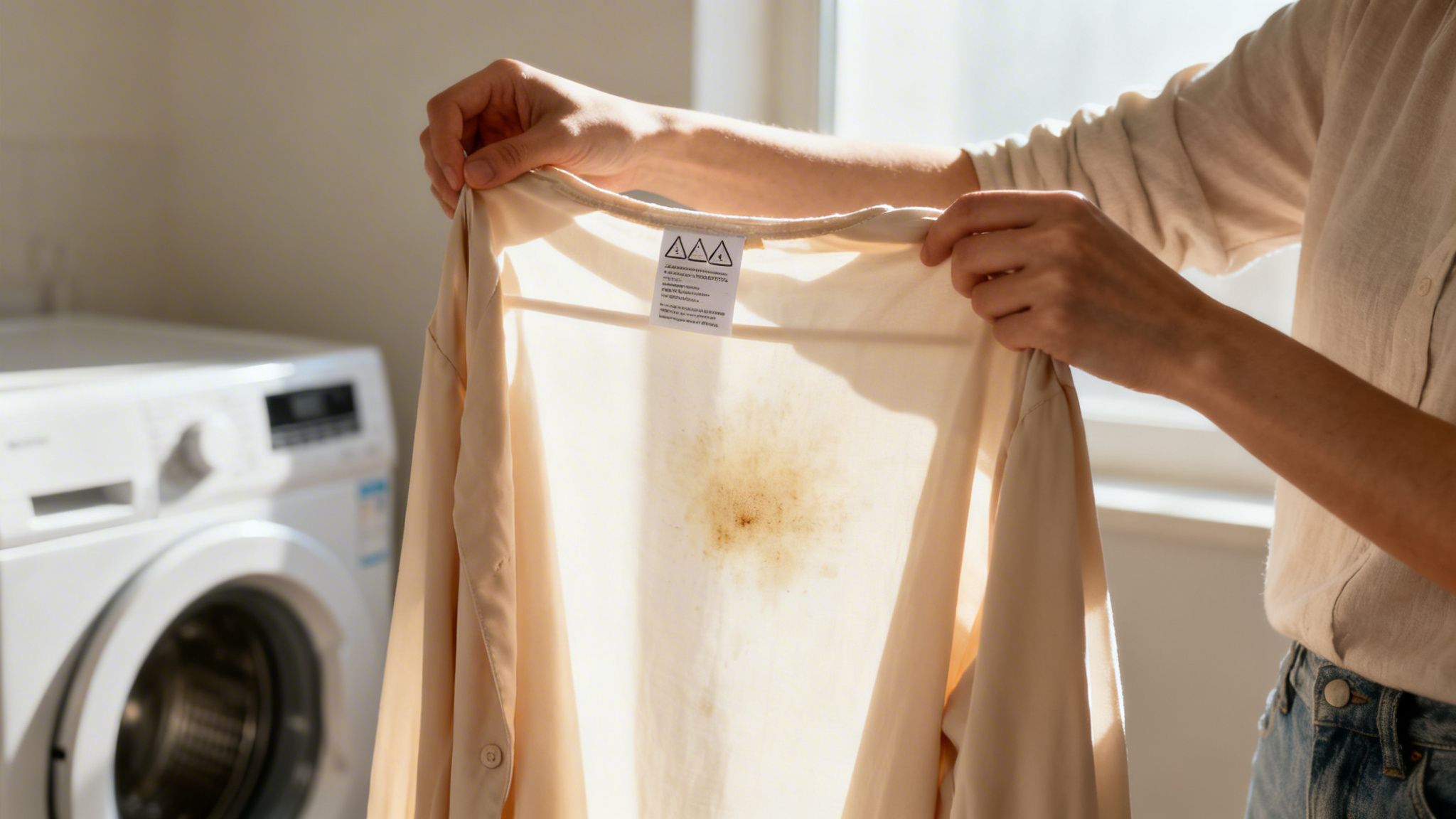
You've done the hard part—blotting, absorbing, and pre-treating that pesky grease stain. Now it's time to let the washing machine finish the job. This isn't just a regular wash, though. The right settings are what will flush away the last of that oil for good.
Before you toss it in, take a second to check the care label. I know it's easy to skip, but those little symbols are your roadmap. They tell you exactly what your garment can handle. When you're fighting grease, your goal is to use the warmest water your polyester can safely tolerate.
Choosing the Right Wash Settings
Why warm water? Simple. It helps soften and dissolve any remaining oily residue that your pre-treatment has already loosened up, making it easier for the detergent to carry it away. For synthetic fabrics like polyester, this makes a huge difference.
Here’s what I recommend for the wash cycle:
- Water Temperature: Select "warm" on your machine. Only use cold if the care tag specifically demands it.
- Washing Cycle: A "normal" or "permanent press" setting is perfect. You don't need an aggressive, heavy-duty cycle that might stress the fabric.
- Detergent: Just use your favorite high-quality liquid or powder detergent. The pre-treatment did the targeted work; now the detergent just needs to clean everything.
Getting the water temperature right is a big part of laundry success. If you want to dive deeper into this, we've got a guide on the pros and cons of https://www.columbiapikelaundry.com/post/washing-clothes-hot-or-cold-water. The same logic for stain removal applies to more than just clothes, which is why tips on how to clean fabric sofa at home can be surprisingly useful for other large polyester items.
The Most Important Checkpoint
Once the machine chimes, you’ve hit a critical moment. Before you even think about the dryer, pull the garment out and give it a thorough inspection.
Hold the area where the stain was up to a bright light. Look at it from a few different angles. Is it completely gone? If you can see even a faint shadow or a slightly darker patch, your work isn't finished.
CRITICAL TIP: Never, ever put a grease-stained polyester item in the dryer. The heat will literally cook the oil into the fibers, setting the stain permanently.
If a trace of the stain remains, don't panic. Just repeat the pre-treatment step with your dish soap or stain remover and run it through the wash one more time. It might take two rounds, but patience now is far better than having a permanently stained shirt. Only when you’re 100% sure the stain is gone should you dry the item as you normally would.
When to Get Professional Help for Stubborn Stains
We’ve all been there. You’ve blotted, pre-treated, and washed that polyester shirt exactly as you should. But when you pull it from the wash, you can still see the faint, ghostly shadow of that grease stain. It's frustrating, and this is where knowing when to stop is just as important as knowing how to start.
Your first instinct might be to just do it all over again—more dish soap, another scrub, a second trip through the washer. And sometimes, for a very minor leftover spot, that might work. But there’s a real risk of diminishing returns.
Over-treating a stain can do more harm than good. Continuously scrubbing an already stressed area can damage those delicate polyester fibers, leading to pilling, fabric thinning, or even a faded patch that looks worse than the original stain ever did.
Knowing When to Stop
Knowing when to throw in the towel on a DIY stain isn't admitting defeat; it’s a smart move to save a garment you love. Think of it as a strategic retreat.
If you’ve already treated and washed the item twice with no significant improvement, it’s time to stop. Any more friction or home cleaners will likely weaken the fabric’s integrity. This is the moment to call in the professionals.
Professional laundry services aren't just using a stronger version of what you have under your sink. We have access to specialized equipment and non-aqueous solvents designed to dissolve stubborn oils that water-based home remedies simply can't handle.
Professional dry cleaning solvents are specifically formulated to break down petroleum-based and oil-based stains without the need for aggressive scrubbing. This protects the fabric's texture, color, and shape while effectively removing the stain.
If you’re curious about the science behind it, understanding how dry cleaners remove stubborn stains offers a peek into the professional-grade techniques we use every day.
DIY vs Professional Stain Removal: When to Call for Backup
Deciding whether to continue at home or call us can be tough. This table breaks down the common scenarios to help you make the best choice for your clothes.
| Scenario | DIY Approach (Pros & Cons) | Professional Solution (Why It's Better) | Our Recommendation |
|---|---|---|---|
| Old, Set-In Stain | Pro: Inexpensive. Con: Very low chance of success. High risk of setting the stain further or damaging the fabric with repeated attempts. | Pro: Uses specialized solvents to break down aged oils that have bonded with fibers. Far higher success rate. | Go Pro. Once a stain has been through the dryer or sat for weeks, home methods are rarely effective. |
| "Dry Clean Only" Label | Pro: None. Con: High risk of water rings, shrinkage, or irreversible fabric damage. Water is the enemy here. | Pro: Follows care label instructions, using non-water-based methods that are safe for the specific fabric. | Go Pro. No exceptions. Trust the label—it’s there for a reason. |
| Delicate/Blended Fabric | Pro: Can work for minor stains if you're very careful. Con: Easy to cause pilling, stretching, or color loss on fabrics like silk-poly blends. | Pro: Experts identify the fabric blend and use the appropriate gentle treatment and solvent for that specific material. | Go Pro. The risk of ruining a delicate item isn't worth the small savings of a DIY attempt. |
| Valuable/Sentimental Item | Pro: You maintain control. Con: The emotional cost of a mistake is high. Do you want to risk your favorite blouse or lucky interview shirt? | Pro: Provides peace of mind. Your cherished item is in the hands of trained professionals with insurance and experience. | Go Pro. For items you can't bear to lose, a professional cleaning is a small price to pay for preservation. |
Ultimately, the choice comes down to weighing the risk versus the reward. For a simple cotton t-shirt, another DIY attempt might be fine. For your best polyester dress, the professional route is a much safer bet.
The Professional Advantage for Polyester Stains
When you bring a stubborn stain to us, you're getting more than just a cleaning; you’re getting our expertise. We can identify the specific type of grease and match it with the most effective solvent—a process that’s nearly impossible to do at home.
Our Dry Cleaning and Wash & Fold services are designed for exactly these situations. When you drop off your items or schedule a pickup, just point out the stain. That simple step allows our team to give it the targeted, expert care it needs. We'll handle the tough work so you get back a clean, stain-free garment and, more importantly, your peace of mind.
Frequently Asked Questions About Polyester Grease Stains
Over the years, we've seen it all when it comes to tricky stains on polyester. Here are a few of the questions we hear most often, along with some straight-from-the-laundry-room advice to help you out.
Can I Use Vinegar or Rubbing Alcohol on Polyester Grease Stains?
People often bring up vinegar and rubbing alcohol as go-to home remedies, but I’d be very careful here. Vinegar is an acid, which just isn't effective against an oil-based grease stain. Rubbing alcohol is a bit more complicated; while it can sometimes dissolve grease, it’s also notorious for stripping color from polyester dyes. You might get the oil out, but you could be left with a faded, blotchy mess that's impossible to fix.
Honestly, a simple blue dish soap is a much safer bet. It’s designed specifically to cut through grease without damaging the fabric. If you're set on experimenting with something stronger, always test it on a hidden spot first, like an inside seam. For anything you truly care about, though, bringing it to a professional is the only way to avoid a costly mistake.
What Is the Best Way to Remove Old Set-In Grease Stains From Polyester?
Old grease stains are a whole different beast. The oil has had time to oxidize and essentially bake itself into the synthetic fibers, making it much harder to lift. For these, your best shot at home is a quality enzymatic stain remover.
Don't just dab it on and throw it in the wash. Apply the remover generously right on the stain and let it sit for at least an hour. For really stubborn, hardened spots, I've seen success with letting it work overnight. This gives the enzymes the time they need to break down the solidified oils.
After pre-treating, wash it in the hottest water the care label allows. Just be realistic—a truly set-in stain might take a couple of rounds to fully disappear.
A Pro's Take: Honestly, old grease stains are where professional dry cleaning really shines. The specialized solvents we use can dissolve oils that water-based treatments at home simply can’t touch, especially after the stain has been set with dryer heat.
My Polyester Jacket Says Dry Clean Only Can I Still Spot Treat It?
My direct advice is: please don’t. If a tag says "Dry Clean Only," you should absolutely believe it. The manufacturer puts that label there for a reason—the fabric, dyes, or even the internal structure (like shoulder pads or interfacing) can't handle water.
Attempting to spot treat with water or soap at home almost always leads to bigger problems, like:
- Water Rings: A tell-tale ring often forms around the area you treated, which can be even more obvious than the original stain.
- Texture Damage: The fabric can pucker, become stiff, or lose that soft feel it originally had.
- Color Bleeding: The dyes can easily run or fade, leaving you with a permanent, bleached-out spot.
For these garments, the only safe move is to bring them to a professional. When you drop off your jacket, just point out the grease spot to us. We can use our eco-friendly process to target the oil without risking the material. It's not worth ruining a great piece of clothing just to save a trip.
When you've tried everything and that stubborn stain just won't budge, don't give up on your favorite garment. Columbia Pike Laundry is here to handle the tough jobs with professional dry cleaning and laundry services that give you back your time.
Free pickup, expert care, delivered back to your door.
Popular Blog Articles





Meet the Author
Daniel Logan didn’t start CPL because he loved laundry. He started it because his family was drowning in time debt, and laundry was one of the biggest weights.
Mornings were chaos with two kids under 5. Evenings felt like catch-up. And weekends? Gone to sorting socks and folding piles.
He knew his story wasn’t unique. So he built a business that gave families like his just a little bit of breathing room one load at a time.
With no laundry experience but deep tech skills, Daniel rolled up his sleeves, doing every job himself while building systems that turned it into a modern laundry service that saves customers time, simplifies their lives, and delivers reliability they can count on.
That’s where CPL began. Not from a playbook, but from pain. From one dad trying to buy back time: for himself, and for every household like his.
Free pickup, expert care, delivered back to your door.