
Laundry Pickup and Delivery Service
Fresh Laundry, Zero Hassle
Skip the trip — let us come to you. Columbia Pike Laundry offers reliable laundry delivery service and dry cleaning pickup and delivery across Northern Virginia. With our easy-to-use laundry service app, fresh, folded laundry is just a tap away.
Is Laundry Pickup & Delivery Worth It?
Yes! Here's what most people don't realize: the average household spends 4-5 hours weekly on laundry. Sorting darks from lights, running multiple loads, folding, putting away—it adds up fast. For busy professionals and parents managing work, kids' activities, and everything in between, those hours disappear into a chore that never actually ends.
Our pickup and delivery service isn't a luxury—it's a strategic decision to reclaim time for what you actually want to do. Read to your kids instead of folding towels. Take a walk instead of sorting socks. Sleep in on Saturday instead of starting the first load at 7 AM.
We pick up from your doorstep, wash and fold everything professionally, and deliver it back within 48 hours (or next-day with Express service). You get predictable, reliable service without driving to a laundromat or managing drop-off windows.

How Does Laundry Pickup & Delivery Actually Work?
Three steps. Zero stress. More time for what matters.
Step 1: Schedule A Laundry Pickup in Minutes
Create your account in 5 minutes. Choose your pickup day, add any preferences, and we'll send you a reminder when we're on the way. Our laundry pickup and delivery service works around your schedule; not the other way around.
Step 2: We Handle The Wash Dry and Fold
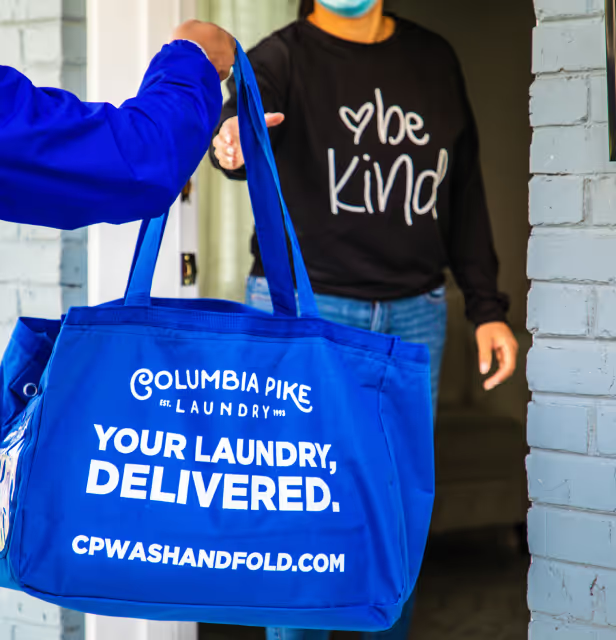
Toss your laundry in any bag—we'll transfer it to your branded Columbia Pike Laundry bag at pickup. Your clothes get professionally washed, carefully folded, and returned fresh. You get a notification at every step, so you're never left wondering.
Step 3: Fresh Laundry Delivery to your Doorstep
Clean laundry delivered right to your door at your scheduled time. Keep your Columbia Pike bag for next time. Folded, organized, and ready to put away. Spend your Saturday doing literally anything else.
Can I Drop Off Laundry at Your Store Location Instead?
*If Pickup & Delivery isn't your thing, you can drop off and pickup from our store location right here on Columbia Pike.
We're open Monday - Friday: 8am-8pm and Weekends: 10am-6pm
Laundry Picked Up, Cleaned, and Delivered
With just a few taps, you can schedule a pickup, set your bag outside, and get back to what matters most. Our friendly drivers roll up in our branded van, grab your laundry, and bring it back fresh and folded. It’s the easiest way to cross laundry off your list!

Can I Trust a Delivery Service With My Laundry?
Short answer: not all of them. Long answer: it depends on who's actually doing your laundry.
The pickup and delivery industry has a dirty secret; many services you see advertised are just middlemen apps that pair you with the cheapest independent contractor available. You have no idea who's picking up your clothes, where they're being washed, or what standards they're following. When things go wrong (and according to customer reviews, they go wrong 10-20% of the time), you're stuck fighting with a faceless corporation that offers you $150 in credits for $1,500 in lost clothing.
Columbia Pike Laundry operates completely differently because we're not an app—we're an actual laundry business.
We process every laundry order in our own facility on Columbia Pike. Our team members are W2 employees, not gig workers. Our drivers are trained professionals who've been with us for years, not random contractors showing up in unmarked cars. When you schedule a pickup, you're not rolling the dice on who shows up—you're working with our team.
This matters for expensive items. Delicate fabrics, dry-clean-only pieces, items with special care instructions—we handle them correctly because we have commercial equipment, professional training, and actual accountability. If we're unsure about a garment, we'll call you before processing it. If something needs dry cleaning instead of wash-and-fold, we'll let you know.
Our reputation in Northern Virginia is built on delivering exceptional service, every time. Find out for yourself today!

What Areas Do You Serve For Pickup & Delivery?
Columbia Pike Laundry is proud to bring pickup and delivery laundry service and dry cleaning delivery service to households and businesses across 16+ cities in Northern Virginia and Washington, DC. Whether you’re commuting into the city, juggling family life in the suburbs, or running a local small business, we make laundry one less thing to worry about.
As a local, family-owned business, we know Northern Virginia traffic patterns, apartment quirks, and busy family schedules better than a national app. That’s why thousands of households trust us for on-time pickups, reliable turnaround, and care you can count on. We currently provide laundry service delivery and dry cleaning pickup and delivery in:
Hear What Our Happy Clients Say!
Can I Send My Dry Cleaning?
Yes—and most of our customers send both laundry and dry cleaning for additional convenience.
Instead of making separate trips to the dry cleaner and handling laundry at home, everything happens in one pickup. Your suits come back crisp and pressed, your laundry comes back folded—all delivered together. One less errand. One less thing to manage.
When you schedule a pickup, just separate your dry cleaning items from your wash-and-fold laundry (or bag them separately). Our team will process the dry cleaning through our professional dry cleaning equipment and return everything together at your scheduled delivery.

FAQs
It’s simple: we come to your home, pick up your dirty laundry, and return it clean, folded, and ready to put away. Our laundry service saves you time and stress so you can focus on what matters most.
Just schedule a pickup in our laundry service app or online, set out your bag, and we’ll return everything the next day. It’s the easiest way to stay on top of laundry without leaving home.
Yes, we handle both wash & fold laundry and dry cleaning delivery. Just place your dry cleaning in a separate bag, and we’ll process it with the same care and return it to your doorstep.
Our standard turnaround for laundry delivery is 48 hours. If you need it back sooner you can opt for our next-day Express Laundry Service. Dry Cleaning Delivery has a 3-day turnaround, excluding Sundays.
No. Just leave your CPL bag in your designated spot — front porch, lobby, or concierge desk. We designed our service to be flexible so you never have to wait around.
You can schedule in less than a minute through our website Booking page or the CleanCloud laundry service app . You’ll get a confirmation and reminders so you don’t forget.
Yes, there’s a $45 minimum order value for laundry delivery service. Most individuals and families meet it easily with their weekly laundry.
Laundry is priced by the pound, with bulky items like comforters charged per piece. We weigh everything at drop-off so there are no surprises. You’ll know exactly what to expect before you leave.
Yes, you can schedule weekly or bi-weekly laundry pick up and delivery so it’s automatic. Many customers love this “set it and forget it” option.
Yes, you can send both in at the same time. Just separate the items into different bags and we’ll take care of sorting them into laundry and dry cleaning. It saves you the hassle of a trip to the dry cleaner. Note the turnaround for dry cleaning and laundry is different.
When you create your account we ask you for laundry preferences - from detergent to water temperature. You can also add notes for each order (like “hang dry activewear” or “extra softener for towels”). We follow them every time so your laundry comes back exactly how you like it.
If you miss a scheduled laundry pick up, you can reschedule for the next available day. Our reminders help you stay on track.
Absolutely NOT! Every order in our pick up laundry service is washed and dried separately. Your items are never mixed with anyone else’s.
How Do I Schedule a Laundry Pickup?
Book your way. We're Flexible!
Book Online
Visit our website and click "Schedule a Pickup" Same process as the app, just through your browser.
Mobile App
Download the CleanCloud app (iOS or Android), create your account in about 5 minutes, and schedule your first pickup.
Call/Text Us
Sometimes you just want to talk to a human. Call 703-544-7475 during business hours and we'll set everything up for you over the phone.
What happens after you schedule?
- We'll send you a confirmation email/text with your pickup details
- You'll get a reminder text when the driver is on the way to you
- Set your laundry bag outside in your preferred spot
- We'll text you when pickup is complete
- Track your order through washing, folding, and delivery
- Get a notification when delivery is complete

What Makes Our Pickup and Delivery Laundry Service Different?
Family-Owned, Local Care
We’re not a national chain — Columbia Pike Laundry is family-owned and proudly based in Arlington. That means every order is cleaned right here in our own facility, never outsourced, with the kind of attention to detail only a local business can give.
Convenient and Flexible Service
We build our schedule around your life, not the other way around. With easy online booking, reminders, and pickup windows that fit busy routines, our service makes laundry feel effortless. Whether it’s weekly, bi-weekly, or just when you need it, we’ve got you covered.
Proven Track Record
Unlike services that send your laundry out to third parties, we process every bag in our own shop. That gives us full control over the wash, dry and fold process — and ensures your laundry is handled with care from start to finish. We're rated 4.7★ with 350+ local reviews on Google from families and businesses across Northern Virginia.

What If I Have Special Instructions or Preferences?
Tell us once, and we'll rememeber them for all orders.
When you create your account, you'll set your laundry preferences:
Detergent type: Standard fragrance-free, or Upgrade
Water/Dryer temperature: Hot, warm, or cold
Fabric softener: Yes or no
Scent Boost: Yes or no
Whiteners: Bleach, Oxi or none
These preferences save to your account, so we follow them automatically on every order. Need to change something? Update your preferences in the app anytime, or include a note with your specific order.
For specific items with special care needs, attach a note to the garment and leave an order note through the app. If we see something risky—like a delicate embellishment or a fabric that might discolor—we'll text you before processing it.
The bottom line: We're not a factory running clothes through a system. We're professionals who care about getting it right. If you have questions or concerns, we'd rather you tell us upfront than be disappointed with the result.


Schedule a Laundry Pickup Today!
Step into a life where your evenings and weekends are entirely yours again. Say goodbye to laundry day stress and unreliable services.
A laundry-free life is just a few clicks (or taps) away. Create your FREE Columbia Pike account today!

We’re proud to serve Northern Virginia With Our Laundry Delivery Service!
We’re proud to serve families and professionals across Arlington and Fairfax counties. From Alexandria and Falls Church to Fairfax and Reston — communities we know well and drive through every day. Our team is local, so we understand the busy rhythms of these neighborhoods and how important it is to have one less errand on your plate.
We have regular routes in Reston, Annandale, Burke, Springfield, and Oakton. Whether it’s households juggling kids’ schedules or professionals with packed workdays, we’re here to bring a little breathing room back into the week.
No matter where you are in Northern Virginia, our promise is the same: reliable service, friendly drivers, and the peace of mind that your clothes are being cared for by neighbors who live right here too.


