
What Is Fabric Shrinkage? 20% Wool & 5% Cotton Guide
Columbia Pike Laundry offers pickup & delivery across Northern Virginia.
Most people think fabric shrinkage is permanent and unavoidable once it happens. That’s not entirely true. Fabric shrinkage is caused by fiber reorganization when exposed to heat and moisture, and some shrinkage can actually be reversed. You’ll learn how different fabrics shrink, what causes it, and how to adjust your laundry routine to keep your clothes fitting perfectly.
Key Takeaways
| Point | Details |
|---|---|
| Shrinkage mechanism | Fibers reorganize and contract when exposed to heat and moisture during washing. |
| Fabric-specific rates | Cotton shrinks 3%-5%, wool up to 20%, synthetics under 1%, blends under 2%. |
| Laundry impact | Cold water, gentle cycles, and low-heat drying significantly reduce shrinkage risk. |
| Reversibility | Up to 30% of cotton shrinkage can be reversed through steaming or careful ironing. |
| Prevention strategy | Proper sorting, temperature control, and professional care extend garment life. |
Understanding Fabric Shrinkage: Causes and Mechanisms
Shrinkage happens when fibers relax and contract under heat and moisture exposure during laundering. Think of it like a rubber band that’s been stretched for months and suddenly returns to its original size. The tension built into fabric during manufacturing releases when conditions are right, causing the material to pull inward.
Felting occurs mostly in wool, where fibers interlock and tangle causing severe shrinkage. The scales on wool fibers catch on each other under heat and agitation, creating a tighter, denser fabric. Relaxation shrinkage mainly affects cotton due to fiber tension release accumulated during spinning and weaving processes.
Pro Tip: Pre-shrinking treatments reduce but do not eliminate shrinkage risk entirely. Even pre-shrunk garments can lose an additional 1%-2% of their size with aggressive washing.
Here’s what drives the shrinkage process:
- Heat accelerates fiber movement, allowing them to return to their natural, unstretched state
- Moisture softens fibers, making them more flexible and prone to repositioning
- Mechanical agitation physically pushes fibers together, compacting the fabric structure
- Fiber type determines shrinkage severity, with natural fibers more vulnerable than synthetics
Understanding these mechanisms helps you tailor laundry practices effectively. When you know that heat and moisture trigger shrinkage, you can adjust water temperature and drying methods. If you grasp that agitation compounds the problem, you’ll choose gentler wash cycles. Learn more about how to keep clothes from shrinking with proper techniques.
Shrinkage Behavior by Fabric Type
Cotton typically shrinks 3%-5% after first wash; wool can shrink up to 20%; synthetics shrink less than 1%; blends shrink less than pure natural fibers. These numbers matter when you’re buying clothes or planning your laundry routine. A cotton shirt that fits perfectly could feel snug after one hot wash cycle.
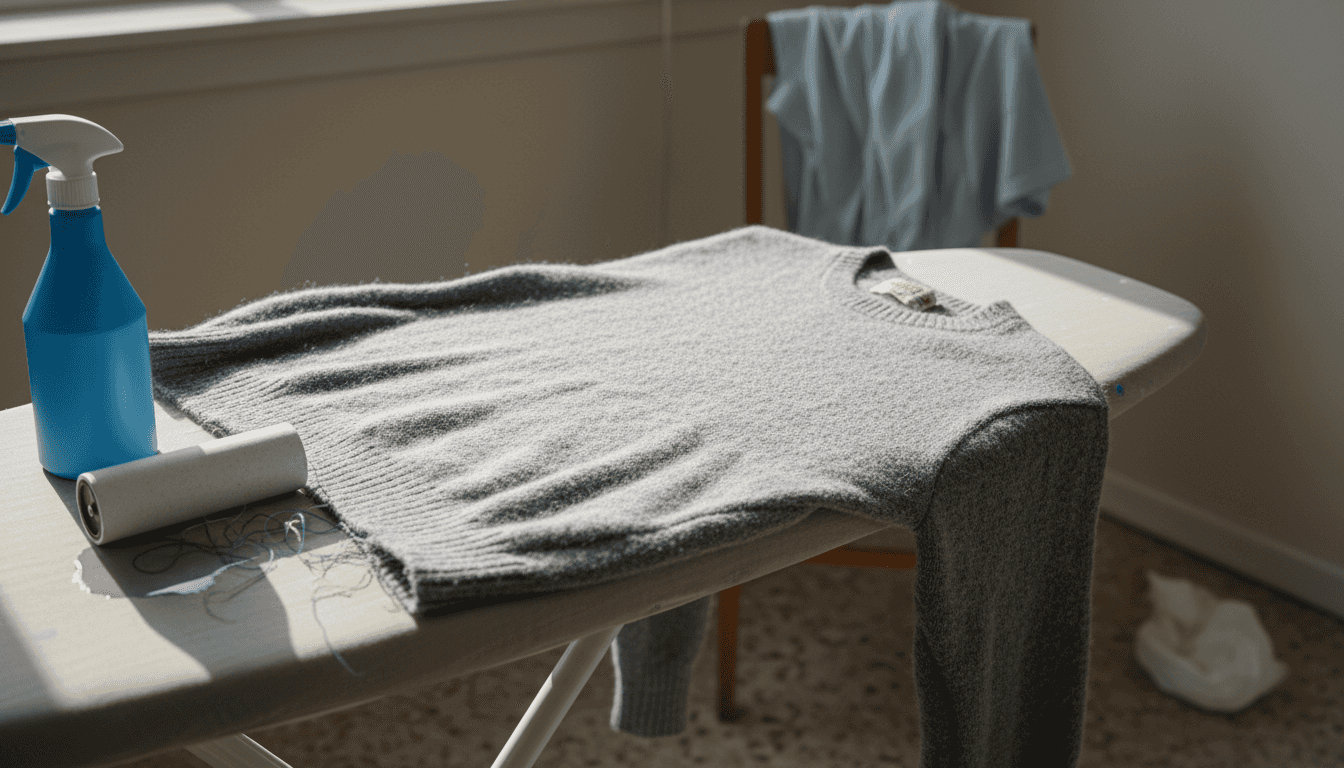
Wool presents the highest risk because of felting under hot temperature and agitation. The protein-based fibers have overlapping scales that lock together permanently when exposed to heat and movement. Once wool felts, you can’t reverse it. Synthetic fibers like polyester and nylon offer stability because their molecular structure resists heat-induced changes up to certain thresholds.
| Fabric Type | Average Shrinkage | Primary Cause | Care Priority |
|---|---|---|---|
| Cotton | 3%-5% | Fiber relaxation | Cold water wash |
| Wool | Up to 20% | Felting | Hand wash or dry clean |
| Polyester | Less than 1% | Minimal fiber change | Standard wash |
| Nylon | Less than 1% | Heat resistance | Avoid high dryer heat |
| Cotton-Polyester Blend | Under 2% | Limited by synthetic content | Warm water acceptable |
Blended fabrics, like cotton-polyester, shrink under 2% as polyester limits shrinkage. The synthetic fibers act as anchors, preventing the cotton fibers from contracting as much. A 60/40 cotton-poly blend will shrink less than 100% cotton but more than pure polyester.

This data helps you anticipate shrinkage and select care methods accordingly. When shopping, factor in potential shrinkage for natural fiber garments. Buy slightly larger if you prefer a looser fit, or plan to wash in cold water exclusively. For valuable wool items, professional care becomes essential rather than optional.
Key fabric considerations:
- Natural fibers (cotton, wool, linen) have higher shrinkage potential than synthetics
- Blends offer a middle ground, balancing comfort with dimensional stability
- Fabric weight matters: heavier fabrics often shrink less than lightweight versions
- Weave tightness affects shrinkage, with looser weaves more prone to size changes
How Laundry Practices Affect Shrinkage
Water temperature stands as your first line of defense. Cold or warm water reduces shrinkage compared to hot water by limiting fiber movement. High temperatures increase shrinkage risk by accelerating fiber contraction; agitation worsens shrinkage especially in wool; front-loading washers reduce shrinkage compared to top-loaders. The temperature difference between cold and hot water can mean the difference between a garment that fits and one that doesn’t.
Agitation creates physical stress that compounds heat and moisture effects. Gentle or delicate cycles limit fiber stress by reducing tumbling intensity and duration. Heavy agitation increases shrinkage risk by forcing fibers to rearrange more dramatically. Think of it as the difference between a gentle massage and aggressive kneading.
Machine type matters more than most people realize. Front-load washers use less agitation and are gentler than top-loaders because they lift and drop clothes rather than spinning them aggressively around a central agitator. The tumbling action in front-loaders is less harsh on fabric structure.
| Laundry Factor | Low Shrinkage Risk | High Shrinkage Risk |
|---|---|---|
| Water Temperature | Cold (60°F-80°F) | Hot (130°F+) |
| Wash Cycle | Delicate, gentle | Heavy duty, normal |
| Machine Type | Front-loader | Top-loader with agitator |
| Drying Method | Air dry, low heat | High heat tumble |
| Load Size | Properly sized | Overloaded |
Drying causes further shrinkage beyond what happens in the wash. High heat tumble drying can shrink clothes an additional 2%-3% even if you washed them carefully. Air drying or low heat settings preserve garment dimensions much better. The dryer’s heat combines with tumbling action to create a perfect storm for shrinkage.
Pro Tip: Remove clothes from the dryer while slightly damp and let them finish air drying. This approach gives you most of the convenience of machine drying while minimizing heat exposure time.
Practical steps to reduce laundry-induced shrinkage:
- Sort by fabric type so you can tailor wash settings to each load’s needs
- Use mesh bags for delicate items to reduce agitation exposure
- Skip the dryer entirely for valuable or delicate garments
- Reduce spin speed during the final cycle to minimize fiber stress
- Wash clothes inside out to protect the outer surface from abrasion
Follow the laundry care guide for professionals to master advanced techniques. Small adjustments to your routine prevent most accidental shrinkage at home.
Common Misconceptions About Fabric Shrinkage
Many people believe shrinkage is always permanent once it happens. That’s false. Some cotton shrinkage can be partially reversed by steaming; shrinkage is mainly caused by heat, moisture, agitation, not detergents; dry cleaning does not always prevent shrinkage. You can recover up to 30% of cotton shrinkage by carefully steaming and stretching the fabric while it’s warm and pliable.
Detergents and washing frequency get blamed for shrinkage constantly, but they’re not the culprits. The mechanical action and temperature cause fiber changes, not the soap. You could wash clothes in plain water at high heat with heavy agitation and still get significant shrinkage. Detergent choice matters for cleaning effectiveness and fabric softness, not dimensional stability.
Dry cleaning doesn’t guarantee shrinkage prevention either. While professional dry cleaning uses solvents instead of water, the process still involves heat and some mechanical action. If the dry cleaner uses high heat during pressing or doesn’t address the garment’s specific fiber needs, shrinkage can still occur. The benefit of dry cleaning lies in controlled conditions and expert handling, not magic shrinkage immunity.
Five myths that lead to poor garment care:
- “Once shrunk, always shrunk” Reality: Cotton and some blends can be partially restored through steaming and gentle stretching while damp.
- “Expensive detergent prevents shrinkage” Reality: Heat, water, and agitation cause shrinkage regardless of detergent price or brand.
- “Pre-shrunk means no shrinkage ever” Reality: Pre-shrunk fabrics can still lose an additional 1%-2% with aggressive washing.
- “Dry cleaning prevents all shrinkage” Reality: Improper dry cleaning techniques or excessive heat during pressing can still cause size changes.
- “Washing more often causes more shrinkage” Reality: Most shrinkage happens in the first few washes; frequency matters less than method.
Misunderstandings often lead to ineffective care practices and frustration. You might avoid washing a favorite garment too often when the real issue is your water temperature or dryer heat. Correcting these misconceptions improves your garment care decisions immediately.
Benefits of Professional Laundry Services
Professional laundry services reduce shrinkage risk by 50%-70% using controlled temperature, gentle agitation, and specialized drying. Experts use precise temperature and agitation controls to limit fiber damage that causes shrinkage. Commercial equipment offers settings and monitoring that home machines simply can’t match.
Specialized machines and drying techniques prevent felting and over-shrinkage, especially in wool and delicate fabrics. Professional equipment maintains consistent temperatures without the fluctuations common in home washers. Trained staff understand which fabrics need which treatments, adjusting processes garment by garment.
Customized service options make professional care practical for your specific needs:
- Fragrance-free detergents for sensitive skin or preferences
- Special folding instructions to maintain garment shape
- Stain pre-treatment using commercial-grade products
- Fabric-specific drying times and temperatures
- Rush service for time-sensitive items
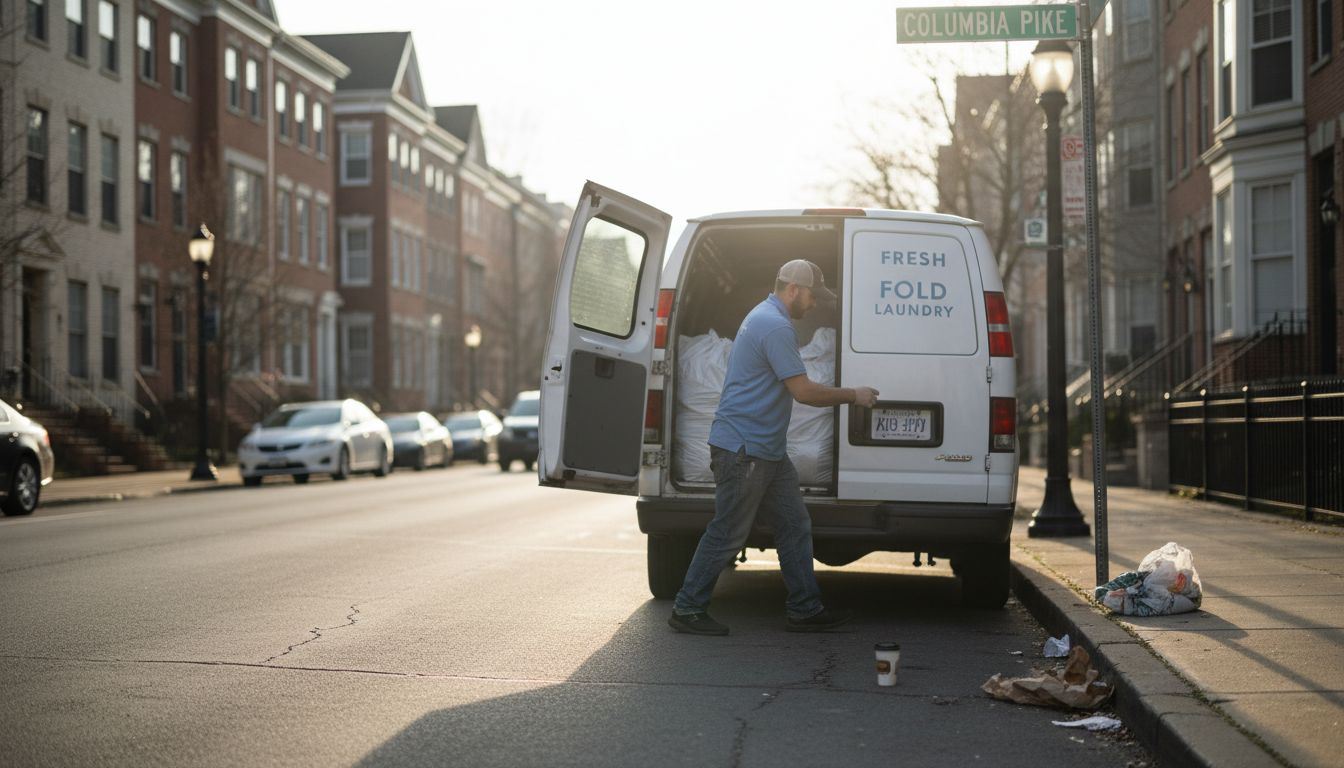
Local services like Columbia Pike Laundry offer convenient pickup and delivery that fit busy schedules. You don’t sacrifice garment quality for convenience. Schedule a pickup online, and your clothes return cleaned, pressed, and ready to wear without you spending hours on laundry.
Reducing shrinkage saves money by extending garment life significantly. A quality cotton shirt that costs $50 and lasts five years with proper care delivers better value than replacing a shrunk shirt every year. Professional care pays for itself through garment longevity.
This solution works perfectly for busy families and professionals who value garment quality with minimal time investment. Check out the detailed professional laundry care guide and explore options in the professional laundry service guide.
Practical Prevention and Care Tips for Busy Families and Professionals
You can prevent most shrinkage by following a systematic approach to garment care. These steps work whether you’re handling laundry at home or deciding what to send to professionals.
Start by identifying fabric type and checking care labels before washing anything. Labels provide manufacturer guidance based on fabric composition and construction. Ignoring these instructions invites problems. A “dry clean only” label exists for good reason, usually because the fabric or construction won’t survive home washing.
Six essential prevention steps:
- Read every care label and sort garments by fabric type and care requirements before starting any load.
- Use cold water for most loads and reserve warm water only for heavily soiled cotton items that can tolerate it.
- Select delicate or gentle cycle settings to minimize mechanical stress on fibers during washing.
- Avoid high-heat drying completely; air dry valuable items or use the lowest heat setting available.
- Remove items from the dryer promptly while slightly damp to prevent over-drying and heat damage.
- Consider professional laundry service for delicate, expensive, or frequently worn garments that matter most.
Sort clothes by fabric type to tailor wash and dry settings appropriately. Don’t throw cotton, wool, and synthetics together and hope for the best. Each fabric needs different care. Mixing them forces you to choose settings that might protect one type while damaging another.
Pro Tip: Keep a separate hamper for delicate or dry-clean-only items so they never accidentally end up in a regular wash load. This simple system prevents costly mistakes.
Air dry when possible to prevent further shrinkage beyond what might occur during washing. Hanging or laying flat eliminates dryer heat entirely. For items you must machine dry, pull them out at 80% dry and let them finish naturally. This compromise approach balances convenience with garment protection.
Consistency matters more than perfection. Follow these steps routinely and you’ll prevent most shrinkage issues. When you do encounter a valuable garment that shrinks despite your best efforts, professional restoration services might recover some of the size loss. Review the complete keep clothes from shrinking guide for additional techniques.
Discover Expert Laundry Services to Protect Your Clothes
Columbia Pike Laundry offers controlled temperature and gentle handling to reduce shrinkage risks substantially. Our in-house processing means we maintain quality standards from pickup to delivery. Every garment receives attention based on its specific fabric needs and your preferences.
Convenient pickup, drop-off, and customized options fit busy family and professional schedules perfectly. Schedule through our app or website, set your preferences once, and we handle the rest. Express options ensure you get items back quickly when needed.
Expert professionals help extend garment life and keep clothes looking great for years. We understand fabric behavior and adjust our processes accordingly. Whether you need wash and fold, dry cleaning, or delicate fabric care, we provide solutions that work.
Explore the range of types of laundry services for busy families to find what fits your needs. Learn how Columbia Pike Laundry works or visit Columbia Pike Laundry to get started today.
Frequently Asked Questions About Fabric Shrinkage
What fabrics shrink the most in laundry?
Wool shrinks the most, up to 20%, followed by cotton at 3%-5%. Synthetic fibers like polyester and nylon shrink less than 1%. Blended fabrics fall somewhere in between depending on fiber ratios.
Can I reverse fabric shrinkage after washing?
Yes, partially. You can reverse up to 30% of cotton shrinkage by steaming the garment and gently stretching it while warm and damp. Wool felting cannot be reversed once it occurs.
Does professional laundry service completely prevent shrinkage?
Professional services reduce shrinkage risk by 50%-70% through controlled conditions and expert handling. While they can’t guarantee zero shrinkage for all fabrics, the risk drops dramatically compared to home laundering.
Is drying method important to prevent shrinkage?
Absolutely. High-heat tumble drying can add 2%-3% additional shrinkage even after careful washing. Air drying or low-heat settings minimize this risk significantly.
Are detergents responsible for fabric shrinkage?
No. Heat, moisture, and mechanical agitation cause shrinkage, not detergent type or brand. Choose detergents based on cleaning needs and skin sensitivity, not shrinkage concerns.
Recommended
Free pickup, expert care, delivered back to your door.
Popular Blog Articles



Meet the Author
Daniel Logan didn’t start CPL because he loved laundry. He started it because his family was drowning in time debt, and laundry was one of the biggest weights.
Mornings were chaos with two kids under 5. Evenings felt like catch-up. And weekends? Gone to sorting socks and folding piles.
He knew his story wasn’t unique. So he built a business that gave families like his just a little bit of breathing room one load at a time.
With no laundry experience but deep tech skills, Daniel rolled up his sleeves, doing every job himself while building systems that turned it into a modern laundry service that saves customers time, simplifies their lives, and delivers reliability they can count on.
That’s where CPL began. Not from a playbook, but from pain. From one dad trying to buy back time: for himself, and for every household like his.
Free pickup, expert care, delivered back to your door.