
How to Wash a Weighted Blanket at Home the Right Way

Columbia Pike Laundry offers pickup & delivery across Northern Virginia.
Let's be honest, your weighted blanket is more than just a blanket—it's a sanctuary. But after countless nights of cozying up, it's going to need a good, deep clean. Before you even think about tossing it in the wash, there’s one step that trumps all others: check the care label.
That little tag is your golden ticket to a successful wash. It’s the official instruction manual from the people who made it, and ignoring it is the fastest way to ruin a blanket you love.
Your Quick Guide to Washing a Weighted Blanket

It’s no surprise so many of us are looking for this info. Weighted blankets have become incredibly popular, with the global market growing from USD 1,950 million in 2026 to a projected USD 3,450 million by 2030. You can see the full numbers for yourself in the full weighted blanket market analysis on GlobeNewswire.com.
The problem is, many people accidentally damage their blankets, especially the popular 15-25 lb models, by washing them incorrectly. This guide is here to give you the clear, straightforward advice you need to avoid those common disasters, like clumping beads or torn seams.
The Essential Washing Rules
Washing a weighted blanket isn't like washing a regular throw. The internal fillers—whether glass beads or plastic pellets—and the construction that keeps them evenly distributed are delicate. A wrong move can shift the filling, tear the stitching, or even damage your washing machine.
For a more in-depth look at every single step, from stain treatment to storage, we highly recommend checking out a complete guide on how to wash a weighted blanket for even more detail.
Quick Tip: If your blanket is over 20 pounds, your home washing machine is probably not the right tool for the job. Once it’s soaked with water, it can become incredibly heavy, potentially burning out your washer's motor. Your best bet is to use a large-capacity, commercial-grade machine at a laundromat.
Weighted Blanket Washing At-a-Glance
To make things simple, here’s a quick-reference chart breaking down the core rules. This table will help you make the right call based on your blanket’s specific needs.
This cheat sheet summarizes the most important dos and don'ts for keeping your weighted blanket in great shape, whether you choose to machine wash or hand wash.
| Care Step | Machine Washing Guide | Hand Washing Guide |
|---|---|---|
| Best For | Blankets under 15-20 lbs with a "machine washable" tag. Front-loading machines are ideal. | Blankets over 20 lbs, those with "hand wash only" tags, or blankets with delicate outer fabrics. |
| Water Temp | Always use cold or cool water. Hot water can shrink fabrics and damage fillers like plastic pellets. | Use cool or lukewarm water in a clean bathtub. Never use hot water. |
| Detergent | Use a small amount of mild, liquid detergent. Avoid powders, bleach, and fabric softeners completely. | Add a tablespoon of gentle, liquid detergent to the water before adding the blanket. |
| Drying Method | Tumble dry on the lowest heat setting or an air-fluff (no heat) cycle. Laying it flat to air dry is even safer. | Never wring or hang. Gently press out water and lay the blanket flat on towels or across several drying racks. |
Following these guidelines is the best way to protect your investment and ensure your blanket remains a source of comfort for years to come.
First Things First: Let's Decode Your Blanket's Care Label

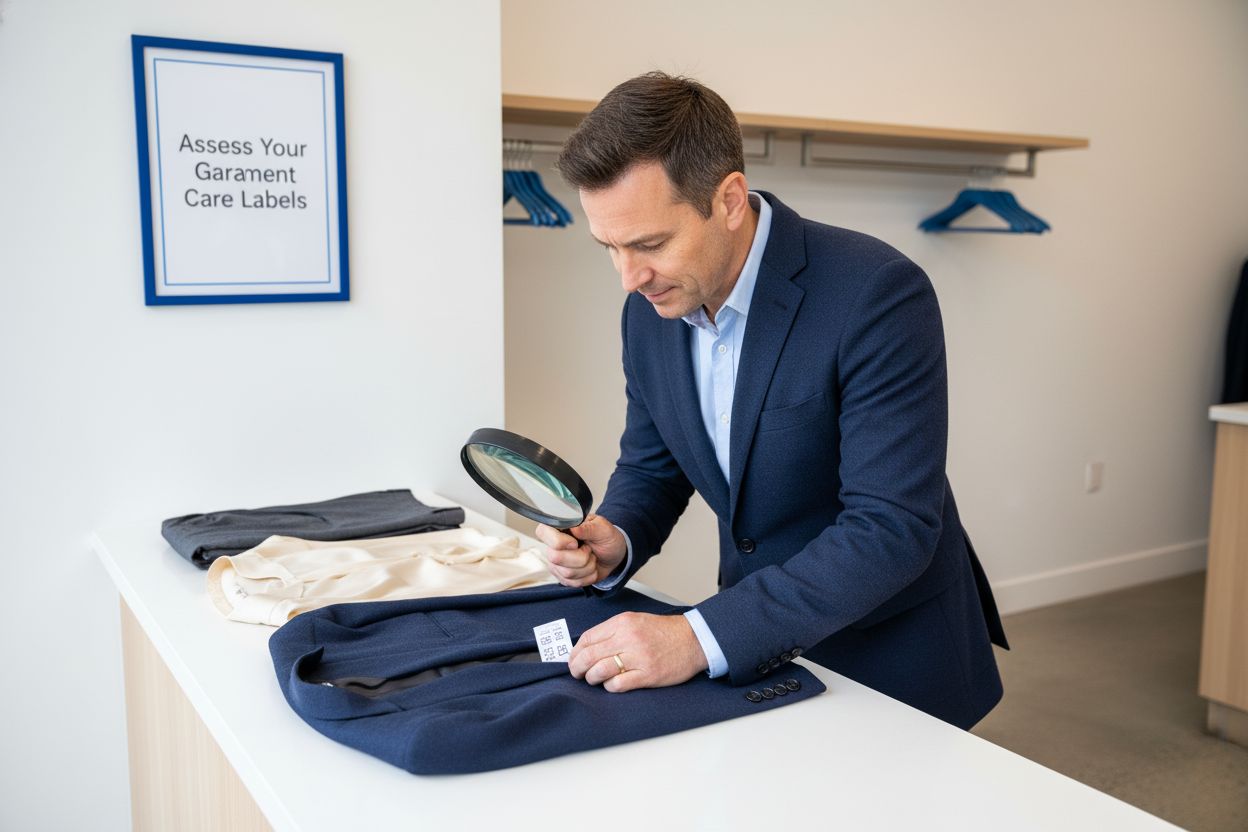
Before you even think about hauling your weighted blanket to the laundry room, stop and find that little tag sewn into the seam. It’s easy to ignore, but trust me, overlooking this label is the single fastest way to ruin a very expensive and beloved blanket.
Think of that tag as a direct message from the manufacturer. They know the fabric, the stitching, and most importantly, the fill material inside. Washing a weighted blanket without reading the care label is a gamble, and the odds aren't in your favor. A quick check now can save you a lot of heartache later.
It's All About What's Inside
The washing instructions are almost entirely dictated by what makes your blanket heavy. The two most common fillers have very different tolerances for water and heat, and knowing which one you have is crucial.
Glass Beads: These are the modern standard for a reason. They're tiny, smooth, and feel a bit like fine sand. Because they are so durable and don't absorb water, most blankets with glass beads are designed to be machine washable.
Plastic Poly Pellets: A more budget-friendly option, these plastic beads get the job done but come with a major caveat: they can't handle high heat. Tumble drying on the wrong setting can literally melt or warp them, turning your smooth blanket into a lumpy, unusable mess.
You might also encounter less common fillers. Sand, for example, becomes incredibly heavy when wet and is a nightmare to dry completely, making it a prime candidate for mold. And if your blanket is filled with organic material like rice or beans, it should never be submerged in water. Ever.
The bottom line is that the care label isn't just a suggestion; it's a rule based on the physical properties of what’s inside your blanket.
Speaking the Language of Laundry Symbols
Those little hieroglyphics on the tag can seem confusing, but they’re a universal language that provides clear, non-negotiable rules for cleaning. Getting this part right is the foundation for washing your blanket successfully.
Common Washing Symbols and What to Do:
| Symbol | What It Means | Your Action Plan |
|---|---|---|
| A tub with a water wave | The item is machine washable. | You’re good to go with the washing machine, but check for other symbols first. |
| A tub with a hand in it | Hand wash only. | Do not put this in a machine. The bathtub is about to become your best friend. |
| A tub with an 'X' over it | Do not wash. | This means spot-clean only or that it requires professional dry cleaning. |
| A circle | Dry clean only. | This is a strict command. Take it to a professional service. No exceptions. |
Temperature, Bleach, and Drying Matter, Too
Beyond the basic wash method, the label tells you exactly how to protect your blanket’s structure and longevity. Water temperature, in particular, is critical.
Hot water can shrink cotton and bamboo covers, which puts a ton of stress on the seams holding all that weight in place. For plastic pellets, it’s even worse. My advice? Always default to cold water unless the tag gives you explicit permission to use warm.
You’ll also see symbols for bleaching and drying:
- A triangle with an 'X': This means Do not bleach, and it's the most common directive you'll find on a weighted blanket. Chlorine bleach can weaken fabric fibers and cause discoloration.
- A triangle with diagonal lines: Use non-chlorine (oxygen) bleach only.
- An empty triangle: Any bleach is fine, but this is extremely rare for these items.
Finally, look for the drying symbol—a square. If it has a circle inside, it can be tumble-dried, but pay attention to the dots (one for low heat, two for medium). If the square has an 'X' through it, do not tumble dry. Ignoring a "do not tumble dry" instruction is the number one cause of lumpy fill and damaged blankets that I see.
Machine Washing Your Weighted Blanket Without Damage

So the care tag says your weighted blanket is machine washable. Fantastic! But don't just toss it in with your next load of jeans. Washing one of these at home requires a little know-how to protect both your blanket and your washing machine.
Before you do anything else, give the blanket a quick once-over. Run your hands over the entire surface, paying close attention to the seams and quilting. You're looking for any loose threads or small tears. Trust me, catching a tiny hole now can save you from a washing machine full of escaped glass beads or poly pellets later.
Getting Your Blanket Ready for the Wash
Found a stain from a late-night snack or a spilled morning coffee? It happens. The key is to pre-treat those spots before they have a chance to set in permanently.
Gently work a small amount of a mild, enzyme-based stain remover into the affected area. Let it sit for about 10 to 15 minutes—this gives the enzymes time to work their magic and break down the stain, making it much easier to wash out.
Next, consider your machine. The type you have makes a big difference.
- Front-Loading Machines: These are your best bet. The tumbling action is far gentler and cleans the blanket more evenly without putting stress on the seams.
- Top-Loading Machines: If your top-loader has a tall, central agitator, you need to be careful. That spindle can grab, twist, and pull the blanket, potentially causing the fill to shift and even damaging the stitching.
If a top-loader is your only option, arrange the blanket as evenly as possible around the agitator to help the machine stay balanced during the spin cycle.
Choosing the Right Settings and Detergent
This is where things can go wrong if you're not careful. The goal is a gentle but effective clean, and your machine's settings are critical.
Always, and I mean always, choose the delicate or gentle cycle. These settings use slower spin speeds and less aggressive agitation, which is exactly what your heavy blanket needs. A "Normal" or "Heavy Duty" cycle is simply too rough.
When it comes to water temperature, cold is the only way to go. Hot water is a triple threat: it can cause fabrics like cotton to shrink, damage the delicate fibers, and even melt or warp the plastic pellets used for weight in some blankets. To be safe, stick with cold water, every single time. If you want to dive deeper, you can read our guide on washing machine cycles to see why these settings are so important for specialty items.
Now for the soap.
Pick a mild liquid detergent and use about half of what you'd pour for a regular load of clothes. Powdered detergents often struggle to dissolve completely in cold water, leaving behind a chalky residue. And skip the fabric softener—it can create a film on the fabric, reducing its breathability.
Is Your Machine Big Enough for the Job?
Here’s the most important question you need to ask: can your machine handle the weight? Most home washing machines can manage a blanket up to 15 pounds, while some heavy-duty residential models might handle up to 20 pounds. Anything heavier than that, and you're venturing into risky territory.
A soaking wet weighted blanket is incredibly heavy, and that extra strain can easily overwhelm your washer's motor. If your blanket tips the scales at over 20 pounds, your safest move is to take it to a laundromat and use one of their large, commercial-grade machines.
Washing a weighted blanket incorrectly is a surprisingly common mistake. A 2026 Procter & Gamble survey found that 61% of owners accidentally void their warranties through simple mishandling, like using hot water. One study showed top-loading agitators tangled blanket chains in 52% of washes. For blankets under 20 lbs, a bathtub wash is a great alternative: use 10 gallons of cold water and 1/4 cup of gentle soap, swish for 5 minutes, then drain and rinse. This simple method helps retain 95% of the blanket's shape when followed by air drying.
The Best Way to Hand Wash Your Weighted Blanket
So, you’ve checked the tag on your beloved weighted blanket and it says “Hand Wash Only.” Or, maybe it’s just too heavy for your washing machine to handle without sounding like it’s about to give up. Don’t sweat it. Your bathtub is about to become your best friend for this task.
Hand washing might seem like a major chore, but it's actually the safest way to clean your blanket, especially if it's over 20 pounds. It gives you total control, ensuring the delicate stitching that holds all those little beads in place stays perfectly intact. This is the go-to method for blankets with soft-to-the-touch fabrics like minky or fleece, which don’t always love the rough and tumble of a machine.
Getting the Tub Ready for a Gentle Soak
First things first: nobody wants to wash their blanket in a grimy tub. Give yours a quick scrub down before you start.
Once it's sparkling clean, fill the tub with just enough cool or lukewarm water to cover the blanket. Hot water is a definite no-go here. It can cause fabrics to shrink, colors to bleed, and can even damage the fill materials like plastic pellets.
Now, add a small amount of a mild liquid detergent—about a tablespoon or two should do the trick. Swish the water around with your hand to get it nice and sudsy before you put the blanket in. This ensures the soap is evenly distributed and won't just sit on one spot.
The Gentle Art of Soaking and Swishing
Ready? Carefully lower your weighted blanket into the water. It’s going to get heavy fast, so be prepared. Gently press it down until it’s completely submerged and saturated.
Your goal here is gentle agitation, not a full-on scrub-down. Think more like kneading dough than scrubbing a floor. Here are a couple of ways to do it:
- Press and release: Use your hands to gently push down on different sections of the blanket. This simple motion works the soapy water through the fabric and fill without stressing the seams.
- Slowly swish: Gently guide the blanket back and forth through the water. This helps lift away dirt and body oils without any harsh friction.
Let the blanket soak for about 20-30 minutes. This is where the real magic happens. The soak does most of the cleaning for you, allowing the detergent to break down grime so you don’t have to.
A Quick Word of Warning: Whatever you do, don't twist, wring, or aggressively scrub the blanket. The internal pockets holding the weighted fill are tough, but they aren't invincible. Rough handling can easily tear the stitching, leading to shifted beads and a lumpy, useless blanket.
Rinsing and Draining (The Workout Part)
Alright, this next part is the most physical, but it’s absolutely crucial. Start by draining all the soapy water from the tub. The blanket will feel impossibly heavy, so don’t even think about lifting it yet.
With the tub empty, start pressing down on the blanket section by section to squeeze out as much soapy water as possible. I find it helps to fold one part over on itself and push down with both hands.
Now for the rinse cycle. Refill the tub with clean, cool water and repeat the gentle swishing and pressing to work out all the soap. You’ll probably need to drain and refill the tub two or three times. You'll know you're done when the rinse water is clear and free of suds.
After the final rinse, drain the tub one last time. Before you even try to lift it, roll the blanket up as tightly as you can, like you’re rolling up a giant sleeping bag. Press down firmly as you go to force out every last drop of water. Unroll it and do it again. You'll be amazed at how much water comes out, making the blanket much, much lighter and easier to move for drying.
Alright, you’ve navigated the wash cycle—now for the part that can make or break your blanket. Don’t rush this. Getting the drying process right is just as crucial as washing it correctly, and I’ve seen too many people ruin a perfectly good blanket by taking a shortcut here. The wrong move can leave you with a lumpy, uneven mess, musty smells, or even melted pellets.
Your blanket's care tag is your bible, but most of the time you’ll be deciding between machine drying and air drying. Let's walk through how to do each one the right way.
Machine Drying Without the Mishaps
If your tag says machine drying is okay, you can save some time. But there's one non-negotiable rule: use the lowest heat setting possible. Seriously. High heat will destroy a weighted blanket. It can melt plastic pellets, warp fibers, and shrink the fabric, putting incredible stress on the seams that hold everything together.
To get it right, here’s my tried-and-true method:
- Go Low and Slow: Always choose the "Low Heat," "Tumble Dry Low," or "Air Fluff" setting on your dryer. A no-heat cycle is the absolute safest option, even if it takes a bit longer.
- Bring in Backup: Toss in a few wool dryer balls or even some clean tennis balls. They'll tumble around, breaking up any potential clumps and improving airflow, which actually helps speed things up.
- Check on It: This isn't a "set it and forget it" task. Run the dryer in 20 to 30-minute intervals. After each cycle, pull the blanket out, give it a good shake to redistribute the filling, and feel for any remaining damp spots. Then, toss it back in.
Yes, this can take a few rounds, especially for a heavier blanket. But that hands-on approach is what prevents hot spots and ensures the entire blanket dries evenly.
A recent test of 50 blanket models showed 37% had their fill shift around when dried improperly. What's more, high heat can warp as many as 25% of synthetic fills, so sticking to low or no heat is the only way to go.
The Safest Bet: Air Drying Your Blanket
If you have the time and space, air drying is the gold standard. It’s the most gentle method and completely removes any risk of heat damage. While it demands a bit more patience, this is how you make your blanket last for years.
The biggest mistake I see people make is hanging a wet weighted blanket. Don't do it. A water-logged blanket is incredibly heavy, and hanging it from a clothesline concentrates all that weight on one small area. This will stretch the fabric and can easily tear the seams.
Here’s the correct way to air dry:
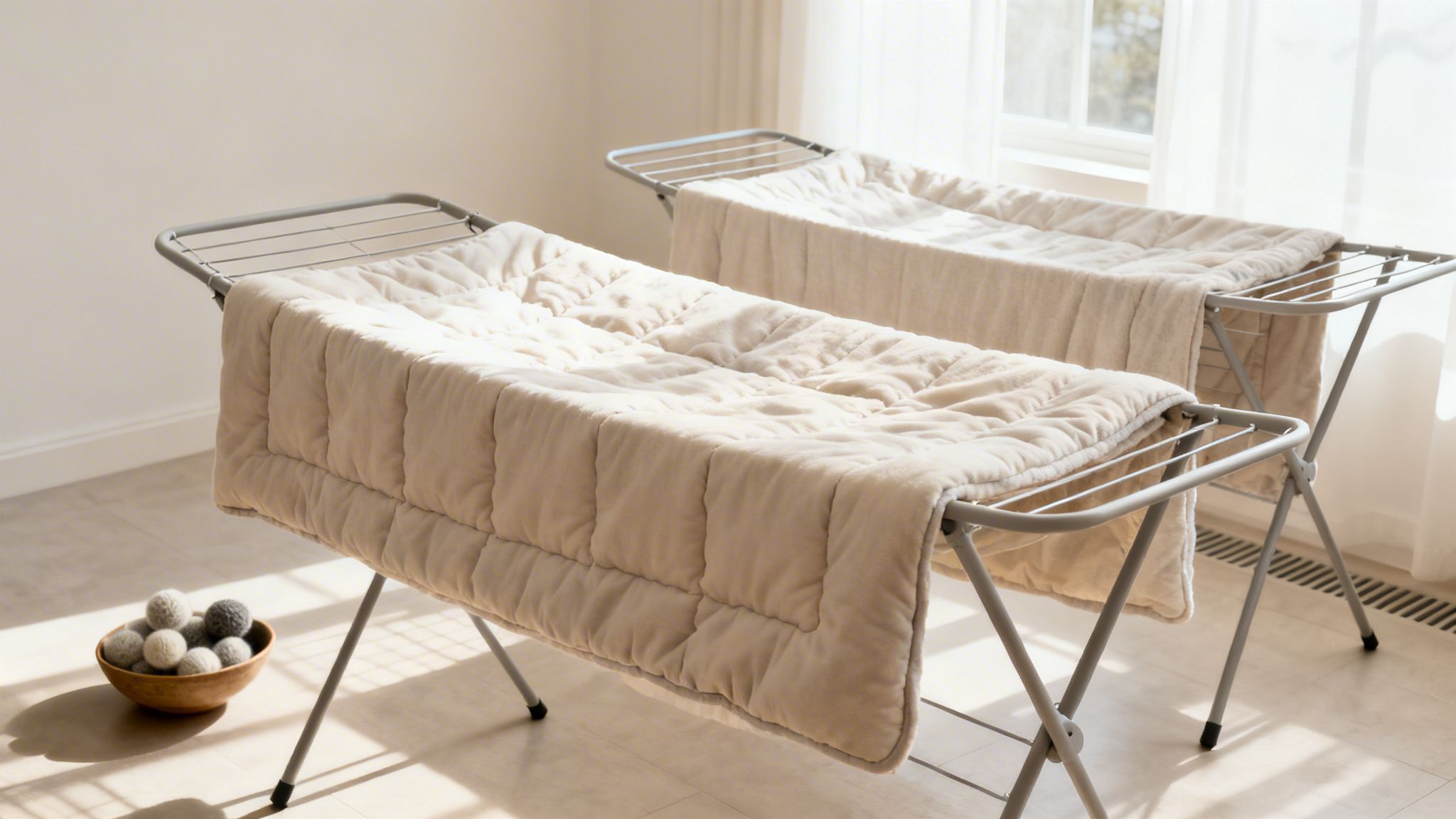
- Lay it completely flat. The best setup is to spread the blanket across a few sturdy, side-by-side drying racks. This supports the full weight and lets air circulate underneath.
- If you don't have racks, a clean, dry floor with a layer of fresh towels or an unused guest bed will also work.
- Flip it regularly. Every few hours, flip the blanket over. This is key to preventing moisture from getting trapped on the bottom side and ensuring it dries all the way through.
If you get a sunny, breezy day, take it outside! A 2024 dermatology study noted that sunlight’s UV rays can kill 99% of bacteria in just six hours, which is a fantastic way to get it extra fresh. The same careful drying principles apply to other bulky items, and you can see similar tips in our guide on how to clean a down comforter.
Know When to Call a Professional Laundry Service
You now have the know-how to tackle washing your weighted blanket yourself. That's half the battle. The other half is being honest about whether you have the right setup—and the time—to do it properly.
Sometimes, calling in a professional isn't a luxury; it's the smartest move you can make. This isn't about admitting defeat. It's about protecting your investment in a good night's sleep and, just as importantly, reclaiming your valuable time.
The Telltale Signs You Need Professional Help
Let's be realistic. Forcing a bulky, heavy blanket into a machine that can't handle it is a recipe for disaster. You could end up with a torn blanket, a lumpy mess of filler, or even a broken washing machine. Knowing how to wash your blanket also means knowing when to step back and let someone else take over.
Here are the clear signs it's time to call in the pros:
- Your blanket is over 20 pounds. Most home washing machines just aren't built for that kind of load, especially when it’s waterlogged. The strain can easily burn out the motor or wreck the drum bearings.
- The care tag says "Dry Clean Only." This one is non-negotiable. Attempting to wash it at home will almost certainly ruin the fabric or the filling. Trust the label.
- You have a small washer or a top-loader with an agitator. A small drum won't let the blanket move enough to get clean, and a central agitator is notorious for snagging, twisting, and tearing the delicate stitching that keeps the weighted fill evenly distributed.
- You just don't have the time. Let's face it, this is an all-day project. If your schedule is already packed, wrestling a wet, heavy blanket is probably the last thing you want to do.
Why a Professional Service is a Game-Changer
This is exactly where a service like Columbia Pike Laundry can be a lifesaver. We have commercial-grade, front-loading machines designed to handle heavy, bulky items with the gentle touch they need.
You didn’t just outsource your laundry. You bought back your weekend. We handle the heavy lifting so you can focus on what really matters.
With our pickup and delivery service, you don't even have to leave the house. We’ll grab your blanket and return it professionally cleaned, fresh, and ready for more cozy nights. We follow every care label to the letter, using specialized detergents that are both effective and gentle on the fabric and fill. It's complete peace of mind in a perfectly clean blanket.
To see how we care for all kinds of bedding, take a look at our bedding cleaning service guide.
Your Weighted Blanket Questions, Answered
Even after you've got the basics down, a few questions always seem to surface when it's time to wash that heavy, comforting blanket. I get it—it's a bit of an investment, and you want to make sure you're caring for it properly. Let's tackle some of the most common things people ask.
How Often Should I Actually Wash It?
Honestly, this all comes down to one thing: whether or not you use a duvet cover.
If you have a removable cover on your blanket, your life is going to be much, much easier. Just zip it off and toss it in with your regular laundry every 1-2 weeks. The inner blanket itself? You’ll probably only need to give it a deep clean 2-4 times a year, just to freshen it up.
No cover? Then you'll need to wash the entire blanket more often to deal with the natural buildup of body oils, sweat, and dust. I’d recommend washing it about once a month, though you might adjust that based on how frequently it’s being used.
A removable cover is your best friend here. Think of it as a shield for your weighted blanket. It catches all the daily grime and makes cleanup as simple as washing a pillowcase.
Is Fabric Softener Okay to Use?
Please don't. I strongly advise against using any kind of fabric softener or dryer sheets on your weighted blanket.
These products work by leaving a waxy coating on fabrics, which can clog up the fibers and the tiny beads inside. This residue not only makes the blanket less breathable but can also trap odors over time. Even worse, the chemicals can be a source of skin irritation for some people. For the best results, just stick with a small amount of a gentle, liquid detergent.
Speaking of protection, just as a duvet cover simplifies cleaning your blanket, a good mattress protector does the same for your bed. It's a simple step that safeguards your entire sleep setup from spills and wear.
Free pickup, expert care, delivered back to your door.
Popular Blog Articles




Meet the Author
Daniel Logan didn’t start CPL because he loved laundry. He started it because his family was drowning in time debt, and laundry was one of the biggest weights.
Mornings were chaos with two kids under 5. Evenings felt like catch-up. And weekends? Gone to sorting socks and folding piles.
He knew his story wasn’t unique. So he built a business that gave families like his just a little bit of breathing room one load at a time.
With no laundry experience but deep tech skills, Daniel rolled up his sleeves, doing every job himself while building systems that turned it into a modern laundry service that saves customers time, simplifies their lives, and delivers reliability they can count on.
That’s where CPL began. Not from a playbook, but from pain. From one dad trying to buy back time: for himself, and for every household like his.
Free pickup, expert care, delivered back to your door.