
Laundry hygiene checklist for healthier Arlington homes

Columbia Pike Laundry offers pickup & delivery across Northern Virginia.
TL;DR:
- Proper laundry hygiene requires sorting by soil level and contamination risk, not just color.
- Washing items at high temperatures and using extra rinse cycles effectively eliminate allergens and bacteria.
- Regular machine maintenance and choosing hypoallergenic detergents improve overall household hygiene.
Most laundry guides stop at “sort by color and use cold water.” That’s not hygiene. That’s tidying. Real laundry hygiene means eliminating the dust mites, mold spores, bacteria, and chemical residues that quietly trigger allergies, irritate skin, and make your family feel run-down even in a clean-looking home. Arlington families deal with humid summers, heavy pollen seasons, and packed schedules, so a halfway routine isn’t good enough. This checklist gives you the research-backed steps, in the right order, to get laundry that’s actually clean, not just sorted and spun.
Key Takeaways
| Point | Details |
|---|---|
| Sort for hygiene wins | Sorting by fabric, color, and soil level boosts cleaning and cuts down allergen spread. |
| Hot water and right detergent | Use hot water and hypoallergenic detergents to kill germs and protect sensitive skin. |
| Dry completely, rinse extra | Complete drying and extra rinses prevent mold and residue, making laundry safer for everyone. |
| Weekly bedding ritual | Weekly hot washes for bedding are crucial for allergy control and dust mite removal. |
| Simple service solutions | A professional laundry service can ensure hygienic results with less hassle for busy households. |
Sort laundry smartly for maximum hygiene
With your laundry gathered, knowing how to sort is the first hygiene critical step. Most people sort by color because they’re worried about ruined whites. Fair enough. But sorting for hygiene goes further than that, and it’s worth building the habit correctly from the start.
Why sorting matters beyond color
When you toss workout clothes, kitchen towels, toddler bibs, and bedsheets into one load, you’re mixing items with wildly different contamination levels. Bacteria and allergens from heavily soiled items can transfer to lightly soiled ones during the wash cycle, particularly in lower water temperatures. Kitchen towels, for example, carry food bacteria. Gym clothes carry sweat residue and sometimes fungal spores. Keeping those separate from a child’s pajamas is a simple step that makes a measurable difference.
Sorting laundry by color, fabric type, and soil level and avoiding overloading for proper cleaning and rinsing is the foundation recommended by Consumer Reports. That last point about overloading matters more than most people realize. An overloaded drum means clothes don’t tumble freely, water and detergent can’t reach all surfaces evenly, and residue gets trapped in folds. You end up with clothes that smell fine from the detergent but aren’t actually clean underneath.
A practical three-way sorting system
Here’s a quick sorting routine that works for busy schedules:
- Light colors and whites (dress shirts, underwear, light-colored linens)
- Dark and bright colors (jeans, dark towels, colored activewear)
- Heavy soil and high-risk items (kitchen towels, workout clothes, pet bedding, sick-person items)
If you want to go further, add a fourth pile for delicates and a fifth for items that need cold water only. But even three piles will dramatically improve hygiene outcomes compared to one big mixed load.
Mistakes that undo good intentions
The most common error is cramming too much into one load to “save time.” It actually costs time because you end up rewashing items that still carry odor or residue. The second mistake is tossing used towels in with heavily soiled gym clothes. Towels already carry some skin cells and moisture. Mixing them with high-bacteria gym wear creates a warm, wet environment where bacteria multiply during the wash cycle itself.
Families who want to streamline laundry sorting without adding mental load can set up a simple three-bin hamper system in the laundry room or bedroom. Each family member tosses items into the right bin, and laundry day sorting is basically done before it starts.
Pro Tip: Teach kids to turn clothes right-side out and check pockets before dropping them in the hamper. This one habit prevents ruined loads and shaves five minutes off every laundry session.
To understand how to sort laundry well, start with soil level as your first filter, then subdivide by color and fabric. That order saves more rewashing than any other adjustment.
Choose the right wash temperature and detergent
Once laundry is sorted, picking the right wash settings is the next foundation for real hygiene. Temperature and detergent work together. Get them wrong and you’re just moving bacteria around in soapy water.
Temperature: when hot really matters
Not everything needs hot water. Hot water does use more energy, and it can shrink or fade fabrics. But for bedding, towels, and anything worn next to the skin by someone with allergies or compromised immunity, hot water at 130°F or higher is what kills dust mites and pathogens effectively. Cold water suspends and rinses away some contaminants, but it doesn’t kill them the way heat does.

| Item type | Recommended temperature | Reason |
|---|---|---|
| Bedding and pillowcases | 130°F (54°C) or higher | Kills dust mites and bacteria |
| Towels | 130°F (54°C) | Removes bacteria and body oils |
| Activewear and gym clothes | Cold to warm (60-90°F) | Preserves elastics, reduces bacteria with enzyme detergent |
| Delicates and wool | Cold (below 60°F) | Prevents shrinkage and damage |
| Baby clothes | Warm to hot (90-120°F) | Removes allergens, gentler than full hot |
| Kitchen towels and rags | 130°F or higher | Heavy food contamination requires heat |
Picking detergent for sensitive skin and allergy reduction
The detergent aisle is overwhelming. There are dozens of options, and the marketing words like “clean,” “fresh,” and “gentle” mean almost nothing without reading the label. For families dealing with skin sensitivity or airborne allergies, fragrance-free and dye-free hypoallergenic detergents are the proven safer option. Fragrances, dyes, and preservatives are the most common laundry-related skin irritants in children and adults alike.
Here’s what to look for on the label:
- Free of fragrance (not “unscented,” which may still contain masking chemicals)
- No optical brighteners (these are fluorescent chemicals that stay in fabric fibers)
- No dyes or colorants
- Enzyme-based formula (better at breaking down protein soils like sweat and food)
For best laundry detergents for sensitive skin, check the label for those four criteria before anything else. Marketing language on the front of the bottle tells you very little about what’s actually in it.
How much detergent is too much?
Most people use two to three times more detergent than necessary. The measuring lines on caps are often designed to encourage overuse. Too much detergent means residue builds up in fabric fibers, and that residue attracts and traps allergens like dust and pet dander. It also leaves a film inside your washing machine drum that becomes a breeding ground for mold and mildew.
For high-efficiency (HE) machines, which most modern washers are, use HE-labeled detergents only. They’re low-sudsing by design. Pouring in regular detergent creates excessive foam that your HE machine can’t rinse out fully. For best detergent for allergies, less is genuinely more.
Pro Tip: Fill the cap to the lowest recommended line, not the highest. If your clothes come out stiff or you notice a faint chemical smell after drying, you’re using too much detergent.
Master crucial machine settings: cycles, rinsing, and drying
After tackling detergent and temperature, correct use of machine settings locks in true laundry cleanliness. You can sort perfectly and pick an excellent detergent, but poor machine settings will still leave allergens behind.
The extra rinse: non-negotiable for allergy households
An extra rinse cycle is one of the most impactful changes you can make, especially if someone in your home has eczema, asthma, or seasonal allergies. Adding an extra rinse cycle removes detergent residue that causes skin irritation and traps allergens in fabric fibers. Most modern washers have this as a one-button option. Use it on every load of bedding, towels, and children’s clothes.
Drying: the step most people rush
Clothes left damp for more than two hours start to develop mold and mildew, even if you can’t see or smell it yet. Dry clothes completely and immediately to prevent mold and clean the lint trap after every load. Those two rules alone prevent a significant share of laundry-related hygiene failures.
Here’s a step-by-step drying routine:
- Transfer clothes to the dryer within 30 minutes of the wash cycle ending
- Set heat level appropriate to fabric (high for towels and bedding, medium for everyday clothes, low for activewear)
- Run until completely dry, not just warm
- Clean the lint trap before starting, not after (a clogged trap reduces airflow and extends drying time)
- Leave the dryer door open for 10 minutes after the cycle finishes to let residual moisture escape
Lint trap cleaning is also a fire safety issue. Clogged lint traps are one of the leading causes of residential dryer fires in the US. Beyond safety, a clean trap means your dryer runs efficiently and clothes dry faster.
Humidity and mold in Arlington summers
Arlington’s summer humidity creates a specific challenge. Clothes dried on an indoor rack or left in a dryer too long absorb ambient moisture and can start to smell musty within hours. During July and August especially, consider running a dehumidifier in your laundry space or checking resources on eliminating humidity at home to keep mold from becoming a recurring problem.
Note: A washing machine drum that smells musty is a sign of mold inside. Run an empty hot water cycle with white vinegar or a commercial washing machine cleaner monthly to prevent this.
Weekly and situational hygiene: bedding, sick laundry, high-risk loads
Hygiene is a habit. Discover how often each item really needs washing, and the special rules for illness or allergy outbreaks.
Bedding: the most overlooked allergen source
Most Arlington families wash bedding every two to three weeks. Allergy specialists recommend weekly, and the research backs this up. Launder bedding weekly in hot water at least 130°F and dry on high heat for the best dust mite reduction. Dust mites thrive in bedding because humans shed skin cells there every night. A single unwashed pillowcase can harbor millions of mites after just a week of use.
During pollen season, which runs hard in Northern Virginia from late February through June, shower before bed and change pillowcases twice a week. Pollen collects on hair and skin and transfers directly to pillowcases, making them a major allergy trigger even in homes with HEPA air filters.
How to handle sick laundry safely
This is one of the most common questions we hear. The short answer is straightforward: wash hands after handling dirty laundry and it’s safe to wash a sick person’s items with the rest of the family’s. You don’t need a separate load.
“The key protective step is handwashing after sorting or handling contaminated laundry, not separating it into its own wash.”
What does matter for sick loads is temperature. Temperatures above 104 to 140°F or EPA-registered sanitizing additives are needed to neutralize pathogens. Cold water alone doesn’t cut it for vomit, blood, or heavily contaminated items.
Practical hygiene schedule for busy families:
- Daily: Kitchen towels and washcloths (these have the highest bacteria load in any home)
- Every 2 to 3 days: Workout and gym clothes
- Weekly: Bedding, pillowcases, bath towels, and school clothes
- Every 2 weeks: Jeans, outer layers, and items worn briefly
- Monthly: Comforters, duvet covers, and throw blankets
What not to stress over
Not every item needs hot water or aggressive treatment. Lightly worn office clothes, casual tops, and outer jackets don’t need to be laundered after every use. Over-washing degrades fabric faster, wastes energy, and doesn’t add meaningful hygiene value for items that aren’t in direct skin contact with sweat or contamination.
The hidden steps Arlington families miss in laundry hygiene
Most laundry guides focus on the basics and stop there. After years of handling laundry for Arlington families, we’ve noticed the same gaps showing up again and again, and they’re the ones that create the most problems.
The single most skipped step is the extra rinse. Families using a liquid detergent in an HE machine, even a high-quality one, consistently see residue buildup in fabric over time. That residue is not just a skin irritant. It acts like a sponge for allergens, trapping pollen, pet dander, and dust mite particles between washes.
Another commonly missed issue is the washing machine itself. A drum that smells fine to you may carry mold spores at levels that affect sensitive family members. Run a maintenance wash monthly, use the right amount of detergent, and leave the door ajar between loads to let the drum dry out.
Arlington’s spring pollen season and humid summers make natural fabric softener options worth considering instead of commercial dryer sheets. Standard dryer sheets and liquid softeners coat fibers with residue that reduces absorbency in towels and traps allergens in bedding. White vinegar in the rinse cycle or wool dryer balls are effective, residue-free alternatives that won’t aggravate allergies.
What experienced laundry professionals actually do at home: they use half the recommended detergent, always run an extra rinse for bedding, and clean their machines monthly without exception. The machine is doing the cleaning. If the machine isn’t clean, neither are your clothes.
Simplify laundry hygiene with expert local help
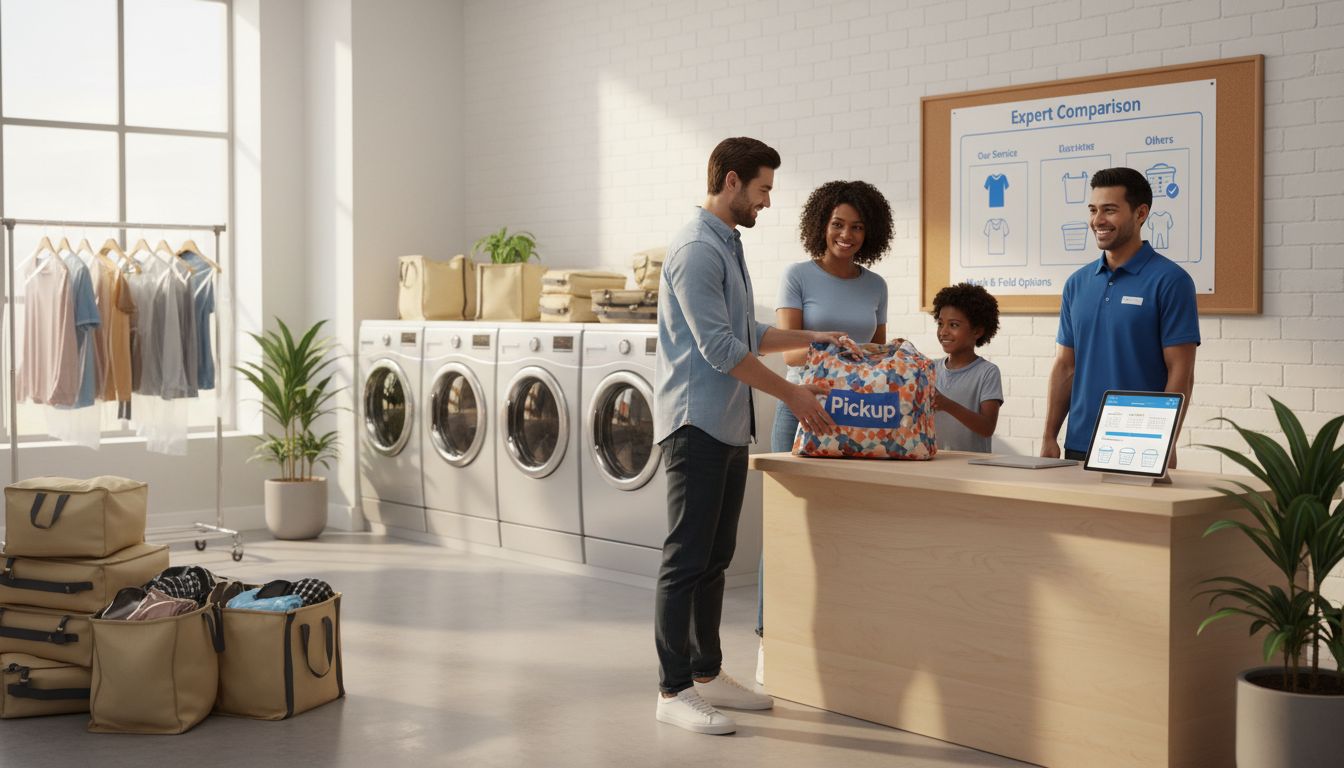
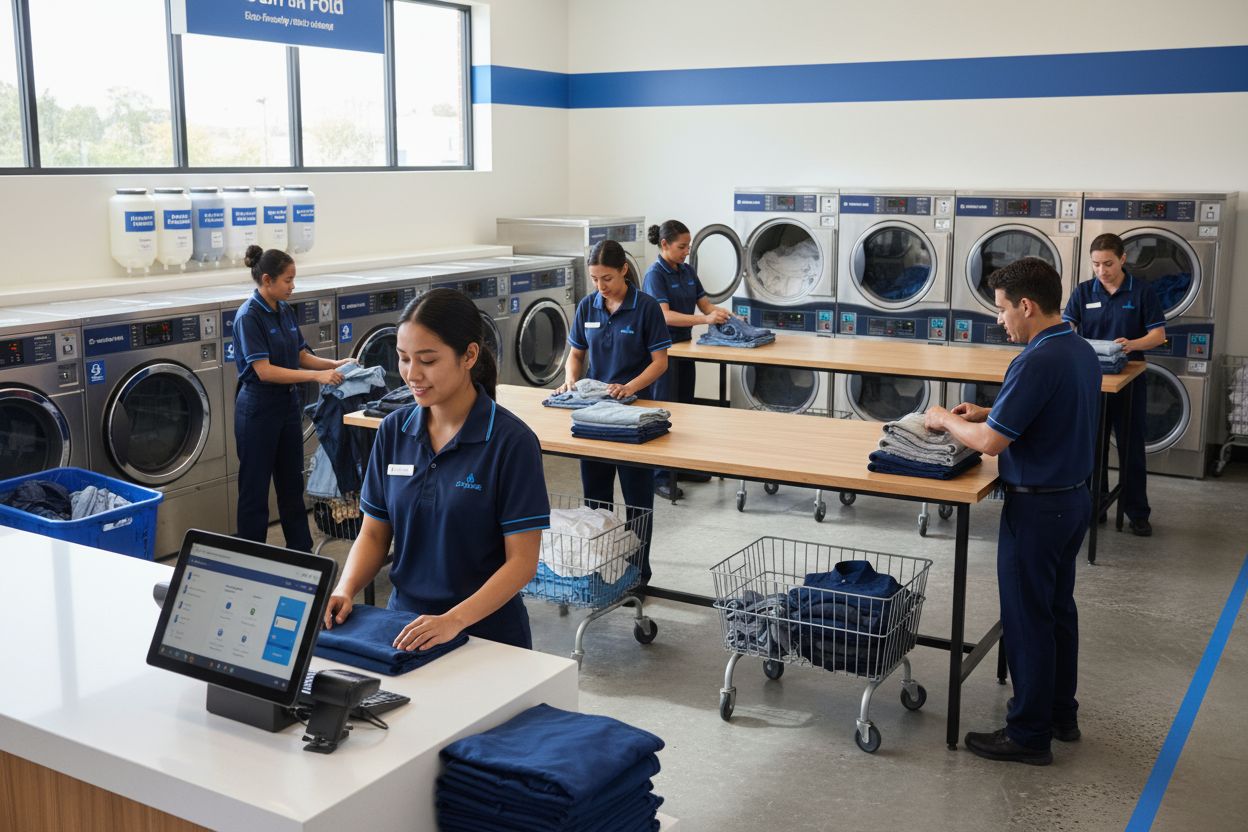
If your schedule’s too full or you want seamless hygiene, here’s how to upgrade your results with local support. For Arlington families managing pollen allergies, sensitive skin, or simply a laundry pile that never gets smaller, Columbia Pike Laundry offers professional-grade results without the effort. Our in-house process includes fragrance-free and hypoallergenic detergent options, proper temperature controls, and extra rinse cycles by request. You can learn exactly how our laundry service works online, schedule a pickup from your home or office, and have your items back within 48 hours, folded and ready. We also serve nearby communities including our McLean laundry service and Reston laundry service areas, so your whole household is covered.
Frequently asked questions
How hot should water be to kill laundry germs?
Hot water at 130°F or above effectively kills most dust mites, bacteria, and common allergens. Use this temperature for bedding, towels, and high-risk items.
Which detergent is safest for allergy-prone skin?
Fragrance-free, dye-free detergents with a hypoallergenic formula are the recommended choice, as they eliminate the most common chemical triggers for skin rashes and respiratory irritation.
Should I use fabric softener or dryer sheets for hygiene?
It’s best to skip them entirely, as fabric softeners and dryer sheets leave a chemical coating on fibers that reduces absorbency and can worsen skin irritation or allergy symptoms over time.
How often should I clean bedding for allergies?
Wash bedding weekly in hot water at 130°F or higher and dry on high heat to eliminate dust mites and reduce allergen buildup effectively.
Is it safe to wash sick laundry with the rest of the household?
Yes, it’s safe to combine loads as long as you wash your hands after handling dirty laundry and use the warmest water temperature appropriate for the fabrics involved.
Free pickup, expert care, delivered back to your door.
Popular Blog Articles



Meet the Author
Daniel Logan didn’t start CPL because he loved laundry. He started it because his family was drowning in time debt, and laundry was one of the biggest weights.
Mornings were chaos with two kids under 5. Evenings felt like catch-up. And weekends? Gone to sorting socks and folding piles.
He knew his story wasn’t unique. So he built a business that gave families like his just a little bit of breathing room one load at a time.
With no laundry experience but deep tech skills, Daniel rolled up his sleeves, doing every job himself while building systems that turned it into a modern laundry service that saves customers time, simplifies their lives, and delivers reliability they can count on.
That’s where CPL began. Not from a playbook, but from pain. From one dad trying to buy back time: for himself, and for every household like his.
Free pickup, expert care, delivered back to your door.