
Laundry stain removal guide for busy Arlington families 2026

Columbia Pike Laundry offers pickup & delivery across Northern Virginia.
You’ve just picked up your child from school, and their favorite shirt is covered in grass stains, tomato sauce, and something unidentifiable. Sound familiar? Many Arlington parents face this daily battle, spending hours scrubbing and re-washing only to see stains remain. The confusion around which products work, when to act, and how to protect delicate fabrics leaves families frustrated. This guide cuts through the noise with evidence-backed stain removal techniques using natural solutions, proper timing, and smart detergent choices that actually work for busy households managing children’s clothing and linens.
Key takeaways
| Point | Details |
|---|---|
| Act immediately on stains | Blotting fresh stains prevents deep penetration and makes removal significantly easier than waiting. |
| Natural solutions work effectively | Vinegar, lemon juice, baking soda, and hydrogen peroxide safely tackle most common kids’ stains without harsh chemicals. |
| Choose enzyme detergents wisely | Products like Tide Ultra Oxi remove protein-based stains more effectively while protecting fabric integrity. |
| Master the four pillars | Mechanical action, time, temperature, and pH control together determine stain removal success. |
Understanding stains and why acting fast matters
Stains aren’t all created equal. Different stain types require specific treatments based on their chemical composition and how they bond with fabric fibers. Tomato sauce contains oils and pigments that set quickly. Grass stains are protein-based with chlorophyll dyes. Berry juices create tannin stains that oxidize over time. Understanding what you’re dealing with dramatically improves your removal success rate.
Speed matters more than most parents realize. The sooner you address a stain, the easier removal becomes because stains haven’t bonded deeply with fibers yet. Fresh spills sit on fabric surfaces where simple blotting lifts most of the substance away. Wait a few hours, and those same stains chemically bond with fiber molecules, requiring aggressive treatments that risk fabric damage.
The technique you use in those first moments determines everything. Blotting with a clean, absorbent cloth pulls liquid and particles up and out of fabric. Rubbing, which feels instinctive, does the opposite by forcing stain molecules deeper between fibers and spreading the affected area wider. Think of it like pushing dirt into carpet versus vacuuming it up. The motion matters as much as the timing.
Common kids’ stains fall into predictable categories that help you prepare. Tomato-based sauces from pasta and pizza. Grass from outdoor play. Berry stains from snacks. Sweat and body oils from active days. Washable markers from art projects. Mud from puddle jumping. Keeping a mental catalog of these usual suspects lets you stock the right removers and act confidently when spills happen. Check out our detailed stain removal guide for moms for more specific techniques.
Pro Tip: Keep a small spray bottle of plain water in your laundry area. Misting fresh stains before blotting helps dilute and lift substances before they set, buying you extra time if you can’t treat the stain immediately.
Identification skills save time and prevent mistakes. Color tells you a lot: yellows suggest mustard or curry, reds point to tomato or fruit, greens indicate grass or vegetables. Texture matters too. Sticky residues often contain sugars. Oily spots resist water. Crusty patches may be protein-based. Taking five seconds to assess before grabbing products prevents using the wrong treatment that could set stains permanently.
Natural stain removers: gentle, effective solutions for children’s clothing
Natural stain removers deliver powerful cleaning without exposing your family to harsh chemicals. These solutions work through simple chemistry, breaking down stain molecules gently enough for sensitive skin yet effectively enough for stubborn spots. They’re also budget-friendly and likely already in your pantry, making them perfect for busy households.

White vinegar mixed with water creates an acidic solution that tackles tomato-based stains and neutralizes sweat odors. Mix equal parts white vinegar and water in a spray bottle. Spray directly on tomato sauce, ketchup, or pizza stains. Let it sit for 10 minutes, then blot with a clean cloth before washing normally. The acetic acid in vinegar breaks down the pigments and oils that make tomato stains so persistent.
Lemon juice combined with baking soda forms a gentle bleaching paste perfect for berry stains. Squeeze fresh lemon juice over the stain, then sprinkle baking soda on top. You’ll see fizzing as the acid and base react, creating a lifting action. Gently work the paste into the fabric with your fingers or a soft brush. This combination effectively removes blueberry, strawberry, and raspberry stains that typically resist standard washing. Rinse thoroughly before laundering.
Baking soda paste alone handles banana, yogurt, and other dairy-based spots beautifully. Mix three parts baking soda with one part water to create a thick paste. Apply directly to the stain and let it sit for 15 to 20 minutes. The mild alkalinity helps break down proteins while the paste’s texture provides gentle scrubbing action. Rinse with cool water, then wash as usual. Learn more about baking soda and vinegar stain removal techniques that protect fabric integrity.
Hydrogen peroxide paired with baking soda creates a powerful grass stain fighter. Mix two parts hydrogen peroxide with one part baking soda to form a paste. Apply to grass-stained knees and elbows, working it gently into the fabric. The hydrogen peroxide acts as a mild bleach while baking soda provides mechanical scrubbing. This combination breaks down the chlorophyll and protein compounds in grass stains. Let it sit for 30 minutes before washing in cold water.
Pro Tip: Always test natural stain removers on a hidden fabric area first, like inside seams or hems. Even gentle solutions can cause discoloration on some dyes, especially bright colors and delicate fabrics. A 30-second test prevents ruining entire garments.
These natural options work best when combined strategically. For complex stains with multiple components, like a muddy grass stain with tomato sauce, layer your treatments. Start with the vinegar solution for the tomato component, rinse, then apply the hydrogen peroxide paste for the grass element. This targeted approach addresses each stain type with its ideal remover rather than hoping one product handles everything.
Choosing detergents and washing techniques for stubborn stains and fabric care
Detergent selection dramatically impacts stain removal success, especially for protein-based stains common in children’s laundry. Enzyme detergents contain biological catalysts that break down proteins, starches, and fats at the molecular level. Tide Ultra Oxi effectively removes coffee, grass, grease, and includes built-in pre-treaters that work during the wash cycle. These enzymes target the specific bonds in food stains, body oils, and outdoor grime that regular detergents struggle with.
Temperature control protects both stains and fabrics during washing. Washing at around 30°C preserves proteins and prevents heat from setting certain stains permanently. Hot water can cook egg, blood, and dairy proteins into fabric, making them nearly impossible to remove later. Cold water also reduces energy costs and prevents color fading, extending the life of your children’s clothing. Use warm water only for heavily soiled items without protein stains.
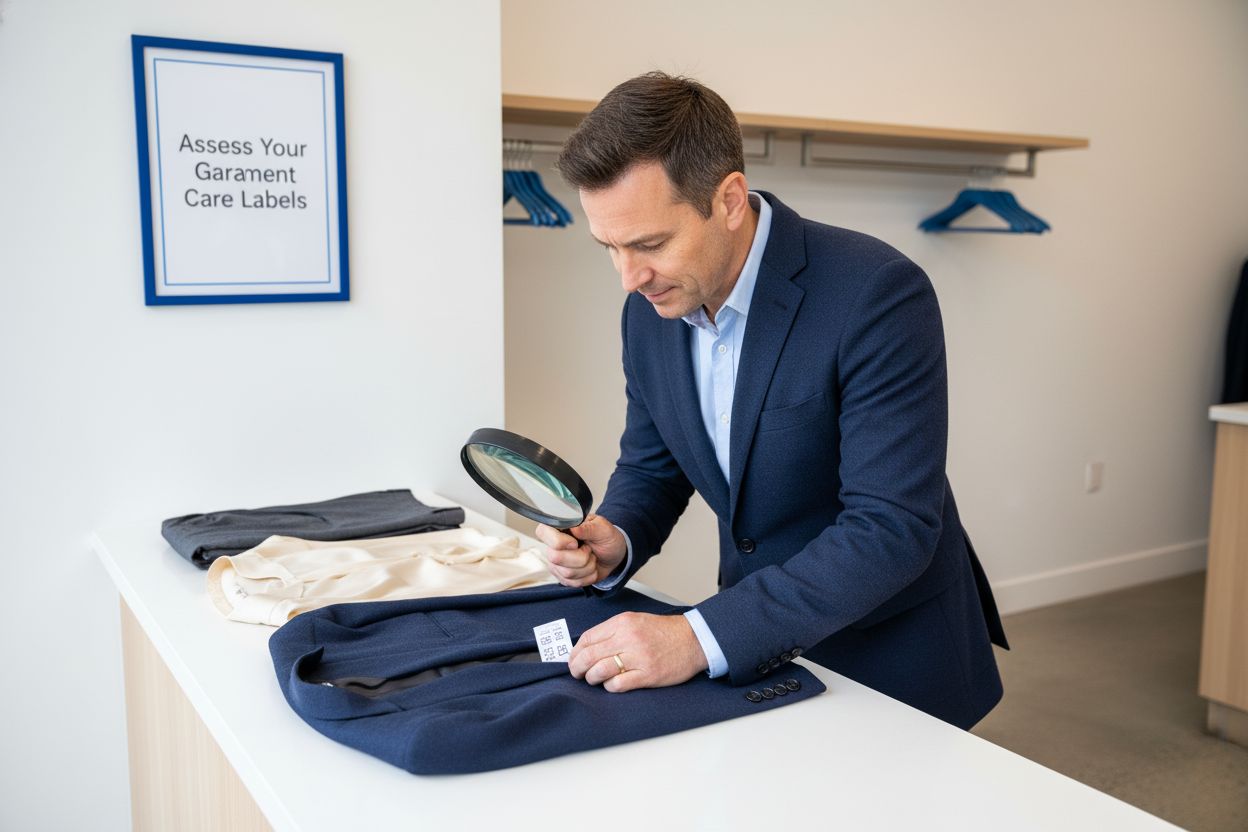
Bleach requires careful consideration based on fabric type. Avoid chlorine bleach on wool, silk, and spandex because it degrades natural and elastic fibers, causing yellowing, weakening, and loss of stretch. Oxygen bleach provides a safer alternative for most fabrics, brightening whites and colors without the harsh chemical damage. Check garment care labels before using any bleach product to prevent permanent damage to favorite items.
Mechanical action in your washing machine should match fabric resilience. Delicate cycles with gentle agitation protect thin cotton tees and stretchy leggings from pilling and tearing. Regular cycles with stronger mechanical action help dislodge ground-in dirt from sturdy jeans and play clothes. The tumbling and water flow physically separate soil from fibers, working together with detergent chemistry for complete cleaning. For more specialized stain issues, explore our detergent stain removal tips.
| Detergent Type | Key Properties | Best For | Fabric Compatibility | | — | — | — | | Enzyme Detergent | Contains protease, amylase, lipase enzymes | Protein stains, food, grass, body oils | Most washable fabrics, avoid silk/wool | | Oxygen Bleach | Hydrogen peroxide-based brightener | Brightening whites, color-safe stain removal | Safe for most colors and fabrics | | Plant-Based | Natural surfactants, no synthetic chemicals | Sensitive skin, baby clothes, gentle cleaning | All fabrics, especially delicates | | Ultra Concentrated | High active ingredient density | Tough stains, cost efficiency, less packaging | All standard washable fabrics |
Pro Tip: Pre-treat stubborn stains by applying liquid enzyme detergent directly to the spot 15 minutes before washing. The concentrated enzymes get extra time to break down stain molecules before dilution in the wash water, significantly improving removal rates on set-in stains.
Fabric softener deserves a mention because it can interfere with stain removal. Softeners coat fibers with a waxy residue that repels water, which sounds good but actually reduces detergent penetration and enzyme effectiveness. Skip fabric softener on heavily stained loads or when treating persistent spots. If you love soft clothes, add a quarter cup of white vinegar to the rinse cycle instead for natural softening without the coating effect.
For truly stubborn stains that resist home treatment, consider products specifically formulated for challenging spots. Tide Ultra Oxi detergent combines multiple stain-fighting technologies in one product, saving you from buying separate pre-treaters, boosters, and specialty removers. The investment pays off when you can rescue expensive clothing items rather than replacing them.
Four pillars of effective stain removal and best practices for busy families
Professional cleaners rely on four fundamental factors that work together for complete stain removal. Mechanical action, residence time, temperature kinetics, and pH control form the pillars supporting every successful cleaning process. Understanding how these elements interact lets you optimize your home laundry routine for better results with less effort.

Mechanical action means physical agitation suited to your fabric type. Gentle rubbing with a soft brush loosens surface soil on delicate items. Stronger scrubbing with a stiff brush works for canvas shoes and durable outdoor gear. Your washing machine provides mechanical action through drum rotation and water turbulence. Match the intensity to fabric strength to remove soil effectively without causing damage, pilling, or premature wear.
Residence time refers to how long cleaning agents contact the stain before rinsing. Enzyme treatments need 15 to 30 minutes to break down protein bonds fully. Natural solutions like vinegar or lemon juice work faster, often in 5 to 10 minutes. Rushing this step reduces effectiveness dramatically. Think of it like marinating meat: the longer quality contact time, the better the penetration and transformation of the material.
Temperature kinetics control chemical reaction speeds in stain removal. Warmer water accelerates enzyme activity and helps dissolve oils faster. However, excessive heat sets protein stains and can damage temperature-sensitive fabrics like wool and synthetics. The sweet spot for most kids’ laundry sits around 30°C, warm enough for effective cleaning but cool enough to protect fibers and prevent stain setting.
pH control uses acidic or alkaline solutions to disrupt chemical bonds in stains. Acidic treatments like vinegar work on alkaline stains such as tomato sauce. Alkaline solutions like baking soda tackle acidic stains including fruit juices and sweat. Balancing pH creates an environment where stain molecules lose their grip on fabric fibers, making them easier to rinse away completely during washing.
Follow this step-by-step checklist for systematic stain removal:
- Identify the stain type by color, texture, and source to select appropriate treatments.
- Blot immediately with a clean, dry cloth to remove excess material without spreading.
- Apply the targeted natural solution or commercial pre-treater based on stain chemistry.
- Allow adequate residence time for the treatment to work, typically 10 to 30 minutes.
- Rinse thoroughly with cool water to remove loosened stain particles and treatment residue.
- Wash in appropriate temperature water with enzyme detergent for your fabric type.
- Air dry and inspect before machine drying, as heat permanently sets any remaining stain.
Pro Tip: Always pre-test any stain removal treatment on a hidden fabric area like an inside seam or hem. Even proven solutions can react unpredictably with certain dyes and fabric blends, causing discoloration or damage that’s worse than the original stain.
Avoid common mistakes that undermine your stain removal efforts. Never put stained items in the dryer before confirming complete removal, as heat permanently bonds remaining stain molecules to fibers. Don’t mix different chemical treatments without rinsing between applications, as some combinations neutralize effectiveness or create harmful reactions. Skip fabric softener on stained loads because the coating interferes with detergent and enzyme penetration.
Expert advice includes using white vinegar in the rinse cycle as a natural fabric softener and odor neutralizer. Add half a cup during the rinse phase to remove detergent residue, soften clothes naturally, and eliminate lingering smells from sweat or mildew. This simple addition costs pennies and replaces multiple specialty products. Discover more about the role of stain removal in laundry processes for comprehensive fabric care.
How Columbia Pike Laundry helps with your stain removal needs
Even armed with the best techniques, some stains prove too stubborn or time-consuming for busy Arlington families to tackle at home. Columbia Pike Laundry brings professional stain removal expertise directly to your door through convenient pickup and delivery service. Our in-house cleaning facility uses advanced enzyme detergents and specialized treatments that safely remove challenging stains while extending clothing life.
Our three-step process makes professional laundry care effortless. Schedule a pickup through our app or website, and our driver collects your stained items from your home. We treat each stain with appropriate solutions based on fabric type and stain chemistry, then wash, fold, and return everything within 48 hours. You get back fresh, stain-free clothing without spending your weekend scrubbing. Learn more about our simple three-step process designed for households with children.
FAQ
What’s the best way to treat fresh stains on kids’ clothes?
Blot fresh stains immediately with a clean, absorbent cloth to prevent the substance from penetrating deep into fabric fibers. Never rub, as this spreads the stain wider and pushes it deeper. Identify the stain type by its color, texture, and source so you can select the most effective natural or commercial treatment. Speed matters more than perfection in those first moments.
Can natural stain removers replace commercial detergents completely?
Natural removers like vinegar, baking soda, and lemon juice effectively treat many common kids’ stains gently and safely for sensitive skin. However, enzyme detergents provide superior performance on protein-based stains such as grass, food, and body oils that natural solutions struggle with. The best approach combines natural pre-treatments for immediate action with quality enzyme detergents for thorough washing.
Are there any fabrics that need special care when removing stains?
Wool, silk, and spandex require gentle treatment because chlorine bleach and high heat damage their natural and elastic fibers permanently. Use oxygen bleach instead of chlorine, wash in cool water around 30°C, and apply gentle mechanical action during both pre-treatment and washing. Always check garment care labels before treating stains on unfamiliar fabrics to prevent irreversible damage.
How long should I let stain remover sit before washing?
Enzyme treatments need 15 to 30 minutes of contact time to break down protein and starch molecules effectively. Natural solutions like vinegar or lemon juice work faster, typically requiring only 5 to 10 minutes. Never let treatments dry completely on fabric, as this can set stains permanently. If you need to wait longer before washing, keep the treated area damp with occasional misting.
Recommended
Free pickup, expert care, delivered back to your door.
Popular Blog Articles




Meet the Author
Daniel Logan didn’t start CPL because he loved laundry. He started it because his family was drowning in time debt, and laundry was one of the biggest weights.
Mornings were chaos with two kids under 5. Evenings felt like catch-up. And weekends? Gone to sorting socks and folding piles.
He knew his story wasn’t unique. So he built a business that gave families like his just a little bit of breathing room one load at a time.
With no laundry experience but deep tech skills, Daniel rolled up his sleeves, doing every job himself while building systems that turned it into a modern laundry service that saves customers time, simplifies their lives, and delivers reliability they can count on.
That’s where CPL began. Not from a playbook, but from pain. From one dad trying to buy back time: for himself, and for every household like his.
Free pickup, expert care, delivered back to your door.