
How to Patch Knee Jeans: A DIY Repair & Care Guide
Columbia Pike Laundry offers pickup & delivery across Northern Virginia.
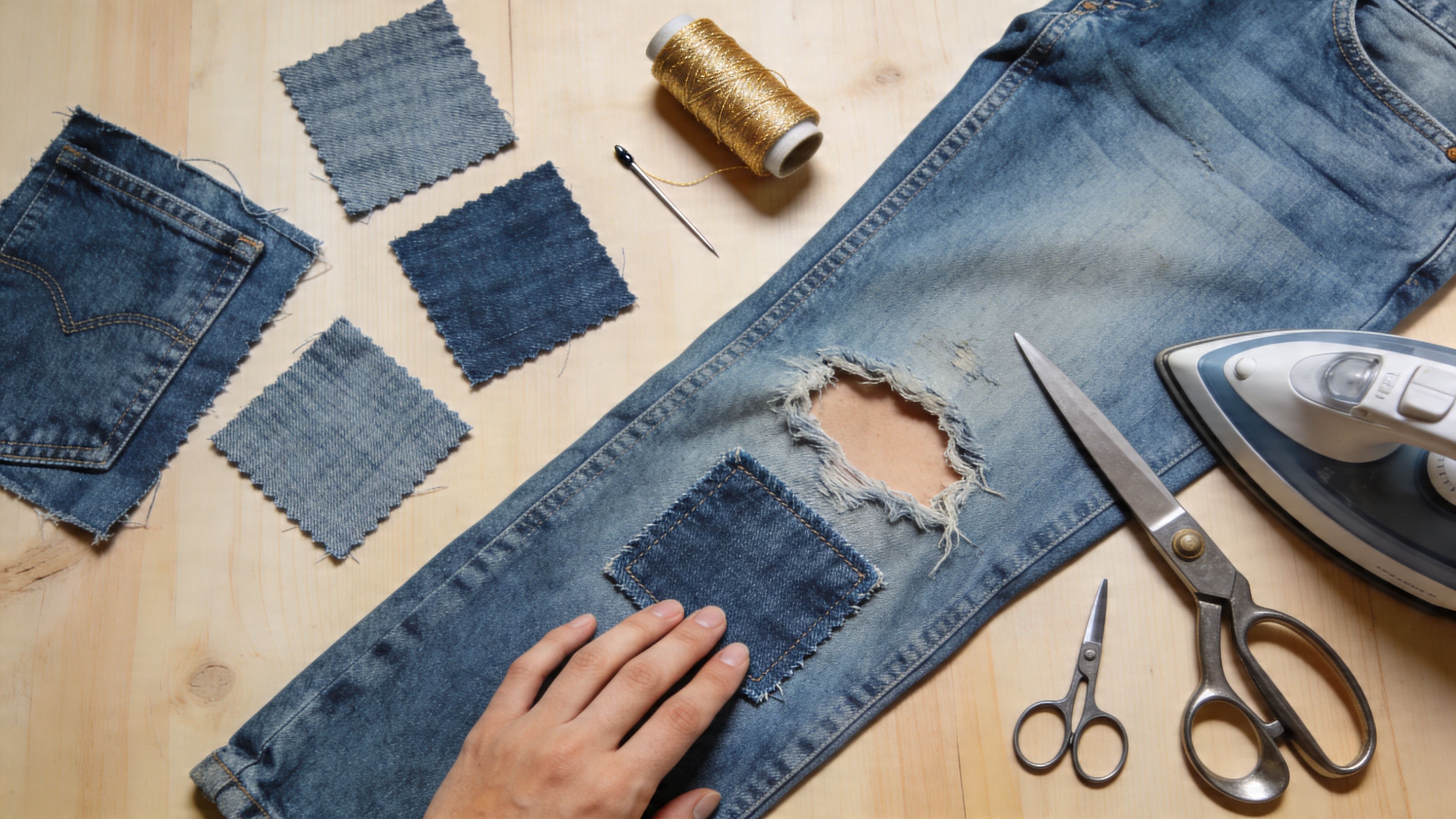
You pull on your favorite jeans, bend a knee, and there it is. A worn spot has turned into a hole, or a small split has opened into a proper tear. The fit is still right, the denim still feels like home, and yet the knees look finished.
They probably aren’t.
Knee damage is one of the most repairable problems in denim. In fact, it’s often the point where a pair of jeans becomes more personal, not less. A neat inside patch can keep the original look almost intact. A visible mend can turn ordinary denim into something that looks considered and lived-in. Either way, patch knee jeans can absolutely stay in rotation if the repair is done with the right materials and treated properly afterward.
Many focus on the patch itself. Fair enough. But the secret lies in the whole lifecycle. Pick the wrong fabric and the knee tears again. Skip a prep step and the patch pulls away after washing. Clean the jeans carelessly and even a good mend starts to look tired before it should.
Giving Your Favorite Jeans a Second Life
A knee hole usually shows up on the pair you wear the most. That’s not bad luck. That’s proof they’ve done their job.
For kids’ jeans, it often happens after one hard slide on pavement. For adults, it’s usually slower. The knee thins out, softens, whitens a bit, then finally breaks. People see that hole and think “done.” A tailor sees it and thinks “salvageable.”
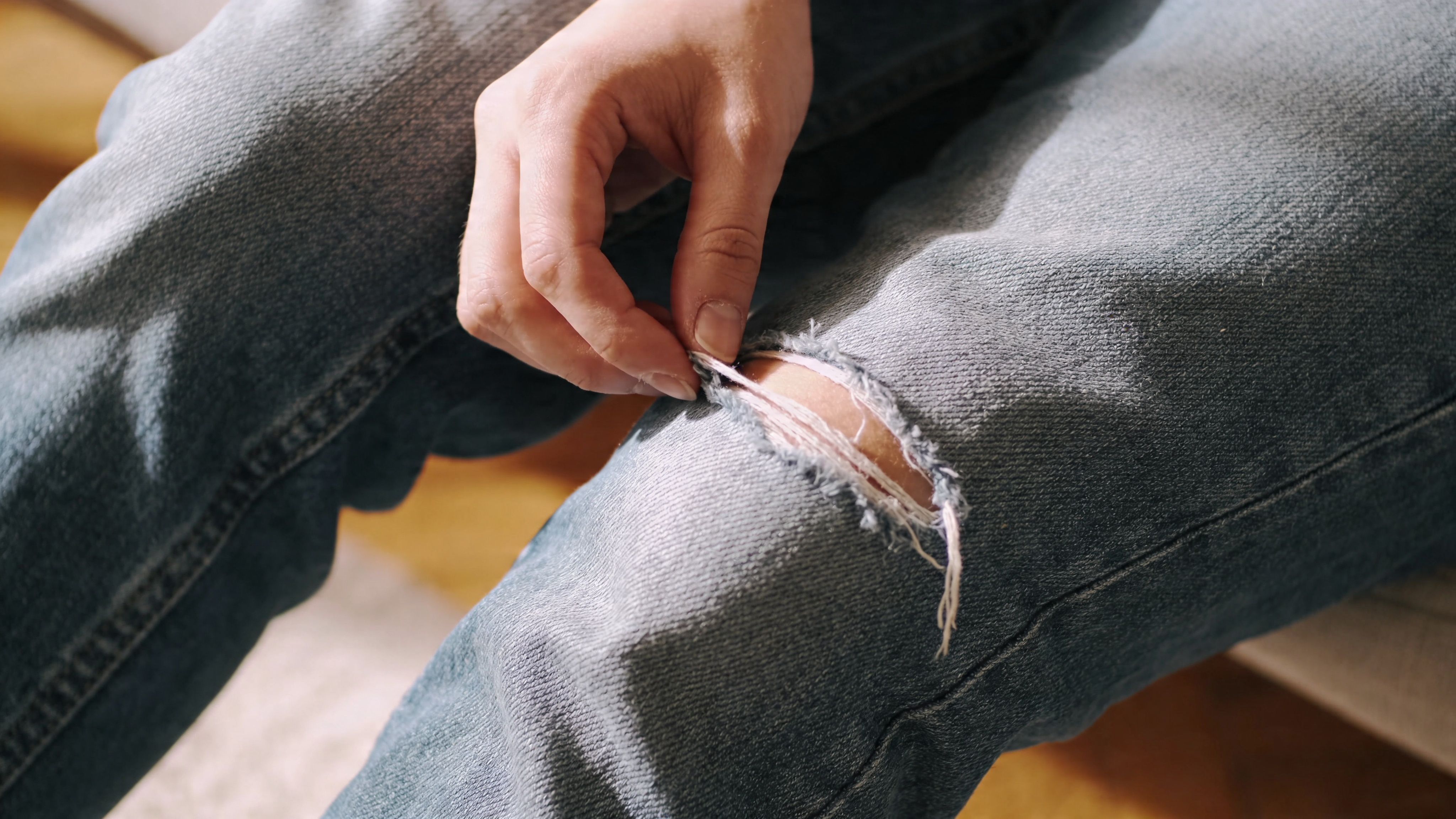
Patching knees has always been practical. It keeps a broken-in garment working longer, and it spares you the chase for a new pair that fits the same way. It also gives you options. You can go quiet with a reverse patch on the inside, or you can make the repair part of the look.
A good knee patch doesn’t just cover damage. It reinforces the area around the damage, where the next tear usually starts.
That’s why patched jeans don’t need to feel like a compromise. They can feel intentional. If you enjoy the creative side of repair, there’s plenty of room to lean into it. If you just want your jeans back in service, there’s a clean, durable way to do that too. If you like the broader idea of extending the life of clothes you already own, this piece on creative clothing upcycling ideas is worth a look.
What patched jeans really offer
- More wear from a favorite pair that already fits the way newer jeans often don’t.
- A practical sustainability move that keeps usable clothing out of the discard pile.
- A chance to personalize denim with visible stitching, contrasting fabric, or a near-invisible mend.
Choosing the Perfect Patch for Your Project
A knee patch succeeds or fails before the first stitch. The fabric choice decides how the repair will feel, how it will wash, and whether the area around the mend holds up after a few weeks of wear.
Color fools people. Weight tells the truth.
Match the weight before you match the color
A patch should move with the jeans, not fight them. If the patch is much heavier than the denim, the knee can feel board-stiff and the fabric may strain around the repair. If it is too light, the patch wears through early and the original denim keeps stretching underneath. The repair method shown in this jeans knee repair method gets this right by stressing fabric compatibility first.
For hard-use work jeans, denim, canvas, or even corduroy can hold up well. For broken-in fashion denim, I usually reach for medium-weight denim or cotton twill. They flex better at the knee and wash down more naturally over time. Lightweight cotton or linen is better reserved for decorative repairs or jeans that do not see rough wear.
Patch Material Comparison
| Patch Material | Best For | Durability | Style |
|---|---|---|---|
| Denim | Everyday jeans, repairs that should blend in | High | Classic, understated |
| Canvas | Workwear, hard-use knees | High | Rugged, utilitarian |
| Corduroy | Casual jeans with personality | Good | Textured, vintage |
| Cotton twill | Medium-weight denim and cleaner repairs | Good | Versatile, polished |
| Lightweight cotton or linen | Decorative or low-stress patches | Moderate when reinforced | Soft, creative, casual |
The prep step people skip
Wash the patch fabric first.
That step prevents one of the most common failures I see. Old jeans have already shrunk, softened, and settled into their shape. New fabric has not. Once the jeans go through the wash, an unwashed patch can tighten up, twist the knee, and pull against the stitching. People often blame the sewing. The root of the problem started at the cutting table.
Practical rule: If the jeans have already been washed and worn, the patch fabric needs to be washed too.
Drying matters too. If the jeans are usually air-dried, pre-wash and air-dry the patch fabric the same way. If they regularly go through a dryer, treat the patch fabric the same before you sew. Matching the future care routine at this stage gives the repair a better chance of aging evenly, especially after repeated home laundering or professional wash-and-fold service.
What works best in real life
For a clean everyday repair, choose a patch close to the denim in weight and slightly softer than your first instinct. Knees bend constantly. A patch that looks perfect on the table can feel miserable after an hour of wear.
For visible mending, sort out the fabric first, then decide how bold you want the repair to look. Contrast denim, printed twill, and shaped patches can all work. If you want ideas for polished visible repairs, embroidered labels, or finished-edge designs, custom patches can give you a good sense of what looks intentional instead of improvised.
A few habits make patch selection easier:
- Round the corners on homemade patches so the edges are less likely to lift over time.
- Use softer fabric on children’s jeans or slim fits, where a stiff knee patch gets annoying fast.
- Handle the patch before sewing. If it feels much stiffer than the jeans in your hand, it will usually feel that way on the body too.
- Choose with washing in mind. Decorative fabrics, heavy adhesives, and thick backings can all change how the repair behaves after repeated laundering.
A good patch should survive wear, washing, and the next round of care. That is the standard I use at the worktable, and it saves trouble later whether you wash jeans at home or send them out.
Your Step-by-Step Patching Guide
There isn’t one perfect way to patch knee jeans. The right method depends on the look you want, the tools you have, and how hard the jeans are used. A child’s play jeans need one kind of repair. A soft vintage pair you wear to brunch needs another.
For knee patches specifically, the patch should extend at least 3 cm in each direction beyond the hole so the repair reinforces the weak area around the damage, not just the opening itself. The most dependable placement is a reverse applied patch on the inside of the garment, which spreads stress more evenly and feels better in wear.
Iron-on for speed and clean placement
If you want a quick repair with tidy positioning, iron-on is the easiest entry point.
For a professional-grade result, use double-sided adhesive interfacing. Apply it to the right side of the patch and press with high heat, no steam, for about 20 seconds to fuse the patch to the denim, as outlined in this iron-on knee patch guide. The same method notes that the interfacing is lightweight enough that excess adhesive on the opposite side of the hole effectively disintegrates, so the leg of the jeans won’t stick together.
If your patch fabric is lightweight cotton or linen, reinforce it first with one-sided fusible interfacing on the back. Then add the double-sided interfacing. That takes two separate presses, but it gives the patch more structure. If you’re using sturdier fabric like canvas, corduroy, or denim, you can usually skip the fusible reinforcement layer.
A simple iron-on workflow looks like this:
- Trim the frayed area so loose threads don’t bunch under the patch.
- Cut the patch larger than the damage so it supports sound fabric around the hole.
- Apply the interfacing to the patch on the correct side.
- Place the patch inside the jeans under the hole.
- Press with high heat and no steam for the full bonding time.
- Let it cool flat before moving the jeans.
Iron-on alone can hold well, but for knees, stitching around the patch edge makes it more dependable.
Hand sewing for control and character
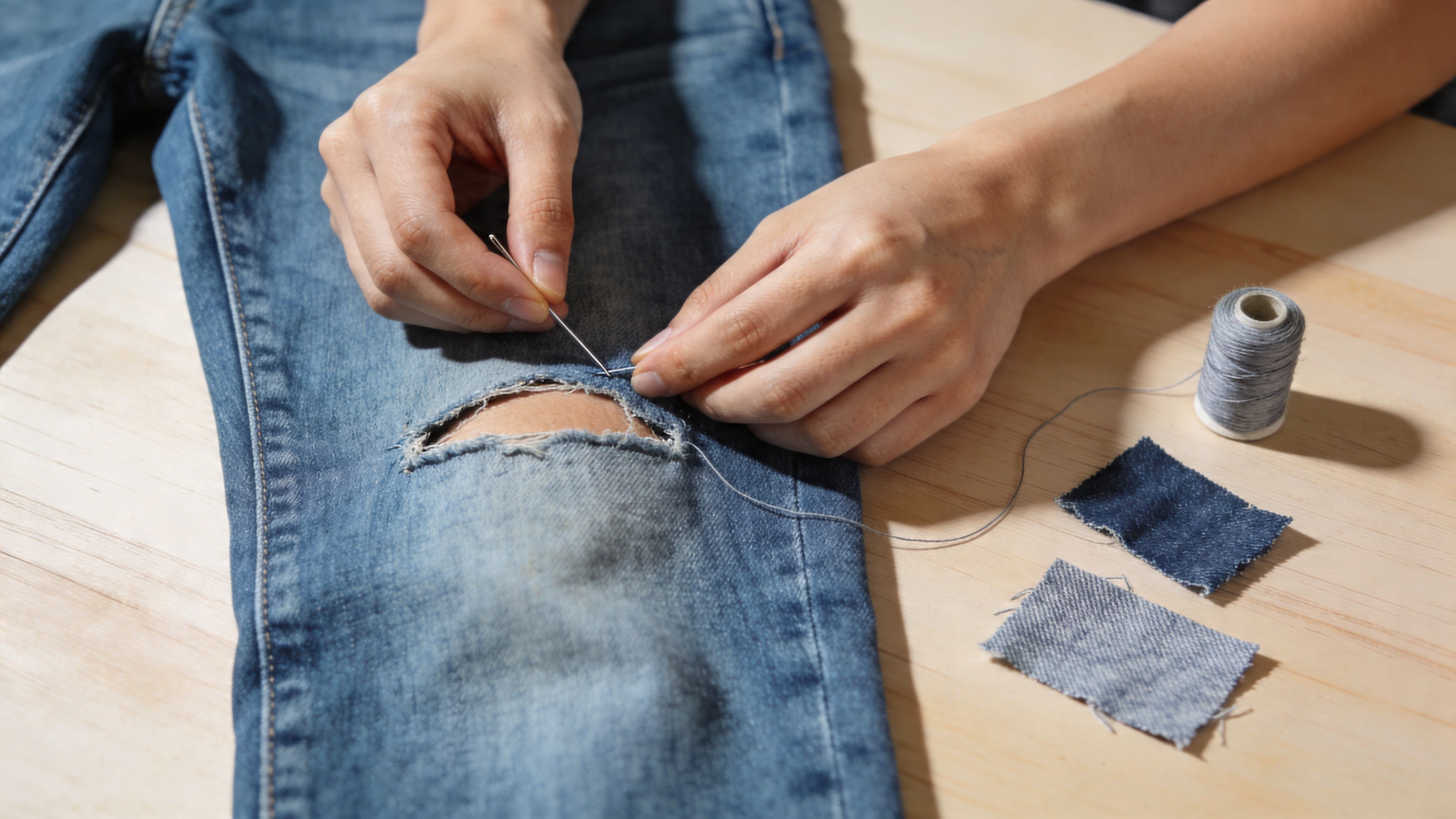
Hand sewing is slower, but it gives you excellent control. It’s also the best option when the jeans are awkward to maneuver under a machine or when you want visible mending to become part of the design.
You don’t need fancy stitches. A running stitch, whipstitch, or small backstitch can all work. The key is consistency and tension. Pulling too hard puckers the denim. Sewing too loosely lets the patch shift.
Two approaches work especially well:
- Quiet mend with matching thread and small perimeter stitches close to the patch edge.
- Visible mend with contrast thread, repeated rows, or Sashiko-inspired stitching that makes the repair a feature.
Hand stitching works best when you stop trying to hide every sign of repair. A patch can look honest and still look beautiful.
Knot securely on the inside and bury thread tails if you can. On knees, loose ends don’t stay loose for long. They snag, rub, and unravel.
Machine sewing for the strongest everyday repair
If you have a sewing machine, this is usually the most durable route for hard-wear jeans. It’s fast, secure, and easier than many people expect.
Standard sewing machine needles are sufficient for stitched iron-on patches once fused. Set the jeans up so the patch sits smooth underneath, then sew around the perimeter first. After that, sew across the damaged area to secure the weak denim to the patch below.
A practical machine sequence:
- Perimeter stitch first to anchor the patch and prevent shifting.
- Sew over the damaged area in rows, following the grain of the denim if you want the repair to blend better.
- Backstitch at the beginning and end so the lines don’t work loose in the wash.
- Trim bulk only after sewing if excess fabric inside feels uncomfortable.
What usually goes wrong
Most failed patch jobs can be traced to a short list of problems.
| Problem | What causes it | Better fix |
|---|---|---|
| Patch lifts after washing | Poor fusing or no stitching backup | Re-press correctly and stitch perimeter |
| Knee feels stiff | Patch fabric is too heavy | Use a fabric closer to the denim weight |
| Repair tears at edge | Patch is too small | Extend patch well beyond damaged area |
| Jeans leg sticks together during fusing | Wrong product or too much adhesive | Use lightweight double-sided interfacing properly |
| Repair puckers | Stitch tension is too tight | Ease the fabric and sew more gently |
Styling Your Newly Patched Jeans
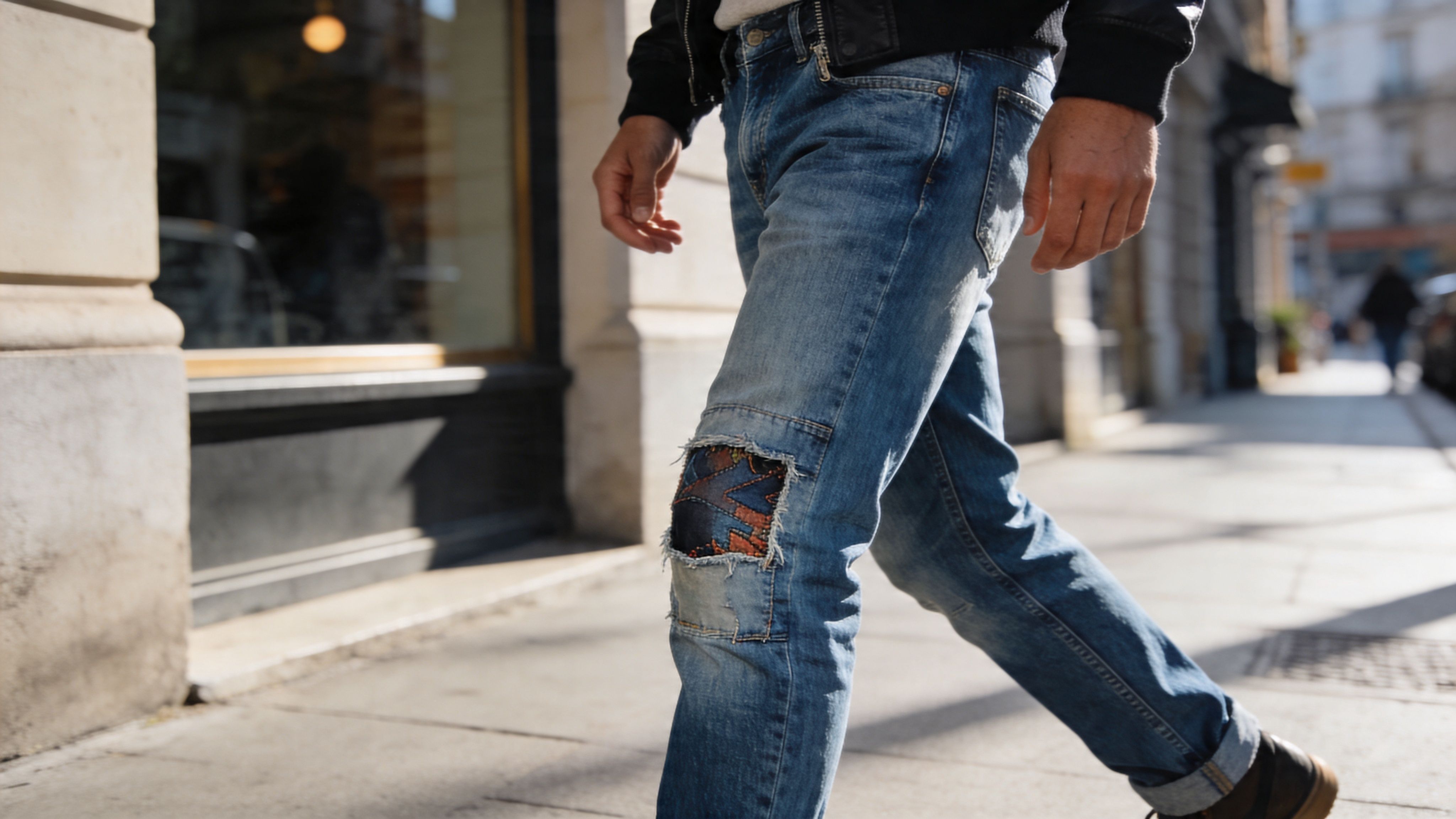
Once the repair is in, don’t treat it like something to hide. A knee patch changes the jeans. That’s the point. The question is whether you want the result to read rugged, artistic, playful, or subtly intentional.
A denim-on-denim patch in a close wash gives you a workwear look. It feels natural with boots, chore jackets, flannels, and simple knitwear. The patch blends, but it still tells the truth about the jeans. That honesty is part of the appeal.
Make the patch look intentional
Visible contrast usually works better when you commit to it. If the patch is patterned, repeat that tone somewhere else in the outfit. A deep green patch feels more considered if there’s also green in a scarf, cap, or overshirt. Contrast thread can do the same thing. It pulls the eye on purpose.
For a softer, more expressive look, patch knee jeans with florals, ticking stripe, corduroy, or printed cotton. That can skew artsy or bohemian depending on what you wear with it. Keep the rest of the outfit simple and the jeans do the talking.
A few combinations that work
- Rugged with matching denim patch, work shirt, and leather shoes.
- Creative casual with contrasting patch, plain tee, and cardigan or chore coat.
- Playful weekend with patterned knee patches and clean sneakers.
- Textural winter look with patched denim, chunky knits, and tactile accessories.
The best patched jeans outfits don’t pretend the repair isn’t there. They build around it.
If you like mixing denim with richer textures, this guide to styling denim with fur offers useful ideas on balancing rougher fabrics with softer, more dramatic pieces. It’s a good reminder that denim can carry more personality than people give it credit for.
Protecting Your Handiwork at Home
A solid repair can still be ruined by rough laundry habits. Knees take abrasion from wear, then more abrasion in the wash. If you want patched jeans to last, home care needs to be gentler than usual.
The first move is simple. Turn the jeans inside out before washing. That protects visible stitching, reduces friction on the patch surface, and helps the outside of the denim avoid unnecessary rubbing.
Washing habits that help
Use cool or cold water and a gentler cycle when possible. The goal is to clean the jeans without battering the repaired area. Harsh agitation puts stress on the patch edge and on the weakened denim around it.
A few habits make a real difference:
- Wash inside out to protect the repaired knee from surface friction.
- Sort by color and fabric weight so dark or contrasting patches don’t rub against rougher items.
- Use a mild detergent instead of overloading the wash with heavy products.
- Skip overstuffing the machine because packed loads create more twisting and drag.
For broader fabric-handling basics, this fabric care guide is a useful refresher.
Drying is where many repairs wear out
Heat is often harder on the repair than washing. High dryer heat can stress adhesives, distort patch fabrics, and make stitched areas feel brittle over time. Air-drying is the safer choice for most patched jeans.
You don’t need to make them board-stiff. Smooth the knee area with your hands before hanging, and let the jeans dry naturally. If they feel firm afterward, wear them for a short time or tumble briefly on a low setting only if the repair feels secure.
Quick home-care checklist
| Care step | Best practice | Why it helps |
|---|---|---|
| Washing | Turn inside out and use a gentler cycle | Reduces abrasion on patch and stitches |
| Sorting | Separate by color and weight | Limits rubbing and transfer issues |
| Detergent | Keep it mild | Protects fibers and decorative stitching |
| Drying | Air-dry when possible | Avoids heat stress on the repair |
When to Let the Pros Handle It
You finish a knee patch at the kitchen table, the jeans look solid again, and then the practical question shows up. Can these go out with the rest of the laundry, or does one repair turn every wash into a special project?
That is the point where home mending meets long-term care. A good patch is only half the job. The other half is keeping that repair intact through weeks of wear, cleaning, drying, and folding. In my experience, patched jeans usually do well with professional cleaning if the repair is stable and the instructions are clear.
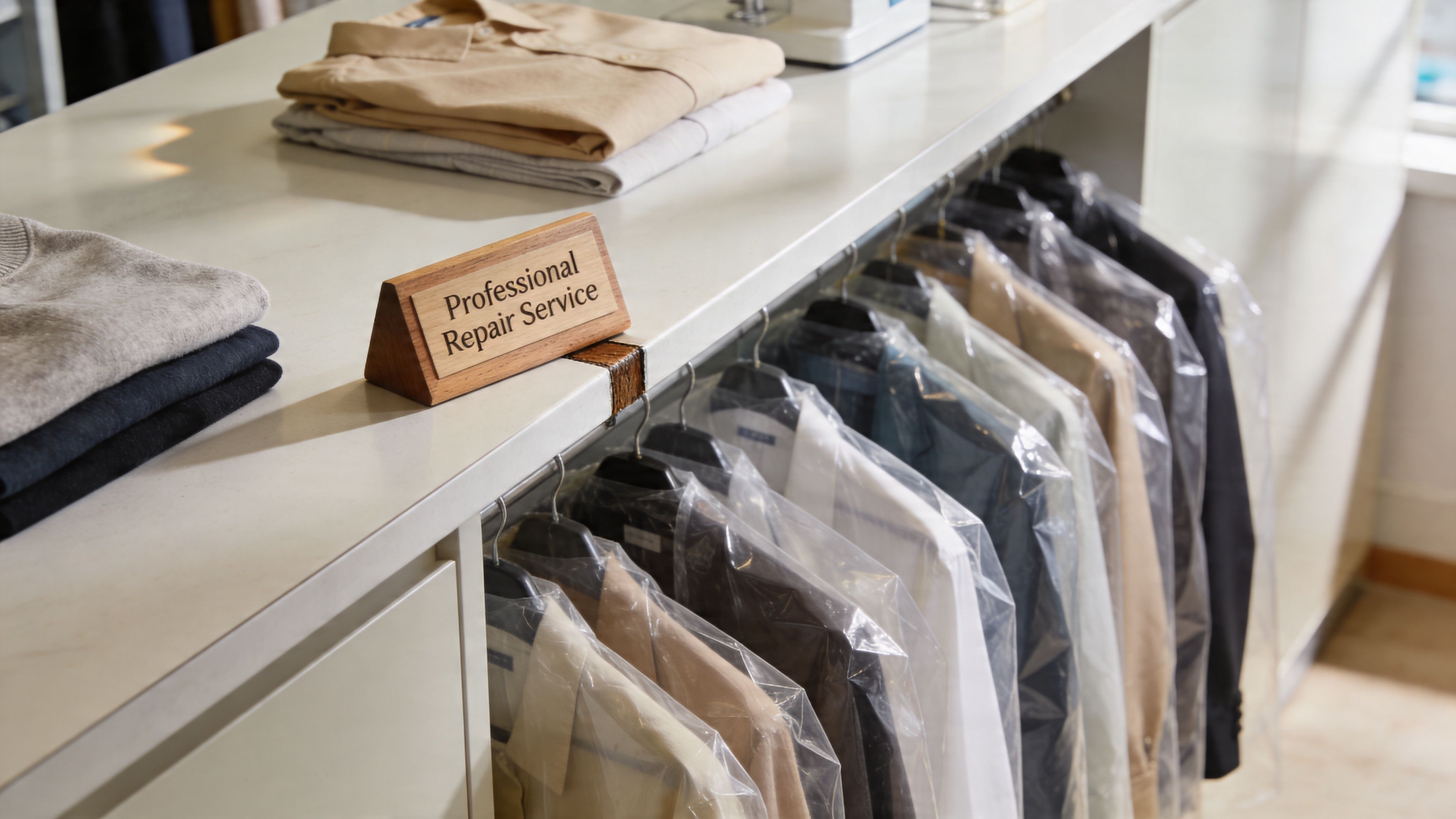
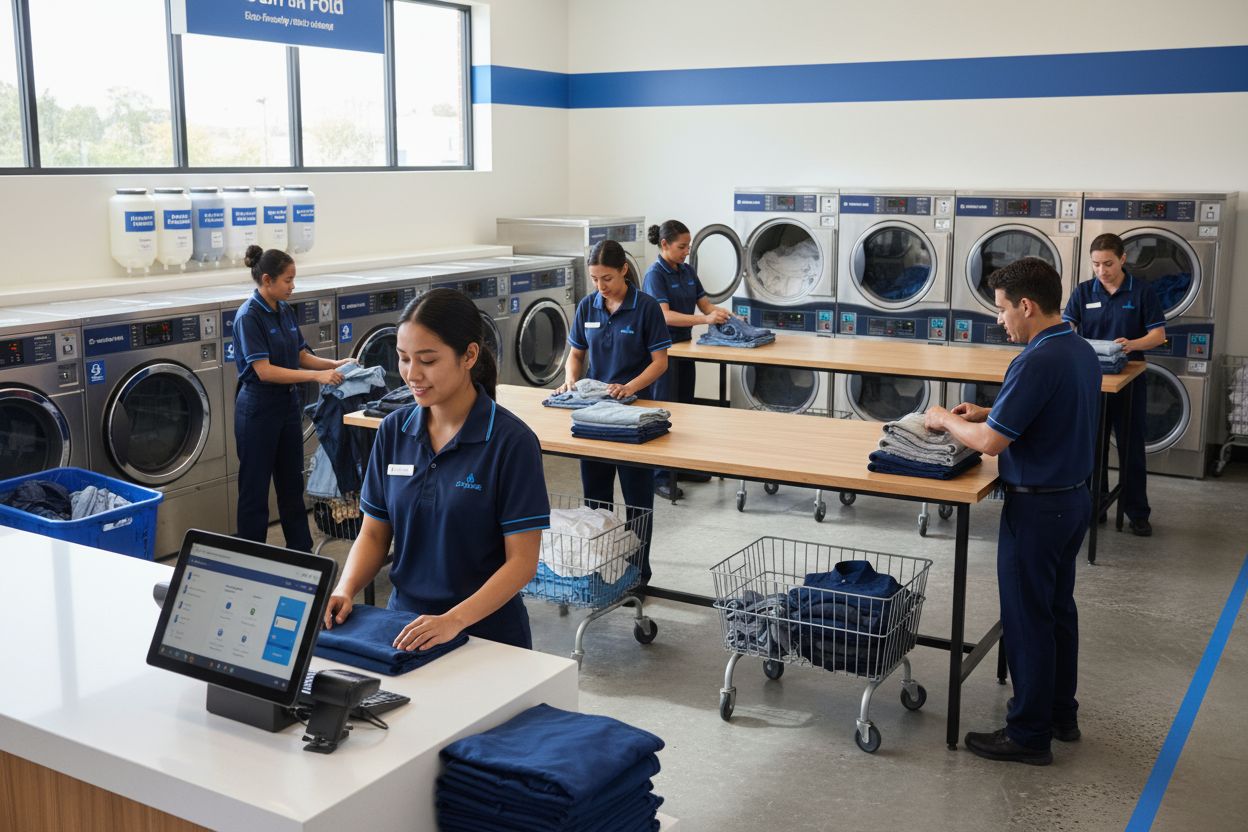
Patched denim can often go through Wash and Fold service, especially if the patch is sewn securely and made from ordinary denim or cotton. Add a short care note if you want the jeans air-dried or handled gently. If the repair includes delicate fabric, decorative stitching, glue-heavy fusible material, beads, studs, or a patch that is still very new, dry cleaning may be the safer choice. The cleaner needs to know what was done to the garment. A one-line note is usually enough.
Good candidates for Wash and Fold
Send patched jeans out with your regular laundry when the repair is built for regular wear, not display.
That usually means the jeans have:
- A firmly stitched patch with no lifting corners
- Standard patch fabric such as denim, twill, or cotton
- No fragile trim around the repair
- A repair that has already been worn once or twice without shifting
- Simple care instructions such as “air-dry” or “no high heat”
This is the sweet spot for busy households. You do the repair once, then hand off the routine care without worrying every time the hamper fills up.
When professional judgment matters more
Some patched jeans need more attention than a standard wash cycle can give. I get more cautious when I see layered repairs, hand embroidery, sashiko-style visible mending, leather or suede patches, heavy fusible web, or fabric that shrinks differently from the denim around it.
New repairs also deserve a closer look. A patch can feel secure on day one and still shift after its first cleaning if the original knee area was badly thinned out. If you are unsure whether the stress is on the patch or on the old denim around it, let a professional cleaner inspect it before it goes through heat and tumbling.
How to send patched jeans out with confidence
Do a quick check at home first. It takes less than a minute and can save a repair.
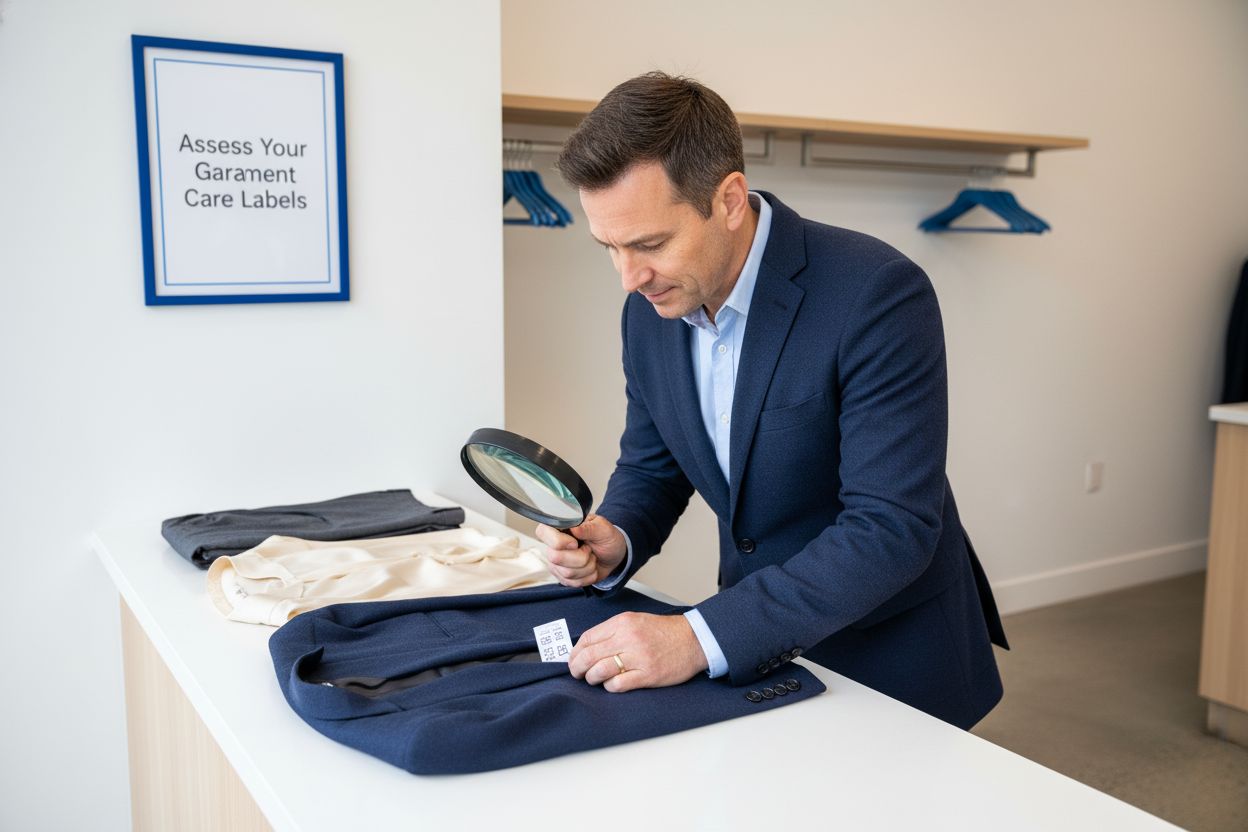
- Look at both sides of the knee for loose threads, curling edges, or separated stitching.
- Empty the pockets so the jeans keep their shape in handling.
- Add one direct note such as “patched knee, please air-dry.”
- Flag unusual materials if the patch is not plain denim or cotton.
- Keep heavily embellished or sentimental pairs separate from standard weekly laundry.
A laundry team can protect what they can identify. Clear notes help, especially when the jeans matter to you and the repair is part of the garment’s story.
The practical benefit
A repaired pair of jeans should save money, extend wear, and spare you from replacing a favorite fit before you need to. It should not create a fussy care routine that you resent by the third wash.
That is why I like a balanced approach. Patch at home when the job is straightforward. Use a laundry service for ongoing care when your week is full. Bring in a pro when the materials are tricky, the repair is sentimental, or the jeans are expensive enough that guessing is a bad bargain.
Wear Your Story, Reclaim Your Time
A hole at the knee doesn’t have to end a good pair of jeans. Done well, a patch gives them more life, more character, and often more comfort than a rushed replacement pair. You keep the break-in, the fit, and the history.
Patch knee jeans work best when you treat the job as both repair and maintenance. Choose the patch carefully. Sew or fuse it with purpose. Wash it gently. Dry it thoughtfully. And when your week gets crowded, let a professional cleaner take the routine care off your plate.
That balance matters. You can value the skill of mending and still decide your Saturday is worth more than another load of laundry. Those ideas don’t compete. They support each other.
A patched knee says the jeans were worth saving. That’s a good story to wear.
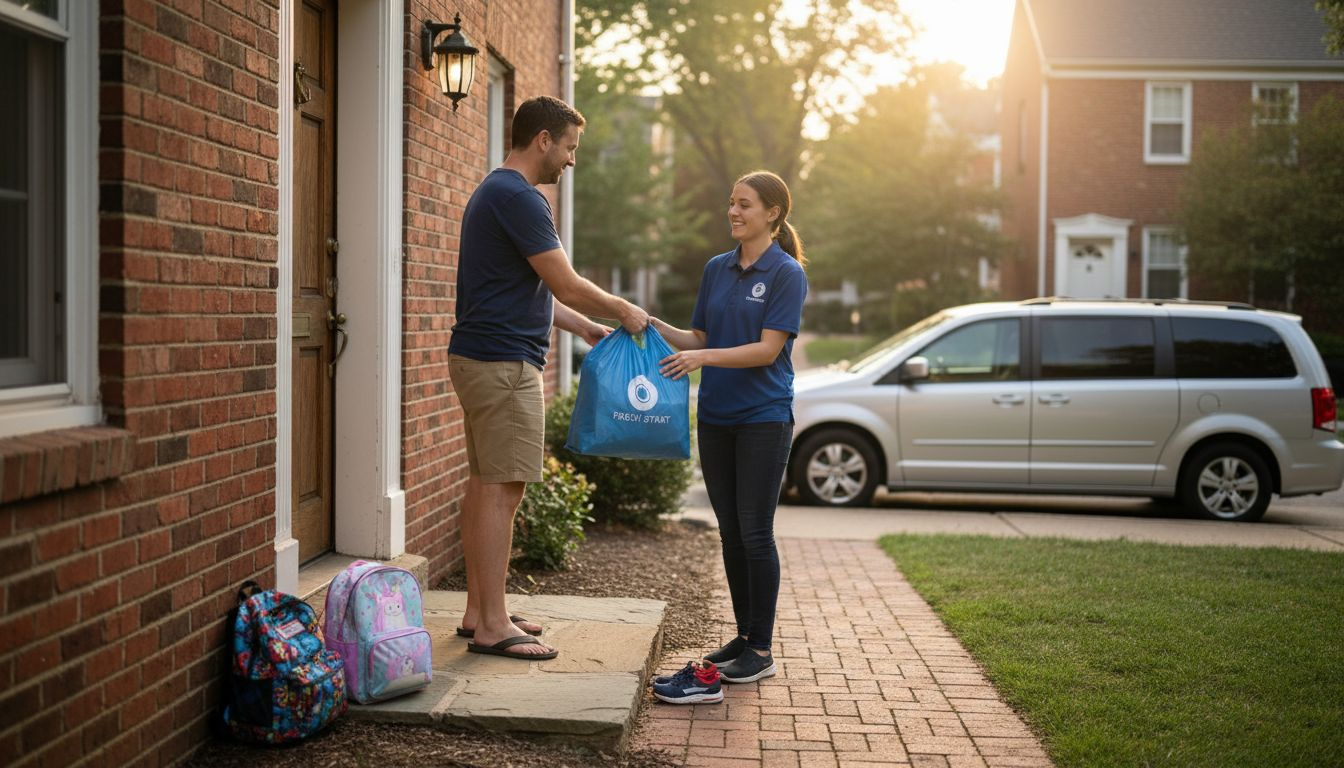
If you’d rather spend your time wearing your repaired jeans than worrying about how to wash them, Columbia Pike Laundry makes that part easy. Send patched denim with a simple care note, hand off the cleaning, and get back clean clothes with less effort and more peace of mind.
Free pickup, expert care, delivered back to your door.
Popular Blog Articles



Meet the Author
Daniel Logan didn’t start CPL because he loved laundry. He started it because his family was drowning in time debt, and laundry was one of the biggest weights.
Mornings were chaos with two kids under 5. Evenings felt like catch-up. And weekends? Gone to sorting socks and folding piles.
He knew his story wasn’t unique. So he built a business that gave families like his just a little bit of breathing room one load at a time.
With no laundry experience but deep tech skills, Daniel rolled up his sleeves, doing every job himself while building systems that turned it into a modern laundry service that saves customers time, simplifies their lives, and delivers reliability they can count on.
That’s where CPL began. Not from a playbook, but from pain. From one dad trying to buy back time: for himself, and for every household like his.
Free pickup, expert care, delivered back to your door.