
Role of Stain Removal in Laundry Success
Columbia Pike Laundry offers pickup & delivery across Northern Virginia.
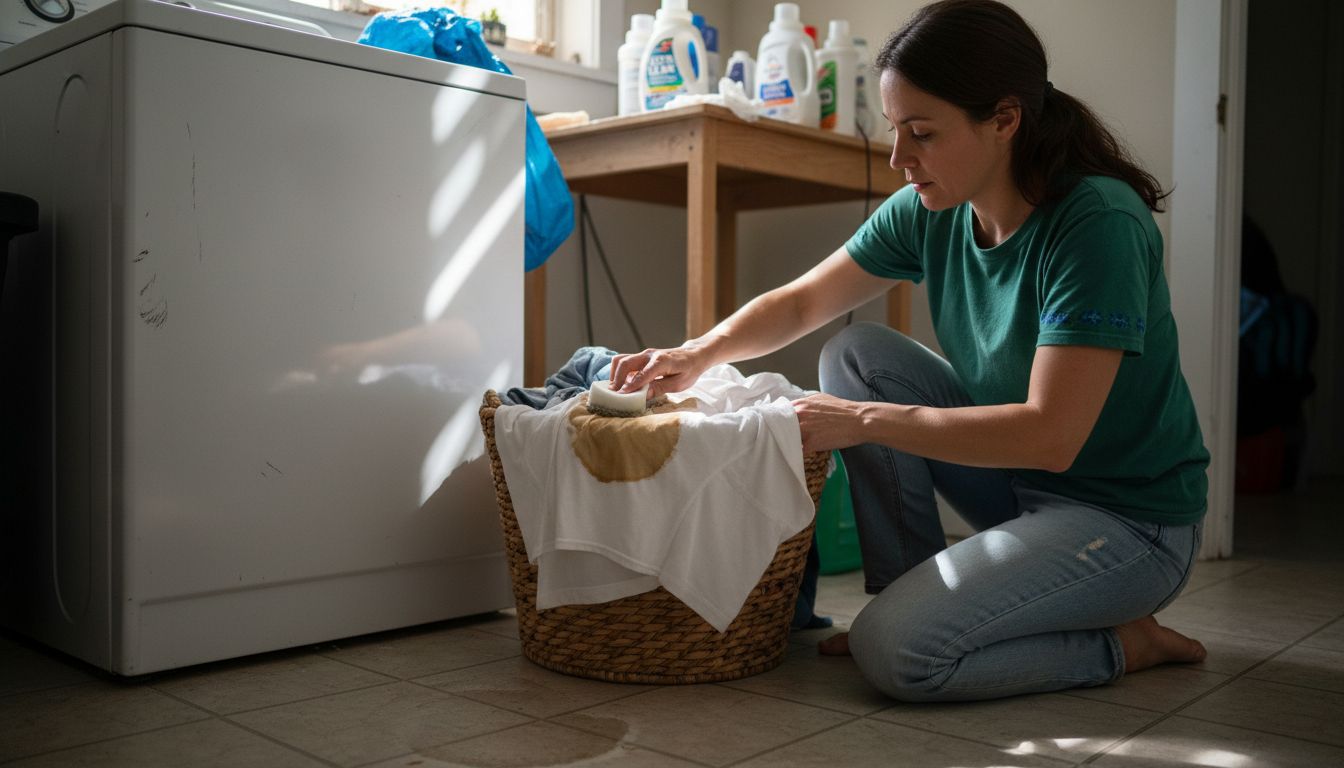
Spilled coffee on your favorite shirt? Many American households face the frustration of stubborn stains that can ruin beloved clothes and linens. Up to 80 percent of stains become permanent if not treated quickly and correctly. Knowing how to tackle different types of stains matters because it directly affects how long your garments last and how great they look. Discover practical ways to keep your wardrobe fresh while protecting the stories woven into every fabric.
Key Takeaways
| Point | Details |
|---|---|
| Importance of Stain Removal | Effective stain management extends the life of fabrics and maintains their appearance, preventing permanent damage from untreated stains. |
| Types of Stains | Understanding different stain categories (water-soluble, oil-based, protein-based, tannin-based) is crucial for selecting the right removal strategy. |
| Professional vs. DIY Solutions | While professional services offer advanced techniques for stubborn stains, DIY methods can be sufficient for lighter cleaning needs; knowing which to use is key. |
| Common Mistakes | Avoid rubbing stains and misapplying heat; prompt and informed treatment is essential for preserving fabric integrity. |
What Is Stain Removal and Why It Matters
Stain removal represents a critical process in fabric care and maintenance, involving targeted techniques designed to eliminate unwanted marks and discolorations from textiles. Effective stain management is more than just aesthetic preservation - it directly impacts the longevity and quality of clothing, linens, and other fabric items.
At its core, stain removal requires understanding the complex chemical interactions between different substances and fabric fibers. Each stain presents a unique challenge, demanding specific approaches based on its composition. Protein-based stains like blood or sweat, oil-based stains from cooking, and tannin stains from wine or coffee all require distinct treatment strategies. Professional laundry services recognize these nuanced differences and apply specialized techniques to restore fabrics without causing additional damage.
The consequences of neglecting stain removal can be significant. Proper fabric care prevents physical degradation and helps maintain the original color, texture, and structural integrity of textiles. Untreated stains can become permanently set, leading to permanent discoloration or material weakness. By addressing stains promptly and correctly, individuals can extend the life of their clothing, save money on replacements, and maintain a polished appearance.
Understanding stain removal isn’t just about technique - it’s about preserving the stories woven into our fabrics. Whether it’s a child’s favorite shirt, a professional’s crisp work attire, or cherished household linens, effective stain management ensures these items remain functional, attractive, and meaningful for years to come.
Types of Stains and Their Unique Challenges
Stains are complex fabric adversaries that demand strategic understanding and targeted treatment approaches. Stain classifications reveal intricate differences based on their fundamental chemical composition, solubility, and interaction with fabric fibers. Understanding these nuanced categories is crucial for effective removal and fabric preservation.
Primary stain categories typically include water-soluble, oil-based, protein-based, and tannin-based stains. Each type presents unique challenges that require specialized treatment strategies. Water-soluble stains like juice or watercolor paint respond differently to cleaning agents compared to oil-based stains from cooking grease or makeup. Dye and tannin stains from substances like tea, coffee, and wine are particularly challenging due to their intense pigmentation and strong chemical bonding with fabric fibers.

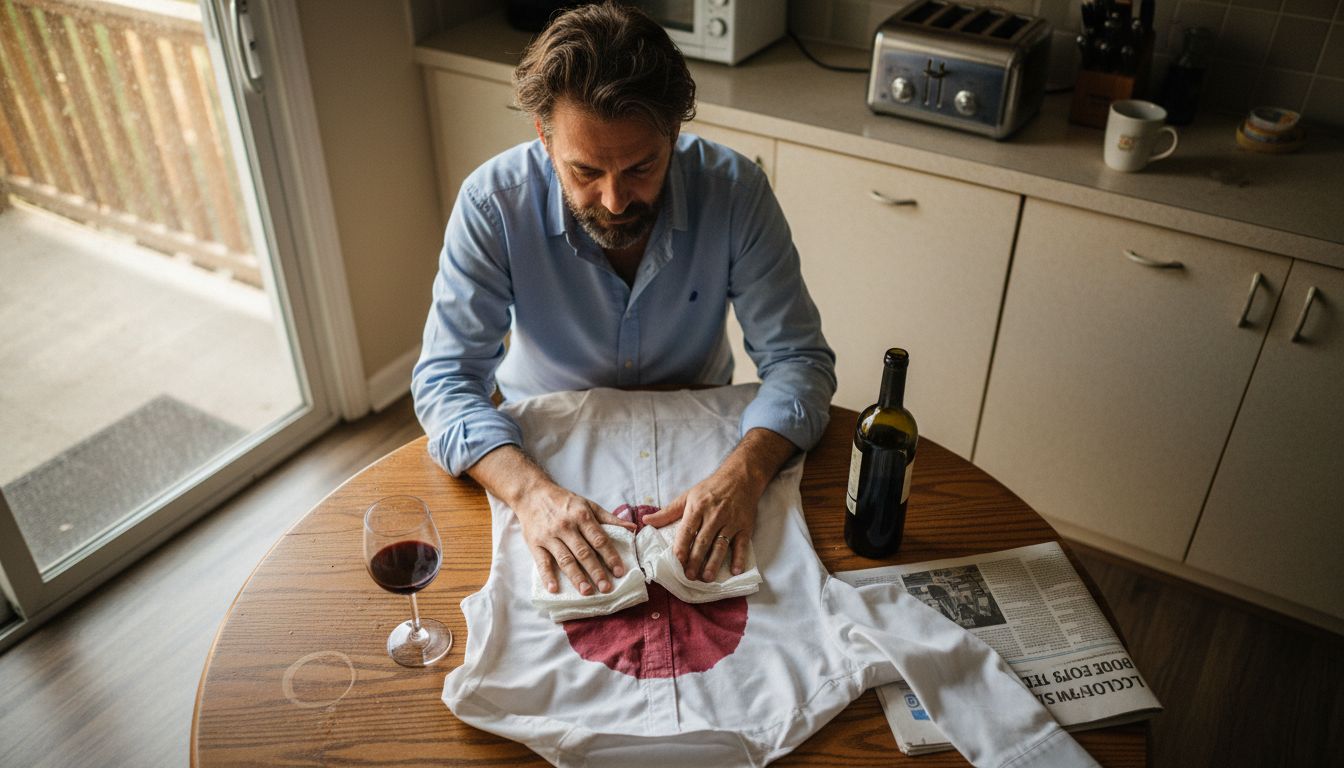
To illustrate the complexity, consider a typical stain removal scenario. A red wine spill on a white cotton shirt involves a tannin-based stain that quickly penetrates fabric fibers. The longer it remains untreated, the more deeply it sets, making removal increasingly difficult. Professional laundry services utilize specialized techniques like targeted enzyme treatments, specific temperature interventions, and precise chemical agents to break down and lift these stubborn marks.
Understanding stain types goes beyond simple cleaning - it’s a science of fabric protection. By recognizing the unique characteristics of different stains, individuals can make informed decisions about immediate treatment, preventing permanent damage and extending the life of their cherished textiles. Prompt, knowledgeable intervention transforms what could be a permanent blemish into a manageable cleaning challenge.
Professional Methods vs. DIY Solutions
Comparative studies of stain removal techniques reveal a nuanced landscape where both professional and do-it-yourself approaches offer unique advantages in fabric care. The choice between commercial products and homemade solutions depends on multiple factors, including stain type, fabric composition, and desired outcomes.
Professional laundry services leverage advanced enzyme-based and solvent-based cleaners designed for targeted stain elimination. Specialized cleaning agents work differently based on stain chemistry, with protein-specific enzymes breaking down organic matter and sophisticated solvents penetrating complex oil-based marks. These professional-grade solutions often contain concentrated formulations that achieve deeper cleaning than typical household alternatives.
DIY solutions like white vinegar, baking soda, and hydrogen peroxide offer compelling advantages for budget-conscious and environmentally aware individuals. These household items can effectively treat minor stains, particularly on sturdy fabrics. However, they lack the precision and comprehensive cleaning power of professional treatments. Homemade remedies work best for fresh stains, light soiling, and specific fabric types, while professional methods excel at challenging, set-in, or delicate fabric stains.
The key is understanding your specific needs. Some stains demand professional intervention, while others can be managed with simple home techniques. By recognizing the strengths and limitations of both approaches, individuals can make informed decisions that preserve their clothing’s quality, appearance, and longevity.
Impact on Garment Longevity and Cleanliness
Stain removal kinetics research demonstrates that systematic stain treatment is fundamentally about preserving fabric integrity beyond mere aesthetic cleanliness. Each interaction with a stain represents a critical moment that can either protect or compromise a garment’s structural composition, directly influencing its potential lifespan.
The microscopic battle against stains involves complex chemical interactions that can either strengthen or weaken textile fibers. Professional cleaning techniques minimize potential fabric damage by employing precise temperature controls and specialized enzyme treatments. Low-temperature washing methods using advanced detergent enzymes represent a breakthrough in fabric care, enabling thorough cleaning while simultaneously reducing mechanical stress on clothing fibers. This approach not only maintains garment appearance but also significantly extends wearable life.
Understanding fabric vulnerability requires recognizing that different materials respond uniquely to stain removal processes. Delicate silk responds differently from robust denim, and each fabric demands a nuanced approach. Protein-based enzymes, solvent treatments, and targeted cleaning strategies can remove stubborn marks without compromising fabric strength, preventing the gradual degradation that occurs with improper cleaning techniques.
Ultimately, effective stain removal is an investment in your wardrobe. By treating each garment as a valuable asset requiring specialized care, individuals can transform routine laundry from a mundane chore into a strategic preservation effort. The goal transcends simple cleanliness - it’s about maintaining the story, memories, and functionality woven into every piece of clothing.
Common Pitfalls and How to Avoid Them
Stain removal techniques reveal a minefield of potential mistakes that can transform a simple cleaning challenge into a permanent fabric disaster. Understanding these common pitfalls is crucial for protecting your clothing investment and maintaining garment quality.
One of the most critical errors is mishandling stains immediately after they occur. Many people instinctively rub or scrub stains, which actually drives the substance deeper into fabric fibers and spreads the contamination. Instead, blot gently with clean white cloths, working from the outside of the stain toward the center to prevent unnecessary spreading. Identifying stain types correctly becomes paramount, as using inappropriate cleaning agents can cause more damage than the original stain.
Temperature and timing represent another crucial consideration. Applying heat to a stain before complete removal can permanently set the mark, transforming a potentially removable blemish into a lasting garment flaw. Different fabric types respond differently to cleaning agents, so what works for cotton might destroy delicate silk. Professional laundry services understand these nuanced differences and apply targeted treatments that preserve fabric integrity.
Ultimately, prevention and prompt action are your best strategies. Treat stains as soon as possible, understand your fabric’s specific care requirements, and when in doubt, seek professional guidance. Your clothing tells a story - and with the right approach, you can keep that story vibrant and unblemished.
Protect Your Garments with Expert Stain Removal Solutions
Understanding that stains vary greatly and require specialized care is the first step toward preserving your favorite clothing and linens. The article highlights key challenges such as protein-based, oil-based, and tannin stains, and the crucial role of prompt, precise treatment to avoid permanent damage. If managing tough stains at home feels overwhelming or you want to avoid costly fabric wear from incorrect cleaning, professional help is essential.
At Columbia Pike Laundry, we specialize in tailored stain removal methods combined with advanced in-house cleaning technologies to protect fabric strength and appearance. We handle everything from delicate dry cleaning to wash and fold services with customizable preferences like fragrance-free detergents. Whether you need drop-off or convenient pickup and delivery, we ensure your fabrics receive the care they deserve with quick turnaround times.
Stop risking permanent stains or fabric damage today. Explore how our expert stain removal services can extend the life of your garments and restore their original freshness by visiting Columbia Pike Laundry and scheduling your service. Experience trusted local quality backed by transparency and care.
Frequently Asked Questions
What is the importance of stain removal in fabric care?
Stain removal is crucial for maintaining the longevity and quality of fabrics. Effective stain management prevents discoloration, fabric degradation, and preserves the original appearance of clothing and linens.
What are the different types of stains and their challenges?
Stains can be classified into categories such as water-soluble, oil-based, protein-based, and tannin-based. Each type presents unique challenges, requiring specific treatment methods tailored to their chemical composition and interaction with fabric fibers.
How do professional stain removal methods differ from DIY solutions?
Professional methods use specialized enzyme-based and solvent-based cleaners that provide deeper and more precise cleaning compared to common household items. DIY solutions often work well for minor, fresh stains but may lack the effectiveness needed for set-in or complex stains.
What common mistakes should I avoid when removing stains?
Common pitfalls include rubbing stains instead of blotting, applying heat too soon, and using inappropriate cleaning agents. It’s important to identify the stain type correctly and to treat it promptly to prevent permanent damage.
Recommended
- How Stain Removers Work for Any Stain | Laundry Tips
- How to remove color bleed from clothes: Simple fixes | Laundry Tips
- How to remove set-in grease stains from clothes: Quick fixes | Laundry Tips
- How to Get Detergent Stains Out of Clothes | Laundry Tips
- Eco Friendly Cleaning Tips For Busy European Mums – The Zoofamily
- Understanding the Role of Fabric Care Labels Explained - fabric fabric
Free pickup, expert care, delivered back to your door.
Popular Blog Articles




Meet the Author
Daniel Logan didn’t start CPL because he loved laundry. He started it because his family was drowning in time debt, and laundry was one of the biggest weights.
Mornings were chaos with two kids under 5. Evenings felt like catch-up. And weekends? Gone to sorting socks and folding piles.
He knew his story wasn’t unique. So he built a business that gave families like his just a little bit of breathing room one load at a time.
With no laundry experience but deep tech skills, Daniel rolled up his sleeves, doing every job himself while building systems that turned it into a modern laundry service that saves customers time, simplifies their lives, and delivers reliability they can count on.
That’s where CPL began. Not from a playbook, but from pain. From one dad trying to buy back time: for himself, and for every household like his.
Free pickup, expert care, delivered back to your door.