
Simple Dry Clean: Your Guide to Effortless Garment Care
Columbia Pike Laundry offers pickup & delivery across Northern Virginia.
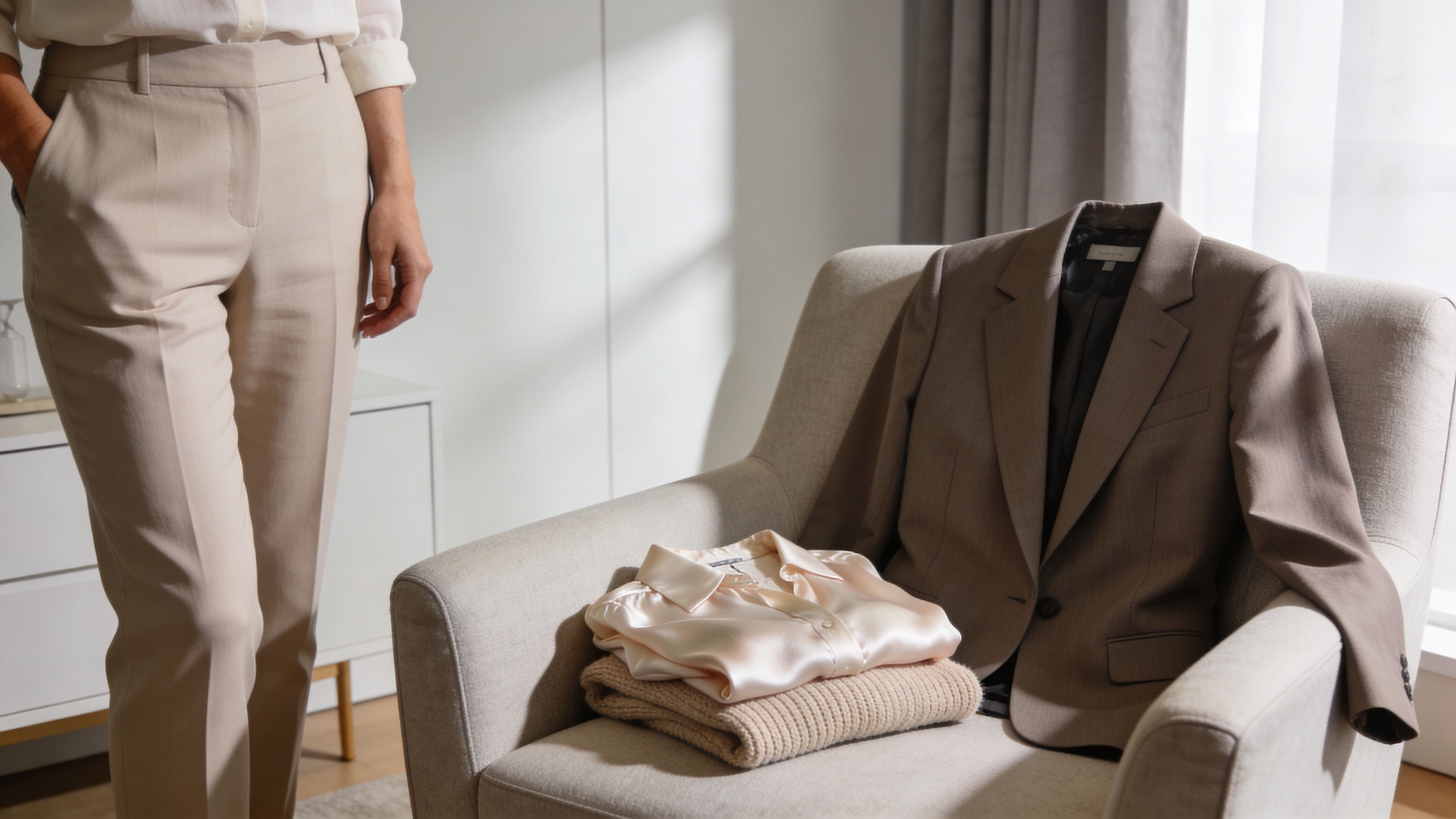
The chair in the corner isn’t really a chair anymore. It’s a holding zone for the blazer you wore once, the silk top you don’t trust with the washer, the sweater that might shrink, and the dress you keep meaning to deal with before the next event.
That pile creates more stress than it deserves. Not because it’s huge, but because every item asks for a decision. Wash it. Hand-wash it. Steam it. Drop it off. Wait until next week. Hope for the best.
A simple dry clean routine fixes that. It turns garment care from a nagging background task into a clean handoff. You stop managing every fabric yourself, and you get your time back.
Your Sanctuary from Laundry Chaos
Modern dry cleaning started with an accident. In 1845, Jean Baptiste Jolly turned a solvent-cleaning discovery into the first commercial dry cleaning service, shifting garment care away from water-only washing and toward methods better suited for delicate fabrics, according to the history of dry cleaning.
That history matters for one reason. Dry cleaning was invented to remove friction from caring for clothes that don’t behave well in a normal wash.
If you’re juggling work, kids, errands, or a business, “remembering which garments need special care” is not a small task. It’s mental clutter. A simple dry clean habit removes that clutter by giving those problem items one lane and one destination.
Sometimes that lane goes beyond clothing. If you’re also staring at curtains that trap dust and odors, professional drapery cleaning services in Baltimore are a useful example of the same principle. Let specialists handle the items that are awkward, delicate, or easy to ruin.
Practical rule: If an item makes you hesitate before washing it, it probably belongs in your simple dry clean pile.
This is why pickup-based garment care works so well. Dry cleaning has evolved from a risky old storefront service into a convenience tool that fits around real life. A well-run laundry service doesn’t just clean clothes. It gives you permission to stop thinking about them.
That’s the primary benefit. Not spotless lapels. Not crisp pleats. Relief.
Sorting Your Items for a Simple Dry Clean
Don’t start with the care label alone. Start with the question that matters more: what happens if this item goes wrong in the wash? If the answer is “it loses shape, texture, fit, or finish,” put it in the dry cleaning group.
A simple dry clean system works best when you sort by risk, not by habit.
Keep structure where it belongs
Some garments look good because they hold a shape. Water and agitation can distort that shape fast.
Put these in your dry cleaning pile:
- Suits and suit separates. Jackets, structured trousers, and vests need their structure protected.
- Blazers and sport coats. Shoulder shape matters. So does lining.
- Pleated skirts and formal trousers. Creases and pleats don’t always survive home washing well.
- Coats with lining or interfacing. Once the inside shifts, the whole garment feels off.
These are the clothes you wear when you need to look pulled together. Don’t gamble with them to save a small errand.
Protect fabrics that punish trial and error
Other items aren’t structured, but they’re fragile in a different way. They snag, flatten, stretch, shrink, or lose their finish.
Many “dry clean only” labels are conservative, especially on items like viscose and some delicates, but high-risk garments such as suits or silks are still better left to a professional, as noted by Simple Dry Cleaners’ garment care guidance.
That means you can sort your closet into two honest categories:
| Garment type | Better candidate | Why |
|---|---|---|
| Silk blouse | Dry clean | Texture and drape are easy to damage |
| Viscose top | Depends | Some labels are conservative, but test your confidence honestly |
| Wool blazer | Dry clean | Shape and finish matter |
| Casual cotton shirt | Wash & Fold | Built for normal laundering |
| Velvet, lace, beaded item | Dry clean | Surface detail needs careful handling |
Some labels are instructions. Some are warnings. Some are legal caution from the manufacturer. Your job is to know the difference, and when you don’t, choose the safer path.
Use a household category too
A smart simple dry clean routine includes more than closet pieces. Add bulky or awkward household textiles that you’re likely to postpone forever.
Good candidates include:
- Down comforters
- Blankets with delicate shells or trim
- Decorative bedding
- Special occasion table linens
- Items too large for your home machine to handle comfortably
These pieces create the same kind of friction as delicate clothes. They’re not hard because they’re complicated. They’re hard because they take over your washer, your dryer, and your day.
Make one decision once
Here’s the easiest system I recommend:
- Dry clean pile for structured, delicate, embellished, lined, or bulky specialty items.
- Wash at home or Wash & Fold pile for sturdy, repeat-wear basics.
- Question pile for anything labeled “dry clean only” that feels borderline.
Then decide the question pile item by item. If replacing it would annoy you, dry clean it. If it’s inexpensive, washable-looking, and not sentimental, you can be more flexible.
That’s the whole point of simple dry clean. Fewer tiny decisions. Better outcomes. Less weekend drift.
How to Prepare Your Items for Pickup
Preparation should be easy. If it feels fussy, you’ll put it off.
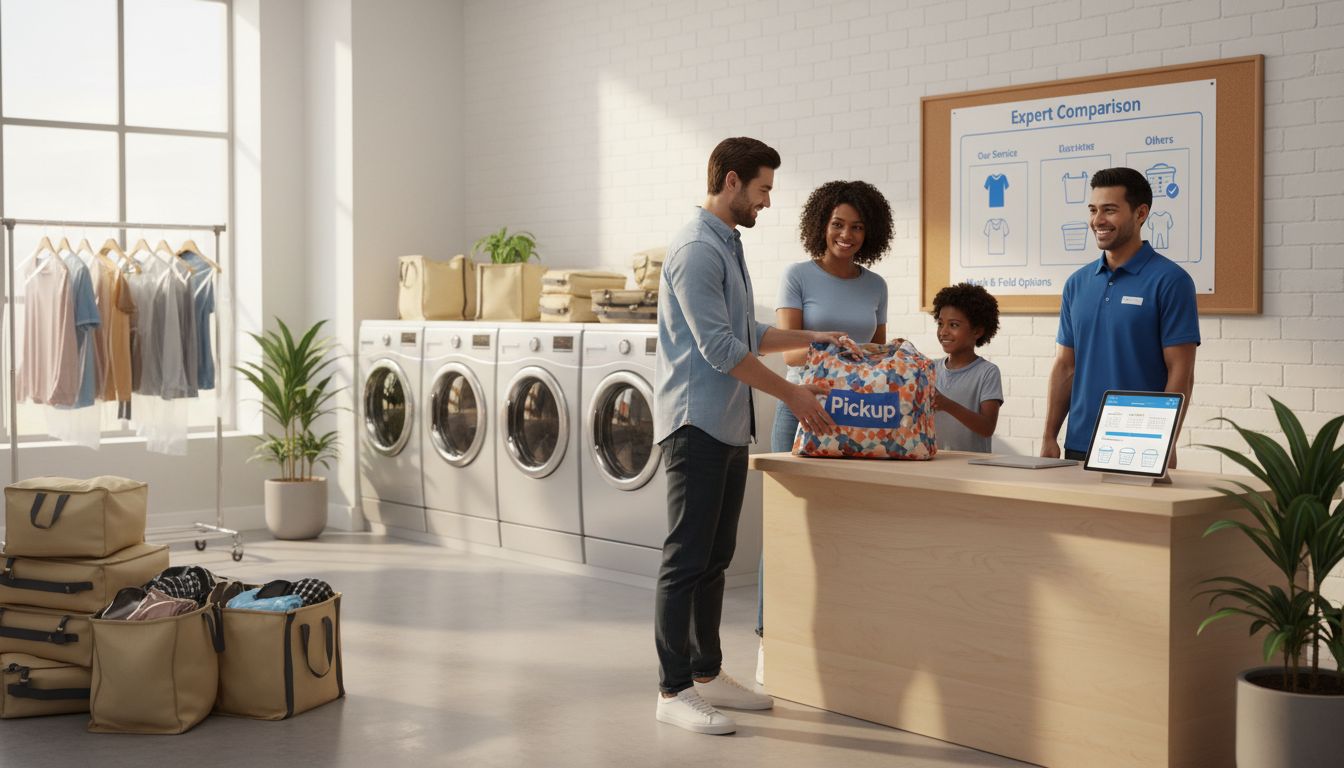
The best setup is simple: bag the items, separate service types, flag stains, check pockets, and move on.
Bag first, optimize later
For a first pickup, use what you already have. A basic bag is fine. You don’t need a special system to get started.
What matters is keeping your order contained and easy to identify. After that first round, most pickup services make repeat orders easier with a reusable bag, which is exactly how this process should work. Less setup each time.
Separate dry cleaning from regular laundry
This is the one sorting step you shouldn’t skip. If you’re sending both everyday laundry and dry cleaning, use two different bags.
That separation helps the cleaner process each group correctly from the start. It also helps you think more clearly when packing. One bag is for “wash everything normally.” The other is for “handle these with extra care.”
A quick packing checklist helps:
- Use one bag for dry clean items such as blazers, dresses, silk tops, or comforters that need specialty care.
- Use a second bag for Wash & Fold items like T-shirts, leggings, pajamas, socks, and towels.
- Add a simple label if you can so there’s no guesswork.
- Keep sets together if pieces belong together, such as matching suit pants and jacket.
Your goal isn’t perfect packing. Your goal is a clear handoff.
Leave the stain alone
Avoidable damage often results from pre-treating stains. Don’t pre-treat stains on items headed for dry cleaning.
Attempting home stain treatment can interfere with professional solvent action in up to 70% of cases, potentially driving the residue deeper into the fabric, according to industry guidance on dry cleaning methods and pitfalls.
That means no rubbing with detergent, no internet vinegar trick, no stain pen, no “just a little soap.”
Instead, do this:
- Identify the spot clearly. “Coffee on left cuff” is enough.
- Mention the cause if you know it. Oil, makeup, wine, ink, grass.
- Add the note in the app or on paper and place it in the bag.
- Send it as-is so the cleaner can choose the right treatment.
That one habit saves clothes.
Finish with the pocket check
This part is boring, and it matters. Pens leak. Receipts shred. Lip balm melts. Earbuds disappear.
Before pickup, do a last pass for:
- Wallet items such as cash, cards, and receipts
- Sharp or messy objects like pens, pencils, and gum
- Sentimental pieces tucked into pockets
- Work badges or keys
Then stop. You don’t need to steam anything, lint-roll it, or fold it perfectly. The simple dry clean advantage is that you’re handing off the task before it grows teeth.
Scheduling Your Pickup and Delivery Online
The best booking system feels quiet. No long form, no confusing choices, no need to call during business hours just to ask where your clothes go.
That’s why online scheduling matters. The dry cleaning industry has changed dramatically, and phone-based pickup and delivery is now a normal solution for people who want convenience and better work-life balance, as described in this overview of modern dry cleaning service trends.
What the booking flow should feel like
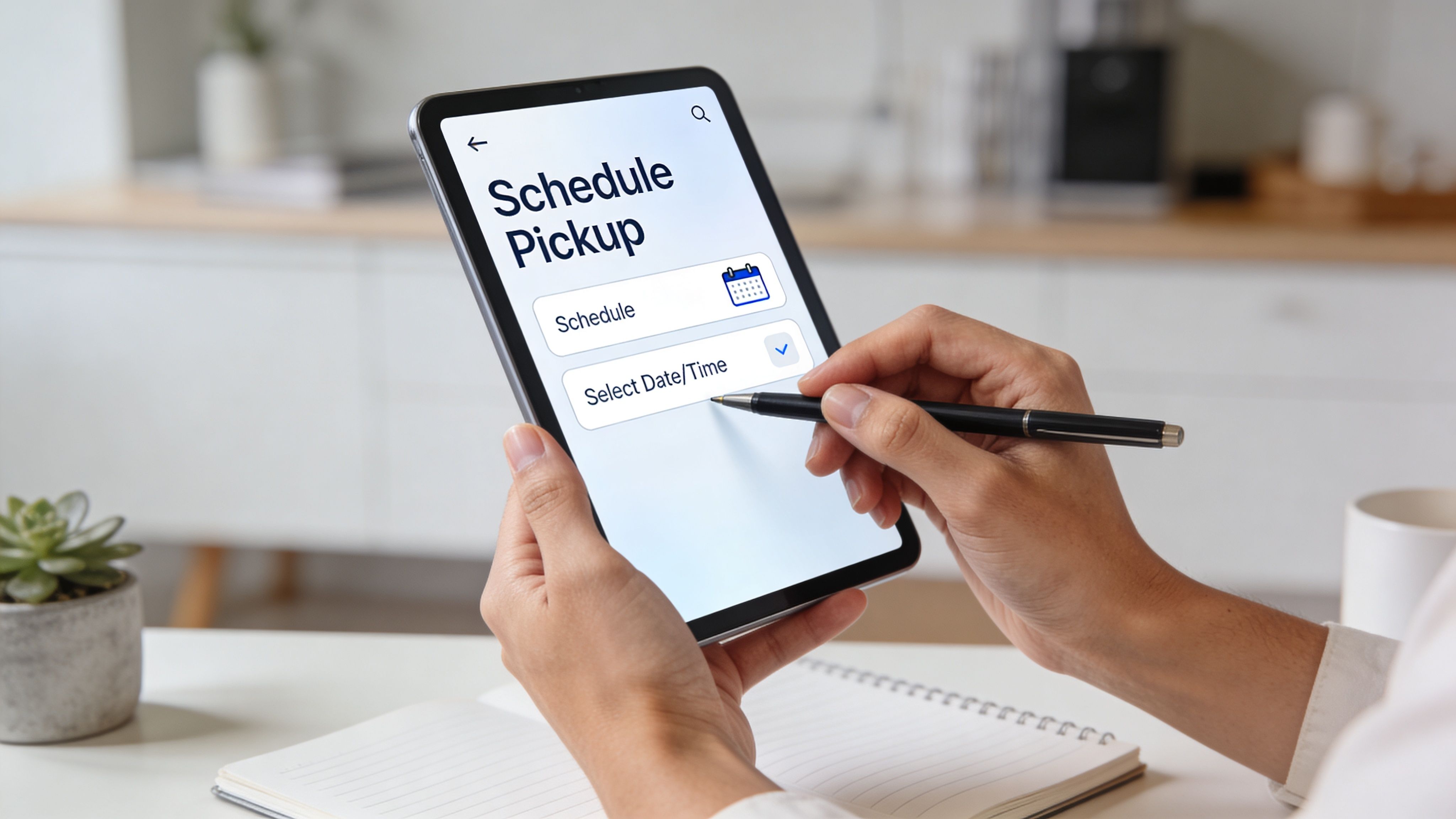
You open the site on your phone or laptop. You create an account once. After that, future orders get easier because your address, preferences, and instructions are already there.
Look for the obvious action button. It’s usually something like schedule, book, or get started. Once you’re in, the form should guide you through a few practical choices.
Those choices usually include:
- Pickup window that fits your day
- Delivery window so you know when to expect the return
- Service type such as Dry Cleaning, Wash & Fold, or both
- Preferences for detergent, handling, or notes
- Special instructions for stains, delicate items, or access details
That’s enough. If a booking page asks for too much, it stops being convenient.
The choices that matter most
The two decisions worth slowing down for are service type and notes.
If you’re mixing services, choose both and keep the bags separate. Dry cleaned items and regular laundry move through different care tracks. Don’t rely on memory. Confirm it in the order.
Then use the notes box well. In it, you can specify details like:
- Coffee stain on left sleeve
- Please hang these blouses
- Front desk pickup
- Gate code in profile
- Dry clean the blazer, wash the cotton tees
A good notes field saves a text later. It also keeps your order from depending on whoever happens to remember your preferences.
The special instructions box isn’t extra. It’s where your order becomes accurate.
Detergent and preference setup
For regular laundry in the same order, convenience becomes personal. Some services let you set detergent and softener preferences in your profile, which is exactly how it should be done.
If you prefer Free & Clear unscented detergent, set it once. If you want Tide or Gain and your service offers that option, choose it there. If you have fragrance sensitivity or want specific drying instructions, add that now instead of explaining it every week.
That small setup is what makes recurring service feel effortless rather than repetitive.
Why this step buys back time immediately
The booking itself only takes a few minutes when the system is built well. But the bigger win is what it deletes from your weekend.
It deletes the drive. It deletes the “I’ll go later” loop. It deletes standing in line with a comforter over your shoulder and three shirts on wire hangers.
A simple dry clean routine works because the decision happens once, online, and then the task leaves your head.
What happens after you book
You should expect a confirmation by text or email. That message matters because it turns a vague plan into a scheduled handoff.
After that, all you need to do is place the bags in the right pickup spot and trust the process. If you need a very specific turnaround on a unique item, ask directly and wait for confirmation from the team. Don’t assume.
That’s the rhythm you want. Book in minutes. Hand off the pile. Get your space back.
What to Expect for Pricing and Turnaround Time
People don’t mind paying for convenience. They mind surprises.
Dry cleaning pricing is usually per item, while Wash & Fold is typically by the pound. Bulky household pieces often have their own per-piece pricing because they take different equipment, space, and handling. If you want the exact item list, check the current laundry and dry cleaning rates before you place your order.
The minimums to know
For this service model, the pickup and delivery minimum is $50, and the in-store drop-off minimum is $38. Those aren’t hidden fees. They’re order minimums, and it’s better to know them upfront than to guess.
That’s also why batching items makes sense. A blazer, a couple of dresses, some shirts, and a comforter can quickly make pickup worth it. One lonely item usually doesn’t.
Sample pricing for common garments
Here’s a simple planning table using the pricing details provided.
| Item | Service Type | Estimated Price |
|---|---|---|
| Comforter | Machine wash and fold | $25 |
| Comforter requiring specialty care | Dry cleaning | $30-35 |
| Everyday clothing load | Wash & Fold | Priced by the pound |
| Suit, dress, blazer, specialty item | Dry cleaning | Priced per item |
If you’re already comparing household services to decide what’s worth outsourcing, these Neat Hive Cleaning pricing details are a useful benchmark for thinking about convenience spending more broadly. The same logic applies. You’re paying to remove a recurring task from your life.
Turnaround that feels predictable
The standard dry cleaning turnaround is 3 days excluding Sunday. Laundry turnaround is 48 hours, and Express is available for laundry only and guarantees completion in less than 24 hours.
Those timelines feel reliable because professional cleaners track operational discipline closely. One common metric is Pieces Per Operating Hour (PPOH), which helps them maintain steady production and consistent delivery timing, as explained in EPA material discussing wet cleaning operations and PPOH.
That matters more than is often realized. Predictable garment care doesn’t happen by accident. It happens because someone is tracking flow, labor, and handling carefully enough that your order doesn’t disappear into a pile.
When timelines can change
A few categories need extra patience:
- Leather or suede because they go to a specialty cleaner
- Wedding dresses and formalwear because they need careful handling
- Alterations or tailoring because cleaning and fit work are separate processes
- Unusual garments with trim, beading, or restoration issues
For any specific garment with a deadline, the smart move is simple. Ask for confirmation from a team member. Don’t build your week around an assumption.
Reliable turnaround isn’t speed alone. It’s a clear promise, followed by a clean delivery window.
Payment is straightforward. Your card stays securely on file, and you’re charged when the order is complete. Then you get an itemized receipt by email. That’s how it should be handled. Quietly, clearly, and without extra work on your part.
Receiving Your Freshly Cleaned Clothes
This is the best part because it asks almost nothing from you.
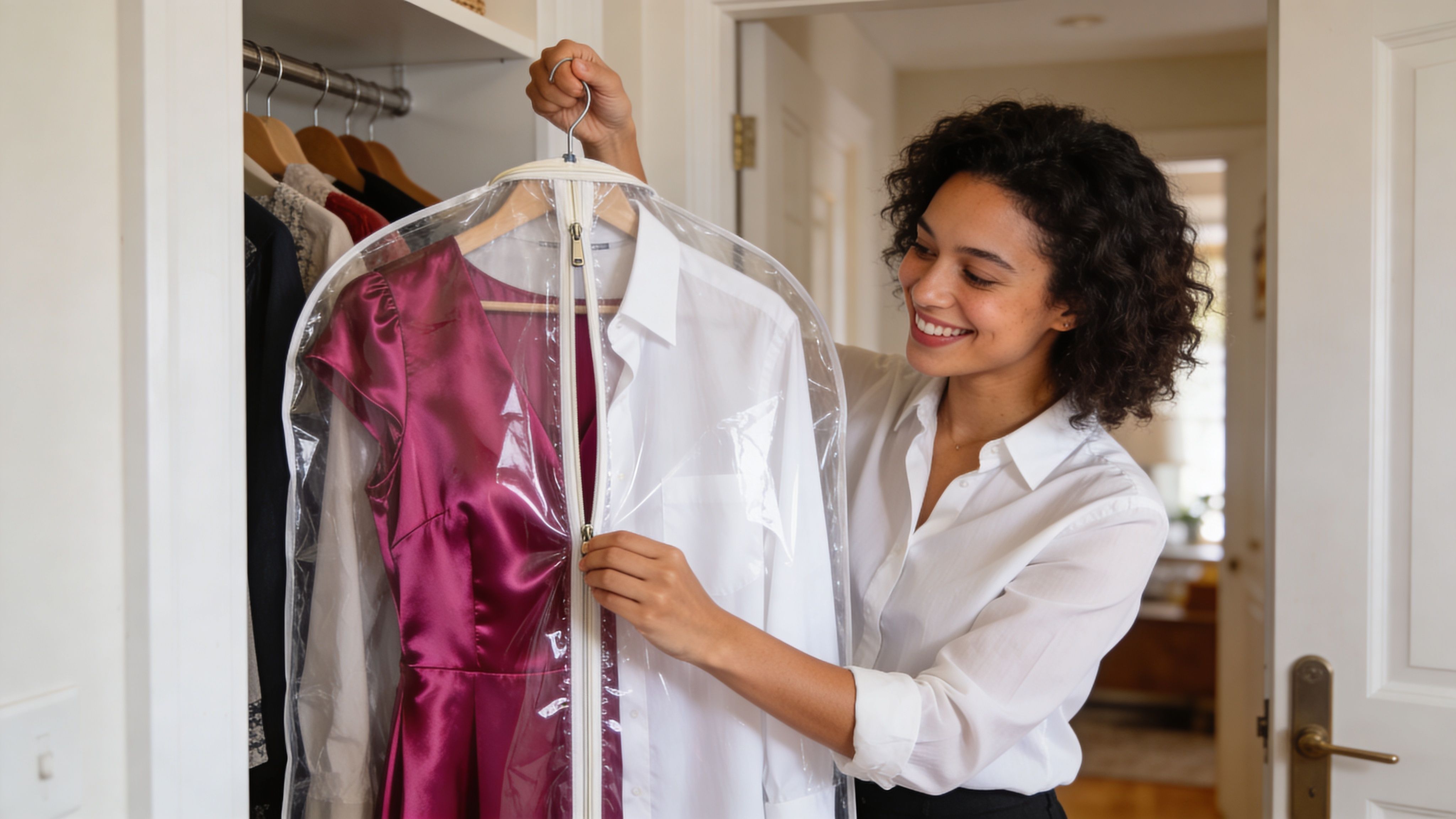
Dry cleaned pieces usually come back pressed, protected, and on hangers. Regular laundry comes back folded, contained, and ready to put away. You’re not dealing with a half-finished task. You’re receiving finished work.
Do a quick check, not a deep audit
You don’t need a clipboard. Just take one minute and confirm the basics.
Use this simple checklist:
- Count the main items so nothing obvious is missing
- Scan for the noted stain area to see whether it improved or cleared
- Check pressed pieces like blazers, dresses, and trousers for presentation
- Hang garments promptly so they keep their finish
If everything looks right, you’re done. Put it away and move on with your day.
If something isn’t right, say it quickly
Sometimes a stain lingers. Sometimes a garment needs a re-press after delivery. That’s not a disaster. It’s a service issue, and good cleaners should fix it.
If there’s a problem, contact the provider right away and be specific. Say which item, what you noticed, and what outcome you expected. Clear feedback gets faster results than vague frustration.
Clean clothes are nice. The real win is opening your closet and not seeing another unfinished task waiting for you.
That’s why simple dry clean is worth adopting as a routine, not just an emergency backup. You’re not just maintaining clothes. You’re removing one more low-level burden from your week.
Laundry isn’t your job anymore. At least, not all of it.
If you’re ready to stop negotiating with the chair in the corner, Columbia Pike Laundry makes the handoff easy. Schedule pickup, separate your dry cleaning from your regular laundry, leave a note for any stains, and let the week feel lighter. You didn’t outsource laundry. You bought back your weekend.
Free pickup, expert care, delivered back to your door.
Popular Blog Articles

Meet the Author
Daniel Logan didn’t start CPL because he loved laundry. He started it because his family was drowning in time debt, and laundry was one of the biggest weights.
Mornings were chaos with two kids under 5. Evenings felt like catch-up. And weekends? Gone to sorting socks and folding piles.
He knew his story wasn’t unique. So he built a business that gave families like his just a little bit of breathing room one load at a time.
With no laundry experience but deep tech skills, Daniel rolled up his sleeves, doing every job himself while building systems that turned it into a modern laundry service that saves customers time, simplifies their lives, and delivers reliability they can count on.
That’s where CPL began. Not from a playbook, but from pain. From one dad trying to buy back time: for himself, and for every household like his.
Free pickup, expert care, delivered back to your door.