
Streamline Restaurant Laundry Workflow for Peak Efficiency
Columbia Pike Laundry offers pickup & delivery across Northern Virginia.
Most American restaurants in Arlington see uniform and linen turnover rates climb as high as 15 loads per week, making smart laundry solutions essential for smooth operations. Juggling daily staff attire with crisp dining room linens affects everything from guest impressions to employee morale. This guide shares practical steps on tailoring laundry workflow so you can protect textile quality, reduce costs, and leverage the latest technology through trusted Arlington providers.
Quick Summary
| Essential Insights | Detailed Explanation |
|---|---|
| 1. Conduct a Thorough Textile Inventory | Assess your restaurant’s linen and uniform needs by documenting every textile type and quantity for optimal cleaning management. |
| 2. Establish Sorting Protocols | Create clear guidelines for sorting laundry by fabric type, color, and soil level to enhance cleaning efficiency and prevent damage. |
| 3. Specify Cleaning Instructions | Communicate specific care requirements for each textile to ensure that uniforms and linens receive the proper cleaning treatment. |
| 4. Verify Quality After Cleaning | Inspect all cleaned items for stains, fabric integrity, and overall cleanliness to guarantee high standards before returning them to use. |
| 5. Utilize Digital Scheduling Tools | Take advantage of online scheduling platforms for laundry services to streamline operations and customize cleaning preferences. |
Step 1: Assess Linen and Uniform Needs
Assessing linen and uniform requirements forms the critical foundation of any restaurant’s laundry workflow. This initial step helps you understand exactly what volume and types of textiles your operation needs to clean consistently and professionally.
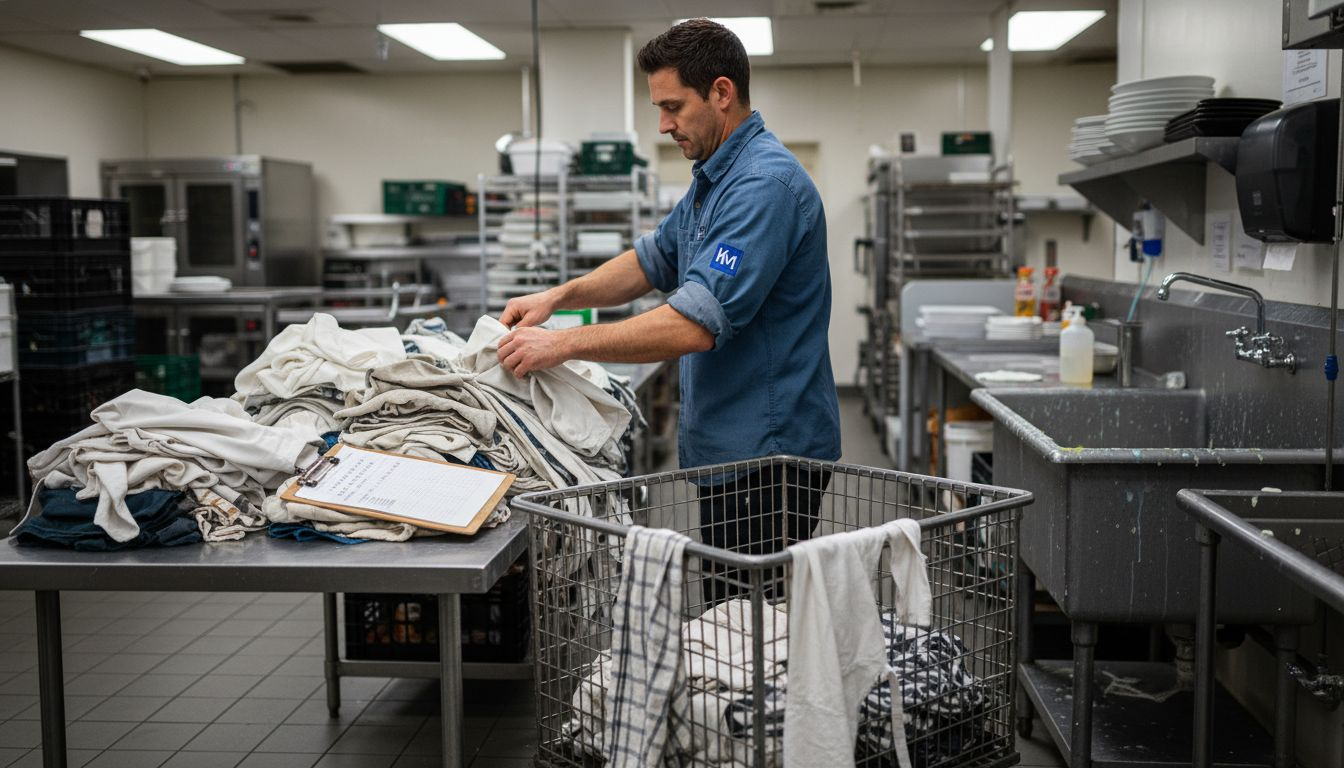
Start by conducting a comprehensive inventory of all restaurant textiles. This means carefully documenting every uniform type worn by staff (chef coats, server aprons, kitchen towels) and calculating precise quantities. Restaurants typically need multiple sets per employee to ensure clean replacements are always available. Restaurant laundry tips for busy owners recommend tracking daily usage patterns to determine optimal textile quantities.
Your assessment should include fabric types, color specifications, and potential wear and tear factors. Kitchen uniforms endure more intense cleaning requirements compared to front of house attire. Consider the frequency of washing needed for each textile category - chef coats might require daily cleaning, while server uniforms could potentially rotate every few shifts. Factor in backup inventories to maintain professional appearance during laundry cycles.
Pro tip: Create a detailed spreadsheet tracking each uniform type, quantity needed, and anticipated replacement schedule to streamline your long term textile management strategy.
Here’s a summary of key textile categories and their unique cleaning considerations:
| Textile Type | Cleaning Frequency | Special Handling Needs |
|---|---|---|
| Chef Coats | Daily | Stain removal, crisp folding |
| Server Uniforms | Every few shifts | Color preservation, gentle wash |
| Kitchen Towels | Daily | Aggressive washing, odor control |
| Dining Room Linens | Every few shifts | Wrinkle-free, color integrity |
Step 2: Sort and Prep Laundry for Service
Sorting and preparing restaurant laundry is a critical process that ensures efficient cleaning and maintains textile quality. This step transforms your laundry workflow from chaotic to systematic, preventing cross contamination and optimizing cleaning results.
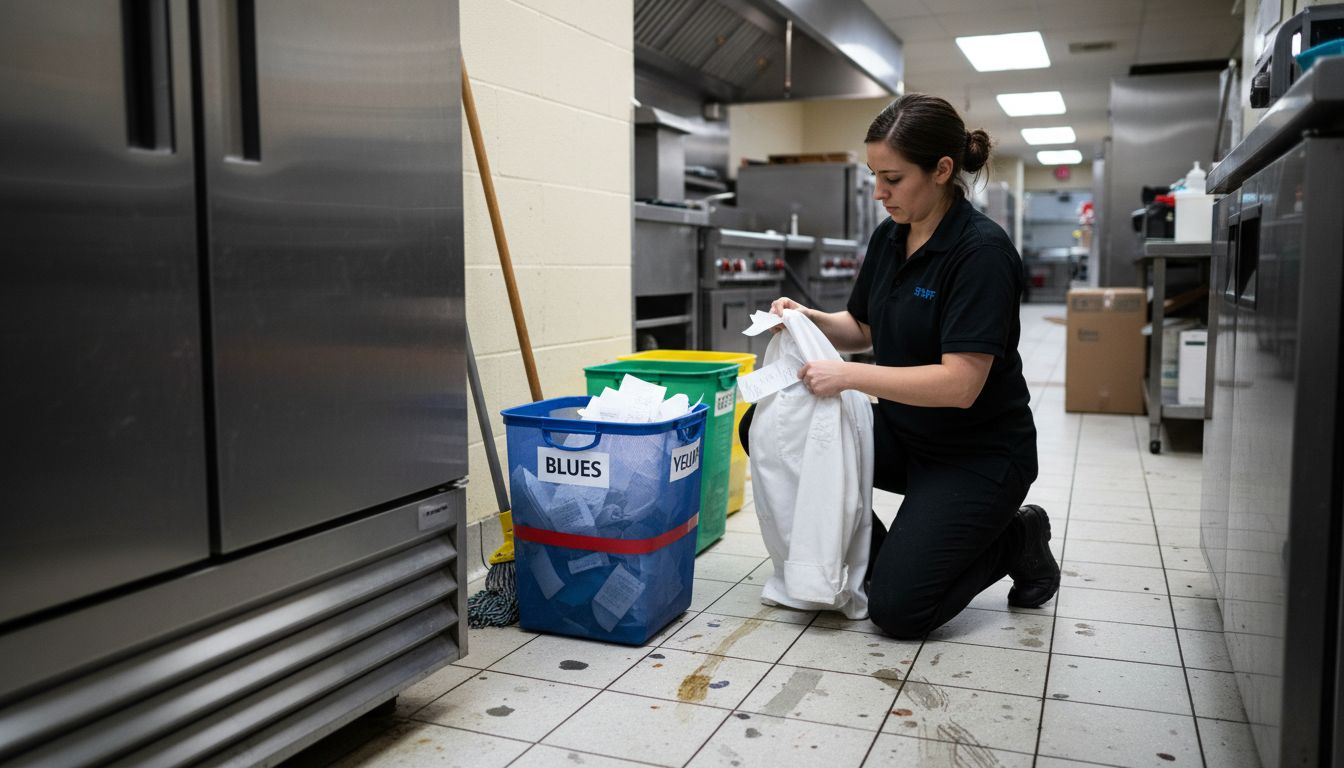
Commercial laundry best practices recommend establishing clear sorting protocols that categorize textiles by fabric type, color, and soil level. Begin by creating distinct sorting zones with separate containers for white linens, colored uniforms, kitchen towels, and heavily soiled items. Separate delicate fabrics like chef coats from more rugged kitchen aprons to prevent potential damage during washing. Inspect each item carefully for stains, tears, or buttons that might require pre treatment or special handling.
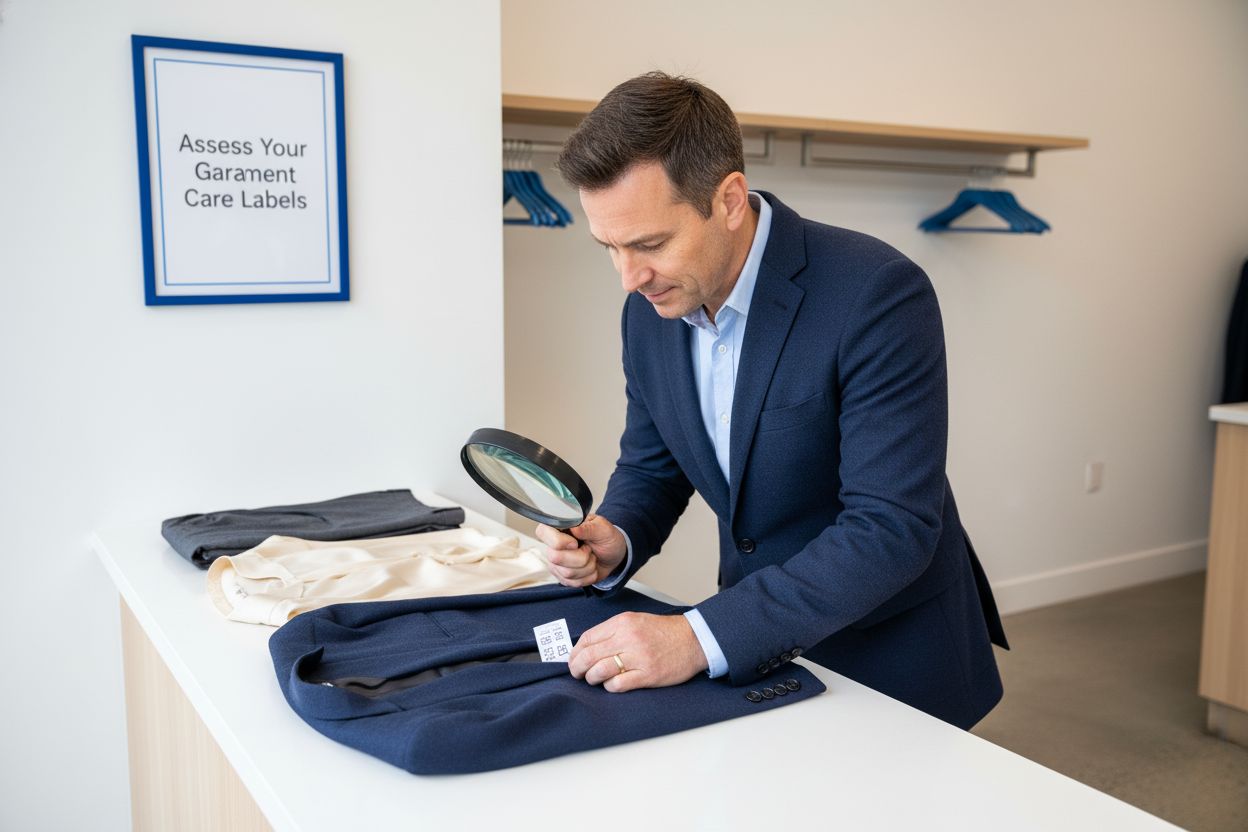
Preparing items for service involves more than just sorting. Remove any non fabric items like order tickets or utensils from pockets. Check uniform tags for specific washing instructions and group similar care requirements together. Consider the intensity of soil different restaurant areas generate - kitchen textiles will likely need more aggressive cleaning compared to dining room linens. Establish a consistent workflow that allows staff to quickly and accurately sort items without disrupting kitchen operations.
Pro tip: Invest in color coded sorting containers and train staff on precise textile categorization to streamline your laundry preparation process and minimize errors.
Step 3: Schedule Pickup or Drop-off with Columbia Pike Laundry
Scheduling your restaurant laundry service with Columbia Pike Laundry transforms a potentially complex task into a seamless experience. Understanding the available options will help you optimize your laundry management and minimize operational disruptions.
Columbia Pike Laundry offers flexible pickup and delivery options designed to accommodate restaurant schedules. You can choose between convenient online scheduling or in person drop offs at their Arlington location. When booking online, select your preferred service type - wash and fold, dry cleaning, or specialized textile care. Specify your exact requirements such as preferred pickup time window, any special handling instructions for uniforms, and whether you need same day or standard turnaround service.
Before scheduling, gather all your sorted and prepared restaurant textiles. Have your total load weight estimated and any specific cleaning instructions ready. The online platform allows you to customize preferences like detergent type, folding instructions, and delivery frequency. For restaurants with consistent laundry needs, consider setting up a recurring pickup schedule that automatically manages your textile cleaning workflow.
Pro tip: Always photograph and document the condition of expensive or specialty uniforms before sending them for cleaning to maintain accurate records and track potential damage.
Use this quick reference to compare digital and manual laundry scheduling methods:
| Scheduling Method | Flexibility | Efficiency | Best for |
|---|---|---|---|
| Online Platform | High | Very Fast | Recurring needs |
| In-Person Dropoff | Moderate | Slower | Occasional requests |
Step 4: Specify Cleaning Preferences and Instructions
Detailing your specific cleaning preferences is crucial for ensuring your restaurant textiles receive exactly the care they need. This step allows you to communicate precise requirements that maintain the quality and longevity of your uniforms and linens.
Navigate to the professional dry cleaning process section when setting your preferences. Specify fabric types, temperature requirements, starch levels for chef coats, and any special handling instructions for delicate or specialized uniforms. Consider factors like color preservation for branded uniforms, specific detergent requirements for allergen sensitive staff, and preferred folding techniques that align with your restaurant’s storage systems.
Make sure to provide comprehensive details about each textile category. For kitchen uniforms, highlight areas prone to tough stains like grease or food residue. For dining room staff uniforms, emphasize preservation of crisp appearances and color integrity. Include information about any embroidered logos, unique fabric blends, or specific wear patterns that might impact cleaning approaches. The more precise your instructions, the better Columbia Pike Laundry can customize their cleaning process to meet your exact operational needs.
Pro tip: Create a digital reference document with detailed cleaning specifications for each uniform type to ensure consistent communication and minimize potential misunderstandings.
Step 5: Verify Quality and Organize Finished Items
Verifying the quality of your cleaned restaurant textiles is the final crucial step in ensuring your laundry service meets professional standards. This process guarantees that every uniform and linen returns to your restaurant in pristine condition and ready for immediate use.

Commercial laundry quality control best practices emphasize thorough inspection of each textile before final acceptance. Carefully examine every item for stain removal effectiveness, fabric integrity, color preservation, and overall cleanliness. Check chef coats for crisp edges, dining room uniforms for consistent color, and kitchen towels for complete stain elimination. Look for any remaining spots, tears, loose threads, or potential damage that might have occurred during the cleaning process.
Organize your cleaned textiles systematically to streamline your restaurant operations. Group uniforms by type and size, ensuring easy distribution to staff. Create designated storage areas for clean linens and uniforms, keeping them protected from potential contamination. Consider implementing a rotation system that allows for even wear and maintains a consistent professional appearance across your restaurant team. Tracking the condition and lifecycle of your textiles helps you plan future replacements and maintain a high standard of presentation.
Pro tip: Develop a quick visual inspection checklist that staff can use to rapidly assess textile quality upon return, reducing potential disputes and ensuring consistent standards.
Elevate Your Restaurant Laundry Workflow with Trusted Local Expertise
Managing a busy restaurant’s laundry can quickly become overwhelming. Between assessing uniform needs, carefully sorting textiles, and ensuring quality control, it is easy to feel the pressure of meeting fast turnaround times without sacrificing textile care. Your goal to maintain pristine uniforms and linens while minimizing operational disruptions is essential for a professional atmosphere and a confident staff.
At Columbia Pike Laundry, we understand these challenges and provide tailored Commercial Solutions designed specifically to streamline restaurant laundry workflows. Our local in-house cleaning process ensures tighter quality control on your chef coats, server uniforms, and kitchen linens. Whether you prefer convenient pickup and delivery or drop-off service, our online platform makes scheduling effortless so you can focus on what matters most in your restaurant.
Ready to simplify your laundry demands and uphold professional standards with trusted family-owned care? Discover how our expert services can work for you at Columbia Pike Laundry. Visit our Laundry Relief | Laundry Tips section for practical advice and get started today.
Frequently Asked Questions
How can I assess the linen and uniform needs for my restaurant?
Start by conducting a comprehensive inventory of all textiles, detailing each type of uniform, quantity needed, and anticipated replacement schedules. Create a spreadsheet to track usage patterns and ensure you have sufficient backups for efficient operations.
What steps should I take to sort and prepare my restaurant laundry?
Establish clear sorting protocols by separating items based on fabric type, color, and soil level. Set up distinct sorting zones with containers for each category to prevent cross-contamination and streamline the preparation process.
How do I schedule a laundry pickup or drop-off efficiently?
Choose between online scheduling or in-person drop-offs, depending on your operational needs. Gather sorted textiles and specify your preferences, like pickup time, to ensure a smooth laundry management experience and reduce downtime by maintaining a consistent schedule.
What details should I include when specifying cleaning preferences for my restaurant textiles?
Provide precise information about fabric types, temperature requirements, and any special handling instructions when setting cleaning preferences. The more detailed your specifications, the better your laundry service can cater to your unique needs and preserve the quality of your uniforms and linens.
How can I verify the quality of my cleaned restaurant textiles upon return?
Inspect each item thoroughly for stain removal, fabric integrity, and overall cleanliness before accepting them. Organize the returned textiles systematically to streamline staff distribution and prevent potential mix-ups or quality issues in your restaurant operations.
What is the best way to maintain organized storage for clean uniforms and linens?
Create designated storage areas for each type of cleaned textile and implement a rotation system to ensure even wear. Regularly review and track the condition of your textiles to plan for replacements and maintain a consistent professional appearance among your staff.
Recommended
Free pickup, expert care, delivered back to your door.
Popular Blog Articles


Meet the Author
Daniel Logan didn’t start CPL because he loved laundry. He started it because his family was drowning in time debt, and laundry was one of the biggest weights.
Mornings were chaos with two kids under 5. Evenings felt like catch-up. And weekends? Gone to sorting socks and folding piles.
He knew his story wasn’t unique. So he built a business that gave families like his just a little bit of breathing room one load at a time.
With no laundry experience but deep tech skills, Daniel rolled up his sleeves, doing every job himself while building systems that turned it into a modern laundry service that saves customers time, simplifies their lives, and delivers reliability they can count on.
That’s where CPL began. Not from a playbook, but from pain. From one dad trying to buy back time: for himself, and for every household like his.
Free pickup, expert care, delivered back to your door.