
Stain removal checklist for busy Arlington families 2026

Columbia Pike Laundry offers pickup & delivery across Northern Virginia.
Stains happen fast, especially in busy households juggling work, school, and everyday life. That grass stain from soccer practice or the spaghetti sauce splatter from Tuesday dinner can derail your entire laundry routine if you don’t know how to handle them quickly. This article delivers a practical stain removal checklist designed specifically for Arlington families who need effective solutions without wasting time. You’ll learn how to identify stains, choose the right treatment methods, and decide when professional help makes sense. By following these steps, you can tackle most common stains confidently and keep your laundry moving smoothly.
Key takeaways
| Point | Details |
|---|---|
| Identify stain type first | Knowing whether a stain is protein-based, oil-based, or dye-based helps you choose the most effective treatment method. |
| Act quickly for best results | Fresh stains are much easier to remove than set-in stains, so treat them as soon as possible. |
| Test treatments on hidden areas | Always test new stain removers on an inconspicuous fabric area to avoid damaging visible parts of the garment. |
| Use a systematic checklist | Following a step-by-step process prevents missed steps and improves your success rate with stain removal. |
| Know when to get professional help | Some stains require specialized solvents and techniques that only professional cleaners can provide. |
Setting criteria: what to know before tackling stains
Before you grab the nearest bottle of stain remover, you need to understand what you’re dealing with. Identifying stain type helps select targeted treatments for better removal. Common household stains fall into several categories, each requiring different approaches. Food stains like tomato sauce or chocolate contain proteins and sugars. Oil-based stains from cooking grease or makeup need degreasing agents. Ink stains require solvents that break down dyes. Grass stains combine chlorophyll and protein. Detergent residues can even create their own stubborn marks if too much product builds up.
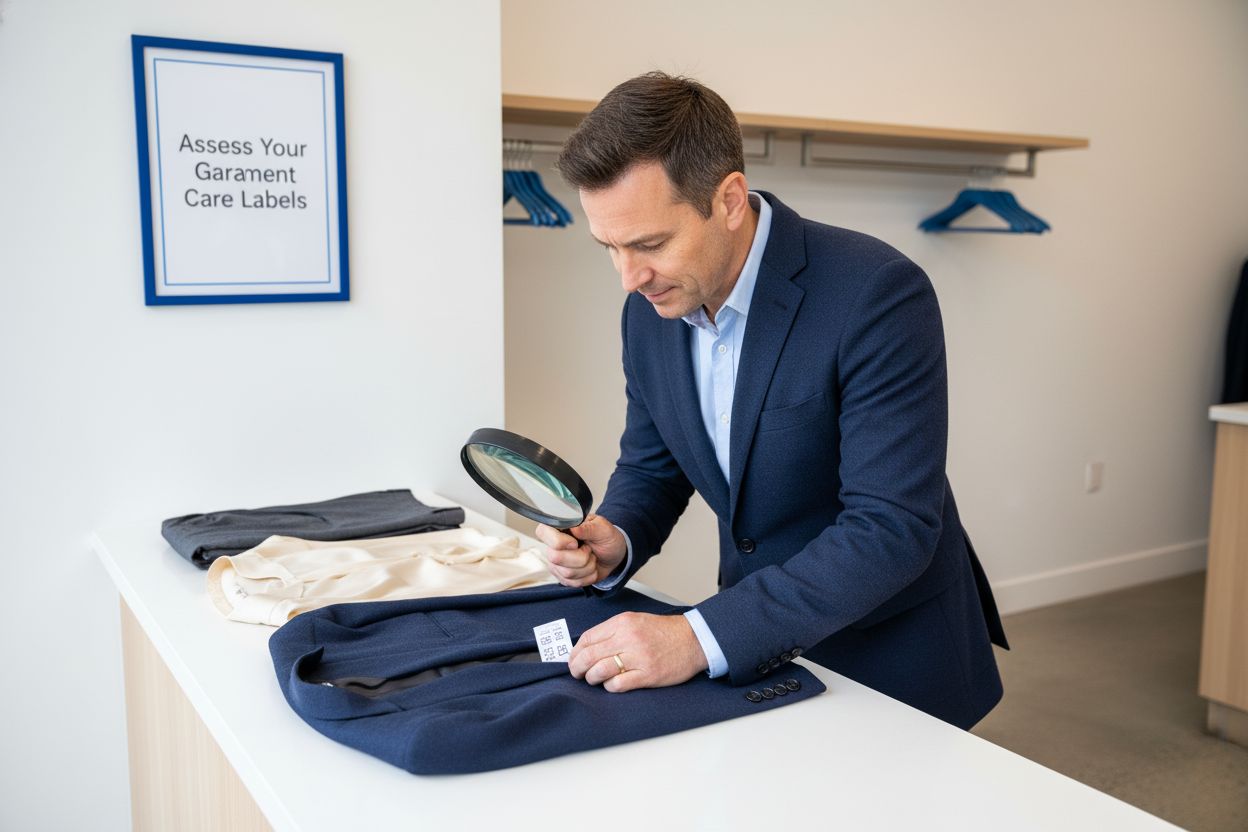
Fabric type matters just as much as stain type. Cotton can handle more aggressive treatments than silk or wool. Synthetic fabrics like polyester react differently to heat and chemicals compared to natural fibers. Delicate items may require gentler approaches or professional care to avoid permanent damage. Always check care labels before applying any treatment.
Timing is critical in stain removal success. Fresh stains respond much better to treatment than ones that have dried and set into fabric fibers. The longer a stain sits, the more it bonds with the fabric, making removal exponentially harder. If you can’t treat a stain immediately, at least blot away excess material and rinse with cold water to prevent it from setting.
Before applying any stain remover to a visible area, test it on a hidden spot like an inside seam or hem. This simple step prevents discoloration or fabric damage on the parts of the garment people actually see. Wait a few minutes after testing to check for any adverse reactions.
Using a checklist keeps you organized and ensures you don’t skip important steps. When you’re rushing through laundry on a busy weeknight, it’s easy to forget whether you pre-treated that wine stain or if you need to air dry before checking results. A systematic approach saves time and reduces the frustration of dealing with difficult stain treatments repeatedly.
Pro Tip: Keep a small stain removal kit in your laundry area with basics like white vinegar, baking soda, dish soap, and hydrogen peroxide so you’re always ready to act fast.
Essential stain removal methods every household should know
Once you understand the basics, you can start applying proven techniques that work for most common household stains. The first rule is always blot, never rub. Rubbing pushes the stain deeper into fabric fibers and spreads it to a larger area. Use a clean white cloth or paper towel to gently blot from the outside of the stain toward the center, lifting away as much material as possible.
Water temperature makes a significant difference in treatment effectiveness. Cold water works best for protein-based stains like blood, egg, or dairy because hot water can actually cook the proteins and set them permanently. Warm or hot water helps with grease and oil-based stains by melting the oils so they can be lifted away. When in doubt, start with cold water, especially if you’re unsure about the stain type.
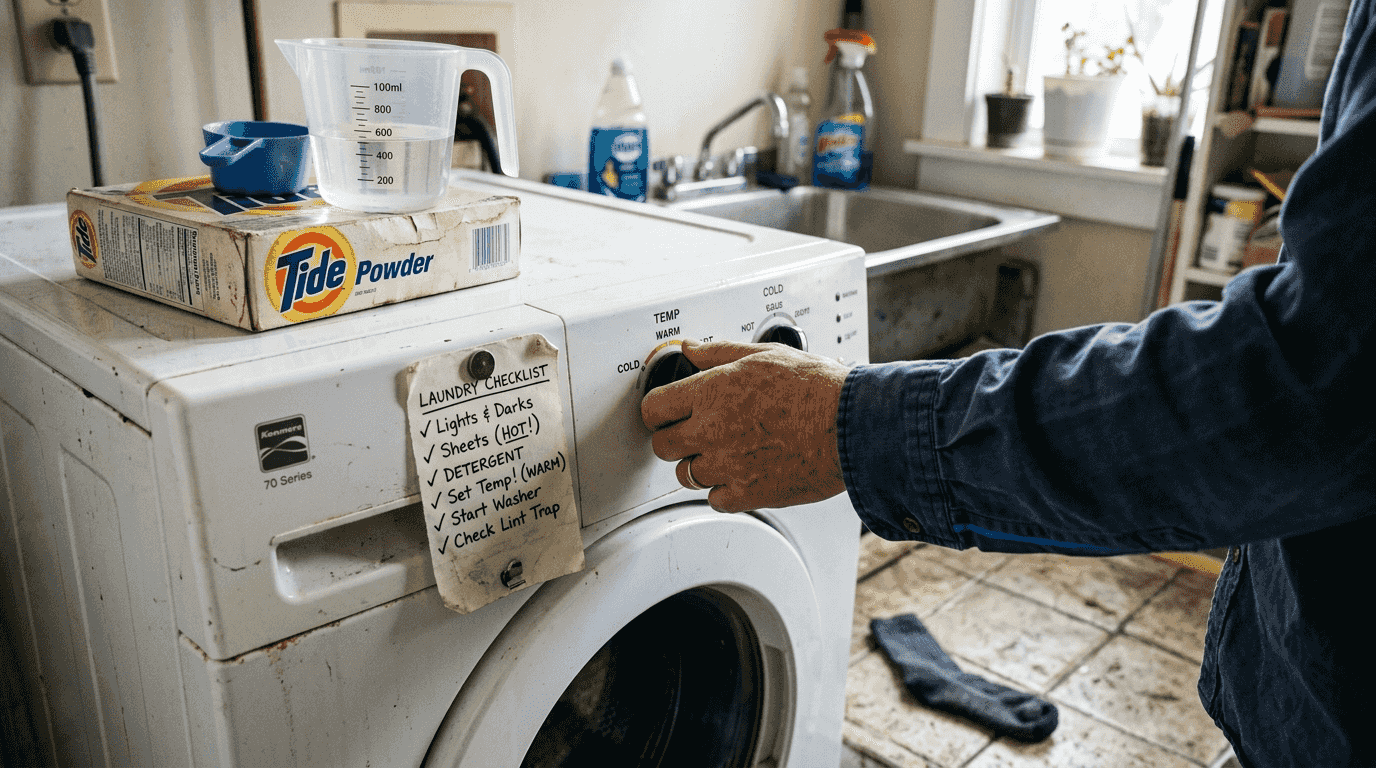
Pre-treatment is your secret weapon for tough stains. Apply a small amount of liquid laundry detergent directly to the stain and gently work it in with your fingers or a soft brush. Let it sit for at least five to ten minutes before washing. For extra stubborn stains, you can let the pre-treatment work for up to an hour. Home approaches, combined with professional advice, improve stain removal success significantly.
Never put a stained item in the dryer until you’re certain the stain is completely gone. Heat from the dryer sets stains permanently into fabric, making them nearly impossible to remove afterward. After washing, inspect the item while it’s still damp. If you can still see the stain, treat it again before drying.
Some stains require multiple treatment cycles. Don’t get discouraged if the first attempt doesn’t completely remove a stain. Repeat the pre-treatment and washing process two or three times if needed. Persistence often pays off with stains that seem stubborn at first. Check out this practical stain removal guide for more detailed techniques.
Pro Tip: For mystery stains where you don’t know the source, start with the gentlest treatment first and work your way up to stronger methods to avoid accidentally setting the stain with the wrong approach.
Comparison of stain removal options: home remedies vs. professional cleaning
Understanding when to handle stains yourself versus when to call in professionals helps you save time and protect your favorite garments. Home methods offer convenience and immediate action. You can treat most fresh stains right away with products you already have in your pantry or laundry room. However, household stain removers have limitations in strength and may not work on set-in or complex stains.
Professional cleaners bring specialized equipment and expertise to the table. Dry cleaners use specialized solvents and techniques to remove tough stains safely. They have access to commercial-grade products not available to consumers and understand how different fabrics react to various treatments. Professional stain treatment can rescue garments home methods cannot.
| Factor | Home Remedies | Professional Cleaning |
|---|---|---|
| Cost | Low, uses household items | Higher, but worth it for valuable items |
| Convenience | Immediate, no travel needed | Requires drop-off or pickup scheduling |
| Effectiveness | Good for fresh, simple stains | Excellent for tough, set-in, or delicate fabric stains |
| Time investment | Quick for simple stains | Longer turnaround but hands-off |
| Risk to fabric | Higher if using wrong method | Lower, experts assess fabric type |
Cost and time considerations differ significantly between approaches. Home stain removal costs pennies per treatment and takes just a few minutes of active work. Professional cleaning costs more upfront but saves you the hassle of repeated attempts and potential fabric damage from trial and error. For everyday items like kids’ play clothes, home methods make sense. For special occasion wear, delicate fabrics, or expensive garments, professional care protects your investment.
Some stains absolutely require expert intervention. Large grease stains, ink from permanent markers, old wine stains, and anything on silk or wool often exceed the capabilities of home treatments. Attempting aggressive home remedies on these can cause irreversible damage like color loss, fabric weakening, or spreading the stain.
The smartest approach combines both methods strategically. Handle routine fresh stains at home with your checklist. Reserve professional stain removal for challenging situations where you lack the right tools or when the item is too valuable to risk. Many Arlington families find this hybrid approach maximizes results while keeping costs reasonable. Understanding dry cleaning stain techniques helps you make informed decisions about which stains to tackle yourself and which to delegate.
Building your stain removal checklist: step-by-step for efficiency
Now that you understand the options, here’s your complete checklist for handling stains efficiently. Following a structured checklist streamlines stain removal and prevents mistakes. This system works for busy families who need reliable results without spending hours on laundry.
-
Identify and classify the stain immediately. Look at the color, texture, and location. Ask yourself what caused it: food, beverage, body fluid, ink, or something else. This determines your treatment approach.
-
Apply appropriate pre-treatment based on stain type. For protein stains, use cold water and enzyme-based detergent. For oil stains, apply dish soap or a degreasing agent. For dye stains, use rubbing alcohol or specialized stain remover. Work the treatment in gently and let it sit for 10 to 15 minutes.
-
Wash following fabric and stain guidelines. Check the care label for temperature limits. Use the warmest water safe for the fabric that matches your stain type. Add your regular detergent and run a normal wash cycle.
-
Air dry and inspect for remaining stain before using heat. Lay the item flat or hang it to dry naturally. Once dry, examine the stained area in good lighting. If any trace remains, do not proceed to machine drying.
-
Repeat treatment or seek professional help if needed. For persistent stains after two home attempts, it’s time to consider professional cleaning. Continuing with ineffective home methods risks setting the stain permanently.
| Stain Type | First Action | Pre-Treatment | Water Temp | Drying Method |
|---|---|---|---|---|
| Blood, egg, dairy | Blot, rinse cold | Enzyme detergent | Cold | Air dry, inspect |
| Grease, oil, makeup | Blot excess | Dish soap | Warm to hot | Air dry, inspect |
| Wine, juice, coffee | Blot, rinse cold | White vinegar or stain remover | Cold to warm | Air dry, inspect |
| Grass, mud | Let dry, brush off | Enzyme detergent | Warm | Air dry, inspect |
| Ink, marker | Blot with alcohol | Rubbing alcohol | Cold | Air dry, inspect |
This stain removal checklist gives you a reliable framework that takes the guesswork out of stain treatment. Print it out and keep it near your washing machine for quick reference when accidents happen.
Pro Tip: Take a photo of stubborn stains before treating them so you can track your progress and show professionals exactly what you’re dealing with if you need to escalate to expert care.
Simplify stain removal with Columbia Pike Laundry’s expert help
Even with the best home checklist, some stains and busy schedules call for professional backup. Columbia Pike Laundry makes it incredibly easy for Arlington families to get expert stain treatment without disrupting your routine. Our easy 3-step service lets you schedule pickup online, have your items professionally cleaned in-house with specialized stain removal techniques, and get them returned folded and ready to wear. We handle everything from everyday tough stains to delicate fabrics that require extra care. Whether you’re dealing with a soccer uniform covered in grass stains or a work shirt with an unexpected coffee spill, our team has the expertise and equipment to restore your garments. For busy families who value their time and want guaranteed results, Columbia Pike Laundry offers the perfect solution to keep your household running smoothly without laundry stress.
Frequently asked questions
What is the best way to treat stains quickly at home?
Blot the stain gently with a clean white cloth instead of rubbing it, which pushes the stain deeper into fibers. Use cold water for protein-based stains like blood or egg to prevent setting. Apply a stain remover or liquid laundry detergent directly to the spot and let it work for 10 to 15 minutes before washing. Never put the item in the dryer until you’ve confirmed the stain is completely gone, as heat permanently sets stains. For more detailed techniques, check out this practical stain removal guide with tips for busy families.
When should I take a stained item to a professional cleaner?
Seek professional help for large, set-in stains that don’t respond to two home treatment attempts. Delicate fabrics like silk, wool, or rayon often require specialized cleaning methods that prevent damage. If you lack time to treat stains properly or don’t have the right products on hand, professionals can save you from making the problem worse. Items with high sentimental or monetary value should go straight to experts rather than risking home experiments. Learn more about professional stain removal and when it’s worth the investment.
Are there safe DIY stain removers suitable for all fabrics?
Mild enzymatic stain removers work safely on most washable fabrics when used according to package directions. Always test any new product on a hidden area like an inside seam before applying it to visible spots. Avoid using chlorine bleach on colored fabrics or delicate textiles, as it can cause permanent discoloration and fiber damage. Natural options like white vinegar, baking soda, and dish soap are generally safe for most materials but should still be tested first. For comprehensive fabric care guidance, review this laundry care expert guide with professional recommendations.
How do I remove detergent stains from clothes?
Detergent stains usually appear as white or blue streaks caused by using too much product or insufficient rinsing. Rewash the affected items in hot water without adding any detergent to rinse away the residue. Add a cup of white vinegar to the rinse cycle to help dissolve built-up detergent. For stubborn detergent marks, gently rub the area with a paste of baking soda and water before rewashing. Prevent future issues by measuring detergent carefully and avoiding overloading your washing machine. Find specific techniques for detergent stain removal that work for common laundry mistakes.
Recommended
Free pickup, expert care, delivered back to your door.
Popular Blog Articles




Meet the Author
Daniel Logan didn’t start CPL because he loved laundry. He started it because his family was drowning in time debt, and laundry was one of the biggest weights.
Mornings were chaos with two kids under 5. Evenings felt like catch-up. And weekends? Gone to sorting socks and folding piles.
He knew his story wasn’t unique. So he built a business that gave families like his just a little bit of breathing room one load at a time.
With no laundry experience but deep tech skills, Daniel rolled up his sleeves, doing every job himself while building systems that turned it into a modern laundry service that saves customers time, simplifies their lives, and delivers reliability they can count on.
That’s where CPL began. Not from a playbook, but from pain. From one dad trying to buy back time: for himself, and for every household like his.
Free pickup, expert care, delivered back to your door.