
Sustainable Laundry – How It Impacts Arlington Families
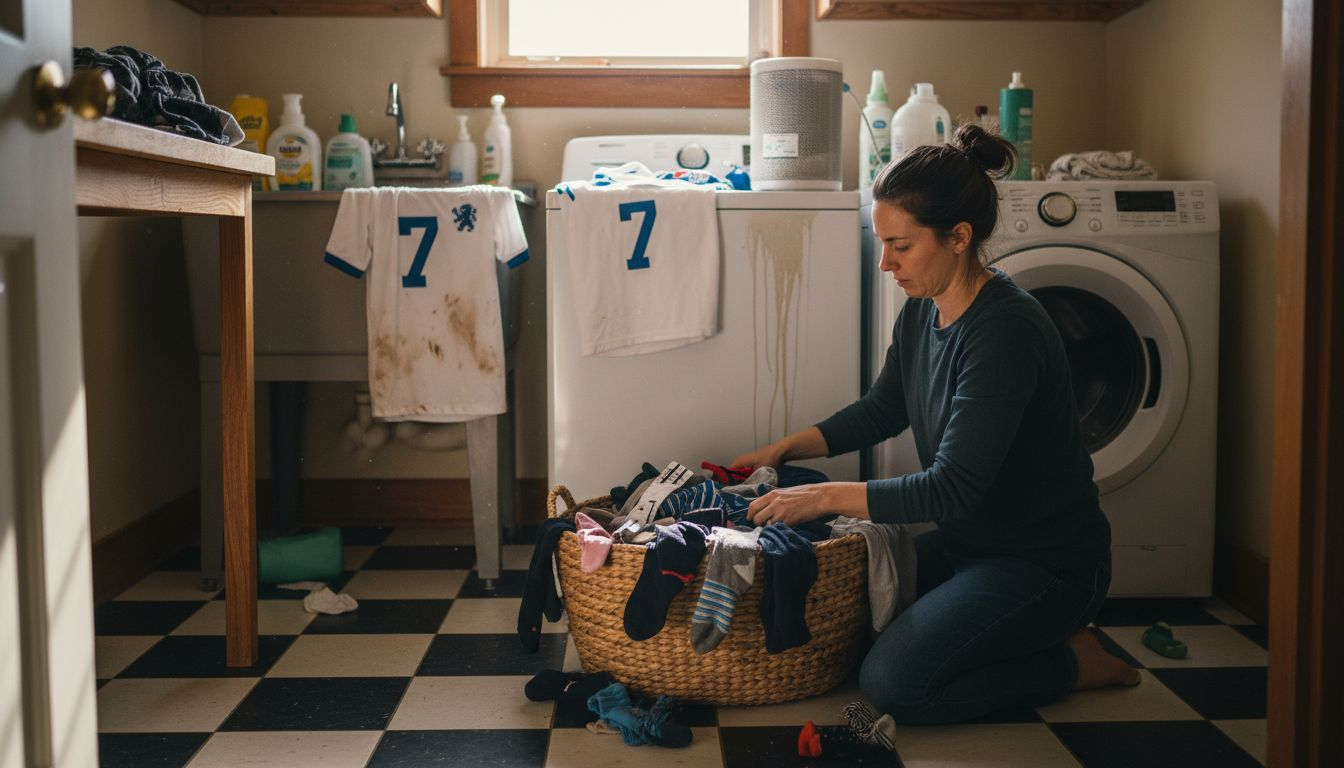
Columbia Pike Laundry offers pickup & delivery across Northern Virginia.
Every parent recognizes the steady pile of laundry that seems to appear overnight, especially in active Arlington households with children. The real challenge isn’t just keeping up with the loads, but doing so in a way that protects your family, your time, and the environment. Embracing sustainable laundry not only simplifies your routine but also helps reduce your home’s impact on local water sources and the global ecosystem. Discover how practical changes can streamline your chores while modeling eco-friendly habits for your kids.
Key Takeaways
| Point | Details |
|---|---|
| Reduce Washing Frequency | Wearing clothes longer between washes significantly decreases water, energy use, and detergent chemicals. |
| Choose Cold Water and Full Loads | Washing with cold water and maximizing load sizes both save resources and lower your carbon footprint. |
| Utilize Eco-Friendly Products | Transitioning to biodegradable detergents and using microfiber filters can minimize environmental impact and protect local ecosystems. |
| Engage with Community Resources | Leverage local initiatives like textile recycling and donation programs to extend clothing life cycles and reduce waste. |
Defining Sustainable Laundry and Key Concepts
Sustainable laundry starts with a simple shift in perspective: your clothes don’t need to be washed as often as you think. At its core, sustainable laundry involves reducing the environmental impact of washing clothes by using less energy, water, and toxic detergents. For Arlington families juggling work, kids, and everything in between, this doesn’t mean becoming a minimalist overnight. It means making deliberate choices that add up over time, protecting both your wallet and the planet.
The concept builds on a broader sustainability framework that balances economic growth, environmental respect, and social well-being. When you adopt sustainable laundry practices, you’re participating in something larger than household chores. You’re addressing the significant carbon footprint that laundering contributes to your clothing’s overall lifecycle. Think about it: a single load of laundry heated with hot water releases carbon emissions, consumes hundreds of gallons of water, and exposes your family to chemicals from conventional detergents. Over a year, those loads accumulate into a meaningful environmental cost.
Key sustainable laundry practices include wearing clothes longer between washes, using colder water temperatures and shorter cycles, choosing natural and biodegradable detergents, line-drying instead of machine-drying, and selecting front-loading washers that use significantly less water than top-loaders. Many Arlington families don’t realize that microfiber filters can prevent plastic pollution from synthetic fabrics entering waterways during each wash cycle. When you combine these practices, you’re not just reducing your household’s environmental footprint. You’re modeling sustainable choices for your children and contributing to cleaner water systems in Arlington and beyond.
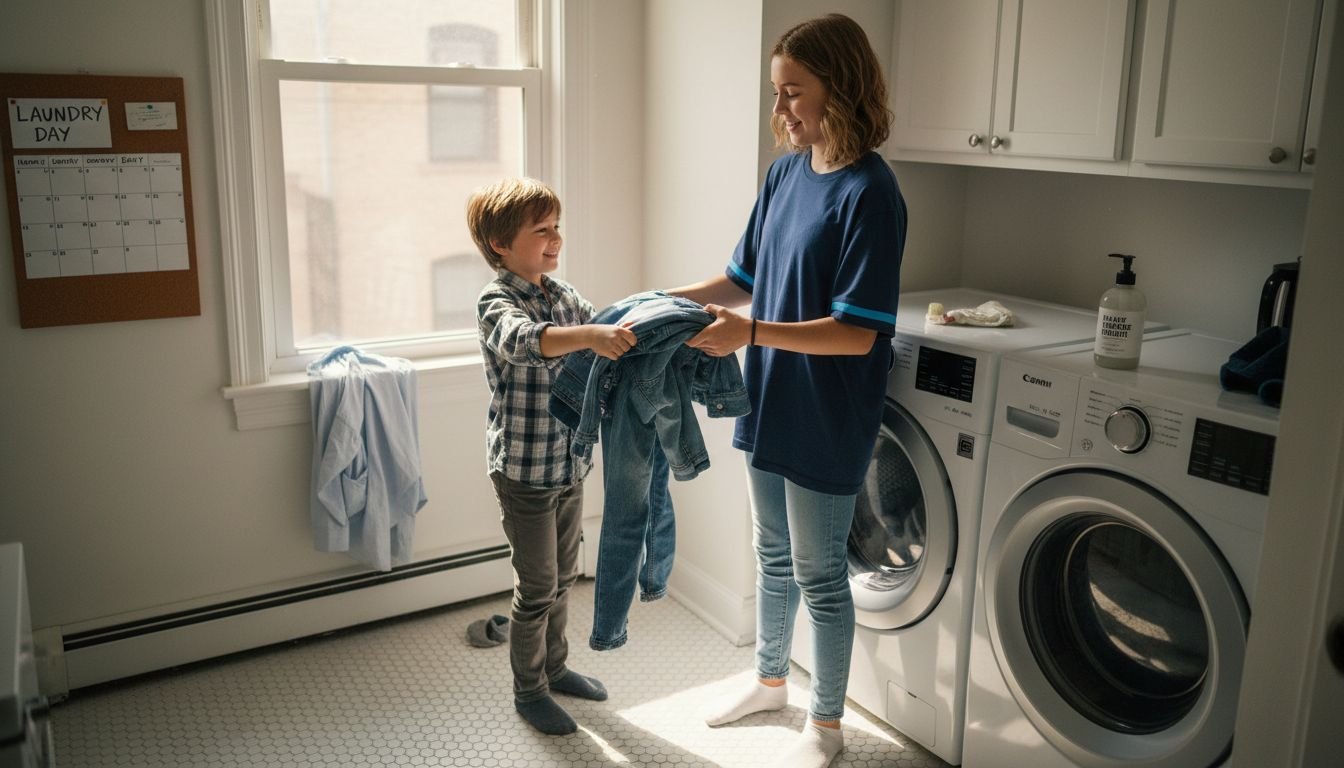
Understanding these concepts helps you make informed decisions about which practices work best for your family’s lifestyle. Some families find that adjusting washing frequency alone saves them time and money while reducing environmental impact. Others prioritize investing in quality, sustainable fabrics that last longer, which means fewer replacements and less overall washing over time. The beauty of sustainable laundry is that you don’t need to adopt every practice at once. Start with one or two changes, see how they fit into your routine, and build from there.
Pro tip: Start by switching one regular laundry day to cold water and a shorter cycle, then track how much you save on your utility bill over the next month to see the real financial impact of sustainable choices.
Major Environmental Impacts of Laundry
When you throw a load of laundry in the washing machine, you probably don’t think about what happens to the water afterward or how your clothes shed during the process. But the environmental cost of laundry extends far beyond your utility bill. One of the most significant and often overlooked problems is microfiber pollution. Every time you wash synthetic fabrics, millions of tiny plastic fibers are released into the wastewater. These aren’t visible to the naked eye, but they’re accumulating in massive quantities. Microfiber shedding varies depending on the type of fabric, how it’s constructed, and even the temperature of your water. Polyester, nylon, and other synthetic materials are the worst offenders, which means the athletic wear and winter coats your Arlington family relies on are likely major contributors to this problem.

The real issue is what happens to these microfibers after they leave your home. Standard wastewater treatment plants cannot fully capture these microscopic particles, so they slip through into rivers, streams, and eventually the ocean. Laundering clothes represents the largest source of microplastic pollution in waterways, affecting marine ecosystems and potentially entering the food chain through seafood consumption. Fish and other aquatic organisms mistake these fibers for food, leading to blockages and nutritional problems. Additionally, your washing machine consumes substantial water and energy. A single household generates hundreds of gallons of wastewater per week from laundry alone. When that water is heated, it contributes to your home’s carbon footprint. For families with multiple children who change clothes frequently, the cumulative impact becomes even more significant over the course of a year.
Beyond water and microfibers, there’s the issue of detergent chemicals. Conventional laundry detergents contain phosphates, bleach, and other compounds that don’t break down easily. These chemicals persist in waterways, contaminating groundwater and harming aquatic life. Natural water systems in Northern Virginia are already under pressure from urban development and pollution, so reducing chemical runoff from your household is a direct way to protect local ecosystems. The good news is that Arlington families have real choices that meaningfully reduce these impacts. Washing in cold water, using less frequent cycles, selecting natural detergents, and investing in mechanical lint traps all make demonstrable differences. These aren’t sacrifices either. Cold water actually cleans most everyday soils just as effectively as hot water, and reducing wash frequency means less time spent on chores.
Here’s a quick comparison of common laundry practices and their environmental impact:
| Practice | Energy Use | Water Consumption | Pollution Risk |
|---|---|---|---|
| Hot water washing | High | High | Increases chemical runoff |
| Cold water washing | Low | Medium | Reduces carbon emissions |
| Line drying | None | None | Low |
| Machine drying | Very high | None | Accelerates fabric wear |
| Biodegradable detergent | Low chemical input | Same as regular | Minimizes waterway harm |
| No lint trap/filter | Same as above | Same as above | High microfiber release |
| Microfiber filter added | Same as above | Same as above | Reduces plastic pollution |
Pro tip: If your family washes synthetics regularly, look into adding a lint trap to your washing machine discharge hose, which can capture up to 90 percent of microfibers before they reach the wastewater system.
Core Elements of a Sustainable Laundry Routine
Building a sustainable laundry routine doesn’t require overhauling your entire household system overnight. Instead, it means making deliberate shifts in how often you wash, what products you use, and how you dry your clothes. The foundation of any sustainable routine starts with reducing washing frequency. Your jeans don’t need washing after every wear, and neither do most items in your closet. Wearing clothes longer between washes is perhaps the single most impactful change Arlington families can make because it directly reduces water consumption, energy use, and detergent chemicals entering local waterways. When you do wash, maximizing load sizes means you’re getting more use out of every gallon of water and every cycle. Full loads are significantly more efficient than partial ones, so coordinating laundry day with your family schedule makes real environmental sense.
The products you choose matter just as much as washing frequency. Switching to biodegradable detergents free from harmful chemicals protects both your family’s health and local water systems. Conventional detergents contain phosphates and other compounds that persist in waterways, but natural alternatives break down safely while still cleaning effectively. Some Arlington families go further by making their own detergent from simple ingredients like washing soda and soap, which eliminates plastic packaging waste entirely. Beyond detergent, selecting sustainable fabrics when buying new clothes reduces future washing impacts. Natural fibers like cotton and wool shed far fewer microfibers than synthetics, meaning your washing machine has less plastic pollution to release.
Your drying method has enormous environmental implications. Machine drying is one of the most energy intensive household tasks, consuming substantial electricity for every load. When weather permits, line drying or hanging clothes indoors not only saves energy but also extends fabric life because heat damage causes premature wear. Even combining these approaches, such as machine drying for 15 minutes then air finishing, cuts energy use dramatically. Additionally, using a microfiber filter on your washing machine discharge hose captures harmful plastic particles before they reach waterways. For families with athletic clothes or synthetic fabrics, this simple device is one of the most direct ways to prevent your household from contributing to microplastic pollution. When shopping for a washing machine, prioritize front loaders because they use substantially less water than top loading models while delivering superior cleaning performance.
Pro tip: Designate one laundry day per week and batch all household washing into that single day, which maximizes load efficiency and trains your family to plan outfits around a predictable wash schedule, reducing the urge to rewash barely worn items.
Sustainable Laundry Practices for Busy Families
Let’s be honest: when you have kids, work, and a hundred other demands on your time, sustainable laundry might feel like a luxury you cannot afford. But here’s the reality: the easiest sustainable practices actually save you time and money. Start with washing less frequently. This isn’t about accepting dirty clothes. Most everyday items like jeans, sweaters, and casual shirts can go multiple wears between washes without any hygiene concerns. By extending the time between washes, you’re not sacrificing cleanliness. You’re simply being smarter about resource use. Tell your kids that wearing clothes more than once before washing is normal and environmentally responsible, which teaches them valuable habits while cutting your laundry workload by 30 to 40 percent.
When you do wash, make cold water your default setting. Cold water washes save substantial energy while cleaning most everyday soils just as effectively as hot water. The only exception is heavily soiled items or bedding, which you can handle separately. Pair this with full loads only, which means coordinating with your family so laundry day becomes a real event rather than a constant background task. One larger load uses far less water and energy than two smaller ones. For detergent, switching to biodegradable options removes the burden of worrying about toxic chemicals without requiring extra effort. They work the same way as conventional products but break down safely. Some busy families even use reusable laundry products like dryer balls instead of dryer sheets, which eliminates the need to buy replacements constantly.
Drying is where you can make dramatic environmental impact without much hassle. If you have outdoor space or a sunny window, hang clothes to dry whenever weather allows. Even hanging items for just two to three hours before moving them to the dryer cuts energy use significantly. Many Arlington families find that hanging clothes indoors in a spare room or basement works perfectly, especially during winter months. Yes, this adds a few minutes to your routine, but it costs nothing and extends fabric life substantially. For items that truly need machine drying like towels and sheets, use lower heat settings and remove them promptly to prevent wrinkles that would otherwise require ironing. Consider professional laundry services with sustainable practices, which can handle bulk items like comforters and bedding that tax your home system.
Pro tip: Set a family laundry day at the same time each week and establish a “worn but clean” basket where family members place items they want to wear again, which eliminates the temptation to rewash barely worn clothes and keeps your decision-making simple.
Comparing Eco-Friendly Options in Arlington
Arlington families have access to surprisingly robust resources for sustainable laundry and clothing management that many residents don’t know exist. Your choices extend far beyond what happens in your washing machine. The community actively supports zero waste through comprehensive initiatives, including textile recycling programs and educational resources. Arlington’s zero waste programs help residents understand how to reduce, reuse, and recycle effectively, which directly impacts how you handle worn clothing and laundry waste. When clothes reach the end of their life cycle, knowing where to recycle them prevents unnecessary landfill contributions. The Recyclopedia provides specific guidance on proper disposal for different fabric types, which beats guessing whether something belongs in the trash or recycling bin.
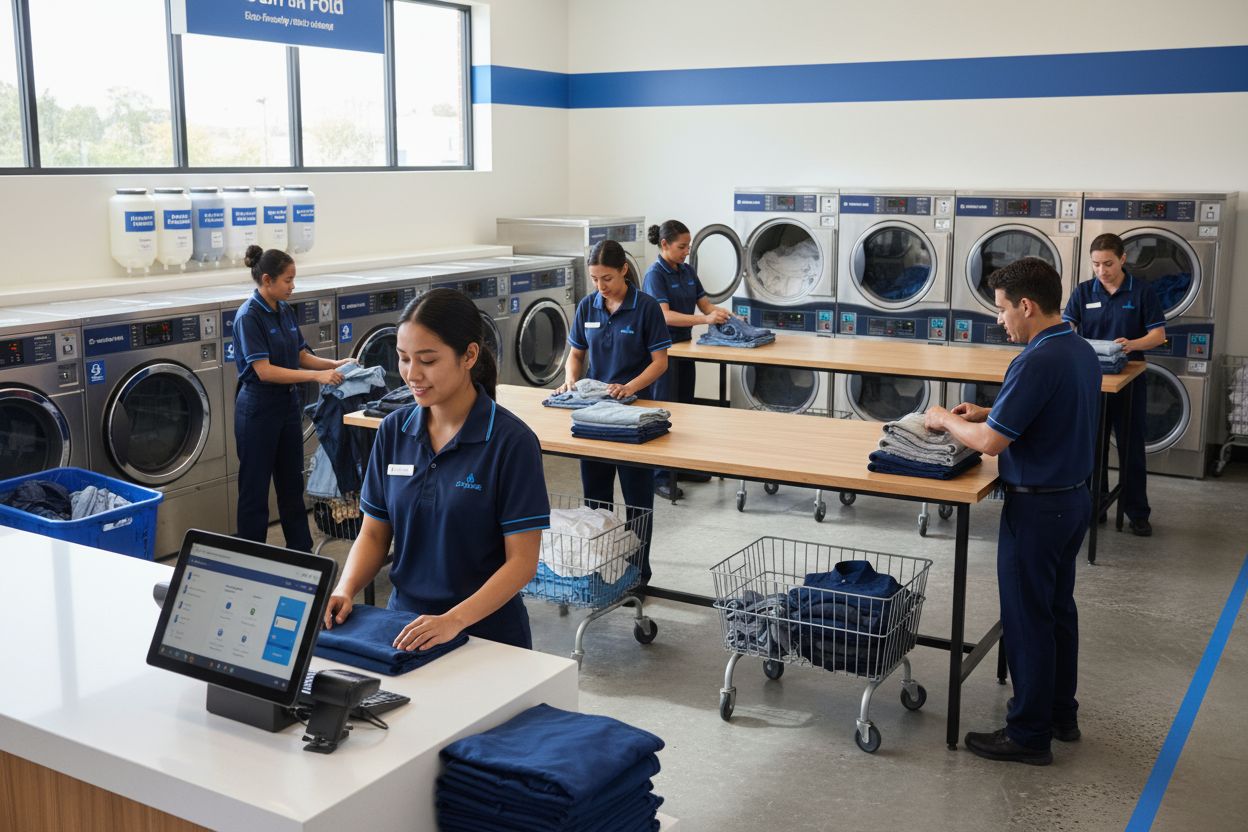
One of Arlington’s most underutilized resources is The Clothesline, which provides free clothing to low-income families while reducing textile waste through clothing reuse. Even if your family doesn’t need financial assistance, understanding this resource demonstrates the power of extending clothing life cycles within your community. When you donate gently worn items instead of discarding them, you’re participating in a circular economy that keeps textiles in use longer. This approach is far more sustainable than buying new clothes constantly. For families seeking professional laundry services that align with sustainable values, Columbia Pike Laundry offers local expertise with in-house cleaning operations, pickup and delivery options, and the flexibility to request fragrance-free detergents or special care instructions. Choosing a local business means your dollars support Arlington jobs and reduce transportation emissions compared to shipping items to distant cleaning facilities.
When comparing your sustainable laundry options, consider this matrix: home-based sustainable practices work best for everyday wear and moderate loads, while professional services excel for bulky items like comforters, delicate fabrics requiring specialized care, and families experiencing time constraints from work or caregiving. Many Arlington families find a hybrid approach most practical, handling everyday laundry sustainably at home while outsourcing demanding loads. This removes the guilt of using your dryer for everything while maintaining realistic expectations about what busy households can manage. Additionally, investigating eco-friendly fabric softener alternatives helps you eliminate toxic chemical exposure while supporting laundry sustainability. The key is selecting approaches that actually fit your family’s lifestyle rather than adopting practices you’ll abandon after a few weeks.
Use this summary to choose the best laundry service option for your needs:
| Option | Best For | Pros | Limitations |
|---|---|---|---|
| Home sustainable routine | Everyday clothing | Cost saving, convenience | Limited for bulky loads |
| Professional service | Bulky/delicate items | Specialized care, time efficient | Extra cost |
| Hybrid approach | Busy households | Flexibility, balanced impact | Requires coordination |
Pro tip: Start by mapping Arlington’s free resources like The Clothesline and Zero Waste Arlington’s Recyclopedia, then schedule a quarterly donation drop-off, which creates a sustainable clothing rotation system while teaching kids about community reuse and reducing your household’s textile waste significantly.
Make Sustainable Laundry Effortless with Columbia Pike Laundry
For Arlington families trying to reduce energy use, limit microfiber pollution, and choose safer detergents, sustainable laundry can feel overwhelming when balancing a busy lifestyle. The article highlights key challenges like washing less frequently, selecting biodegradable detergents, and line drying to protect waterways and reduce carbon footprints. Columbia Pike Laundry understands these goals and offers practical solutions that align with your commitment to sustainability without sacrificing convenience or quality.
Discover expert care tailored to your needs through our Sustainable Fashion | Laundry Tips and Fabric Care Expertise | Laundry Tips resources. With in-house cleaning, eco-friendly options like fragrance-free detergents, and flexible pickup or drop-off services, we help Arlington households save time and protect the environment simultaneously. Take the stress out of managing bulky loads or delicate items with trusted local professionals who share your values.
Start transforming your laundry routine today with us at Columbia Pike Laundry. Schedule your pickup or visit our storefront and experience how sustainable laundry can be simple, effective, and tailored just for your family.
Frequently Asked Questions
What are some key practices for sustainable laundry?
Key practices for sustainable laundry include washing clothes in cold water, reducing the frequency of washes, using natural and biodegradable detergents, line-drying clothes, and maximizing load sizes to save water and energy.
How does laundry contribute to environmental pollution?
Laundry contributes to environmental pollution primarily through microfiber pollution and the use of conventional detergents that contain harmful chemicals. Microfibers from synthetic fabrics enter waterways during washes, and chemicals from detergents can contaminate water systems, affecting aquatic life.
Can washing clothes less frequently really save time and money?
Yes, washing clothes less frequently can save time and money. By extending the time between washes for items like jeans and sweaters, you reduce water and energy usage, which can lower utility bills while freeing up time otherwise spent on laundry chores.
What are the benefits of using biodegradable laundry detergents?
Biodegradable laundry detergents are beneficial because they break down safely in the environment, minimizing chemical runoff into waterways. They provide effective cleaning without the harmful ingredients found in conventional detergents, making them a healthier choice for your family and the environment.
Recommended
Free pickup, expert care, delivered back to your door.
Popular Blog Articles


Meet the Author
Daniel Logan didn’t start CPL because he loved laundry. He started it because his family was drowning in time debt, and laundry was one of the biggest weights.
Mornings were chaos with two kids under 5. Evenings felt like catch-up. And weekends? Gone to sorting socks and folding piles.
He knew his story wasn’t unique. So he built a business that gave families like his just a little bit of breathing room one load at a time.
With no laundry experience but deep tech skills, Daniel rolled up his sleeves, doing every job himself while building systems that turned it into a modern laundry service that saves customers time, simplifies their lives, and delivers reliability they can count on.
That’s where CPL began. Not from a playbook, but from pain. From one dad trying to buy back time: for himself, and for every household like his.
Free pickup, expert care, delivered back to your door.