
The Real Impact of Laundry Apps on Daily Life

Columbia Pike Laundry offers pickup & delivery across Northern Virginia.
TL;DR:
- Laundry apps go beyond saving time by reshaping household chore dynamics, trust, and environmental impact.
- They enhance user experience through predictable pickups, transparent pricing, and accountability measures like photo proof.
Most people assume the impact of laundry apps comes down to one thing: saving time. That’s true, but it’s only part of the picture. Laundry apps are quietly reshaping how people relate to household chores, how they spend their evenings, and even how delivery logistics affect city air quality. From the effects of laundry services on dual-income households to the design choices that determine whether someone books again or deletes the app, the full story is more layered than most articles let on. This piece unpacks all of it.
Key takeaways
| Point | Details |
|---|---|
| Time savings go deeper than hours | Fixed pickup windows and real-time tracking eliminate uncertainty, not just waiting time. |
| Trust drives adoption more than convenience | Transparent pricing and photo proof at pickup reduce hesitation more than speed alone. |
| UX design determines repeat use | Apps optimized for thumb navigation and simple booking flows keep users coming back. |
| Environmental impact is real | AI route optimization and smart lockers reduce carbon emissions in urban delivery networks. |
| Pricing model shapes loyalty | Subscription options increase predictability and user retention compared to pay-per-use models. |
The real impact of laundry apps on convenience and time
The most documented benefit of laundry apps is time recovery. For busy professionals and dual-income households, laundry isn’t just tedious. It’s a recurring interruption that fragments evenings and weekends. Time savings, convenience, and affordability are the top three reasons people adopt laundry apps, and what makes the time savings concrete is the design of pickup windows.
Here’s the detail most users don’t realize: fixed pickup windows of roughly 2 hours are not just an operational convenience. They’re a psychological one. When you don’t know when a driver will arrive, you can’t use that time for anything else. A tight, predictable window returns that mental space to you. That’s not the same as saving an hour. That’s reclaiming your focus.
A few concrete benefits users consistently report:
- Scheduled pickups remove the need to plan laundry around machine availability or store hours
- Real-time order tracking eliminates the “did they get my clothes?” anxiety that comes with drop-off services
- Recurring booking options mean you set it once and laundry becomes automatic, like a subscription rather than a task
- In-app special instructions let you communicate preferences like fragrance-free detergent or delicate handling without a phone call
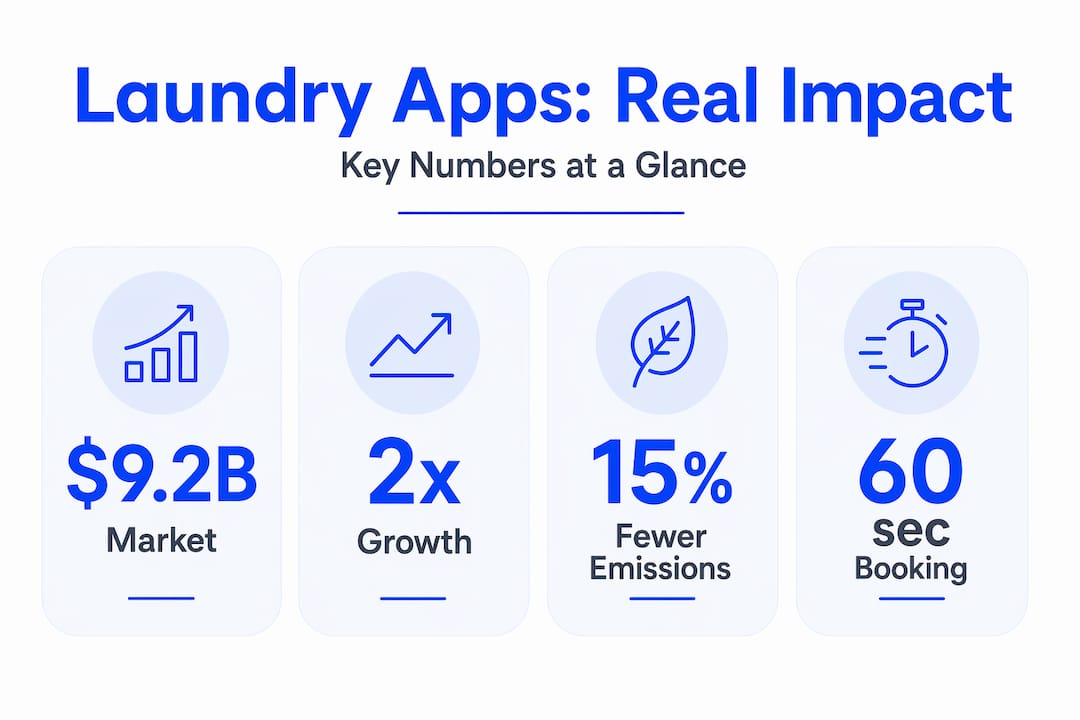
The global smart laundry market is valued at $9.2 billion in 2026 and is projected to nearly double by 2034. That trajectory is driven almost entirely by user experience improvements, not by the basic concept of outsourcing laundry, which has existed for decades. What changed is the app.
Pro Tip: When scheduling your first pickup, use the special instructions field even if your needs seem simple. Specifying fold preferences or mentioning a delicate item upfront prevents misunderstandings that could cost you a return visit.
How laundry apps build trust and handle quality concerns
Trust is the less-discussed barrier to adoption. Many potential users have real hesitations: Will my clothes come back in the same condition? What if something goes missing? Is the price I see actually the price I pay?
These aren’t irrational fears. They’re the reason users adopt laundry apps primarily when trust signals like reliable reviews and transparent pricing reduce uncertainty. Features like photo proof at pickup and in-app messaging do more work than most users realize. When you receive a photo showing your items have been collected and logged, the question of accountability disappears. The driver can’t claim they picked up fewer items than you sent. You have documentation.
The features that consistently build user confidence include:
- Photo confirmation at pickup and delivery so users have a visual record at both ends
- In-app messaging that allows direct communication without going off-platform
- Transparent pricing structures showing per-item, per-kilogram, or subscription rates before you commit
- Verified reviews from other users that reflect real service quality, not curated marketing
Pricing models range from per-item to flat-rate subscriptions, and the model you choose matters more than the dollar amount. A subscription locks in a predictable cost, which removes one more variable from the trust equation. Per-item pricing works for occasional users but can feel unpredictable if your load size varies week to week.
Feature sets like photo proof and in-app messaging directly reduce disputes and improve overall user satisfaction. That’s not a small thing. Dispute resolution is the moment where trust is either cemented or broken permanently.
Pro Tip: Before committing to a laundry app, check how the service handles disputes on their FAQ or policy page. A provider with a clear, documented process is worth more than one with slightly cheaper pricing and no accountability framework.
Laundry app user experience and mobile design
The laundry app user experience is where good intentions often collapse. An app can offer every feature listed above and still fail if booking takes too long or the interface requires too much cognitive effort. Interface simplicity and stable performance consistently correlate with higher user satisfaction ratings across mobile service apps.
The design choices that separate high-retention apps from deleted ones follow a predictable pattern:
- Thumb-friendly navigation places the most critical actions, like booking a pickup, within reach of the right thumb on a standard phone screen. Most users hold their phone one-handed.
- Sticky call-to-action buttons stay visible as you scroll, so you never have to hunt for the booking button.
- Minimal required inputs during checkout reduces friction. The fewer fields you fill out, the faster the booking completes.
- Push notifications with context tell you something useful, such as “Your driver is 10 minutes away,” rather than vague alerts.
- Predictable information flow means the app doesn’t surprise you with unexpected screens or forced steps mid-booking.
Booking flows optimized for thumb interaction can reduce scheduling time to under 60 seconds. That number matters. If booking laundry takes longer than the mental effort of just doing it yourself, people won’t bother. Speed of booking is directly tied to whether someone becomes a regular user or a one-time trial.
You can explore reliable laundry app features in depth to understand which trust-building and usability elements separate quality services from frustrating ones.
Environmental and economic impact of laundry apps
This is the part most users never think about. When a laundry app consolidates ten individual pickups into one optimized driver route, it isn’t just efficient for the business. It actively reduces the carbon footprint of those ten users compared to each of them driving separately to a laundromat.

AI-based route optimization and smart lockers reduce failed delivery attempts and lower CO2 emissions across urban last-mile delivery networks. Fewer failed trips means fewer wasted miles. Smart locker systems let users drop off or retrieve items without requiring a driver to be present, which cuts fuel use further.
The economic picture is more nuanced. Here’s a comparison of traditional laundry methods versus app-based services across key factors:
| Factor | Traditional laundry (self-service) | App-based laundry service |
|---|---|---|
| Time investment | 2 to 4 hours per week including transport | Under 5 minutes to schedule; zero time on laundry day |
| Predictable cost | Variable based on machine usage, detergent, and transport | Fixed with subscription models; transparent per-item pricing available |
| Environmental footprint | Multiple individual trips; inconsistent machine loads | Consolidated routes; optimized machine loads; fewer emissions per item |
| Quality consistency | Depends on user skill and available equipment | Professionally controlled with documented preferences on file |
| Dispute resolution | No formal process; user absorbs losses | In-app messaging and photo documentation provide accountability |
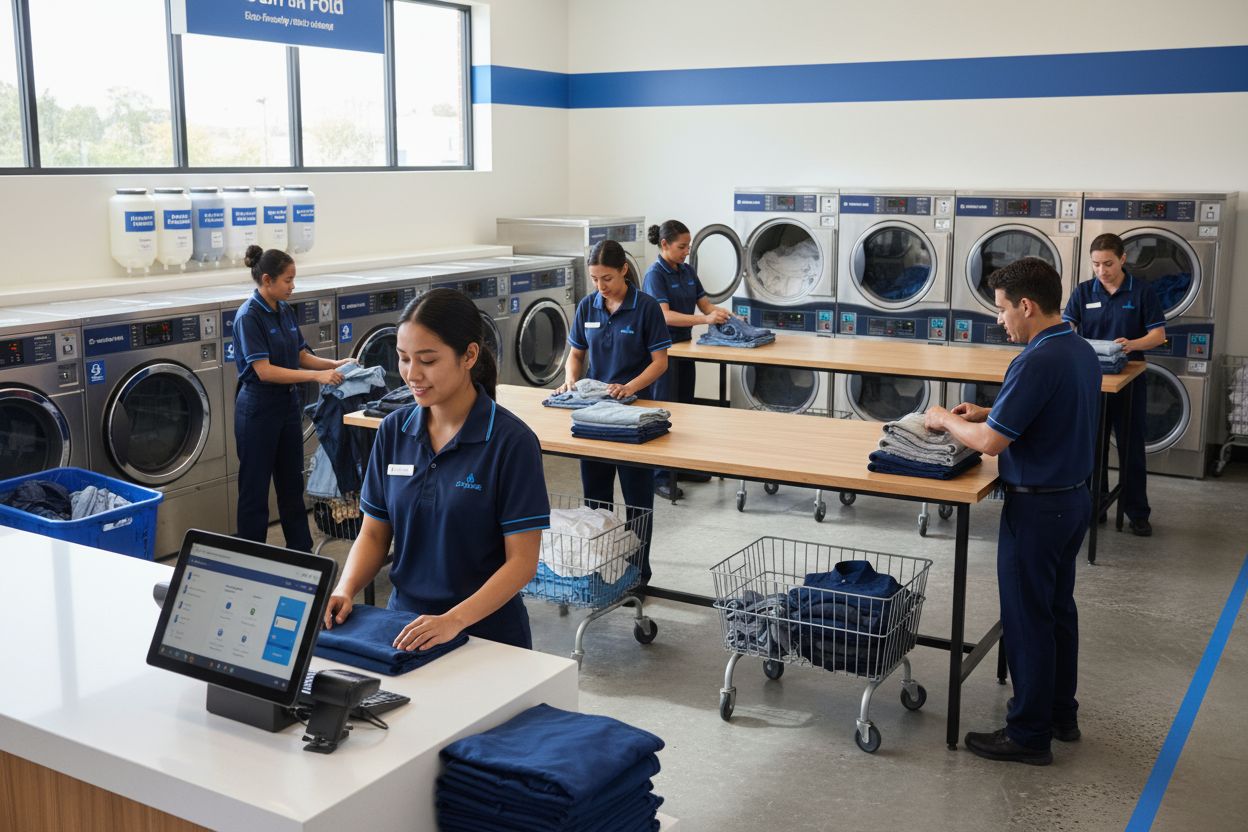
The cost of laundry apps varies by provider, location, and model, but for many households the math works out in favor of app-based services when you factor in the true cost of time. A sustainable cleaning routine also considers resource efficiency, not just price per wash. Centralized, professional laundering uses machines at full capacity, which is more water and energy efficient per garment than a half-full home machine.
How to choose and use a laundry app effectively
Not every laundry app delivers the same experience, and picking the wrong one means paying for frustration. Here’s what to evaluate before committing to a service.
Start with scheduling options and app reliability, since an app that works smoothly on Android but crashes on iOS, or that can’t handle recurring bookings, will cost you more time than it saves. Then work through these criteria:
- Review quality, not just quantity. A service with 200 reviews averaging 4.3 stars is more informative than one with 20 reviews at 5 stars. Look for reviews mentioning specific situations like handling delicates or resolving a lost item.
- Pricing transparency before checkout. The total cost should be visible before you confirm. If you can’t see what you’ll pay without entering payment details, that’s a red flag.
- Trust signals in the app itself. Does it offer photo confirmation? In-app messaging? These features signal that the provider has thought through accountability.
- Special instructions capability. If you use fragrance-free detergent or have garments that need special folding, the app should accommodate that without requiring a phone call.
- Turnaround time options. Standard 48-hour turnaround works for most, but knowing express options exist gives you flexibility when you need it.
The difference between how laundry apps work in theory and how they work in your life comes down to whether the provider’s operations match the app’s promises. A polished interface backed by unreliable service is worse than a basic interface backed by consistent results.
My honest take on what laundry apps actually change
I’ve spent enough time watching how people interact with laundry services to say something plainly: the biggest shift isn’t the hours saved. It’s the mental load reduced. When I hear from users about what they actually appreciate, it’s rarely “I got my Tuesday evening back.” It’s “I stopped dreading it.”
That said, I’ve also seen people try two or three apps before finding one they trust, and I think that’s because the industry oversells convenience and undersells reliability. An app that promises same-day pickup but routinely runs late creates more stress than doing laundry yourself. The time savings I mentioned above are only real when the service actually shows up.
What I’ve found matters most, in order: trust first, interface second, price third. Most people think they’re price-sensitive until they get burned by a cheap service that loses a shirt. Then suddenly reliability is worth paying for. The app-based laundry guide I’d point anyone toward is one that addresses accountability upfront, not buried in a FAQ.
The environmental angle is also underappreciated. Consolidated routes and full-capacity machine loads matter, especially if you’re already thinking about reducing your household footprint. It’s a quiet benefit that rarely shows up in marketing but is worth factoring into the decision.
Simple UX is the deciding factor for whether someone uses a service once or builds a habit around it. Every extra tap is a reason to quit.
— Daniel
Try app-based laundry with Columbiapikelaundry
If you’ve been weighing whether app-based laundry is worth it, Columbiapikelaundry makes the test low-risk. The service runs entirely in-house from the Arlington, Virginia location at 2602 Columbia Pike, meaning your clothes never pass through a middleman. You can check transparent pricing options before you schedule anything, with no surprise fees at checkout. The three-step service process covers scheduling, pickup, and 48-hour return delivery. Special instructions like fragrance-free detergent or specific folding preferences are built into the booking flow. For anyone in the Arlington area, this is a practical starting point for experiencing the actual impact of laundry apps without the guesswork.
FAQ
What is the real impact of laundry apps on daily life?
Beyond saving time, laundry apps reduce mental load, provide scheduling predictability, and offer transparent pricing and quality accountability through features like photo confirmation and in-app messaging.
How do laundry apps work for pickup and delivery?
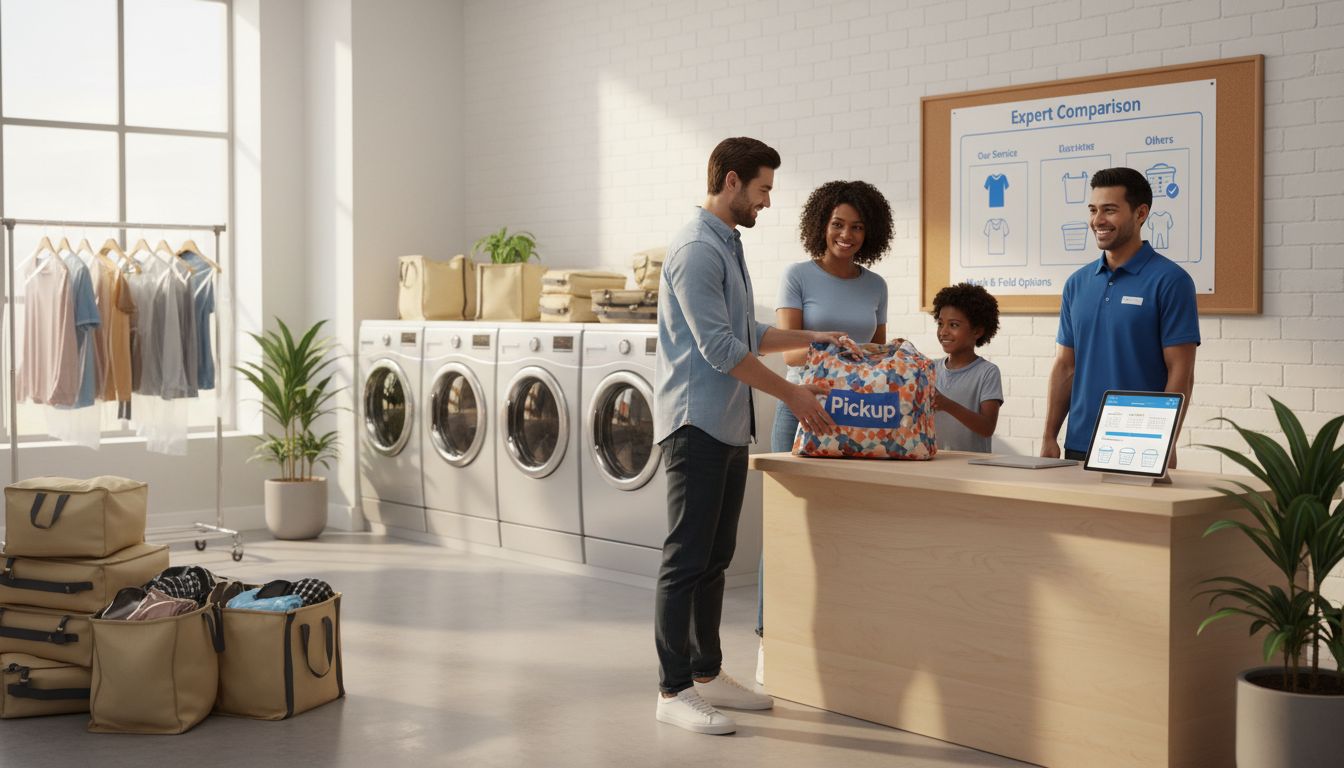
You schedule a pickup window through the app, a driver collects your items, they’re cleaned at a professional facility, and returned within a set timeframe, typically 48 hours, folded and ready to use.
What does a laundry app typically cost?
The cost of laundry apps varies by model. Options include per-item pricing, per-kilogram rates, and flat-rate subscriptions, with subscriptions offering the most predictable monthly cost for regular users.
How does laundry app user experience affect whether people keep using the service?
Apps with simple booking flows, thumb-friendly navigation, and stable performance consistently achieve higher satisfaction and repeat use rates. Booking that takes under 60 seconds is a key benchmark for retention.
Are laundry apps better for the environment than doing laundry at home?
App-based services consolidate delivery routes and run machines at full capacity, which reduces per-garment water, energy use, and carbon emissions compared to multiple individual trips or half-loaded home machines.
Free pickup, expert care, delivered back to your door.
Popular Blog Articles


Meet the Author
Daniel Logan didn’t start CPL because he loved laundry. He started it because his family was drowning in time debt, and laundry was one of the biggest weights.
Mornings were chaos with two kids under 5. Evenings felt like catch-up. And weekends? Gone to sorting socks and folding piles.
He knew his story wasn’t unique. So he built a business that gave families like his just a little bit of breathing room one load at a time.
With no laundry experience but deep tech skills, Daniel rolled up his sleeves, doing every job himself while building systems that turned it into a modern laundry service that saves customers time, simplifies their lives, and delivers reliability they can count on.
That’s where CPL began. Not from a playbook, but from pain. From one dad trying to buy back time: for himself, and for every household like his.
Free pickup, expert care, delivered back to your door.