
What clothes need dry cleaning: expert guide 2026
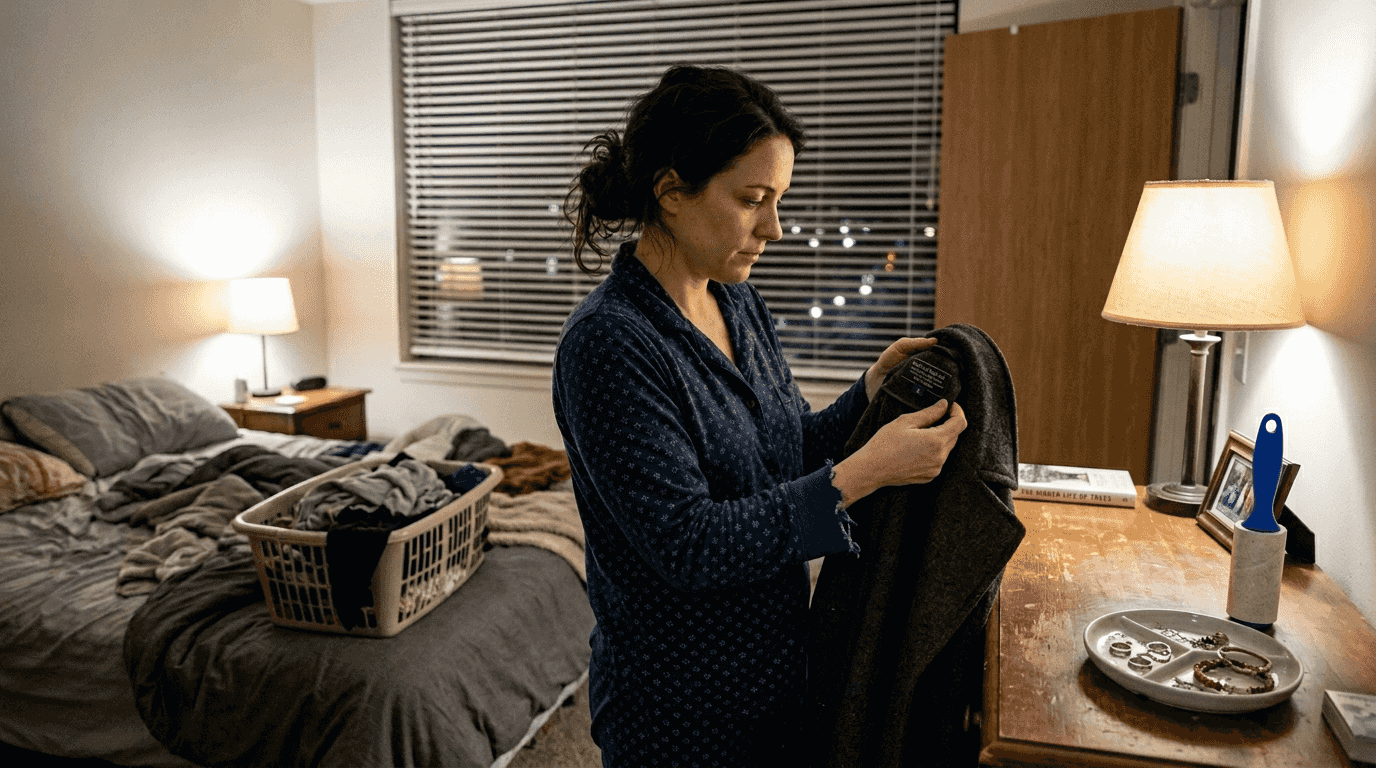
Columbia Pike Laundry offers pickup & delivery across Northern Virginia.
Many Arlington residents toss items into the wash without checking the care label, only to discover shrunken sweaters or misshapen blazers later. The confusion around which garments truly need dry cleaning versus home laundering costs time, money, and wardrobe longevity. Understanding how solvents protect delicate fabrics and when professional treatment is essential helps you preserve clothing appearance while avoiding unnecessary expense. This guide clarifies dry cleaning decisions for busy families and professionals who want practical, actionable advice.
Key takeaways
| Point | Details |
|---|---|
| Dry cleaning uses chemical solvents | Dry cleaning uses chemical solvents instead of water, preserving fabric quality and lifespan. |
| Certain fabrics require dry cleaning | Wool, silk, rayon, and embellished garments typically need solvent cleaning to maintain their integrity. |
| Dry cleaning protects garment structure | This method prevents shrinking, color fading, and distortion of intricate details that water-based washing can cause. |
| Oil-based stains benefit from solvents | Solvents dissolve oil-based stains more effectively than water detergents while protecting delicate fibers. |
| Professional cleaning extends wardrobe life | Routine expert treatment helps maintain formalwear and business attire appearance over years of use. |
How dry cleaning differs from traditional laundering
Dry cleaning operates fundamentally differently than your home washing machine. Instead of water and detergent, professional cleaners use chemical solvents like perchloroethylene to clean fabrics. This solvent-based approach avoids the fabric swelling, shrinking, and distortion that water causes in delicate materials. The dry cleaning process involves inspection, spot treatment, solvent cleaning, drying, and finishing to restore garments to pristine condition.
The science behind dry cleaning reveals why it protects certain clothes better than water. Modern dry cleaning precisely controls moisture and temperature to prevent damage, maintaining moisture levels between 0.01 and 0.03 percent throughout the process. This tight regulation prevents fiber damage that occurs when fabrics absorb excessive water. Temperature control ensures solvents clean effectively without compromising fabric integrity or causing colors to bleed.
Solvent cleaning excels where water fails. Dry cleaning solvents dissolve oil-based stains without damaging delicate fibers, making them ideal for removing makeup, grease, and body oils. The process includes these essential steps:
- Garment inspection identifies stains, fabric type, and potential issues before cleaning
- Spot treatment targets stubborn stains with specialized solvents and techniques
- Machine cleaning immerses garments in solvent, agitating gently to lift dirt
- Drying removes solvent through controlled temperature and airflow
- Finishing includes pressing, steaming, and minor repairs to restore appearance
Pro Tip: Check your dry cleaning guide to understand which solvents work best for different fabric types and why certain garments benefit from professional treatment rather than home washing.
The solvent-based approach preserves garment shape and texture by avoiding the mechanical stress and fiber expansion that water-based washing creates, particularly critical for structured clothing and delicate fabrics.
Which fabrics and garments require dry cleaning in Arlington
Certain materials cannot withstand water-based washing without permanent damage. Non-washable wool shrinks or loses its shape when exposed to water and agitation, making dry cleaning essential for wool suits, coats, and sweaters. Silk, lace, embellished garments, and wool benefit from dry cleaning to preserve delicate fibers and intricate construction details that water would destroy.
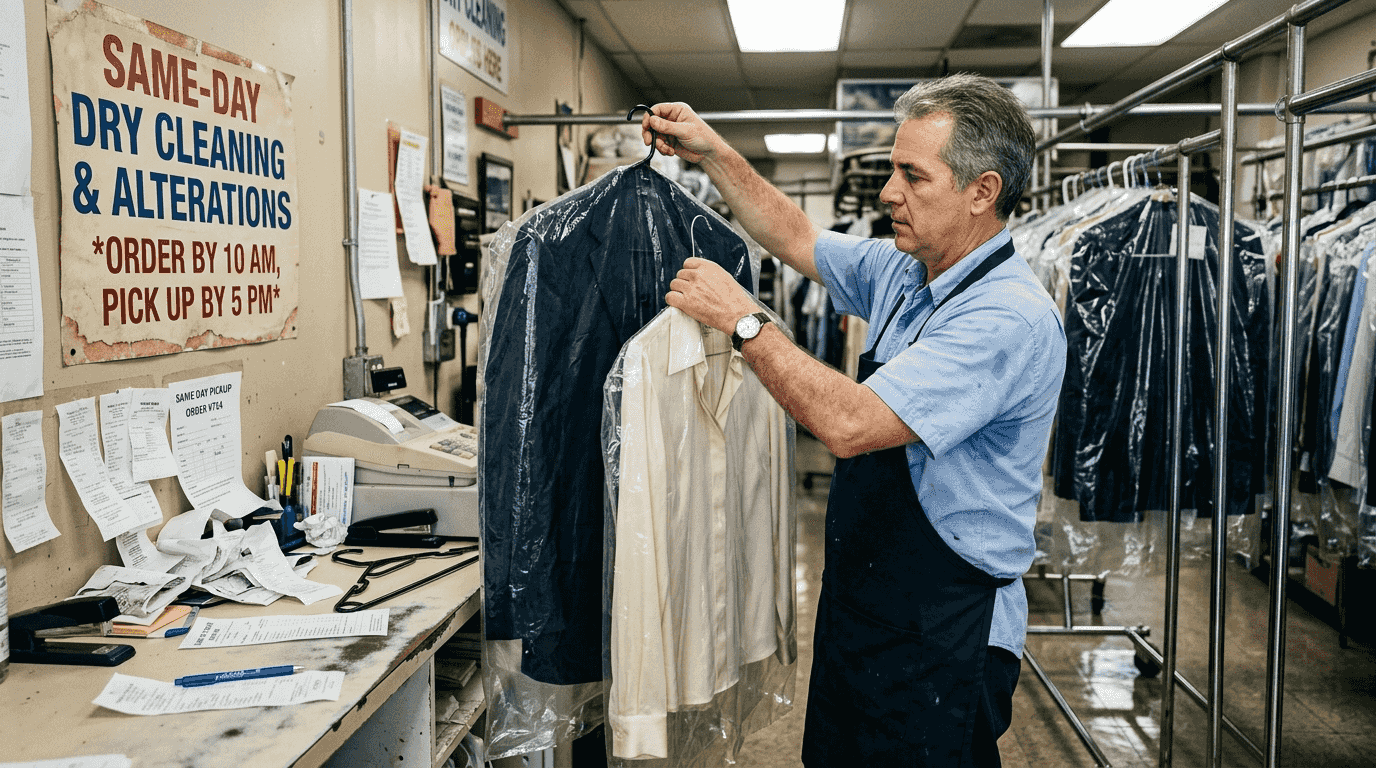
Structured and formal garments require professional solvent cleaning regardless of fabric composition. Dry cleaning is preferred for lined clothing, structured suits, outerwear, and formal wear because water disrupts the internal construction and interfacing that gives these items their shape. Tailored blazers, dress pants with linings, evening gowns, and costumes with embellishments all need dry cleaning to maintain their appearance and structure over time.
Not every fabric works with dry cleaning solvents. Some materials containing plastics cannot be dry cleaned because solvents dissolve synthetic components or damage coatings. Always check care labels before assuming any garment can handle solvent treatment. Arlington residents should particularly note which items in their wardrobe fall into high-risk categories.
| Fabric Type | Water Washing | Dry Cleaning | Special Notes |
|---|---|---|---|
| Wool (non-washable) | Avoid | Required | Shrinks and loses shape in water |
| Silk | Risky | Preferred | Water causes spotting and texture damage |
| Lace and embellishments | Avoid | Required | Delicate details destroyed by agitation |
| Cotton (basic) | Safe | Optional | Generally machine washable |
| Polyester | Usually safe | Optional | Check care label for exceptions |
| Rayon | Risky | Preferred | Weakens when wet, loses shape |
| Leather and suede | Never | Professional only | Requires specialized leather cleaning |
Pro Tip: When shopping for new clothes, check care labels before purchasing to understand the maintenance commitment required for different fabrics needing dry cleaning, helping you balance wardrobe convenience with professional appearance.
Specific garment categories consistently require professional treatment:
- Business suits and blazers with structured shoulders and chest interfacing
- Formal dresses and gowns with beading, sequins, or delicate fabrics
- Winter coats and outerwear with specialized insulation or linings
- Silk garments including blouses, ties, and scarves
- Wool sweaters, pants, and jackets that lack washable wool designation
- Costumes and performance wear with mixed materials and embellishments
Benefits and limitations of dry cleaning for your wardrobe
Dry cleaning delivers distinct advantages for maintaining garment appearance and longevity. It maintains garment shape and texture better than washing for many fabrics, particularly those with structured construction or delicate fibers. The solvent-based process prevents the shrinkage, stretching, and color bleeding that water-based laundering causes. For Arlington professionals who invest in quality business attire, dry cleaning preserves that investment far longer than home washing.

Stain removal capabilities vary significantly between dry cleaning and traditional laundering. Dry cleaning is effective at removing oil-based stains but less so for water-based stains like perspiration. Makeup, cooking grease, and body oils dissolve readily in solvents, while sweat stains and water-soluble spills require pre-treatment or alternative methods. Understanding these limitations helps you choose the right cleaning method based on the specific soiling your garments encounter.
Cost and environmental factors influence dry cleaning decisions. Certain solvents used in dry cleaning are toxic and more expensive than home laundering. Professional cleaning typically costs several times more per garment than washing at home. However, the expense often proves worthwhile for preserving expensive or delicate items that home laundering would ruin. The EPA is phasing out perchloroethylene with alternative solvents in coming years, addressing environmental and health concerns.
| Aspect | Dry Cleaning | Traditional Laundering |
|---|---|---|
| Stain removal | Excellent for oil-based stains | Better for water-based stains |
| Fabric protection | Preserves delicate fibers and structure | Can damage delicate materials |
| Cost per garment | Higher, typically $5 to $20+ | Lower, pennies per load |
| Environmental impact | Solvent disposal concerns, regulatory changes | Water and energy consumption |
| Convenience | Requires drop-off or pickup service | Done at home on your schedule |
| Garment longevity | Extends life of quality pieces | May shorten life of delicate items |
Weighing these factors helps Arlington residents allocate their dry cleaning budget strategically. Reserve professional treatment for garments that genuinely need it while handling washable items at home. Consider how often you wear specific pieces, their replacement cost, and whether water-based cleaning would cause permanent damage. This strategic approach maximizes wardrobe value without overspending on unnecessary professional cleaning.
Modern dry cleaning solvents continue evolving to address safety and environmental concerns. Professional cleaners now offer hydrocarbon and liquid silicone alternatives that reduce toxicity while maintaining cleaning effectiveness. These advances make dry cleaning a more sustainable choice for garments that require solvent treatment, though costs may increase as the industry transitions away from traditional perchloroethylene.
How to decide what clothes to dry clean: practical tips for Arlington residents
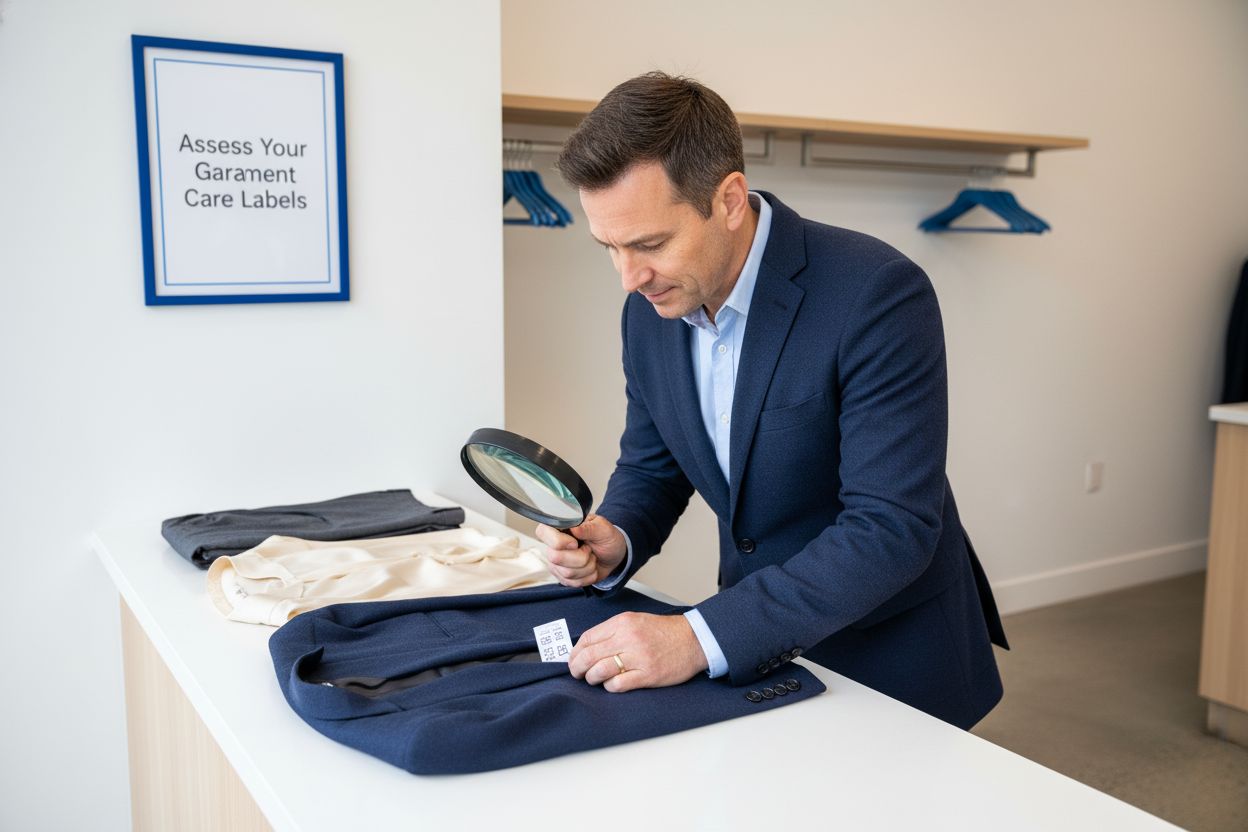
Start every cleaning decision by reading garment care labels carefully. Manufacturers test their products and provide specific dry cleaning instructions based on fabric composition and construction. Labels marked “Dry Clean Only” require professional treatment, while “Dry Clean” suggests it as the preferred method but may tolerate careful hand washing. Never ignore these guidelines, as doing so voids warranties and risks permanent garment damage.
Consider multiple factors beyond the care label when making cleaning choices. Fabric type, garment construction, and presence of stains all influence whether dry cleaning makes sense. Professionals follow clear fabric maintenance rules to avoid damage and prolong clothing life. Structured blazers, embellished dresses, and non-washable wool always need professional treatment regardless of how lightly soiled they appear.
Follow these practical steps to decide when dry cleaning makes sense:
- Check the care label first and follow manufacturer recommendations explicitly
- Assess fabric composition, noting silk, wool, rayon, or delicate synthetics
- Examine construction for linings, interfacing, embellishments, or structured elements
- Evaluate stain type, distinguishing oil-based marks from water-soluble spills
- Consider garment value and replacement cost versus dry cleaning expense
- Spot treat minor stains at home when safe, reserving professional cleaning for persistent marks
- Schedule routine dry cleaning for formalwear and business attire quarterly or as needed
Use dry cleaning selectively for items that genuinely require it. Delicate fabrics like silk and non-washable wool need professional treatment. Structured garments with interfacing maintain their shape only through solvent cleaning. Embellished items with beading, sequins, or appliques risk damage from water and agitation. These categories justify the higher cost and effort of professional cleaning.
Pro Tip: Create a wardrobe inventory noting which pieces need dry cleaning versus home washing, helping you plan cleaning schedules and budget effectively while ensuring every garment receives appropriate care based on its specific fabric care requirements.
Spot treat minor stains at home when possible, saving dry cleaning for persistent or oil-based marks. Water-soluble spills on washable fabrics often respond to immediate blotting and gentle spot cleaning. However, grease stains, makeup, and set-in marks typically require professional solvent treatment. Attempting home remedies on dry clean only garments risks permanent damage, making professional treatment the safer choice.
Routine professional cleaning maintains formalwear and business attire appearance over years of wear. Even garments that appear clean accumulate body oils, perspiration, and environmental pollutants that gradually degrade fabrics. Scheduling regular dry cleaning prevents this buildup from becoming permanent, extending garment life and preserving professional appearance. For Arlington professionals wearing suits daily, quarterly dry cleaning keeps business attire looking sharp.
Professional dry cleaning services in Arlington and nearby areas
Columbia Pike Laundry offers expert dry cleaning tailored to delicate and structured garments that Arlington families and professionals rely on. Our in-house cleaning process ensures quality control and accountability that middle-man platforms cannot match. We handle everything from silk blouses to wool suits, using appropriate solvents and techniques for each fabric type.
Our convenient 3-step process makes professional garment care effortless. Schedule a pickup through our online platform, and our driver collects items from your home or office. We clean everything in-house with attention to fabric-specific requirements, then return garments folded, pressed, and ready to wear. Standard turnaround takes 48 hours, with express options available when you need faster service.
We serve Arlington residents and extend our McLean commercial laundry service and Reston commercial laundry service to nearby communities. Whether you need regular dry cleaning for business attire or occasional treatment for special occasion wear, reliable professional care preserves your wardrobe’s quality and appearance for years.
What clothes need dry cleaning? Frequently asked questions
How do I know if a garment requires dry cleaning?
Check the care label sewn into the garment for explicit dry cleaning instructions. Labels marked “Dry Clean Only” require professional treatment, while “Dry Clean” suggests it as preferred but may tolerate gentle alternatives. When labels are missing or unclear, consider fabric type and construction, defaulting to professional cleaning for silk, non-washable wool, lined items, and embellished garments.
Can I wash clothes marked dry clean only at home?
Some garments marked “Dry Clean” tolerate careful hand washing, but “Dry Clean Only” items risk permanent damage from water exposure. Silk may spot or lose luster, wool can shrink dramatically, and structured garments lose their shape when interfacing breaks down. The safest approach is following manufacturer recommendations, as attempting home cleaning voids warranties and may ruin expensive pieces.
What types of stains require professional dry cleaning?
Oil-based stains including makeup, cooking grease, motor oil, and body oils dissolve best with dry cleaning solvents rather than water detergents. Set-in stains that resist home treatment also benefit from professional spot treatment and solvent cleaning. Water-soluble stains like coffee, wine, and perspiration may clean effectively at home if the garment itself is washable.
How often should I dry clean suits and business attire?
Dry clean business suits every 3 to 4 months with regular wear, or after 10 to 15 wearings. More frequent cleaning damages fabric fibers unnecessarily, while infrequent treatment allows body oils and environmental pollutants to build up permanently. Between cleanings, air suits after wearing, use garment brushes to remove surface dirt, and spot treat minor marks promptly.
Are there fabrics that cannot be dry cleaned?
Some synthetic materials containing plastics or rubber cannot withstand dry cleaning solvents, which dissolve or damage these components. Certain coated fabrics, faux leather, and garments with plastic embellishments may also fail during solvent cleaning. Always verify care labels and inform your dry cleaner about unusual materials or embellishments before treatment.
Does dry cleaning remove odors from clothes?
Dry cleaning removes some odors, particularly those from oil-based sources, but proves less effective than water-based cleaning for perspiration and other water-soluble smells. Professional cleaners can add deodorizing treatments during the process, though truly stubborn odors may require specialized cleaning methods or multiple treatments depending on the source and fabric type.
Recommended
Free pickup, expert care, delivered back to your door.
Popular Blog Articles




Meet the Author
Daniel Logan didn’t start CPL because he loved laundry. He started it because his family was drowning in time debt, and laundry was one of the biggest weights.
Mornings were chaos with two kids under 5. Evenings felt like catch-up. And weekends? Gone to sorting socks and folding piles.
He knew his story wasn’t unique. So he built a business that gave families like his just a little bit of breathing room one load at a time.
With no laundry experience but deep tech skills, Daniel rolled up his sleeves, doing every job himself while building systems that turned it into a modern laundry service that saves customers time, simplifies their lives, and delivers reliability they can count on.
That’s where CPL began. Not from a playbook, but from pain. From one dad trying to buy back time: for himself, and for every household like his.
Free pickup, expert care, delivered back to your door.