
What Is Commercial Laundry and Why It Matters
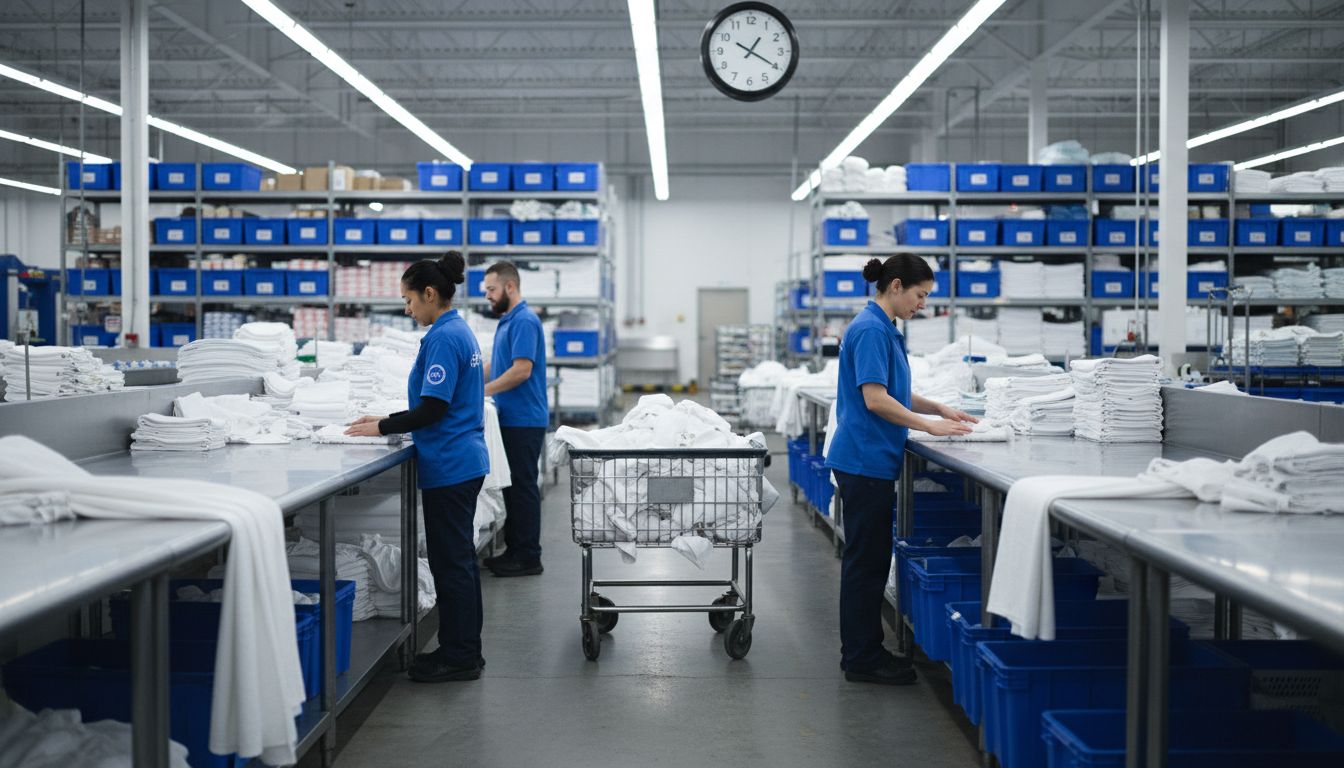
Columbia Pike Laundry offers pickup & delivery across Northern Virginia.
Over 80 percent of American businesses rely on professional cleaning solutions to keep operations running smoothly. The demand for commercial laundry services has grown as organizations across the United States seek efficient ways to manage large volumes of textiles without sacrificing quality or hygiene standards. This guide clarifies what sets these specialized services apart and reveals how they support critical sectors like healthcare, hospitality, and fitness.
Key Takeaways
| Point | Details |
|---|---|
| Commercial Laundry Services Defined | These services focus on bulk cleaning and textile management for businesses, utilizing advanced equipment and specialized processes. |
| Diverse Operational Models | Commercial laundry encompasses various models including self-service, professional, and industrial handling to address specific industry needs. |
| Streamlined Processes | Professional services employ efficient workflows for sorting, cleaning, and delivering textiles while ensuring quality and adherence to standards. |
| Customization and Risks | Businesses can customize laundry services extensively, though they must also manage financial risks and regulatory compliance challenges. |
Defining Commercial Laundry Services Clearly
Commercial laundry services represent a professional approach to cleaning textiles, linens, uniforms, and other fabric items for businesses and organizations. Unlike residential laundering, these services operate on an industrial scale, utilizing specialized equipment and processes designed to handle large volumes efficiently. Commercial laundry practices require advanced machinery capable of processing substantial quantities while maintaining high standards of cleanliness and fabric care.
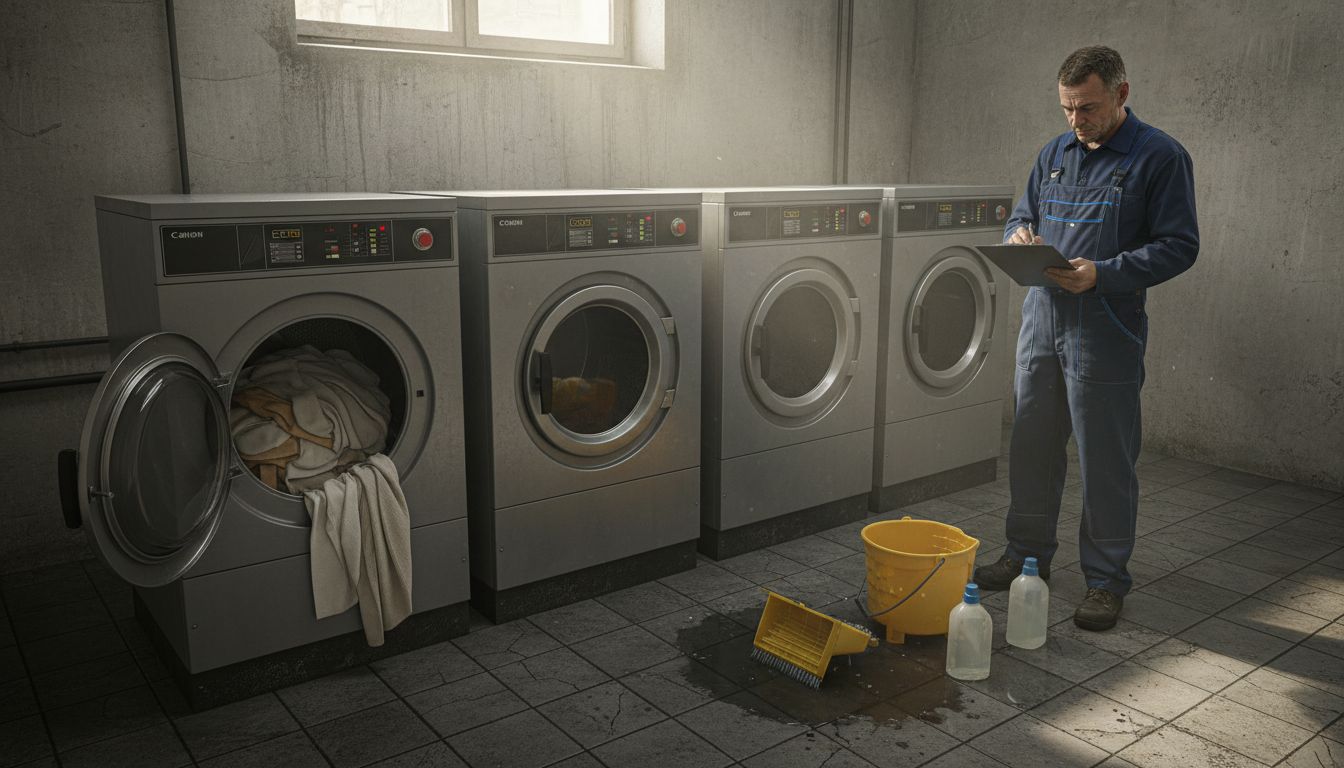
The core concept of commercial laundry extends beyond simple washing. These services encompass comprehensive textile management solutions for various sectors including hospitality, healthcare, restaurants, fitness centers, and corporate environments. Business laundry services offer specialized cleaning techniques that address unique fabric requirements, stain treatments, and industry-specific sanitation standards. From industrial-grade washers handling massive fabric loads to precise temperature and chemical controls, commercial laundry transforms how organizations maintain their textile inventories.
At its fundamental level, commercial laundry involves professional cleaning processes designed for high-volume, consistent textile maintenance. The Laundry Association defines these services as unique businesses characterized by specialized equipment and service-oriented models. Unlike traditional laundromats, commercial laundry providers offer end-to-end solutions including pickup, cleaning, pressing, folding, and delivery tailored to specific client needs. This approach saves businesses significant time, ensures professional presentation, and maintains optimal hygiene standards across various operational contexts.
Key characteristics of commercial laundry services include:
- Industrial-grade washing and drying equipment
- Specialized stain removal techniques
- Professional textile handling and preservation
- Customized cleaning protocols for different fabric types
- Efficient turnaround and delivery systems
- Compliance with industry-specific sanitation requirements
Types of Commercial Laundry Operations
Commercial laundry operations encompass a diverse range of specialized services tailored to meet different industry needs. According to industry experts, commercial laundry businesses are typically categorized into distinct operational models that serve unique market segments. The primary types of commercial laundry operations include self-service facilities, professional cleaning services, industrial textile management, and specialized sector-specific solutions.
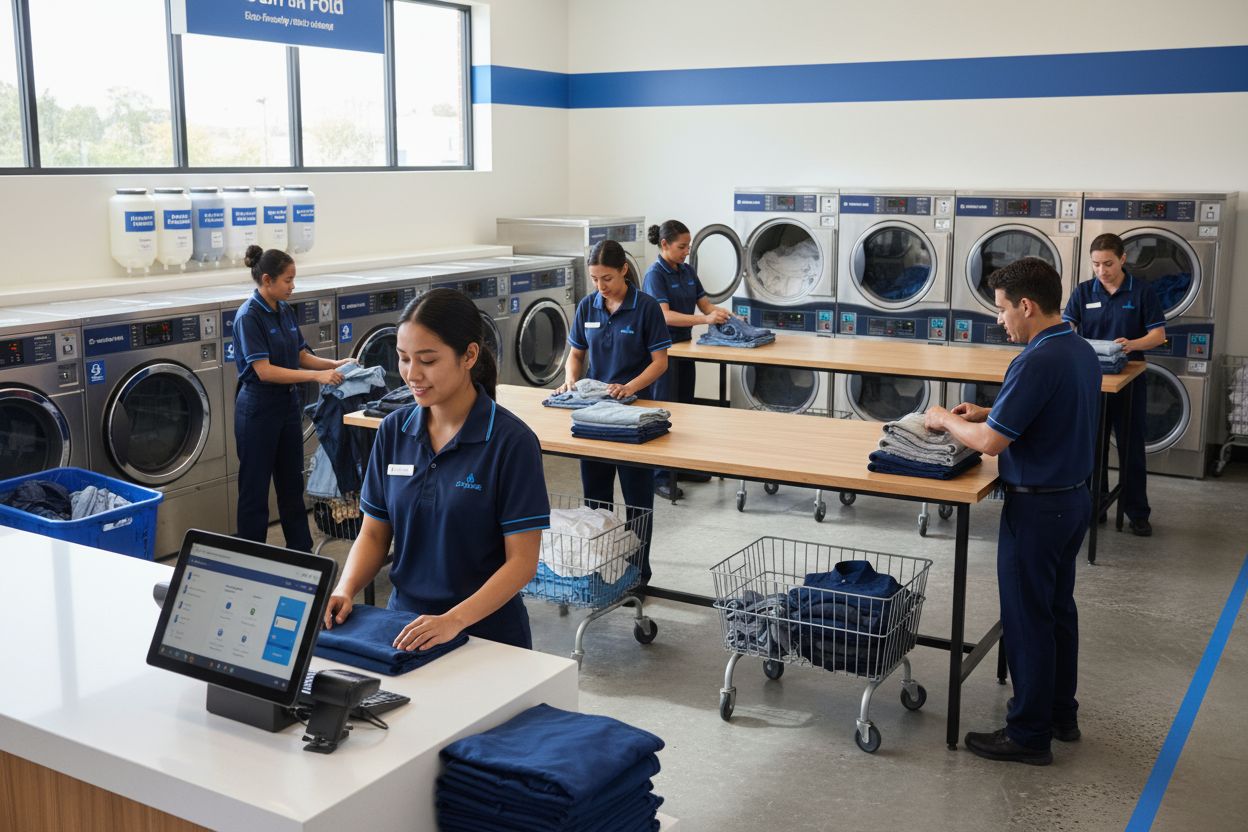
Industry classifications reveal four primary laundry business models: self-service laundromats, dry cleaners, fully staffed fluff and fold services, and dedicated commercial laundries. Each model serves a specific purpose and target market. Self-service laundromats cater to individuals needing access to industrial-grade washing equipment, while dry cleaners specialize in delicate fabric treatments. Fully staffed laundry services offer comprehensive cleaning and processing for businesses, handling everything from uniform maintenance to high-volume textile management.

The commercial laundry sector is further segmented by industry regulations and specialized cleaning requirements. The Environmental Protection Agency classifies laundry businesses into three distinct sectors: commercial cleaning services, coin-operated facilities, and industrial textile processing units. This segmentation reflects the complex landscape of textile care, where each operational type addresses specific customer needs. Whether supporting hospitality, healthcare, corporate, or industrial sectors, commercial laundry operations provide critical infrastructure for maintaining clean, professional, and hygienic textile inventories.
Key characteristics of different commercial laundry operations include:
- Self-service laundromats with coin-operated machines
- Professional dry cleaning for delicate fabrics
- Industrial-scale textile processing
- Specialized uniform and linen management
- Corporate and institutional laundry services
- Sector-specific cleaning and sanitization protocols
How Professional Laundry Services Work
Professional laundry services operate through a sophisticated, streamlined process designed to handle diverse textile care needs efficiently. Commercial laundry benefits extend far beyond simple washing, incorporating advanced techniques that ensure optimal cleaning, preservation, and presentation of various fabric types. The workflow typically begins with careful textile sorting, where items are categorized by color, fabric weight, and specific cleaning requirements to prevent damage and maintain fabric integrity.
Fully staffed laundry services take complete responsibility for washing, drying, and ironing on behalf of customers, distinguishing themselves from self-service laundromats. This comprehensive approach involves multiple critical stages: initial inspection, stain treatment, washing with specialized detergents, precise temperature control, professional drying, meticulous pressing or folding, and final quality inspection. Advanced commercial laundry facilities utilize industrial-grade equipment capable of processing large volumes while maintaining exceptional cleaning standards and fabric care.
The technological backbone of professional laundry services includes specialized machinery and chemical treatments tailored to different textile compositions. Industrial washers employ computer-controlled cycles that adjust water temperature, agitation intensity, and chemical concentrations based on specific fabric requirements. Sophisticated sorting systems enable precise handling of delicate items, heavy-duty uniforms, and specialized textiles from various sectors like healthcare, hospitality, and corporate environments. These advanced processes ensure not just cleanliness, but also fabric longevity, color preservation, and adherence to strict industry sanitization standards.
Key operational components of professional laundry services include:
- Advanced textile sorting and categorization
- Specialized stain removal techniques
- Industrial-grade washing and drying equipment
- Computer-controlled cleaning cycles
- Professional pressing and folding services
- Quality assurance and final inspection processes
- Customized handling for different fabric types and industries
Key Features and Customization Options
Commercial laundry services distinguish themselves through an extensive array of customization features that cater to diverse client needs. Professional laundry services offer unprecedented flexibility in addressing unique textile care requirements, allowing businesses and individuals to tailor their cleaning processes precisely. From specialized fabric treatments to personalized handling instructions, these services transform laundering from a mundane task into a highly sophisticated solution.
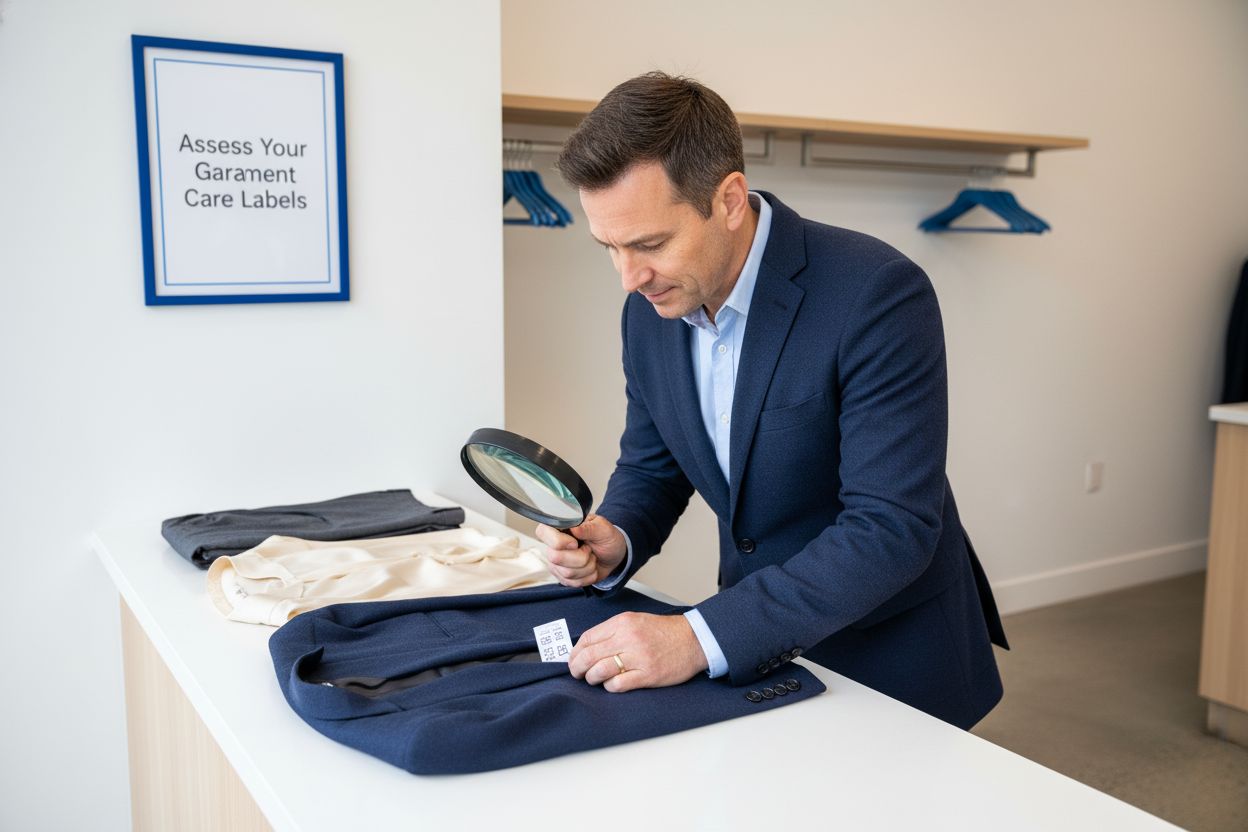
The breadth of customization options encompasses multiple dimensions of textile care. Clients can specify preferences ranging from detergent selections to folding techniques, temperature settings, and stain removal approaches. Some advanced services provide hypoallergenic cleaning for sensitive skin, fragrance-free options, eco-friendly chemical treatments, and specialized preservation techniques for delicate or high-value textiles. This level of personalization ensures that each item receives treatment optimized for its specific material composition, color sensitivity, and intended use.
Textile management goes beyond simple cleaning, incorporating comprehensive service packages that address complex organizational needs. Commercial laundry operations now offer integrated solutions like uniform inventory tracking, repair services, scheduled pickup and delivery, and real-time order monitoring through digital platforms. These sophisticated systems enable businesses to streamline their textile maintenance processes, reducing operational overhead while maintaining consistently high standards of cleanliness and presentation.
Key customization features include:
- Personalized detergent selections
- Temperature-specific washing cycles
- Specialized stain removal treatments
- Hypoallergenic and fragrance-free options
- Eco-friendly cleaning approaches
- Precision folding and pressing techniques
- Digital tracking and management systems
- Flexible pickup and delivery scheduling
Risks, Costs, and Common Pitfalls
Commercial laundry services, while offering comprehensive solutions, face significant operational challenges that require careful strategic management. Commercial laundry operations must navigate complex financial landscapes characterized by substantial initial investments and ongoing maintenance expenses. The intricate balance between equipment costs, labor expenses, and market pricing demands sophisticated financial planning and continuous operational optimization.
Industry research reveals multiple common pitfalls that can significantly impact laundry business sustainability. High initial equipment investment represents a substantial financial barrier, with industrial-grade washers and specialized textile processing machinery costing tens of thousands of dollars. Small businesses and entrepreneurs must carefully assess equipment quality, maintenance requirements, and potential return on investment. Additional challenges include consistent customer service maintenance, technological adaptation, and managing complex regulatory compliance across different industry sectors.
Environmental regulations and operational sustainability present another critical dimension of risk management. Dry cleaning industry standards increasingly emphasize ecological responsibility, compelling businesses to invest in green technologies and environmentally friendly chemical treatments. These regulatory pressures necessitate continuous technological upgrades and process refinements, adding layers of complexity to financial planning and operational strategy.
Key risks and potential mitigation strategies include:
- Comprehensive financial planning for equipment investments
- Regular maintenance and technological upgrade schedules
- Developing robust customer retention strategies
- Implementing adaptive pricing models
- Investing in staff training and development
- Maintaining strict regulatory compliance
- Developing flexible operational processes
- Creating contingency funds for unexpected expenses
Discover Tailored Commercial Laundry Solutions That Work for You
Managing large volumes of textiles while maintaining high standards of cleanliness and fabric care can be a significant challenge for any business. The article highlights key concerns such as the need for industrial-grade equipment, specialized stain removal, and customizable processes to meet unique industry sanitation requirements. Columbia Pike Laundry understands these demands and offers professional commercial laundry services designed to ease the burden while delivering consistent quality and hygiene.
Experience the benefits of a trusted, family-owned business that combines local accountability with advanced technology. Whether you run a hospitality venue, healthcare facility, or corporate office, our Commercial Solutions | Laundry Tips category features flexible services including pickup and delivery, precise fabric handling, and personalized preferences like fragrance-free detergents. Take control of your laundry needs today and enjoy seamless service with real-time updates through our online platform. Visit Columbia Pike Laundry to schedule your commercial laundry service now and discover the professional difference that saves you time and protects your textiles.
For additional care of delicate and specialty fabrics, explore our Dry Cleaning | Laundry Tips options to ensure every item receives expert treatment.
Frequently Asked Questions
What is commercial laundry?
Commercial laundry refers to professional cleaning services that handle large volumes of textiles, linens, uniforms, and other fabric items for businesses and organizations. These services use specialized equipment and processes tailored for efficiency and high standards of cleanliness.
How do commercial laundry services differ from residential services?
Commercial laundry services operate on an industrial scale, utilizing advanced machinery designed for bulk processing, while residential services cater to individual household needs. Commercial services also include specialized cleaning techniques and industry-specific sanitation standards.
What types of businesses commonly use commercial laundry services?
Commercial laundry services are utilized by a diverse range of sectors including hospitality, healthcare, restaurants, fitness centers, and corporate environments. Each industry has unique textile care requirements that commercial laundry addresses.
What are the benefits of using professional laundry services?
The benefits of using professional laundry services include efficient textile maintenance, specialized cleaning techniques, customized protocols for different fabric types, significant time savings for businesses, and adherence to industry-specific hygiene standards.
Recommended
Free pickup, expert care, delivered back to your door.
Popular Blog Articles



Meet the Author
Daniel Logan didn’t start CPL because he loved laundry. He started it because his family was drowning in time debt, and laundry was one of the biggest weights.
Mornings were chaos with two kids under 5. Evenings felt like catch-up. And weekends? Gone to sorting socks and folding piles.
He knew his story wasn’t unique. So he built a business that gave families like his just a little bit of breathing room one load at a time.
With no laundry experience but deep tech skills, Daniel rolled up his sleeves, doing every job himself while building systems that turned it into a modern laundry service that saves customers time, simplifies their lives, and delivers reliability they can count on.
That’s where CPL began. Not from a playbook, but from pain. From one dad trying to buy back time: for himself, and for every household like his.
Free pickup, expert care, delivered back to your door.