
Yellow Stain on White Shirts: Remove It for Good
Columbia Pike Laundry offers pickup & delivery across Northern Virginia.
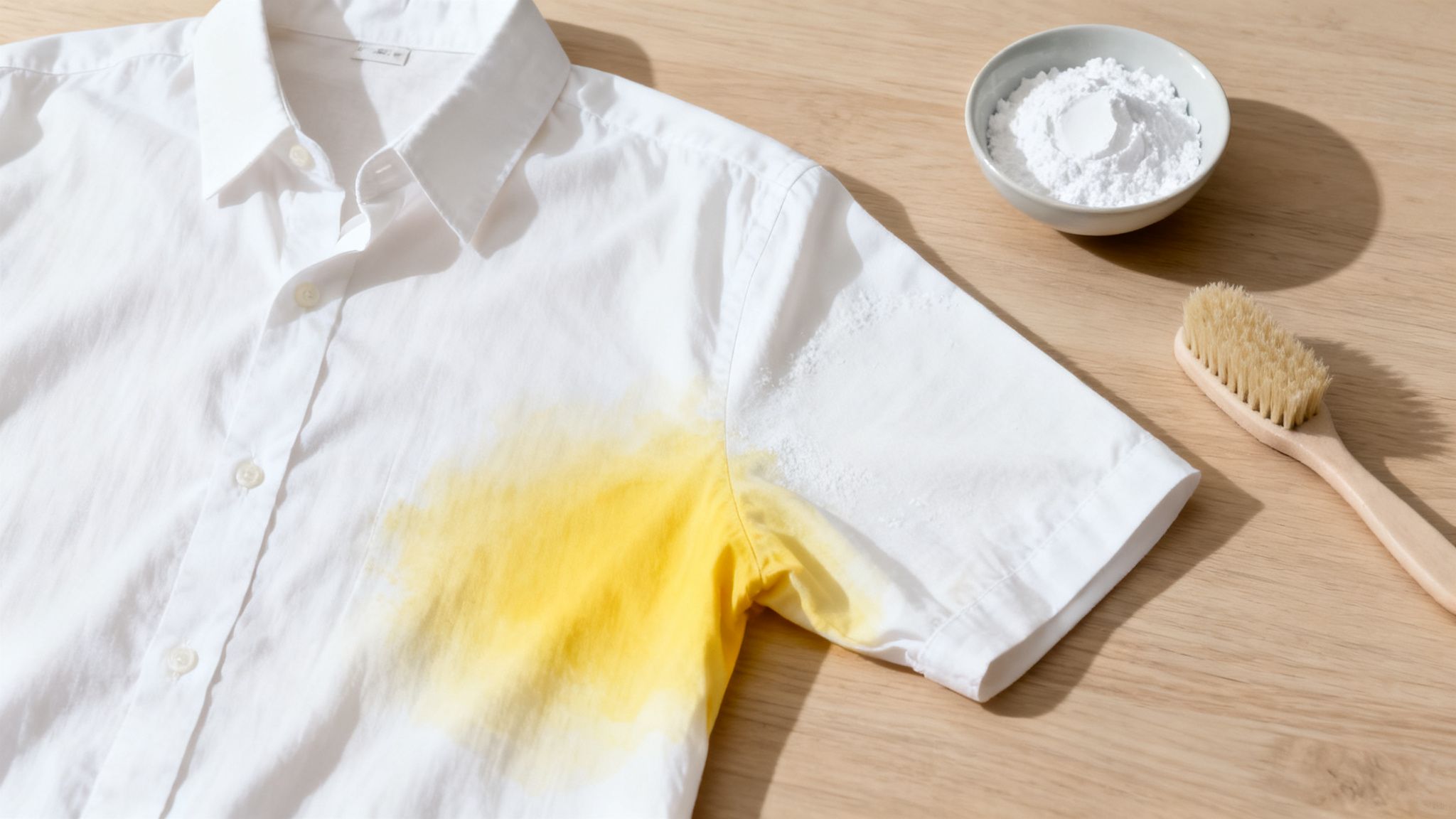
It’s a moment every owner of a white shirt dreads: pulling your favorite tee from the closet only to find a dingy, yellow stain that seemingly appeared out of nowhere. We’ve all been there. But what’s actually happening to the fabric?
Those frustrating yellow marks, especially in the underarm area, are almost always the result of a slow-building chemical reaction. The primary culprit is the combination of aluminum compounds found in most antiperspirants and the natural proteins present in your sweat.
When these two mix, they create a stubborn residue that works its way deep into the fabric fibers. Over time, as it's exposed to heat and air, this buildup oxidizes and leaves behind that unmistakable yellow discoloration.
Why Yellow Stains Appear on Your White Shirts

Understanding what causes these stains is the key to finally getting rid of them—and preventing them from coming back. While the sweat-and-deodorant combo is the main offender, a few other factors are often at play.
Here are the most common reasons your white shirts are turning yellow:
- The Deodorant & Sweat Reaction: This is the big one. As mentioned, the aluminum in your antiperspirant is designed to block sweat, but it reacts with the proteins your body naturally produces. This reaction creates a chemical bond with the fabric that slowly yellows over time.
- Natural Body Oils: Your skin produces oils, called sebum, which easily transfer to your clothing. These oils are invisible at first but can oxidize from exposure to air and heat (especially from a dryer), leading to a gradual yellowing, most often around the collar and cuffs.
- Laundry Buildup: Using too much detergent or fabric softener is a common mistake. Instead of getting your clothes cleaner, it leaves behind a sticky residue that attracts and traps dirt, oils, and minerals, which eventually gives the entire garment a dull, yellowish cast.
The Science Behind the Stain
This isn't just a simple surface spill; it's a chemical bond that gets tougher to break the longer you let it sit. It's no surprise that at our laundry, we see that underarm yellowing accounts for roughly 40% of all stain removal requests for white garments. A recent global survey backs this up, with 63% of people naming sweat and body oils as the top cause of these pesky marks.
The key thing to remember is that these stains are the result of a slow, cumulative process. A shirt might look perfectly clean right out of the wash, but those invisible residues are just lying in wait, ready to oxidize and show themselves later.
Before diving into the fixes, here's a quick cheat sheet to help you identify what you're up against.
Common Causes of Yellow Stains at a Glance
This table should give you a good starting point for diagnosing the problem.
Less Obvious Causes
While sweat and deodorant get most of the blame, other sneaky culprits can cause yellowing. A tiny splash of cooking oil might go unnoticed, but it will oxidize and turn yellow after going through a hot wash and dry cycle.
Even the water from your tap can be a factor. Hard water with high mineral content, especially iron, can leave deposits on your clothes that lead to discoloration over time. If you're specifically struggling with stubborn underarm stains, our in-depth guide on how to remove armpit stains on shirts offers more targeted solutions.
By understanding these root causes, you can stop fighting a losing battle and start keeping your whites bright for good.
Your At-Home Toolkit for Stain Removal
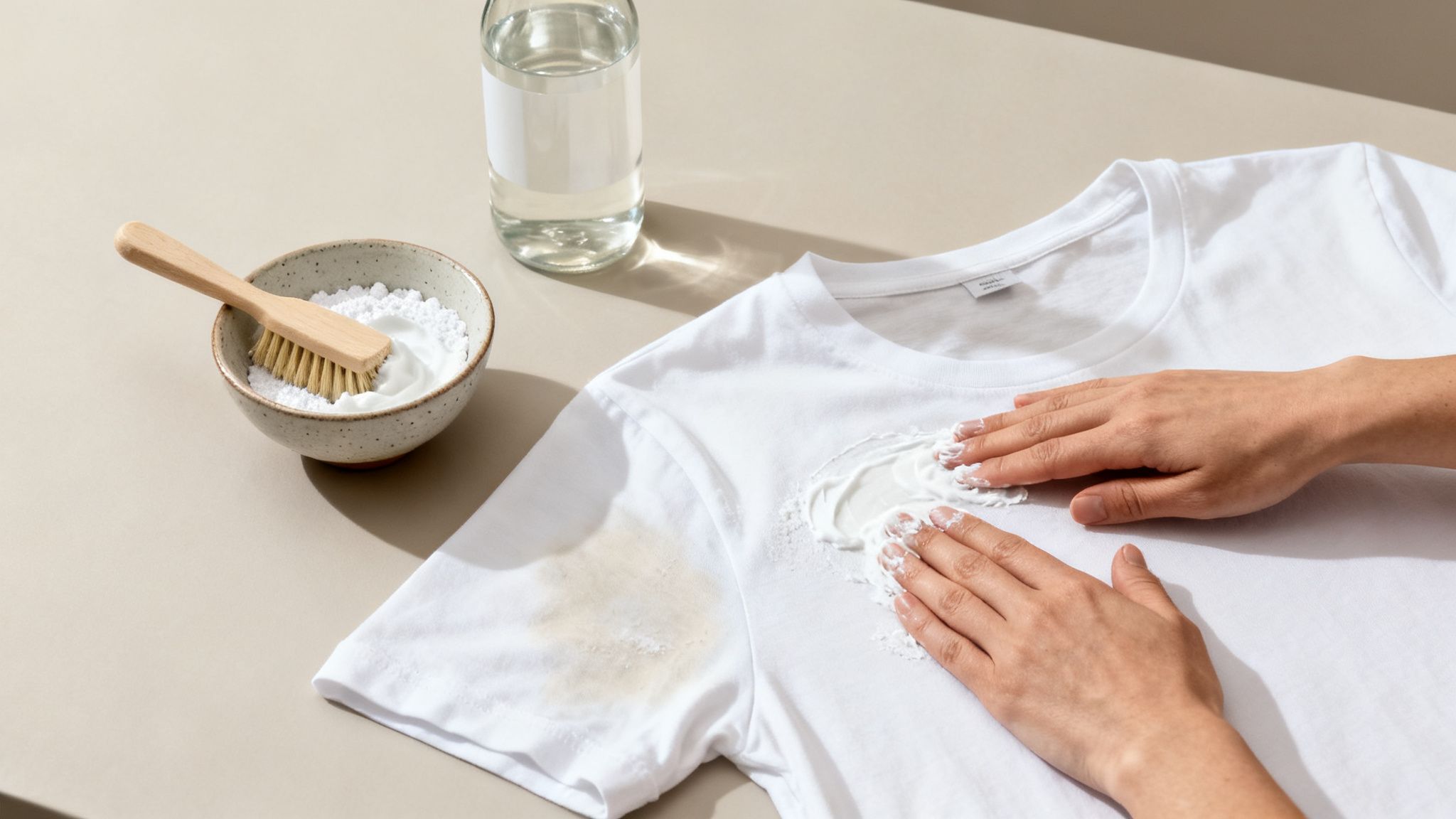
Before you reach for aggressive chemical treatments or give up on a favorite shirt, you might be surprised to find the best solutions are already in your kitchen pantry. Simple, inexpensive household staples can work miracles on those stubborn yellow stains.
The beauty of these DIY remedies is that they're often much gentler on fabrics than store-bought stain removers. They get the job done by breaking down the specific oils and compounds causing the discoloration, all without damaging delicate fibers.
The Go-To Paste: Baking Soda and Hydrogen Peroxide
This is my tried-and-true method for tackling yellow armpit stains. It’s a powerful combination where each ingredient has a specific job. Baking soda is a fantastic mild abrasive that helps physically scrub the stain from the fabric without being too harsh. Meanwhile, hydrogen peroxide acts as a gentle oxidizing agent, chemically breaking down the stain molecules and lifting the yellow tint.
Here’s how to make and use this simple but effective paste:
- Mix Your Ingredients: In a small bowl, combine equal parts baking soda, hydrogen peroxide, and water. I usually start with two tablespoons of each, which is plenty for one or two shirts.
- Create the Paste: Stir everything together until it forms a smooth, consistent paste.
- Apply and Scrub: Dab the paste directly onto the yellowed areas. Using an old toothbrush or a soft-bristled brush, gently work it into the fibers with a circular motion. You really want to make sure it penetrates the stain.
- Let it Sit: Now, just let it do its thing for at least 30 to 60 minutes. If you're dealing with an old, really set-in stain, leaving it on for a couple of hours can make all the difference.
- Wash It Out: Finally, toss the shirt in the washing machine and wash it on the warmest setting the care label allows.
This method works especially well on sturdy fabrics like cotton and most polyester blends.
Pro Tip: Whatever you do, never use chlorine bleach on sweat stains. It’s a common mistake, but the chlorine reacts with the proteins found in sweat and can actually make the yellowing worse and nearly impossible to remove.
The Pre-Soak Secret: White Vinegar
Distilled white vinegar is another pantry all-star, particularly for dissolving the buildup from deodorant. The acetic acid in vinegar is brilliant at cutting through the aluminum compounds and mineral deposits that make the underarms of shirts feel stiff and look yellow.
It’s the perfect pre-soak treatment to brighten an entire shirt or just target problem areas like collars and armpits.
To give your shirt a vinegar soak:
- Find a basin or use your sink and fill it with one part distilled white vinegar and two parts warm water.
- Submerge the shirt completely, making sure the stained parts are fully saturated with the solution.
- Let it soak for at least an hour. For really stubborn, long-term stains, letting it soak overnight often yields the best results.
After its soak, just wring out the shirt and launder it as usual. Don't worry about the smell—it washes out completely, leaving your shirt looking brighter and feeling noticeably softer. This is a great, fabric-safe first step for almost any yellowing issue.
Mastering the Wash to Keep Whites Bright
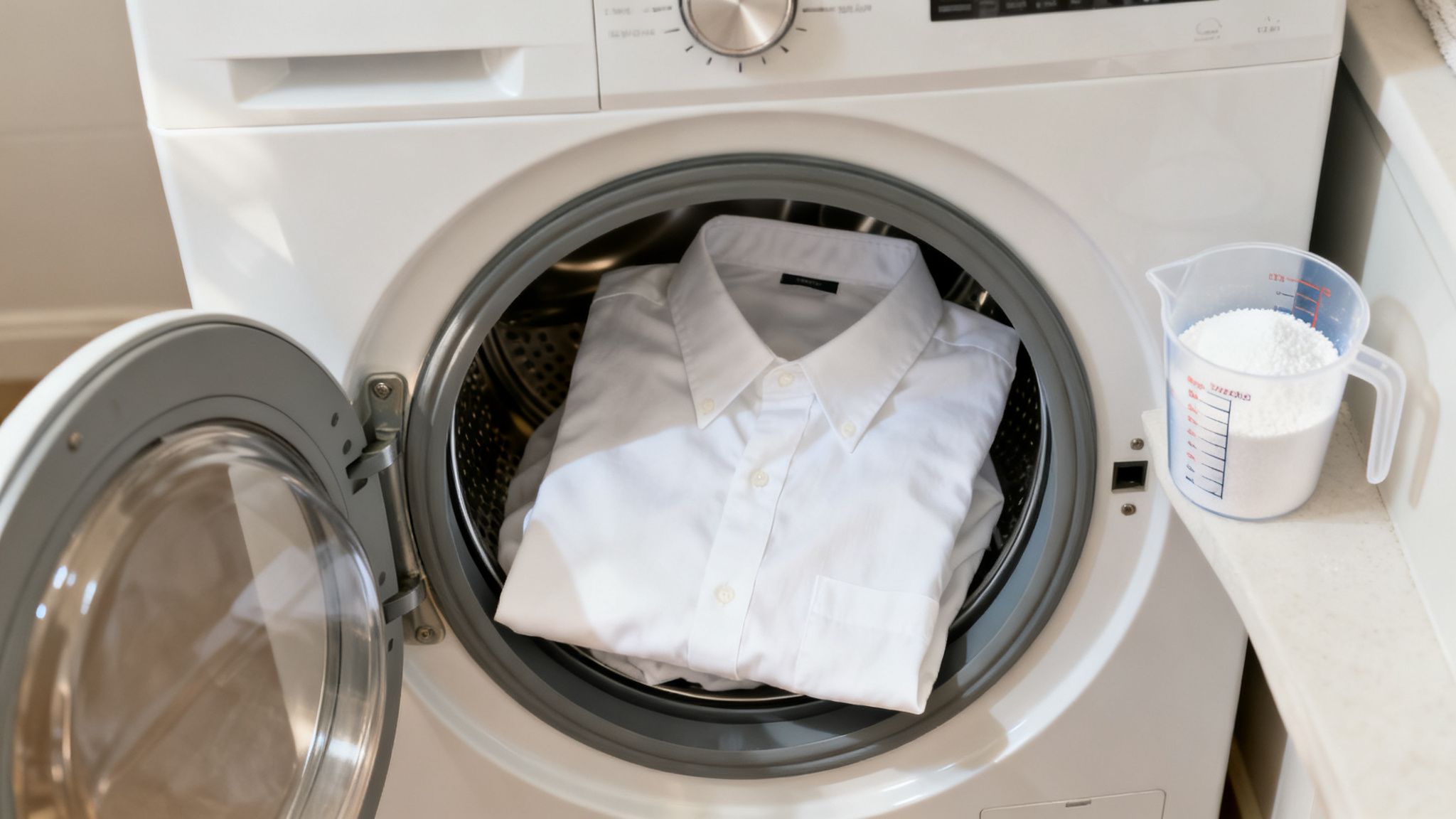
So, you've pre-treated that pesky yellow stain. Great! But the fight isn't over. Your everyday laundry routine could be the very thing setting you up for future yellowing. The truth is, how you wash your whites is your best defense against them turning dingy down the road.
One of the biggest mistakes I see people make is thinking more soap means cleaner clothes. It's a logical assumption, but it actually backfires. Using too much detergent leaves behind a sticky film that never fully rinses out. This residue is a magnet for dirt, body oils, and hard water minerals, creating a dull, greyish-yellow layer over time.
The Dangers of Product Overload
And it's not just detergent. Overdoing it with fabric softeners and dryer sheets can be even worse for your whites. These products coat fabric fibers with softening chemicals, but those same chemicals can oxidize and turn yellow, especially when exposed to heat.
Don't just take my word for it. Laundry industry research from 2020 found that a staggering 52% of yellowing on white garments was directly linked to the overuse of laundry products. That fabric softener residue is particularly bad news—it attracts and traps oils, making future stains up to 40% worse.
Choosing the Right Wash Settings
The settings on your washing machine are your secret weapon for bright whites. Getting the right mix of water temperature and cycle type can lift away grime without being too harsh on the fabric.
- Water Temperature Matters: For sturdy whites made of cotton or linen, don't be afraid to use warm or hot water. Heat is fantastic for breaking down and dissolving the body oils and sweat that cold water often leaves behind. Just be sure to glance at the care label first to make sure the fabric can handle it.
- Select the Right Cycle: A normal or heavy-duty cycle is your best friend here. It provides the agitation needed to really deep-clean the fabric and knock out any embedded dirt. I'd steer clear of delicate cycles for most white shirts; they just don't have enough oomph to prevent buildup over the long haul.
Here's a tip that’s so simple people often forget it: don't overload the washer. When you cram clothes in, they can’t move. The detergent doesn't get distributed properly, and worse, the water can't rinse away all the soap and loosened dirt.
To give your clothes a real chance at getting clean, fill the drum no more than three-quarters full. This small adjustment allows everything to tumble freely, ensuring a thorough wash and a clean rinse every time. It’s one of the easiest ways to prevent the residue that leads to dinginess.
A quality liquid laundry detergent is a must-have in your cleaning toolkit. Once you nail these basic washing techniques, you’ll be preventing yellow stains before they even start. For a deeper dive, check out our full guide on how to properly wash a white shirt.
Preventing Future Stains and Troubleshooting
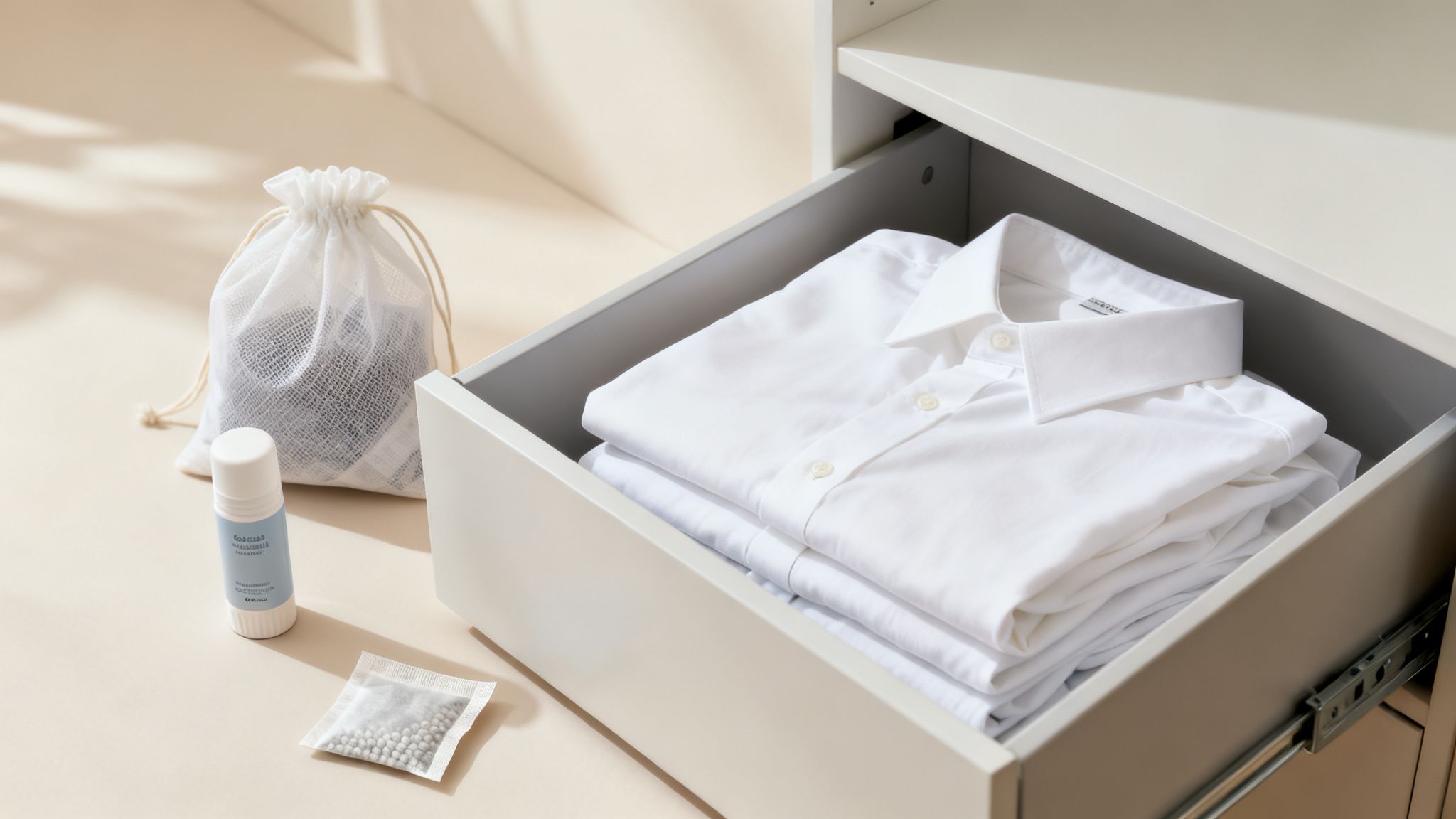
While it’s incredibly satisfying to rescue a yellow stain on white shirts, the real win is preventing them from ever showing up. The secret to keeping your whites looking brilliant for years isn't just about stain fighting; it's about shifting to a proactive mindset. It just takes a few simple, strategic tweaks to your routine.
Think of it less as a chore and more as garment preservation. When you build a defense against the common causes of yellowing, you save yourself a ton of time and frustration down the road. Best of all, these habits are surprisingly easy to adopt.
One of the most effective changes you can make starts right after your morning shower: let your deodorant or antiperspirant dry completely before getting dressed. Just giving it a minute or two makes a world of difference. This simple pause stops the aluminum compounds from transferring directly onto the fabric, heading off the chemical reaction that creates those stubborn underarm stains.
Daily Habits for Brighter Whites
Consistency is your best friend in the fight against dingy whites. Weaving a few small, mindful habits into your daily life can have a massive impact over time. These aren't complicated tasks, just simple adjustments that protect your clothes.
A great place to start is washing your white shirts soon after you've worn them, even if they look clean. Invisible sweat and body oils are the sneaky precursors to yellow stains. Washing them away quickly prevents them from oxidizing and settling deep into the fibers.
Here are a few more easy wins to add to your playbook:
- Switch to an Aluminum-Free Deodorant: Since the reaction between sweat and aluminum is a primary cause of yellowing, making this switch can stop the problem at its source.
- Wear an Undershirt: Think of it as a bodyguard for your nice shirts. An undershirt absorbs the bulk of sweat and deodorant before it ever has a chance to reach your outer layer.
- Give Your Closet Some Breathing Room: Avoid packing your clothes in too tightly. Good air circulation helps prevent moisture and mildew, both of which can lead to discoloration over time.
To make this even simpler, here's a quick checklist you can follow.
Prevention Checklist for Keeping Whites Bright
This table breaks down the most effective actions to keep your whites looking their best, week after week.
Following these steps proactively will dramatically reduce the chances of yellow stains ever becoming an issue.
Troubleshooting Lingering Yellow Tints
So, what happens when you’ve done everything right, but you still notice a faint, stubborn yellow tint that just won't lift? If it's more of an all-over dinginess than a specific spot, it’s time to look beyond the shirt itself and consider your environment.
One of the most common—and overlooked—culprits is hard water. The mineral deposits in hard water, especially iron, can build up on fabrics over many washes, leaving behind a yellow or even brownish hue. In fact, improper washing techniques and environmental factors contribute to 25-30% of yellowing cases in white clothes. With hard water affecting a staggering 85% of US households, those iron deposits can make a bad situation much worse. You can learn more about how washing habits impact your clothes to get a deeper understanding.
If you think hard water is the problem, try adding a water-softening agent like borax or a dedicated laundry booster to your wash. These products work by latching onto the minerals, stopping them from settling back onto your clothes.
How you store your whites is the final piece of the puzzle. Keeping them in plastic bags or bins is a recipe for disaster; it can trap moisture and emit chemicals that cause fabrics to yellow. Instead, always opt for breathable cotton garment bags and store them in a cool, dark, and dry place. This simple switch will keep them crisp and ready for their next wear.
When to Call a Professional for Stain Removal
While tackling yellow stains at home can be incredibly satisfying, there are times when it’s smarter to tag in a professional. This isn't about giving up; it’s about knowing the limits of DIY methods and protecting a piece of clothing you truly care about.
Knowing when to hand over a garment to an expert can be the difference between saving it and accidentally making a stain permanent. Think of it as a strategic investment in the longevity of your wardrobe.
When DIY Isn't the Answer
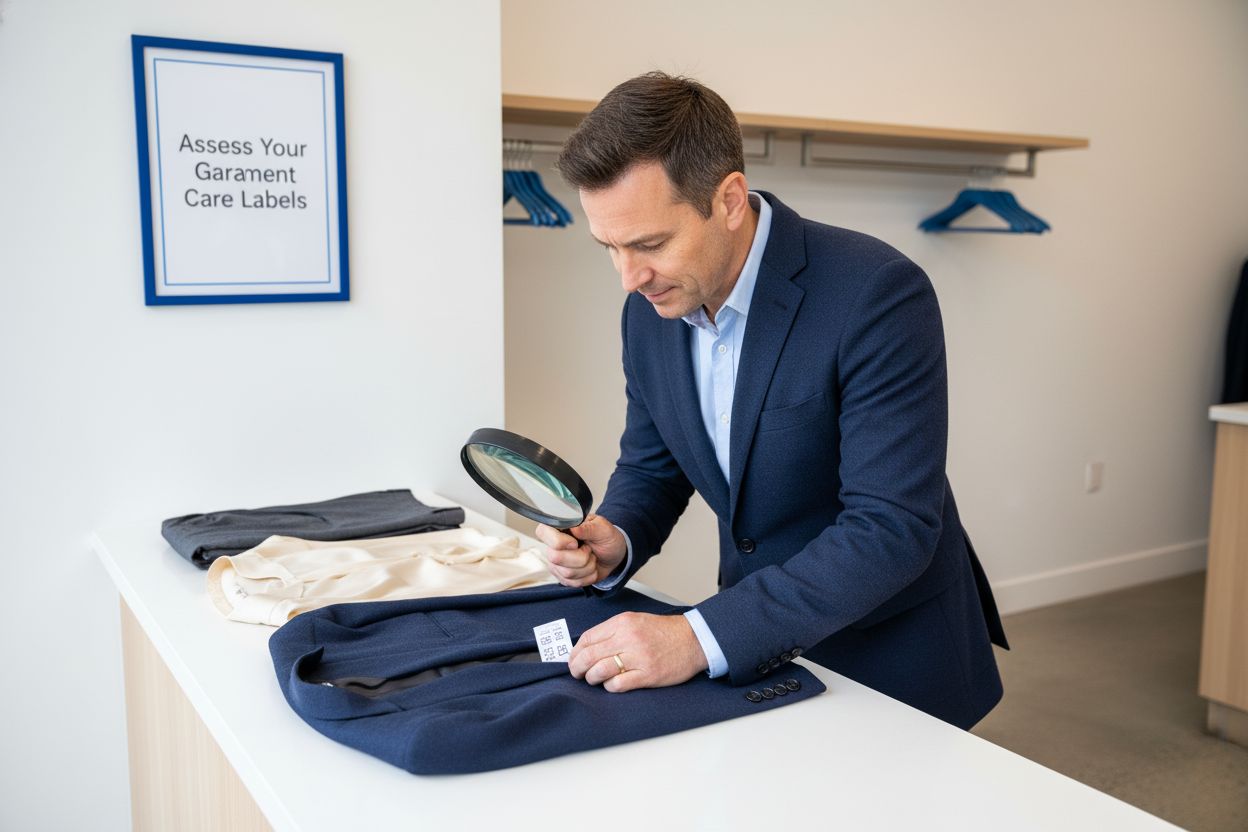
Certain stains and fabrics are just plain tricky. For that favorite silk blouse, a delicate vintage piece, or a structured blazer, the risk of causing shrinkage, water marks, or fiber damage is simply too high for at-home experiments.
It’s time to head to the dry cleaner if you're dealing with any of these situations:
- The Fabric is Delicate: Materials like silk, wool, rayon, and even some linens don't respond well to the aggressive soaking and scrubbing that home remedies often require. A professional has specialized solvents that clean these fabrics without ruining their texture or shape.
- The Stain is Old and Set-In: A yellow stain that's been hanging around for months (or years!) has had plenty of time to bond with the fabric fibers. Professionals have access to much stronger, targeted treatments that can break down those stubborn, aged stains.
- You Don't Know What Caused It: Unsure of the stain's origin? Guessing wrong on a treatment can set the stain forever. A professional can play detective, identify the source, and use the correct removal agent from the get-go.
The Benefits of Professional Cleaning
Going to a professional is about more than just stain removal. It’s about the comprehensive care and advanced technology they bring to the table. They use industry-grade equipment and solutions that are far more powerful and precise than anything we have under our kitchen sinks.
A professional cleaner's process is a different ballgame. It often involves pre-spotting with specific solvents, using carefully controlled cleaning cycles, and finishing with professional pressing. This doesn't just get the stain out; it restores the garment's original shape and feel.
For example, they're equipped to handle tough, oxidized oil-based stains or discoloration from something unusual like rust. If you've ever wondered what goes on behind the counter, you can get a better idea of how dry cleaners remove stains and the techniques they employ.
Ultimately, trusting a professional is the best way to preserve the life and look of your most valuable garments.
Got Questions About Getting Rid of Yellow Stains? I've Got Answers
Even when you know the basics, tackling those stubborn yellow spots can bring up some tricky questions. After years of dealing with every kind of stain imaginable, I've heard them all. Let's clear up a few of the most common ones so you can get back to having bright, pristine white shirts.
Is It Okay to Use Chlorine Bleach on Sweat Stains?
I get this one all the time, and it's a hard no. This is probably the single biggest mistake people make. It seems like it would work, right? But the chlorine actually has a chemical reaction with the proteins in sweat, and believe it or not, it can make the yellowing even worse. It basically locks the stain in for good.
Your best bet is always an oxygen-based bleach. It's much gentler on fabrics and does an incredible job of whitening without that risk of a chemical backlash.
My Two Cents: Seriously, step away from the chlorine bleach when it comes to sweat stains. It’s the one thing that can take a treatable stain and make it a permanent part of the shirt. Oxygen bleach is your friend here.
What About a Stain That's Been There Forever?
Don't toss that shirt just yet! An old, set-in stain is definitely a bigger challenge, but it's not always a death sentence for the garment. The secret weapon here is simply time and a good, long soak.
Grab a bucket and mix up a strong pre-soak solution with oxygen bleach and water. Let the shirt sit in there for at least a few hours—or even better, overnight. This gives the oxygen bleach plenty of time to work its magic and break down those old, stubborn stain particles. You might have to repeat the soak-and-wash cycle, but I’ve seen some ancient stains fade away with a little persistence.
Does the Dryer Really Set Stains?
Oh, absolutely. The intense heat of a clothes dryer is your stain's best friend and your worst enemy. It essentially bakes the stain right into the fabric's fibers, making it nearly impossible to get out later.
Before you even think about tossing a shirt in the dryer, hold it up to the light and inspect the stained area carefully. If you see even a faint hint of yellow, do not put it in the dryer. Let it air dry instead. A little bit of sun can also work wonders as a natural bleaching agent. Once it's completely dry and you're positive the stain is gone, then you can fluff it in the dryer if you want.
Fighting laundry battles is no one's idea of a good time. If you're tired of soaking and scrubbing, why not let the pros at Columbia Pike Laundry take over? We provide professional cleaning with super convenient pickup and delivery, giving you back your time and brilliantly clean clothes. Schedule your first pickup today and let us handle the dirty work.
Free pickup, expert care, delivered back to your door.
Popular Blog Articles





Meet the Author
Daniel Logan didn’t start CPL because he loved laundry. He started it because his family was drowning in time debt, and laundry was one of the biggest weights.
Mornings were chaos with two kids under 5. Evenings felt like catch-up. And weekends? Gone to sorting socks and folding piles.
He knew his story wasn’t unique. So he built a business that gave families like his just a little bit of breathing room one load at a time.
With no laundry experience but deep tech skills, Daniel rolled up his sleeves, doing every job himself while building systems that turned it into a modern laundry service that saves customers time, simplifies their lives, and delivers reliability they can count on.
That’s where CPL began. Not from a playbook, but from pain. From one dad trying to buy back time: for himself, and for every household like his.
Free pickup, expert care, delivered back to your door.