
Benefits of dry cleaning: save time and protect clothes

Columbia Pike Laundry offers pickup & delivery across Northern Virginia.
Many people assume dry cleaning is only for expensive suits or formal gowns, but this method actually benefits everyday fabrics too. Busy families and professionals in Arlington discover that dry cleaning offers surprising advantages beyond special occasions. It removes stubborn stains, preserves delicate materials, and saves hours each week. Whether you’re managing a household or juggling work commitments, understanding how dry cleaning protects your wardrobe while freeing up your schedule can transform your approach to garment care. This guide explains the process, time savings, safety considerations, and practical tips to help you make informed decisions about caring for your clothes.
Key takeaways
| Point | Details |
|---|---|
| Stain removal | Dry cleaning removes tough oil-based stains without water damage. |
| Fabric preservation | Solvents protect delicate fabrics like silk and wool, extending garment lifespan significantly. |
| Time efficiency | Eliminates sorting, washing, drying, and ironing, saving busy individuals hours weekly. |
| Process safety | Modern dry cleaning uses regulated solvents with evolving safer alternatives. |
| Garment longevity | Regular dry cleaning can extend clothing life up to 50% compared to improper home washing. |
How dry cleaning works to protect your clothes
Dry cleaning uses chemical solvents instead of water to dissolve oils and greases that cling to fabric fibers. Traditional water washing struggles with oil-based stains like makeup, cooking grease, and body oils because water and oil don’t mix. Solvents like perchloroethylene effectively break down these stubborn substances, lifting them away without the fiber stress that water causes.
This method prevents the shrinkage and damage common with water washing, especially for wool, silk, and linen. Water causes natural fibers to swell and contract, leading to distortion and weakening over time. Dry cleaning solvents work at the molecular level to remove oil-based soils without shrinking wool or damaging silk, preserving the original shape and texture of your garments.

Modern systems carefully control moisture and temperature throughout the cleaning cycle. Machines regulate solvent temperature to optimize cleaning power while protecting colors and fabric integrity. The process includes pre-treatment for visible stains, gentle agitation in solvent, extraction, and careful drying to remove any residual chemicals. This controlled environment ensures consistent results across different fabric types.
Professional dry cleaners also inspect each garment before and after cleaning. They identify problem areas, apply targeted treatments, and finish with pressing or steaming to restore the garment’s appearance. This attention to detail goes beyond what home washing can achieve, making dry cleaning essential for fabric care and garment preservation.
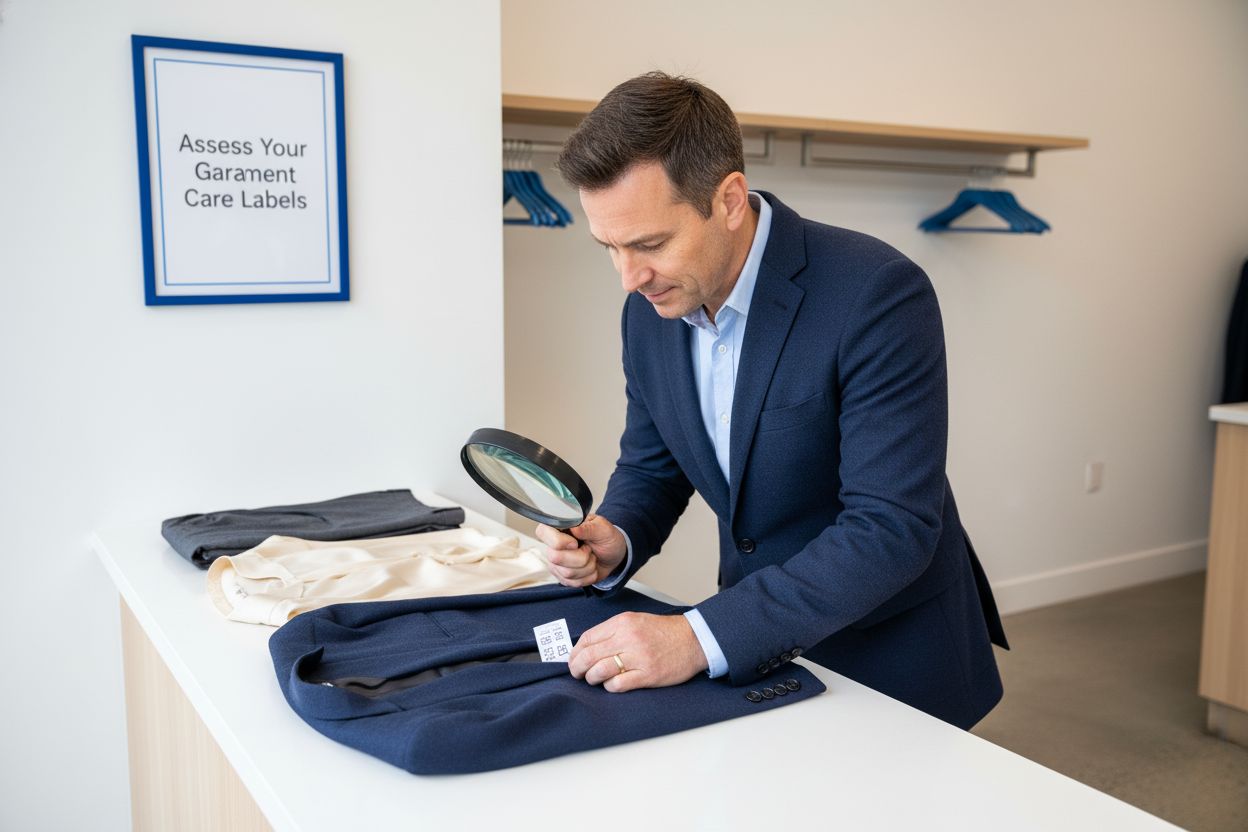
Pro Tip: Always check garment care labels to confirm if dry cleaning is recommended to avoid damage. Labels provide manufacturer guidance based on fabric composition and construction, helping you make the right cleaning choice.
Key benefits of the dry cleaning process include:
- Removes embedded dirt and oils that water cannot dissolve
- Prevents color bleeding and fading common in water washing
- Maintains fabric texture and drape for professional appearance
- Protects embellishments, buttons, and delicate trim from water damage
Time-saving convenience for busy Arlington families and professionals
Dry cleaning eliminates the multi-step home laundry process that consumes hours each week. Instead of sorting, pre-treating, washing, transferring to the dryer, folding, and ironing, you simply drop off your garments and pick them up ready to wear. This streamlined approach saves significant time for people managing demanding schedules.
Typical turnaround for standard dry cleaning is two to three days, convenient for weekly wardrobe maintenance. You can plan ahead by dropping off Monday’s work clothes on Friday, ensuring a fresh wardrobe for the week. Many services offer express options for urgent needs, accommodating last-minute events or business trips. The predictable timeline lets you organize your clothing rotation efficiently.
Pickup and delivery services reduce errands even further, fitting seamlessly into busy professional and family routines. Rather than driving to a cleaner during business hours, you schedule a pickup at your convenience. The service collects your items, cleans them professionally, and returns them to your doorstep. This eliminates the time spent traveling, waiting, and making multiple trips.
Dry cleaning also handles delicate and formal wear expertly, freeing you from difficult at-home care. Items like wedding attire, business suits, evening gowns, and cashmere sweaters require specialized knowledge and equipment. Professional cleaners have the training and tools to treat these garments properly, removing the guesswork and risk from your routine. You avoid purchasing special detergents, learning complex techniques, or worrying about ruining expensive pieces.
Dry cleaning services offer significant time savings compared to home laundering for busy customers. The industry has grown specifically to meet the needs of time-pressed professionals and families. Pickup and delivery options make dry cleaning especially convenient for demanding schedules, transforming garment care from a chore into a seamless background service.
Pro Tip: Choose dry cleaners with flexible scheduling and delivery to maximize your time savings. Look for services that offer evening pickups, weekend hours, or app-based scheduling to fit your lifestyle.
Time advantages of professional dry cleaning:
- Eliminates hours spent on sorting, washing, drying, and ironing weekly
- Provides predictable turnaround for planning wardrobe needs
- Reduces physical errands with convenient pickup and delivery
- Handles specialty garments without requiring you to learn complex care techniques
For busy parents juggling school schedules, work commitments, and household management, dry cleaning becomes a practical solution. The advantages of dry cleaning for busy parents extend beyond time savings to include stress reduction and improved garment quality. Understanding the role of dry cleaning for busy lives helps you evaluate whether this service fits your priorities and budget.
Health, environmental, and process considerations in dry cleaning
Perchloroethylene, commonly called perc, is the traditional solvent known for strong degreasing and stain removal capabilities. It effectively dissolves oils and organic compounds that resist water-based cleaning. However, perc is a probable human carcinogen, raising health concerns for workers and consumers exposed to residual chemicals on garments.
Regulatory agencies have responded to these risks with increasing restrictions. The EPA is phasing out perc due to health hazards, leading to industry shifts toward alternative solvents and wet cleaning methods. This transition aims to protect both human health and environmental quality while maintaining effective garment care.
Newer solvents include hydrocarbon-based and silicone solvents with lower toxicity and environmental impact. Hydrocarbon solvents derived from petroleum offer gentler cleaning with reduced health risks. Silicone-based solvents provide excellent cleaning power with minimal environmental persistence. Wet cleaning uses water with specialized detergents and equipment, avoiding harsh chemicals entirely while achieving results comparable to traditional dry cleaning.
The comparison below shows key properties and considerations for different cleaning methods:
| Solvent Type | Cleaning Power | Health Risk | Environmental Impact | Cost |
|---|---|---|---|---|
| Perchloroethylene | Excellent | High | Moderate | Low |
| Hydrocarbon | Good | Low | Low | Moderate |
| Silicone | Excellent | Very Low | Very Low | High |
| Wet Cleaning | Good | Minimal | Minimal | Moderate |
Modern dry cleaning involves controlled moisture and temperature to maximize efficiency while reducing hazards. Advanced machines filter and recycle solvents, minimizing waste and exposure. Proper ventilation systems protect workers from fumes. Post-cleaning aeration removes residual chemicals from garments before they reach customers. These improvements make contemporary dry cleaning safer than older methods.
The industry is evolving with more eco-conscious practices without sacrificing cleaning power. Professional cleaners invest in equipment that uses less solvent, recycles chemicals, and reduces energy consumption. Green certifications help consumers identify businesses committed to environmental responsibility. As technology advances, expect continued improvements in both safety and sustainability.
Understanding dry cleaning solvent types helps you make informed choices about where to take your garments. Ask your cleaner what solvents they use and what safety measures they employ. Learning how dry cleaners remove stains with different methods can guide your decisions about garment care.
Extending garment lifespan and maintaining fabric quality with dry cleaning
Harsh water-based washing can cause fibers to break down and colors to fade over time. Hot water, aggressive detergents, and mechanical agitation stress fabric structures. Repeated exposure weakens fibers, leading to thinning, pilling, and eventual failure. Colors leach out with each wash cycle, leaving garments dull and faded.
Dry cleaning solvents remove embedded dirt and oils that cause fiber breakdown, preserving fabric strength. Unlike water, solvents don’t swell fibers or strip protective finishes. They gently dissolve contaminants without the mechanical stress of washing machines. This gentler approach maintains the original integrity of both natural and synthetic fabrics.

Regular dry cleaning extends clothing life up to 50% compared to improper home laundering. Professional care prevents the cumulative damage that shortens garment lifespan. By removing soil before it becomes embedded, dry cleaning stops the chemical reactions that degrade fibers. The controlled process also prevents shrinkage, distortion, and color loss that occur with repeated water washing.
The table below compares fabric wear across different cleaning methods:
| Cleaning Method | Fiber Stress | Color Retention | Shrinkage Risk | Average Garment Lifespan |
|---|---|---|---|---|
| Dry Cleaning | Low | Excellent | Minimal | 8-10 years |
| Machine Washing | High | Poor | Moderate | 4-6 years |
| Hand Washing | Moderate | Good | Low | 6-8 years |
Dry cleaning is especially beneficial for delicate and high-quality fabrics requiring gentle care. Silk, wool, cashmere, and linen maintain their luxurious feel and appearance when cleaned professionally. Structured garments like suits and blazers retain their shape and drape. Embellished items with beading, sequins, or delicate trim avoid the damage that water and agitation cause.
Dry cleaning avoids fiber degradation and color fading typical of frequent hot water washing. The process respects the chemical composition of different fabrics, using appropriate solvents and techniques for each material. Professional cleaners adjust temperature, agitation, and drying methods based on fabric type, ensuring optimal care.
Pro Tip: Follow garment labels and don’t over-clean frequently to optimize longevity. Cleaning only when necessary prevents unnecessary wear while maintaining freshness and appearance.
Consistent dry cleaning reduces visible wear, maintaining the garment’s appearance longer. Clothes look newer, colors stay vibrant, and fabrics retain their original texture. This extended lifespan provides better value for your clothing investment, especially for quality pieces you want to enjoy for years.
Key longevity benefits include:
- Prevents fiber breakdown from harsh detergents and hot water
- Maintains original colors without fading or bleeding
- Preserves fabric texture, drape, and structural integrity
- Protects delicate embellishments and specialty finishes
For comprehensive guidance, explore this dry cleaning expert guide covering fabric types and care recommendations. Understanding why use dry cleaning helps you evaluate when professional care makes sense for your wardrobe.
Discover expert dry cleaning services tailored for your busy lifestyle
Columbia Pike Laundry offers efficient dry cleaning with easy scheduling and flexible pickup and delivery throughout Arlington. Our services cater to busy individuals by handling stain removal, pressing, and fabric care from start to finish. You simply schedule a pickup through our app or website, and we take care of everything else. Our easy 3-step dry cleaning service streamlines the entire process, saving you valuable time.
We serve multiple locations in the Arlington area and nearby communities. Our McLean commercial laundry service and Reston commercial laundry service extend professional care to surrounding neighborhoods. All cleaning happens in-house at our Columbia Pike location, ensuring quality control and accountability. With reliable 48-hour turnaround and express options available, we deliver the convenience and fabric protection discussed throughout this guide.
FAQ
What fabrics benefit most from dry cleaning?
Delicate fabrics like silk, wool, linen, and garments labeled “dry clean only” benefit most from dry cleaning to avoid water damage. These materials can shrink, distort, or lose color when exposed to water and detergent. Dry cleaning preserves fabric texture and color much better than home washing for these materials. Structured garments like suits, blazers, and formal wear also maintain their shape and finish when professionally dry cleaned.
How does dry cleaning save time for busy families?
Dry cleaning eliminates multiple home laundry steps like washing, drying, and ironing, freeing up hours each week. Instead of managing each stage of the cleaning process, you drop off garments and pick them up ready to wear. Pickup and delivery services minimize errands, freeing up valuable time for other priorities. This convenience is especially helpful for families managing work schedules, school activities, and household responsibilities. Learn more about time-saving dry cleaning benefits for practical strategies.
Are there health or environmental concerns with dry cleaning solvents?
Traditional solvent perchloroethylene is effective but linked to health risks, and the EPA is phasing it out due to safety concerns. Exposure to perc has been associated with respiratory issues and potential carcinogenic effects. Modern dry cleaners increasingly use safer alternative solvents and wet cleaning to reduce hazards. Hydrocarbon and silicone-based solvents offer lower toxicity while maintaining cleaning effectiveness. Understanding dry cleaning solvent safety helps you choose services that prioritize health and environmental responsibility.
How often should I dry clean my garments?
Follow garment labels and clean when visibly soiled or after several wears to avoid unnecessary fabric wear. Most business attire benefits from cleaning every three to five wears, depending on activity level and environment. Over-dry cleaning can be as harmful as excessive wet washing, so moderation preserves fabric integrity. Seasonal items like coats and formal wear typically need cleaning once or twice per season. Review dry cleaning frequency guidelines for specific recommendations based on garment type and usage patterns.
Recommended
Free pickup, expert care, delivered back to your door.
Popular Blog Articles



Meet the Author
Daniel Logan didn’t start CPL because he loved laundry. He started it because his family was drowning in time debt, and laundry was one of the biggest weights.
Mornings were chaos with two kids under 5. Evenings felt like catch-up. And weekends? Gone to sorting socks and folding piles.
He knew his story wasn’t unique. So he built a business that gave families like his just a little bit of breathing room one load at a time.
With no laundry experience but deep tech skills, Daniel rolled up his sleeves, doing every job himself while building systems that turned it into a modern laundry service that saves customers time, simplifies their lives, and delivers reliability they can count on.
That’s where CPL began. Not from a playbook, but from pain. From one dad trying to buy back time: for himself, and for every household like his.
Free pickup, expert care, delivered back to your door.