
Dry wash vs dry clean: Arlington guide 2026

Columbia Pike Laundry offers pickup & delivery across Northern Virginia.
When you check a garment’s care label and see dry cleaning instructions, you might wonder if dry washing is the same thing. These terms sound similar, but they describe completely different processes. Understanding the distinction helps you protect your favorite clothes from damage, shrinkage, and fading. This guide clarifies what each method means, which fabrics benefit from each approach, and how Arlington residents can choose the right service for their wardrobe.
Key takeaways
| Point | Details | |-------|---------|| | Dry cleaning uses solvents | Chemical solvents dissolve oil-based stains without water, protecting delicate fabrics from shrinkage and color loss. | | Dry washing lacks standardization | The term ‘dry wash’ often refers to gentle wet cleaning methods, but it’s not an officially recognized industry term. | | Method choice affects longevity | Over 75% of garment damage comes from incorrect washing, making proper selection critical. | | Fabric type determines method | Silk, wool, and structured garments need dry cleaning while sturdy cottons suit gentle washing. |
What dry cleaning really means: the science behind the solvent process
Dry cleaning isn’t actually dry. The process uses non-aqueous solvents to dissolve oil-based soils without causing the fiber swelling and protein damage that water creates. Common solvents include perchloroethylene (perc), hydrocarbon, and liquid CO₂.
These solvents break down oils, grease, and stubborn stains that water-based detergents can’t touch. The dry cleaning process guide shows how garments tumble in a specialized machine that circulates solvent through the fabric, lifting dirt particles away from fibers. After cleaning, the machine spins out the solvent and dries the clothes in the same drum.
Modern dry cleaning involves precise moisture and temperature control to optimize results. Professional machines maintain temperatures between 28 and 32°C throughout the cycle. While the process is called dry, trace amounts of moisture (0.01 to 0.03%) work catalytically with the solvent to enhance cleaning power.
The benefits extend beyond stain removal:
- Prevents shrinkage by avoiding water-induced fiber contraction
- Maintains original colors without dye bleeding or fading
- Preserves fabric structure and texture in delicate materials
- Protects embellishments, buttons, and special finishes
- Removes odors effectively without harsh agitation
Different dry cleaning solvents explained shows that each solvent type offers unique advantages. Hydrocarbon solvents are gentler on delicate beading, while liquid CO₂ provides an environmentally friendly option for sensitive fabrics.
Pro Tip: Check if your dry cleaner uses solvent filtration systems. These remove contaminants between cycles, ensuring your clothes come back cleaner and fresher.
Decoding ‘dry wash’: what it is and why it causes confusion
The term ‘dry wash’ creates confusion because ‘dry washing’ often refers to specialized wet cleaning without a universal definition. It’s not an official industry designation like dry cleaning. Instead, it’s a marketing phrase or colloquial term that different cleaners interpret differently.
Some businesses use ‘dry wash’ to describe gentle machine washing with minimal water and mild detergents. Others mean professional wet cleaning, which uses water-based solutions with specialized equipment that controls moisture, temperature, and mechanical action. A few might even use it interchangeably with dry cleaning, adding to the confusion.
Common interpretations of dry wash include:
- Gentle cycle machine washing with reduced water levels
- Professional wet cleaning using advanced moisture control
- Hand washing with minimal water and air drying
- Steam cleaning or spot treatment without full immersion
This ambiguity matters because choosing the wrong method can ruin your clothes. If you assume ‘dry wash’ means the same as dry cleaning and machine wash a silk blouse, you might end up with a shrunken, damaged garment. The dry cleaning vs laundering differences guide highlights how water-based methods affect various fabrics differently than solvent cleaning.

When a cleaner offers ‘dry wash’ services, ask specific questions. Find out whether they use water, what temperature they maintain, and which fabrics they recommend for that service. Some Arlington cleaners combine wet cleaning benefits with careful fabric handling, creating a middle ground between traditional laundering and dry cleaning.
The lack of standardization means you can’t assume all dry wash services are equal. One provider might excel at gentle wet cleaning for certain fabrics, while another might simply run items through a delicate cycle. Always clarify the actual process before entrusting your garments to any service.
Comparing dry cleaning and dry washing: fabric suitability and cleaning effectiveness
Understanding which method suits your garments prevents costly damage. Dry cleaning is preferred for wool, silk, and delicate designer garments to maintain their shape, color, and texture. The solvent-based process excels at removing oil-based stains like makeup, body oils, and food grease without stressing fibers.

Dry washing or gentle wet cleaning works better for sturdy fabrics and lightly soiled items. Home washing suits casual cottons and everyday linens but may shorten garment lifespan compared to professional care. Cotton t-shirts, denim jeans, and bed linens typically handle water and detergent without issue.
Here’s how the methods compare:
| Factor | Dry Cleaning | Dry Washing/Gentle Wet Cleaning |
|---|---|---|
| Best for | Wool, silk, rayon, acetate, structured garments | Cotton, linen, polyester, everyday casuals |
| Stain removal | Excellent for oils, grease, cosmetics | Better for water-soluble stains like coffee, wine |
| Shrinkage risk | Minimal to none | Moderate to high depending on fabric |
| Color preservation | Superior, prevents bleeding | Can cause fading over repeated cycles |
| Environmental impact | Varies by solvent type | Lower water usage in professional wet cleaning |
| Cost | Higher per garment | Lower for basic items |
Incorrect washing of ‘dry clean only’ clothes causes shrinkage, fading, and structural damage. Wool sweaters felt and become unwearable. Silk loses its luster and may develop water spots. Rayon can shrink up to 10% and distort permanently.
Choosing the right method depends on three factors:
- Fabric content: Natural fibers like wool and silk need dry cleaning, while synthetics often tolerate washing
- Garment construction: Structured items with interfacing, padding, or special finishes require dry cleaning
- Stain type: Oil-based stains need solvents, water-based stains respond to wet cleaning
The fabrics needing dry cleaning guide provides detailed breakdowns for common materials. Cashmere, velvet, leather, and suede always need professional solvent cleaning. Blended fabrics require case-by-case evaluation based on the dominant fiber.
Pro Tip: When you buy new clothes, test-clean an inconspicuous area first if you’re unsure about the care method. Better to discover problems on a hidden seam than ruin the entire garment.
For everyday choices, the dry cleaning vs wash and fold comparison helps you decide which service fits your needs and budget. Wash and fold works great for basic items, while dry cleaning protects investments in quality clothing.
Practical tips for Arlington residents: choosing between dry cleaning and dry wash
Arlington residents have access to numerous laundry services, but making the right choice starts with understanding your garments. Follow these steps to protect your wardrobe:
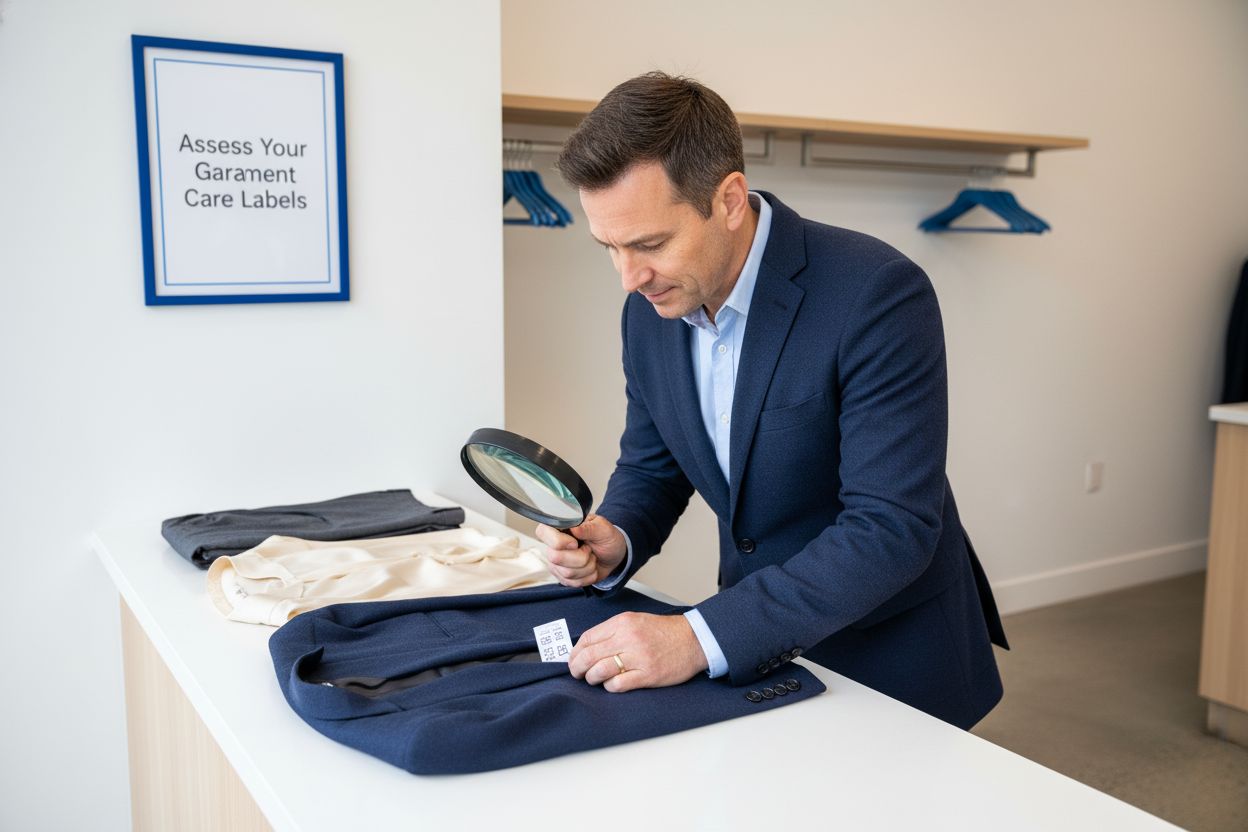
- Read care labels carefully before every cleaning decision
- Sort clothes by fabric type, not just color
- Identify stain types to match them with appropriate cleaning methods
- Research local cleaners’ specific processes and expertise
- Start with professional cleaning for expensive or sentimental items
- Build relationships with trusted providers who explain their methods
Garment care labels provide manufacturer recommendations based on fabric testing. A ‘dry clean only’ label means water-based washing will likely damage the item. ‘Dry clean recommended’ suggests dry cleaning is safest, but gentle hand washing might work for some pieces.
Use professional dry cleaning for suits, wool coats, silk blouses, and delicate designer items. These garments justify the higher cost because proper care extends their lifespan significantly. A well-maintained wool suit can last a decade or more with regular dry cleaning.
Arlington dry cleaners may offer eco-friendly or specialized dry wash options worth exploring. Some use liquid CO₂ or silicone-based solvents that reduce environmental impact. Others provide wet cleaning expertise that bridges the gap between dry cleaning and home washing.
Avoid overwashing and hot water to preserve garment integrity. Many clothes don’t need cleaning after every wear. Wool suits, blazers, and dress pants often just need airing out and spot treatment between professional cleanings. Hot water sets protein-based stains and accelerates fabric wear.
Pro Tip: Keep a small stain treatment kit at home for immediate spot cleaning. Quick action on fresh stains makes professional cleaning more effective and prevents permanent damage.
When in doubt, ask professionals about the best method for your clothes. Experienced cleaners can assess fabric content, construction, and condition to recommend appropriate care. The clothes needing dry cleaning in Arlington guide offers local context for making these decisions.
Consult reviews of Arlington dry cleaners to find trusted providers. Look for businesses that explain their processes, show genuine care for garments, and stand behind their work with satisfaction guarantees. Family-owned operations often provide more personalized attention than large chains.
Discover convenient laundry solutions with Columbia Pike Laundry
Now that you understand the differences between dry cleaning and dry washing, putting that knowledge into practice becomes simple with the right service partner. Columbia Pike Laundry offers professional dry cleaning and washing tailored to your fabric needs, all done in-house for quality control and accountability.
Our Columbia Pike Laundry easy 3-step service eliminates the hassle: schedule a pickup through our app, we clean your garments using the appropriate method for each fabric, and we deliver everything back to you folded, pressed, and ready to wear. You can set preferences like fragrance-free detergents or special handling instructions, ensuring your clothes receive the exact care they need.
Trust expert care to extend your garments’ life with environmentally conscious methods and reliable 48-hour turnaround.
What is the difference between dry wash and dry clean?
Is dry washing effective for removing all types of stains?
Dry washing may not remove tough oil-based stains as effectively as dry cleaning. Water-based methods struggle with makeup, grease, and body oils that solvents dissolve easily. Dry cleaning solvents are specifically designed for such stains, making them the better choice for oil-related spots.
Can I wash ‘dry clean only’ clothes at home using dry wash methods?
Home washing of ‘dry clean only’ items risks shrinkage, color loss, and structural damage. Even gentle cycles and cold water can cause problems with delicate fabrics like silk, wool, and rayon. Professional dry cleaning is safer for these garments and protects your investment in quality clothing.
How often should I dry clean my suits and dress clothes?
Dry clean suits every 3 to 4 wears or when you notice visible stains or odors. Overwearing between cleanings allows body oils and dirt to set into fibers, making removal harder. Regular professional care maintains appearance and extends garment life significantly.
How can I find trusted dry cleaning services in Arlington, VA?
Research top Arlington dry cleaners through local reviews and service offerings. Local cleaners may offer specialized or eco-friendly options worth considering. Ask cleaners about their specific processes, solvent types, and fabric expertise to ensure suitability for your garments before committing.
Recommended
Free pickup, expert care, delivered back to your door.
Popular Blog Articles


Meet the Author
Daniel Logan didn’t start CPL because he loved laundry. He started it because his family was drowning in time debt, and laundry was one of the biggest weights.
Mornings were chaos with two kids under 5. Evenings felt like catch-up. And weekends? Gone to sorting socks and folding piles.
He knew his story wasn’t unique. So he built a business that gave families like his just a little bit of breathing room one load at a time.
With no laundry experience but deep tech skills, Daniel rolled up his sleeves, doing every job himself while building systems that turned it into a modern laundry service that saves customers time, simplifies their lives, and delivers reliability they can count on.
That’s where CPL began. Not from a playbook, but from pain. From one dad trying to buy back time: for himself, and for every household like his.
Free pickup, expert care, delivered back to your door.