
Understand fold the laundry meaning and simplify chores
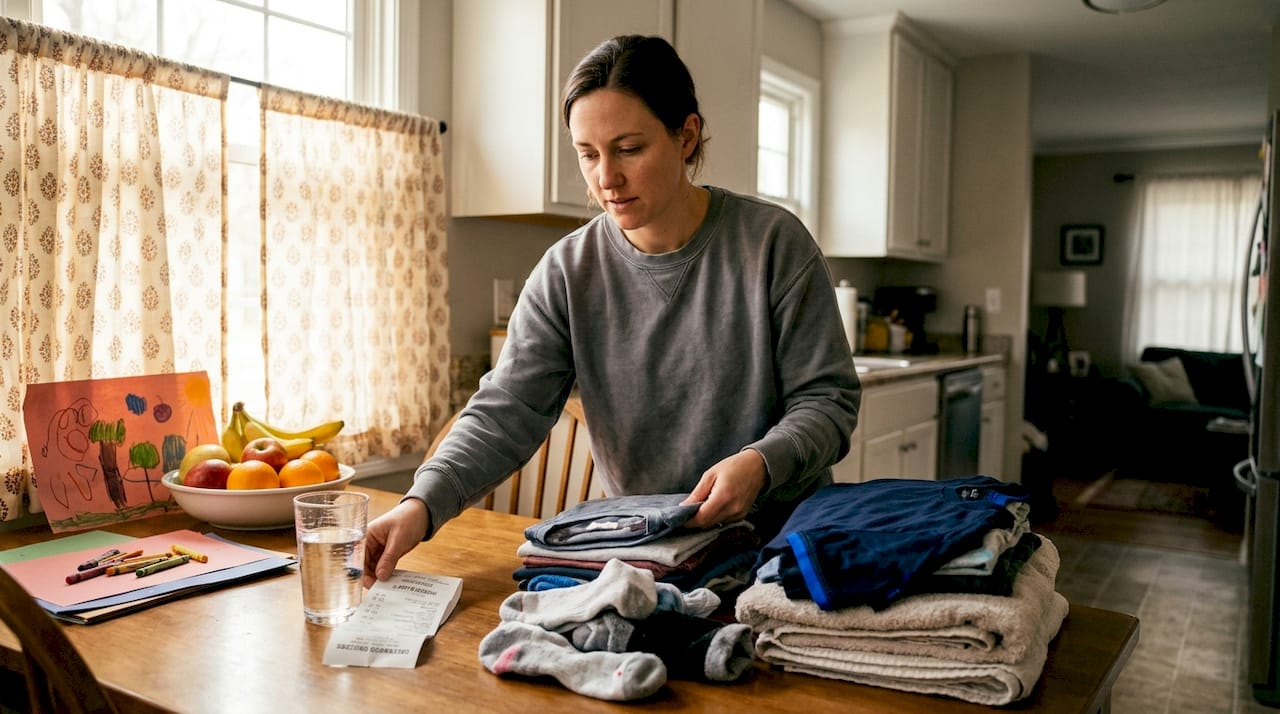
Columbia Pike Laundry offers pickup & delivery across Northern Virginia.
You’ve just pulled warm clothes from the dryer, and now you face a mountain of fabric. What does fold the laundry actually mean, and why does it matter beyond just making neat piles? Many people confuse folding with the entire laundry process or assume it’s optional, but understanding this final step transforms how you care for garments and organize your home. This guide clarifies what folding really involves, shares expert techniques for different fabrics, and reveals how busy Arlington families reclaim hours each week through smart solutions.
Key Takeaways
PointDetailsFolding purposeFolding transforms dry clothes into organized items that look neat and last longer.Finishing stepFolding is the final step in laundry that prevents wrinkles and helps garments keep their shape.Basic techniquesStart with shirts by smoothing fabric and aligning seams before folding into compact rectangles.Vertical folding methodThe Marie Kondo vertical folding method creates upright stacks for easier drawer visibility.
What does fold the laundry mean?
The phrase fold the laundry refers to the specific task of neatly arranging clean, dried clothing and linens after they come out of the dryer or off the line. Folding primarily means organizing dried clothes as the final step in the complete laundry process, distinct from washing or drying. This action involves smoothing fabric, aligning edges, and creating compact rectangles or rolls that fit efficiently in drawers and on shelves.
Many people confuse folding with the entire laundry cycle, but it’s actually just one stage. Washing removes dirt and stains, drying eliminates moisture, and folding organizes the results. You haven’t truly finished laundry until clothes are folded and stored, which is why the phrase “done with laundry” typically means everything from wash to put away is complete. Folding matters because it prevents wrinkles from setting in, maintains garment shape, and makes items easier to find and wear.
The mechanics are straightforward but purposeful:
Understanding what wash and fold services include helps clarify why folding is the finishing touch that transforms a pile of clean fabric into organized, wearable clothing. Without this step, garments emerge wrinkled and chaotic, requiring extra ironing and searching time later. Folding immediately after drying locks in that fresh from the dryer smoothness and keeps your wardrobe accessible.
Some people encounter the term fold in other contexts, like poker slang meaning to give up or quit, but in laundry conversations, it always refers to this physical organization task. The literal meaning dominates household discussions because it’s a universal chore that affects garment longevity and daily convenience.
Common folding techniques and garment care best practices
Mastering basic folding methods transforms chaotic laundry piles into organized stacks that preserve fabric quality and save closet space. Different garment types require specific approaches to maintain their shape and minimize wrinkles, and knowing when to fold versus hang makes a significant difference in how long your clothes look new.
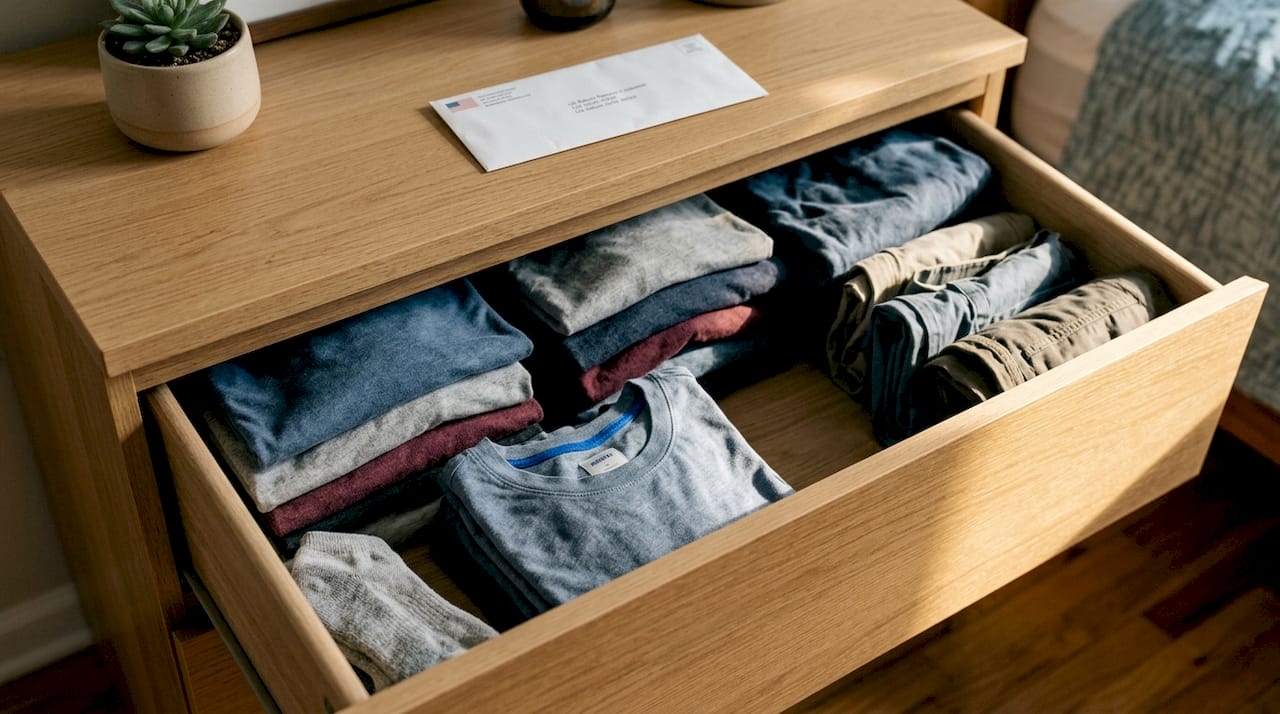
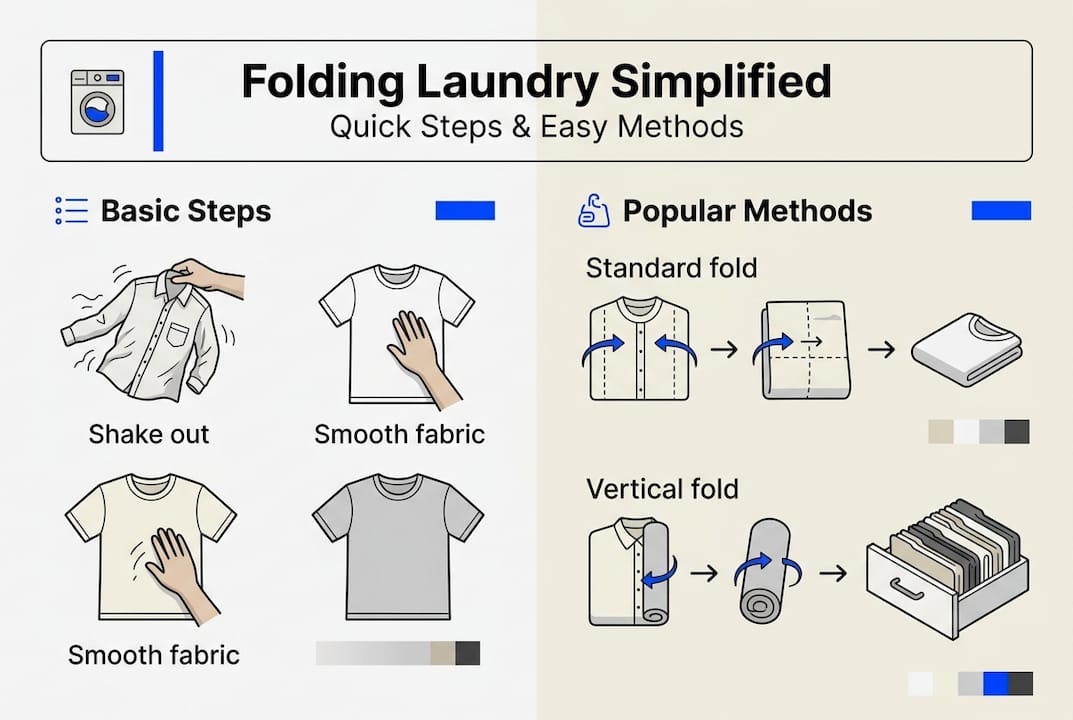
Start with t-shirts and casual tops by laying them face down, folding sleeves toward the center, then folding the bottom third up and the top third down to create a compact rectangle. For dress shirts, button them fully, fold sleeves back at the shoulder seam, then fold lengthwise and in half again. Pants work best when you align inseams, fold lengthwise, then fold in half or thirds depending on drawer depth. Towels and sheets benefit from the same approach: fold lengthwise, then in thirds or quarters to create uniform stacks.
The Marie Kondo vertical folding method offers an alternative that maximizes drawer visibility. Instead of stacking items flat, you fold garments into small rectangles that stand upright, allowing you to see every piece at a glance. This technique works especially well for t-shirts, pajamas, and casual wear that you access frequently.
Pro Tip: Fold clothes immediately after removing them from the dryer while fabric is still warm and pliable, which prevents wrinkles from setting and reduces the need for ironing later.
Certain items demand special handling:
The table below compares folding approaches for common garment categories:
Garment typeBest methodWhy it worksT-shirts and casual topsLay flat, fold sleeves in, fold in thirdsCreates uniform rectangles that stack efficientlyDress shirtsButton up, fold sleeves back, fold lengthwise twicePrevents collar crushing and maintains pressed appearancePants and jeansAlign inseams, fold lengthwise, fold in halfReduces creasing along legs and saves drawer spaceTowels and sheetsFold lengthwise, then in thirdsProduces neat stacks that fit standard linen closetsDelicates and knitsHang or roll looselyAvoids stretching and permanent creasing in fragile fabrics
Shake out each item before folding to release wrinkles that formed in the dryer, and smooth fabric with your hands as you work. This simple habit dramatically improves the final appearance and reduces time spent ironing. Professional folding techniques used by laundry services incorporate these same principles but add consistency through repetition and experience.
Timing matters as much as technique. Clothes left sitting in the dryer or laundry basket develop stubborn wrinkles that resist even careful folding. Setting a timer to remove items promptly keeps fabric smooth and makes the folding process faster. If you can’t fold immediately, at least transfer clothes to a clean surface rather than leaving them compressed in the dryer drum.
Step by step folding guides break down each garment type into manageable actions, helping you build muscle memory that speeds up the process over time.
How local laundry services help Arlington families save time and get expert folding
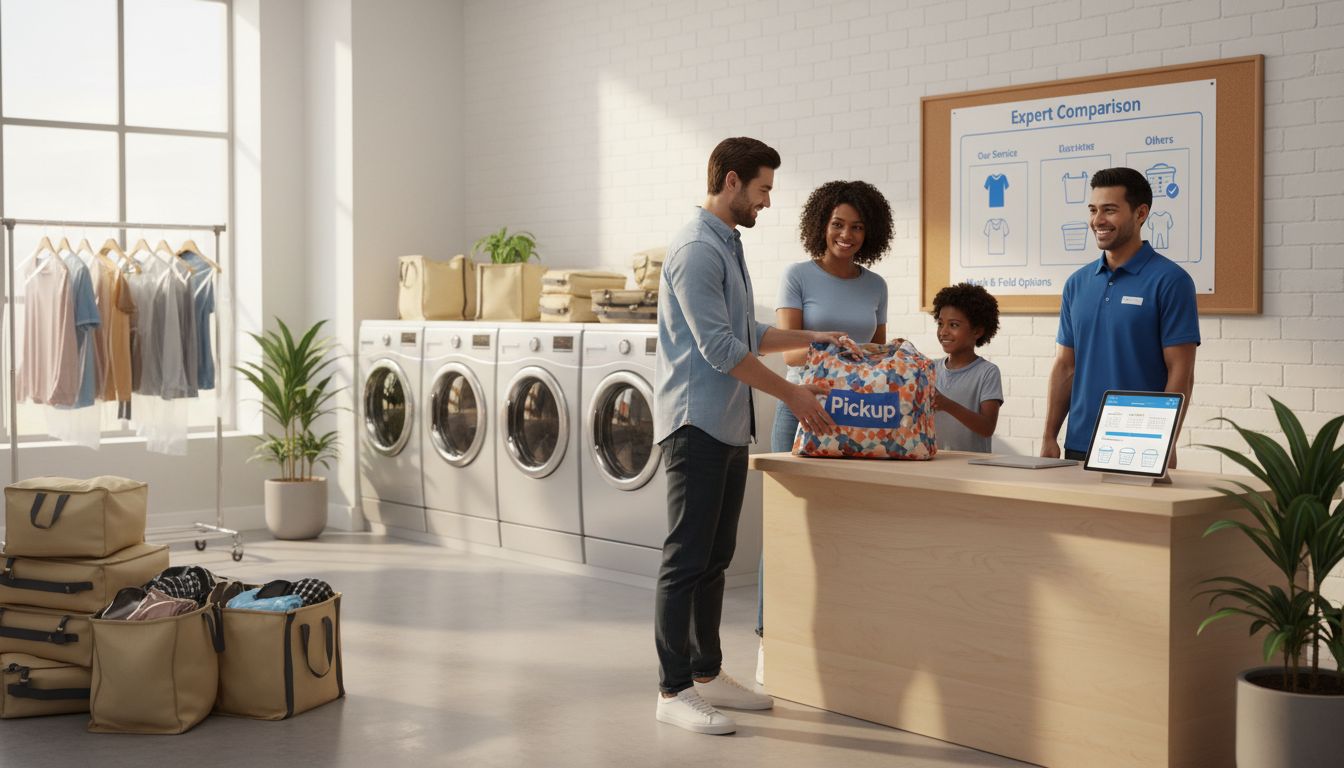
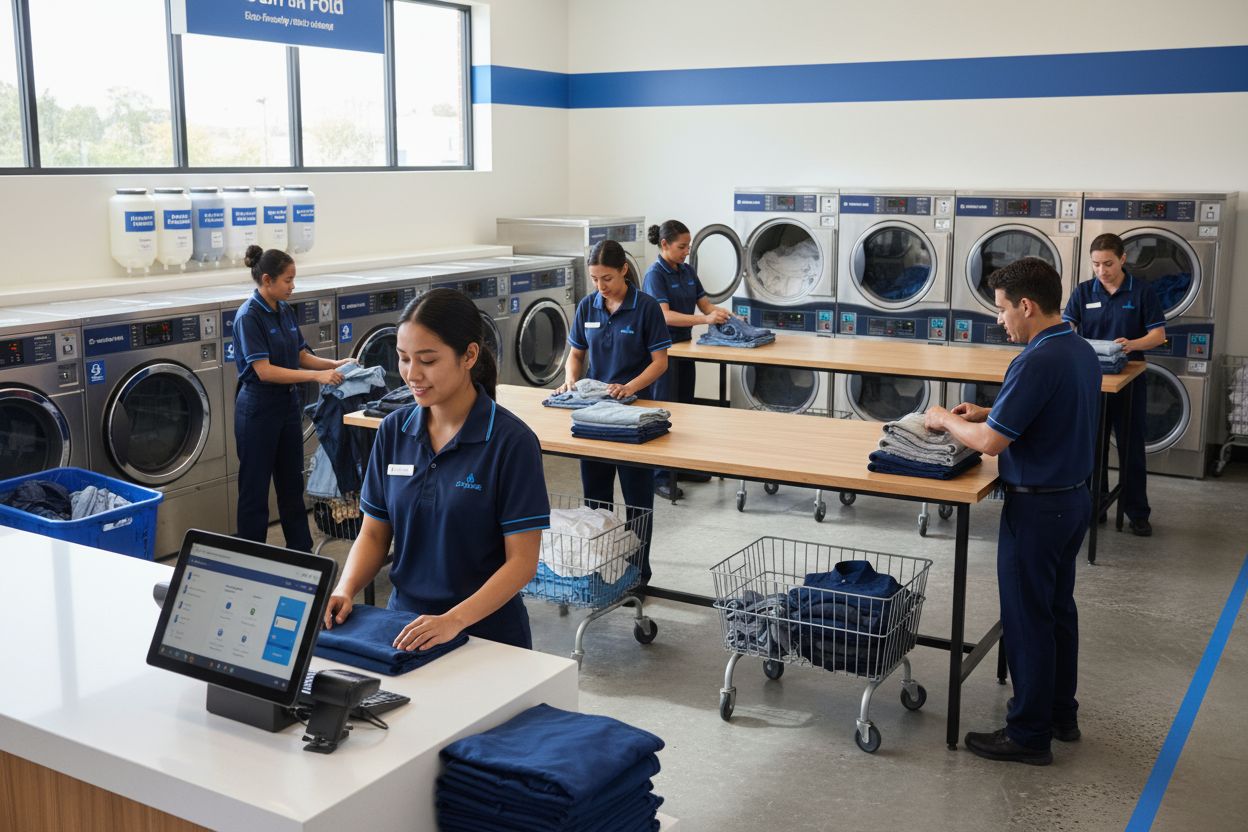
Busy professionals and families in Arlington face a constant time crunch, and laundry folding often becomes the chore that never quite gets finished. Local wash and fold services offer a practical solution that reclaims 3 to 5 hours weekly while delivering professionally folded clothes that look better than most people achieve at home. These services handle the entire process from pickup through washing, drying, and expert folding, returning garments ready to wear or store.
Columbia Pike Laundry charges $2.50 per pound with flexible pickup and delivery throughout Arlington, making professional care accessible for households of any size. Mulberrys Cleaners provides free delivery for orders meeting minimum thresholds, appealing to families who generate consistent laundry volume. Both services employ trained staff who fold thousands of garments weekly, developing the consistency and attention to detail that transforms laundry from a chore into a solved problem.
The time savings compound quickly:
Pro Tip: Schedule regular weekly pickups on the same day each week to establish a rhythm that prevents laundry from piling up, and use the service’s app to set preferences like fragrance free detergent or specific folding instructions for delicate items.
Quality distinguishes professional folding from rushed home efforts. Laundry service staff smooth every garment, align seams precisely, and create uniform folds that stack perfectly in drawers. They recognize which items need hanging versus folding and handle delicates with appropriate care. This attention preserves fabric quality and extends garment lifespan, offsetting service costs through reduced replacement needs.
The comparison below shows how professional pickup services stack up against DIY laundry:
FactorDIY at homeProfessional serviceTime investment3 to 5 hours weekly for full process5 to 10 minutes to bag and schedule pickupFolding qualityVaries by skill and available timeConsistent professional standards every loadCostEquipment, utilities, detergent, time value$2.50 to $3.00 per pound including all laborConvenienceRequires presence at home for full cyclePickup and delivery on your scheduleGarment careLimited expertise for special fabricsTrained staff handle delicates and special requests
Many Arlington residents discover that outsourcing laundry folding costs less than the value of reclaimed time. A family generating 20 pounds of laundry weekly pays $50 to $60 for complete service, while saving 4 hours that could earn significantly more through work or provide invaluable family time. The math becomes even more compelling for dual income households where both partners work demanding jobs.
Understanding wash and fold differences helps you evaluate whether full service or drop off options better fit your needs and budget. Some services offer tiered pricing where you can choose wash and dry only, saving money if you prefer to fold at home, or full service that includes expert folding and packaging.
Local services also accommodate special requests that generic laundromats can’t match. You can specify how to fold specific items, request garment repairs or alterations, or arrange for delicate hand washing of heirloom pieces. Northern Virginia wash and fold providers compete on service quality and personalization, creating options for every household’s priorities and preferences.
Folding laundry: common misconceptions and practical tips for busy households
Misunderstandings about laundry terminology create confusion that wastes time and leads to poorly maintained garments. The phrase fold the laundry has no idiomatic meaning beyond its literal task, yet many people conflate it with slang from other contexts or assume it includes steps that actually come before or after folding. Clarifying these misconceptions helps you approach laundry more efficiently and communicate clearly about household responsibilities.
The term fold in poker means to give up or quit a hand, but this usage never crossed over into laundry conversations despite some people’s assumptions. When someone says “I need to fold the laundry,” they always mean the physical task of organizing clean clothes, never giving up on the chore. The confusion likely stems from hearing fold in multiple contexts and assuming a connection that doesn’t exist.
Another common mix up involves the phrase “done with laundry.” This typically means the entire process from dirty clothes through washing, drying, folding, and putting away is complete. Simply finishing the wash cycle or even folding clothes doesn’t qualify as done if items still sit in baskets rather than stored in their proper places. Understanding this distinction helps households set clear expectations about who does what and when chores are truly finished.
Practical tips for efficient folding when time is limited:
When you’re genuinely pressed for time, strategic shortcuts maintain organization without sacrificing too much quality. Focus folding efforts on garments that wrinkle easily or that you wear in professional settings. Casual items like gym clothes or pajamas can go straight from dryer to drawer with minimal folding, saving energy for pieces that matter more. This prioritization ensures you always look put together where it counts while reducing overall folding time.
Some households adopt a “good enough” standard that accepts slightly imperfect folds in exchange for finishing faster. This approach works well for families with young children who quickly mess up drawers anyway, or for individuals who care more about clean clothes than perfect presentation. The key is choosing your standard consciously rather than feeling guilty about not achieving magazine perfect results.
Understanding how professional services work reveals that even experts use systematic approaches and time saving techniques rather than spending excessive time on each garment. They fold efficiently by following consistent patterns and maintaining steady pace, proving that speed and quality aren’t mutually exclusive when you use proper methods.
The biggest misconception might be that folding laundry requires significant skill or talent. In reality, it’s a mechanical task that improves quickly with practice and benefits more from consistency than perfection. Most people who claim to be “bad at folding” simply haven’t developed the muscle memory that comes from regular repetition. Committing to fold the same way every time, even if your technique isn’t optimal, produces better results than constantly trying new methods or folding haphazardly.
Discover convenient wash and fold services in Arlington
Reclaim your weekends and evenings by letting Columbia Pike Laundry handle the time consuming task of washing, drying, and expertly folding your clothes. Our family owned business combines decades of local trust with modern convenience through easy online scheduling and transparent pricing at $2.50 per pound. We pick up your laundry from your Arlington home or office, clean everything in house using your preferred detergents and care instructions, then return it professionally folded and ready to wear within 48 hours.
See how our process works from scheduling your first pickup through receiving perfectly folded laundry at your door. Our complete wash and fold service includes sorting, washing, drying, folding, and packaging, with options for delicate care, alterations, and custom preferences. Visit our homepage to schedule your first pickup and discover how much time you can save each week.
FAQ
What does fold the laundry mean?
Folding the laundry means neatly arranging clean, dried clothes and linens after they come out of the dryer or off the line. This final step in the laundry process involves smoothing fabric, aligning edges, and creating compact shapes that stack efficiently in drawers or on shelves. Folding prevents wrinkles from setting, maintains garment shape, and makes items easier to find and wear.
Is folding laundry the same as putting clothes away?
No, folding and putting away are separate tasks in the complete laundry process. Folding means arranging clean clothes into neat rectangles or rolls, while putting away means transporting those folded items to their storage locations in dressers, closets, or linen cabinets. Many people say they’re “done with laundry” only when both steps are complete, not just when clothes are folded but still sitting in baskets.
What are the best folding techniques for busy people?
Use simple methods like laying garments flat, smoothing fabric, and folding along natural seams for shirts, pants, and towels. Fold clothes immediately after removing them from the dryer while fabric is still warm to prevent wrinkles from setting. Prioritize hanging delicates and knits instead of folding them, and consider vertical folding methods that let you see all items at once in drawers. Batch similar garments together to develop rhythm and speed.
How can local laundry services help with folding?
Professional pickup laundry services save Arlington families 3 to 5 hours weekly by handling washing, drying, and expert folding. Trained staff use consistent techniques that produce better results than most home efforts, and they accommodate special requests like fragrance free detergent or specific folding preferences. Services offer flexible pickup and delivery on your schedule, eliminating transportation time and the mental burden of managing laundry chores. The time you reclaim can go toward work, family activities, or simply relaxing instead of standing at a folding table.
Free pickup, expert care, delivered back to your door.
Popular Blog Articles


Meet the Author
Daniel Logan didn’t start CPL because he loved laundry. He started it because his family was drowning in time debt, and laundry was one of the biggest weights.
Mornings were chaos with two kids under 5. Evenings felt like catch-up. And weekends? Gone to sorting socks and folding piles.
He knew his story wasn’t unique. So he built a business that gave families like his just a little bit of breathing room one load at a time.
With no laundry experience but deep tech skills, Daniel rolled up his sleeves, doing every job himself while building systems that turned it into a modern laundry service that saves customers time, simplifies their lives, and delivers reliability they can count on.
That’s where CPL began. Not from a playbook, but from pain. From one dad trying to buy back time: for himself, and for every household like his.
Free pickup, expert care, delivered back to your door.