
How to Get Old Stains Out of Clothes A Practical Guide
Columbia Pike Laundry offers pickup & delivery across Northern Virginia.
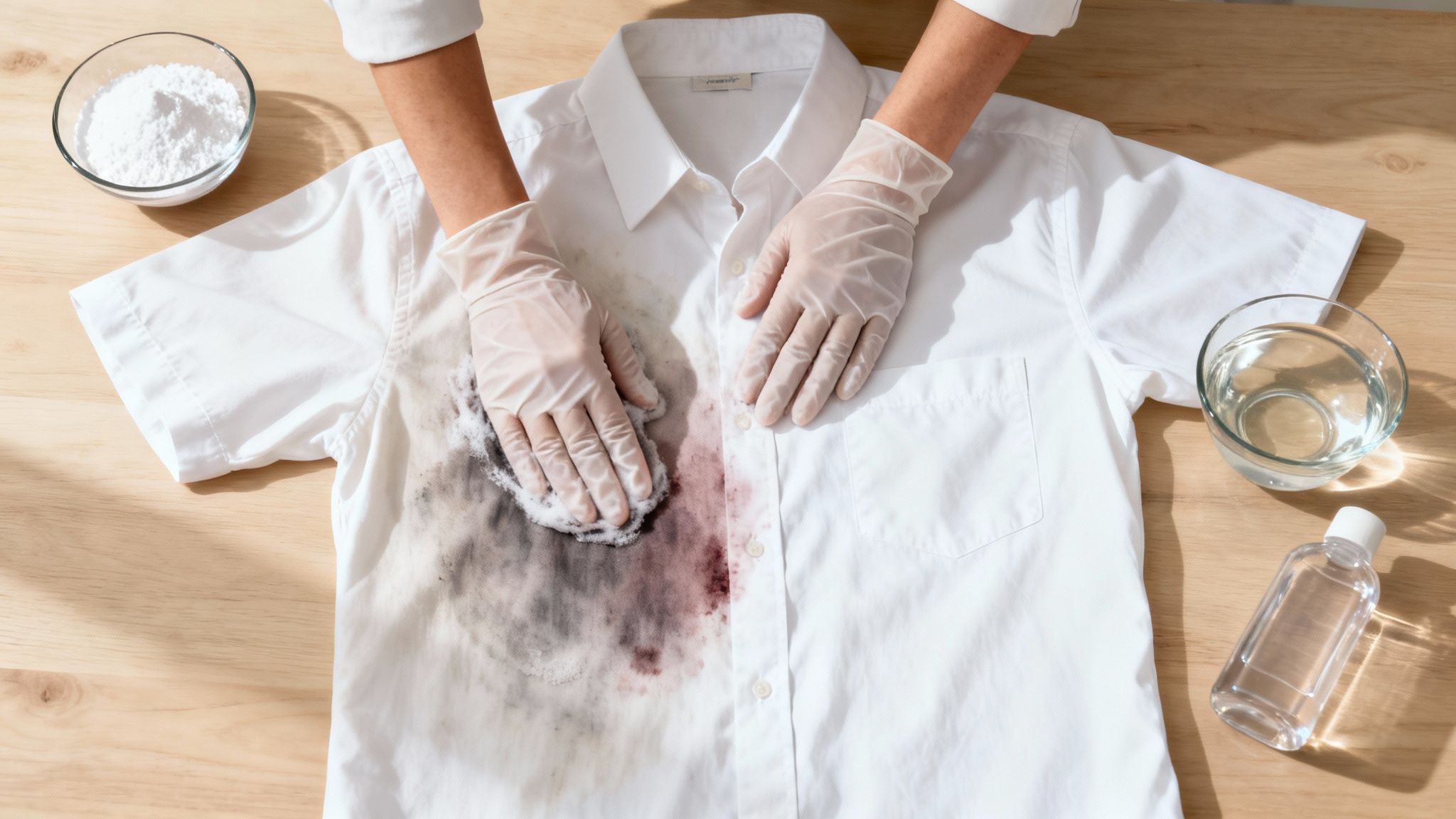
We’ve all discovered them—the forgotten wine spill on a favorite blouse or that mystery smudge on the tablecloth that’s been sitting for who knows how long. Getting old, set-in stains out is all about chemistry. It's not about scrubbing harder; it’s about breaking the chemical bonds that have fused the stain to the fabric fibers.
The secret really boils down to two things: figuring out what caused the stain and using the right tool for the job. And, of course, a little bit of patience.
Why Old Stains Are So Hard to Beat
An old stain isn't just sitting on the surface of your clothes. Over time, it has become part of the fabric itself through a chemical reaction. When something like wine or oil first makes contact, its molecules start weaving their way into the fabric's fibers. As time passes, a process called oxidation sets in, causing the stain to form a strong bond with the material.
Here’s a simple way to think about it: a fresh spill is like wet paint—you can wipe it right off. An old stain is more like dried, cured paint that has hardened and bonded to the wall. This is why just throwing it in the wash or scrubbing furiously rarely works and can even damage the fabric. You're not just fighting a spill; you're trying to reverse a chemical bond.
The Chemistry Behind a Set-In Stain
Different stains create different kinds of bonds, which is why there's no single magic bullet for stain removal.
- Tannin Stains: These come from plant-based things like wine, coffee, tea, and fruit juice. They’re notorious for getting darker and more stubborn the longer they sit.
- Protein Stains: Think blood, sweat, or milk. Heat is their absolute worst enemy because it essentially "cooks" the protein, setting it into the fibers for good.
- Grease and Oil Stains: These are tough because they naturally repel water, so a standard wash cycle just isn't going to cut it.
Your journey to a stain-free garment starts with a little detective work, not frantic scrubbing. You need to know what you're up against and what kind of fabric it’s on. The wrong approach can make things so much worse—for example, using hot water on a bloodstain is a surefire way to make it permanent. To get a better handle on this, check out our guide on how different stain removers work on every stain type.
Remember this core principle: removing an old stain is a game of patience, not power. Each treatment you apply is meant to gently weaken and dissolve the bonds holding the stain, lifting it away little by little.
This careful, layered approach is exactly what the pros—and even museum conservators—do. It’s a step-by-step process where a single application might only lift 15-25% of the stain. That means you might need to repeat the treatment several times to see real results. It’s this methodical work that breaks down those stubborn, oxidized molecules without destroying the fabric underneath. When you shift your mindset from a quick fix to a patient process, you’ll start getting reliable results.
Building Your Stain Removal Toolkit
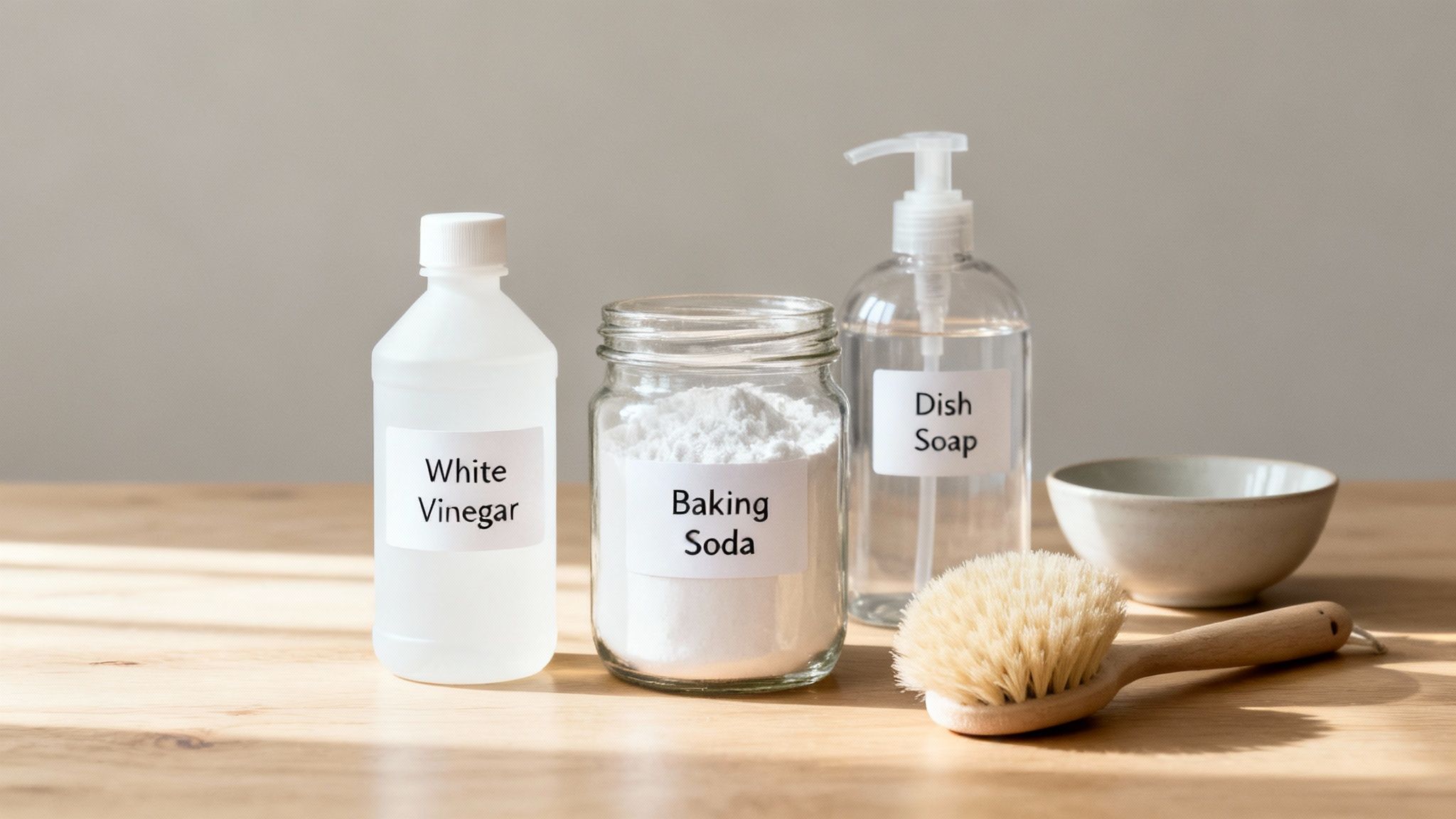
Before you even think about tackling that stubborn, set-in stain, you need to have the right gear. Seriously, knowing what to grab from under the sink can be the difference between saving your favorite shirt and retiring it for good. The good news? You don’t need a professional-grade lab. Some of the best stain fighters are probably already in your pantry.
I like to think of a good stain removal kit in two parts: the everyday household heroes and the specialized commercial products. Having a little of both means you're ready for anything, whether it’s an old coffee spill or a mystery smudge that’s been there for months.
Everyday Household Heroes
You’d be surprised what you can accomplish with basic pantry staples. These are my go-to items for a first pass because they’re gentle, cheap, and surprisingly effective.
- Distilled White Vinegar: As a mild acid, vinegar is a master at breaking down tannin stains—think coffee, tea, and red wine. A simple soak in a 50/50 solution of vinegar and cold water is often enough to start lifting discoloration that's been around for ages.
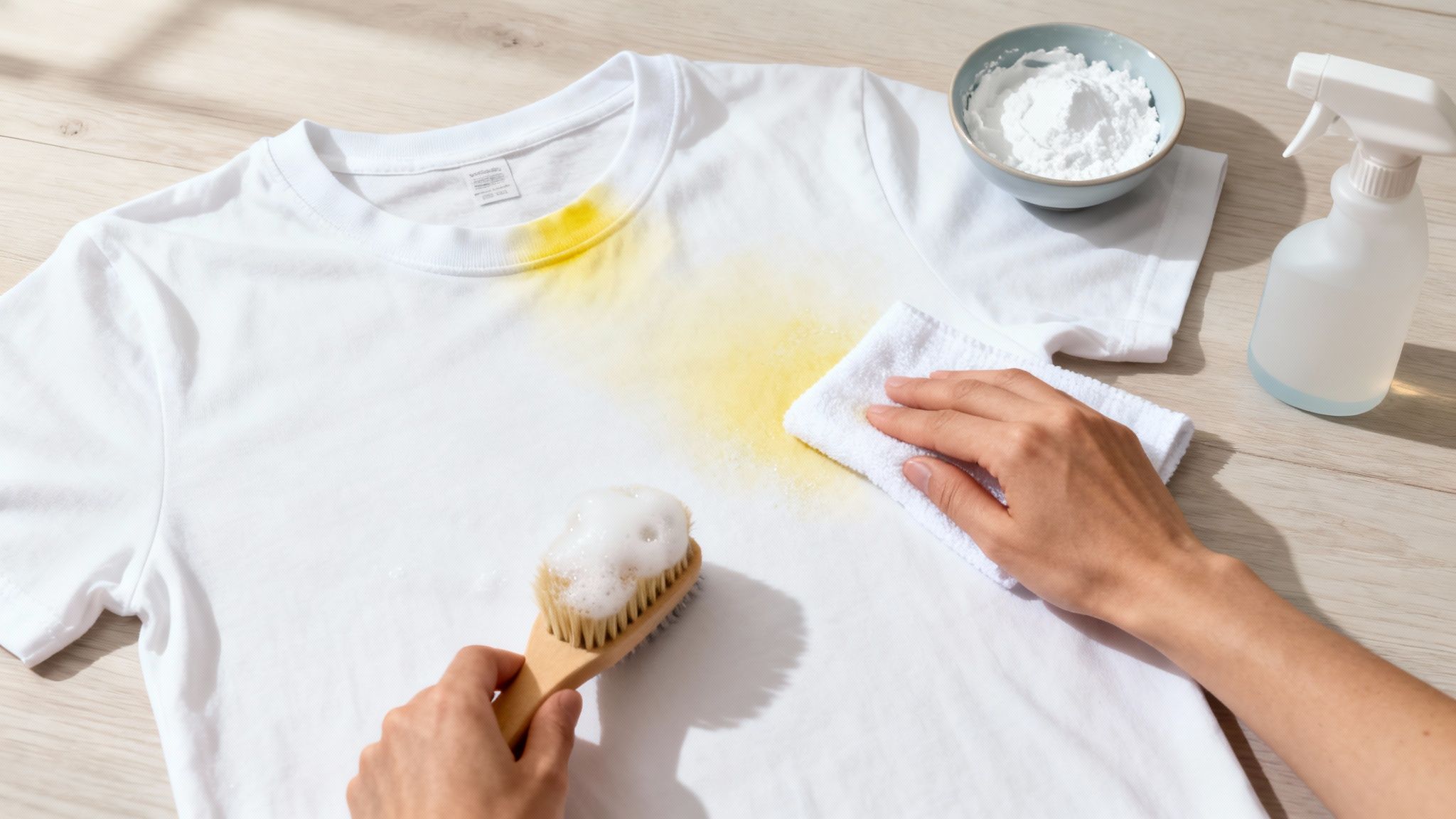
- Baking Soda: This is more than just a baking ingredient; it's a gentle abrasive that pulls stains out. I love making a thick paste with a little water and slathering it onto an old grease spot. It literally draws the oil out of the fabric fibers before you even start the wash.
- Blue Dawn Dish Soap: There’s a reason this is the go-to for cleaning up oil spills in nature—it’s magic on grease. The unique surfactants in Blue Dawn cut through oily food stains better than anything else I’ve tried. A little dab worked into the stain is a must.
- Hydrogen Peroxide: This is my secret weapon for protein stains like blood, especially on light-colored fabrics. It acts as a gentle bleaching agent. But a word of caution: always do a spot test on a hidden seam first to make sure it doesn't lift the color.
My Pro Tip: Always, always start with the gentlest method first. Begin with something simple like a vinegar soak before you reach for the heavy-duty stuff. This approach protects your fabric and often solves the problem without harsh chemicals.
Specialized Commercial Products
Sometimes, the kitchen cupboard just won’t cut it. When a stain has had time to chemically bond with the fabric, you need to call in the specialists.
Enzyme Cleaners
If you're dealing with anything organic—grass, blood, sweat, or food—an enzyme cleaner is non-negotiable. These products contain enzymes that literally digest the proteins, starches, and fats that form the stain. A pre-soak with a good enzyme-based remover is the single most effective step for these kinds of biological messes.
Oxygen Bleach
Forget what you know about chlorine bleach. Oxygen bleach (think brand names like OxiClean) is a color-safe alternative that works on almost any fabric. When mixed with water, it releases tiny oxygen bubbles that break apart and lift a huge variety of stains, from wine to ground-in dirt. I use it as a booster in nearly every load of tough laundry.
Rubbing Alcohol
For ink stains, especially from a ballpoint pen, rubbing alcohol is your best friend. It’s a solvent, meaning it dissolves the ink. The trick is to dab it on with a cotton ball or clean cloth. Never pour it directly on the garment, or you'll just create a bigger, diluted ink blob.
Comparing DIY and Professional Stain Removers
To make things even clearer, let's break down when to use a household remedy versus a store-bought product. Each has its place in your laundry room.
Ultimately, having these items on hand means you can move from panicked guesswork to a strategic, step-by-step attack. This thoughtful approach is what gets you real, reliable results, even on stains you thought were permanent.
Actionable Guides for Common Old Stains
Okay, you’ve got your supplies. Now it’s time to get down to business. Forget what you’ve heard about one-size-fits-all stain removers; different stains have completely different chemical makeups and need their own unique game plans. This is where we get specific, breaking down exactly how to lift those stubborn, set-in spots for good.
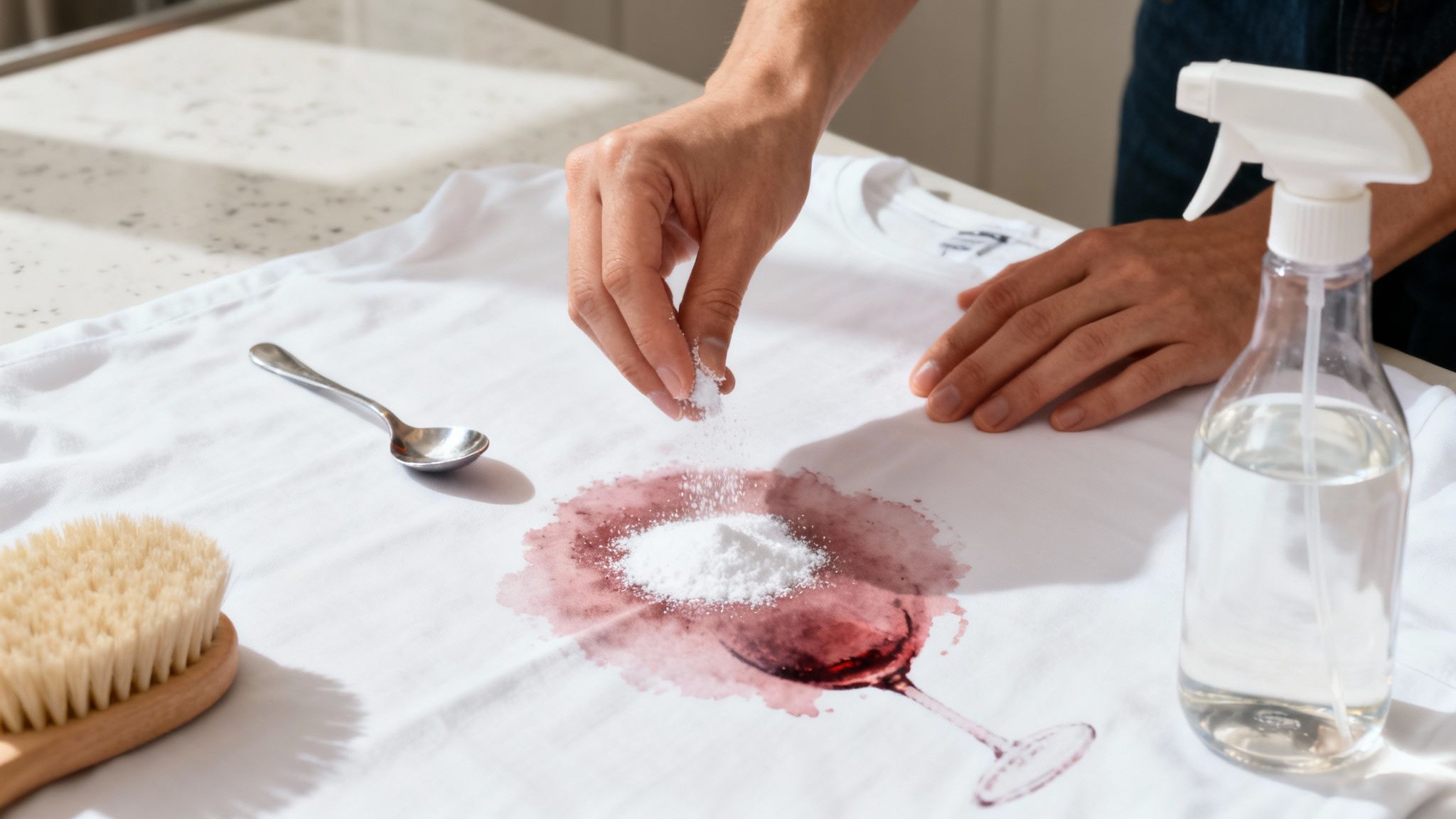
How to Get Old Red Wine Stains Out
An old red wine stain can look like a lost cause, but it's really just a tannin stain. That means you have options, as long as you avoid the one thing that will set it permanently: high heat.
Your first move is to gently blot the area with a clean, damp cloth to rehydrate it slightly. Then, cover the stain completely with a mound of salt or baking soda. Don't be shy with it! This will draw out a surprising amount of the lingering wine. Let it sit for at least an hour before scraping it all away.
Now, for the main treatment:
- For durable fabrics like cotton or synthetics, a mix of equal parts hydrogen peroxide and blue dish soap is a powerhouse. Apply it to the stain, let it sit for up to an hour, and then wash it in cold water.
- For delicates like silk or wool, take a gentler route. Soaking the item in cool water with a splash of white vinegar can help break down the tannins without harming the fragile fibers.
Always let the garment air dry to see if you’ve been successful. If a faint spot remains, just repeat the process. Whatever you do, don't put it in the dryer until the stain is completely gone.
Tackling Old Grease and Oil Stains
Grease stains are a classic laundry challenge because oil and water just don’t mix. Tossing a greasy shirt in the wash won't do much of anything. The secret is a two-step process: first, you absorb the excess oil, and then you break down what's left.
Lay the garment flat and bury the stain in an absorbent powder. Baking soda, cornstarch, or even baby powder works great. Press it in gently and let it sit for several hours, or even overnight. You'll be amazed at how much of the set-in oil this pulls from the fabric.
Once you’ve scraped off the powder, put a small amount of blue dish soap directly on the spot. It’s formulated to cut through grease on your dishes, and it does the same for your clothes. Work it in gently with your fingers or a soft brush.
Let the soap do its thing for about 15-20 minutes, then wash the item in the hottest water the care label recommends. For a little extra fighting power, add a scoop of oxygen bleach to the load. For a deeper dive, check out our full guide on how to remove set-in grease stains from clothes.
Removing Set-In Blood Stains
If you remember one thing about blood stains, make it this: always use cold water. Hot water will literally cook the proteins in the blood, bonding the stain to the fabric permanently.
Start by soaking the stained area in cold water for at least 30 minutes, maybe even an hour. This helps rehydrate and loosen the old stain, making it much easier to treat. After the soak, you can gently rub a simple bar of soap or a bit of enzyme-based detergent into the area.
For a stronger approach on white or light-colored fabrics, hydrogen peroxide is your best friend. Drip it right onto the stain and watch it fizz—that's the sign it's working. Just be sure to test it on a hidden seam first to make sure it won't bleach the fabric.
Finally, wash the garment in cold water with an enzyme detergent. Let it air dry to check your work. If the stain is gone, fantastic. If not, don't worry—just repeat the soaking and treatment steps.
Conquering Old Ink Stains
Ink looks intimidating, but it's usually just a matter of finding the right solvent. In most cases, that solvent is simple rubbing alcohol.
First, protect the rest of the garment. Place a clean cloth or a few paper towels under the stain so the ink doesn't bleed through to the other side. Next, dip a cotton ball in rubbing alcohol and start dabbing the stain. Don't rub or scrub! The goal is to gently blot and lift the ink. You'll see it transfer from the shirt to the cotton ball.
Keep dabbing with fresh, soaked cotton balls until you're not lifting any more ink. From there, you can treat it with a pre-wash spray and launder as usual.
A Few Other Tricks for Ink
- Hairspray: Many aerosol hairsprays contain alcohol, making them a decent substitute in a pinch.
- Hand Sanitizer: The high alcohol content in most hand sanitizers can also help dissolve and lift ink.
- Milk: It sounds strange, but this old-fashioned remedy can work. Soaking an ink stain in a bowl of milk for a few hours can help break down certain types of ink.
While this guide focuses on clothing, these same principles can often be applied to larger items. Understanding the basics can prevent stains from setting in on your furniture, too. For instance, you can learn how to clean fabric sofas at home with tips that build on this same knowledge, helping you protect all your treasured items.
The Ground Rules for Getting Stains Out Safely
Knowing how to tackle an old stain is only half the job. The other half is knowing what not to do. It’s surprisingly easy to make a small, fixable problem a whole lot worse—or even permanent. Think of these rules as your stain-removal gospel. They're the final sanity check before you start working on a garment, ensuring you actually save it.
The single biggest mistake I see people make? Applying heat way too soon. The high heat from a clothes dryer or even just hot water can essentially “cook” a stain right into the fabric, especially protein or tannin-based ones. It’s a chemical reaction that permanently bonds the stain to the fibers.
My number one rule of stain removal is simple: Never, ever put a stained garment in the dryer. Always let it air-dry after your first treatment attempt. That way, you can check your work in good light and try again if you need to.
Always Test Your Cleaner First
I get it. It’s tempting to reach for the strongest stuff you have and just go for it. But that’s a recipe for disaster. A cleaner that works miracles on a sturdy cotton tee could completely ruin a silk blouse or pull the color right out of a dress.
This is why a quick spot test isn't just a suggestion—it's essential.
- Find a hidden spot. Look for an area that no one will ever see, like an inside seam, a hem allowance, or behind a collar.
- Apply a tiny amount. Use a cotton swab to dab a small bit of your cleaning solution on that hidden area.
- Wait and watch. Let it sit for a few minutes, then press a clean white cloth against it. Are you seeing any color come off? Does the fabric look damaged?
If you see any color transfer or weird changes in the fabric's texture, stop. That cleaner is too harsh. This simple five-minute check can save you from a world of hurt.
Blot, Don't Rub
When you spot a stain, your gut instinct is probably to scrub it for all you're worth. You have to fight that urge. Rubbing, especially on fabrics like wool or rayon, doesn't just spread the stain around; it can also fray the fabric fibers, creating a fuzzy, worn-out patch that looks even worse than the stain did.
Instead, you need to master the art of the blot. Take a clean, white cloth and gently press down on the stain, working from the outside edges toward the center. This lifting motion pulls the stain up and out of the fabric instead of grinding it in.
Here’s another pro-level tip: treat the stain from the back. Lay the stained area face-down on a clean, folded towel. Then, apply your stain remover to the underside of the fabric. This pushes the stain out of the garment and onto the towel below, rather than driving it deeper into the fibers.
Quick Guide: The Dos and Don'ts
To make it even easier, here’s a quick-reference guide to the most critical rules for getting old stains out without causing more damage.
Stick to these guidelines, and you’ll dramatically improve your chances of success. It turns stain removal from a panicked gamble into a smart, effective process that can bring your favorite clothes back from the brink.
When It’s Time to Trust a Professional Cleaner
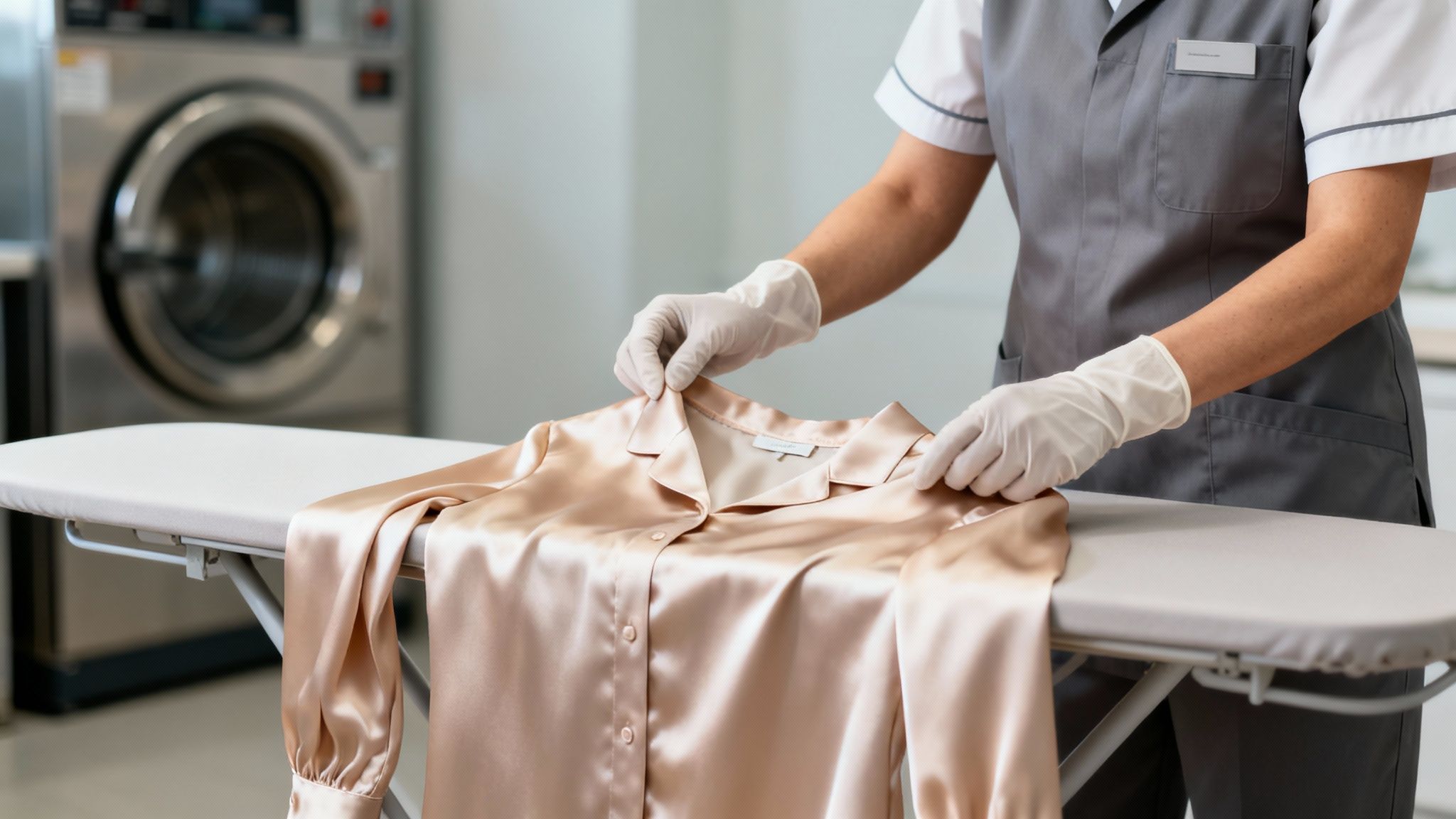
You’ve soaked, you’ve blotted, you’ve tried every trick in the book, but that stubborn old stain is still staring back at you. Sometimes, the most important part of stain removal is knowing when to stop.
Pushing a home remedy too far can cause irreversible damage, turning a treatable spot into a permanent flaw. This isn’t about admitting defeat—it’s about making a smart, strategic choice to preserve the clothes you love. Giving yourself permission to let an expert take over is often the best thing you can do for your wardrobe.
At Columbia Pike Laundry, we see it all the time: garments that could have been perfectly restored if they hadn't been subjected to just one too many DIY experiments. Our professional-grade solvents and expert techniques are designed to succeed where household products simply can't.
When DIY Becomes Too Risky
So, how do you know when you’ve hit that wall? Certain situations are immediate red flags, signaling that it’s time to call in a professional. Pushing forward on your own can lead to faded colors, damaged fibers, or a stain that’s permanently set in place.
Here are the clear signs it’s time to step away from the sink:
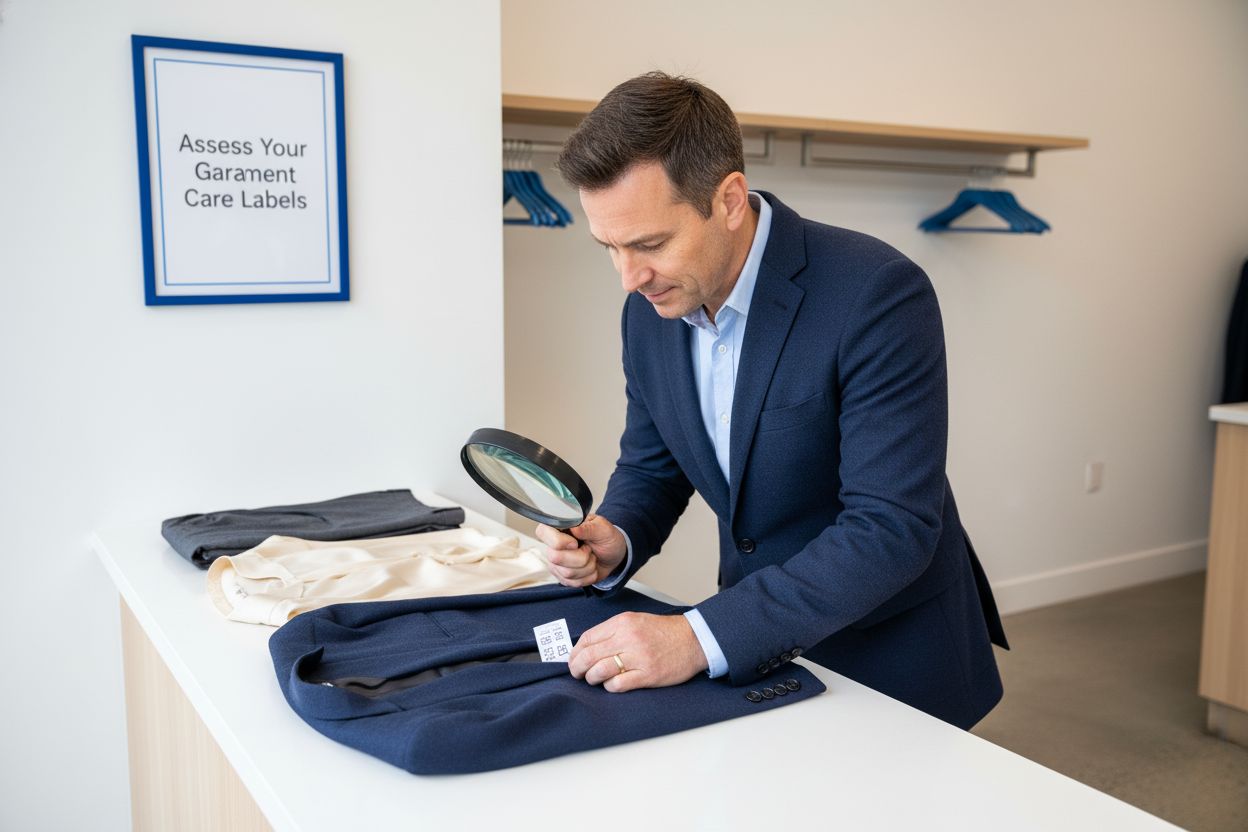
- Delicate or "Dry Clean Only" Fabrics: Materials like silk, wool, velvet, and rayon are incredibly sensitive. The wrong pH from a splash of vinegar or the harshness of rubbing alcohol can weaken or even dissolve their delicate fibers in minutes.
- Valuable or Sentimental Items: That wedding dress, vintage family heirloom, or designer suit is not the place for experimentation. The risk of causing irreparable harm is just too high to justify the attempt.
- Deeply Set Oil or Grease Stains: While dish soap works wonders on fresh spills, old, oxidized oil has bonded deeply with the fabric fibers. We use specialized solvents formulated to break those specific chemical bonds without damaging the garment itself.
- Unknown Stains on Dark or Bright Colors: If you don't know what caused the stain, you can’t choose the right treatment. Guessing wrong on a dark or brightly colored item can result in a bleached-out spot that’s far more noticeable than the original stain ever was.
Sometimes, calling a professional shouldn't be the last resort—it should be the first and smartest move. We have the tools and hands-on experience to identify both the stain and the fabric, creating a custom treatment plan with a much higher chance of success.
The Professional Advantage
It’s natural to wonder how dry cleaners remove stains that seem impossible at home. The secret lies in a combination of advanced tools, specialized chemistry, and years of experience. We use equipment and a range of solvents that simply aren't available to consumers, allowing us to target stains at a molecular level.
Our team is trained to recognize the subtle differences between stain types and apply treatments in a specific sequence that gently lifts discoloration without stressing the fabric.
This professional expertise isn't just a modern luxury; it's the evolution of a long history of textile care. Back in the Victorian era, removing a stain was a serious chore. A recipe from an 1861 issue of Godey's Lady's Book called for a mix of honey, soft soap, and gin, heated and carefully brushed into silk, followed by a rinse in collected rainwater!
Thankfully, things have changed. We've replaced the gin and soap with pro-grade enzymes that can break down tough protein stains with over 95% effectiveness in a single, gentle cycle. This blend of tradition and technology is what allows us to save garments that once would have been considered lost forever.
Ultimately, trusting a professional cleaner like Columbia Pike Laundry is about more than just getting a stain out. It’s about buying back your time, protecting your investment, and gaining peace of mind. Instead of spending your weekend stressing over a stubborn spot, you can hand it over to us, confident that it’s in the best possible hands.
Still Have Questions About Old Stains?
Even with a solid game plan, it's easy to second-guess yourself when you're up against a really tough old stain. When a favorite shirt or a special tablecloth is at risk, a little hesitation is completely normal. Let’s tackle some of the most common questions that pop up during the stain removal process.
Getting these details right can be the difference between a saved garment and a permanent blemish. Think of this as the final check-in to boost your confidence and see the job through.
Can I Use Bleach on Old Stains?
This is a big one, and the short answer is: be very careful. It’s so tempting to grab that bottle of chlorine bleach as the ultimate weapon, but it’s a high-risk move. Chlorine bleach is an incredibly harsh chemical that can eat away at natural fibers like cotton and wool over time. Even worse, it can have unexpected chemical reactions with certain stains or even minerals in your water, leaving you with a new, ugly yellow splotch.
For a much safer bet, turn to oxygen bleach. It's a true workhorse. It works by releasing tiny oxygen bubbles that gently lift and break apart stain molecules, and it's safe for most colorfast fabrics.
- Chlorine Bleach: Reserve this for sturdy, all-white cotton items only. And never pour it directly on a stain—always dilute it properly for a soak.
- Oxygen Bleach: This is your go-to for almost everything else. It’s fantastic as a pre-soak for old, set-in stains on both whites and colors, and it’s much kinder to your clothes.
If you’re working with something delicate like silk, or an item that holds a lot of sentimental value, just skip bleach altogether. This is the perfect time to let a professional, like our team at Columbia Pike Laundry, step in. We have access to fabric-safe agents that can target the stain without putting the garment itself at risk.
Does a Dryer Really Make a Stain Permanent?
In a word, yes. This is probably the single most important rule in the world of stain removal. The intense heat of a clothes dryer essentially "cooks" the stain, chemically bonding it to the fibers of the fabric. Once a stain gets baked in, it becomes exponentially harder—and sometimes impossible—to get out.
The dryer is the point of no return for an untreated stain. Always, always air-dry an item after your first treatment attempt. That way, you can get a clear look. If a faint spot is still there, you’ve still got a fighting chance to treat it again.
Now, if a stained shirt accidentally slipped into the dryer, don’t give up just yet. Professional services often have specialized solvents and techniques that can sometimes break down even heat-set stains. It’s not a guarantee, but it’s your best shot at saving it.
What Should I Do With a Mystery Stain?
We've all been there. You pull a shirt out of the closet and find a weird spot with no recollection of how it got there. When you can't identify the stain, your first move should always be the gentlest and most universal treatment.
Start by rinsing the spot with cold water. Next, bring in an enzyme-based detergent or stain remover. Why enzymes? Because a massive number of common stains—think food, sweat, grass, and blood—are protein-based, and enzymes are specifically designed to dismantle those proteins.
Let the enzyme cleaner work its magic for at least 30 minutes before washing the item in cold water. If the stain is still hanging on after you’ve air-dried it, you're likely dealing with an oil-based or dye-based stain. At this stage, more guesswork could just make things worse. This is a great time to hand it off to a pro. Our team has the experience to identify and treat mystery stains with a much higher chance of success.
Is It Really Possible to Remove a Stain That’s Years Old?
Believe it or not, yes! But it takes two things: a healthy dose of patience and realistic expectations. Whether you can successfully remove a years-old stain really depends on what the stain is, the type of fabric, and how the item has been stored all this time.
The strategy here is to use repeated, gentle treatments instead of one all-out chemical assault. An old stain has had a long time to bond with the fabric, so you may need several cycles of soaking and treating to slowly coax it out.
For truly ancient stains or priceless garments, like a vintage wedding dress, we strongly recommend our professional preservation and restoration services. We have the specialized tools and techniques to give these irreplaceable items the expert care they truly deserve.
You didn't outsource laundry. You bought back your weekend. When DIY isn't enough, let Columbia Pike Laundry handle the chaos and restore your peace of mind. Schedule your first pickup today!
Free pickup, expert care, delivered back to your door.
Popular Blog Articles



Meet the Author
Daniel Logan didn’t start CPL because he loved laundry. He started it because his family was drowning in time debt, and laundry was one of the biggest weights.
Mornings were chaos with two kids under 5. Evenings felt like catch-up. And weekends? Gone to sorting socks and folding piles.
He knew his story wasn’t unique. So he built a business that gave families like his just a little bit of breathing room one load at a time.
With no laundry experience but deep tech skills, Daniel rolled up his sleeves, doing every job himself while building systems that turned it into a modern laundry service that saves customers time, simplifies their lives, and delivers reliability they can count on.
That’s where CPL began. Not from a playbook, but from pain. From one dad trying to buy back time: for himself, and for every household like his.
Free pickup, expert care, delivered back to your door.