
Laundry Protocols for Busy Arlington Families: Save Time
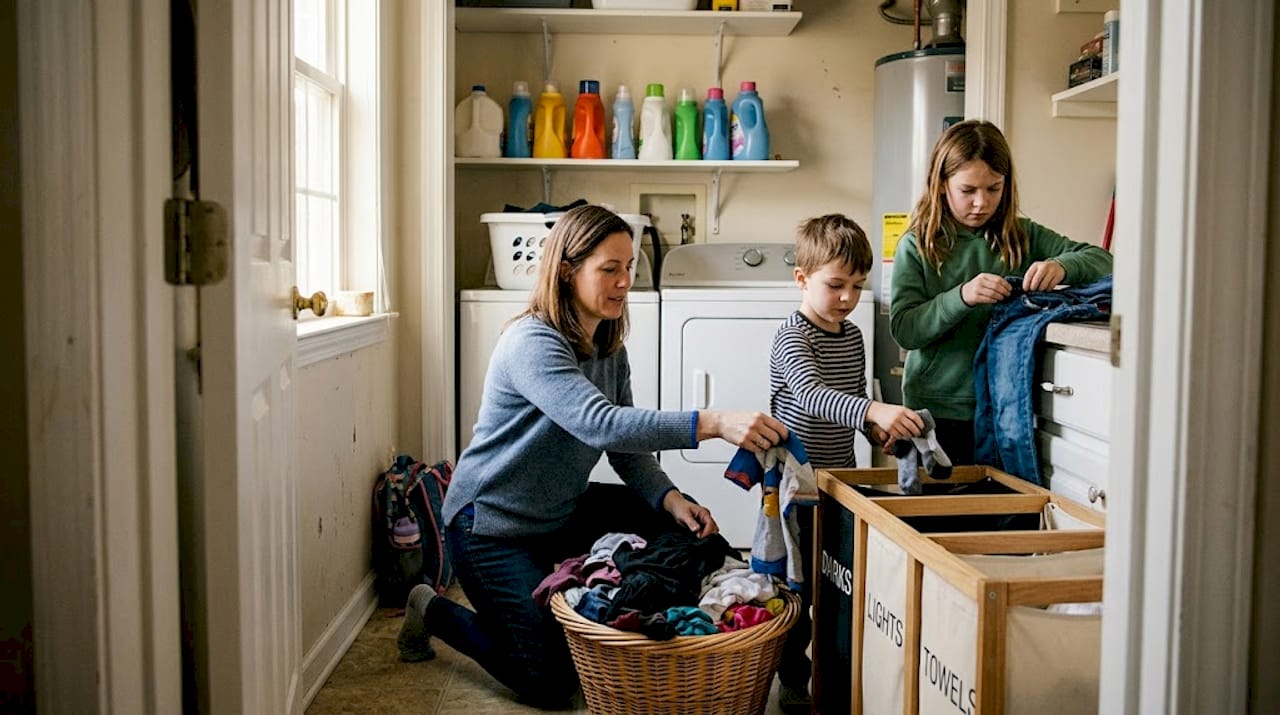
Columbia Pike Laundry offers pickup & delivery across Northern Virginia.
TL;DR:
- Proper sorting by color, fabric, and soil level prevents damage and improves cleaning.
- Using the correct detergent dose and water temperature optimizes cleanliness and fabric care.
- Spreading laundry tasks throughout the week and following modern protocols save time and protect clothes.
Laundry has a way of piling up fast. Between work deadlines, school pickups, and weekend plans, most Arlington households find themselves either drowning in dirty clothes or running loads back-to-back on Sunday night. The problem usually isn’t laziness. It’s the absence of a clear system. Garments shrink, colors bleed, and towels start smelling musty long before their time, all because of skipped steps that seem minor but add up to real damage and real cost. This guide walks you through the essential protocols that protect your clothes, reduce wasted effort, and make laundry far less of an ordeal.
Key Takeaways
| Point | Details |
|---|---|
| Smart sorting saves clothes | Sorting laundry by color, fabric, and soil level prevents damage and maximizes cleaning. |
| Minimal detergent prevents residue | Using only 1-2 tablespoons of concentrated detergent per load avoids buildup and odors. |
| Daily routines beat weekend piles | Spreading laundry over the week with pre-sorted hampers saves time and reduces workload. |
| Tailored care for special items | Follow specific protocols for towels, sheets, delicates, and stains to keep them fresh and intact. |
| Expert help streamlines results | Local laundry services can help you implement must-have protocols with less effort. |
Sorting strategies for maximum cleaning effectiveness
Sorting is not glamorous, but skipping it is one of the most expensive laundry mistakes you can make. Tossing a red flannel shirt in with white undershirts, or mixing a linen blouse with heavy denim, creates problems that no detergent can fix after the fact. Proper sorting is the foundation that makes every other step in your laundry routine work better.
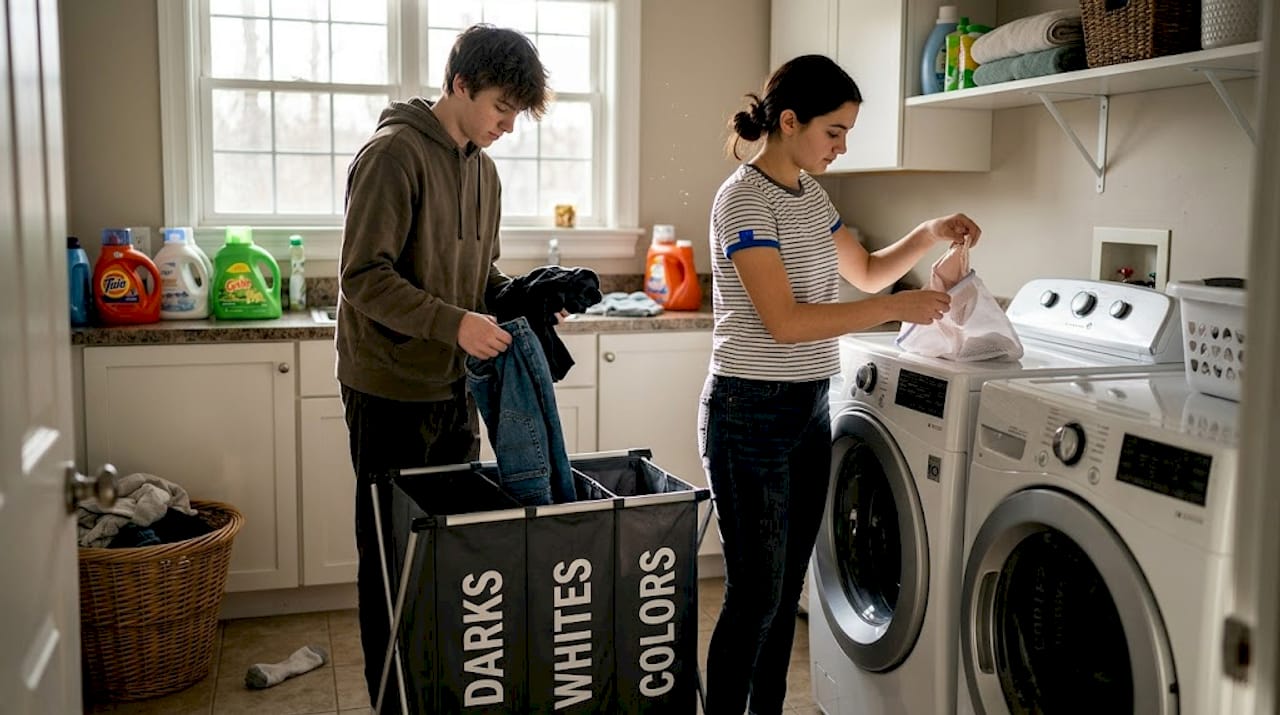
The goal is to sort laundry by color, fabric type, and soil level. This prevents dye bleeding, protects delicate fibers, and ensures each load gets the cleaning intensity it actually needs. Here’s how to break it down:
- Whites and lights: Dress shirts, underwear, socks, light-colored linens. These need the hottest water and bleach-safe detergents.
- Darks: Jeans, dark T-shirts, black workout gear. Cold water keeps colors from fading.
- Colors: Bright or mixed-color items that aren’t dark enough for the darks pile but too vivid for lights.
- Delicates: Silk, lace, sheer fabrics, and anything with embellishments. These need a gentle cycle or hand wash.
- Towels and linens: Heavy, absorbent items that need their own load to get fully clean.
- Heavily soiled: Muddy kids’ clothes, work uniforms, or gym gear. These deserve a separate cycle with a pre-soak.
For hygiene, always separate undergarments from outer clothing when possible. This mirrors clothes separation tips used in professional settings and keeps bacteria from spreading across a mixed load.
| What to do | What to skip |
|---|---|
| Sort by color, fabric, AND soil level | Sorting only by color |
| Separate towels from clothing | Mixing towels with shirts |
| Keep heavily soiled items isolated | Throwing muddy items in with lightly worn clothes |
| Use mesh bags for delicates | Tossing bras and lingerie loose |
For more on building an organized sorting system, see these laundry sorting strategies designed specifically for busy households.
Pro Tip: Set up a multi-compartment hamper in each bedroom and label the sections. When laundry day comes, you skip the sorting step entirely because it’s already done.
Detergent dos and don’ts for spotless laundry
With sorted loads ready, the next step is using detergents efficiently to ensure maximum cleanliness without extra work. More detergent does not mean cleaner clothes. In fact, the opposite is true.
Concentrated detergent used at the right dose (1 to 2 tablespoons per medium load) cleans more effectively than a full capful of standard detergent. Excess detergent leaves a sticky residue on fabrics that actually attracts more dirt over time. It also traps bacteria inside the fibers, leading to that sour smell you notice on gym clothes even after washing.
Here are the most common detergent mistakes Arlington families make and how to avoid them:
- Using too much: Follow the line on the cap for concentrated formulas. High-efficiency (HE) machines need even less.
- Skipping fragrance-free options: If anyone in your home has sensitive skin, fragrance-free detergent reduces irritation without sacrificing cleaning power.
- Adding detergent on top of clothes: In top-loaders, add detergent to the drum before the clothes to prevent direct contact with fabric.
- Ignoring build-up in the machine: Run a monthly cleaning cycle with no clothes and a machine cleaner or white vinegar. A dirty machine cannot clean clothes properly.
- Using pods incorrectly: Place pods at the bottom of the drum before loading clothes. Never put them in the dispenser drawer.
For a full breakdown of what to keep stocked at home, check these laundry essentials for busy parents.
Stat worth knowing: Homes that switch to concentrated HE detergent and use the correct dose often reduce detergent spending by up to 30% without any drop in cleanliness.
Pro Tip: Measure your detergent with a tablespoon at least once so you can calibrate your eye for future loads. Most people pour two to three times more than necessary.
Optimal wash and dry protocols for every garment
After addressing detergent, let’s optimize the actual washing and drying process with smart, evidence-based decisions. Water temperature and machine load size affect results more than most people realize.
For temperature, the rule is straightforward. Cold water works best for most everyday loads because it preserves color and fabric structure while cutting energy costs. Hot water (120 to 140°F) is reserved for towels, whites, and heavily soiled items because it kills bacteria and loosens stubborn grime. Warm water sits in the middle and works well for moderately soiled synthetic fabrics.
Load size matters just as much. Leaving six inches of space at the top of the drum is the standard guideline for top-loaders. Overpacking a machine prevents clothes from moving freely, which means the detergent never fully circulates and soil gets redistributed rather than removed. For front-loaders, fill to about three-quarters capacity.
A home laundry routine for a family of four might look like this:
- Monday: Darks and denim
- Tuesday: Lights and whites
- Wednesday: Kids’ clothes and school uniforms
- Thursday: Towels and gym gear
- Friday: Sheets and pillowcases
- Saturday: Delicates and hand-wash items
| Garment type | Water temperature | Dry method |
|---|---|---|
| White cotton | Hot | Tumble dry medium |
| Dark denim | Cold | Air dry or low heat |
| Towels | Hot | Tumble dry high |
| Delicates | Cold | Lay flat to dry |
| Activewear | Cold | Air dry |
For stain pretreatment, act fast. Apply a small amount of liquid detergent directly to the stain, work it in gently, and let it sit for five minutes before loading. Air-dry the item after washing to check whether the stain is gone before applying dryer heat. These sorting basics and wash decisions connect directly to how long your garments last.
For a deeper look at family laundry management, The Spruce offers practical scheduling frameworks worth reviewing.
Pro Tip: Keep a stain-removal pen or small bottle of liquid detergent near your hamper. Treating a stain within the first hour dramatically increases your success rate.
Special protocols: towels, sheets, delicates, and stubborn stains
To further protect your garments and linens, here’s how to handle special items and stains so nothing gets ruined. Some items need more attention than a standard wash cycle provides.
Towels collect dead skin cells, humidity, and body oil with every use. Wash towels every 3 to 5 uses in hot water with a sanitizing additive, and always hang them to dry fully between uses. Damp towels breed bacteria quickly, especially in humid Arlington summers. Sheets should be washed weekly. This is especially important for anyone with allergies, pets in the bedroom, or night sweats.
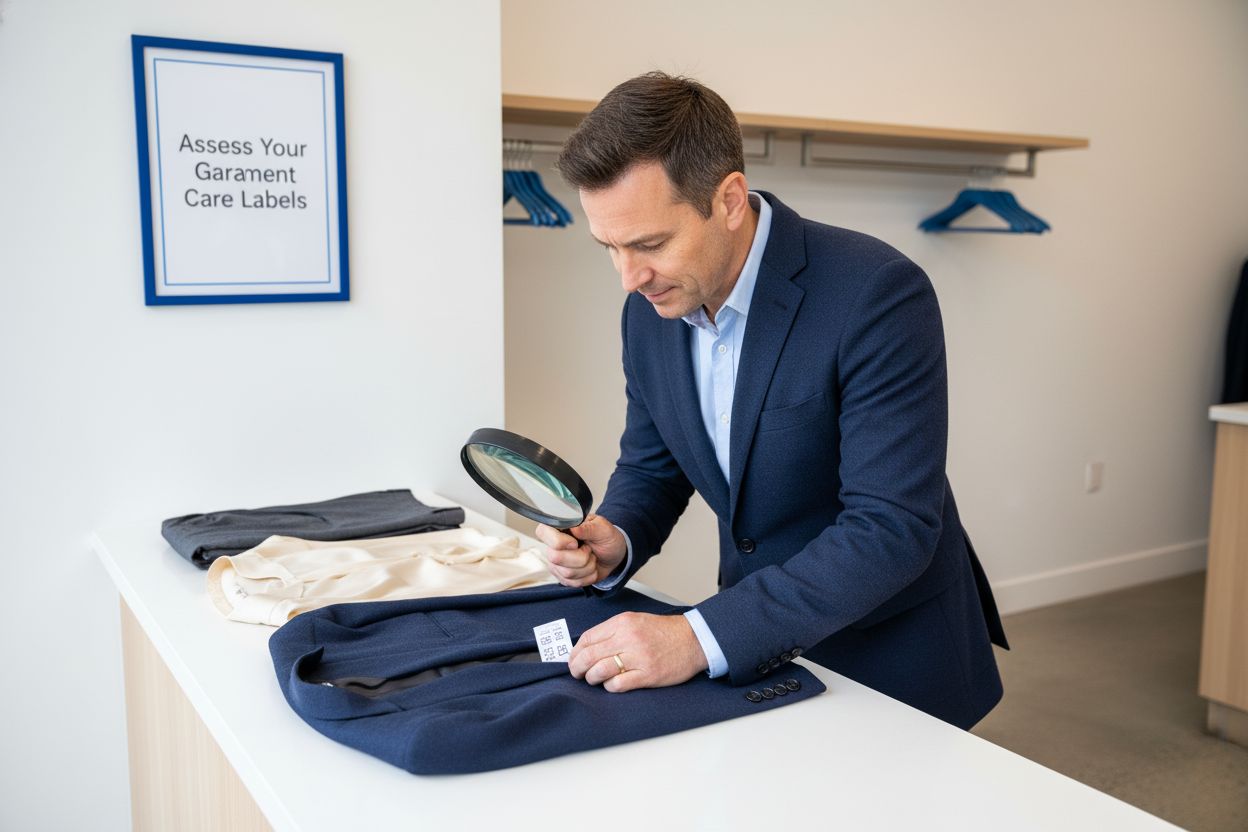
For delicates, read care labels carefully and use mesh laundry bags to prevent snagging and stretching. Turn items inside out before washing to protect surface threads and printed designs. Always zip up zippers on jeans, jackets, or hoodies before loading them, since open zippers catch on and damage neighboring fabrics.
Here’s a quick-reference checklist for special items:
- Bras and lingerie: Mesh bag, cold water, gentle cycle, air dry flat
- Wool sweaters: Hand wash or delicate cycle, cold water, lay flat to reshape while damp
- Down comforters: Large-capacity machine, warm water, two dryer cycles with tennis balls to re-fluff
- Athletic compression wear: Cold water, inside out, air dry to preserve elasticity
- Baby clothes: Fragrance-free detergent, warm water, gentle cycle
For heavily soiled items like muddy sports uniforms or work gear, consider borrowing from hospital-style protocols: isolate the items, pre-soak in hot water with a sanitizer, and wash on the longest available cycle. These organizational laundry tips keep contamination from spreading to other loads.
Pro Tip: Keep a mesh bag hanging on your hamper so delicates go straight in. No hunting for the bag when laundry day comes.
Why modern protocols beat weekend marathons and what Arlington families get wrong
With these special protocols in place, let’s re-examine daily habits and challenge what most Arlington families overlook. The weekend laundry marathon feels productive, but it’s actually one of the least efficient approaches you can take.
Running six to eight loads back-to-back on a single day creates decision fatigue. Items get mixed together out of impatience. Drying cycles pile up, and clothes sit in the dryer too long, wrinkling and sometimes getting re-washed unnecessarily. The hidden time cost is significant. Spreading loads over the week, doing one per day, prevents this bottleneck entirely. Pre-sorted hampers alone save 5 to 10 minutes per load, which adds up across a year.
Most families also follow outdated laundry habits without questioning them. Hot water for every load. Extra detergent for better cleaning. Sorting only by color. These patterns made sense decades ago when detergents were weaker and machines less precise. Modern cold-water detergents and high-efficiency machines have changed what’s optimal.
The smarter move is to build your laundry system around prevention, not reaction. Pre-sort. Dose correctly. Treat stains immediately. If you want to take it further, outsourcing a portion of your weekly load, especially bulk laundry tips for high-volume weeks, is not laziness. It’s a legitimate time management strategy that protects your clothes and your weekend.
Simplify your Arlington laundry with expert help
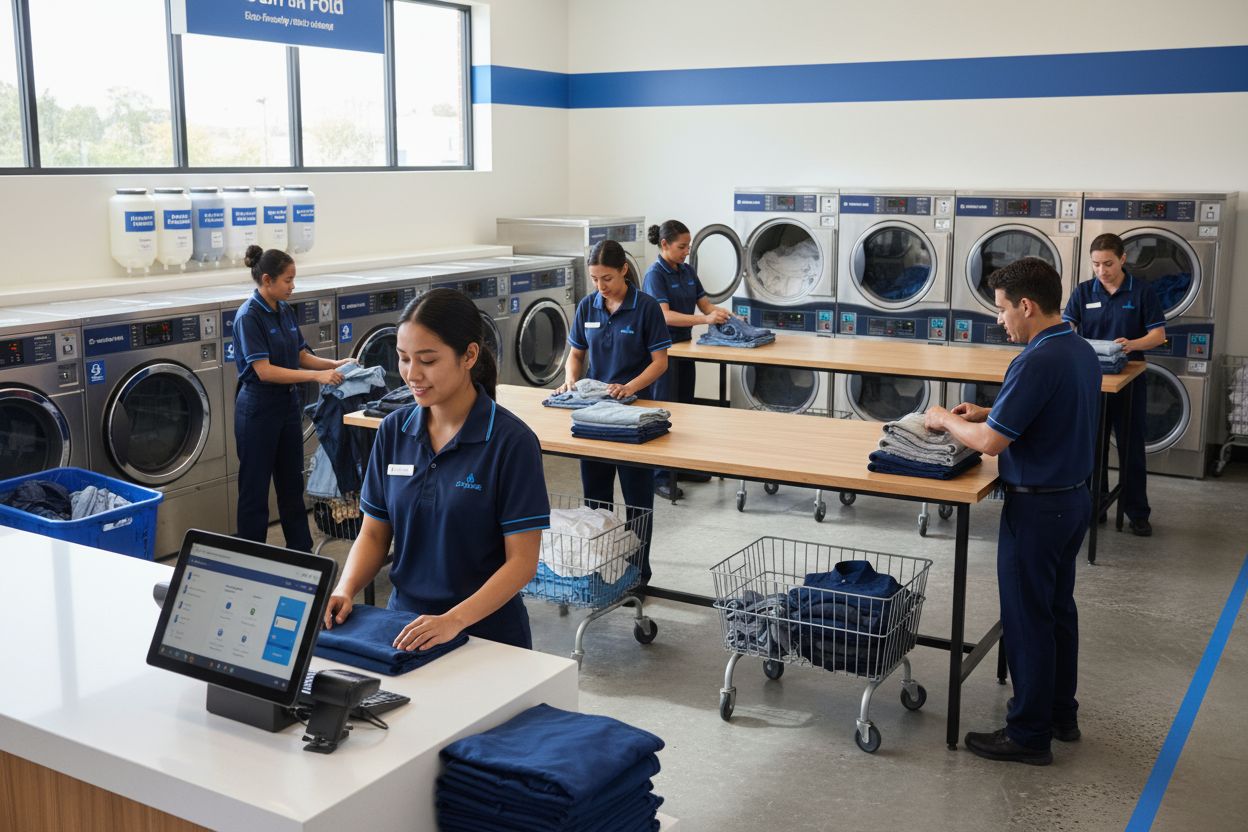
If you’re ready to put these protocols into practice without the hassle, here’s how local experts can help. At Columbia Pike Laundry, we follow every protocol covered in this guide and go further with professional-grade equipment and customized preferences like fragrance-free detergents and special folding instructions. Our process is simple: schedule, drop off or request a pickup, and receive your clothes back cleaned, folded, and ready within 48 hours. Our Arlington laundry service handles everything from everyday wash and fold to dry cleaning and delicate care, all done in-house for consistent quality. Stop spending your weekends on laundry.
Frequently asked questions
How often should busy families wash towels and sheets?
Wash towels every 3 to 5 uses in hot water and wash sheets weekly to maintain hygiene and extend fabric life.
Can overloading the washer damage clothes?
Yes. Leaving six inches of space at the top ensures clothes move freely so detergent circulates properly and fabrics don’t get damaged from friction.
Do I need to sort by color if my clothes are colorfast?
If colors are stable, sorting by color is less critical, but sorting by fabric and soil level still produces better cleaning results and protects delicate fibers from heavier items.
What’s the best way to pretreat stains?
Pretreat stains immediately with liquid detergent, then air-dry after washing to confirm the stain is gone before using the dryer, since heat sets stains permanently.
Free pickup, expert care, delivered back to your door.
Popular Blog Articles




Meet the Author
Daniel Logan didn’t start CPL because he loved laundry. He started it because his family was drowning in time debt, and laundry was one of the biggest weights.
Mornings were chaos with two kids under 5. Evenings felt like catch-up. And weekends? Gone to sorting socks and folding piles.
He knew his story wasn’t unique. So he built a business that gave families like his just a little bit of breathing room one load at a time.
With no laundry experience but deep tech skills, Daniel rolled up his sleeves, doing every job himself while building systems that turned it into a modern laundry service that saves customers time, simplifies their lives, and delivers reliability they can count on.
That’s where CPL began. Not from a playbook, but from pain. From one dad trying to buy back time: for himself, and for every household like his.
Free pickup, expert care, delivered back to your door.