
Remove Mold from Washing Machine: A Complete 2026 Guide
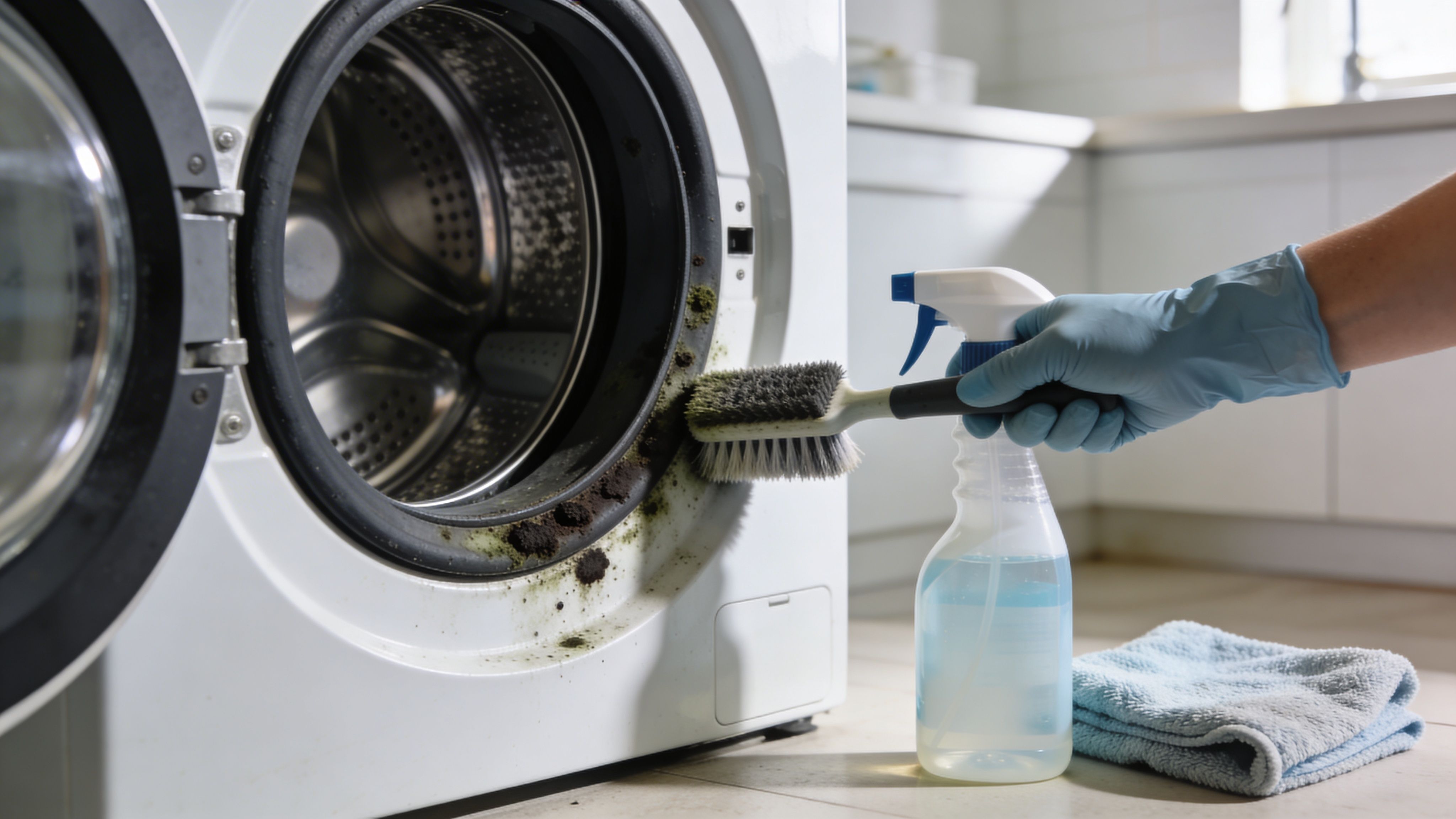
Columbia Pike Laundry offers pickup & delivery across Northern Virginia.
You open the washer, pull out a load of towels, and they smell worse than when they went in. Not precisely dirty. Just sour, musty, off.
That smell throws people because the machine is supposed to be the clean part of the process. When laundry starts coming out with an odor, the problem is often not the clothes. It is mold from washing machine buildup, often hiding in places often unseen until the issue is advanced.
A lot of households end up in the same cycle. Rewash the load. Add more detergent. Try scent boosters. Wipe the door once. Hope it goes away. Sometimes it improves for a week, then comes right back.
The good news is that washer mold is often manageable when you attack the right areas and change a few habits. A challenge is that some machines keep creating the same conditions over and over. Knowing the difference saves a lot of wasted effort, and in many homes, a lot of stress.
Why Your Washing Machine Smells and What It Means
The smell usually starts small. A faint mildew note on gym clothes. A strange odor on bath towels. Then one day the washer itself smells bad even when it is empty.
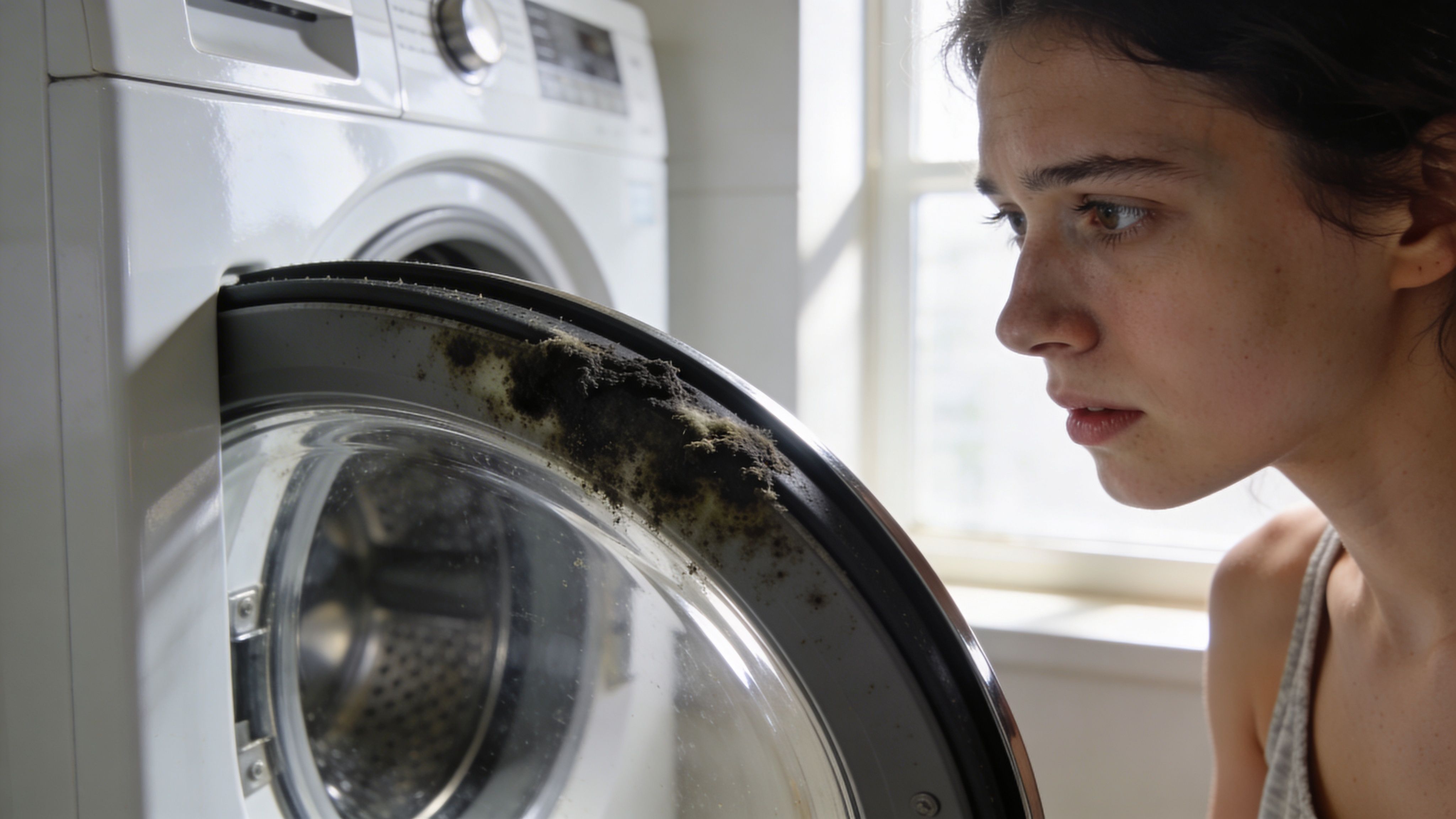
That odor is a warning sign. In many machines, especially front-loaders, moisture, detergent residue, lint, and body soils collect in the rubber gasket, detergent drawer, drain path, and outer drum area. Mold and mildew do not need much more than that.
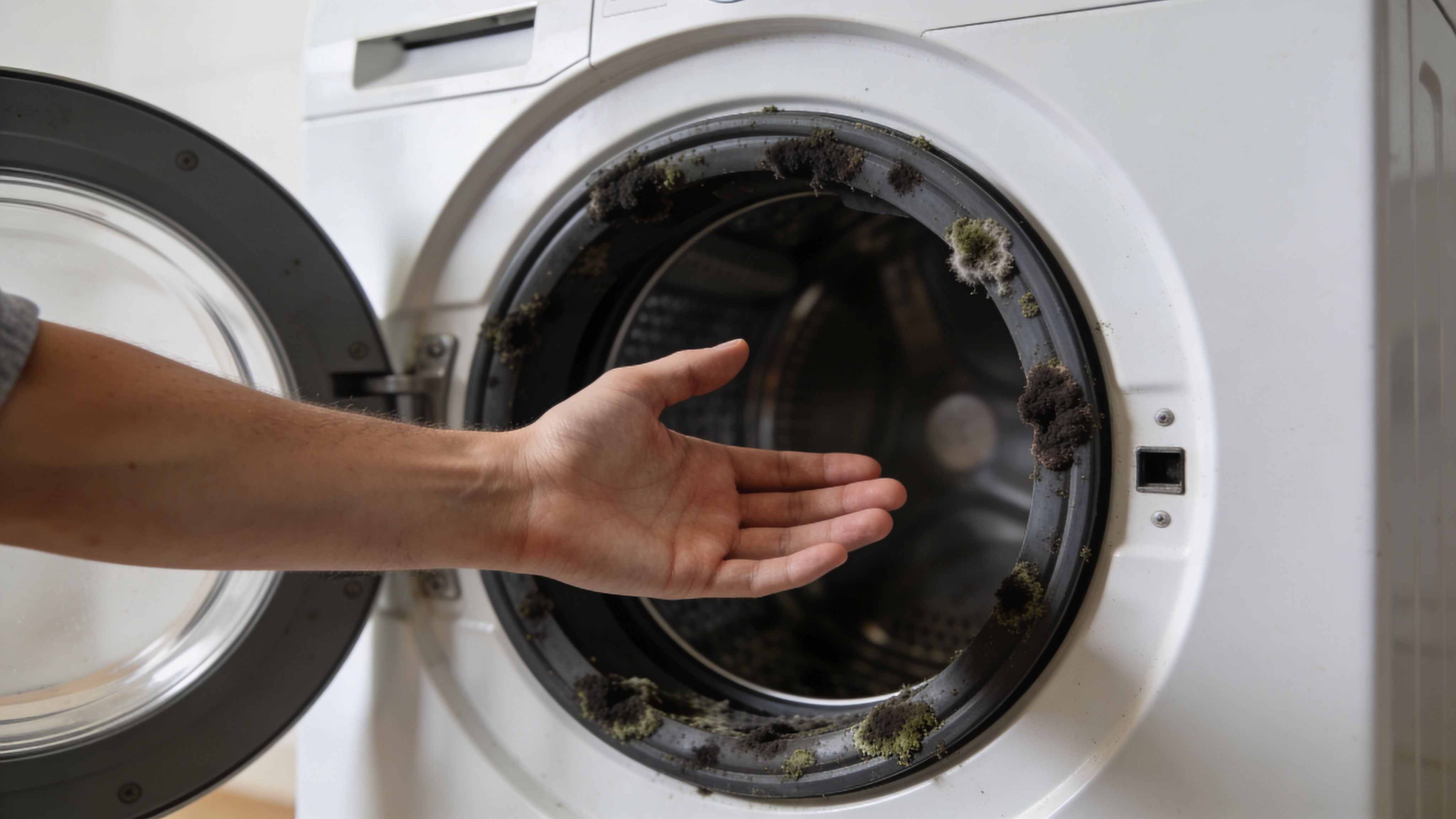
Where mold usually hides
Front-loaders are the most common trouble spot because the door seal holds moisture in folds and creases. That is where you often find:
- Black specks or spotting on the rubber gasket
- Orange or pink slime in damp corners
- Gray film in the detergent drawer
- Stale odor from the drum even after an empty cycle
Top-loaders can develop buildup too, but the pattern is typically different. In those machines, residue tends to collect under the rim, in the dispenser housing, or around the filter and drain components.
If your machine smells but the drum looks clean, do not assume there is no mold. A lot of contamination sits behind the gasket, inside the drawer channel, or deeper in the machine where a quick wipe cannot reach.
Why the smell matters
This is not only about odor. Mold spores thrive in the warm, moist drum and rubber gasket of front-loaders, and black mold can release mycotoxins linked to respiratory issues. A reported EPA finding summarized by Mold Guys on washing machine mold exposure noted that laundry mold exposure correlates with 20-30% higher indoor allergen levels in homes with infested washers, as spores cling to fabrics during wash cycles.
That matters more if your home includes children, older adults, or anyone with asthma, allergies, or a sensitive immune system. If you want a broader look at the potential health effects of mold exposure, that guide is useful background when washer odor feels like more than a nuisance.
If clothes smell musty after washing, do not solve it with extra fragrance first. Covering the odor can leave the source untouched.
The transfer problem is what frustrates families most. Mold in the machine can move onto the fabrics you wear, sleep on, and dry dishes with. Then the house starts to feel harder to manage because the “clean” step no longer feels trustworthy.
If odor is your main issue, this quick read on baking soda and laundry odors can help with fabric smell, but if the washer itself is contaminated, the machine needs attention first.
Gather Your Mold-Fighting Supplies
Do not start cleaning halfway. Failed attempts often occur because people begin with one spray bottle and then improvise.
Set everything out first so you can move through the washer in one pass.
What to have on hand
- Distilled white vinegar. Useful for wiping surfaces, loosening residue, and running a maintenance cycle.
- Liquid chlorine bleach. Best for a sanitizing cycle when your machine manual allows it.
- Microfiber cloths. Better than paper towels for gripping residue and getting into gasket folds.
- A scrub brush or old toothbrush. Necessary for seams, crevices, and dispenser corners.
- Spray bottle. Makes it easier to apply vinegar solution directly to problem spots.
- Rubber gloves. Smart protection when you are handling grime or bleach.
- A small bowl or bucket. Handy for soaking removable dispenser parts.
- Mild dish soap. Good for trays and parts with sticky residue.
- A dry towel. You will need this at the end. Drying is part of the cleaning, not an optional extra.
Choose the right cleaner for the job
Not every cleaner does the same thing.
Vinegar is useful when the problem is odor, film, or early buildup. Bleach is stronger for sanitizing the machine interior when mold is established and your washer manufacturer permits bleach use. For removable parts, hot soapy water and scrubbing typically work better than dumping in more chemicals.
A simple setup looks like this:
| Area | Best first tool |
|---|---|
| Rubber gasket | Vinegar solution, cloth, brush |
| Detergent dispenser | Hot soapy water, brush |
| Drum sanitation | Bleach cycle or vinegar maintenance cycle |
| Filter and drain area | Gloves, towel, shallow tray |
Safety first
Do not mix bleach and vinegar. Use one method, rinse thoroughly, and keep the area ventilated.
If the odor is strong or the visible growth is heavy, wear gloves and consider a basic mask while scrubbing. You are not being dramatic. You are keeping the job clean and controlled.
A Complete Guide to Deep Cleaning Your Washer
A good deep clean is not one wipe and one empty cycle. You have to work the parts that trap residue, then sanitize the machine, then dry it properly.
A hot cycle with 1 cup of liquid chlorine bleach at at least 60°C can achieve up to a 99% mold spore reduction per cycle, and 17% of front-load washer owners report mold compared to 3% for top-loaders, according to Consumer Reports on mold in washing machines.
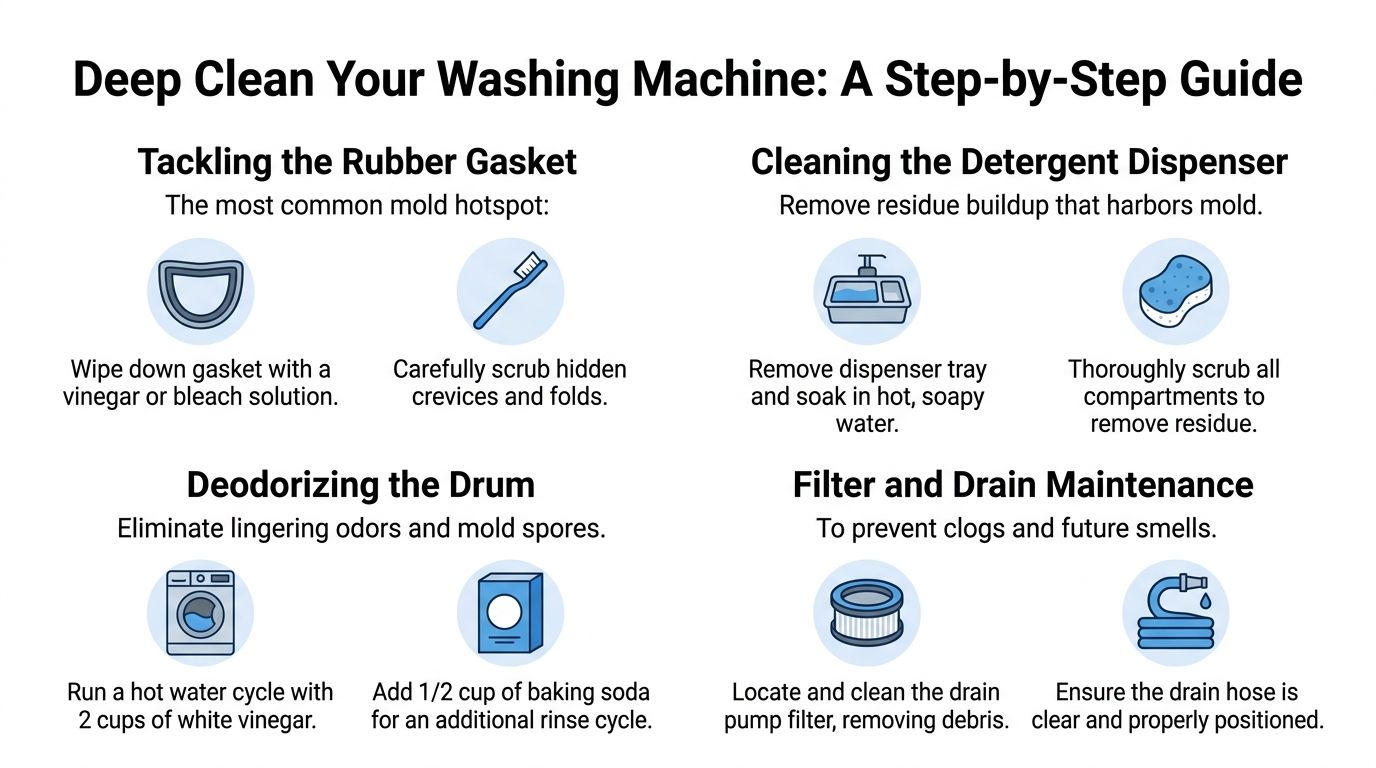
Start with the rubber gasket
On front-loaders, the gasket is typically the worst area. Pull it back gently and inspect all folds. That hidden inner lip is where slime, hair, lint, and mold often collect.
Spray a cloth with a vinegar solution and wipe the entire seal. Then go back with a toothbrush or small scrub brush and work into the creases.
If the buildup is thick, let the damp cloth sit against the area for several minutes before scrubbing again. The goal is to loosen the film, not just smear it around.
Spend more time on the gasket than you think you need. If this area stays dirty, the smell often returns quickly.
For top-loaders, you will not have a door gasket like a front-loader, but you should still inspect under the lid rim and around any soft seals or splash guards.
Remove and clean the dispenser
Most detergent drawers pull out farther than anticipated. Look for a release tab and remove the whole tray if your model allows it.
Once it is out:
- Soak the tray in hot, soapy water
- Scrub every compartment with a brush
- Wipe the housing cavity inside the machine where the drawer slides in
- Clear residue from corners where liquid detergent and softener harden
This step matters because dispenser sludge keeps feeding odor. If the tray looks clean from the front but feels slimy inside the compartments, keep scrubbing.
Sanitize the drum and drainage path
Once the gasket and drawer are handled, run the empty machine on its hottest full cycle.
If your manual allows bleach, add 1 cup of liquid chlorine bleach to the drum or dispenser and run the cycle hot. That reaches areas you cannot scrub by hand, including drainage lines and interior surfaces.
If you are not using bleach for this pass, a hot vinegar cycle can still help loosen odor and residue, though it is not the same thing as a sanitizing bleach cycle.
For front-loaders, choose the machine-clean or sanitize setting if available. For top-loaders, use the hottest and longest wash option you have.
Finish the wipe-down after the cycle
When the cycle ends, the machine is cleaner, but not done.
Open the door and wipe:
- The gasket again, especially inner folds
- The glass door
- The drum lip and lower edge
- The detergent tray and housing
- Any visible standing water
This final pass removes loosened debris left behind by the cycle.
Check the drain filter
A neglected filter can keep odor circulating through the machine. Many front-loaders have an access panel near the bottom front.
Before opening it, put down towels and a shallow tray. Water may spill out. Remove lint, coins, hair, and sludge, then wipe the housing clean before resealing it.
Some top-loaders handle filtration differently, so check your model instructions before forcing any panel open.
What works and what typically does not
A few practical trade-offs matter here.
- Works well. Targeted scrubbing, a true hot cycle, cleaning the drawer, and drying the machine afterward.
- Sometimes helps but is limited. A quick vinegar splash with no scrubbing.
- Typically fails. Adding more scented detergent, washing a load on cold and hoping it clears the smell, or wiping only the visible front edge of the gasket.
Front-load vs top-load cleaning priorities
| Machine type | Highest priority area | Most common mistake |
|---|---|---|
| Front-load | Door gasket folds | Closing door right after use |
| Top-load | Rim, dispensers, inner top edge | Ignoring hidden residue under the lid area |
If the machine still smells after this process, repeat the hand-cleaning of the gasket and dispenser before deciding the deep clean failed. Many washers need a second pass because the first cycle loosens buildup that has been sitting for months.
Create a Mold-Proof Maintenance Routine
A deep clean fixes today’s problem. Routine habits decide whether you have to deal with it again next month.
The strongest prevention is not complicated. It is consistency. Washer mold thrives when moisture sits still and detergent residue stays behind.
Preventive maintenance matters because detergent buildup provides 80% of mold’s nutrient base, and a bi-weekly hot water cycle with vinegar plus leaving the door open can reduce mold risk by over 75%, according to MycoTestKit on mold inside washing machines.
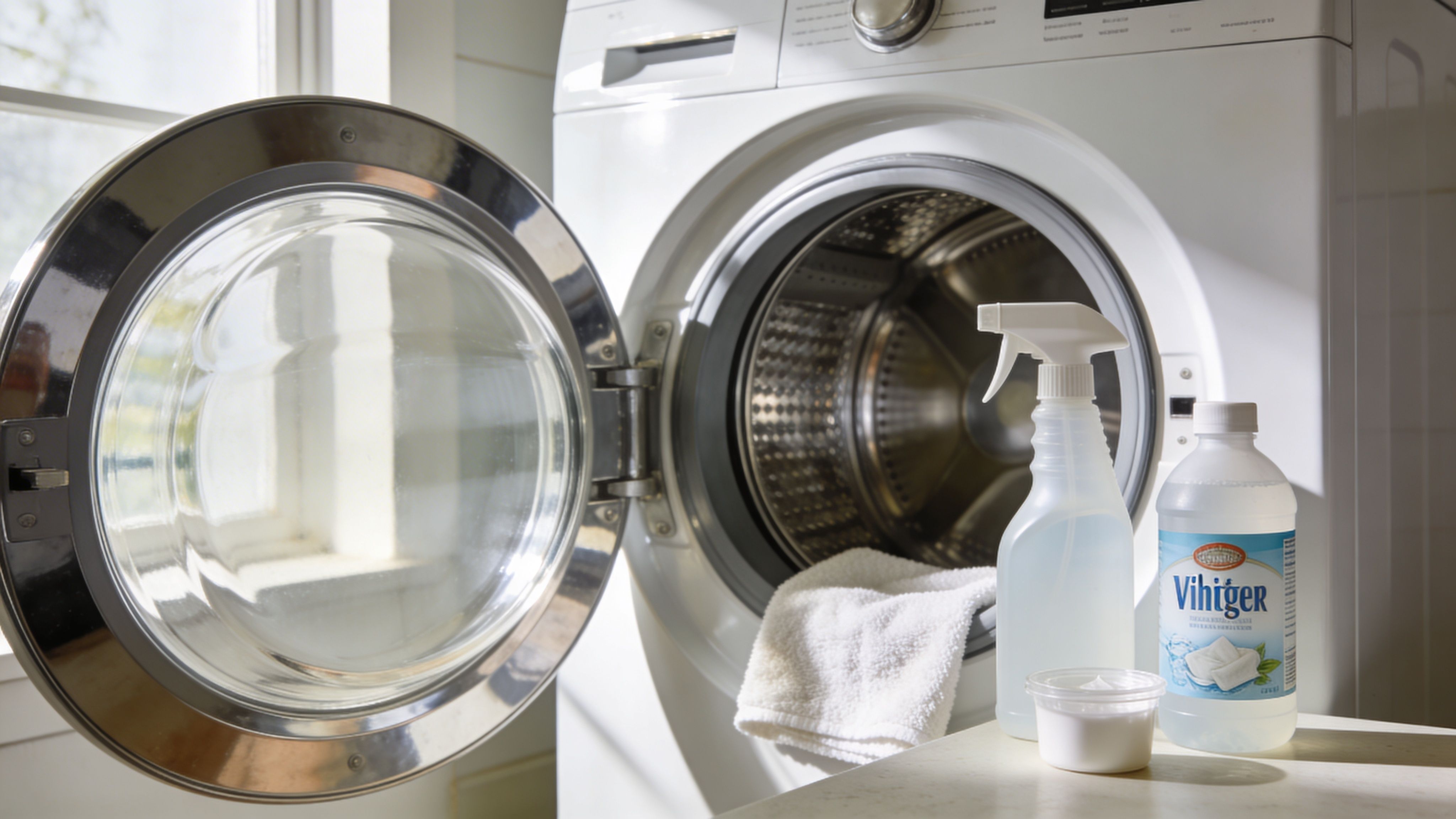
The habits that do the most work
Leaving the door open after a load feels minor, but it changes the environment inside the drum. Trapped humidity is what gives mold a head start.
Using less detergent also matters more than many anticipate. Many households are not dealing with “too much dirt.” They are dealing with left-behind product.
A simple routine that is realistic
Use this as a low-drama checklist:
- After each wash. Leave the door ajar so the drum and gasket can dry.
- After heavy or sweaty loads. Wipe the gasket and glass with a dry cloth.
- Every week or so. Pull back the gasket and check for film, hair, or small black spots.
- Every other week. Run a hot maintenance cycle with vinegar.
- Regularly. Clean the detergent drawer before residue turns gummy.
- Any time odor returns. Inspect the filter before running more laundry through the machine.
Why routines fail
People typically do not skip maintenance because they do not care. They skip it because laundry is happening in the middle of everything else. School pickup. Work calls. Dinner. Bedtime. The washer door gets shut on autopilot.
That is why the best routine is the one with the fewest moving parts.
If you only keep one habit, keep this one. Leave the door open after every load.
Use the right cycle on purpose
Cold water is useful for many garments, but if every load is cold and quick, the machine often never gets a proper internal reset. Build in a regular hot cleaning cycle so the washer itself gets attention, not only the clothes.
If cycle names on your machine are confusing, this guide to the washing machine cycle can help you choose a setting that matches the job.
Keep residue under control
Fabric softener, excess detergent, and neglected dispensers all leave food for growth. If your machine has been smelling bad for a while, simplify for a few weeks. Use the correct amount of detergent, skip unnecessary extras, and keep the gasket dry.
This is not about making laundry perfect. It is about making the machine less hospitable to mold. Once the washer stops staying damp and coated, the whole routine gets easier.
When to Stop Scrubbing and Reclaim Your Time
Some washing machines respond well to a serious clean. Others improve, then slide right back into the same odor and buildup pattern.
That is not always user error. Sometimes the machine design keeps trapping moisture faster than a busy household can stay ahead of it.
Between 2001 and 2010, class-action lawsuits against manufacturers such as Whirlpool and LG affected millions of consumers over front-loader design flaws tied to trapped moisture and mold, and a major settlement in 2016 offered compensation to up to 6 million people, as described in this report on front-loading washing machine mold lawsuits.
Signs the problem may be bigger than a cleaning issue
If any of these sound familiar, the machine may be the underlying problem:
- The odor returns quickly after a full deep clean
- Black spotting keeps reappearing in the same gasket folds
- Your clothes smell off again within a few loads
- There is visible grime in areas you cannot access
- You dread doing laundry because every load has become a troubleshooting session
There is a difference between maintenance and fighting the same appliance every weekend.
When outside help makes sense
If you suspect broader contamination in the laundry area, or if household mold concerns go beyond the washer itself, professional mold testing can clarify whether the issue is limited to the machine or part of a larger indoor air problem.
A significant trade-off involves time
A lot of people ask whether they can keep managing a mold-prone washer. They typically can, at least for a while.
The better question is whether they should keep spending their time that way.
If the machine needs constant wiping, repeat cycles, gasket scrubbing, and second-guessing every load, laundry stops being a household task and starts becoming background stress. It steals small pockets of time first. Then it takes over a Saturday.
There is a point where repeating the same fix is more expensive in time and peace than the laundry itself.
For households that are stretched thin, using a reliable laundry pickup and delivery service is not “giving up” on laundry. It is choosing not to let one faulty home system keep claiming attention week after week.
That choice can be practical even if the washer still works. If your machine has become unpredictable, outsourcing restores something more valuable than a clean basket of clothes. It restores trust in the result and frees up energy for the rest of life.
Common Questions About Washing Machine Mold
Is vinegar enough to remove mold from washing machine parts
Sometimes, yes. If the buildup is light and mostly odor-related, vinegar can help loosen residue and freshen the machine.
If there is visible mold deep in the gasket or recurring contamination, hand-scrubbing and a hotter, more thorough sanitation approach are often needed. Vinegar works best as part of a routine, not as a magic fix for a severe problem.
Is it safe to use bleach in the washer
It can be, but only if your machine’s care instructions allow it. Bleach is useful for sanitizing an empty washer cycle. It should not be mixed with vinegar or other cleaners.
Use one method at a time, ventilate the area, and wipe the machine dry when the cycle is done.
Can mold in a washer affect health
It can be more than a smell problem. Scientific studies have found high microbial contamination in household washers, including a wide range of fungi and pathogenic bacteria. A metabarcoding analysis reported Pseudomonas aeruginosa in 66.67% of machines, with potential health risks that include allergies and respiratory issues, especially for immunocompromised people, according to Indoor Doctor on microbial contamination in washing machines.
That does not mean every musty washer is causing illness. It does mean the issue deserves more consideration than it typically receives.
Why do my clothes still smell after I cleaned the drum
Because the drum is only one part of the machine. The gasket, dispenser, filter, and drainage path typically hold onto the odor source.
Another possibility is that the machine transferred smell into fabrics over time, so the first clean load may still need a rewash after the washer itself is properly cleaned.
Should I replace the washer
Sometimes replacement makes sense. If mold keeps returning despite proper cleaning and maintenance, the design may be working against you.
Before replacing it, weigh the actual cost. Not just the appliance cost, but the ongoing labor, the repeated rewashing, and the frustration attached to every load.
What is the easiest way to stop dealing with washer mold entirely
The easiest way is to stop relying on a machine that keeps creating the same problem. For some people that means replacing the washer. For others, it means outsourcing laundry so clean clothes no longer depend on a mold-prone home machine.
If laundry has turned into one more source of household stress, Columbia Pike Laundry offers a calmer option. We wash every customer’s items separately, use professional-grade processes, and default to Free & Clear detergent that is gentle on clothes and skin. Pickup and delivery makes the whole routine easier, but the primary benefit is simpler than that. You get clean clothes back, and you get your time back too.
Free pickup, expert care, delivered back to your door.
Popular Blog Articles



Meet the Author
Daniel Logan didn’t start CPL because he loved laundry. He started it because his family was drowning in time debt, and laundry was one of the biggest weights.
Mornings were chaos with two kids under 5. Evenings felt like catch-up. And weekends? Gone to sorting socks and folding piles.
He knew his story wasn’t unique. So he built a business that gave families like his just a little bit of breathing room one load at a time.
With no laundry experience but deep tech skills, Daniel rolled up his sleeves, doing every job himself while building systems that turned it into a modern laundry service that saves customers time, simplifies their lives, and delivers reliability they can count on.
That’s where CPL began. Not from a playbook, but from pain. From one dad trying to buy back time: for himself, and for every household like his.
Free pickup, expert care, delivered back to your door.